What makes Krabi special
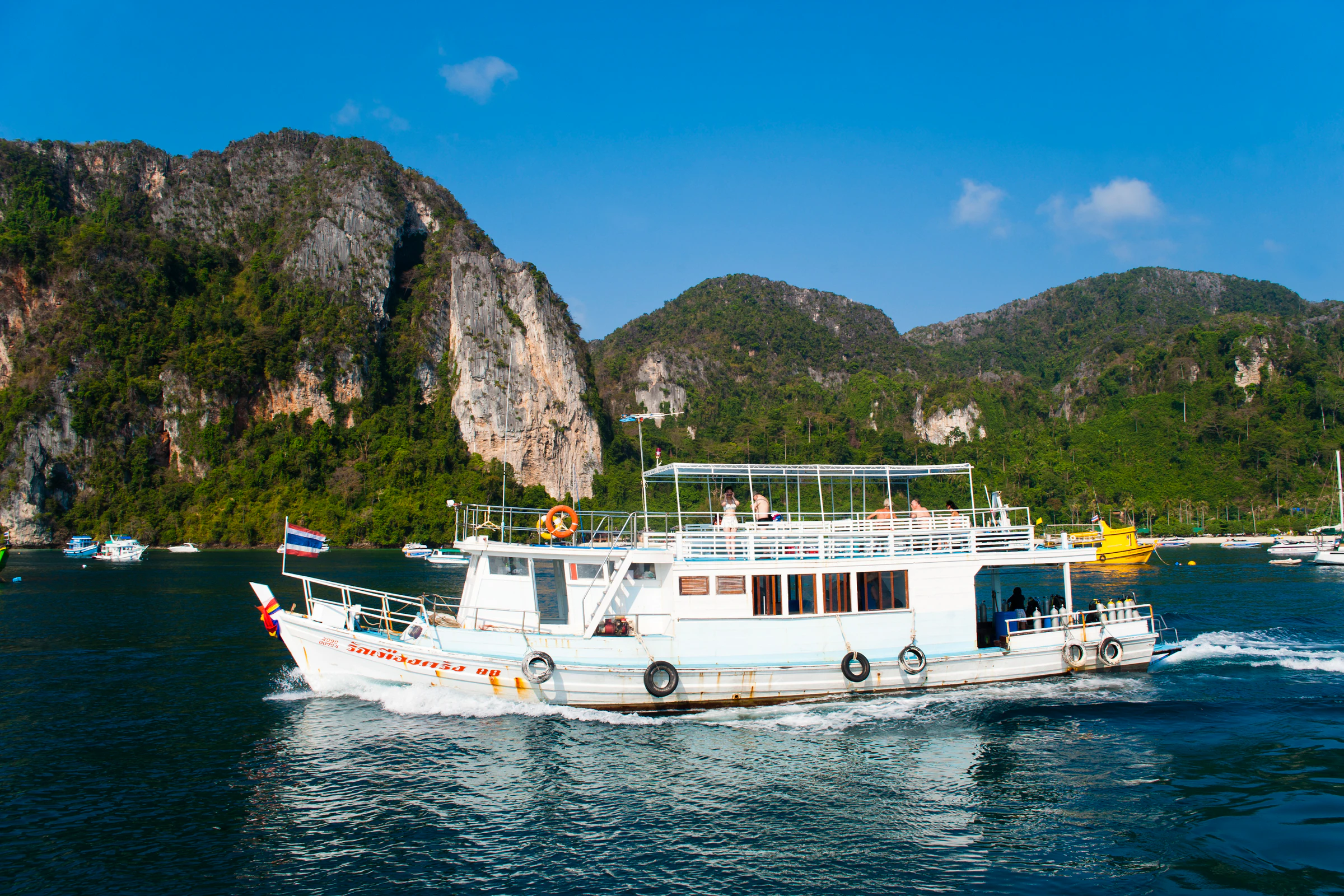
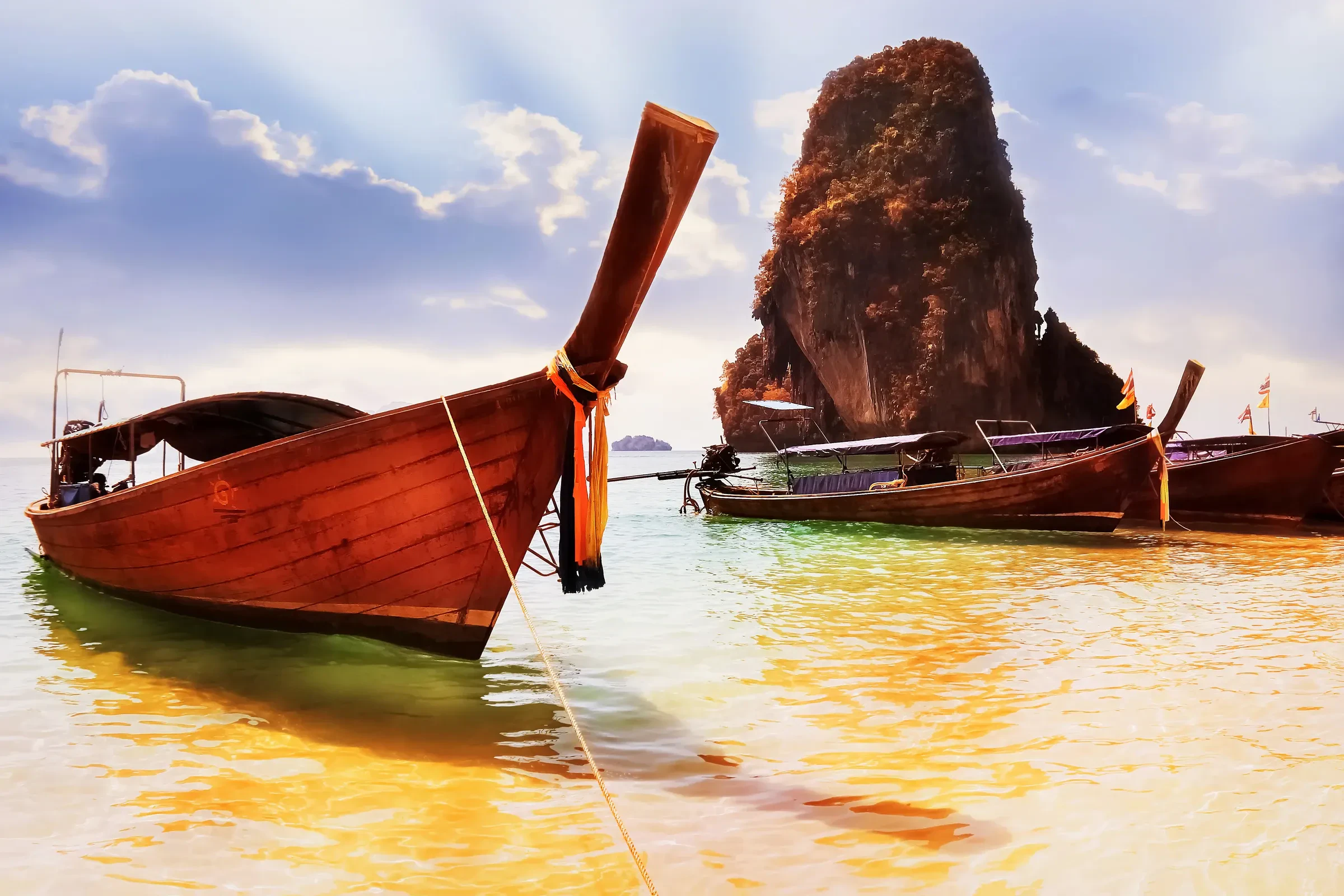
Krabi province is the mainland side of Thailand's most photographed stretch of coast: limestone karst towers rising straight out of turquoise water, longtail boats lined up on every beach, and a short hop to the same islands that show up on postcards for Phuket. It's the base for the four islands and Hong islands day trips, for Railay's climbing walls, and for two inland side trips: the Tiger Cave Temple stair climb and the Emerald Pool and hot springs. It's also the mainland gateway to Koh Phi Phi and Koh Lanta, both a boat ride further out, and one stop on the wider Thailand travel guide.
Where to go within Krabi
Ao Nang
Ao Nang is Krabi's main beach town: a paved seafront road, a walking street of restaurants and bars, dive shops, laundries and ATMs, and the pier most boat trips leave from. Its own beach isn't the highlight, but it's the easiest place to arrange everything else on this list, and it's a straightforward taxi or shared minivan ride from Krabi Airport. Stay here if convenience matters more than the view outside your door.
Railay
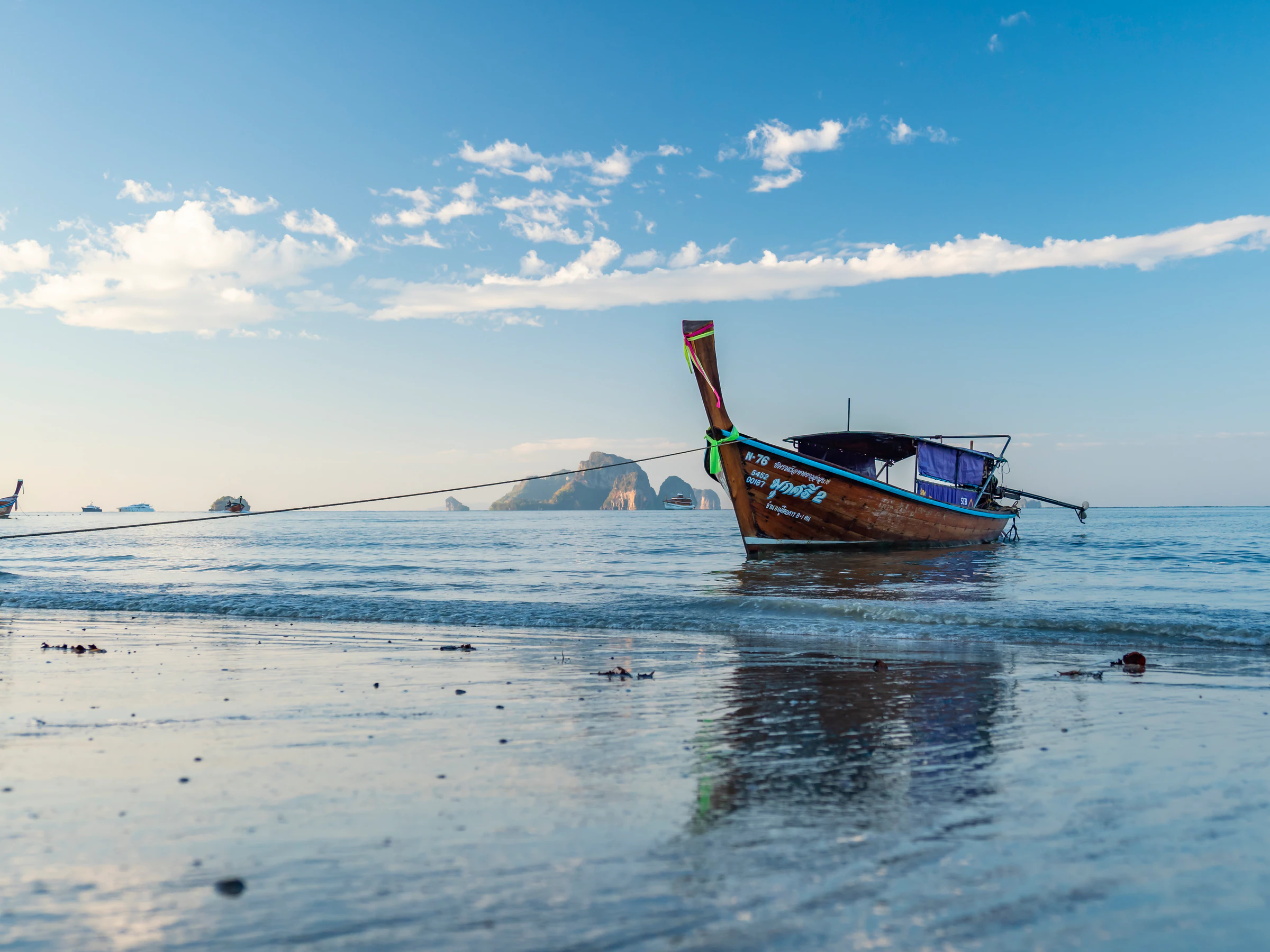
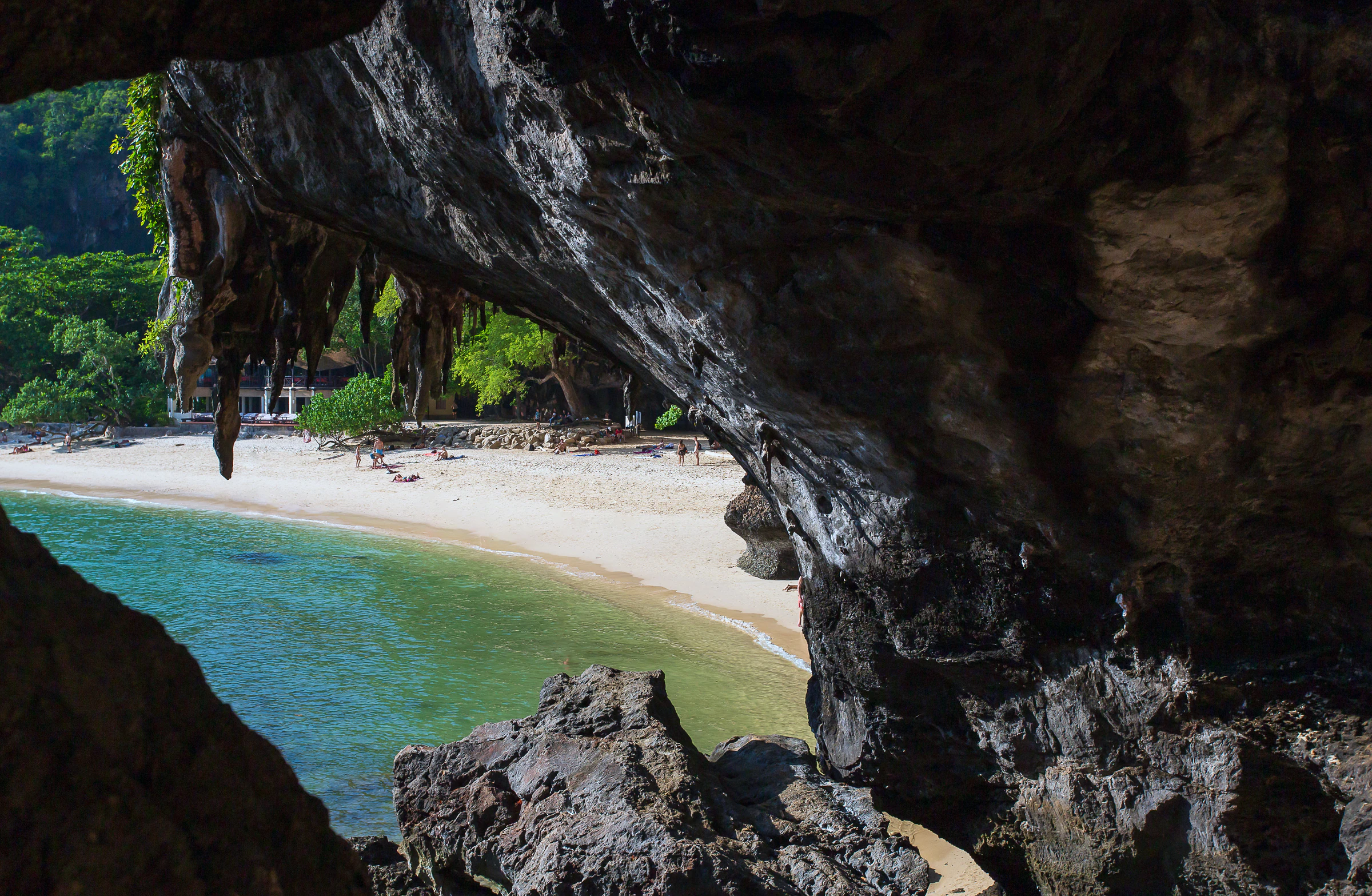
Railay sits on the same peninsula as Ao Nang but is walled in by cliffs, so the only way in or out is by longtail boat, a few minutes' crossing that runs through the day, more often at high tide, for roughly 100 to 150 baht one way. The boat ride buys you Railay West's sunset beach, Railay East's mangroves, Phra Nang Cave Beach with its shrine, and some of the best sport climbing in Asia on the walls above. Stay here for the setting and the climbing, but expect to pay more for food and rooms than in Ao Nang, since everything arrives by boat.
Krabi Town
Krabi Town sits on the Krabi River about 20 kilometres from Ao Nang, roughly 30 to 40 minutes by songthaew or taxi. It's a working river town rather than a beach base: a night market, a weekend walking street, and the departure point for some ferries and for the road out to Tiger Cave Temple. Most travellers pass through it once, for an airport transfer or a ferry connection, rather than staying the night.
Things to do
The four islands longtail day
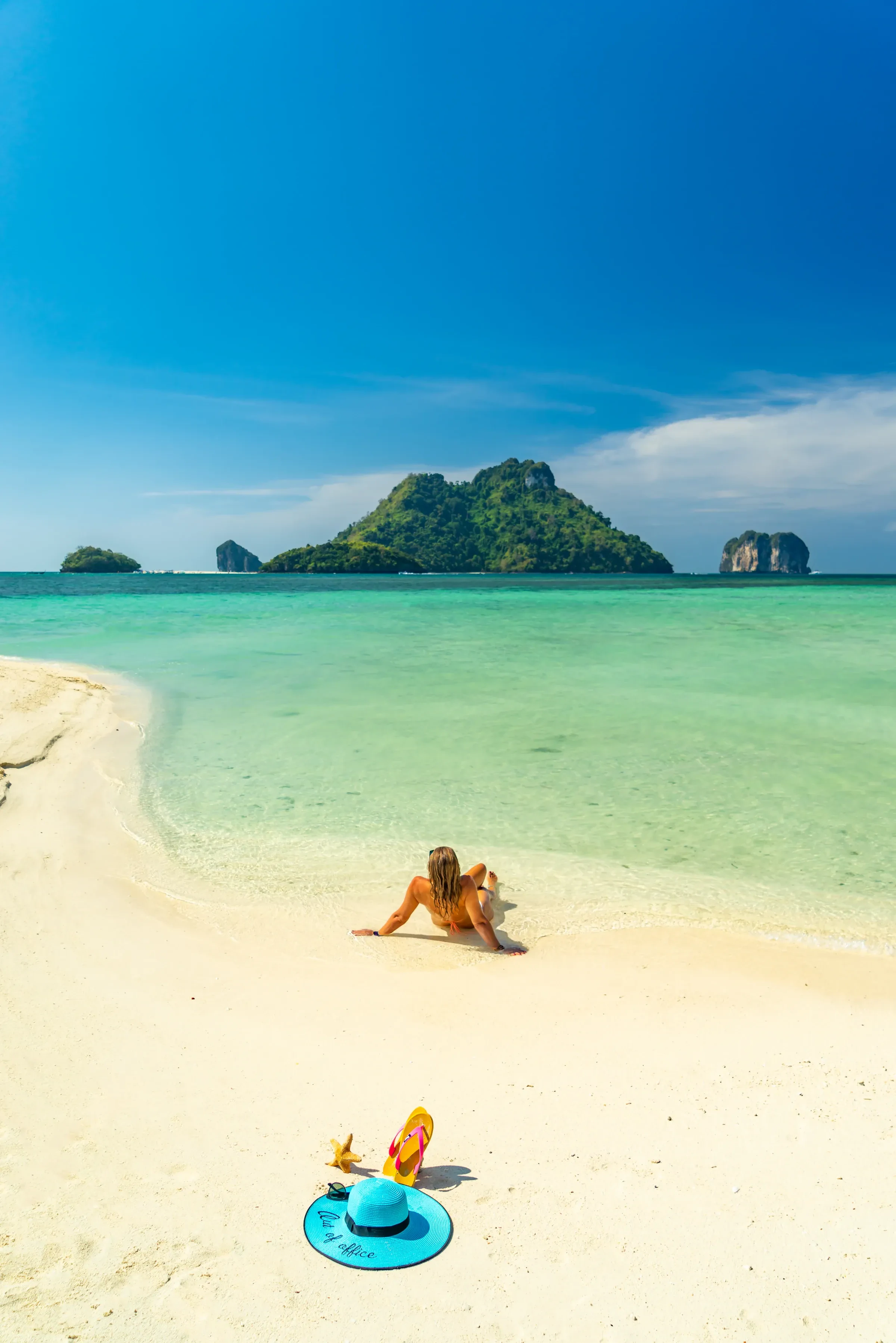
The standard Krabi day trip runs by longtail or speedboat from Ao Nang to Phra Nang Cave Beach, Chicken Island, Poda Island and Tup Island, where a sandbar connects to neighbouring Mor Island at low tide. A shared group tour starts from about 1,100 baht per person; a private longtail for a small group runs to roughly 3,999 baht for the boat. On top of that comes a national park fee, listed at 400 baht for foreign adults (200 for children). Tour prices often leave it out, and some operators quote 200 baht, so ask exactly what your booking covers.
Hong islands
The Hong Islands (Mu Ko Hong), inside Than Bok Khorani National Park, are a quieter alternative: a lagoon ringed by cliffs, plus Lading and Pakbia islands nearby for snorkelling and kayaking. Boats leave from Ao Nang, about 20 to 30 minutes each way, with full-day tours from around 1,200 baht per person including lunch, plus a national park fee of about 300 baht for adults, paid in cash at the pier.
Railay climbing
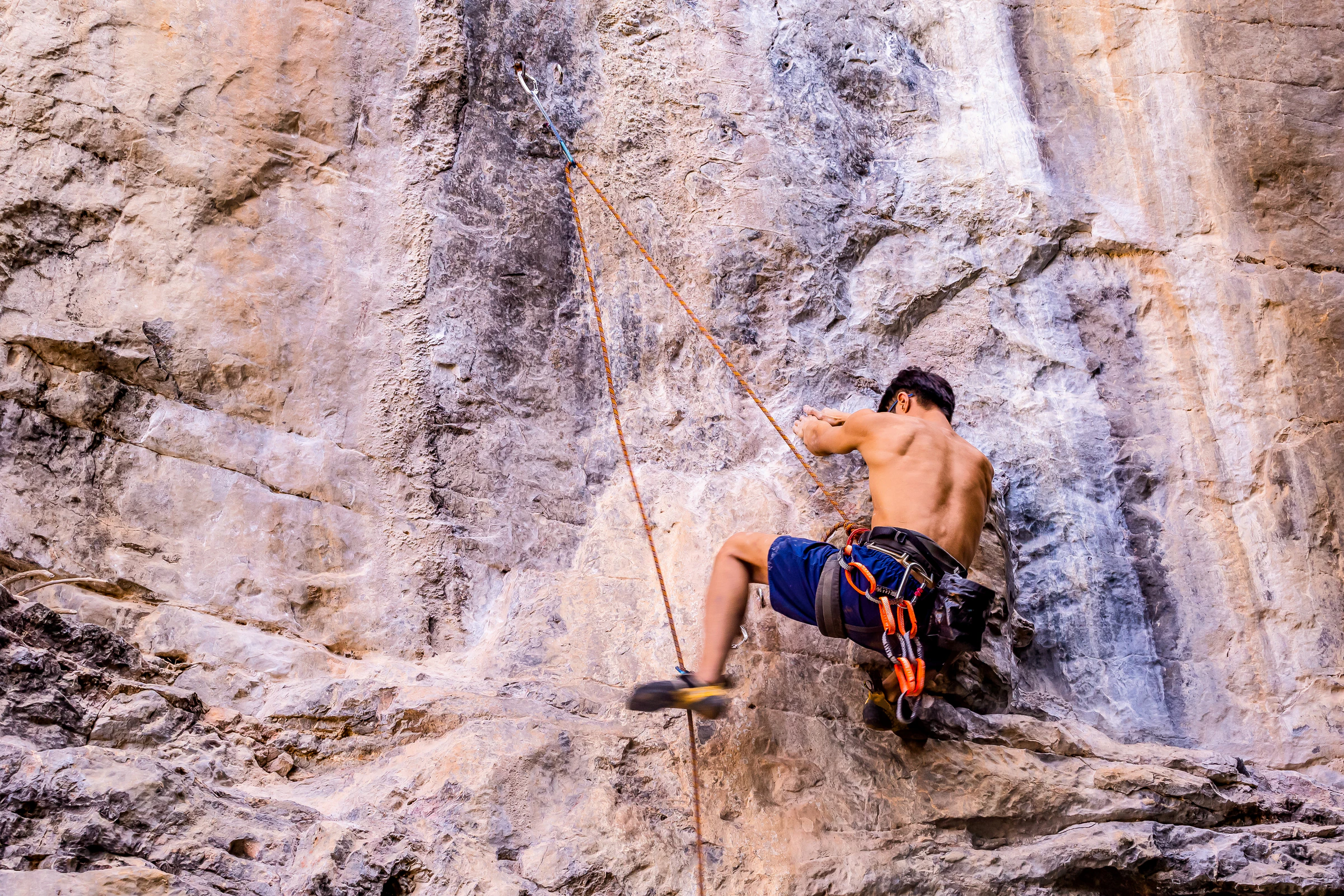
Railay and neighbouring Tonsai carry some of the best-known limestone sport climbing in Asia, with routes bolted for everything from a first taster to multi-pitch lead climbs. A half-day taster session with gear and an instructor runs from about 800 to 1,500 baht and needs no experience; longer, structured courses that take you from top-rope to leading are also available through the established climbing schools on Railay's east side. Deep water soloing, climbing unroped over the sea from a longtail boat, is a Railay speciality if you can swim confidently.
Tiger Cave Temple (Wat Tham Sua)
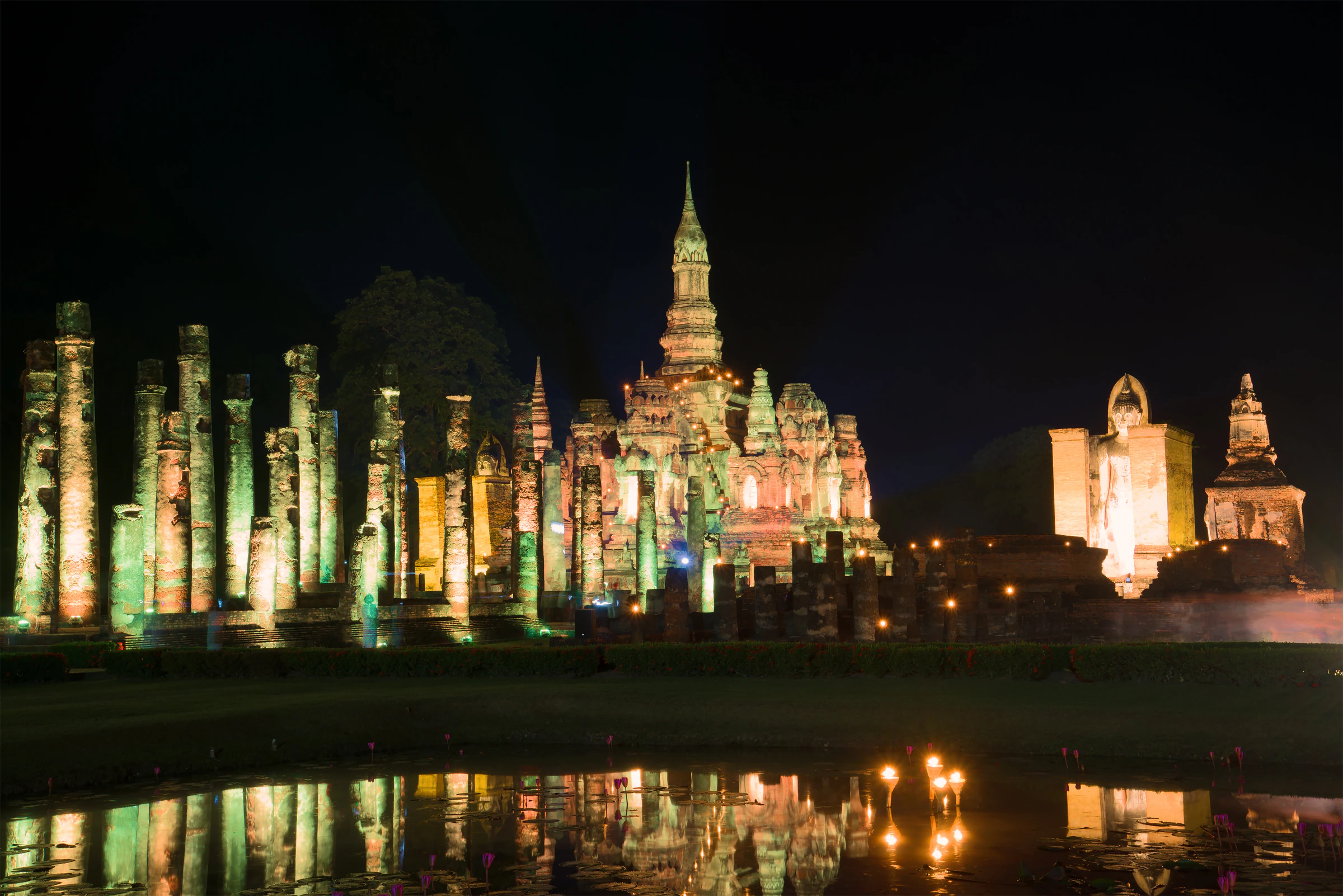
Wat Tham Sua's hilltop shrine sits above roughly 1,260 steps (older signs on the mountain still say 1,237; the count has crept up with recent repair work), a steep, uneven climb that takes most people 25 to 45 minutes. Entry is free, though a donation is expected, and the payoff at the top is a hilltop Buddha, a pagoda and a view over Krabi's karst landscape. Climb from around 4pm to avoid the worst of the midday heat and catch the view around sunset.
The Emerald Pool and hot springs
Inland from Ao Nang, in Khao Phra Bang Khram Wildlife Sanctuary, the Emerald Pool is a spring-fed, jade-green pool you can swim in, with the smaller Blue Pool a short walk further along the trail; a combined ticket runs about 400 baht for foreign adults. A separate hot springs site nearby, a shallow, naturally warm stream you wade or float along, costs roughly 100 to 200 baht for foreign adults (sources differ) and opens from about 8:30am. Most people combine both into one day trip, self-driven or on a half-day tour.
What to eat
Grilled seafood on the beach is the constant here, but look out for khanom jeen, fermented rice noodles served with a curry ladled over the top, a southern Thai staple you'll find at markets in both Ao Nang and Krabi Town, and a Thai green curry made with the day's catch. Roti with condensed milk is the standard beach-stall breakfast up and down this coast.
Best time to visit
November to April is what makes this coast work: calm seas, reliable longtail crossings and ferries at full frequency, with the calmest, clearest water from December to March. May to October brings the southwest monsoon, and rough seas can cancel the Ao Nang to Railay longtail and push climbing schools to reschedule sessions around afternoon storms. Christmas, New Year and Chinese New Year are the busiest and priciest weeks to book a room in Ao Nang or Railay.
Getting there and around
Fly into Krabi International Airport (KBV), which connects domestically through Bangkok and has a growing number of direct international routes. From KBV, it's about 26 kilometres and 30 to 40 minutes by taxi or shared minivan to Ao Nang. Railay isn't reachable by road at all, so you continue from Ao Nang's pier by longtail boat. Within Krabi, songthaews and taxis cover Ao Nang and Krabi Town, and longtail boats are the only way between Ao Nang, Railay and the offshore islands.
How long to spend, and which guide to use
Four to five days covers Krabi as a single base: a day for the four islands or Hong islands, a day in Railay for the beach and a climbing taster, and a day for either Tiger Cave Temple or the Emerald Pool and hot springs. If you'd rather move along the coast than base in one place, fold Krabi into the Andaman coast itinerary, which covers it as one stop in a 1-week, 10-day or 2-week route through Phuket, Koh Phi Phi and Koh Lanta, or see the Thailand island hopping guide for how the ferries between them fit together. Koh Phi Phi and Koh Lanta both reward more time than a day trip from Krabi gives them; see our Koh Phi Phi guide and Koh Lanta guide for how long to give each one. If you're still deciding between Krabi and Phuket as your Andaman base, our Krabi vs Phuket comparison sets out the difference; for now, Krabi sits closer to the climbing and the limestone cliffs, while Phuket has the bigger airport and the wider choice of day trips.