Sri Lanka vs Thailand at a glance
| Sri Lanka | Thailand | |
|---|---|---|
| Cost per day | About US$35 to 55 (LKR 11,500 to 18,000) including a dorm bed or basic guesthouse, food, local transport and a share of entry fees; more with a hired driver | About US$30 to 45 (1,000 to 1,500 baht) for food, drinks and local transport, before the bed (dorm beds 150 to 700 baht a night); more on the islands |
| Best months | South and west coasts and the hill country: December to March. East coast (Arugam Bay): April or May to September | Mid-December to about 20 February for the whole country |
| Flight time from the UK | Nonstop from Heathrow, about 10h45 out, about seven times a week; everyone else connects, roughly 13 to 17 hours | Nonstop to Bangkok from Heathrow and Gatwick, roughly 11 to 12 hours out |
| Flight time from the US | No nonstop; typically 18 to 20 hours via the Gulf, up to about 24 on other routes | No nonstop; about 19.5 hours is the quickest one-stop we found (from Los Angeles), others take longer |
| Flight time from Australia | Nonstop from Melbourne (SriLankan daily, Jetstar three a week), around 11 hours; we found no airline source for a Sydney nonstop | Nonstop from Sydney, Melbourne and Perth; Melbourne to Bangkok is about 9.5 hours |
| Visa | Free 30-day ETA for 40 countries, including the UK, US, Canada, Australia, New Zealand and India, but only 12 EU states and not Ireland; US$50 online for everyone else, applied for before you fly | Visa-free for 30 days for the same passports plus Ireland and the rest of the EU, since 15 September 2026, with a free TDAC arrival card |
| Beaches and islands | One long south coast (Mirissa, Weligama, Hiriketiya, Unawatuna) plus the wilder east coast around Arugam Bay; no real offshore islands | Two coastlines and dozens of islands to hop between: Koh Phi Phi, Koh Samui, Koh Phangan, Koh Tao, the Similans |
| Surf and diving | A proper surf coast on two opposite seasons; snorkelling and diving is smaller in scale, led by Pigeon Island's reef | Diving is bigger: Koh Tao is one of the world's busiest certification spots, plus Similan liveaboards; surf is far less consistent |
| Culture and temples | Four ancient-world sites in the Cultural Triangle: Sigiriya, Dambulla, Polonnaruwa, Anuradhapura, within a couple of hours of each other | Buddhist temples, royal palaces and hill-tribe villages spread across a much bigger country |
| Wildlife | Yala's leopards, Udawalawe's elephant herds and the Minneriya elephant gathering | Observation-only elephant sanctuaries near Chiang Mai and whale shark chances at a few Andaman dive sites; no safari parks |
| Food | Rice and curry, hoppers and kottu roti, built around coconut and spice | Street food and night markets, easy to find and eat well almost anywhere |
| Nightlife | Low-key beach bars on the south coast; nothing built around a big organised night out | A bigger part of the trip everywhere: Bangkok's bars, Chiang Mai's markets, Koh Phangan's Full Moon Party |
| Getting around | Trains on the coastal line and part of the hill-country line (Nanu Oya to Ella running, Kandy to Nanu Oya still closed), plus buses, tuk-tuks and a hired driver for multi-stop routes | Overnight trains, budget flights and ferries, simple to book even last minute |
| Solo-friendliness | Comfortable for solo and female travellers, especially the well-worn south coast route | One of the easier countries in Asia to travel alone, including for women |
Cost per day
The two guides count different things, so compare them carefully. Sri Lanka's roughly US$35 to 55 a day (LKR 11,500 to 18,000) includes a dorm bed or basic guesthouse, food, local transport and a share of entry fees. Entry fees at the ancient sites and safaris cost more than similar tickets elsewhere in the region, and most independent travellers end up sharing a hired driver for at least part of a multi-stop route (Sri Lanka cost guide). Thailand's 1,000 to 1,500 baht a day (about US$30 to 45) covers food, drinks and local transport only, with island stops costing 20 to 40% more than the mainland. A dorm bed runs 150 to 700 baht a night on top (Thailand cost guide).
Winner: Tie. Add a bed to Thailand's figure and the two ranges overlap, so your style of travel matters more than the country.
Best months to go
Thailand has one clear window: mid-December to about 20 February, when the whole country is dry (Thailand best time guide). Sri Lanka doesn't have one dry season, it has two, on opposite sides of the island. The south and west coasts and the hill country are driest from December to March, and the Cultural Triangle is most comfortable from January to March, while the east coast around Arugam Bay runs the opposite calendar, best from April or May to September (Sri Lanka best time guide).
Winner: Thailand, for simplicity. Sri Lanka's split seasons need more planning, but they also mean there's always a good coast somewhere on the island.
Visa and entry
Since 15 September 2026, Thailand lets the UK, US, Canada, Australia, New Zealand, Ireland, every EU country and India in visa-free for 30 days, plus a free TDAC arrival card filed online before you land (Thailand visa guide). Sri Lanka's ETA has been free since 25 May 2026 for 40 countries, including the UK, US, Canada, Australia, New Zealand and India, for a 30-day double-entry stay, but only 12 of the EU's 27 states are on that list, and Ireland isn't one of them; everyone else pays US$50 online, and you should hold the ETA before you fly rather than rely on the airport (Sri Lanka visa guide).
Winner: Thailand, for the wider free-entry list. Sri Lanka's ETA is just as free for most English-speaking passports, but it leaves more of Europe paying a fee.
Beaches and islands
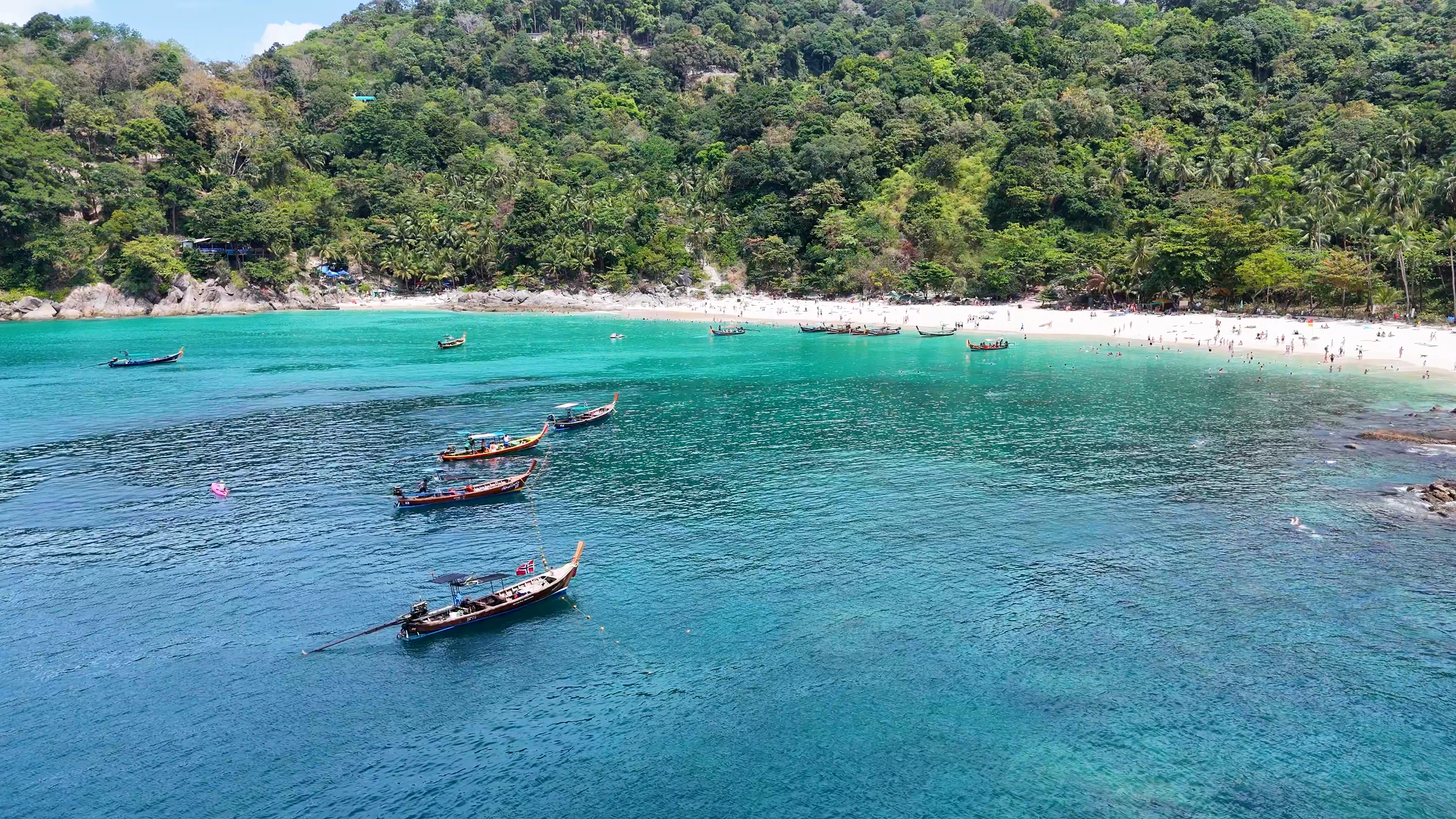
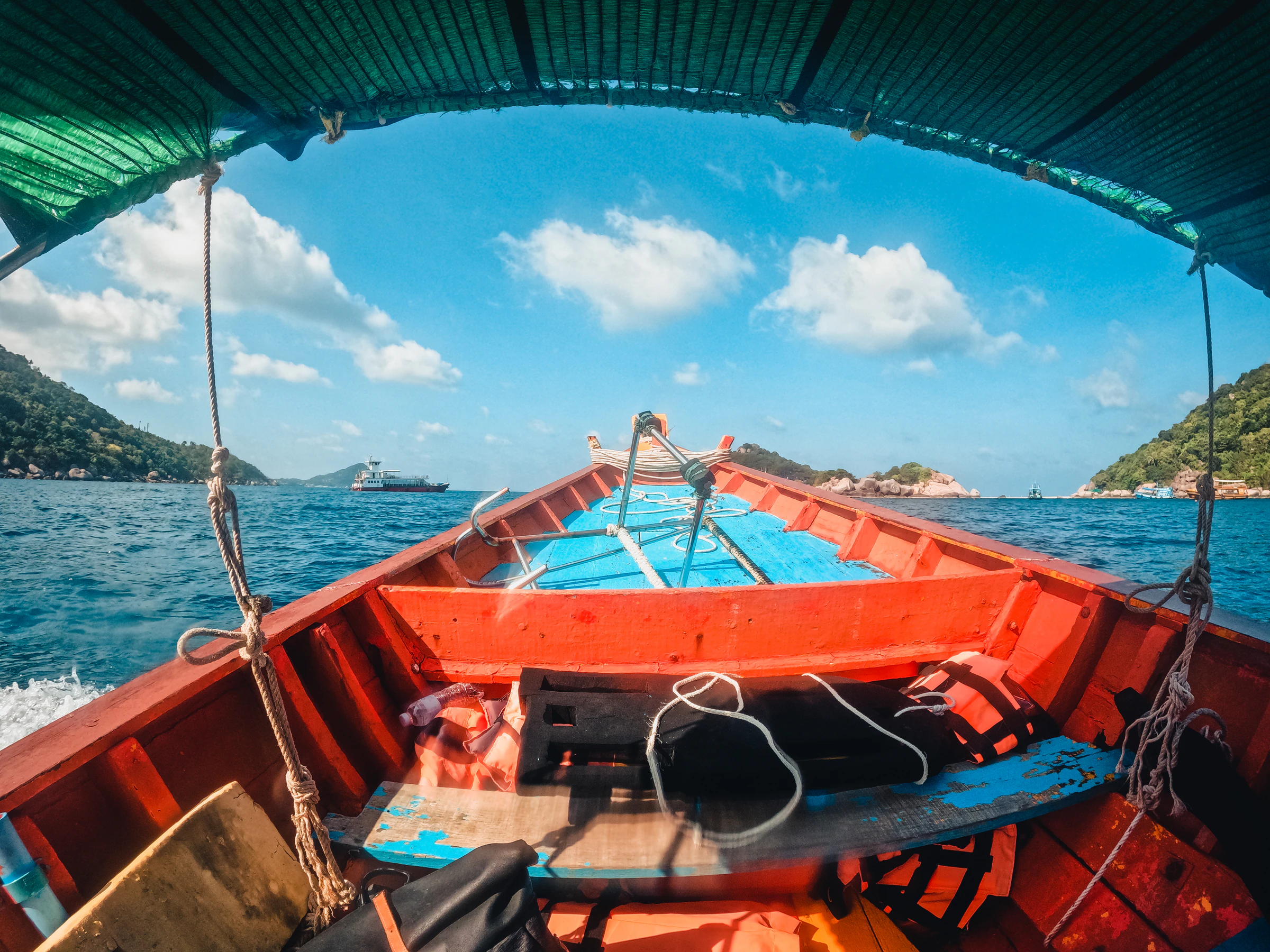
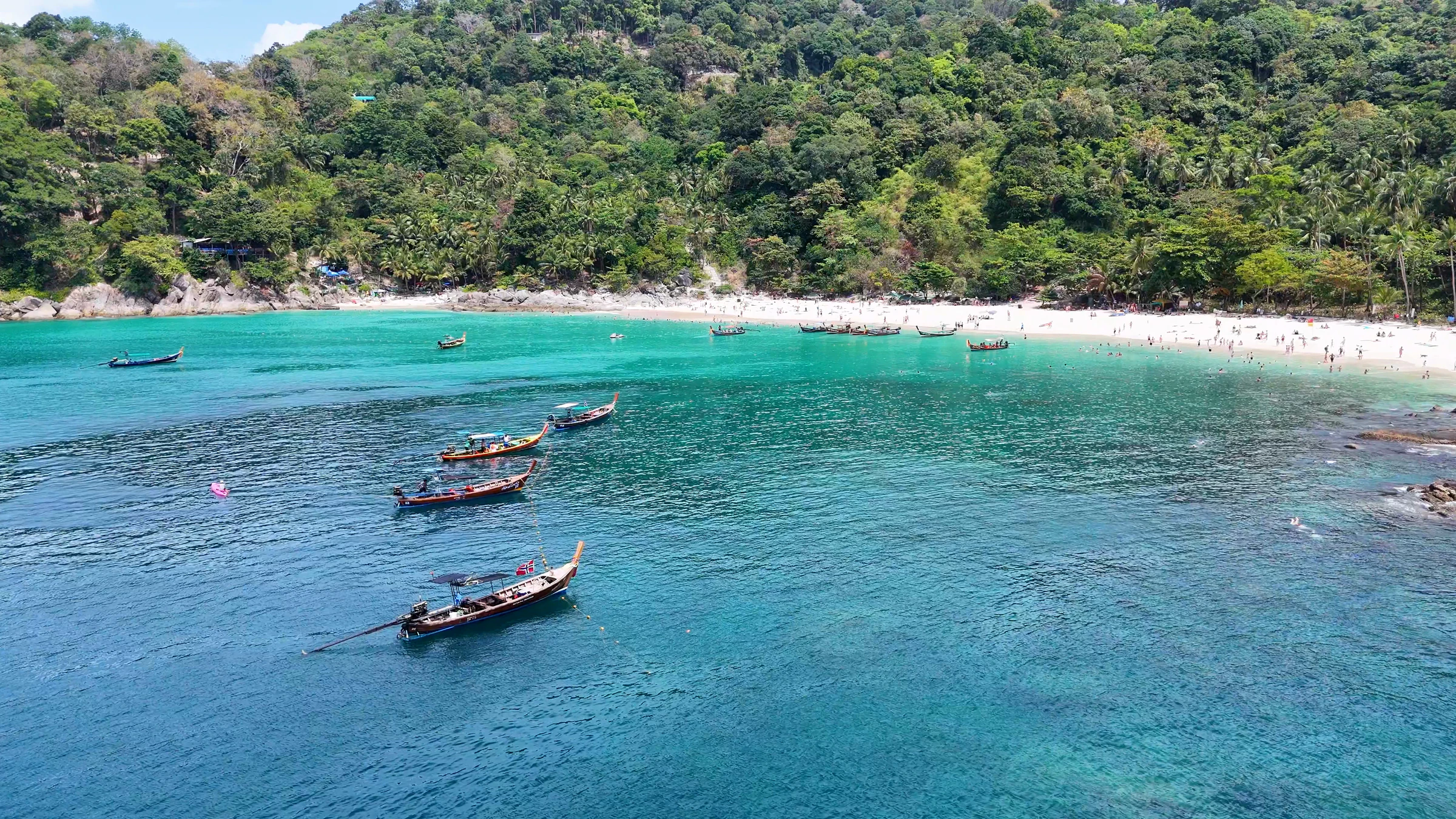
Sri Lanka's beaches run along two coasts on opposite seasons, from the south's Mirissa, Weligama, Hiriketiya and Unawatuna to the wilder, quieter east coast around Arugam Bay, but there's no real island-hopping built into a Sri Lanka trip. Thailand has two coastlines, the Gulf and the Andaman, and dozens of islands scattered across both: Koh Phi Phi's limestone cliffs, Koh Samui and Koh Phangan in the Gulf, Koh Tao's clear water, and the Similan Islands further offshore (Thailand island hopping guide).
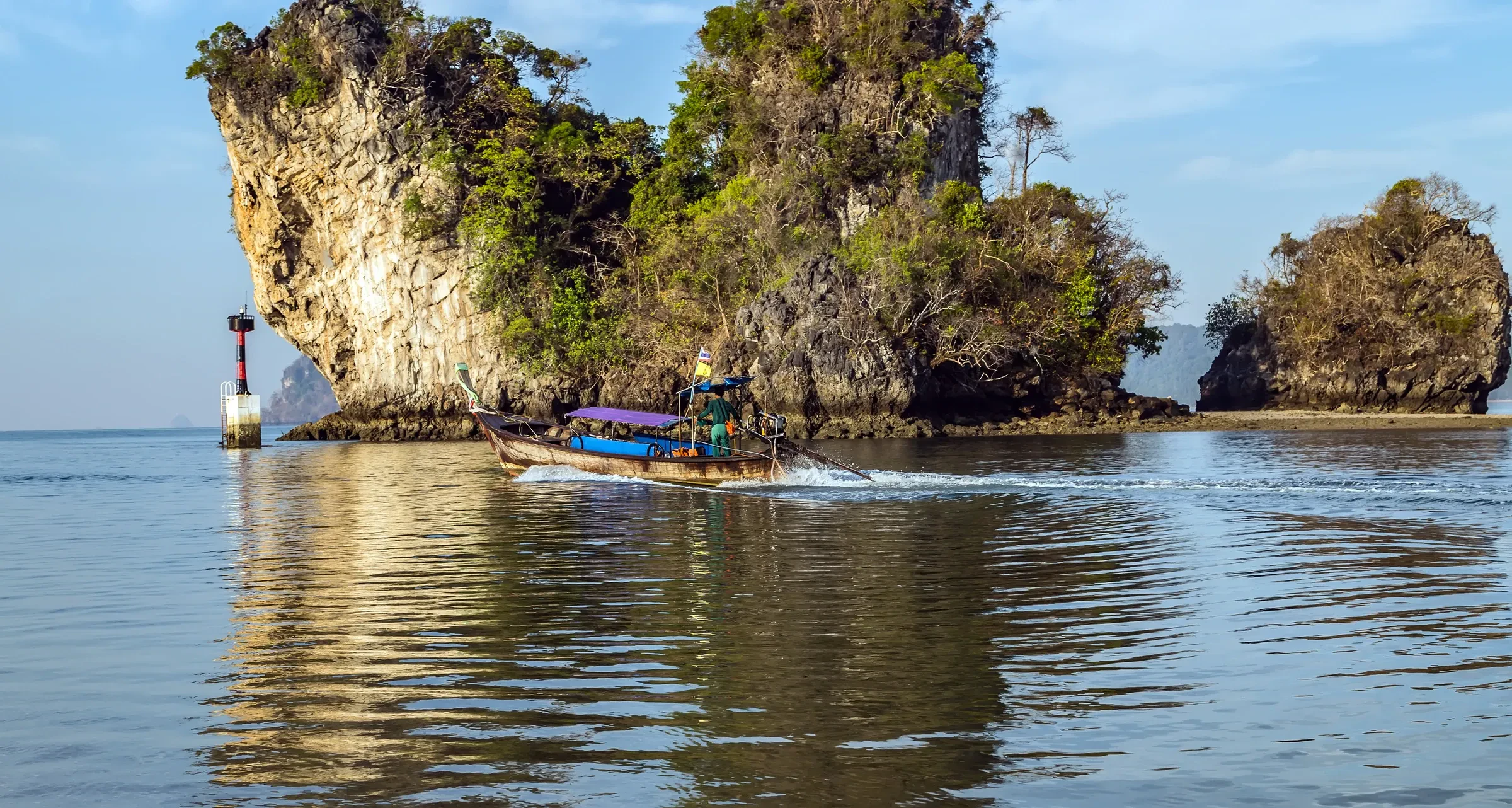
Winner: Thailand, for the sheer range of coastlines and islands to choose between.
Surf and diving
Sri Lanka's surf splits across two coasts on opposite seasons: the south coast around Weligama is the main learn-to-surf base, working November to April, and Arugam Bay's east coast point breaks suit improvers and up, peaking July and August (Sri Lanka surfing guide). Its snorkelling and diving sits on a smaller scale, built around Pigeon Island's protected reef off Trincomalee (Sri Lanka snorkelling guide). Thailand's diving is on a different scale altogether: Koh Tao is one of the world's busiest and cheapest places to get PADI certified, and the Andaman side reaches the Similan Islands and rated sites like Hin Daeng, where whale sharks and manta rays are reported but never guaranteed (Thailand diving guide). Thailand's surf, by contrast, is far less consistent than Sri Lanka's on either coast.
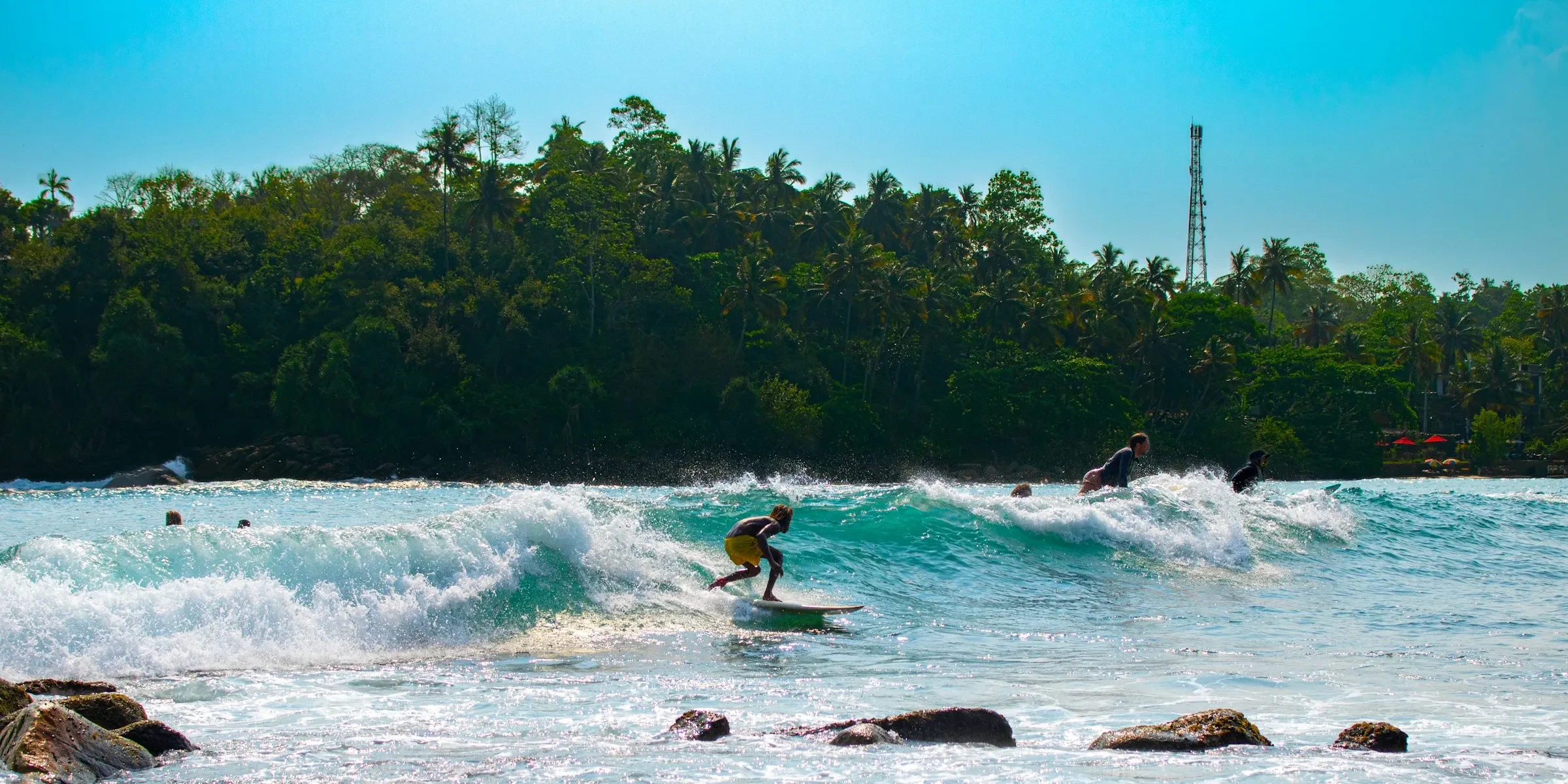
Winner: Thailand for diving. Sri Lanka for surf.
Culture and temples
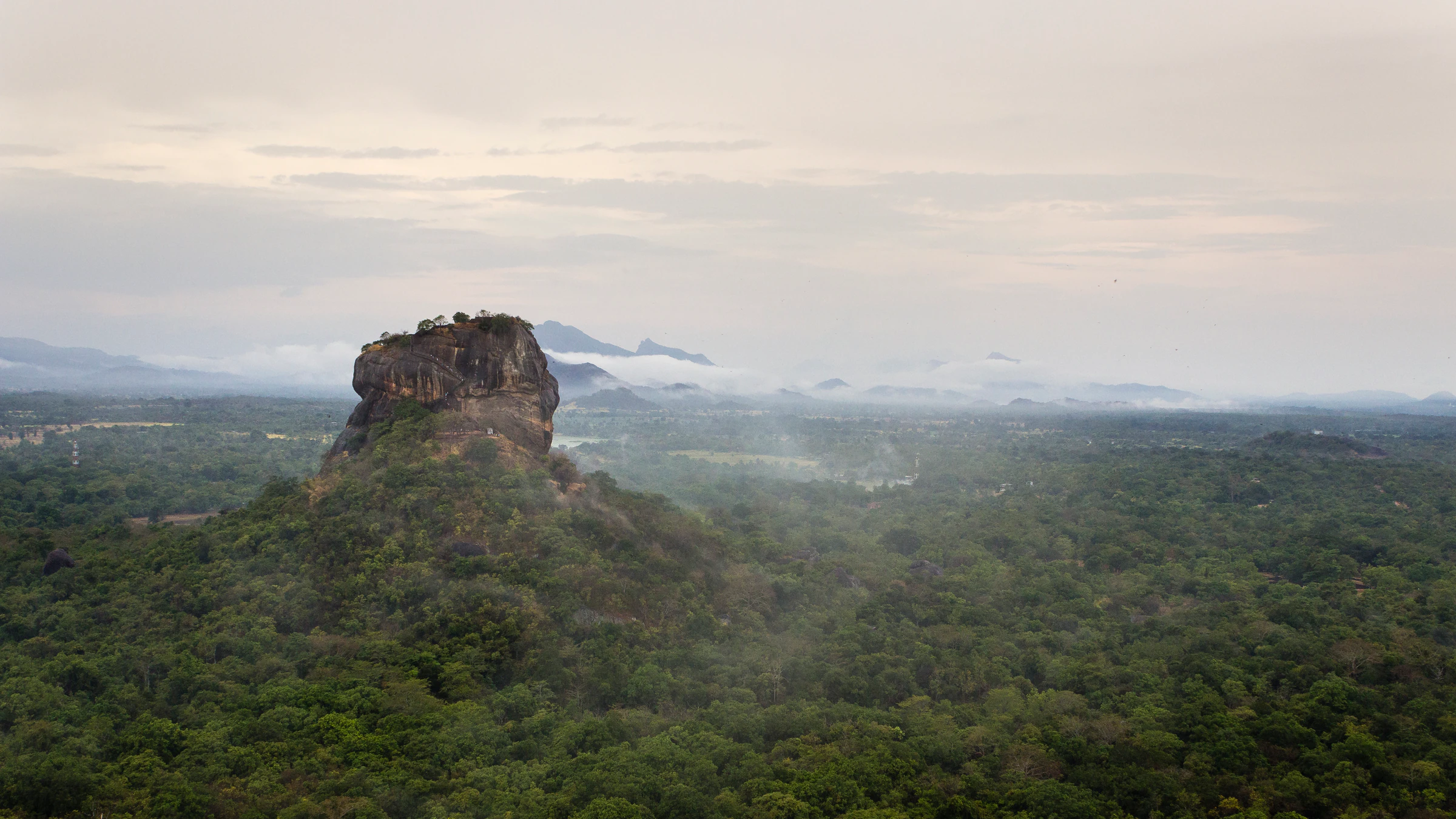
Sri Lanka's Cultural Triangle holds four genuine ancient-world sites within a couple of hours of each other: Sigiriya's rock fortress, Dambulla's cave temple, Polonnaruwa's ruined medieval capital and Anuradhapura's older sacred city (Sri Lanka Cultural Triangle guide). Thailand's culture is spread more thinly across a much bigger country: Bangkok's royal palaces, Chiang Mai's old walled city of temples, and hill-tribe villages further north.
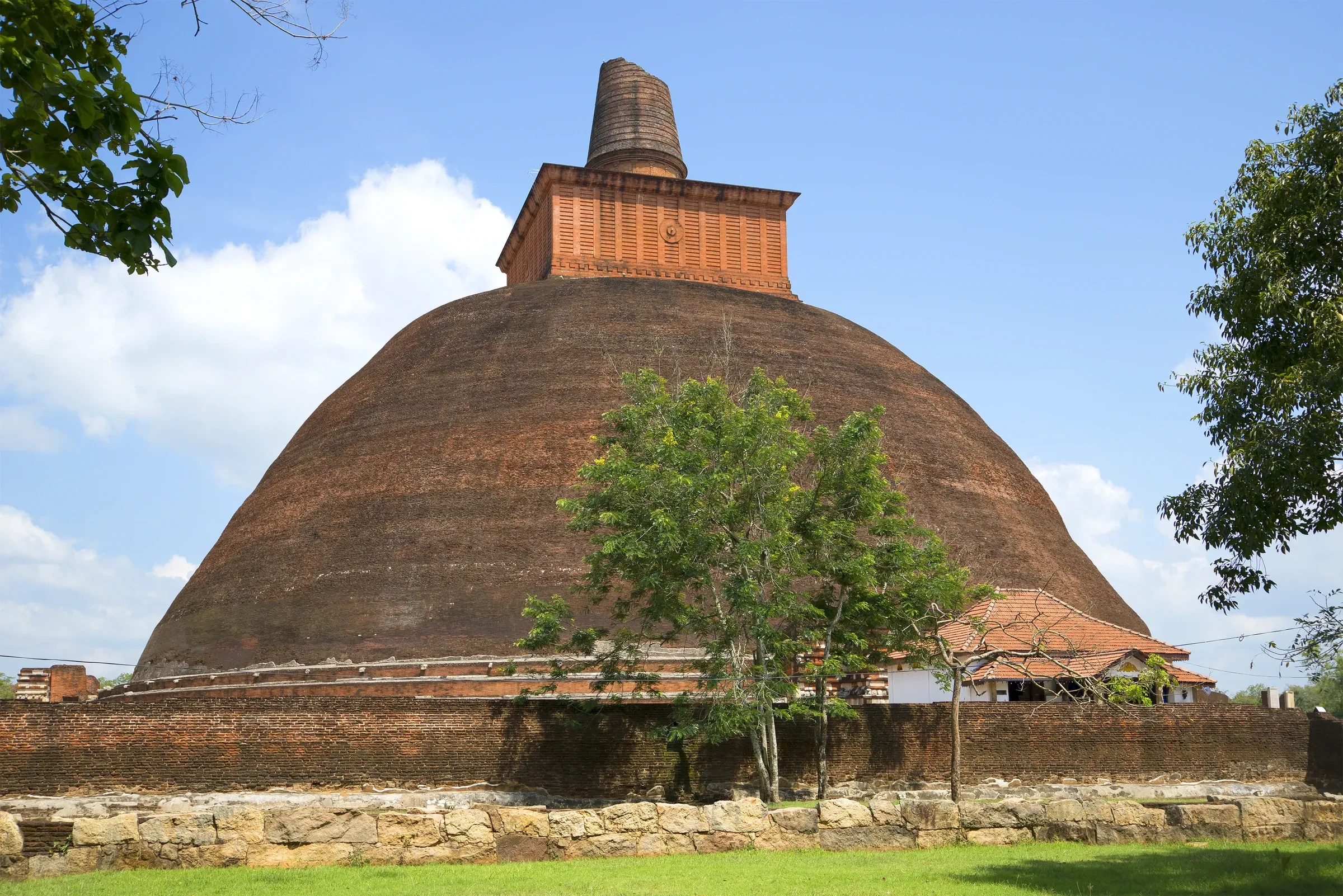
Winner: Sri Lanka, for the depth and scale of ancient sites within a short drive of each other.
Wildlife
This is where the two trips diverge most. Sri Lanka packs three real safari experiences into a small area: Yala's leopards, one of the highest densities reported anywhere, Udawalawe's reliable elephant herds, and the seasonal gathering of hundreds of elephants at Minneriya and Kaudulla, peaking from late July to September (Sri Lanka safari guide). Thailand has nothing like this jeep-safari circuit. Its wildlife encounters are observation-only elephant sanctuaries near Chiang Mai, where there's no riding and no bathing the elephants, plus the occasional whale shark or manta ray on a dive, never guaranteed.
Winner: Sri Lanka, by a wide margin. If a safari is on your list, this decides the comparison on its own.
Food
Sri Lankan food centres on rice and curry, a spread of vegetable and fish or chicken curries with coconut sambol, alongside hoppers for breakfast and kottu roti chopped and fried on a griddle (Sri Lankan food guide).
!A plate of Sri Lankan rice and curry served on a banana leaf Thai food is built around street stalls and night markets, easy to find and eat well almost anywhere in the country, from Bangkok's street vendors to a beach-town night market on any island.
Winner: Tie. Both are among the best reasons to visit either country, for different reasons: Sri Lanka's regional variety, Thailand's sheer consistency and reach.
Nightlife
Thailand builds a bigger night out into almost every stop: Bangkok's bars, Chiang Mai's night markets, and Koh Phangan's Full Moon Party at Haad Rin. Sri Lanka's nightlife is low-key by comparison, mostly beach bars along the south coast between Mirissa and Hiriketiya, with nothing built around a big organised night out.
Winner: Thailand, clearly.
Getting around
Sri Lanka has a coastal railway and a scenic hill-country line, and the hill-country line is coming back in stages after Cyclone Ditwah's damage: Nanu Oya to Badulla, which includes Ella, has run since 20 June 2026 and Colombo to Peradeniya reopened on 2 October 2026, but Kandy to Nanu Oya is still closed as of early October 2026. Buses, tuk-tuks and a hired driver fill the rest of the network. Thailand's network is bigger and easier to book last minute: overnight sleeper trains, cheap domestic flights and a dense ferry network between the islands.
Winner: Thailand, for how simple and bookable the whole network is, even at short notice.
Solo-friendliness
Both countries are easy to travel alone. Sri Lanka is travelled solo by many women, and the south coast between Weligama and Hiriketiya has the most established solo and female traveller scene on the route; the FCDO and Canada both flag harassment and assault, mostly in crowded places (Sri Lanka safety guide). Thailand is one of the easier countries in Asia to travel alone full stop, with a huge existing backpacker and long-stay scene at almost every stop on the standard route.
Winner: Tie. Both are genuinely solo-friendly, with a built-in traveller scene at the main stops on either route.
Which should you choose?
| Traveller type | Choose Sri Lanka if | Choose Thailand if |
|---|---|---|
| First solo trip to Asia | You want a compact, varied loop and don't mind moving most days | You want the easier, bigger, more forgiving first trip |
| Trip length | You have ten days to two weeks | You have anywhere from a week to a month |
| Wildlife | A safari is on your list | Wildlife isn't a priority |
| Islands | You're happy with one long coastline rather than island-hopping | You want to hop between several different islands |
| Diving or surf | You want a proper surf trip | You want to get PADI certified cheaply, or dive bigger sites |
| Nightlife | You're happy with a quiet beach bar in the evening | You want a bigger night out most stops |
| Budget | Entry fees and a driver for a multi-stop route are in your budget | You want cheap street food and local transport, and can live with higher island prices |
Why not both?
There's no direct flight between Colombo and Bangkok, so combining the two means at least one connection, usually through Kuala Lumpur, Singapore or India. With three weeks or a month, it's realistic: about ten days in Sri Lanka covering the Cultural Triangle, a safari and the south coast, then a week to ten days in Thailand for Bangkok, Chiang Mai and a couple of islands. Anything shorter than three weeks, pick one and do it properly rather than splitting a short trip across two countries and a flight.