The five regions at a glance
| Region | Best months | What it's known for | Route guide |
|---|---|---|---|
| Bangkok and the centre | November to February | Temples, history, day trips from the capital | Thailand itineraries |
| The north | November to February (smoke from about February to April, worst in March) | Hills, food, trekking, a slower pace | Northern Thailand itinerary |
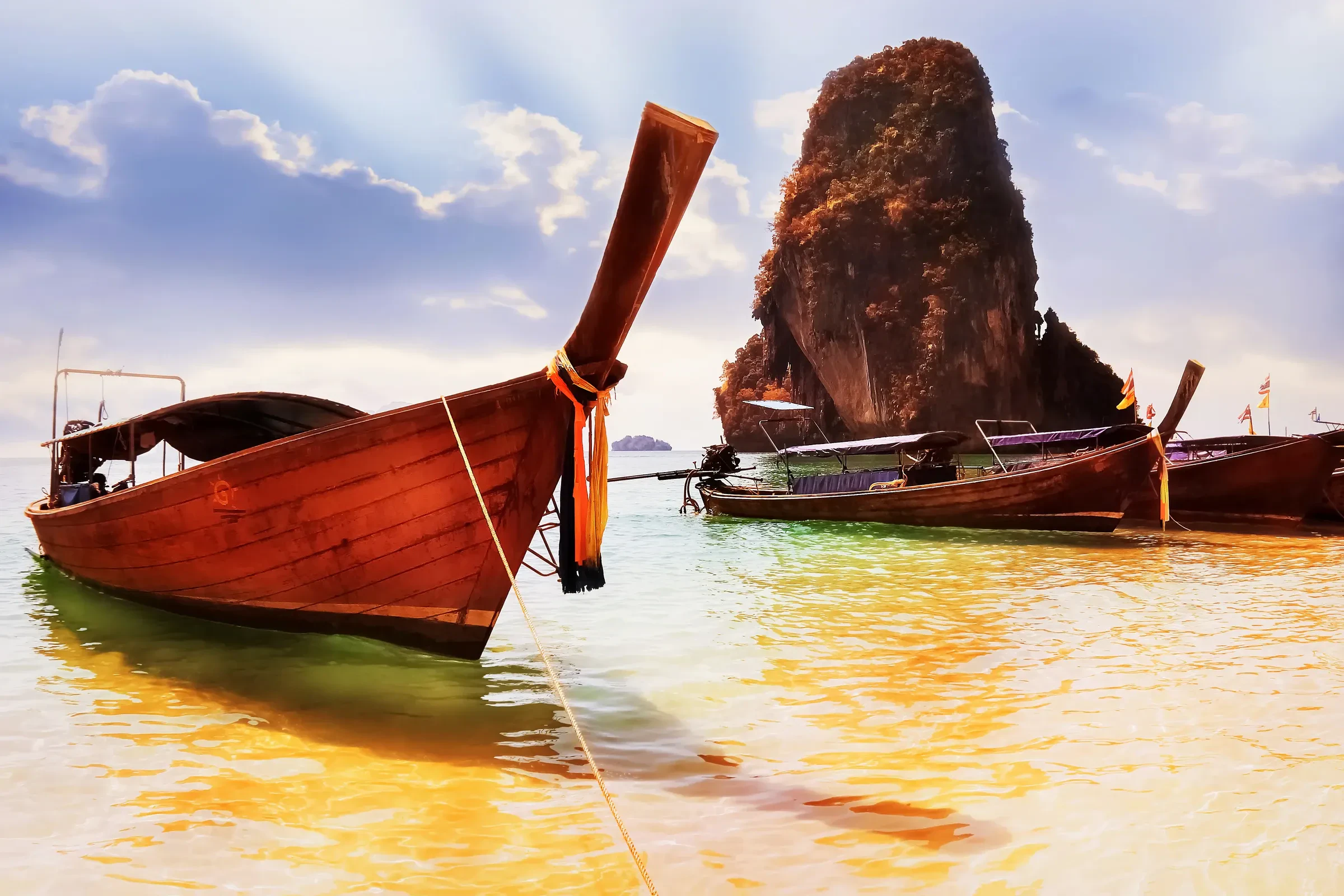
| The Andaman coast | November to April | Limestone cliffs, diving, boat trips between islands | Andaman coast itinerary |
| The Gulf islands | February to September (rain October to December, peaking in November) | Beaches, diving courses, the Full Moon Party | Gulf islands itinerary |
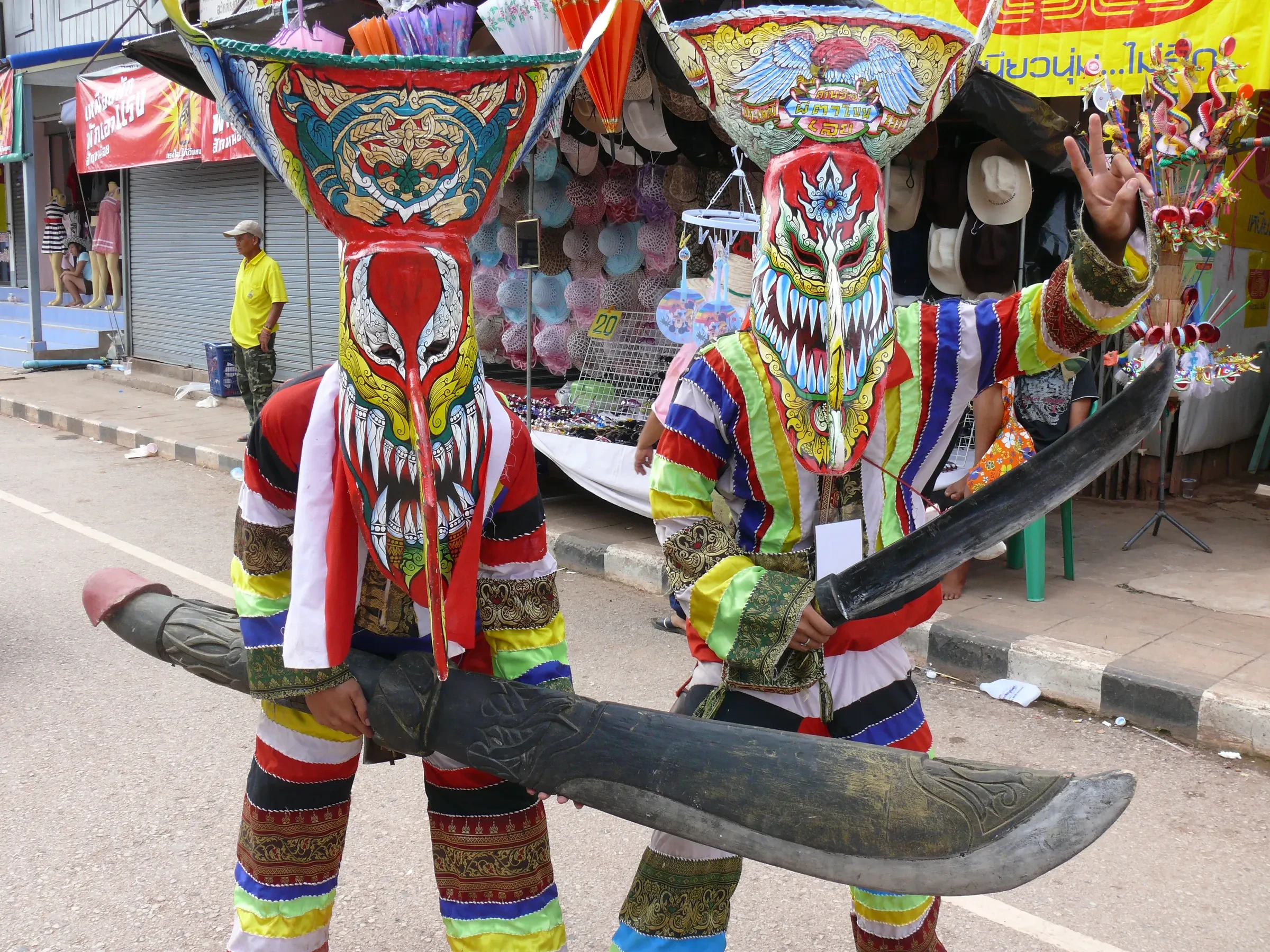
| Isaan | Around the Phi Ta Khon festival dates, usually June or July | One standout festival, otherwise off the tourist trail | Phi Ta Khon guide |
For the full month-by-month picture across all five regions, see the best time to visit Thailand.
Bangkok and the centre
Bangkok and the old capitals around it are the easiest region to bolt onto any Thailand trip, since everything sits within half a day of the airport. November to February, the cool season, is the most comfortable stretch for walking temples and markets. March to May turns hot and humid, and heavy afternoon showers arrive from around May through October.
Bangkok
Who it suits: first-timers, food lovers, anyone who wants a big city before or after the islands or the north. How long: 2 to 4 days, which is enough for the temples, the river, Chinatown's food streets and the rooftop bars without rushing. The Bangkok guide, things to do in Bangkok and Bangkok street food go into the detail.
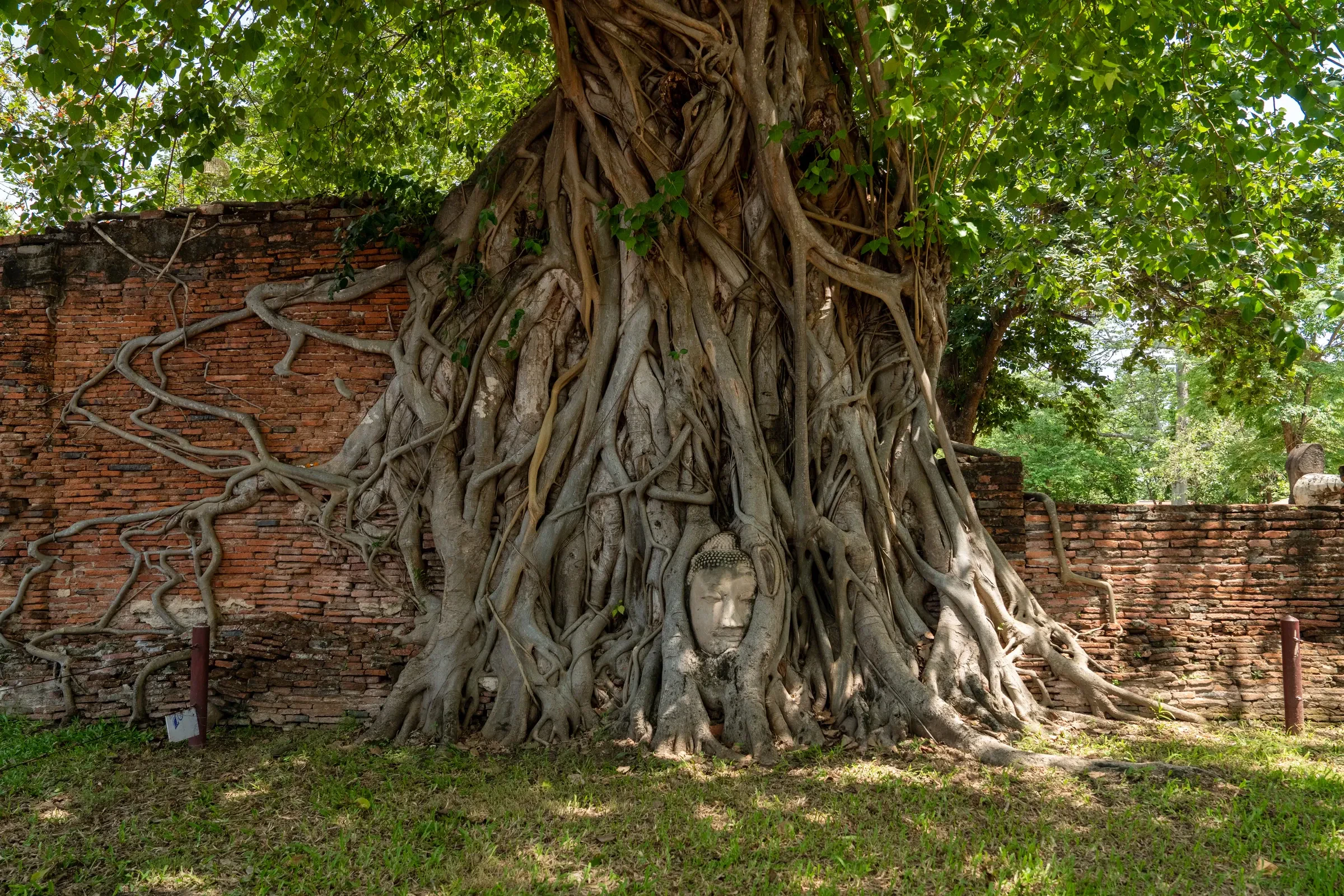
Ayutthaya
Who it suits: history fans doing a day trip from Bangkok. How long: a full day, or an overnight if you want the ruins without the tour buses. Cycle the old capital's temple ruins early in the morning, before the heat sets in; the Ayutthaya guide has the route.
Kanchanaburi
Who it suits: travellers who want the Death Railway history and a jungle waterfall in one stop. How long: 1 to 2 days from Bangkok. The River Kwai bridge and Erawan Falls are the two reasons to come; see the Kanchanaburi guide.
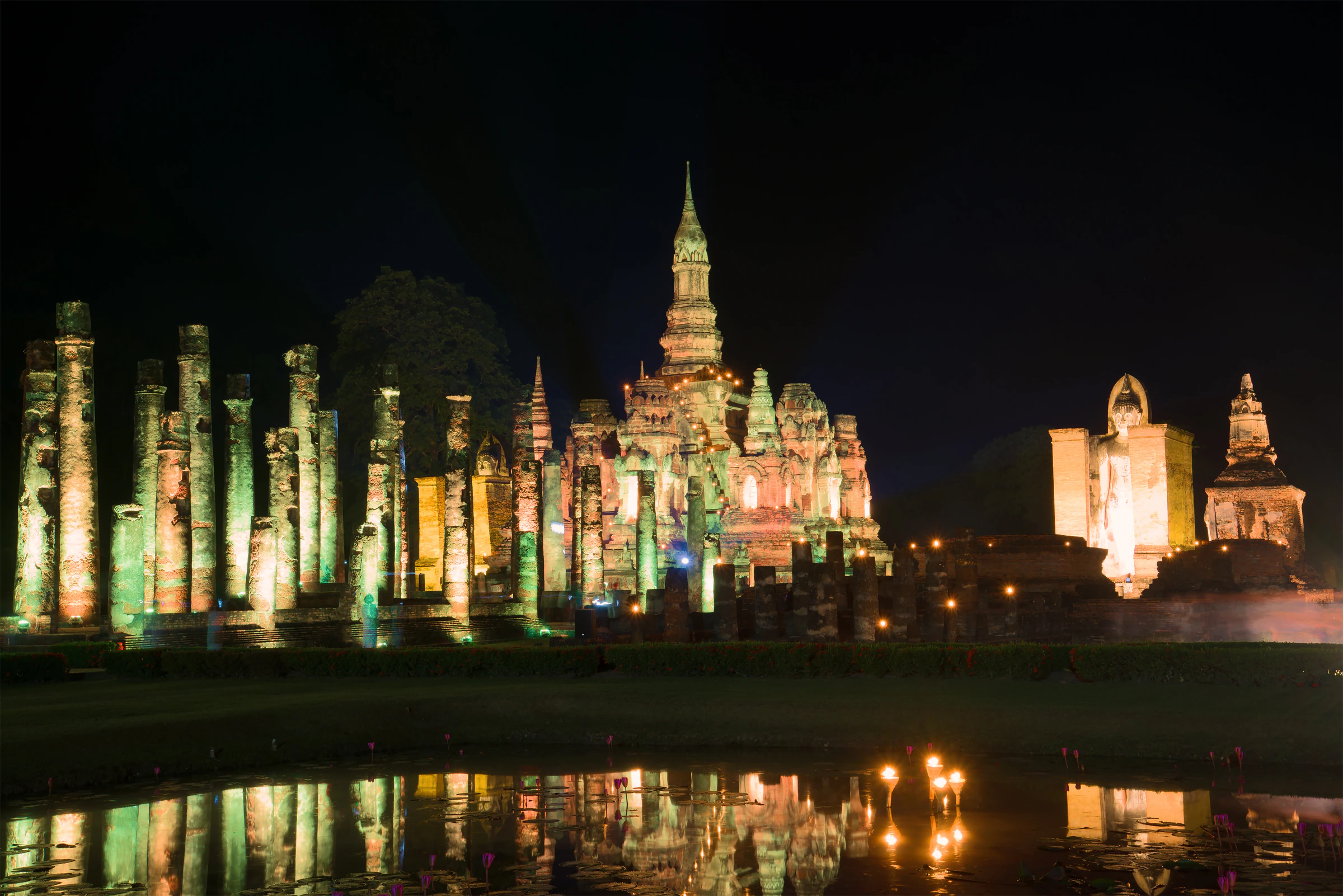
Sukhothai
Who it suits: anyone who wants quieter ruins than Ayutthaya's. How long: 1 to 2 days, usually on the way north to Chiang Mai. The old capital's park is spread out and easy to cycle between temples; more in the Sukhothai guide.
The north
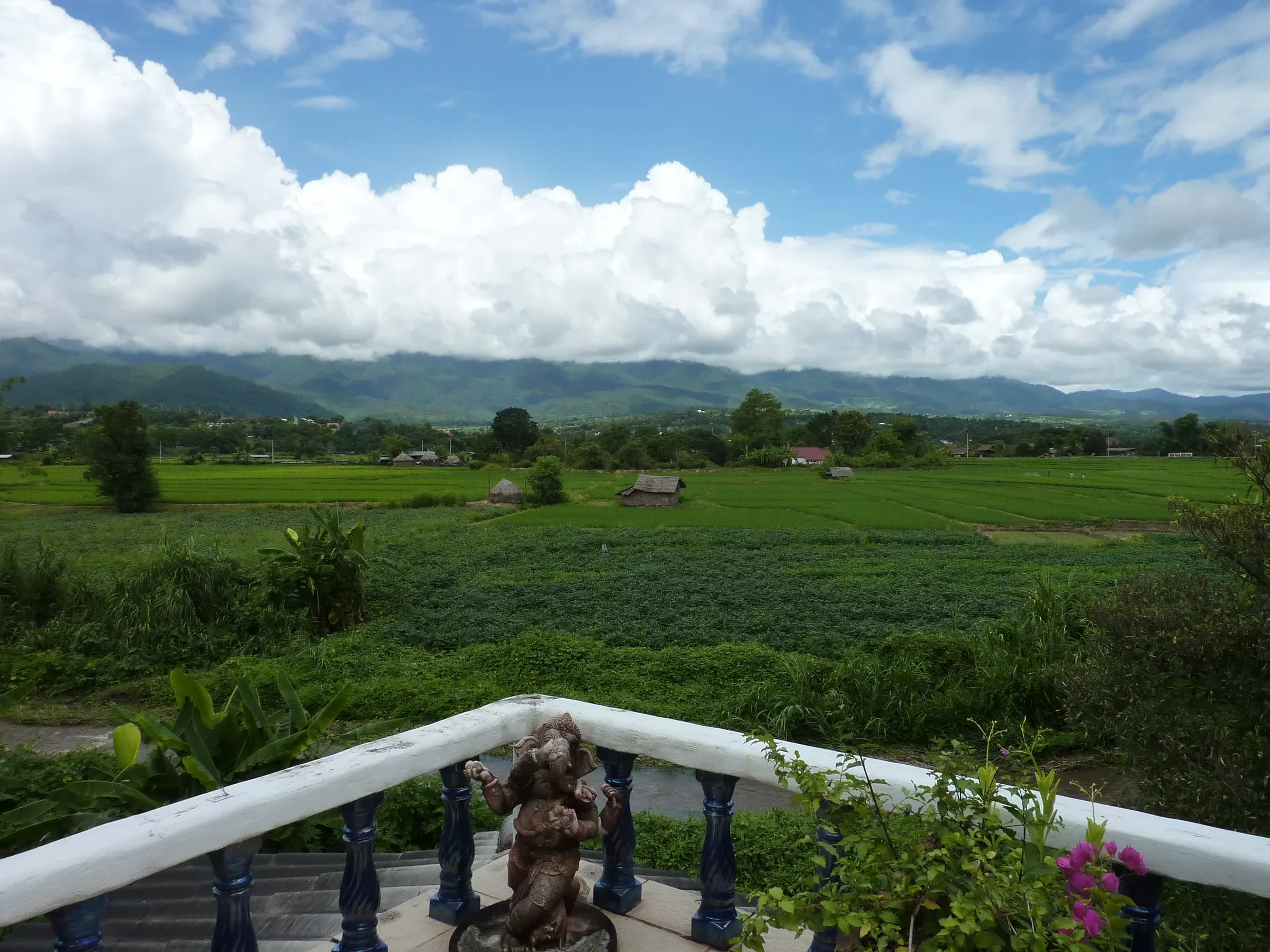
The north runs on its own weather clock, separate from the coasts. November to February is cool, dry and the best window for trekking or riding a scooter. From about February to April, farmers burn fields across the region and its neighbours, and haze can sit over Chiang Mai and Pai for weeks, usually at its worst in March. If clear skies matter to you, plan around that.
Chiang Mai
Who it suits: almost everyone. It's the north's base for food, temples and day trips. How long: 3 to 5 days, longer if you're using it as a hub for Pai or Mae Hong Son. Start with the Chiang Mai guide, things to do in Chiang Mai and Chiang Mai food.
Pai
Who it suits: travellers after a slower, backpacker-friendly stop past Chiang Mai. How long: 2 to 3 days. The road in, with its hundreds of curves, is half the reason people come; the Pai guide covers the rest.
Chiang Rai
Who it suits: day-trippers, or anyone breaking a journey to or from Laos. How long: 1 to 2 days for the White Temple and the Golden Triangle, laid out in the Chiang Rai guide.
Mae Hong Son
Who it suits: riders and anyone chasing mountain scenery away from the main Chiang Mai to Pai road. How long: this one works best as a loop over several days rather than a single stop, and the Mae Hong Son Loop guide covers it.
The Andaman coast
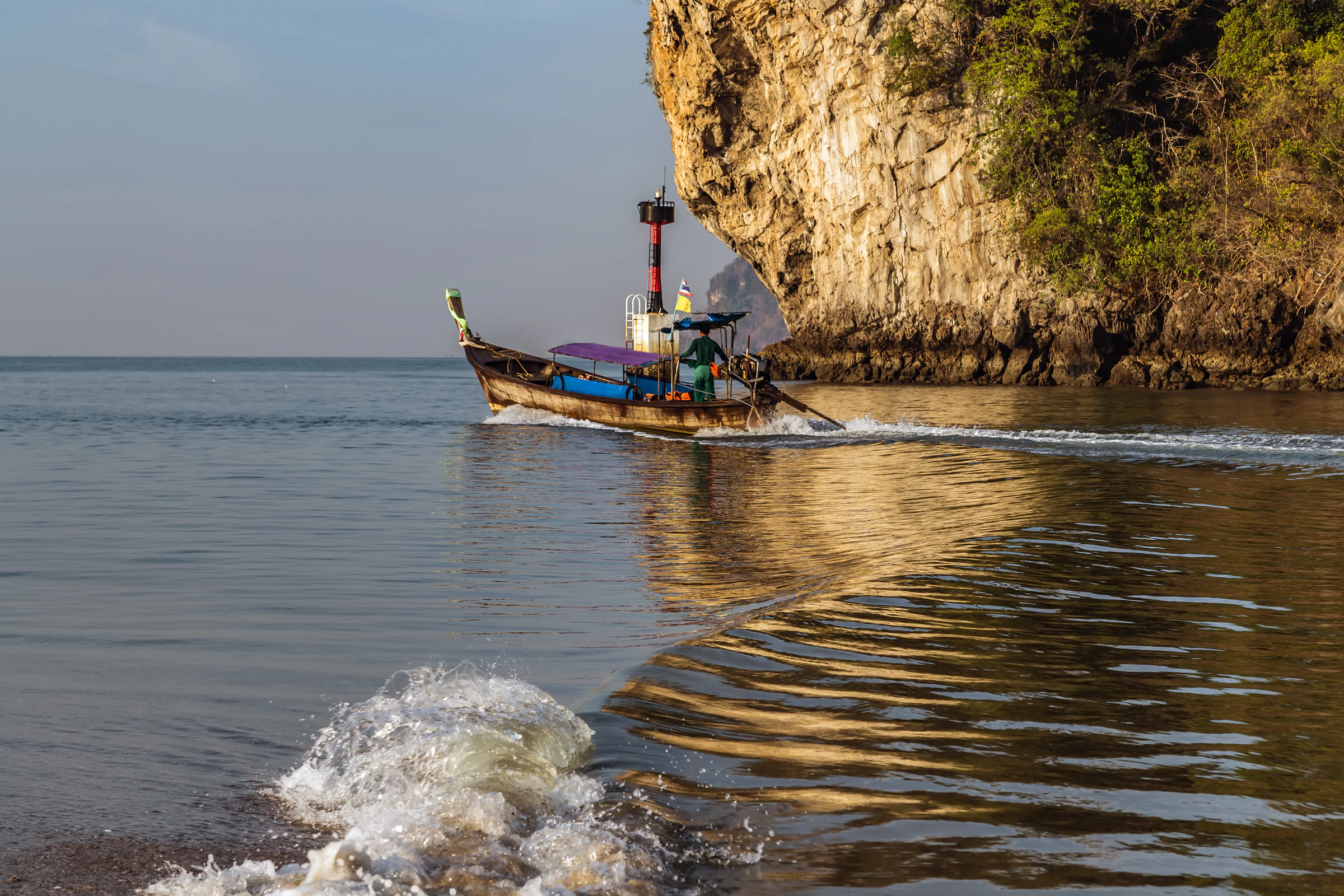
The Andaman coast's dry season runs from November to April, with the calmest seas and clearest water from around December to March. May to October is the monsoon: seas roughen, some island boats cut their schedules, and short storms roll through often.
Phuket
Who it suits: travellers who want an international airport, a wide choice of beaches and a base for day trips to other islands. How long: 2 to 4 days. See the Phuket guide and things to do in Phuket.
Krabi and Railay
Who it suits: rock climbers, beach lovers and anyone who wants dramatic limestone scenery without Phuket's crowds. How long: 3 to 5 days, including a boat day out to the nearby islands. The Krabi guide has the detail.
Koh Phi Phi
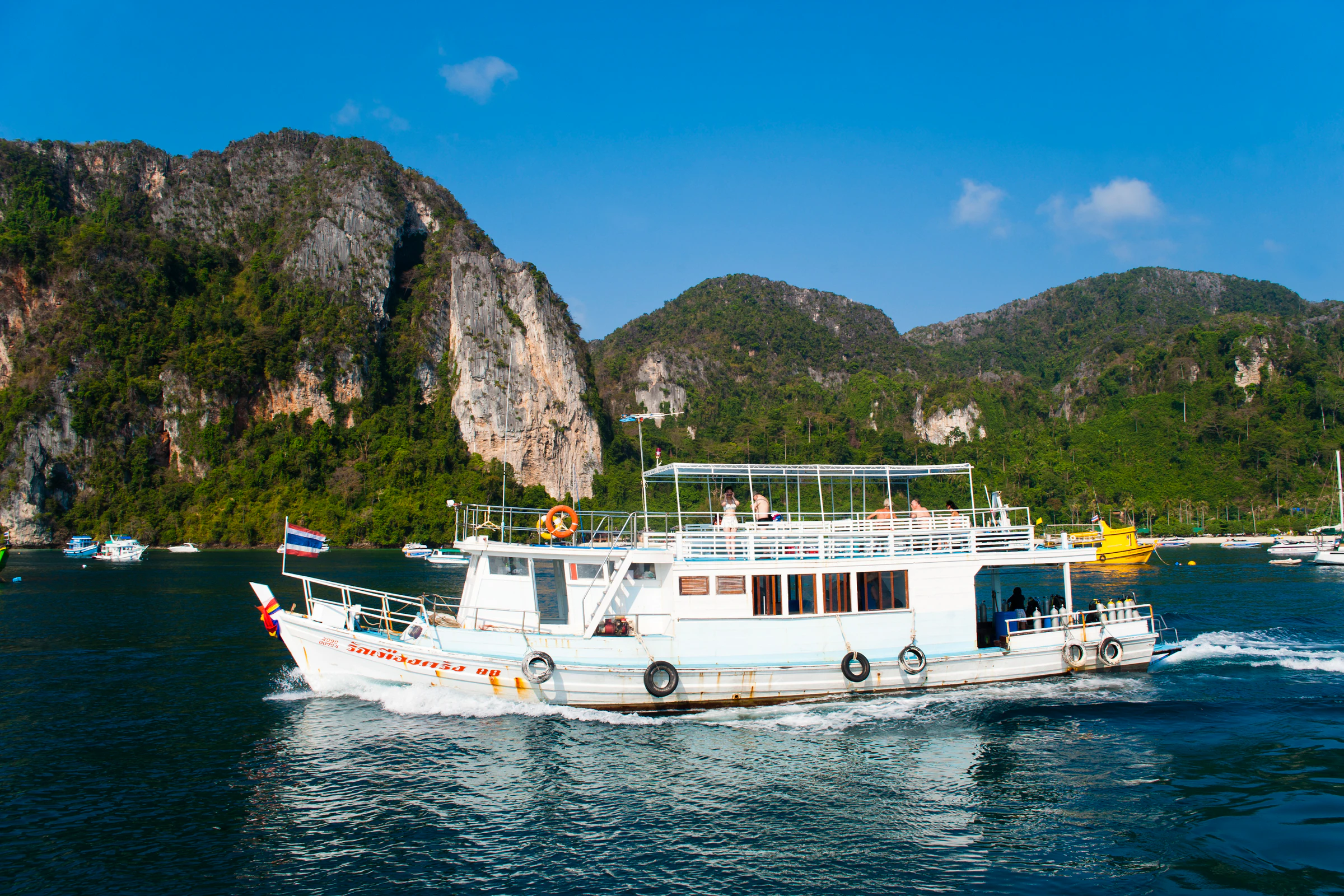
Who it suits: short stops built around the viewpoint and a Maya Bay boat trip (the bay closes every August and September). It's busier and pricier than the other islands here. How long: 1 to 2 nights is usually enough; see the Koh Phi Phi guide.
Koh Lanta
Who it suits: travellers who want Andaman beaches with a quieter, more local feel than Phuket or Phi Phi. How long: 3 to 5 days. More in the Koh Lanta guide.
Koh Lipe
Who it suits: anyone chasing the clearest water on this coast and willing to travel further for it, close to the Malaysian border. How long: 3 to 5 days, plus a full travel day each way. See the Koh Lipe guide.
Khao Sok
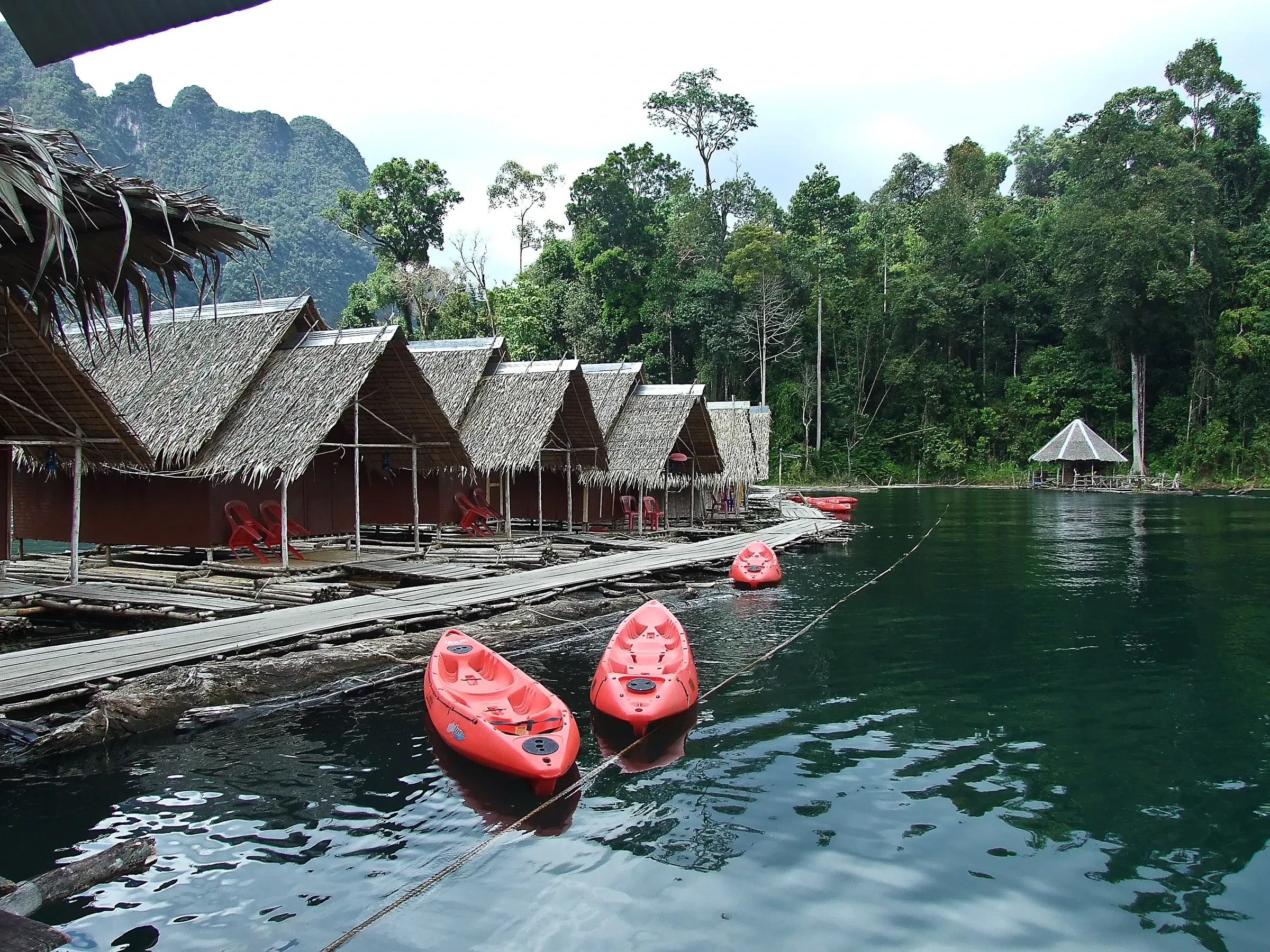
Who it suits: travellers who want jungle and a lake between the Bangkok train and the Andaman coast, rather than another beach. How long: 2 days, usually with 1 night in a floating raft house on Cheow Lan Lake. Details in the Khao Sok guide.
The Gulf islands
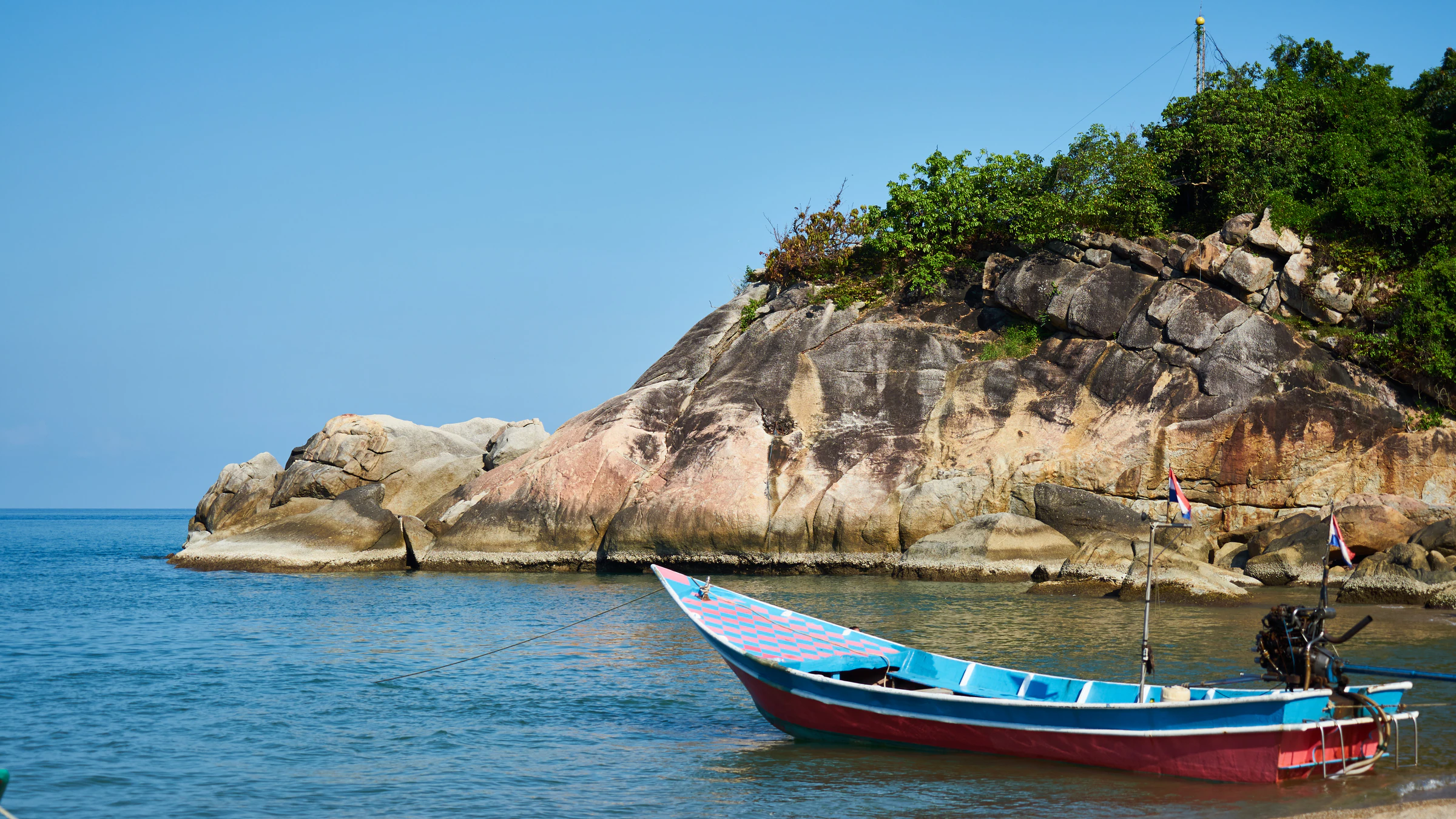
The Gulf islands (Koh Samui, Koh Phangan, Koh Tao) don't follow the Andaman's calendar. Their rain arrives later and peaks in November, so the best window is roughly February to September, while October to December is best avoided, November above all.
Koh Samui
Who it suits: travellers who want an easy airport, resort-style beaches and a base for day trips to the other two islands. How long: 2 to 4 days. See the Koh Samui guide and things to do in Koh Samui.
Koh Phangan
Who it suits: the Full Moon Party crowd, but also travellers after a quieter beach on the island's other coasts outside party dates. How long: 3 to 5 days, covered in the Koh Phangan guide.
Koh Tao
Who it suits: anyone learning to dive. It's one of the cheapest places in Thailand to get PADI certified. How long: at least 3 to 4 days for an Open Water course, longer if you keep diving after. See the Koh Tao guide and Koh Tao diving guide.
Isaan, briefly
Isaan, Thailand's northeastern region, rarely makes it onto a first-timer's route, and most of it sits outside what this guide covers. The one exception worth building a trip around is Phi Ta Khon, the "ghost festival" held in the small town of Dan Sai, usually over three days in June or July, with the dates set each year by the village's spirit mediums. Villagers wear painted masks and costumes for a procession that mixes a local spirit tradition with a Buddhist merit-making festival. The Phi Ta Khon guide has dates and how to get there, and the Thailand festivals calendar shows how it fits alongside Songkran, Loy Krathong and Yi Peng.
Choose by interest
| If you want | Go to |
|---|---|
| Temples and old capitals | Ayutthaya, Sukhothai, Chiang Mai |
| Hills, trekking and jungle | Chiang Mai, Pai, Mae Hong Son, Khao Sok |
| Diving and snorkelling | Koh Tao, Koh Lipe, Koh Phi Phi |
| Rock climbing | Railay |
| Nightlife and the Full Moon Party | Koh Phangan, Bangkok |
| Quieter beaches | Koh Lanta, Koh Lipe |
| A motorbike or cycling road trip | The Mae Hong Son Loop, the road to Pai |
| A one-off festival | Dan Sai (Phi Ta Khon), Chiang Mai (Yi Peng), nationwide (Songkran) |
Prefer to travel with a group?
Planning transfers between three or four Thai regions solo takes some juggling. SoloNomads runs small group trips through the north, the Andaman coast and the Gulf islands, each with a Trip Host from day one. See Thailand group trips.