Pai sits in a river valley in Mae Hong Son province, about 130 km from Chiang Mai by road, and the road itself is most of the story: Route 1095 twists through the mountains on about 762 bends, which is why almost nobody drives there themselves. Once you arrive, it's a slow, laid-back town of a few streets, a night market and a ring of canyons, springs and waterfalls just outside it.
This guide covers getting there and coping with the road, the best things to do, the rules around scooters, where to stay and when to go. For the rest of the north, see the Chiang Mai travel guide.
Getting to Pai: the 762-curve road
Route 1095 is the only road between Chiang Mai and Pai, and it's famous for its bends: sources put the count at about 762, over about 130 km. There's no railway and, as of September 2026, no scheduled flight either: an airline had planned to start a small daily Chiang Mai to Pai flight from October 2026, but suspended its northern Thailand routes in August 2026 because airport parking fees made the routes uneconomical, with no new date announced. Until that changes, the road is the only way in or out.
Shared minivan. Companies including Prempracha run minivans about hourly from about 6:30am to 5:30pm from Chiang Mai's Arcade Bus Terminal, taking 3 to 4 hours with one rest stop. Tickets cost about 150 to 250 baht bought at the counter, or 260 to 360 baht booked online. Morning vans can sell out in December and January, and drivers have a reputation for taking the bends quickly.
Private van. A private van with a driver costs about 2,000 to 3,000 baht for the vehicle, which works out similar to or cheaper than the shared minivan if you're travelling with a few other people, and lets you set the pace and stop where you like.
Motion sickness. The bends catch a lot of people out. Take a travel-sickness tablet from any pharmacy about 30 minutes before you leave, eat a light breakfast rather than a heavy one, sit near the front of the van facing forward, and ask the driver for a stop partway if you need one.
How many days do you need in Pai?
Three nights is the number that comes up most often. It gives you a full day for Pai Canyon and the hot springs, a second full day for the waterfalls, Land Split and Tham Lod cave, and enough slack to do very little in between, which is rather the point of Pai. Two nights works if you're short on time and pick two or three highlights rather than trying to fit everything in.
Things to do in Pai
Prices below were checked in September 2026 and will drift, so treat them as a guide.
Pai Canyon
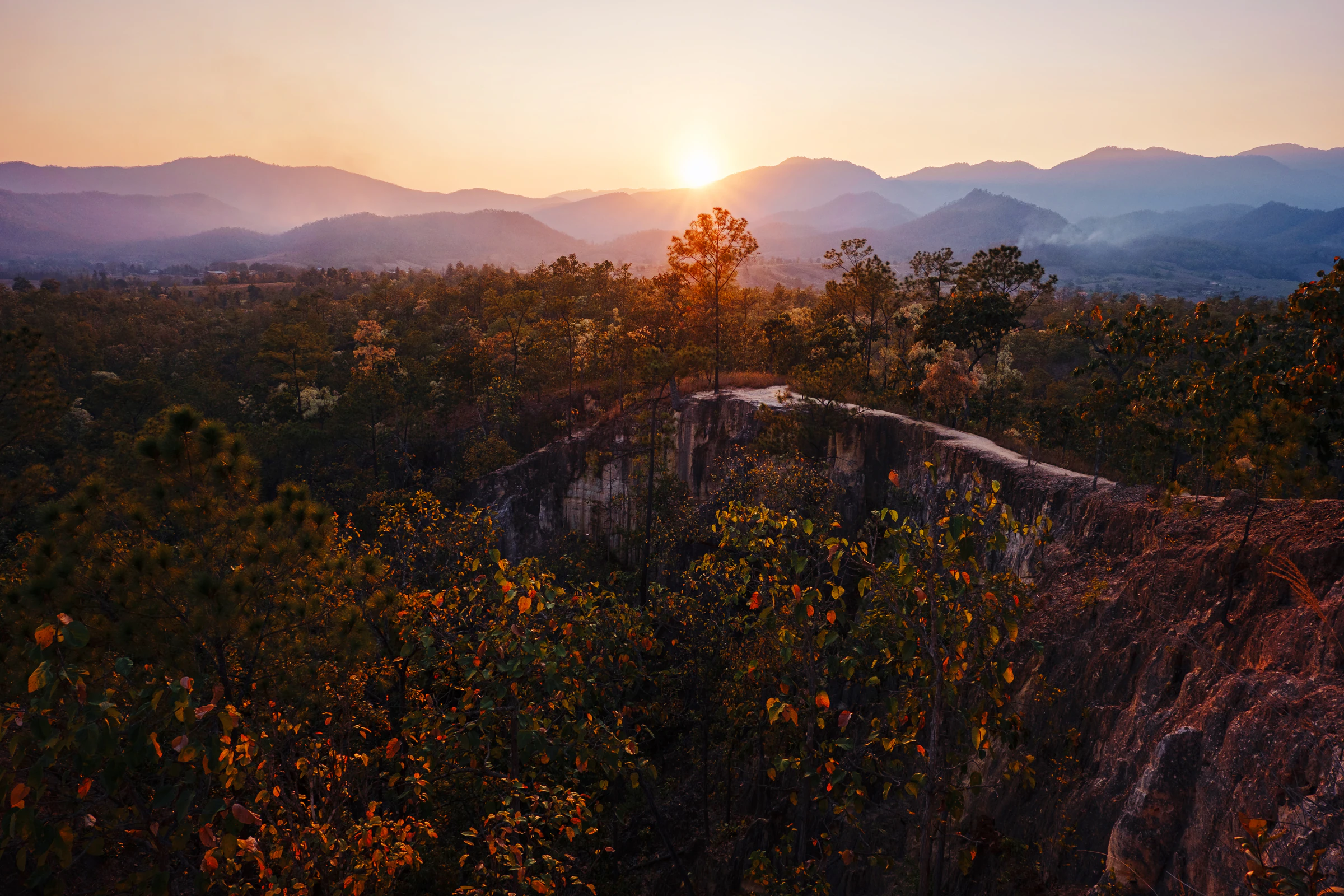
A set of narrow red-earth ridges with steep drops on both sides, a short ride from town. It's free to visit and best around sunset, when it's also at its busiest. Watch your footing on the narrower sections, especially if you're moving around for a photo.
Tha Pai hot springs
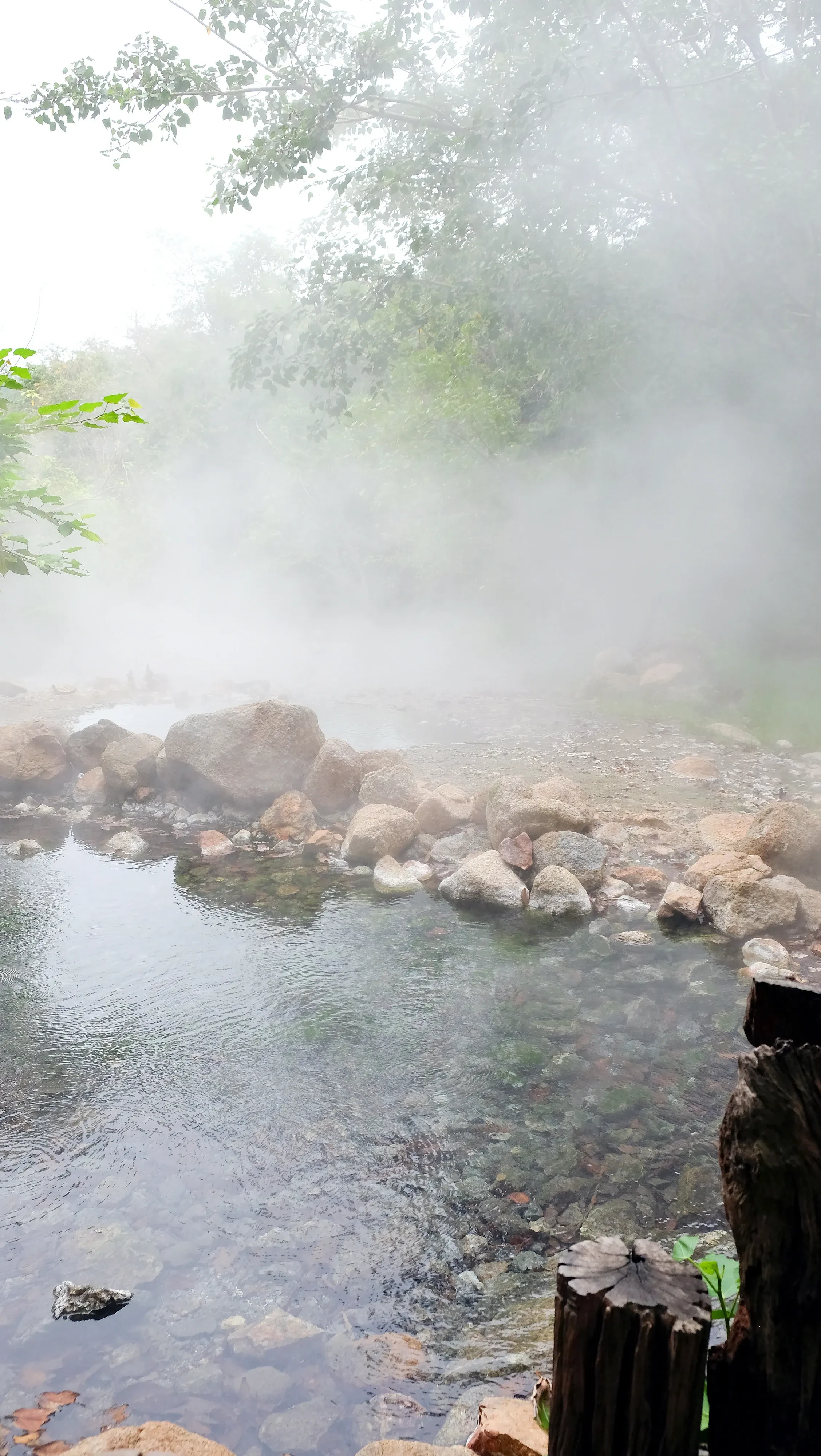
A national park hot spring close to town, open daily from about 8am until late afternoon, with an entry fee of about 300 baht for foreign adults. Sai Ngam hot springs, a natural pool on the Pai loop, is a cheaper alternative at about 20 to 100 baht.
Pai Land Split
A crack that opened up in a farmer's field after an earthquake, now a small stop where the family serves roselle juice and snacks for a donation. There's no set entry fee, just leave a fair amount for what you have.
Waterfalls: Mo Paeng and Pam Bok
Mo Paeng waterfall is free to visit, with a natural rock slide that gets slippery, so take care in the wet season. Pam Bok waterfall has a deep pool that some people jump into from the rocks above. Check the water depth yourself before you do.
Boon Ko Ku So bamboo bridge
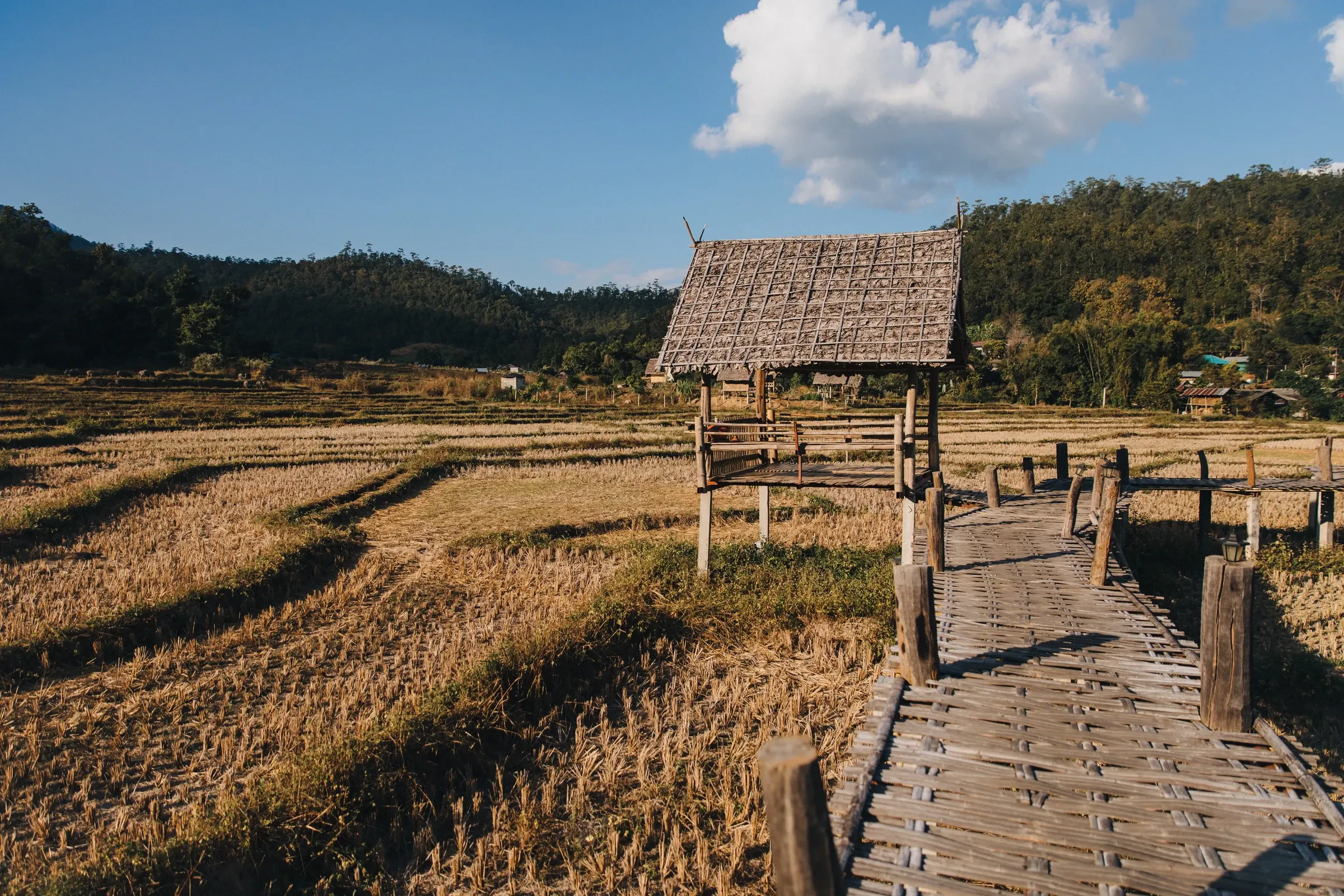
A bamboo bridge roughly 800 metres long, built in 2016, that crosses rice fields near Pam Bok village so monks could walk to collect alms without crossing the fields themselves. Entry is about 30 baht.
Tham Lod cave
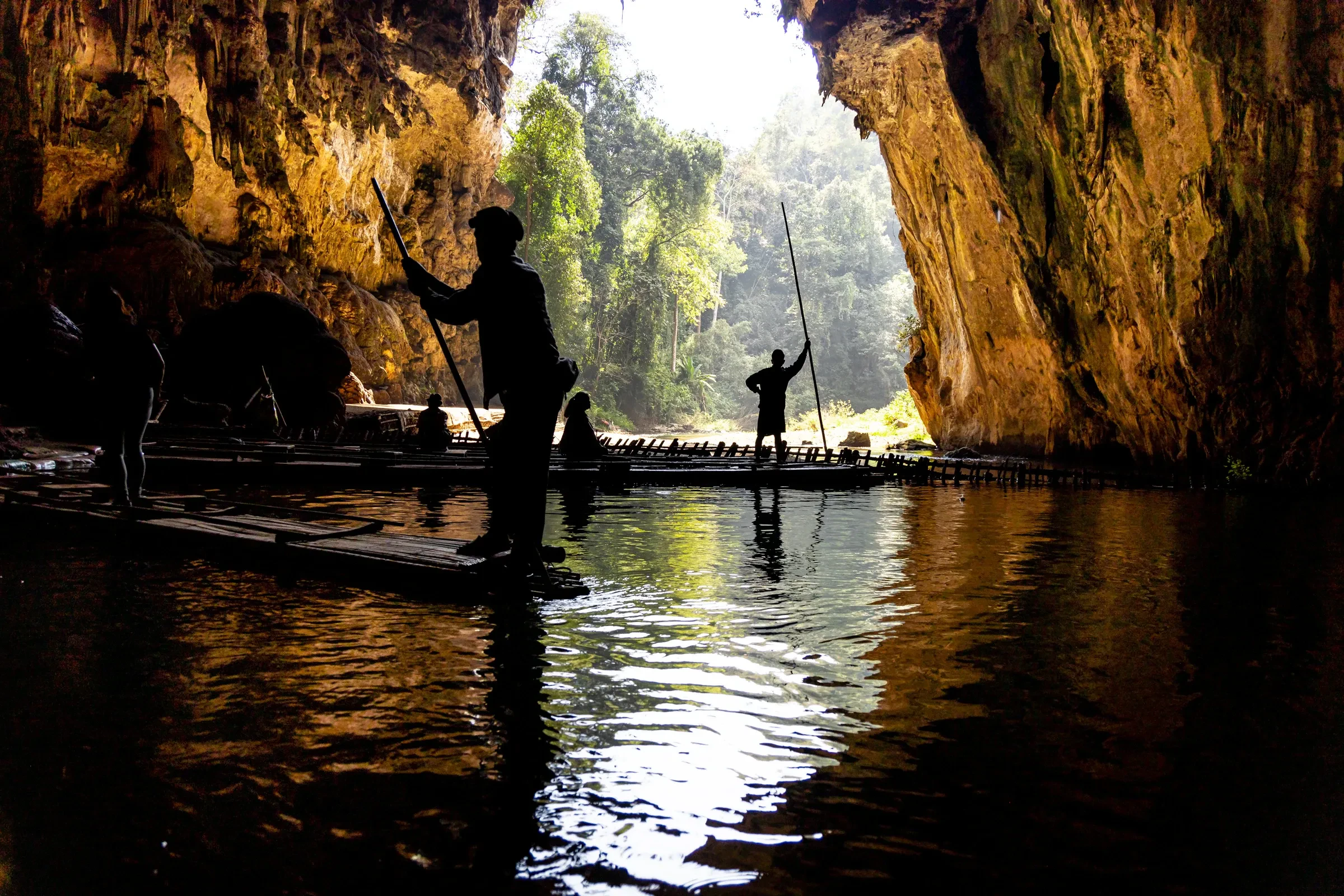
A large limestone cave about an hour from Pai in the Pang Mapha area, explored by lantern and partly by bamboo raft along an underground river. Go in the late afternoon if you can, when several hundred thousand swiftlets fly back into the cave to roost at dusk, a genuinely striking sight. A local guide is required and leads every visit. After heavy rain the cave can be partly or fully closed, mostly from July to October.
Yun Lai viewpoint
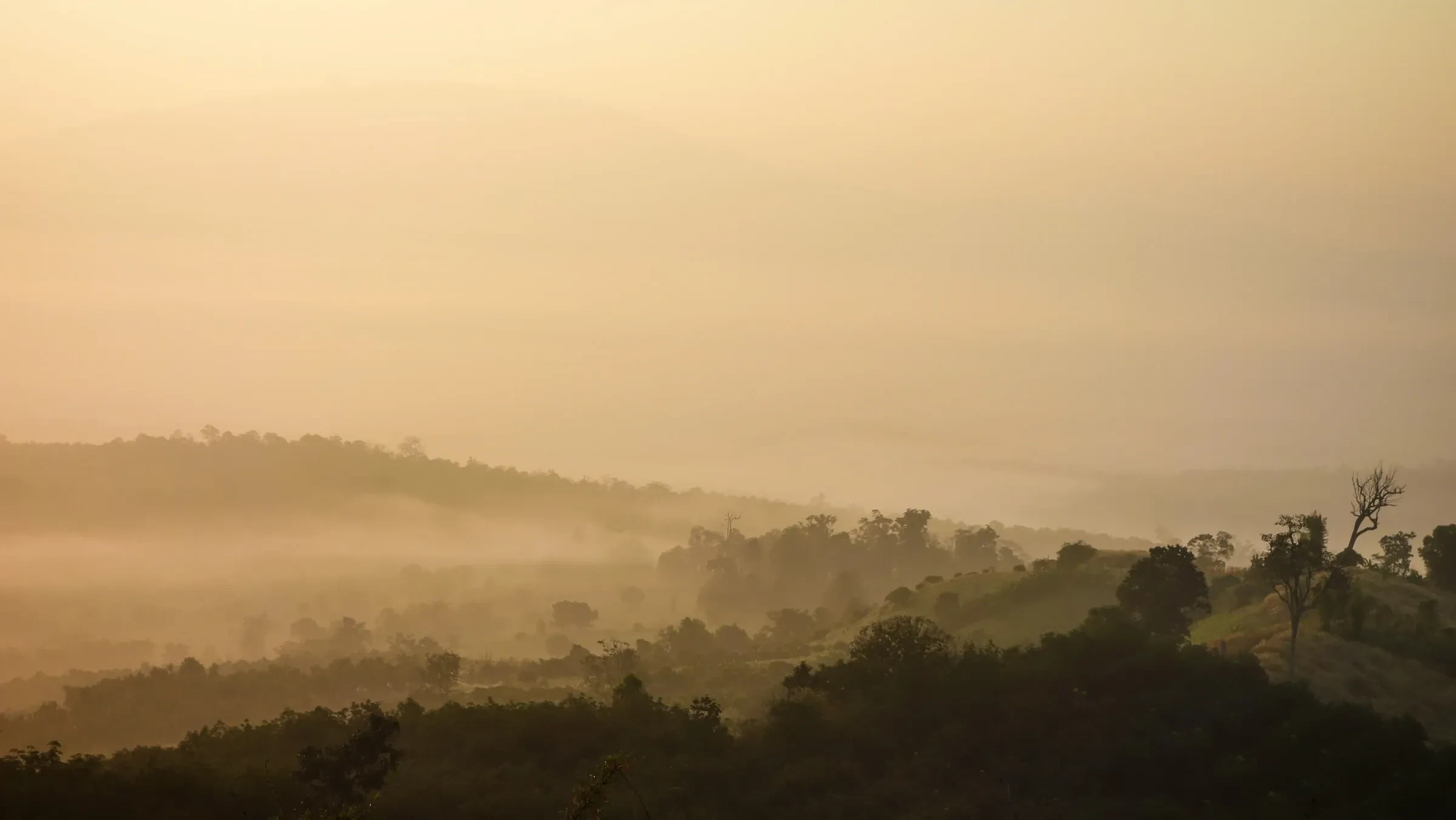
A hillside viewpoint about 10 minutes from town, best at sunrise, when mist often fills the valley below. Entry is about 50 baht.
Big Buddha (Wat Phra That Mae Yen)
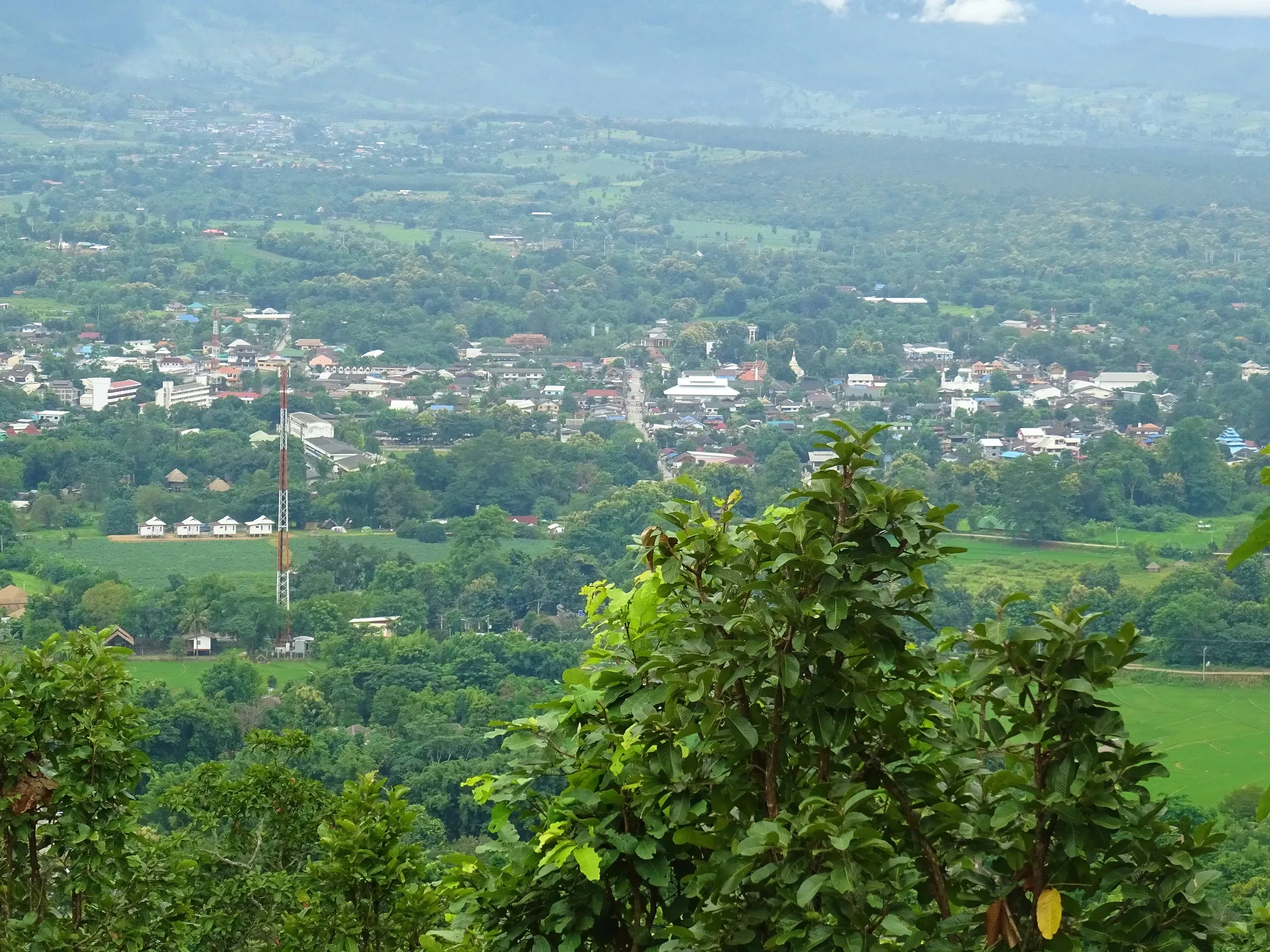
A hilltop temple reached by 353 steps, free to visit, with a view back over the whole valley as a reward for the climb.
Pai walking street
The town's main street fills with food stalls, crafts and live music every evening. Expect to pay about 30 to 80 baht a plate for street food.
Scooters, helmets and licences
Renting a scooter to explore the loop around Pai itself is common, but there are real rules attached. To ride legally you need a motorcycle licence from your home country plus an International Driving Permit that carries the motorcycle category: a car-only licence or IDP doesn't cover even a small scooter, and UK, EU and Australian permits often come out car-only unless you specifically request the motorcycle category. Police run checkpoints in both Chiang Mai and Pai, with fines of up to about 2,000 baht for riding without the right paperwork, and most travel insurance policies exclude riders without the right licence. Helmets are required by law for the rider and any passenger. The UK government also advises never leaving your passport with a rental shop as a deposit. Scooter rental itself costs about 150 to 350 baht a day.
If you don't hold the right licence and IDP, hire a songthaew or a driver for the day instead, which covers the same loop without the legal risk.
Best time to visit Pai
November to February is the best window: dry, clear and noticeably cool, with nights dropping to around 10°C in December and January, cold enough for a proper jacket in the evening.
Late February to April brings the same burning-season smoke that affects the rest of the north, and Pai has been hit especially hard by it. In 2026, Pai and Mae Sariang districts were declared disaster zones because of the air, with 24-hour PM2.5 readings reaching into the low 300s micrograms per cubic metre on the worst days in early April, well above healthy levels, and Pai recorded the most fire hotspots of anywhere in the province between January and March. Tourist numbers in the town reportedly fell by close to 90% over those two months. If you can, avoid this window entirely; if you're already there, check the daily air quality and don't push through it if you have a respiratory condition.
May to October is the rainy season. It's quieter and greener, but the road's many bends get more slippery, so build in extra time and caution if you're travelling then. Heavy rain can also cause flash floods and landslides in Mae Hong Son province. In August 2025, floods disrupted Highway 1095 near Mae Hong Son town, and in late September 2026 floods and landslides cut roads in the south of the province, around Sop Moei. Check the road before you set off. Our Chiang Mai weather guide covers the wider region month by month, since Pai broadly follows the same pattern.
Where to stay in Pai
Pai's accommodation runs from simple to boutique. Social hostel beds start from around 450 baht, small guesthouses and cottages from around 600 baht, and boutique resorts from around 1,500 baht. Most people base themselves within walking distance of the walking street, since the town itself is small enough to cover on foot, and use a scooter, songthaew or hired driver for the sights outside it.
Beyond Pai: Mae Hong Son and the loop
If you have more time, the road carries on from Pai to Mae Hong Son, about 107 to 110 km further, and on round through Mae Sariang and Doi Inthanon back to Chiang Mai: a loop of roughly 600 km known locally for its even higher curve count. It's a proper multi-day route rather than a day trip from Pai. Our Mae Hong Son Loop trip rides the whole circuit by motorbike, self-drive or pillion.
Pai on our trips
Two of our small-group trips for 18 to 40 year olds spend time in Pai, and a third rides the wider loop it sits on.