What makes Khao Sok special
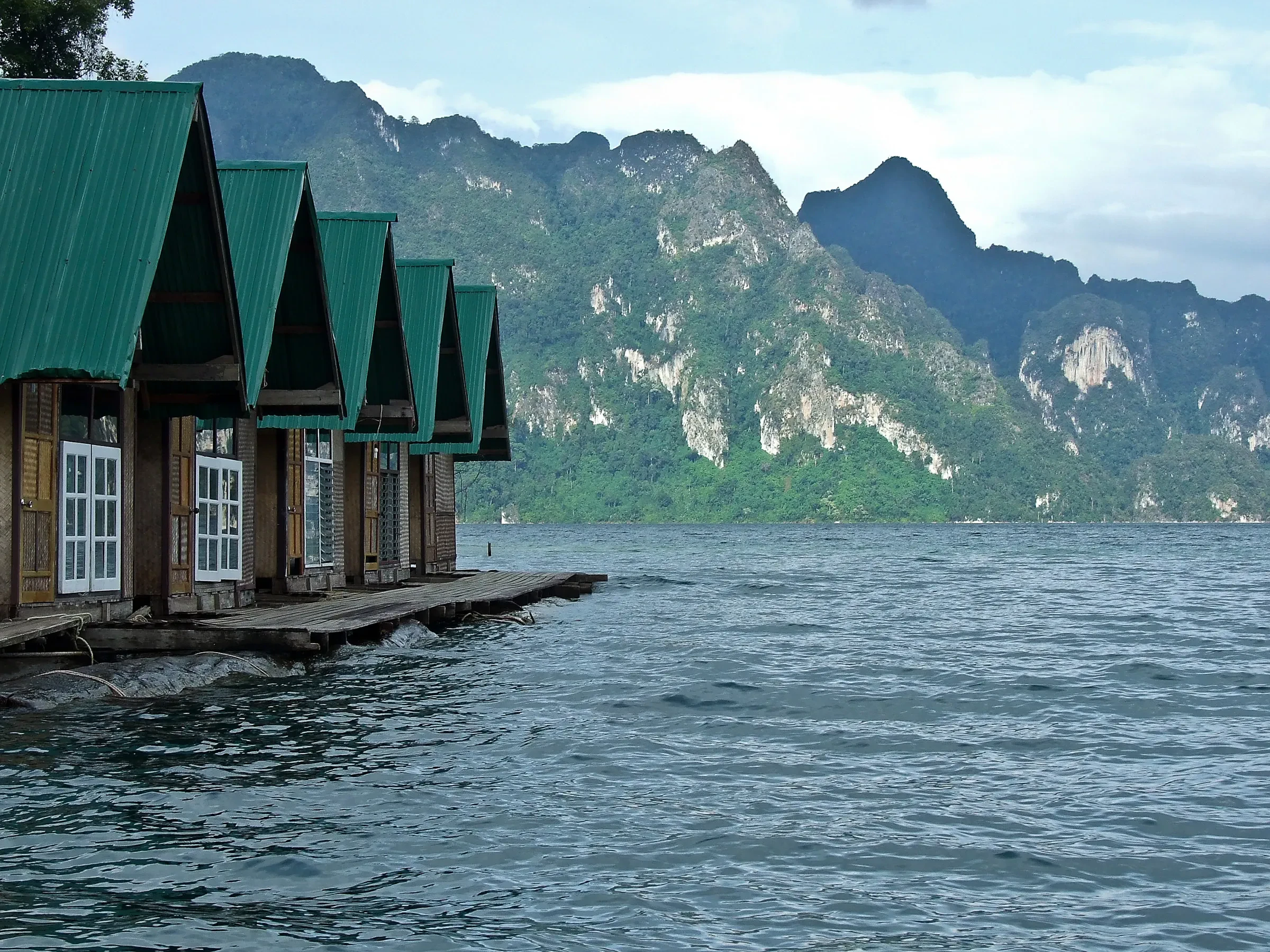
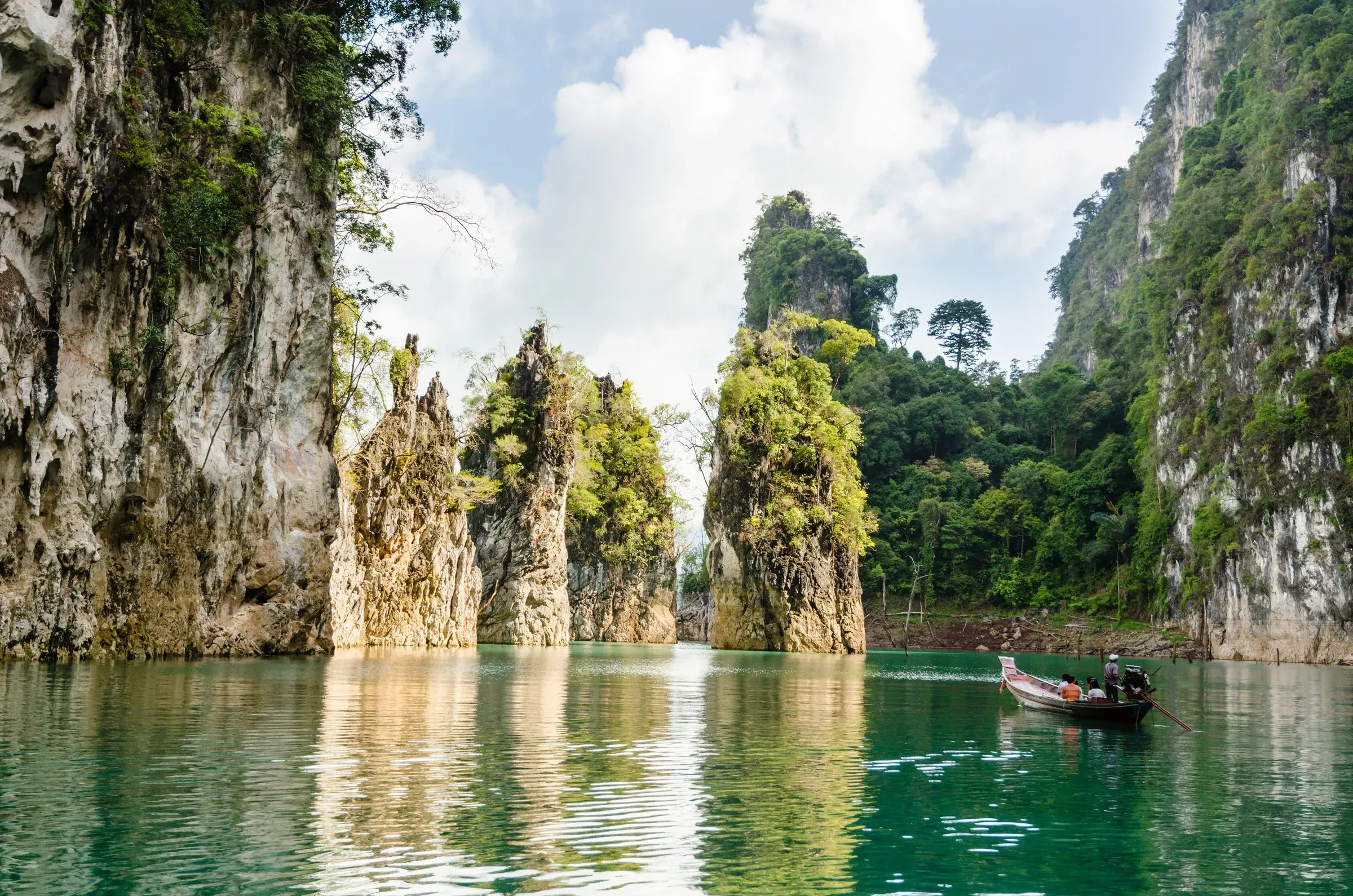
Khao Sok is genuine rainforest, not the drier forest further north in Thailand, and it stays wet even in the "dry" season. That's the trade off for the payoff: dense jungle, sheer limestone karst towers rising straight out of Cheow Lan Lake, and a decent chance of hearing gibbons or spotting hornbills from a boat. The lake is a reservoir behind the Ratchaprapha Dam, built in the 1980s, and it's the only way to see the karsts up close, since there's no road around it. The floating raft houses moored on the water are the park's signature overnight, and the reason most people build a Khao Sok stop into a wider Thailand trip rather than trying it as a day tour from further away.
Where to go within Khao Sok
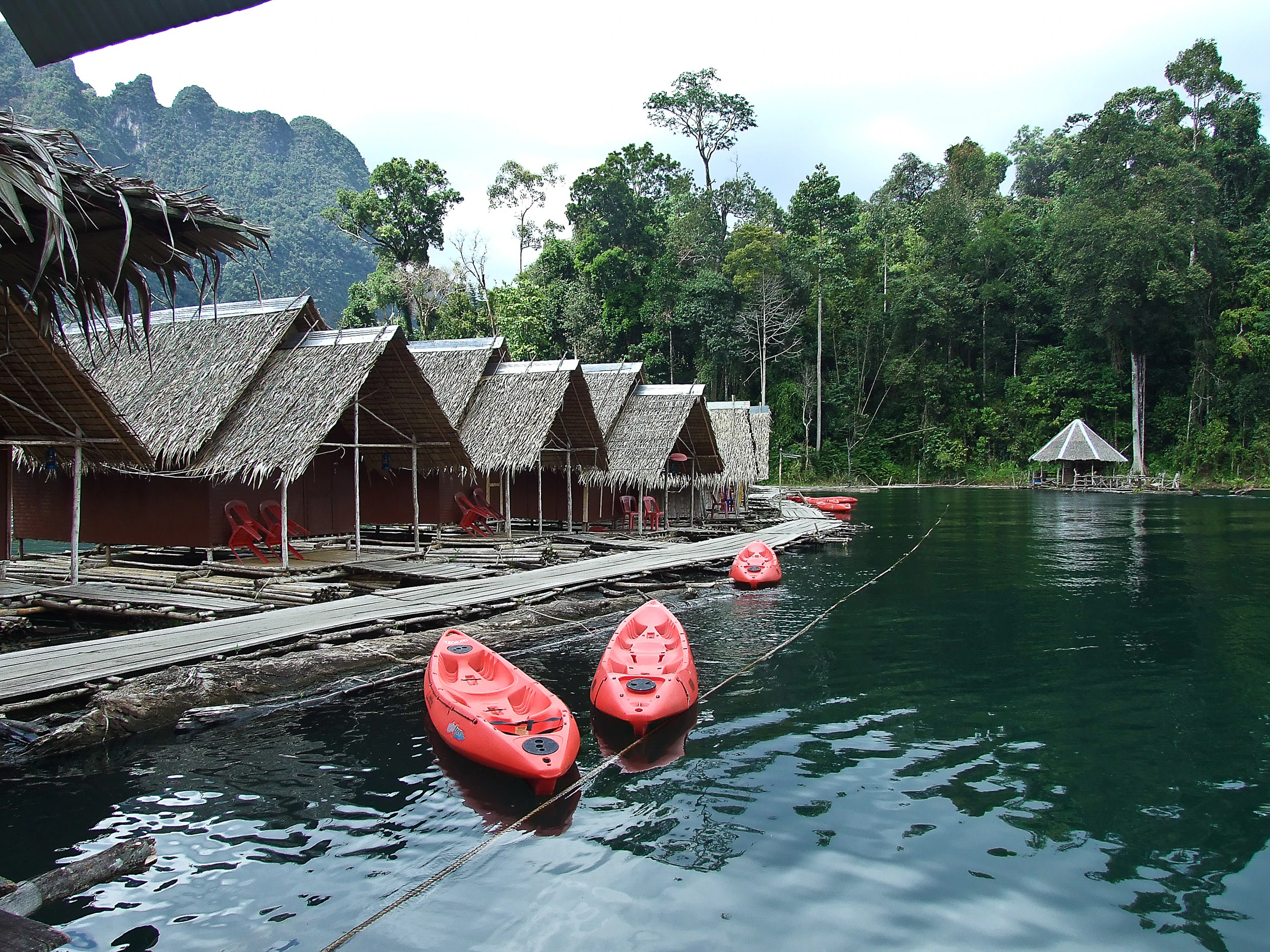
Cheow Lan Lake and the floating raft houses
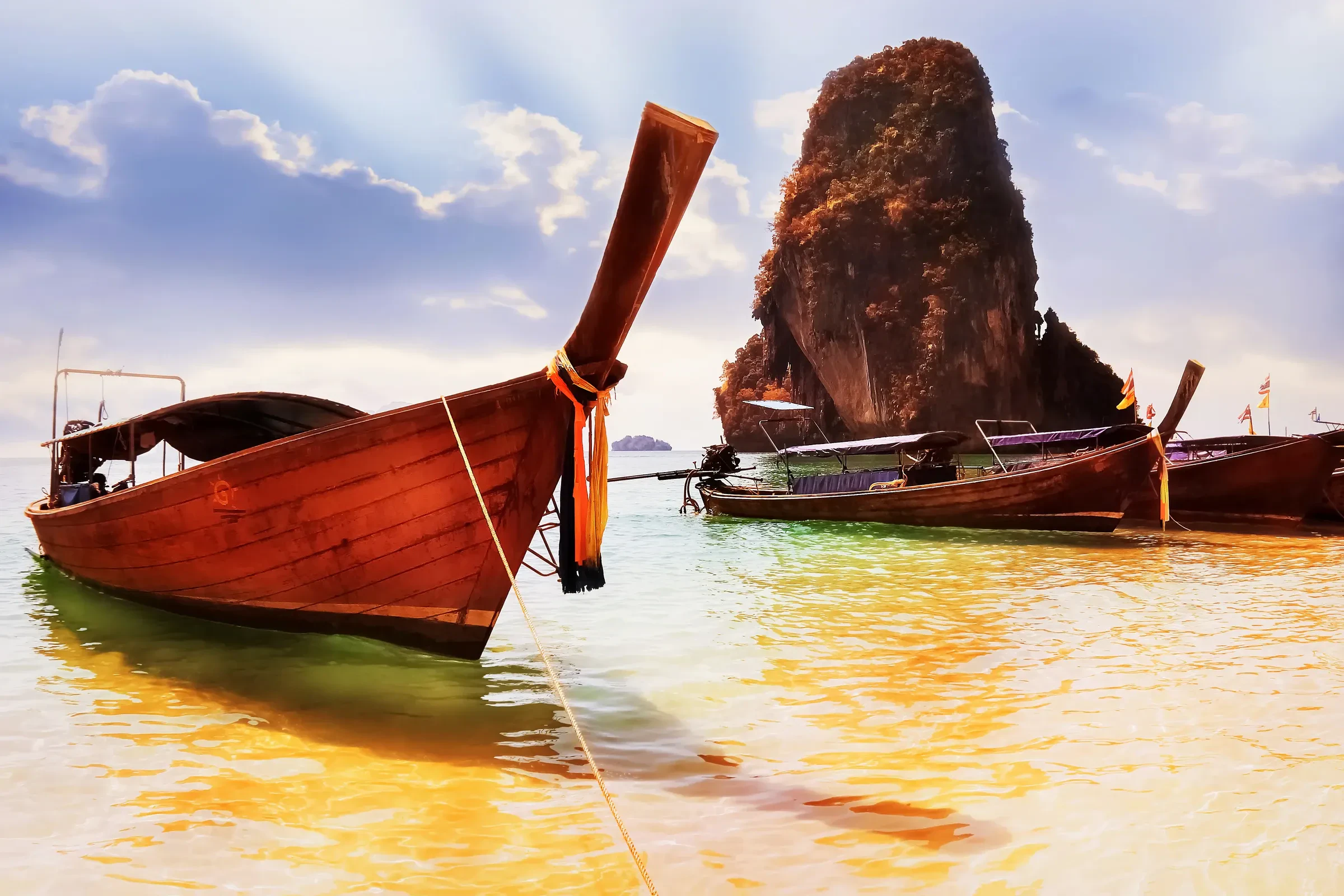
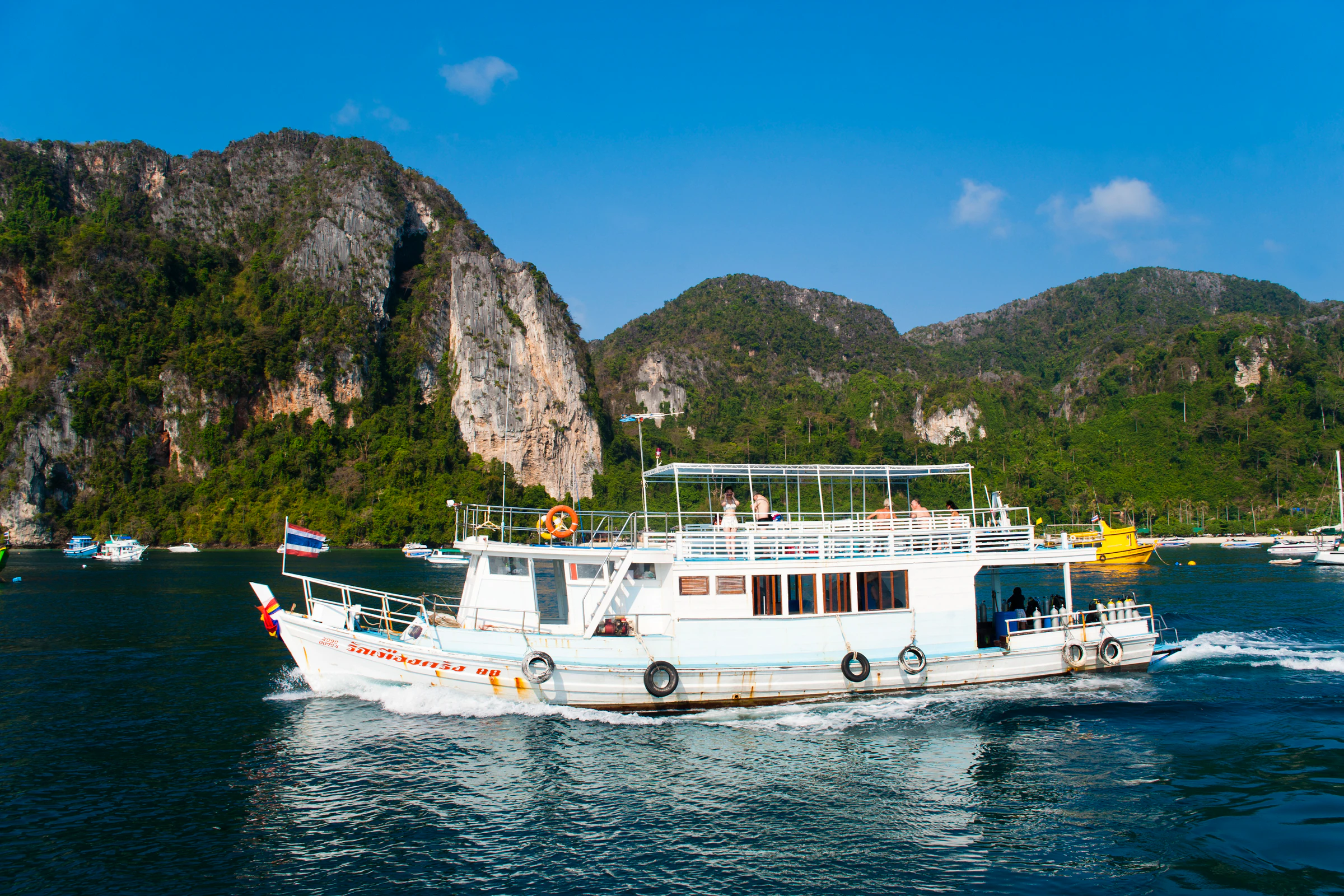
The lake is reached by a 45 minute longtail boat from the pier below Ratchaprapha Dam. Raft house operators moor simple bamboo and timber bungalows on the water, cook a set Thai dinner on site (usually the only food option once you're out on the lake), and run boat trips from the raft house itself. Boats aren't allowed on the lake before sunrise or after sunset, and boat availability has been tight in high season, so book the boat through your raft house or operator in advance. This is where you spend the night; allow the rest of the afternoon you arrive and the following morning for it.
Park headquarters and the jungle trails
Near the park entrance, short and half day jungle walks pass waterfalls and give a decent chance of spotting wildlife without the lake overnight. This is the fallback if you only have a single day: a walk near headquarters and the Ratchaprapha Dam viewpoint, without the boat trip that's the actual highlight.
The karsts and Nam Talu cave
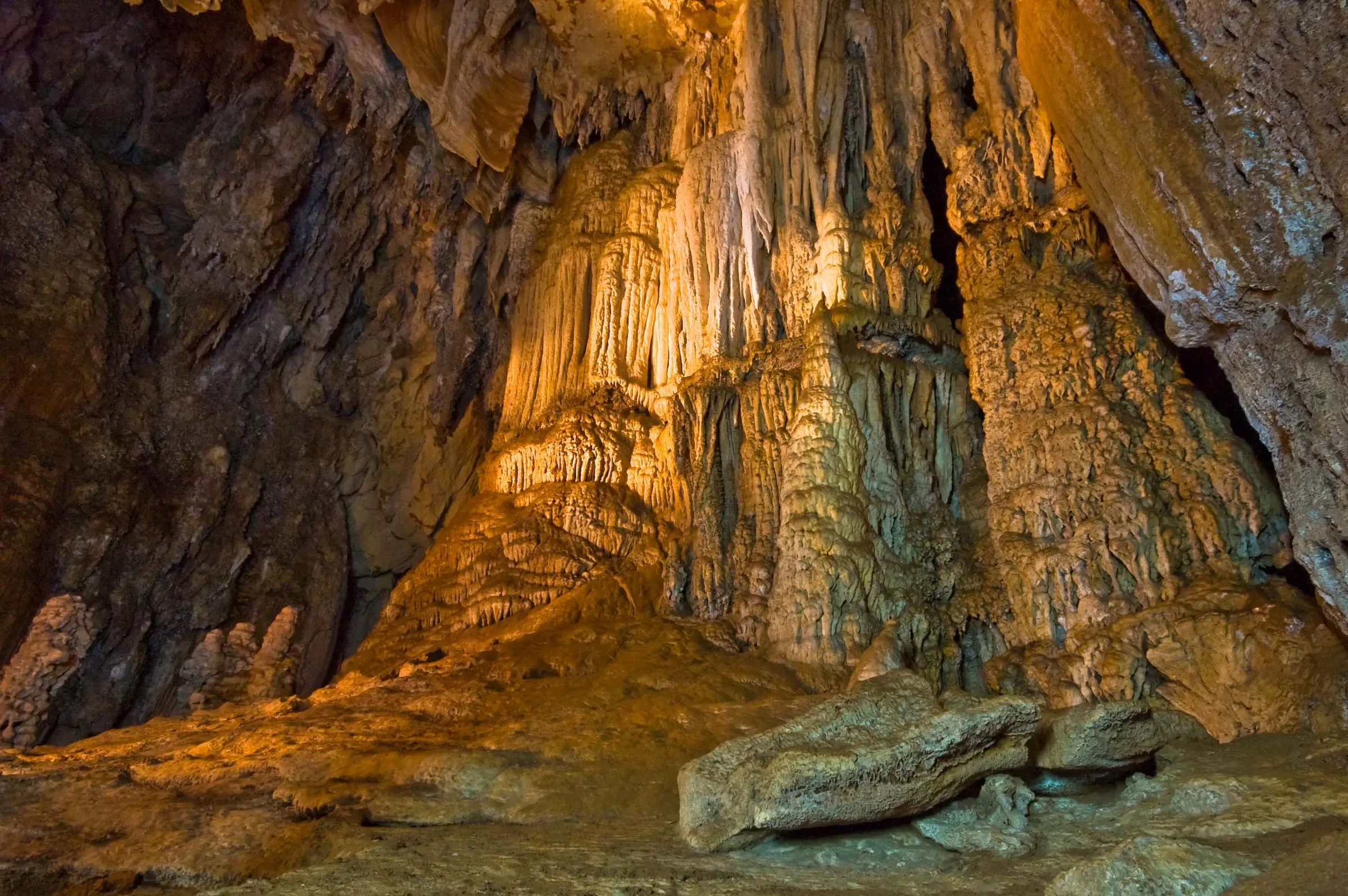
The limestone karsts ringing the lake look best from a longtail boat at dawn or dusk, when the light and the mist off the water do the most work. Nam Talu cave, an underground river route around 600 metres long, is one of the park's more serious outings: it's crossed mostly by wading, with short chest deep swims in near total darkness apart from head torches, on a guided trip that runs 2 to 3 hours. The cave closes to visitors every rainy season, from 1 June to 30 November in the park's published pattern, because of flash flood risk. Even outside that window, go only with a licensed guide and be ready to turn back if conditions change. Check the current closure dates before you plan around it.
Things to do
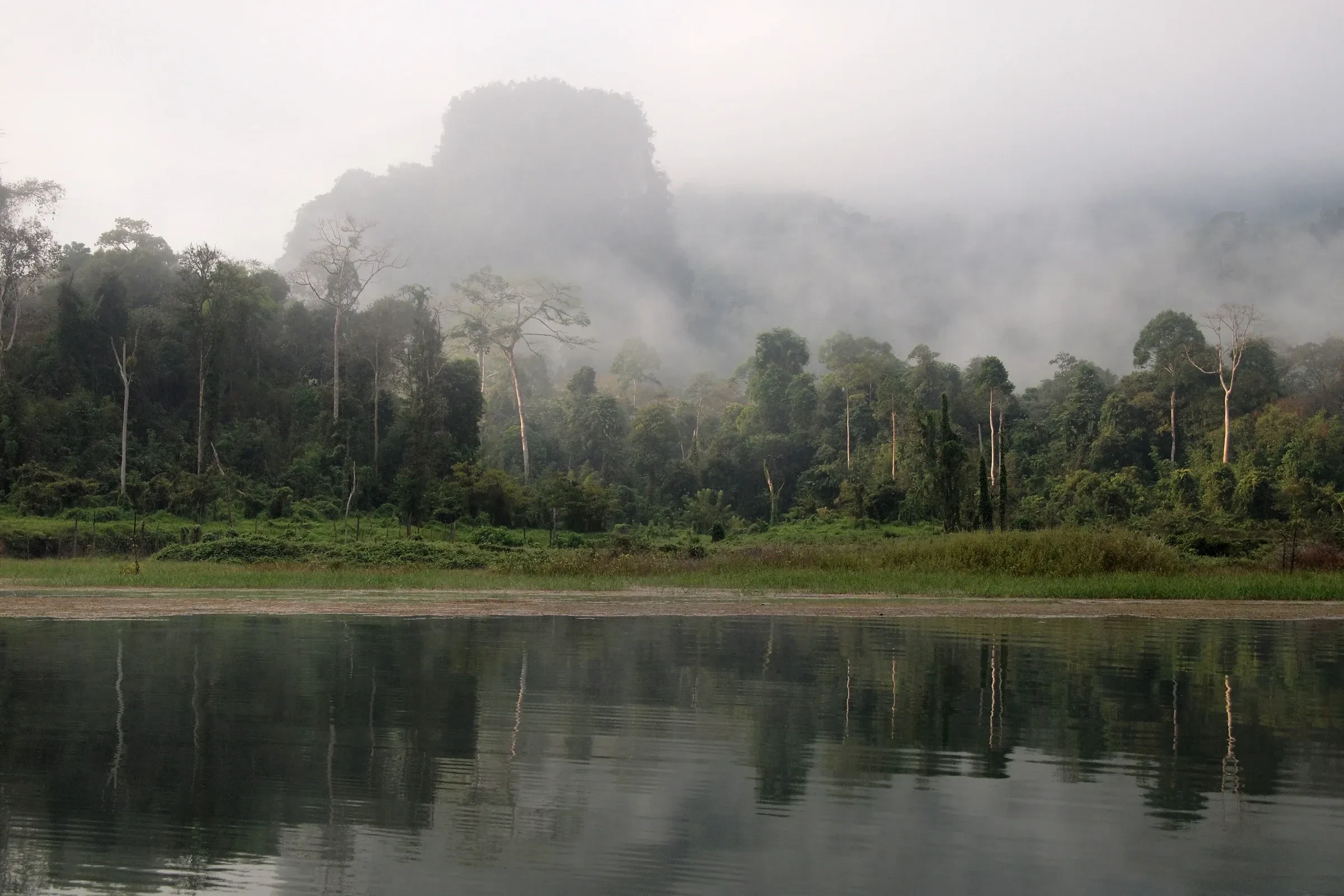
- A lake safari by longtail boat: both an evening and a dawn version run from most raft houses, looking for hornbills, gibbons and other wildlife along the karst-lined shoreline. The dawn safari, with mist sitting on the water, is the one people remember.
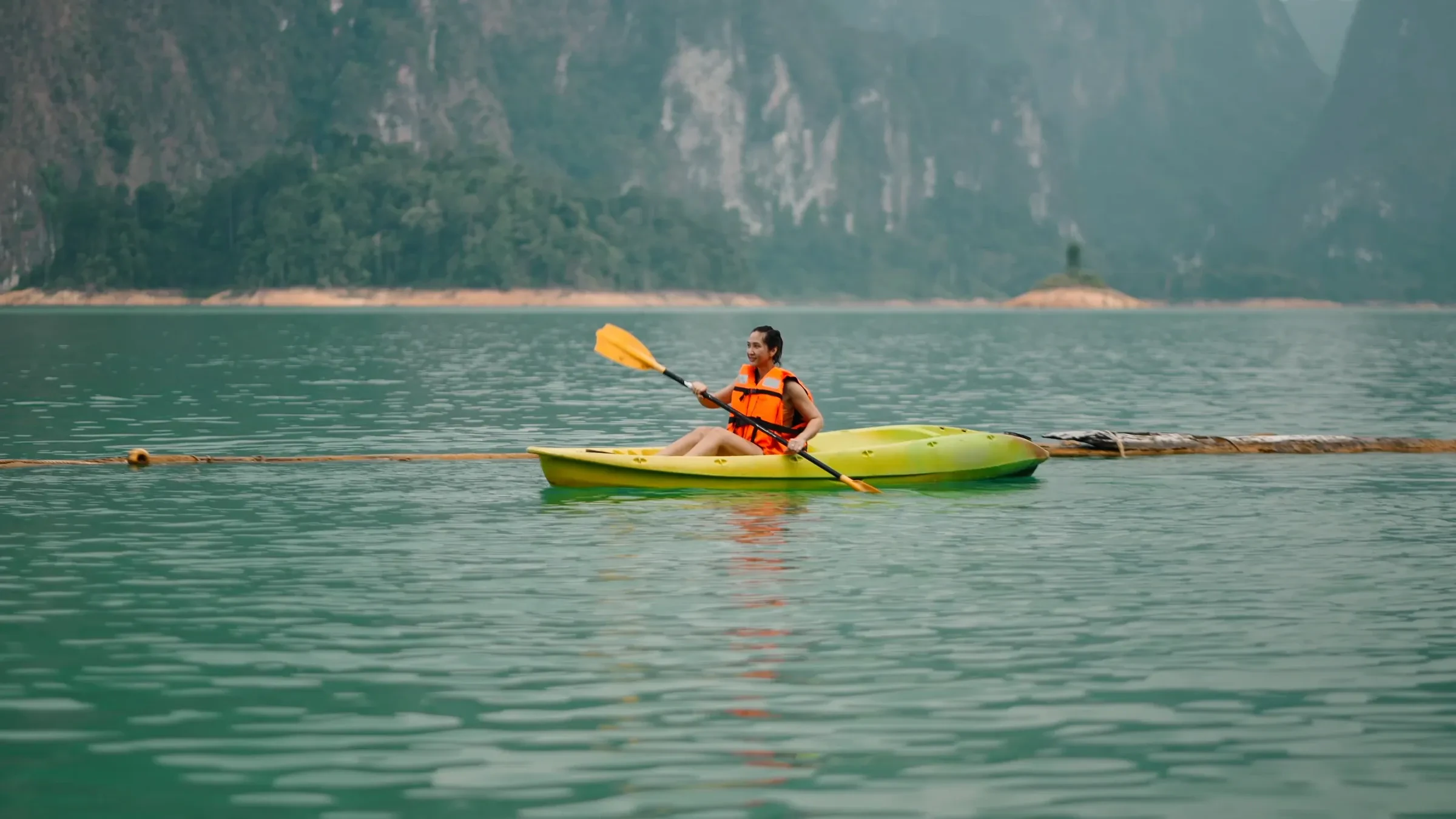
- Canoeing around the immediate area, weaving between smaller limestone outcrops close to the raft houses; most operators keep a few canoes on hand for guests.
- A jungle hike, with some operators adding a night walk for nocturnal wildlife on longer stays, on top of the guided day walks near headquarters.
- Nam Talu cave, seasonal closures permitting (see above).
- Elephant camps near the park: a few advertise "no riding" or "sanctuary" experiences, and reports differ. Some travellers describe a genuinely observation-led visit, others more hands-on bathing and scrubbing than they expected. We don't recommend elephant riding, chains or bathing as entertainment, whatever a camp promises, and would rather you skip an elephant activity here than gamble on one that isn't what it claims.
What to eat
The raft houses cook a set Thai dinner and breakfast on site, since there's nowhere else to eat once you're on the lake. Expect simple curries, stir fries and rice rather than a menu to choose from. If you're passing through Surat Thani on the way to or from Khao Sok, it's worth timing a meal around the town's seafood, fresher and cheaper than what you'll find on either coast.
Best time to visit
November to April is the best window, matching the dry season on the Andaman coast that Khao Sok sits inland of. Even then, expect some rain: this is one of the wettest parts of Thailand year round, and the humidity and short downpours are part of what keeps the jungle this dense. The southwest monsoon peaks roughly August to October, when rain is most likely to disrupt a lake safari. Nam Talu cave is closed from June to November, though the lake itself stays open and is often at its fullest and most dramatic right after heavy rain.
How long to spend and which route to use
One night on the lake is the minimum to make the trip worthwhile, but two nights is the natural fit: one evening safari and one dawn safari, with time on the second morning for canoeing or a short trail before you move on. Add a third day if you want a full jungle trek or a Nam Talu cave visit as well, rather than folding it into an already full two days.
Khao Sok isn't really a standalone base; it's the jungle stop that bridges Thailand's two coasts. Coming from the Andaman side, it slots in after Phuket or before Krabi on the Andaman coast itinerary. Heading to or from the Gulf, it pairs with a Surat Thani transfer into the Gulf islands itinerary for Koh Samui, Koh Phangan and Koh Tao. For the wider picture of where Khao Sok fits against every other route, see the Thailand itineraries hub and the island hopping guide.
Getting there and around
- From Surat Thani: about 1.5 to 2.5 hours by minivan or bus, the shortest and most common approach if you're coming from or heading to the Gulf islands by ferry.
- From Phuket: about 2 to 2.5 hours by shared minivan from the airport or town, longer by public bus.
- From Krabi: about 3 to 4 hours by shared minivan; times vary by pickup point and route.
- From Khao Lak: about 1 hour by minivan, or around 2 hours by bus, the shortest of the four.
However you arrive, transfers run to the Ratchaprapha Dam pier, where you switch to a 45 minute longtail boat for the lake itself. If you're only doing the 1 day version without the lake, minivans and buses stop at Khao Sok village near park headquarters instead.