Bali vs Thailand at a glance
| Bali | Thailand | |
|---|---|---|
| Cost per day | About US$16 to 25 (IDR 280,000 to 450,000) for food, drinks and local transport, before your bed; more in Canggu's cafes | About US$30 to 45 (1,000 to 1,500 baht) for the same things, before your bed; 20 to 40% more on the islands |
| Best months | May, June and September; avoid December to February (wettest) | Mid-December to about 20 February for the whole country |
| Flight time from the UK | No nonstop; at least one stop, so expect a long journey | Nonstop to Bangkok, roughly 11 to 12 hours out |
| Flight time from the US | No nonstop; one stop in Asia or the Gulf | No nonstop; from Los Angeles the quickest one-stop option in Kayak's route data (23 September 2026) was about 19.5 hours |
| Flight time from Australia | Jetstar flies nonstop from 11 Australian airports, including Darwin and Perth, and other airlines fly from some cities | Nonstop to Bangkok from Sydney, Melbourne and Perth (Thai Airways), with Qantas from Sydney and Jetstar budget flights |
| Visa | Visa on arrival for most Western passports: IDR 500,000, 30 days, plus the IDR 150,000 Bali tourist levy (a higher visa fee is announced, start date unconfirmed) | Visa-free for 30 days for the same passports since 15 September 2026, plus a free TDAC arrival card |
| Beaches | One coastline, but a real range: Canggu's beach breaks, Uluwatu's clifftop coves, Nusa Penida's cliffs | Two coastlines (Gulf and Andaman) with far more islands and beach towns to choose between |
| Surf and diving | Beginner surf at Canggu, reef breaks at Uluwatu; diving at Tulamben's wreck and Nusa Penida's mantas | Diving is bigger: Koh Tao is one of the world's busiest certification spots; less consistent beginner surf |
| Food | Babi guling, lawar and betutu, built around Balinese Hindu ceremony; warungs everywhere | Street food and night markets, consistently easy to find and eat well almost anywhere |
| Culture | Bali's own Hindu culture: temple ceremonies, offerings and etiquette rules that apply to visitors | Buddhist temples, royal palaces and hill-tribe villages, spread across a much bigger country |
| Nightlife | Canggu is lively; Uluwatu has sunset bars; Ubud is quiet and early to bed | A bigger part of the trip everywhere: Bangkok's bars, Chiang Mai's markets, Koh Phangan's parties |
| Getting around | Grab, Gojek and scooters (with the right licence); no trains, and some areas block ride-hailing pickups | Overnight trains, budget flights and ferries, simple to book even last minute |
| Solo-friendliness | Easy and social, with a big long-stay and surf-school crowd, though official advice flags drink spiking | One of the easier countries in Asia to travel alone, including for women |
Cost per day
Bali is the cheaper of the two, day to day. Both budgets below cover food, drinks and local transport only, outside your bed, so they compare like for like. For Bali that's about IDR 280,000 to 450,000 a day (US$16 to 25), our own estimate, more in Canggu's cafes (Bali cost guide). For Thailand it's 1,000 to 1,500 baht (about US$30 to 45), with island stops costing 20 to 40% more than the mainland (Thailand cost guide). Beds are extra: a Bali dorm runs from about IDR 100,000 at a simple hostel to IDR 250,000 to 450,000 at a social one with a pool, and a Thai dorm from 150 to 700 baht depending on where you are. Bali's one-off entry costs, the visa and levy below, add to the total.
Winner: Bali, by a small margin.
Best months to go
Thailand has one clear window: mid-December to about 20 February, when the country is dry and both island coasts are calm (Thailand best time guide). Bali's best months are May, June and September, a shoulder-season stretch between the dry season's crowds and the wet season's rain. December to February is worth avoiding, since it's Bali's wettest patch. Neither island has one simple answer for the whole year, but Bali's dry season, roughly April to October, runs longer and more forgivingly than Thailand's.
Winner: Tie. The two calendars barely overlap, so check both before you book flights.
Visa and entry
Thailand is the easier of the two here. UK, US, Australian, Canadian, Irish and EU passports enter visa-free for 30 days as of 15 September 2026 (down from 60), with just a free TDAC arrival card filed online before you land. A proposed 450 baht tourist fee is not being collected (Thailand visa guide). Bali requires a paid visa on arrival for the same passports, either bought in advance as an e-VOA at evisa.imigrasi.go.id or at the airport, for IDR 500,000 (about US$28), good for 30 days and extendable once for 30 more. Immigration announced a higher fee on 12 August 2026 but has not confirmed a start date, so check the portal before you pay. You also file a free All Indonesia arrival card within 72 hours of landing and pay the IDR 150,000 Bali tourist levy separately at lovebali.baliprov.go.id (Bali visa guide). Neither step takes much effort, but Bali's costs money and Thailand's doesn't.
Winner: Thailand.
Beaches
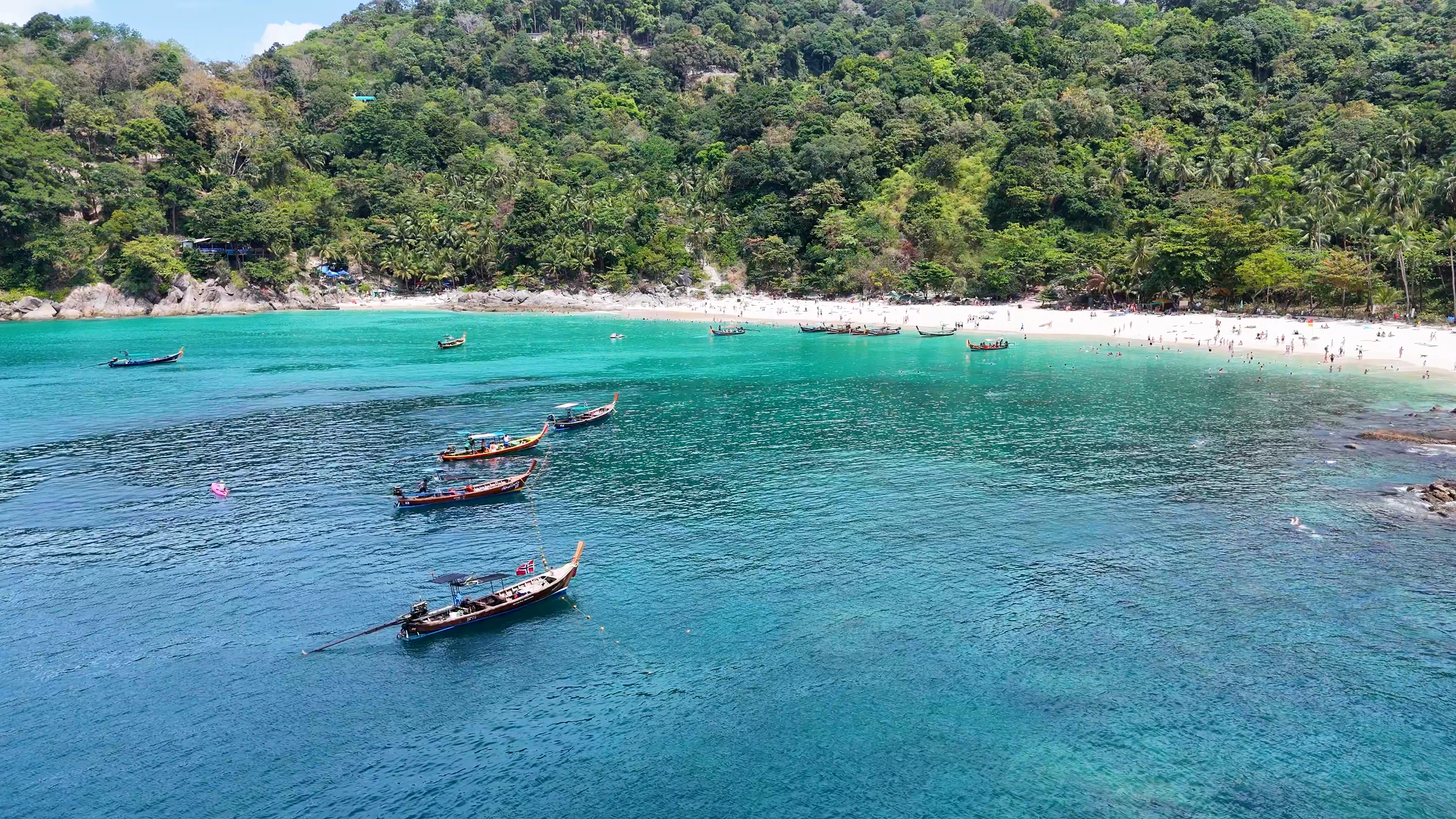
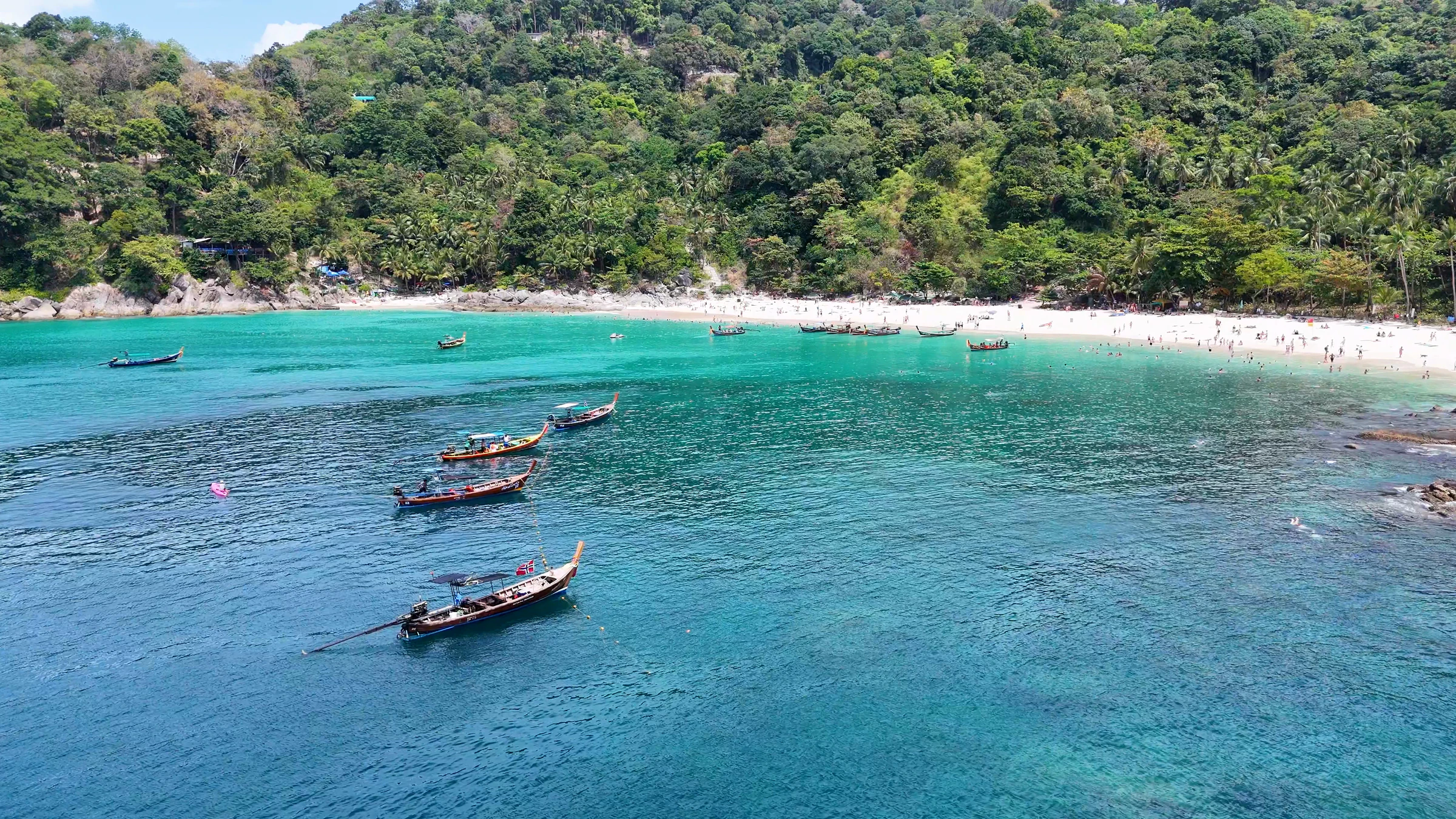
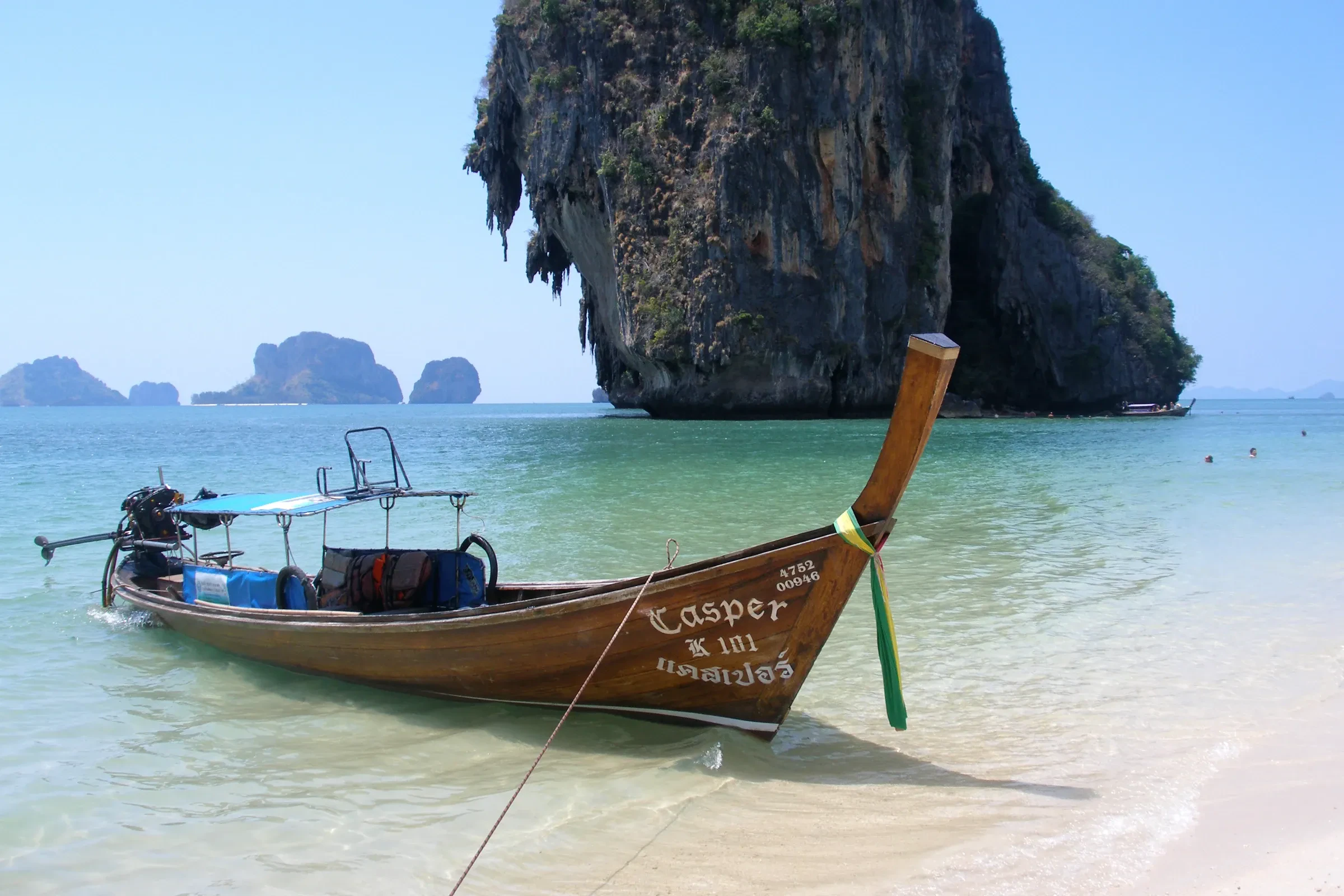
Thailand's beach scene is bigger and more built up: two coastlines, dozens of islands and infrastructure that's grown around beach tourism for decades, from Koh Tao's dive schools to the Full Moon Party on Koh Phangan. Bali has one coastline, but it packs real variety into a short distance: Canggu's sandy beach breaks, Uluwatu's clifftop coves and temple, and Nusa Penida's cliffs and manta rays a short boat ride away. Want more islands and more choice? Thailand wins. Would rather not lose days in transit between beach towns? Bali's small size works in its favour.
Winner: Thailand for range; Bali for how little time you lose getting between spots.
Surf and diving
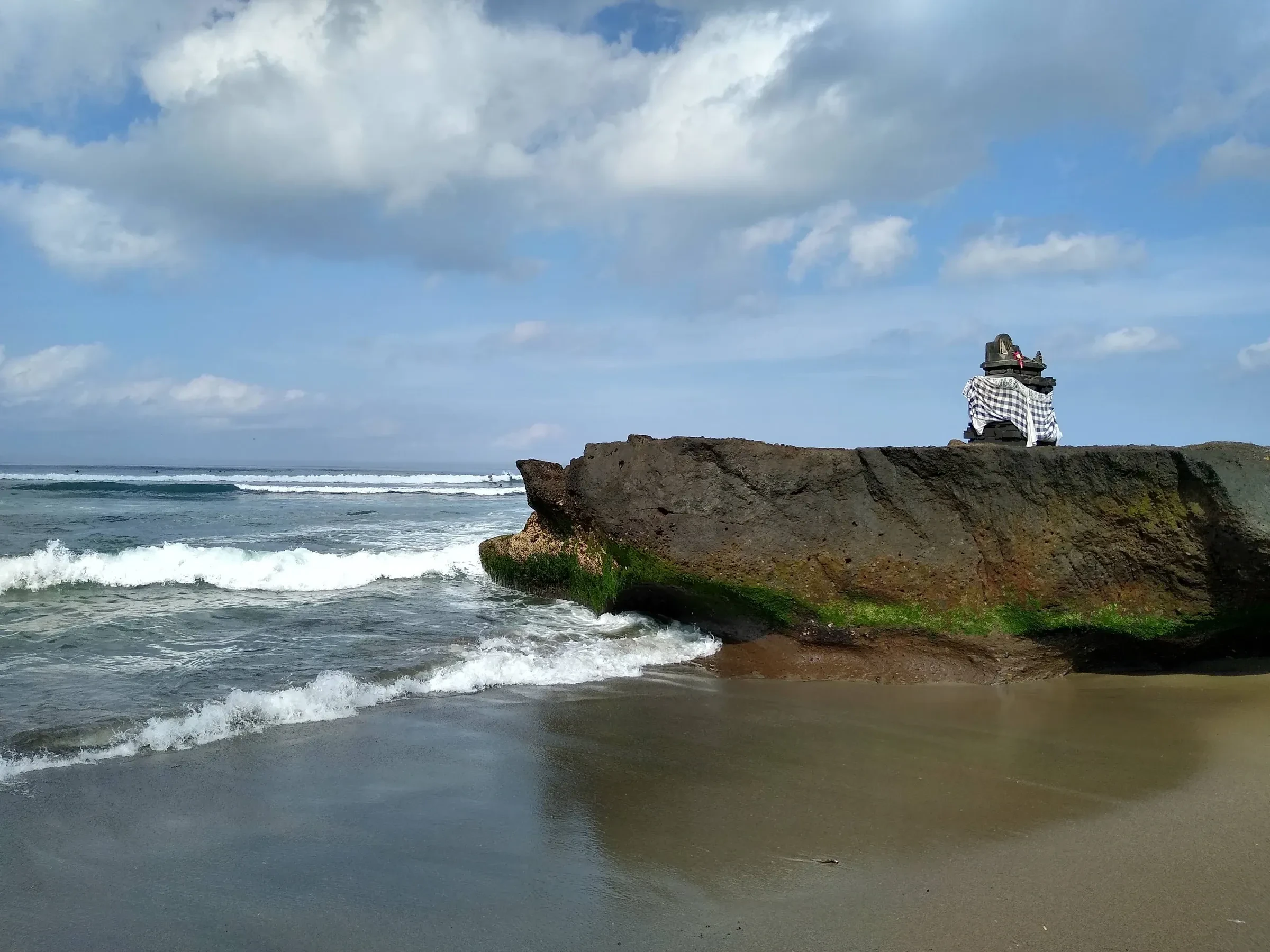
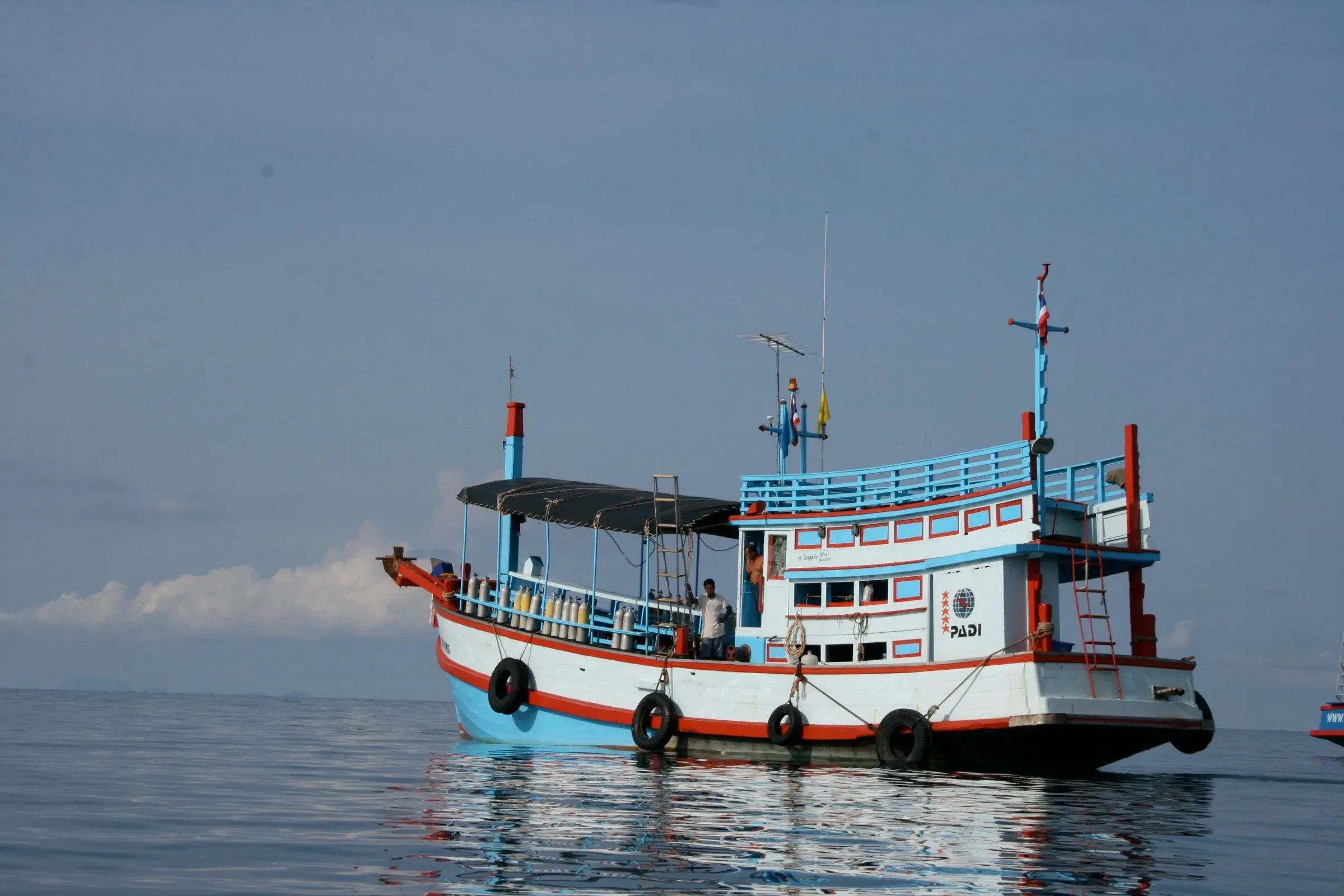
Bali is the stronger surf destination for most solo travellers. Canggu's Batu Bolong is one of the easiest places in Asia to learn, and the Bukit peninsula around Uluwatu has reef breaks for intermediate and advanced surfers, from Padang Padang up to Impossibles. Baby Padang, next to the main Padang Padang break, is one of the few beginner-friendly waves there (Bali surfing guide). Thailand's surf is far less consistent; it isn't why people go there. Diving flips the other way. Koh Tao is one of the busiest, cheapest places in the world to get PADI certified, and the Similan Islands on Thailand's Andaman coast are a serious step up for experienced divers (they close for roughly mid-May to mid-October) (Thailand diving guide). Bali still dives well, especially the calm, shallow east coast at Tulamben and Amed and the mantas at Nusa Penida (Bali diving guide), but Thailand has the bigger scene overall.
Winner: Bali for surf, Thailand for diving.
Food
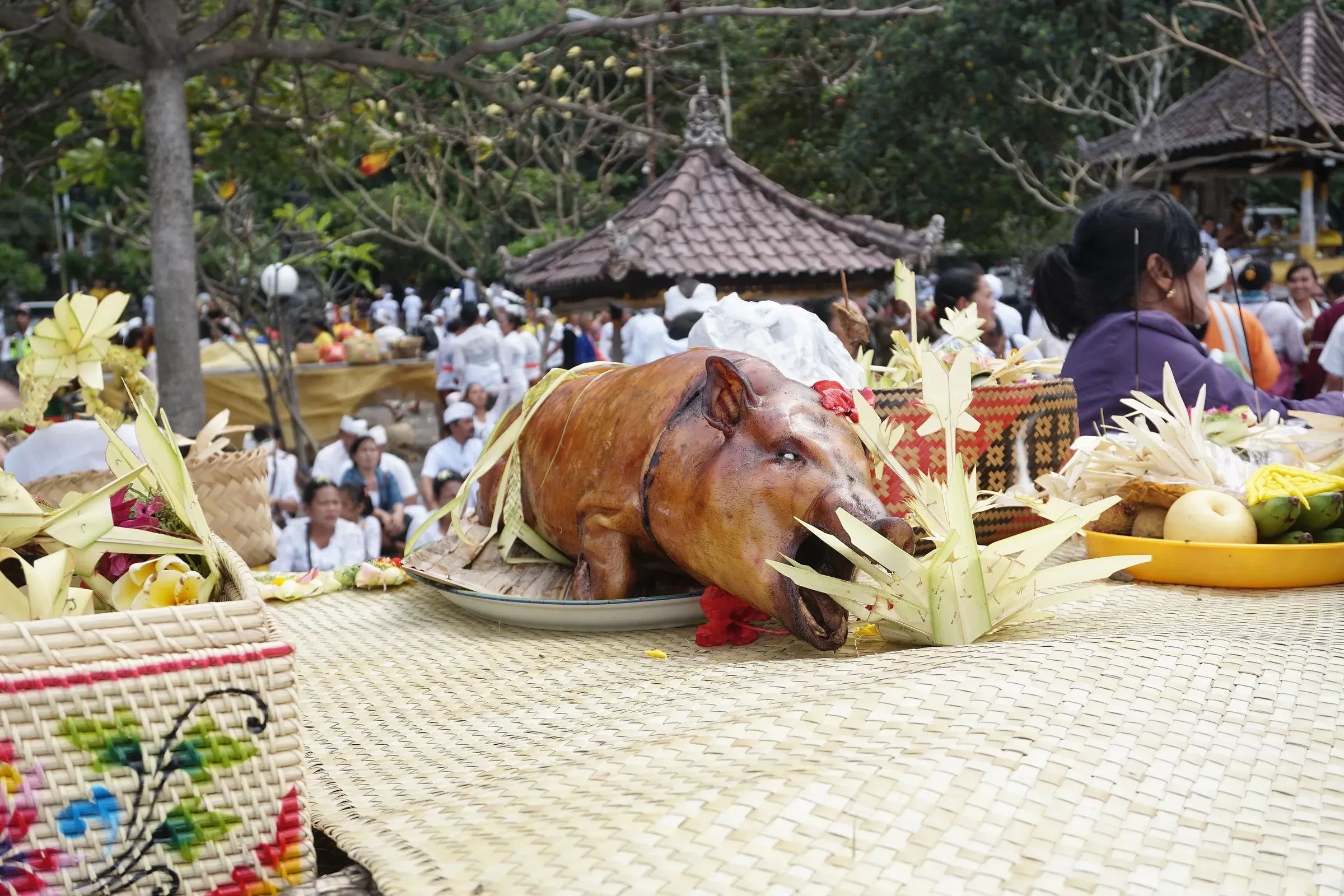
Balinese food is its own thing rather than typical of Indonesia as a whole. Babi guling (spit-roast pig), lawar and betutu are built around Hindu ceremony, and you'll find them easily in Ubud in particular (Bali food guide; the wider country is covered in our Indonesian food guide). Thailand's street food and night markets are more consistent across the whole country, and it's easier to eat well on a tight budget almost anywhere on the tourist trail without planning ahead. Both are good; Thailand is just more forgiving if you don't want to think too hard about where to eat.
Winner: Thailand for consistency, Bali for depth if you make the effort to find it.
Culture
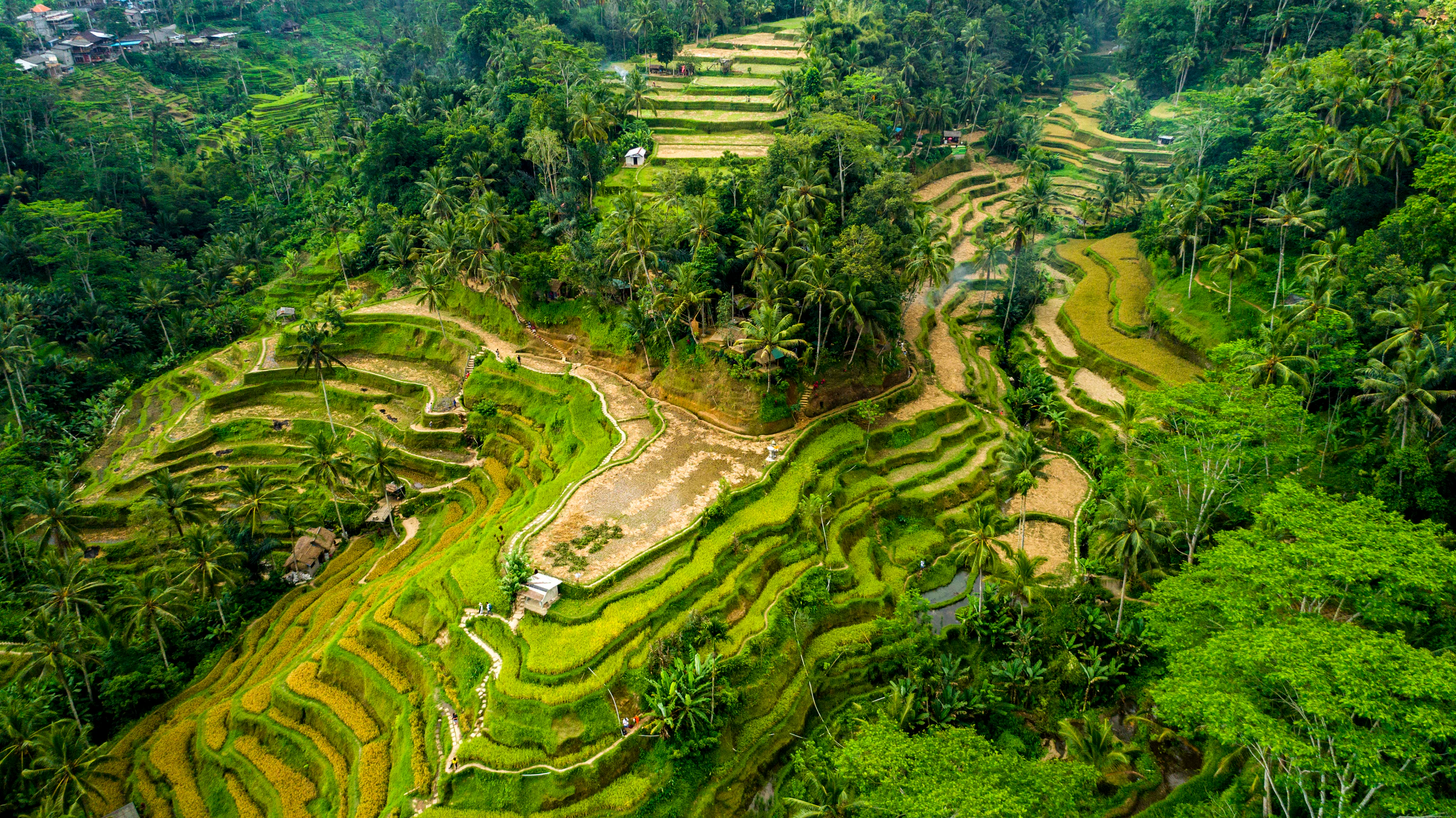
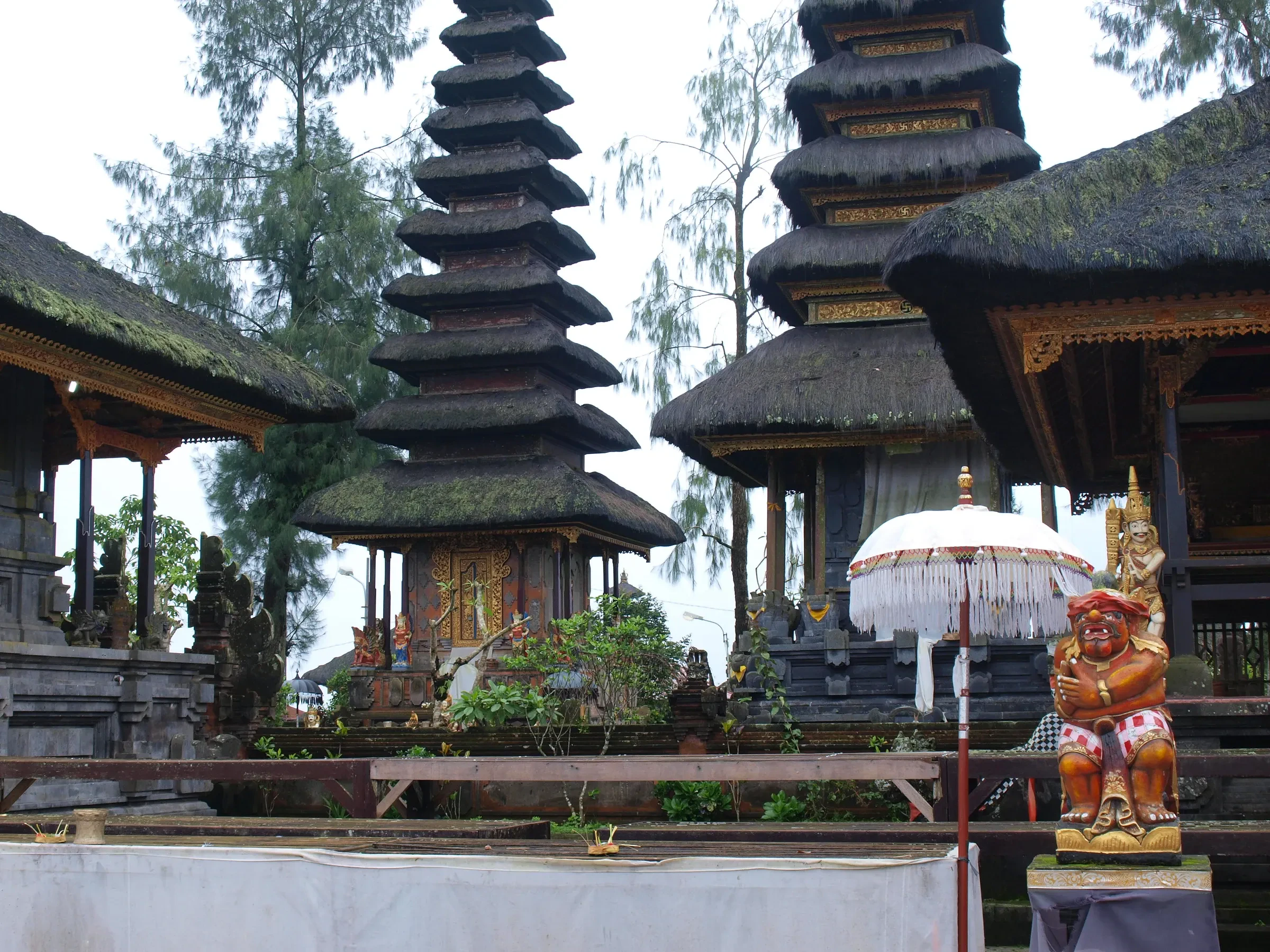
Bali's culture is the more concentrated of the two. It's the one Hindu-majority island in a mostly Muslim country, and daily life runs on temple ceremonies, offerings and rules that visitors are expected to follow, including dress codes and restrictions inside temple sanctums (Bali travel guide covers temple etiquette in full). Thailand's culture is spread thinner across a much bigger country: Buddhist temples and royal palaces in Bangkok, hill-tribe villages in the north, and regional identity that shifts as you travel. Want a strong, single cultural identity in a small area? Bali delivers it. Want variety across regions? Thailand has more to see.
Winner: Tie, depending on whether you want depth or range.
Nightlife
Thailand's nightlife is a bigger part of the trip almost everywhere you go: Bangkok's bars and Khao San Road, Chiang Mai's night markets, and the Full Moon Party on Koh Phangan. Bali's nightlife is more localised. Canggu is lively, Uluwatu has sunset bars along the clifftop but thins out after dark, and Ubud is quiet with early nights by design (Canggu vs Ubud vs Uluwatu guide). If nightlife is a main reason for the trip, Thailand offers more of it in more places.
Winner: Thailand.
Getting around
Thailand wins clearly here. Overnight trains, budget flights and ferries link the whole country and are simple to book, often even a day or two ahead (Thailand travel guide). Bali has no train network. You're relying on Grab, Gojek, scooters (which need a home motorbike licence plus an International Driving Permit to ride legally) or a hired driver, and a few areas, including parts of Uluwatu, block ride-hailing pickups altogether, so you may have to walk to a main road (Bali travel guide). Bali's small size makes this less painful than it sounds, since nothing is ever more than a few hours away, but Thailand's transport network is the more developed of the two.
Winner: Thailand.
Solo-friendliness
Both islands and countries are easy to travel alone, including for women, and both have a large, social backpacker and long-stay crowd that makes it simple to meet people. For Thailand, Canada asks for "a high degree of caution" and the FCDO flags specific situations (full moon parties, scooters, the closed Cambodian border), but neither singles out particular risks to solo women beyond that (Thailand safety guide). Official advice for Bali is a little more specific: the FCDO notes reported cases of rape and sexual assault are high in Bali and Lombok, and flags drink spiking linked to sexual assault and assaults by unregistered taxi and ride-share drivers. Neither piece of advice should put you off travelling either place alone; both islands see huge numbers of solo women every year. Our guide to solo trips for women compares Bali and Thailand alongside Vietnam, Laos and India on exactly this point.
Winner: Thailand, on official advice; Bali remains easy but asks for a bit more care around transport after dark.
Which should you choose?
| If you're... | Choose |
|---|---|
| Planning your first-ever trip to Southeast Asia | Thailand |
| Short on time (a week or ten days) and want one simple base | Bali |
| Mainly there to learn to surf | Bali |
| Mainly there to dive or get certified | Thailand |
| After the biggest possible nightlife scene | Thailand |
| Drawn to a strong, single cultural identity in a small area | Bali |
| Watching every dollar or pound | Bali, by a small margin |
| Happy to change islands and coasts to chase the best weather | Thailand |
Why not both?
Bangkok and Bali's Denpasar airport are linked by nonstop flights: flight-schedule listings (October 2026) show Thai Airways from Suvarnabhumi and Thai AirAsia and Thai Lion Air from Don Mueang, so check current timetables before you book. That makes combining both countries realistic with three weeks or more. A sample route: start in Bangkok, take the overnight sleeper train to Chiang Mai, head south to Koh Samui and take the ferry to Koh Phangan for a few island days, then fly from Bangkok to Bali for Canggu, Ubud, Nusa Penida and Gili Trawangan before finishing on Bali's east coast. That's a proper two-country trip rather than a rushed add-on to either. Travelling independently, budget a few spare days either side of each flight for delays, and expect the Bali leg to need its own visa and levy on top of Thailand's costs. Travelling with us, the Trip Host handles both legs and the group stays the same for all three weeks.
Keep planning
- Bali travel guide for regions, costs and getting around
- Thailand travel guide for itineraries, regions and costs
- Bali visa guide and Thailand visa guide
- Bali and Indonesia travel guide for the wider region, including Lombok and the Gilis
- Solo trips for women, comparing Bali, Thailand and three other countries
- Bali group trips and Thailand group trips