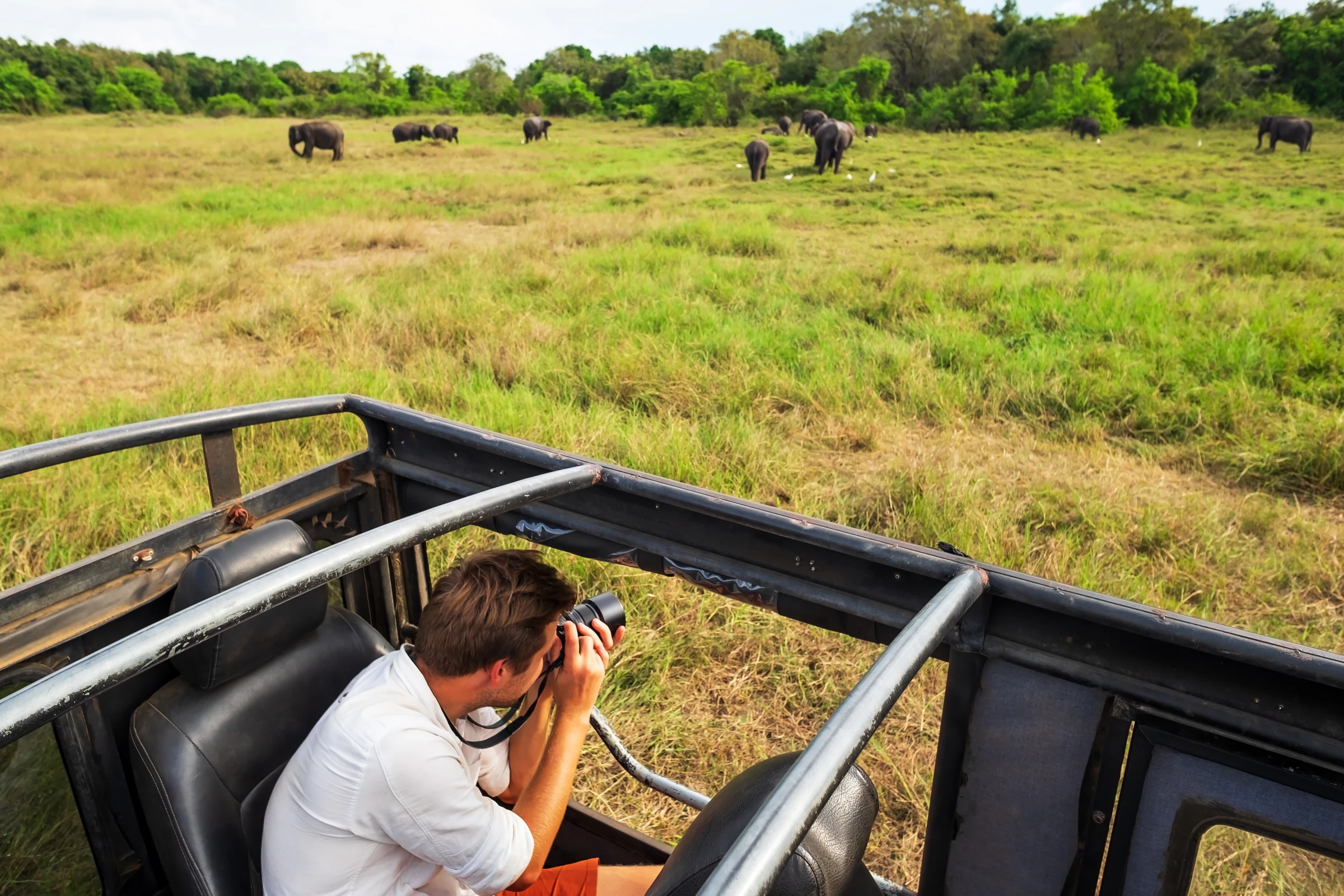
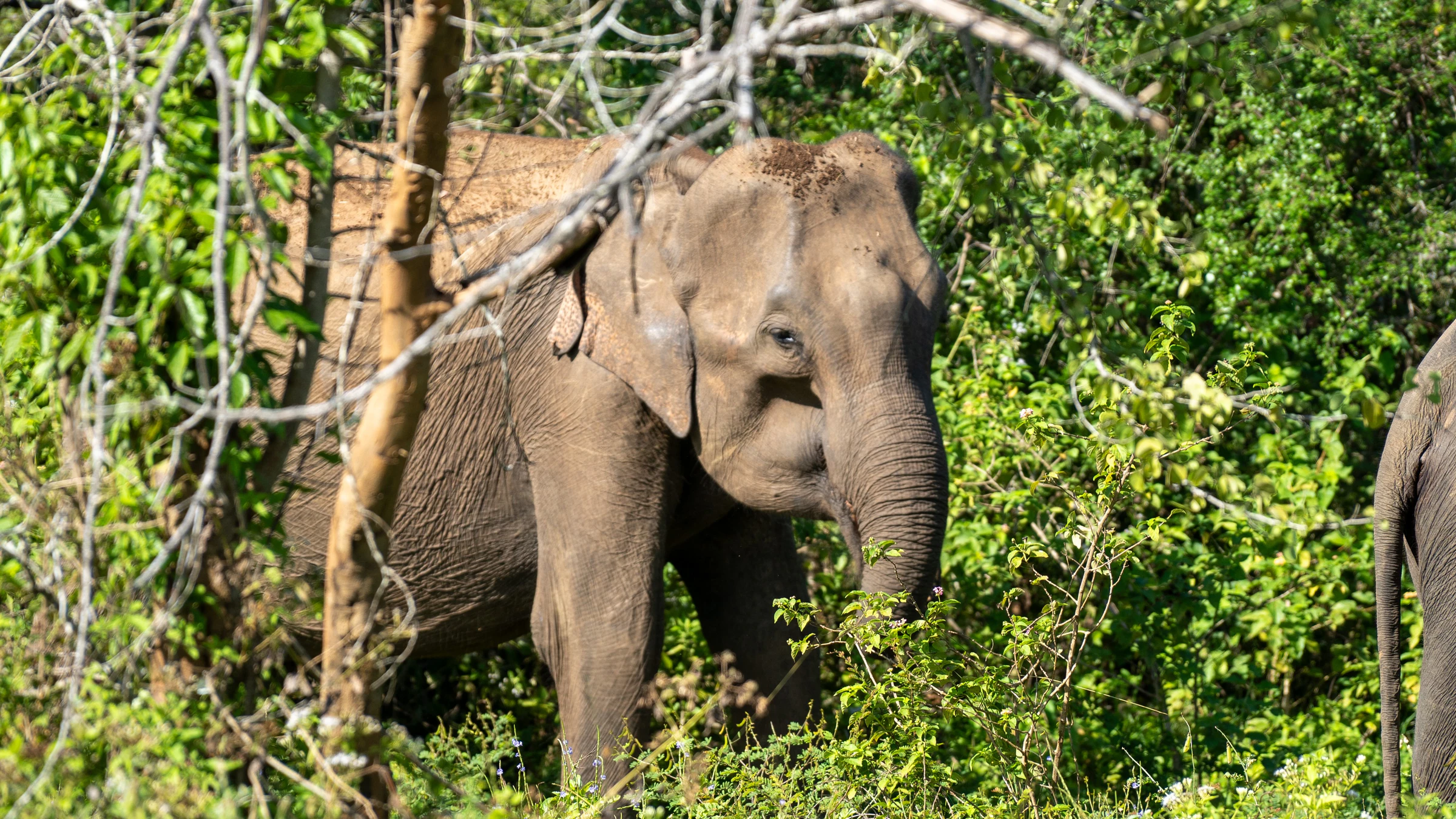
Sri Lanka doesn't have one obvious "best" snorkelling spot so much as a handful of good ones, each with its own season, price and reason to visit. Pigeon Island has the real reputation, protected as a national park and priced accordingly. Everywhere else on this list is cheaper and more casual, and easier to fold into a wider south or west coast trip. This guide covers all five, the diving option if you want to go a level deeper, and the reef care that matters at every one of them. For the rest of the coast, see our Sri Lanka travel guide, and for the country's other water-based activity, our surfing in Sri Lanka guide.
Sri Lanka's snorkelling spots at a glance
| Spot | Character | Best season |
|---|---|---|
| Pigeon Island (Nilaveli, Trincomalee) | A national park reef with over 100 coral species and black-tip reef sharks | Roughly May to September |
| Hikkaduwa | A shallow coral sanctuary just offshore, informal and cheap | November to April |
| Unawatuna's Jungle Beach | A sheltered cove with rocky reef at both ends | November to April |
| Polhena (near Matara) | A reef-protected lagoon known for turtles | November to April |
| Kalpitiya | A calmer lagoon, plus dolphin-watching boats further out | November to April for the lagoon and dolphins; May to September is the area's windier kitesurfing season instead |
Pigeon Island, Trincomalee
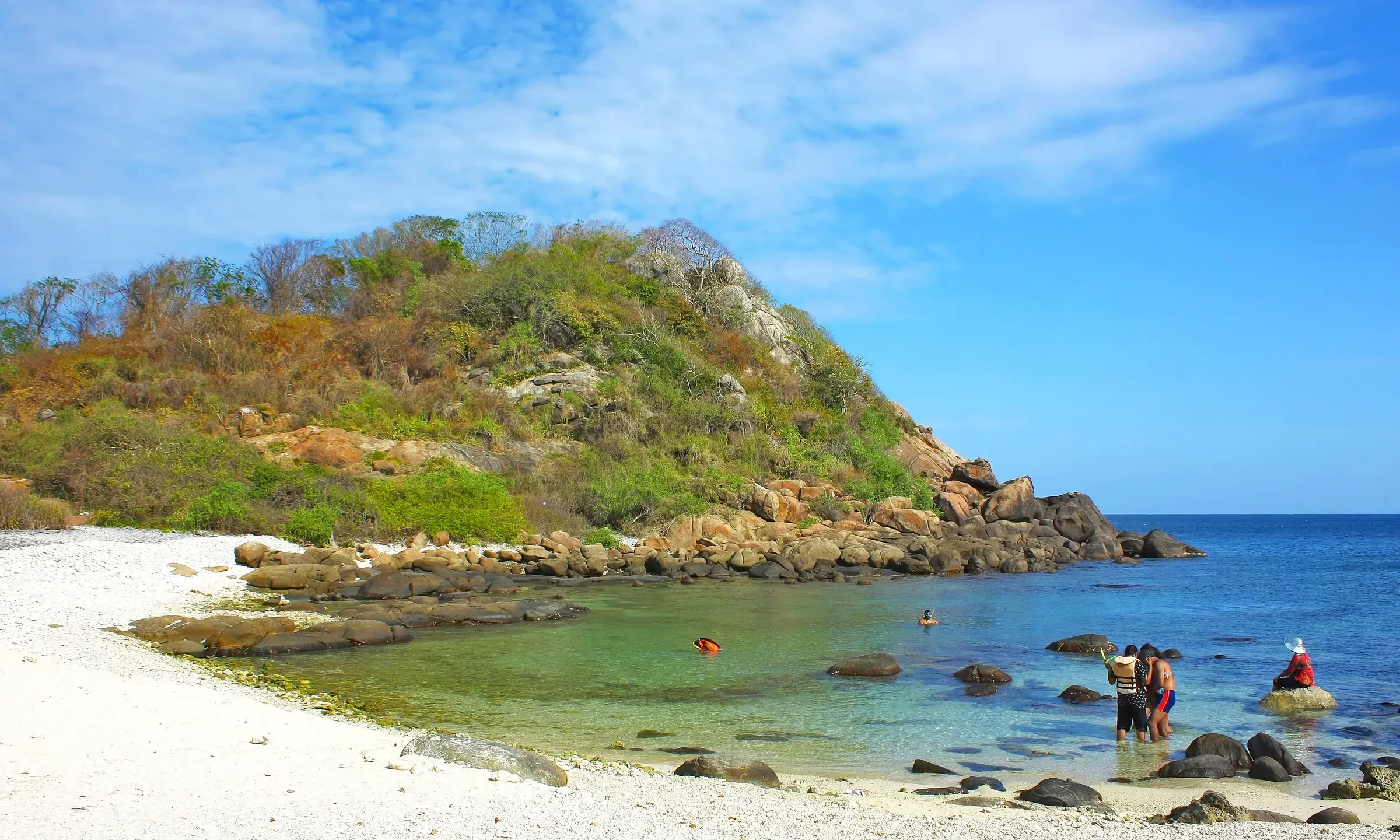
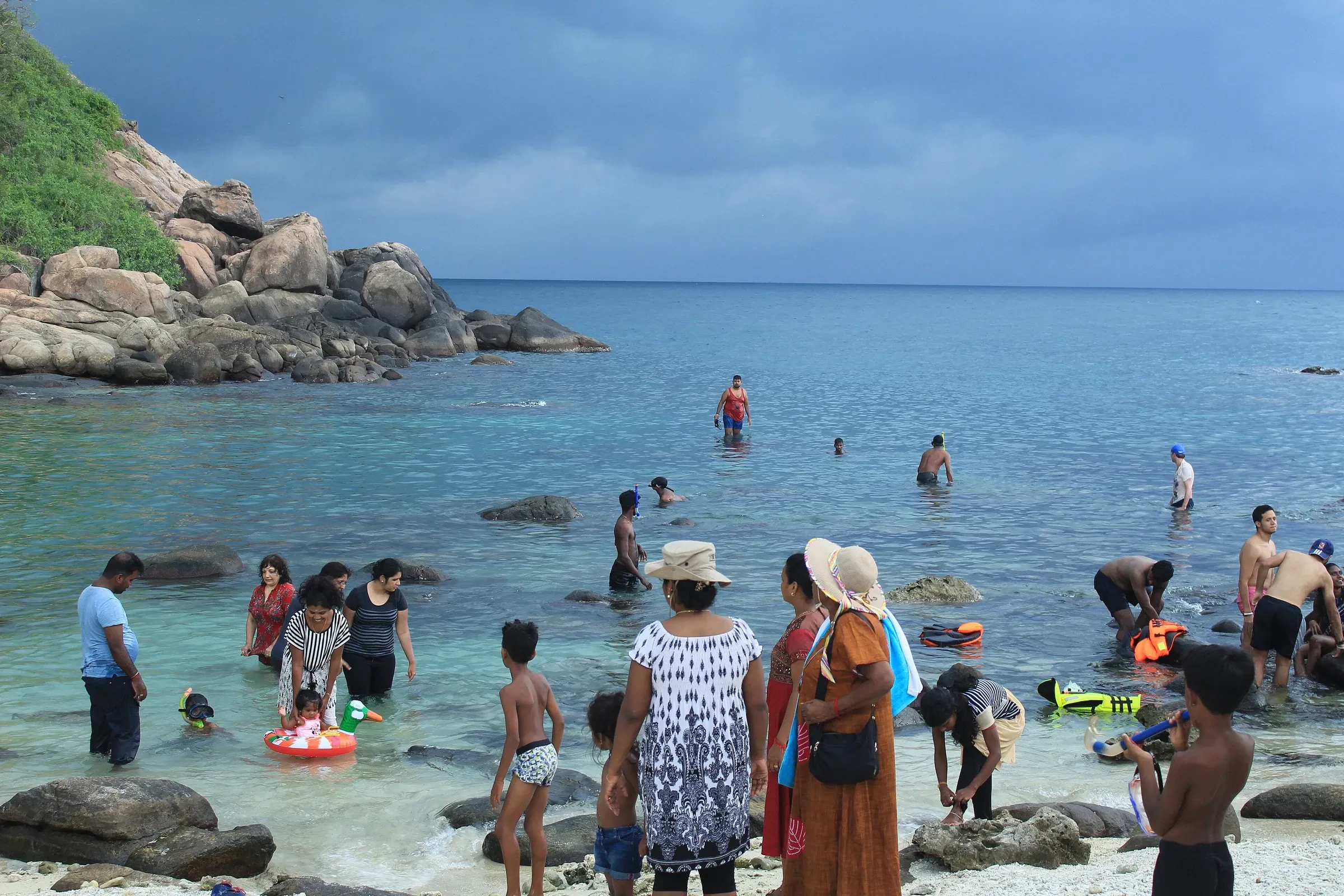
Pigeon Island National Park, just off Nilaveli beach near Trincomalee, is Sri Lanka's best-regarded snorkelling site: a protected reef holding more than 100 species of coral, in water shallow enough that most of it is visible without diving down. Roped sections mark safe zones around resident black-tip reef sharks and the coral itself, some of which is still recovering from the 2004 tsunami.
It's run as a national park, so it comes with a foreign-visitor park fee rather than a casual beach entry. Published figures for that fee disagree (listings range from about US$25 plus tax to US$40 or more), so we don't quote one here: confirm it with the Department of Wildlife Conservation or your operator. Most visitors book a package through Nilaveli rather than paying the park fee alone, which bundles the entrance, a boat out to the island, snorkelling gear and a guide. Ask what the total covers before you pay.
The best months are roughly May to September, when the sea on this side of the island is calmest, and some operators run trips from March or April. The park is typically closed during the north-east monsoon (sources say from October or November to March), and boats may not run on rough days, so check that it's open for your dates. Our best time to visit Sri Lanka guide has the wider picture on why the east coast runs on the opposite season to the south.
Hikkaduwa
Hikkaduwa's coral sanctuary sits just offshore from the beach, in water shallow enough to reach by wading and swimming rather than a boat trip, though a glass-bottom boat or a short paddle out is the usual way most visitors see it. It's a much more informal setup than Pigeon Island: entry runs to a few hundred rupees rather than a set national park fee, snorkelling gear rents for a similarly small amount per day, and glass-bottom boat prices aren't fixed, so it's worth checking a couple of operators on the beach before booking. Hikkaduwa's reef also has some of the country's best surf, covered in our surfing in Sri Lanka guide, so the two activities share the same stretch of coast.
Unawatuna's Jungle Beach
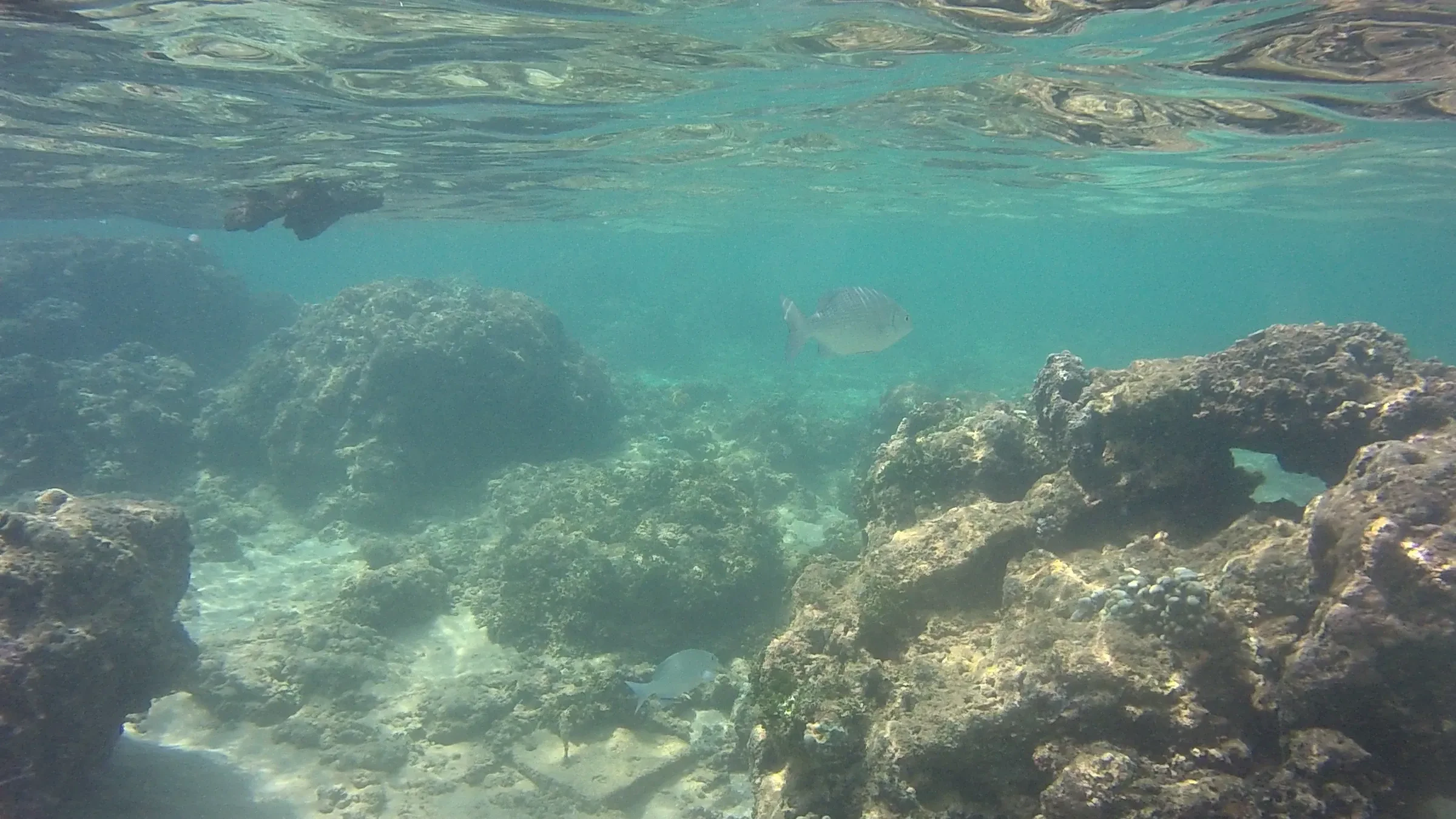
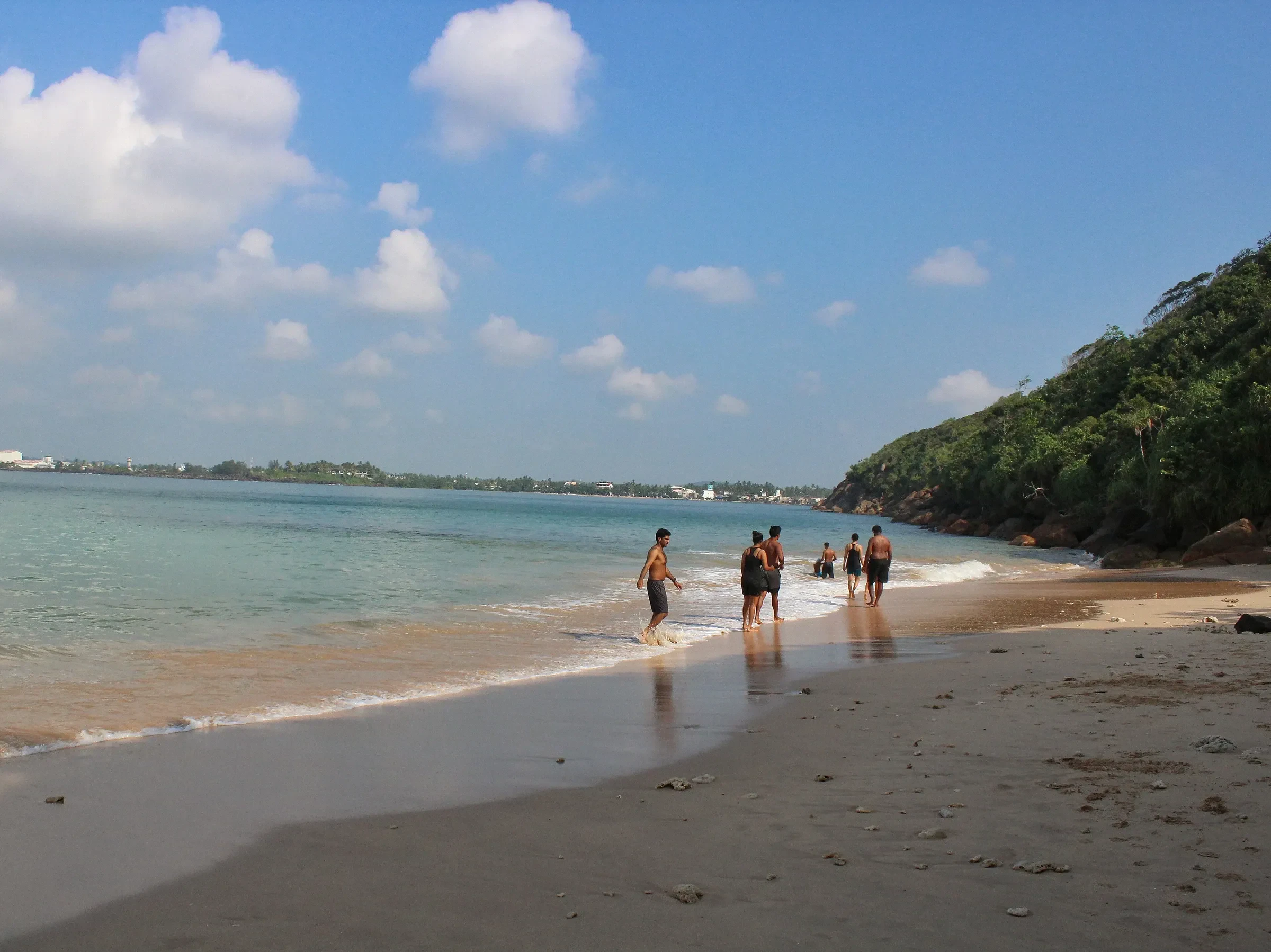
Jungle Beach is a small, sheltered cove on the Rumassala headland, about 3 km from Unawatuna's main bay and reached on foot from the Japanese Peace Pagoda or by a short tuk-tuk ride. Rocky reef at both ends of the cove holds parrotfish, sergeant majors and wrasse, with turtles a regular but not guaranteed sighting, and the sheltered shape of the bay makes it the calmest snorkelling on this stretch of coast.
Polhena, near Matara
Polhena sits just outside Matara, where a coral reef close to shore forms a shallow, calm lagoon that turtles use as a regular feeding ground. Early morning is the best time to see them, before the day's swimmers and the wind pick up. Gear rental and a short guided swim cost a nominal amount locally, similar to Hikkaduwa's informal pricing.
Kalpitiya
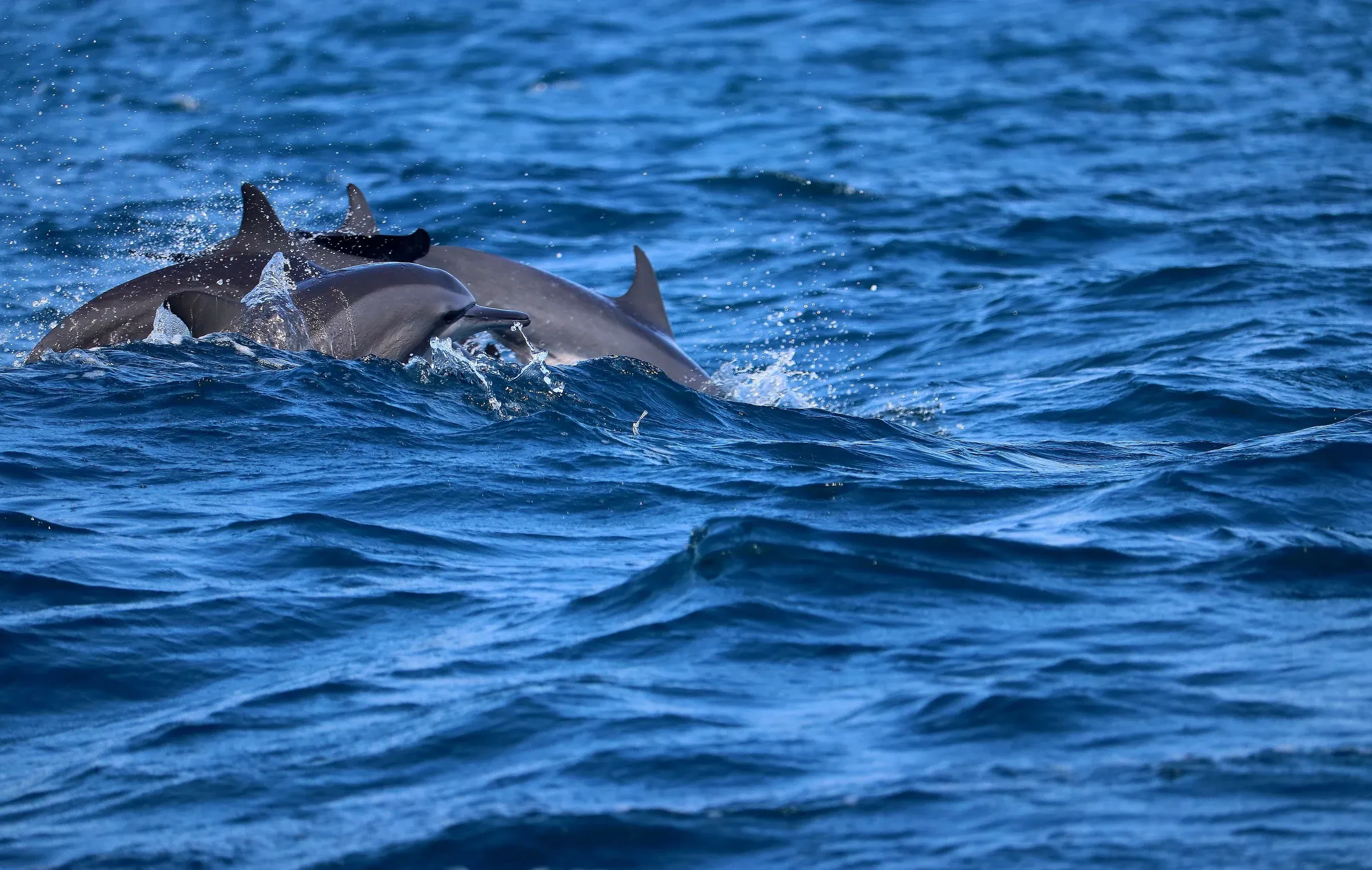
Kalpitiya, on the west coast north of Colombo, is better known for kitesurfing than snorkelling, but its lagoon is calm enough for a relaxed swim, and boats run out from the same base to look for dolphins, sometimes in pods that number in the hundreds. The lagoon and the dolphin-watching boats work best in the same window as the rest of the west and south coast, roughly November to April, when the sea is calmest. That's a different season from Kalpitiya's kitesurfing wind, which peaks from May to September, so check which activity you're actually planning around before you pick your dates.
Turtles
Sea turtles turn up at most of these spots rather than one specific site: Polhena and Jungle Beach both have regular sightings, and Mirissa, further along the south coast, sees them close to the beach too. Kosgoda, on the south-west coast between Colombo and Galle (far from Mirissa), has turtle hatcheries and a conservation project that release hatchlings. Treat any hatchery or "turtle farm" that lets you handle hatchlings with some caution, and ask how and when animals are released before you book.
Reef care while you snorkel
- Use reef-safe sunscreen. Ordinary sunscreen washes off into the water over the reef, so a reef-safe formula is the kinder choice.
- Don't touch or stand on coral. It's slow-growing and easily damaged, even by an accidental brush or a foot put down to steady yourself.
- Keep your distance from turtles and reef sharks. Watching from a few metres away doesn't stress the animal the way crowding it for a photo does.
- Respect roped or marked safe zones, particularly at Pigeon Island, where they protect both the coral and the resident sharks.
- Don't feed fish or turtles. It changes their natural behaviour and can make them dependent on tourists.
Diving in Sri Lanka
If you want to go beyond the surface, Hikkaduwa and Nilaveli, near Trincomalee, both have PADI dive centres running the full range of courses. A PADI Open Water certification, the standard first course, is listed at roughly US$350 to $440 at different centres in 2026, and most centres also offer shorter try-dive sessions for anyone who isn't ready to commit to a full certification.
Choosing a spot
- Want the best reef, and don't mind paying for it: Pigeon Island, on the east coast, in season roughly May to September.
- Want something cheap and easy to combine with a beach day: Hikkaduwa, Jungle Beach or Polhena, all on the south coast, in season November to April.
- Want a good chance of seeing a turtle: Polhena or Jungle Beach, both known for regular sightings.
- Already planning a Kalpitiya kitesurfing trip: the lagoon works for a relaxed swim, but pick your dates around the dolphin-watching season if that's the priority, not the kitesurfing wind.
Snorkelling on our trips
Our multi-stop Sri Lanka trips include a free day on the south coast, where a turtle-spotting swim is an easy, self-directed option alongside the beach.