Galle vs Mirissa at a glance
| Galle | Mirissa | |
|---|---|---|
| Vibe | A walled Dutch colonial town where people still live and work, cafes and boutique hotels inside 17th-century ramparts | A small curved bay: a working fishing harbour at one end, a beach in the middle, a coastal viewpoint path at the far end |
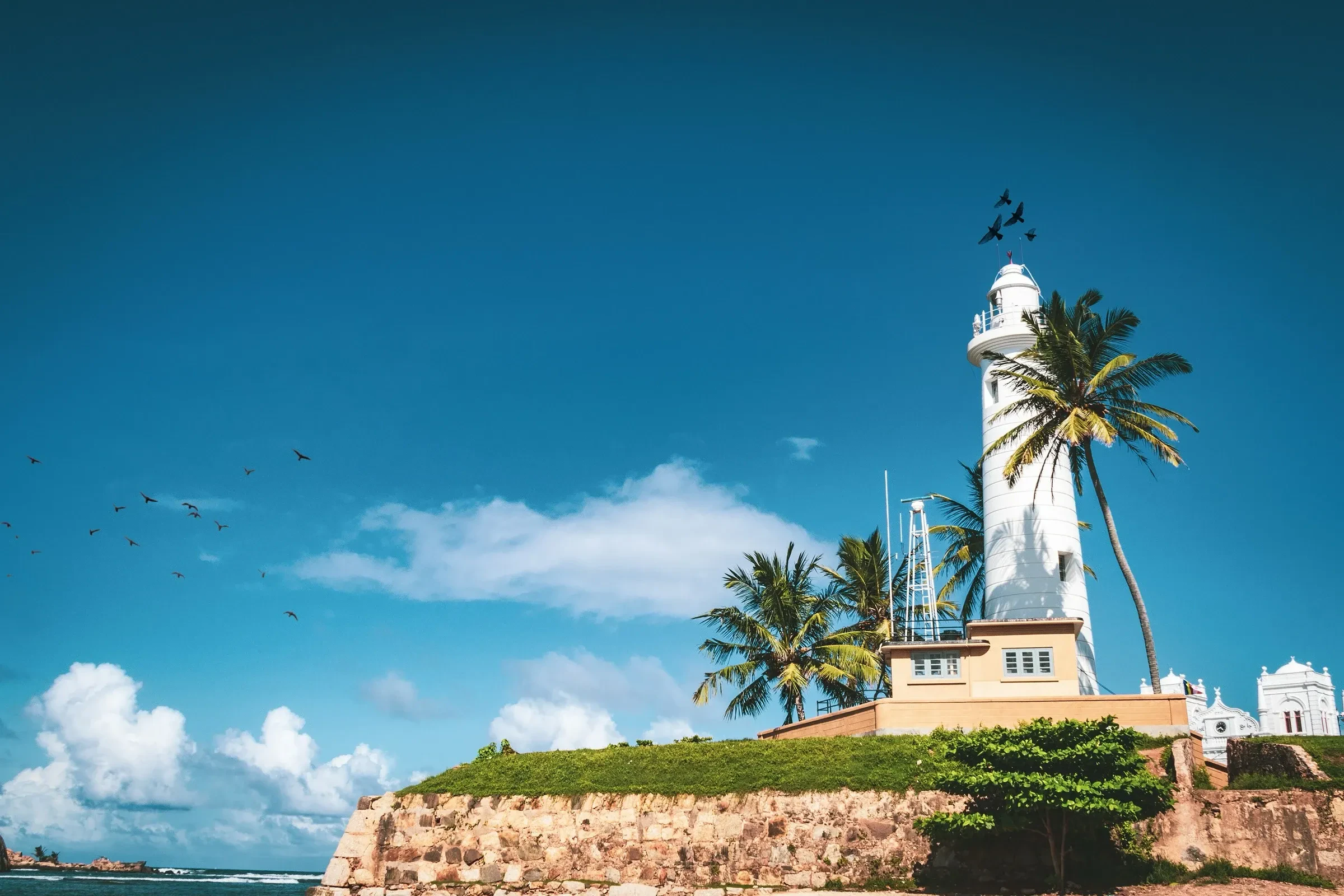
| Main draw | The ramparts walk, the lighthouse and a wander through the old town | Whale watching, a proper swimming beach and an easy-going few days |
| Beaches | A narrow strip outside the fort walls, not the reason to come | The main event: a curved, palm-backed bay |
| Surf | None to speak of | A small, forgiving beginner break, though Weligama, 6 to 7 km away, is the coast's dedicated surf town |
| Whale watching | Not based here | Sri Lanka's main whale-watching harbour, in season roughly November to April |
| Nightlife | Quiet after dark; a day-trip town rather than a night-out town | Barefoot beach bars, fire performers and live music some nights, low-key rather than clubby |
| Food | Ambul thiyal and cafes around the Old Dutch Hospital precinct | Fresh-grilled tuna off the working harbour, beachfront rice and curry |
| Cost per day | Same south coast band as Mirissa, roughly US$35 to 55 a day including a dorm bed; boutique stays inside the walls cost more | Same band; dorm beds average roughly US$7 to US$10 a night on listing sites |
| Getting around | Walkable, everything inside a 15 to 20 minute stroll | Walkable end to end in about 20 minutes |
| How long | Half a day for the ramparts, a full day with a museum or a meal | Two to four nights |
| Best for first-timers | An easy add-on to any south coast route, no planning needed beyond a taxi | A comfortable base if you want fewer moving parts and a fixed bed for a few nights |
Galle Fort vs beach life
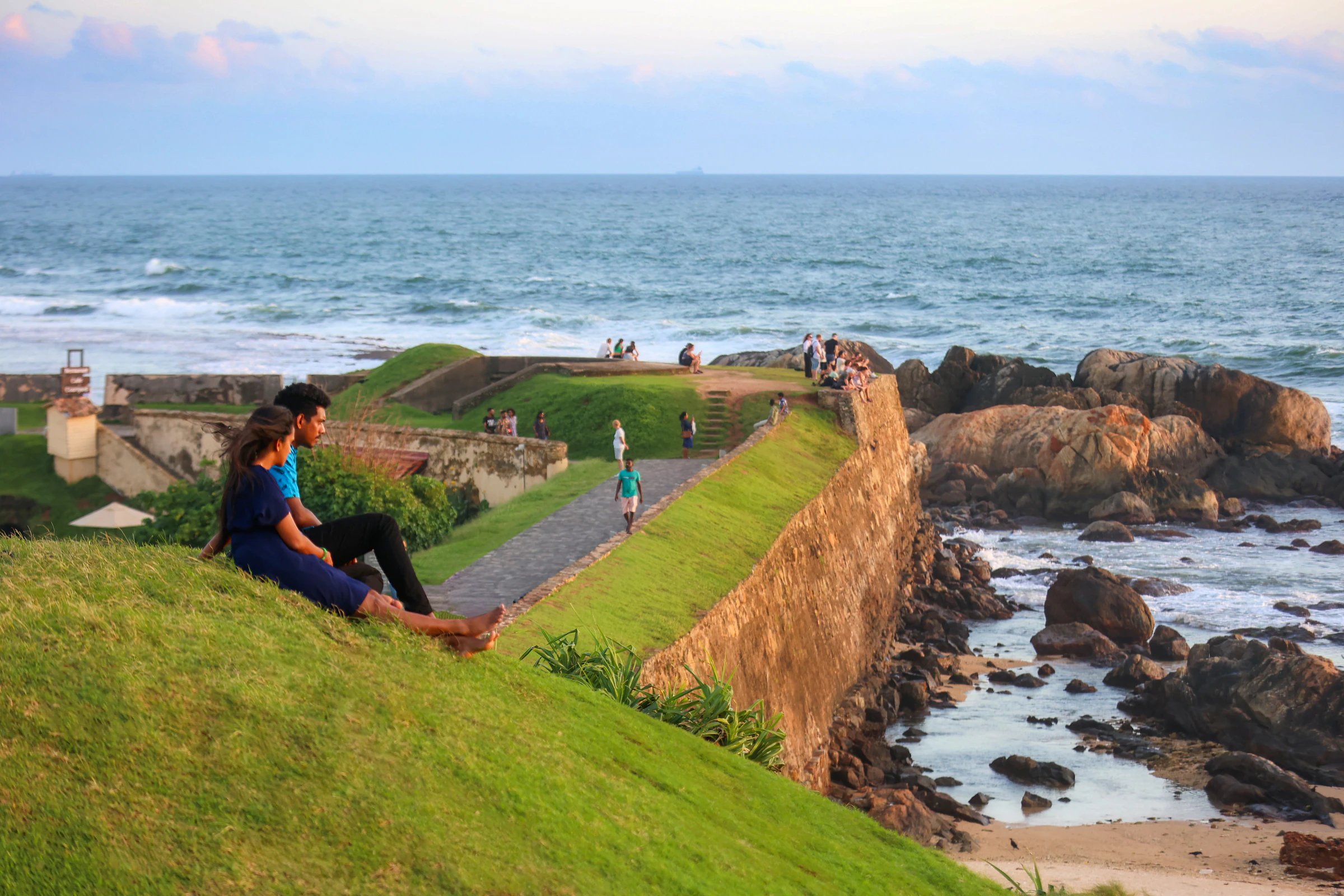
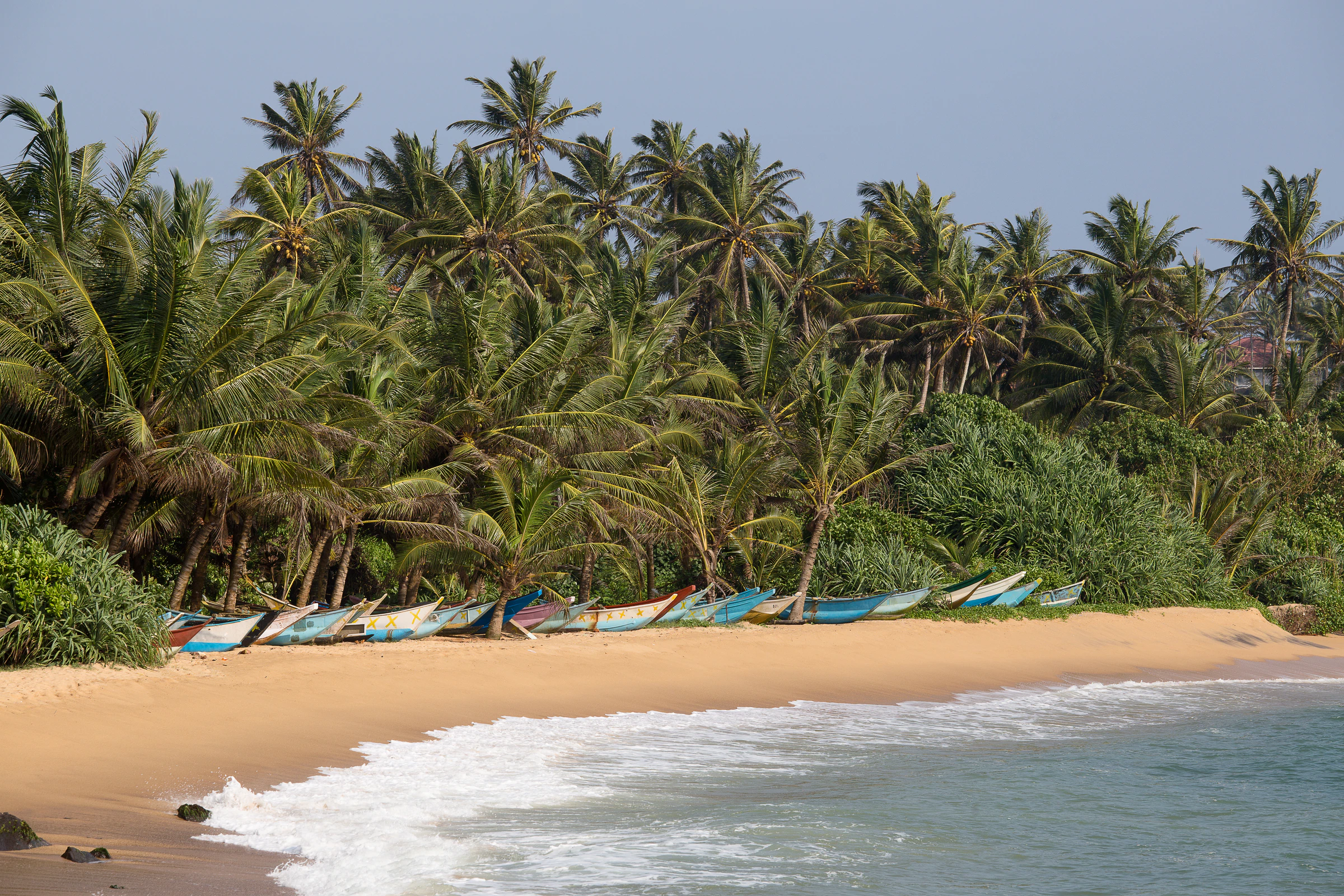
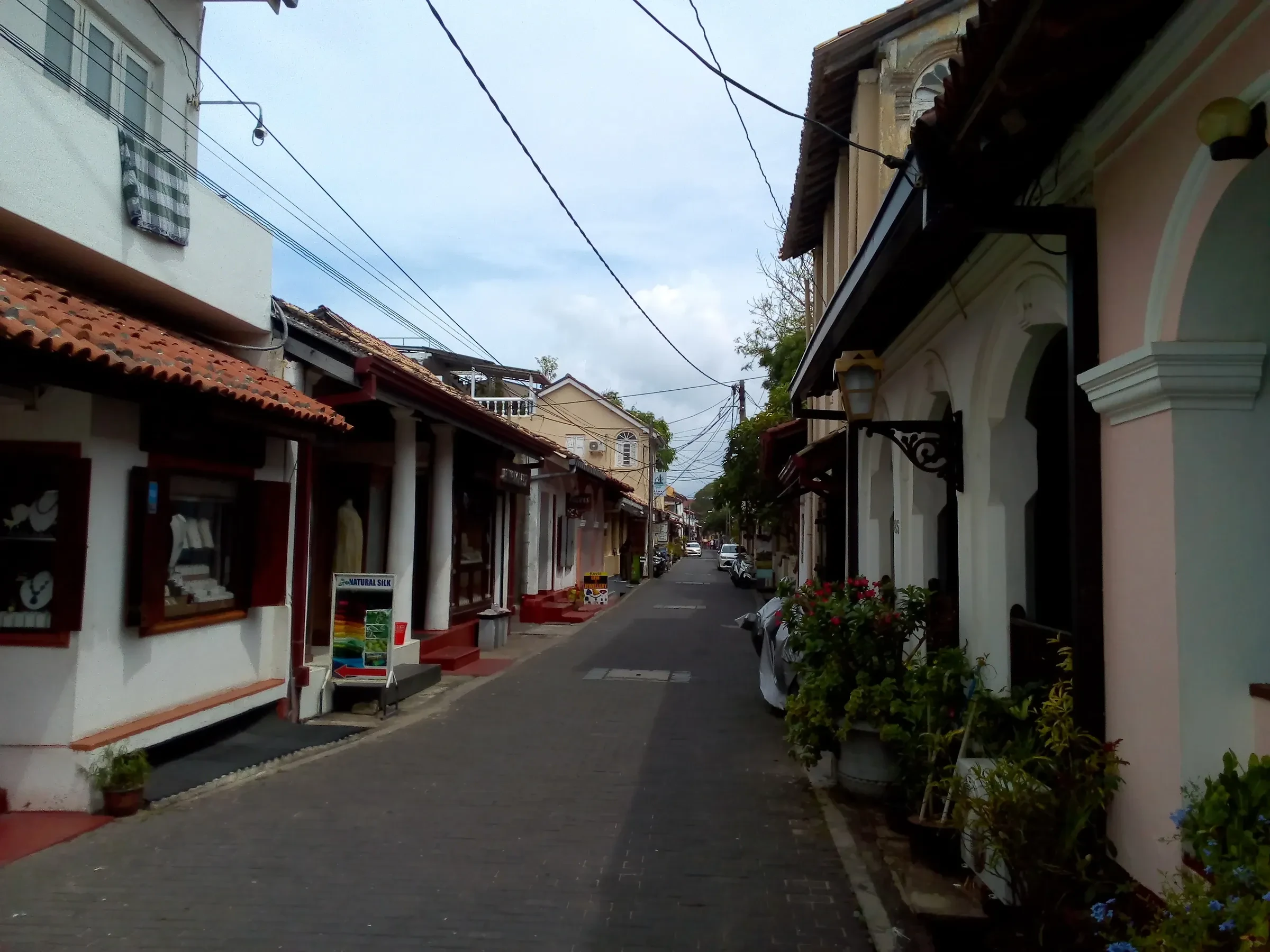
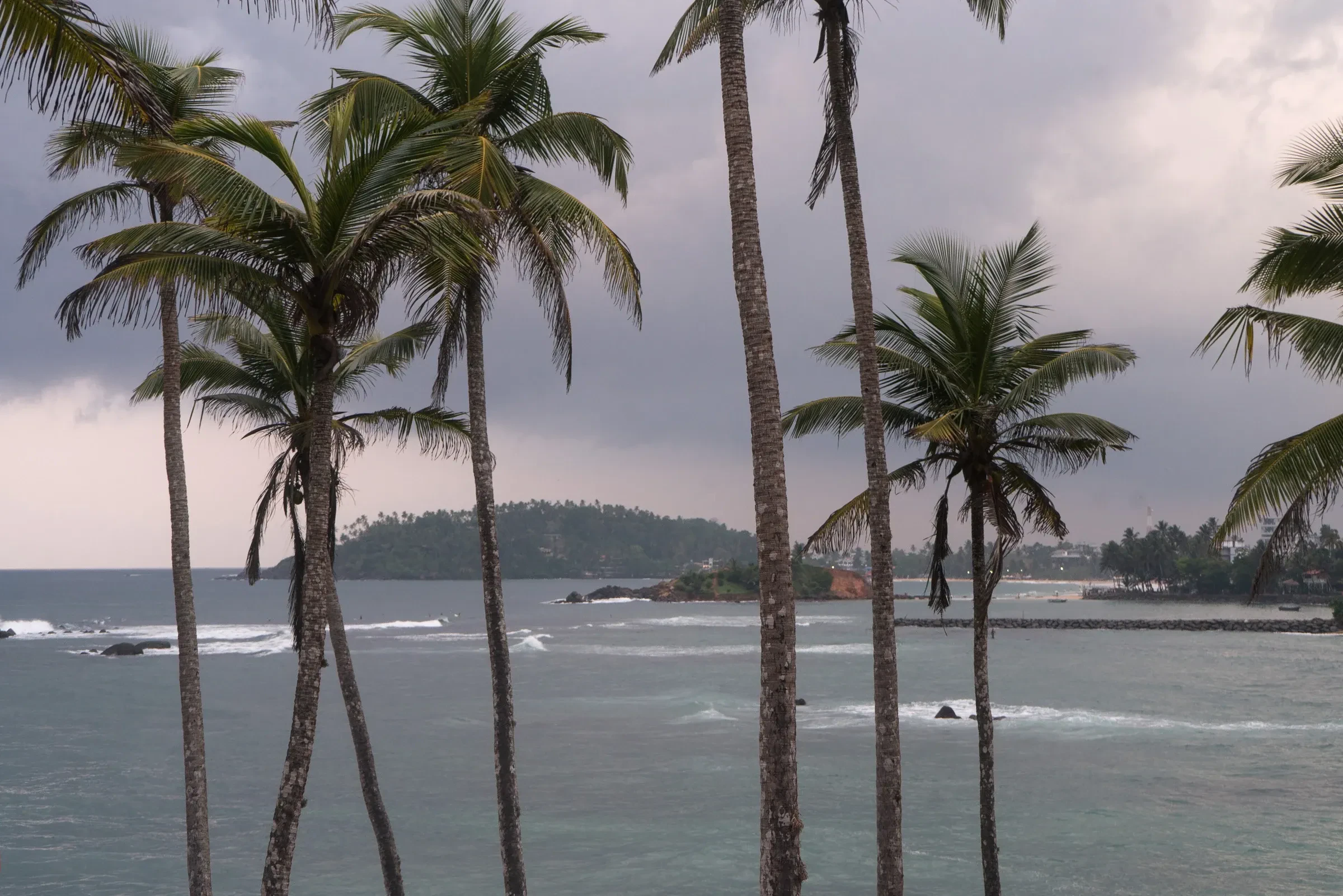
Galle is built for a wander, not a swim. Its granite ramparts have stood since the 1600s, and the old town inside them still mixes homes, guesthouses, cafes and a couple of small museums into a handful of walkable streets. It's compact enough to cover in half a day and interesting enough that most people end up staying for a full one, timing the visit to catch sunset from the walls. Mirissa is the opposite kind of stop: a curved, palm-backed bay small enough to walk end to end in twenty minutes, with the whale-watching harbour at one end and a short coastal path stringing together its best-known viewpoints at the other. If a fort walk and an afternoon of shopping and photos is what you're after, Galle delivers that in a single visit. If you want a beach to actually settle into for a few days, that's Mirissa. Winner: it depends on what you're after; Galle for a day of history, Mirissa for beach time.
Surf and whale watching
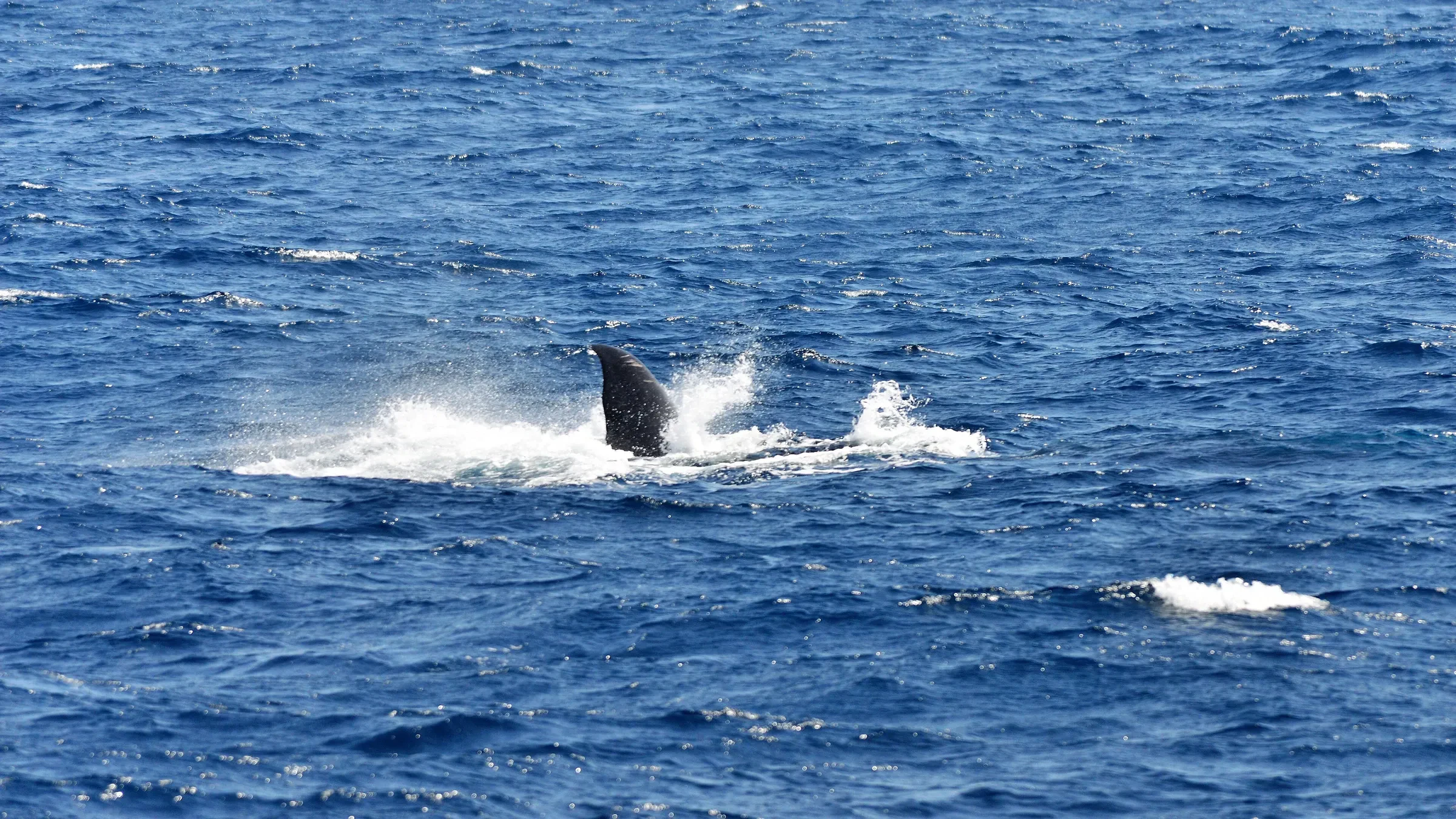
Mirissa wins this one outright. It's Sri Lanka's main base for whale watching, with boats leaving the harbour most mornings in season to look for blue whales, sperm whales and pods of dolphins; our Mirissa whale watching guide covers the season and how to pick an operator that isn't adding to the industry's boat-crowding problem. Sri Lankan rules require boats to stay at least 100 metres from whales, so ask any operator how they keep to it. Mirissa also has its own small, sandy-bottomed beach break, forgiving enough for a first go at surfing, though Weligama, 6 to 7 km further along the coast, is the dedicated learn-to-surf town, with more schools and gentler water. Galle has neither: it's a fort town on a rocky stretch of coast, not a swimming or surfing base, so anyone chasing waves or whales should be staying at Mirissa, Weligama or nearby Unawatuna instead, and treating Galle as the day trip. Winner: Mirissa, by a wide margin.
Nightlife
Neither town has anything close to a club scene, but Mirissa at least has an evening out. Its beachfront bar strip runs barefoot-in-the-sand bars with fire performers, live music or a DJ some nights, busiest in the December to April season, sociable rather than loud, and most places wind down well before the small hours. Galle is quiet after dark: it's a town most people visit for the day and then head back to their base further along the coast, so its cafes and shops close early and there's little reason to linger once the ramparts empty out at sunset. Winner: Mirissa, for having any nightlife at all.
Food
Both serve the south coast's shared staples, but each leans a different way. Galle's old town has cafes tucked into the Old Dutch Hospital precinct and along the fort's main streets, and ambul thiyal, a sour, dry fish curry cooked with goraka, is the dish most associated with this stretch of coast. Mirissa's edge is freshness: tuna landed by its working fishing harbour turns up grilled on plates all along the beachfront the same day, usually with king coconut water alongside it, and beachfront kitchens serve the same rice-and-curry spread found up and down the coast. Winner: Mirissa, for the harbour-to-plate tuna, though Galle's cafes are worth a stop too.
Cost
There's barely a difference. Both sit inside the same south coast band of roughly US$35 to 55 a day including a dorm bed, and dorm beds average roughly US$7 to US$10 a night on listing sites. The gap shows up at the top end: Galle's handful of restored merchant houses inside the fort walls, prized for their location, book up fast and cost more than an equivalent room outside the walls or along the beach at Mirissa. The fort itself is free to walk into, but the museums inside charge a small entry fee of their own. Published figures range from a few hundred rupees up to about LKR 1,000 depending on the museum, so check the price at the door. Winner: a close tie; Mirissa is marginally cheaper if you skip Galle's inside-the-walls stays.
Getting between Galle and Mirissa
They're close. The road distance is about 34 km, and a taxi or car takes about 45 minutes to an hour. The Galle to Matara coastal train also stops in Mirissa, calling at Unawatuna and Weligama along the way, and takes about an hour; it's a scenic, cheap option if your bags are light and you don't mind a slower pace than a car. Neither option needs booking far in advance outside the busiest weeks of the December to March season. Winner: a tie; both routes are quick and easy.
Which should you choose?
| Traveller type | Choose |
|---|---|
| Want a beach base for several nights, with whale watching in season | Mirissa |
| Want to learn to surf | Neither on its own; base at Weligama, 6 to 7 km from Mirissa |
| Want fort walls, museums and old-town cafes for a day | Galle |
| Want one splurge night inside a 17th-century fort | Galle, booked well ahead |
| First time on this coast and want the simplest plan | Mirissa as your base, Galle as a half-day trip |
| Doing a full south coast route anyway | Both; they're stops on the same south coast itinerary |
Why not both?
Most people don't have to choose, since they're only 45 minutes to an hour apart. The simplest version: base yourself in Mirissa for two to four nights, fit in a whale-watching morning if the season's right, and give Galle a half or full day as a side trip, either by taxi or the coastal train.
For a 1-week trip built around just this stretch of coast: 2 nights at Unawatuna or Weligama, a half-day side trip into Galle from either base, then 3 to 4 nights at Mirissa for the beach and whale watching.
For a 10-day to 2-week trip, our south coast itinerary links the whole run in order: Galle on day one, then Unawatuna, Weligama and Mirissa, before continuing on to a safari at Udawalawe and, block access allowing, Yala. Our 1-month Sri Lanka itinerary fits the same south coast stretch in at the end of a full loop of the island, arriving via Kandy and Ella rather than straight from Colombo.