Sri Lanka vs Bali at a glance
| Sri Lanka | Bali | |
|---|---|---|
| Cost per day | About US$35 to 55 (LKR 11,500 to 18,000) including a dorm bed or basic guesthouse, toward the top with a hired driver | IDR 280,000 to 450,000 (about US$16 to 25) for food, drinks and local transport, plus a dorm bed from IDR 150,000 a night; more in Canggu's cafes |
| Best months | South and west coasts roughly November to April, hill country December to March. East coast (Arugam Bay): May to September | April to October, with May, June and September the sweet spot |
| Flight time from the UK | Nonstop from Heathrow, about 10h45; everyone else connects, 13 to 17 hours | No nonstop; fastest one-stop is about 15h40, most take 17 hours or more |
| Flight time from the US | No nonstop; about 18 to 24 hours via the Gulf, Istanbul or London | No nonstop; one stop in Asia or the Gulf, about 20 hours or more |
| Flight time from Australia | Nonstop from Melbourne (SriLankan daily, Jetstar three a week since 25 August 2026); other cities usually connect | Nonstop from 11 cities: Darwin about 2.5 hours, Perth about 3.5, Sydney or Melbourne 6 to 6.5 |
| Visa | Free 30-day ETA for 40 countries including the UK, US, Canada, Australia and New Zealand, applied for online before you fly; US$50 online for everyone else | Visa on arrival for most Western passports: IDR 500,000, 30 days, plus the IDR 150,000 Bali tourist levy |
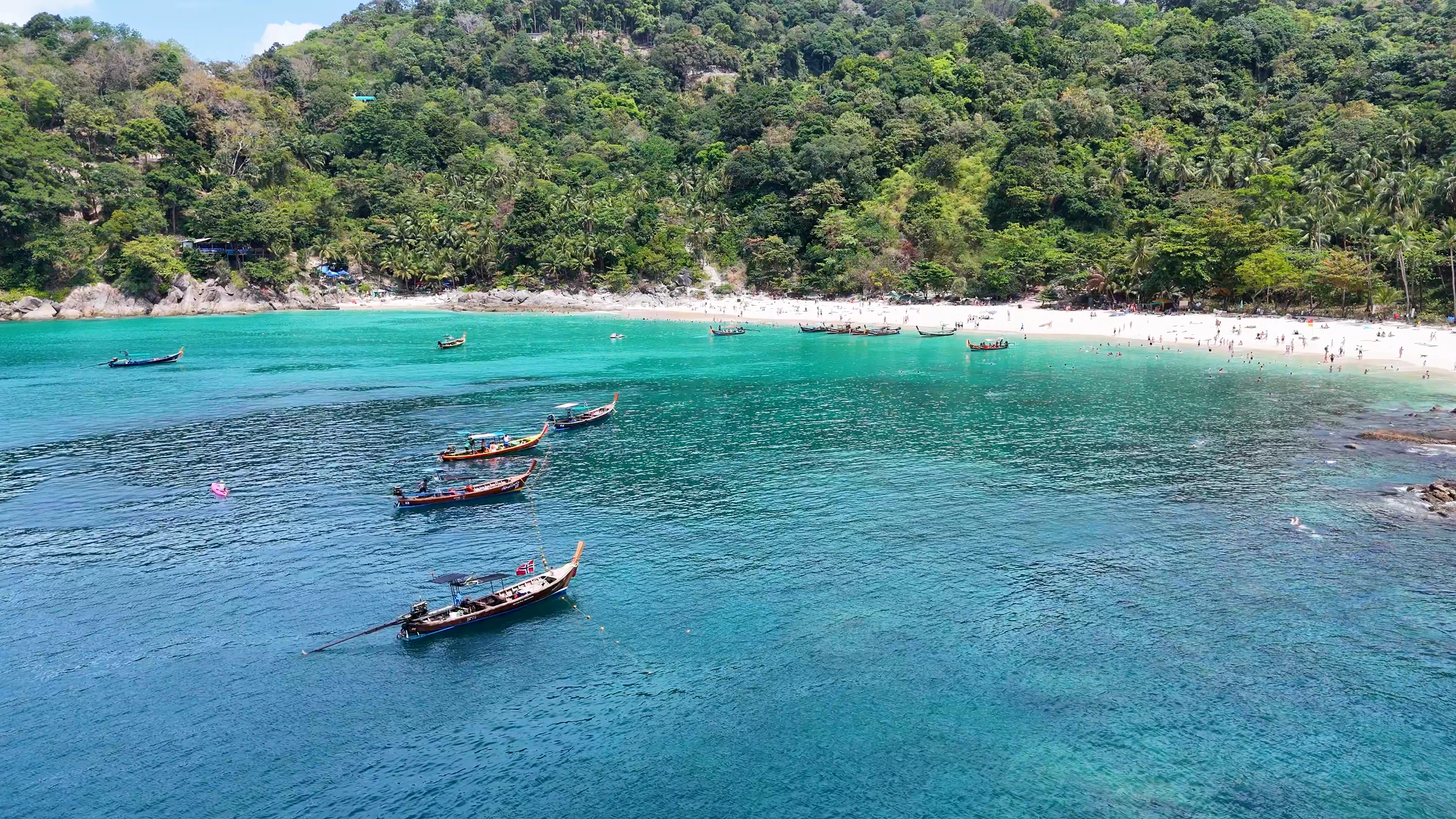
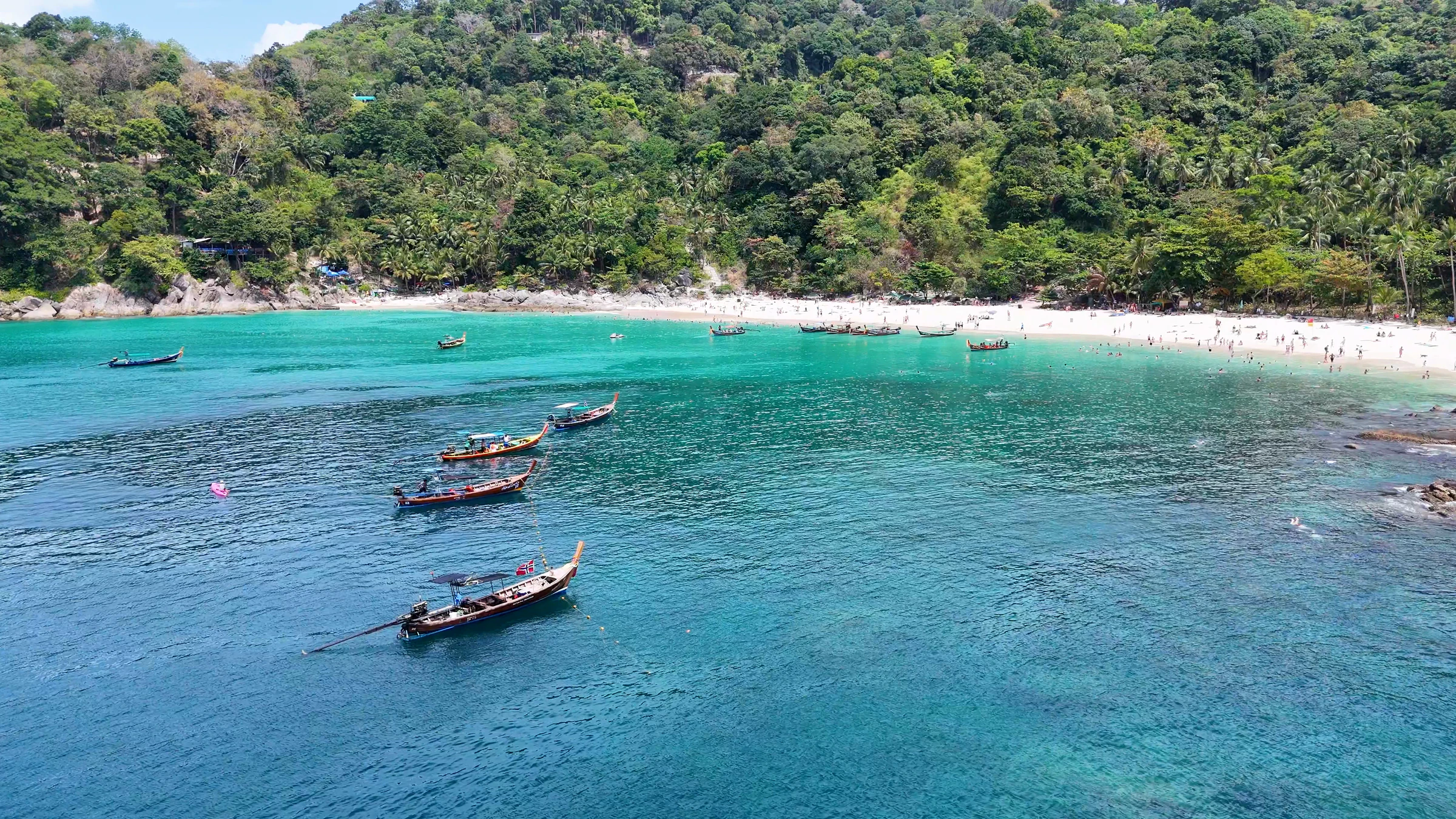
| Beaches | Two coasts on opposite seasons, from the south's Mirissa and Weligama to the east's Arugam Bay | One coastline, but a real range: Canggu's beach breaks, Uluwatu's clifftop coves, Nusa Penida's cliffs |
| Surf | Two seasons on opposite coasts: the south (Weligama, Ahangama, Hikkaduwa) November to April, Arugam Bay's points May to September | Beginner surf at Canggu, reef breaks at Uluwatu; both work in the April to October dry season |
| Wildlife | Yala's leopards, Udawalawe's elephant herds and the Minneriya elephant gathering | No safari parks; wildlife-watching isn't part of a Bali trip |
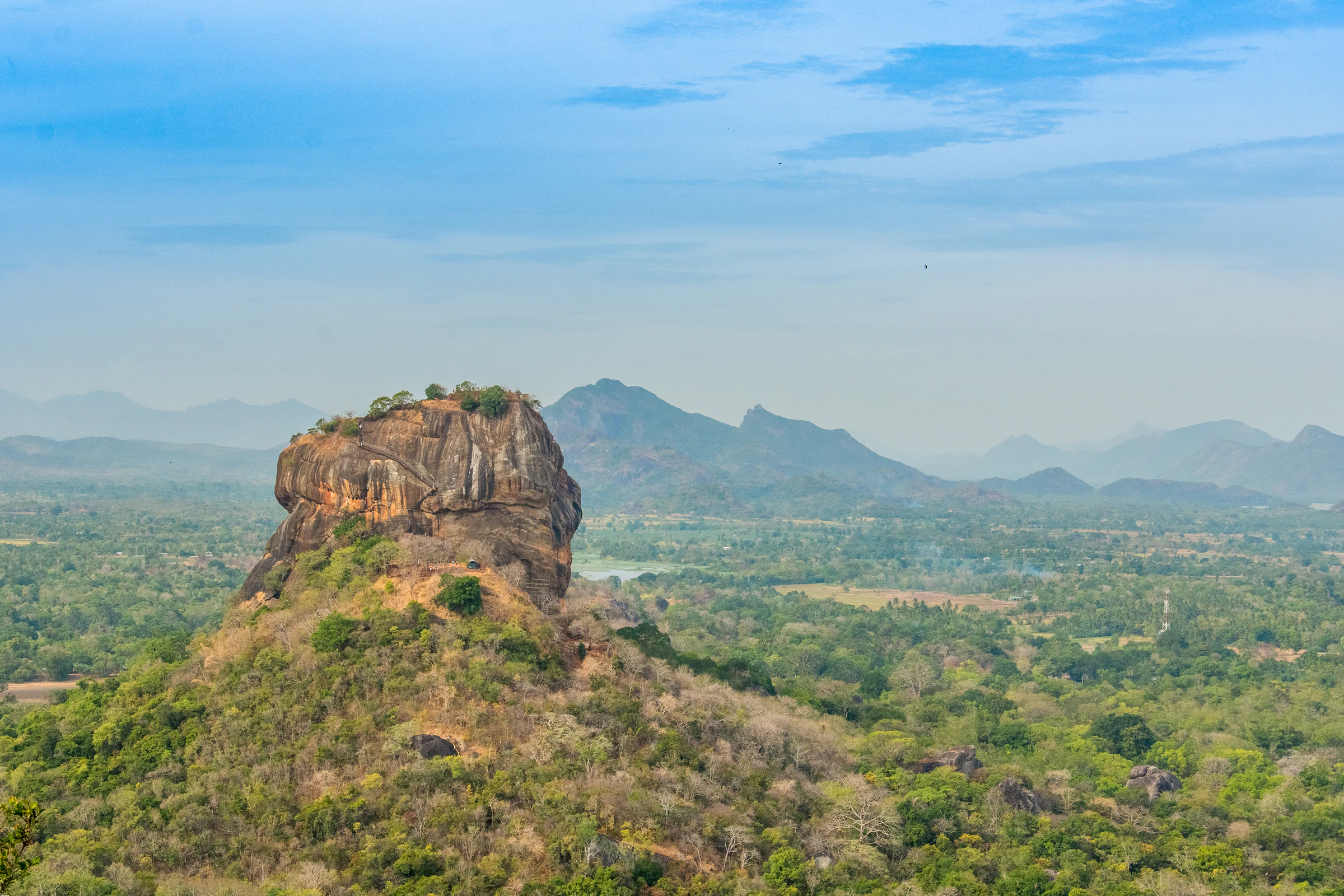
| Culture | Buddhist cave temples and ancient royal cities in the Cultural Triangle: Sigiriya, Dambulla, Polonnaruwa, Anuradhapura | Bali's own Hindu culture: temple ceremonies, offerings and etiquette rules that apply to visitors |
| Food | Rice and curry, hoppers and kottu roti, built around coconut and spice | Babi guling, lawar and betutu, built around Balinese Hindu ceremony |
| Getting around | Trains on the coastal line and the hill-country line (reopening in stages after Cyclone Ditwah), plus buses, tuk-tuks and a hired driver for multi-stop routes | Grab, Gojek and scooters (with the right licence); no trains |
| Solo-friendliness | Comfortable for solo and female travellers, especially the well-worn south coast route | Easy and social, with a big long-stay and surf-school crowd |
Cost per day
Sri Lanka runs a little higher day to day, at roughly US$35 to 55 (LKR 11,500 to 18,000) including a dorm bed or basic guesthouse, food, local transport and a share of entry fees (Sri Lanka cost guide). Entry fees at the ancient sites and safaris cost more than similar tickets elsewhere in the region, and most independent travellers share a hired driver for at least part of a multi-stop route, which pushes the figure toward the top of that range. Bali's guide counts differently: IDR 280,000 to 450,000 a day (about US$16 to 25) for food, drinks and local transport, with a dorm bed on top at IDR 150,000 to 250,000 a night (Bali cost guide). Entry fees add to that too. Nusa Penida, for example, has charged IDR 25,000 per adult at each of its main sights since 1 September 2026. Bali also adds a one-off entry cost: the IDR 500,000 visa and the IDR 150,000 tourist levy, against Sri Lanka's free ETA for most Western passports.
Winner: Bali, on daily spend, though the two guides don't count entry fees in the same way.
Best months to go
Sri Lanka doesn't have one dry season, it has two, on opposite sides of the island. The south and west coasts run roughly November to April, and the south coast and hill country are driest from December to March, the Cultural Triangle is best from January to March (its heaviest rain falls from October to December), while the east coast around Arugam Bay runs the opposite calendar, best from May to September (Sri Lanka best time guide). Bali's dry season, roughly April to October, is simpler to plan around: one calendar for the whole island, with May, June and September the quietest stretch of good weather, and the wet season running from about November to March (Bali best time guide).
Winner: Bali, for simplicity. Sri Lanka's split seasons need more planning, but they also mean there's always a good coast somewhere on the island.
Visa and entry
Since 25 May 2026, Sri Lanka's ETA is free for 40 countries, including the UK, US, Canada, Australia, New Zealand and India, for a 30-day double-entry stay. Everyone else pays US$50 online (US$20 for SAARC nationals), and you should apply online before you fly rather than count on the airport (Sri Lanka visa guide). Sri Lanka's immigration department also runs a free online arrival card. Bali gives no one a free entry: almost every Western and Indian passport needs a Visa on Arrival, either bought online as an e-VOA or at the airport, for IDR 500,000 (about US$28), plus the free All Indonesia arrival card and the separate IDR 150,000 Bali tourist levy paid at lovebali.baliprov.go.id (Bali visa guide).
Winner: Sri Lanka, for most Western passports, since the ETA itself now costs nothing.
Beaches
Sri Lanka's beaches split across two coasts on opposite seasons: the palm-lined south coast around Mirissa, Weligama, Hiriketiya and Unawatuna, and the wilder east coast around Arugam Bay, so there's always a calmer sea somewhere depending on the month. Bali's beaches sit on one island, from Canggu and Seminyak's long sandy stretches to Uluwatu's clifftop coves and Nusa Penida's dramatic cliffs, all reachable within a few hours of each other regardless of season.
Winner: Tie. Sri Lanka gives you more coastline to choose between; Bali gives you more variety within one short drive.
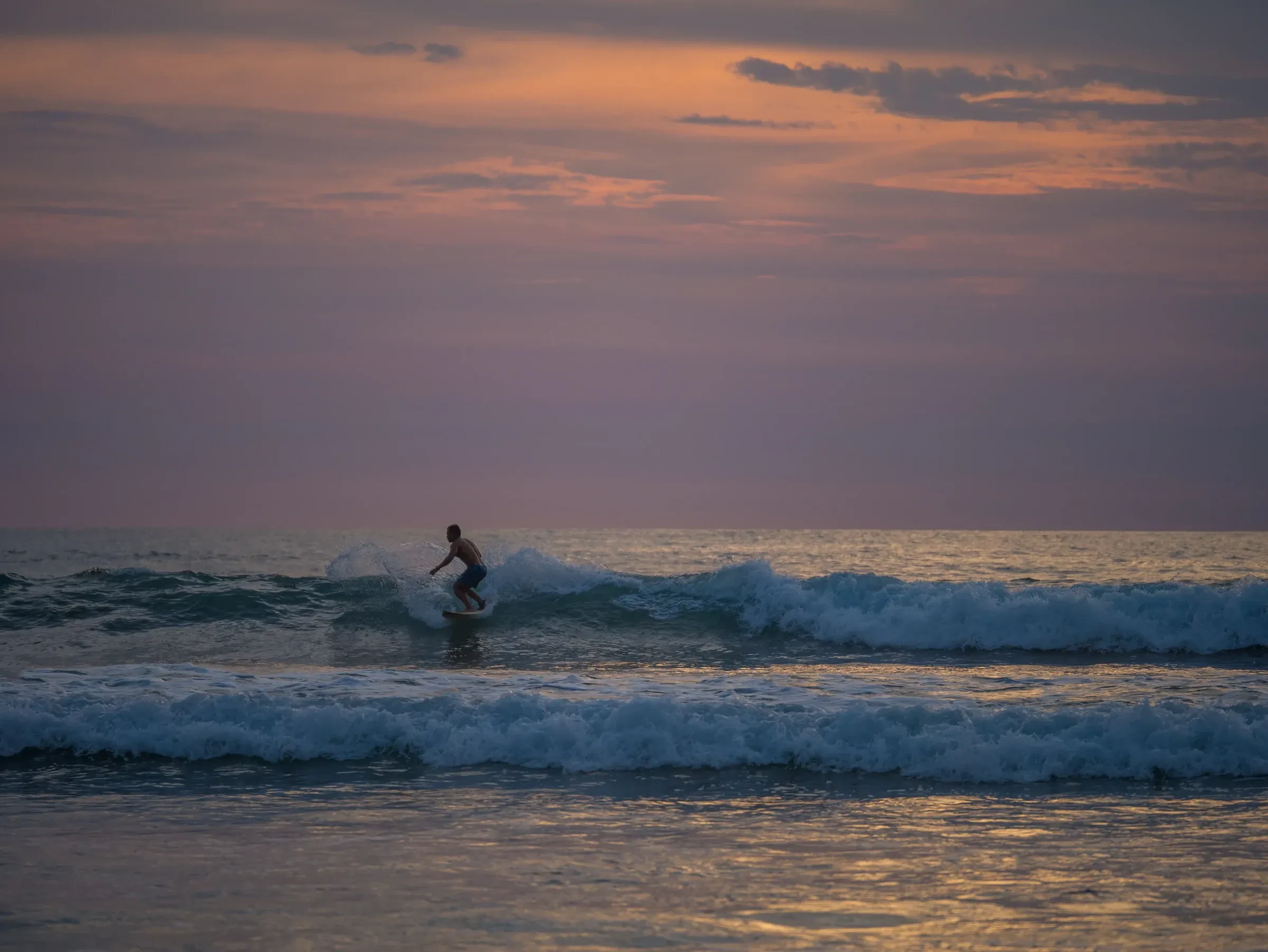
Surf: Arugam Bay and Weligama vs Canggu and Uluwatu
Sri Lanka's surf runs on two opposite seasons too. Weligama, on the south coast, is the country's main learn-to-surf base, with the longest run of gentle, sandy beginner waves, working best November to April, though its sheltered bay is reported to give gentle waves from May to September too. Arugam Bay's east coast point breaks suit improvers and up more than complete beginners, and peak July and August (Sri Lanka surfing guide). Bali's surf is split by level rather than season: beginners learn at Canggu's Batu Bolong, and the Bukit peninsula's reef breaks around Uluwatu, Padang Padang and Bingin reward more experience, both working through the same April to October dry season (Bali surfing guide).
Winner: Bali, for a first-time surfer, since one season covers both the learning break and the step-up spots. Sri Lanka's Weligama is just as good a place to start.
Culture and temples
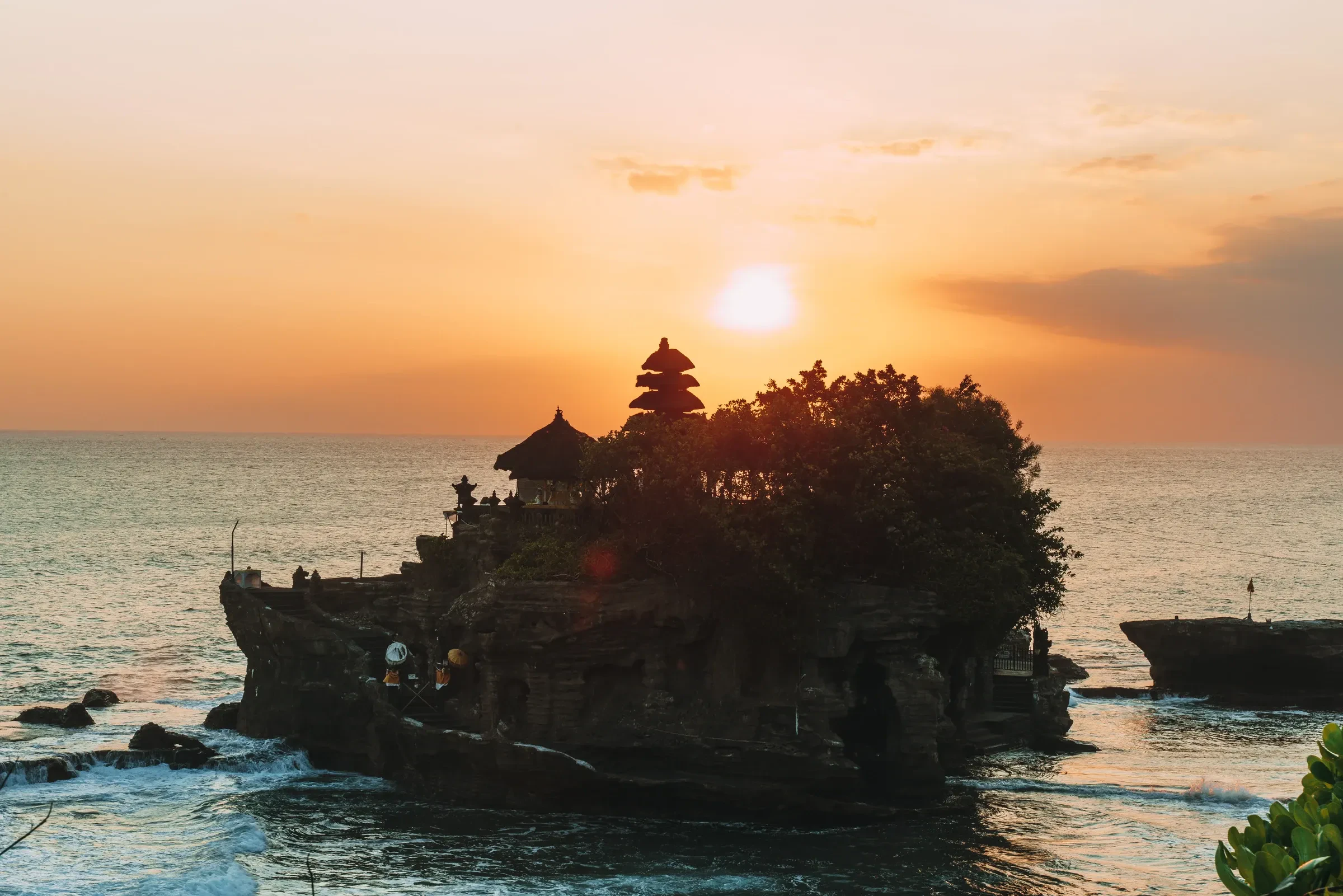
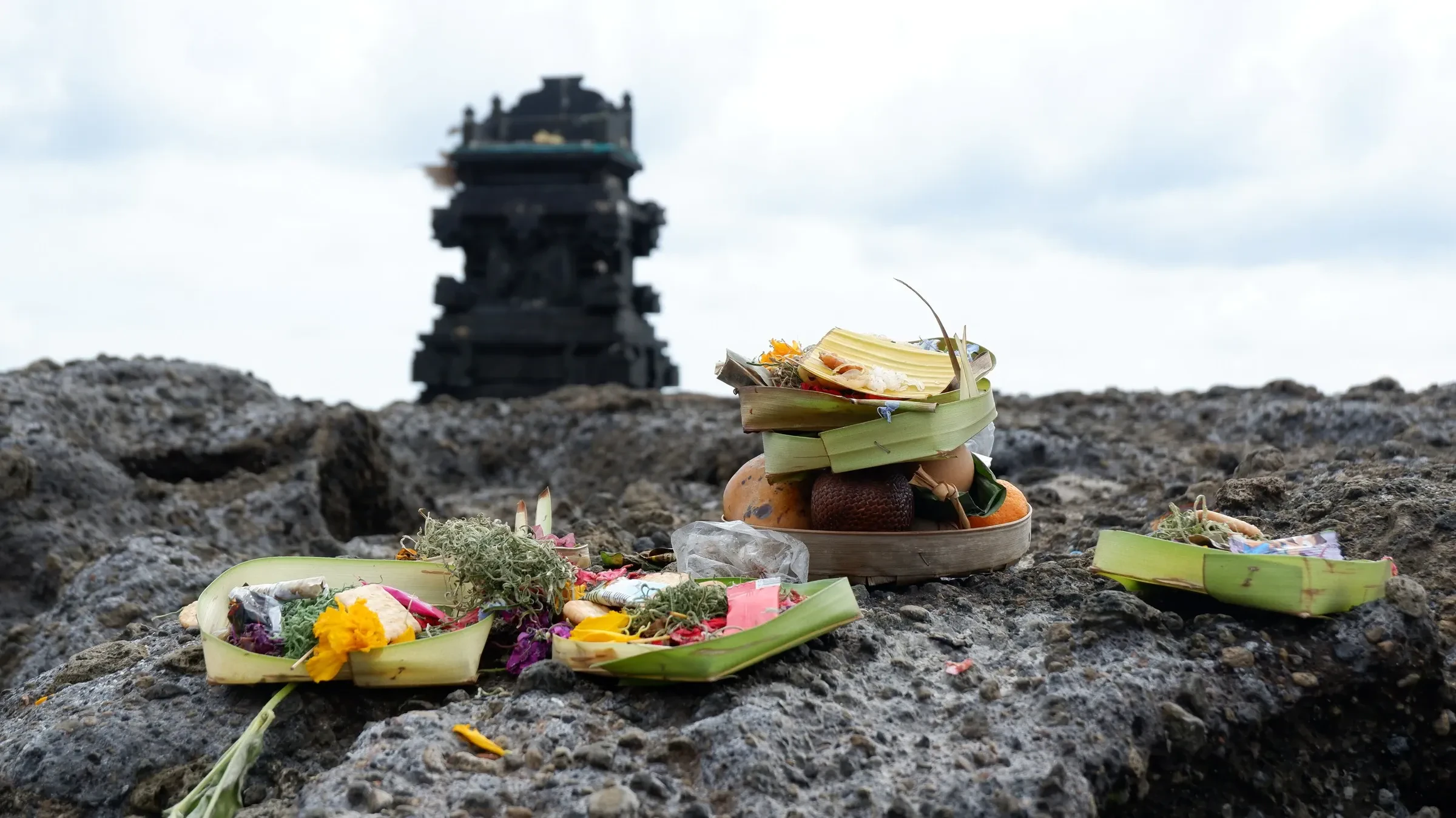
Sri Lanka's Cultural Triangle holds four genuine ancient-world sites within a couple of hours of each other: Sigiriya's rock fortress, Dambulla's 2,000-year-old cave temple, Polonnaruwa's ruined medieval capital and Anuradhapura's older sacred city (Sri Lanka Cultural Triangle guide). Bali's culture runs through daily life rather than ruins: it's Indonesia's one Hindu-majority island, so temple ceremonies, offerings left on doorsteps and etiquette rules for visitors (covered sarongs, no entry during your period at some temples) are a constant backdrop rather than a single-day detour.
Winner: Sri Lanka, for depth and scale of ancient sites. Bali, for culture as something you live alongside rather than visit.
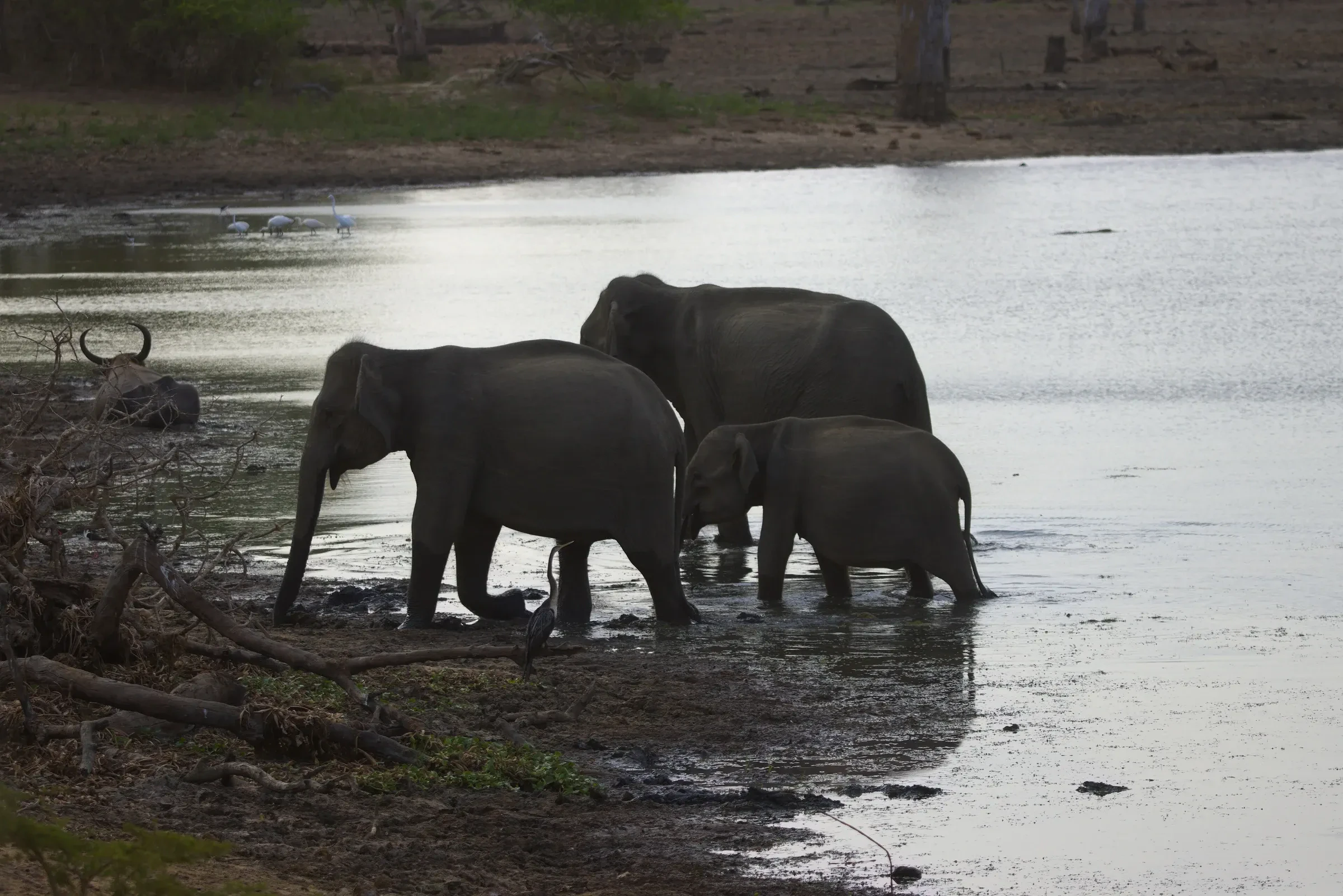
Wildlife: safaris vs none
This is where the two trips diverge most. Sri Lanka packs three real safari experiences into a small area: Yala's leopards (one of the highest densities reported anywhere), Udawalawe's reliable elephant herds, and the seasonal gathering of hundreds of elephants at Minneriya and Kaudulla from around July to September (Sri Lanka safari guide). Bali has no national park built around big-game safari driving, and wildlife-watching isn't a reason people plan a Bali trip.
Winner: Sri Lanka, by a wide margin. If a safari is on your list, this decides the comparison on its own.
Food
Sri Lankan food centres on rice and curry, a spread of vegetable and fish or chicken curries with coconut sambol, alongside hoppers for breakfast and kottu roti chopped and fried on a griddle (Sri Lankan food guide). Balinese food is built around ceremony: babi guling (spit-roast pig), lawar and betutu, with warungs serving all three across the island (Balinese food guide).
Winner: Tie. Both are among the best reasons to visit either island, for different reasons: Sri Lanka's variety by region, Bali's dishes tied to ceremony.
Getting around
Cyclone Ditwah damaged Sri Lanka's hill-country railway in November 2025, and it has reopened in stages: Nanu Oya to Badulla has run again since 20 June 2026, and Colombo to Peradeniya services were planned to return in October, so check the current status before you build a route around the scenic train. Buses, tuk-tuks and a hired driver fill the rest of the network. A fuel quota system has run since mid-March 2026, and tourists get priority at fuel stations. Bali has no trains at all: Grab, Gojek and scooters (with the right licence and an International Driving Permit) cover almost everyone's transport, and a car with a driver handles day trips and Nusa Penida's rougher roads.
Winner: Tie. Sri Lanka's train is a highlight worth building a day around; Bali's app-based transport is simpler for short hops.
Solo-friendliness
Both islands are easy to travel alone. Sri Lanka is travelled solo by many women, and the south coast between Weligama and Hiriketiya has the most established solo and female traveller scene on the route; the FCDO and Canada both flag harassment and assault, mostly in crowded places (Sri Lanka safety guide). Bali has a huge long-stay, surf-school and co-working crowd that makes it easy to meet other travellers, though official advice flags drink spiking as a risk worth knowing about.
Winner: Tie. Both are genuinely solo-friendly islands with a built-in traveller scene.
Which should you choose?
| Traveller type | Choose Sri Lanka if | Choose Bali if |
|---|---|---|
| First solo trip to Asia | You want variety and don't mind moving every day or two | You want one calmer island and fewer moving parts |
| Trip length | You have ten days to two weeks or more | You have a week or ten days |
| Wildlife | A safari is on your list | Wildlife isn't a priority |
| Surf | You want two coasts and two seasons to plan around | You want one season and a shorter learning curve |
| Culture | You want ancient cities and temple ruins | You want temple culture woven into everyday life |
| Budget | You're comfortable spending a bit more for entry fees and a driver | You want the lower daily cost |
Why not both?
They're a long way apart with no direct flight between them, so combining them into one trip means at least one extra flight and a connection, usually through Singapore, Kuala Lumpur or the Gulf. If you have three weeks or a month, it's realistic: about ten days in Sri Lanka covering the Cultural Triangle, a safari and the south coast, then a week or ten days in Bali for Ubud, Canggu and Uluwatu. Anything shorter than three weeks, pick one and do it properly rather than splitting a week between two islands and a flight.