What Aluth Avurudu and Puthandu are
Sinhala and Tamil New Year marks the sun's move from Pisces into Aries, and both Sinhalese Buddhists and Sri Lankan Tamil Hindus mark it on the same days with closely related customs. It's built around a set of nekath, astrologically calculated auspicious times for specific acts: the moment to douse the old year's hearth fire, the moment to light the new one, the time to prepare the first meal, and the time to start the first work of the year. Between the old year ending and the new one dawning sits a gap called the nona gathe, or "neutral period", when tradition says no work should be done at all. People rest, pray, or just wait.
The government's Avurudu Nekath Seettuwa, an official calendar of these auspicious times, is drawn up by state astrologers and published ahead of the holiday. In 2026 the year dawned at 9:32am on 14 April. The 2027 schedule hasn't come out yet, so the dawn time and the cooking and work times are still to be announced. Because these times shift by hours from year to year, families plan their morning around the clock, not just the calendar.
What happened at Sinhala and Tamil New Year 2026
The 2026 New Year began with the old year ending on 13 April and the new one dawning at 9:32am on 14 April. On 17 March, the Ministry of Buddhasasana, Religious and Cultural Affairs published one unified list of auspicious times after consulting astrologers, to settle earlier disagreements over the timetable. Ada Derana reported that 17 astrologers took part. The first meal was to be cooked at 10:51am, and eating and the first work and transactions followed at 12:06pm. The ritual oil anointing was set for 6:55am on 15 April, and work resumed at 6:27am on 20 April.
Hotels and resorts ran their own programmes of milk boiling, kiribath, kavum, pot breaking, tug of war and bun eating, with foreign guests joining in, as in this Sunday Times report from a Negombo hotel. We found no reliable reporting on crowds, transport or incidents for the 2026 holiday.
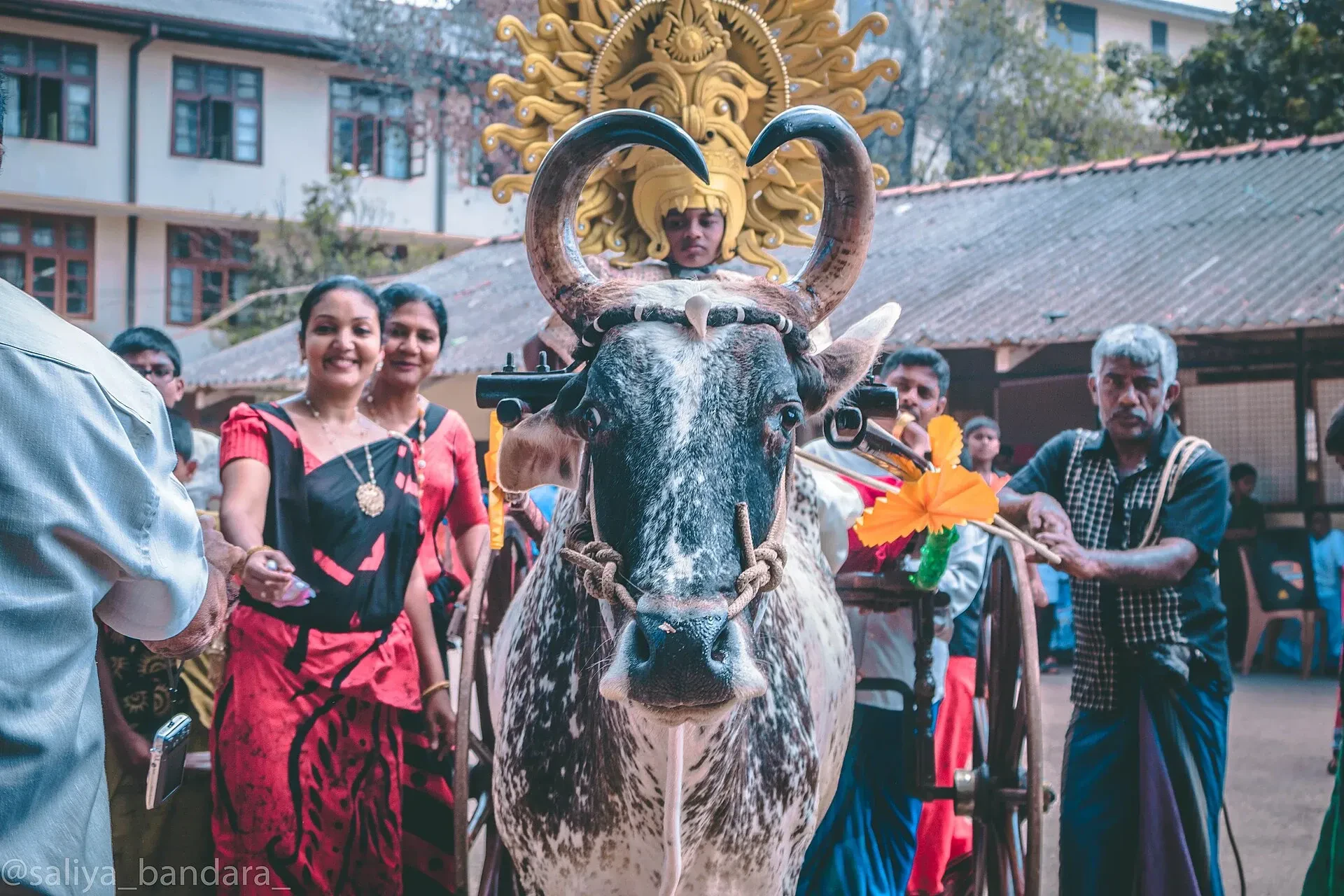
It matters because two communities keep it on the same days, each with its own name for it, and every ritual is pinned to a calculated minute. Most of the country stops for the public holidays and families travel home. You notice it through what's closed and what's cooking, not through a stage or a parade.
Where to see it
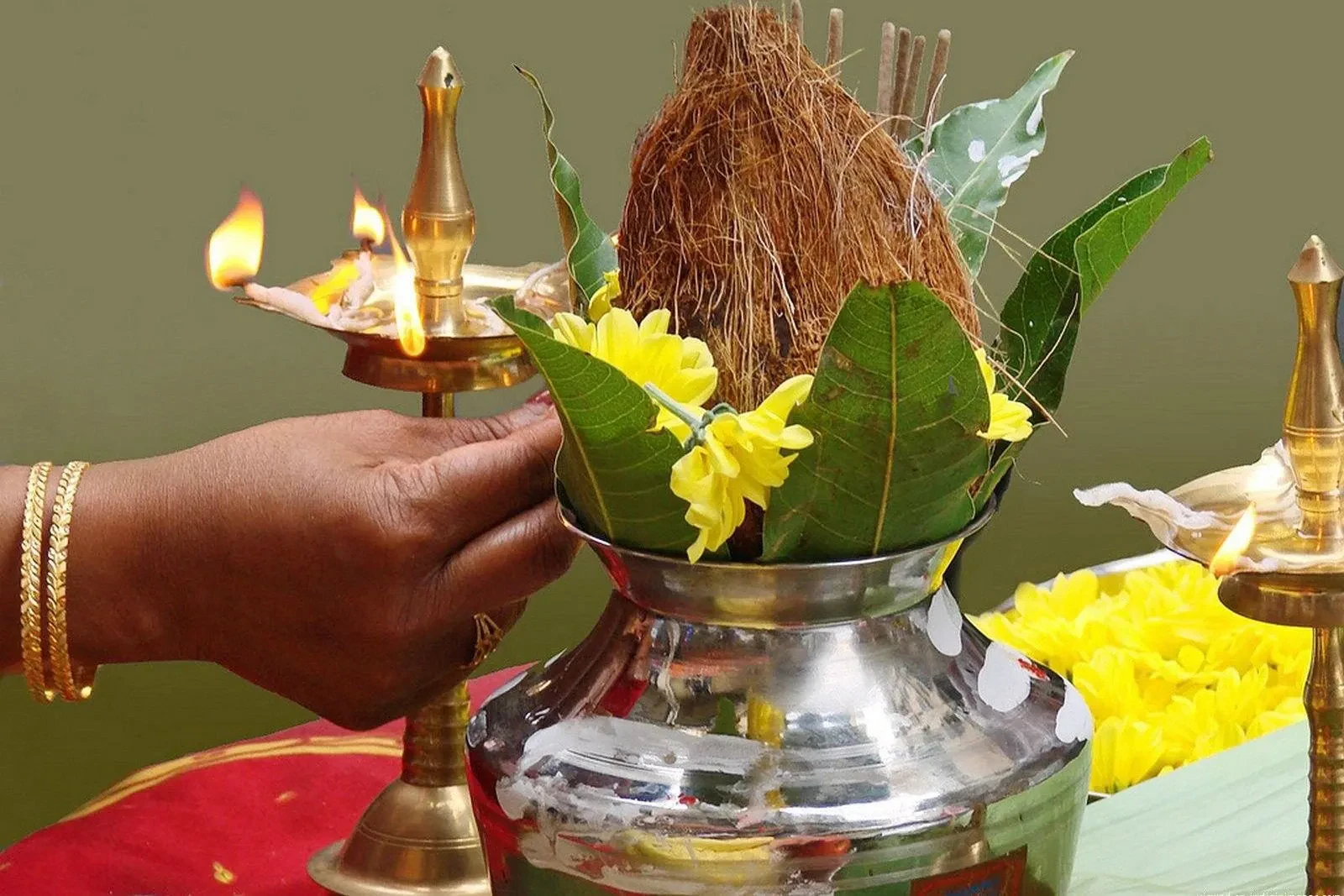
- Village areas of the Central and Southern Provinces. This is where the traditional-games version of New Year survives best: shared coconut-oil lamps, communal kiribath (milk rice) cooking over an open hearth, and afternoon village fairs. There's no single festival site to head for; it's more a matter of being based in or near a smaller town rather than Colombo.
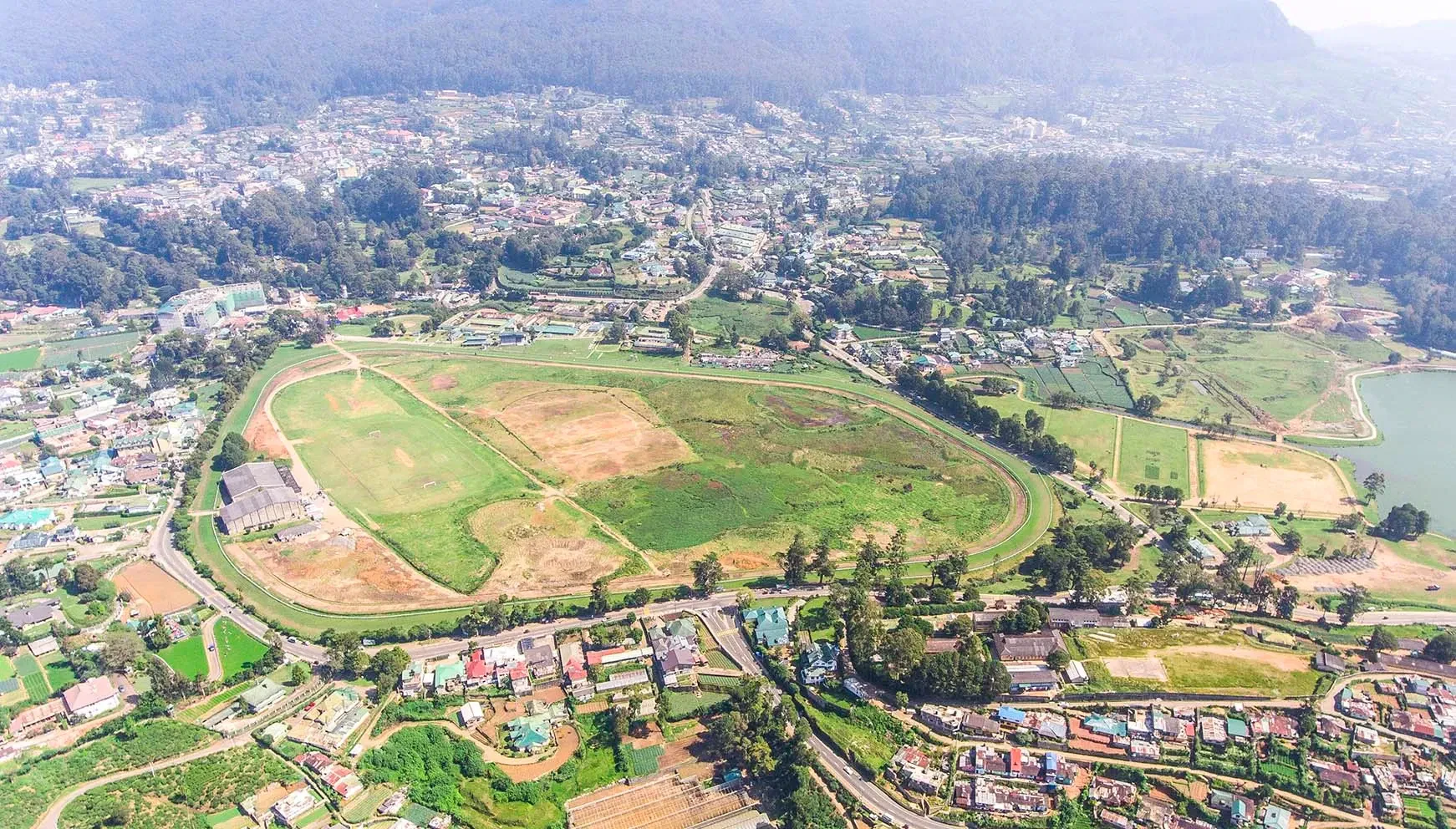
- Nuwara Eliya, for its "April season". Sri Lanka's hill capital fills up as locals travel there over the New Year holidays, and its racecourse, the only one left in the country, runs its best-known meets of the year during this window, including the Governor's Cup on New Year's Day itself. Rooms get scarce and expensive, so book well ahead if this is your base. The hill country guide covers the wider region.
- Anywhere with a home to visit. For a solo traveller without local connections, this is the honest limit of the "attend" side of Avurudu: it's a family and village festival, not a public spectacle. If you're staying at a guesthouse, ask your hosts whether they're cooking kiribath or running games that day. Many are happy to include a guest.
What happens, day by day
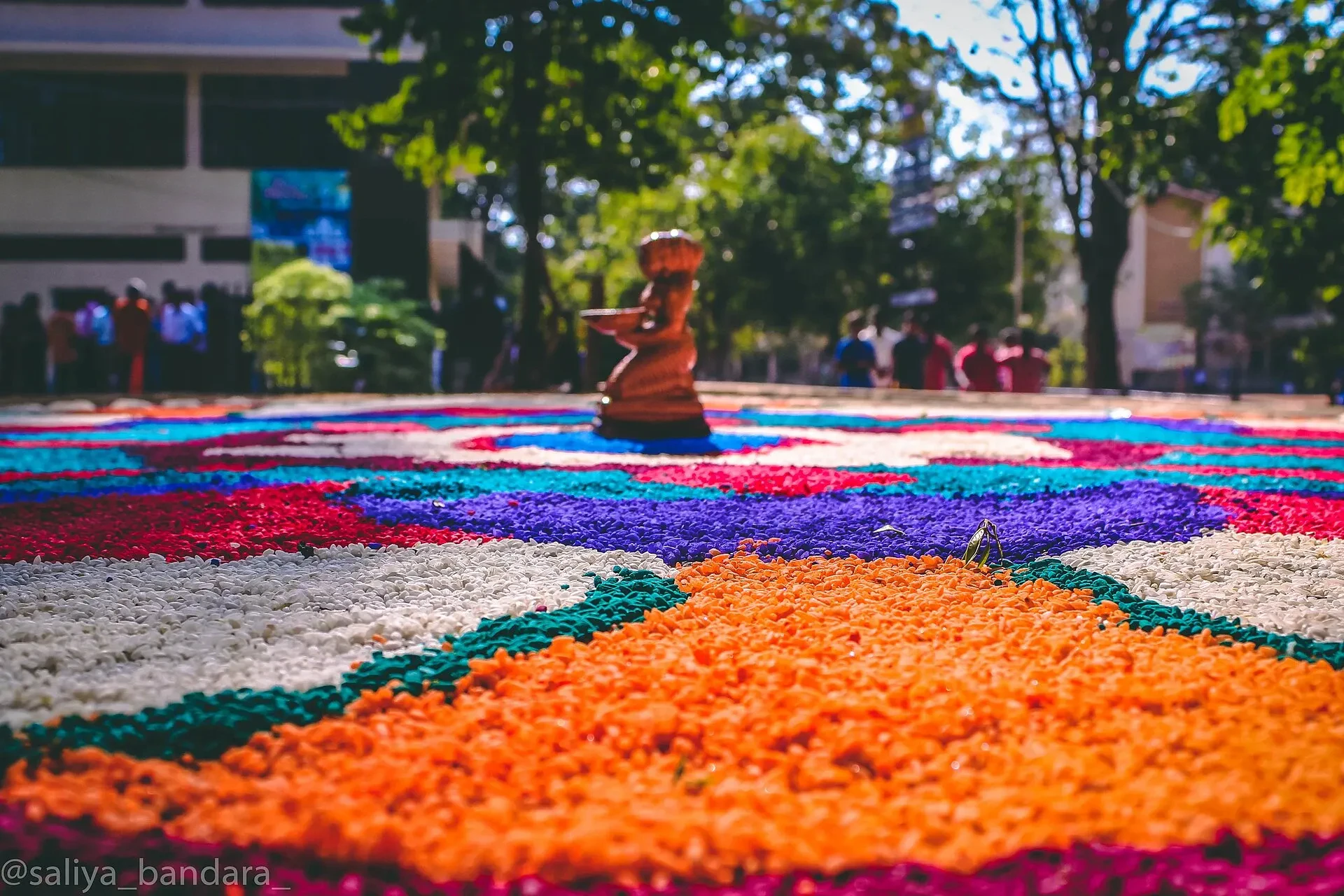
New Year's Eve (13 April). The old year closes out with a nekath for extinguishing hearth fires, so cooking pauses across the country for a few hours. Houses are cleaned and decorated, and people bathe and dress in new clothes ready for the transition, often in a colour set by that year's astrological chart.
The neutral period. Between the old year ending and the new one beginning, tradition says to avoid all work or activity: no cooking, no travelling, no transactions. Families sit together and wait for the dawn nekath.
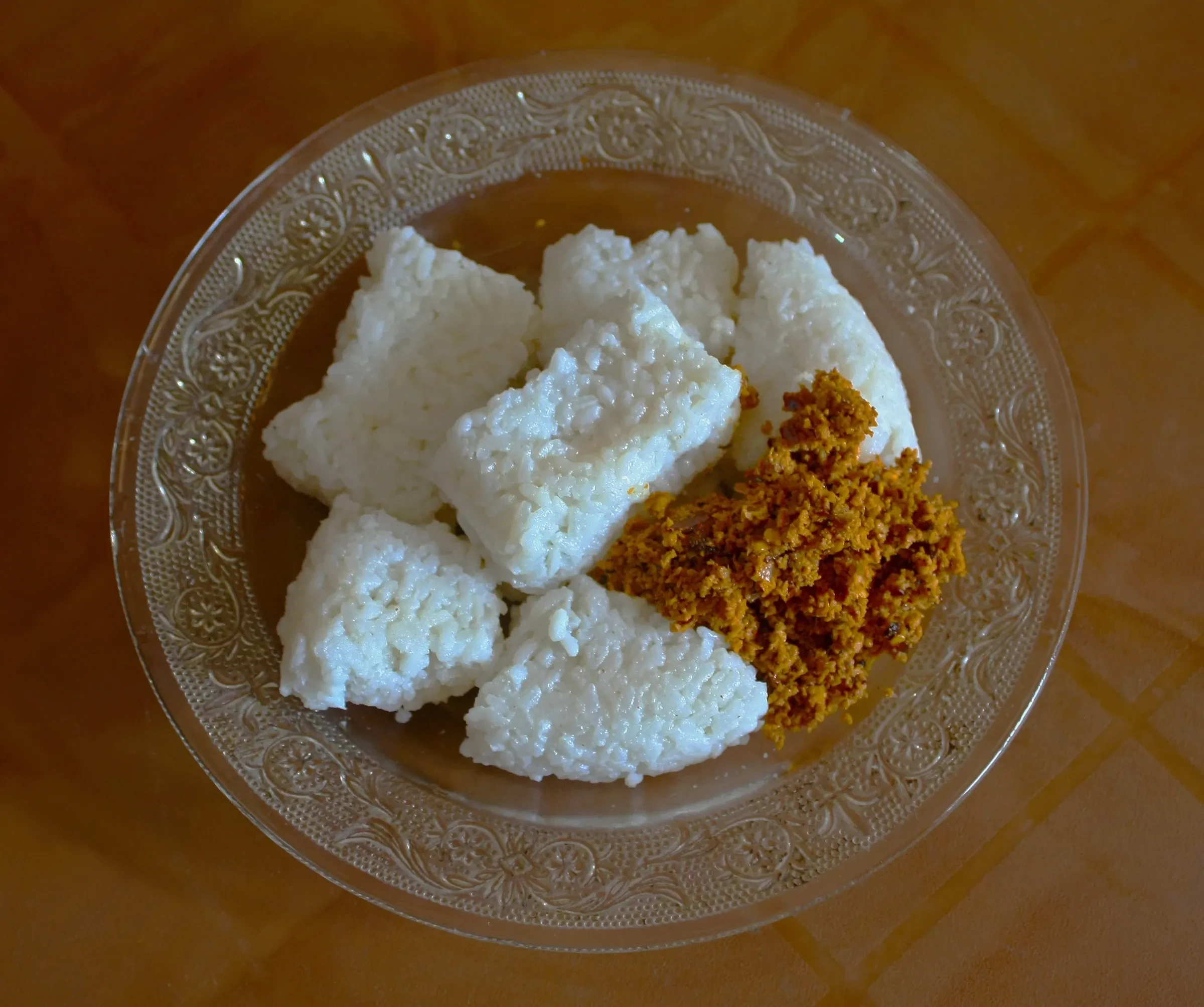
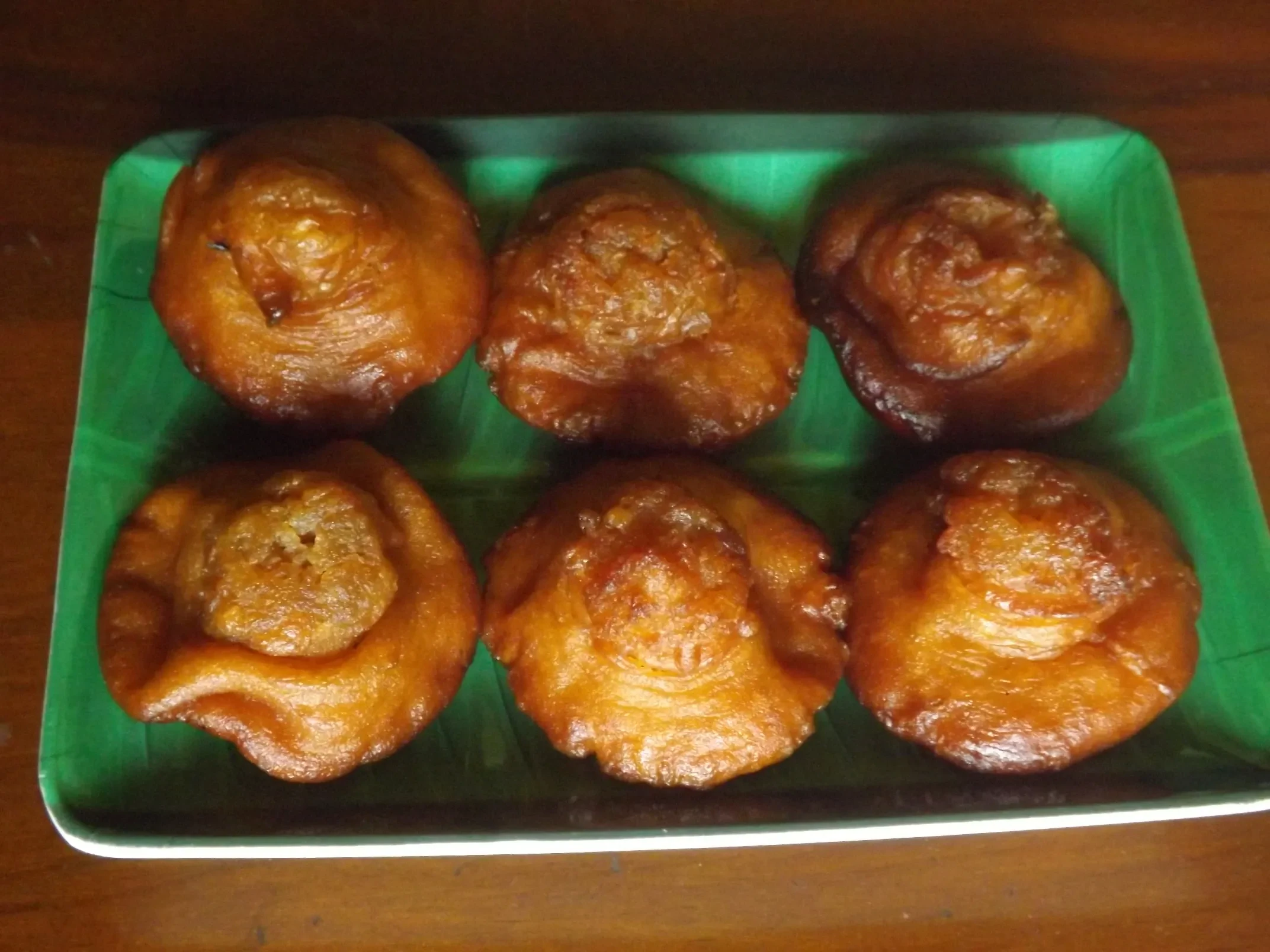
New Year's dawn. At the moment set by the nekath schedule, the hearth is relit and the first pot of kiribath, rice cooked in coconut milk, goes on. It's cut into diamonds and eaten with jaggery as the day's first meal, often alongside kavum (deep-fried oil cakes made from rice flour and treacle) and kokis (a crisp, rosette-shaped fried snack), both made in the days beforehand and shared with neighbours.
Boiling the milk and starting work. A second nekath governs the boiling of milk, watched for whether it foams over the pot (taken as a good sign for the year), and a third sets the time to begin the year's first symbolic work, whether that's a few minutes at a job, a stitch of sewing or turning over soil in a garden.
The days after. Village fairs (avurudu uthsava) run through the following days, with the games most travellers picture: the greased pole climb, pillow fights on a beam, sack races and a blindfolded pot-breaking game. Anointing with oil by elders, and visiting relatives' homes with sweets, continues for about a week.
How to join in and etiquette
What to wear and bring
Light, modest clothing works for both the heat and the etiquette of visiting homes. If you're invited to take part in games, bring a change of clothes: the pillow fights and greased pole are played for laughs and usually end with everyone slightly soaked or covered in grease. Carry cash. Banks and many card machines close for several days, and small village stalls selling sweets or running games are cash only.
A trip around it
We don't time our trips to New Year week, since it's a home-based holiday rather than one built around a route. But the hill country it's most visible in, Nuwara Eliya and Kandy, sits on our regular Sri Lanka routes. If you're travelling in April for other reasons, the Sri Lanka itinerary guide and hill country guide cover how to build a route around Kandy, Nuwara Eliya and Ella outside the New Year shutdown itself.
Keep planning
Festivals in Sri Lanka month by month puts New Year alongside Vesak, Poson and the Kandy Esala Perahera. If you're timing a trip to another April or May date, see Vesak in Sri Lanka. For the hill country New Year fills up the most, see the hill country guide, and for building a full route, the Sri Lanka itinerary guide.