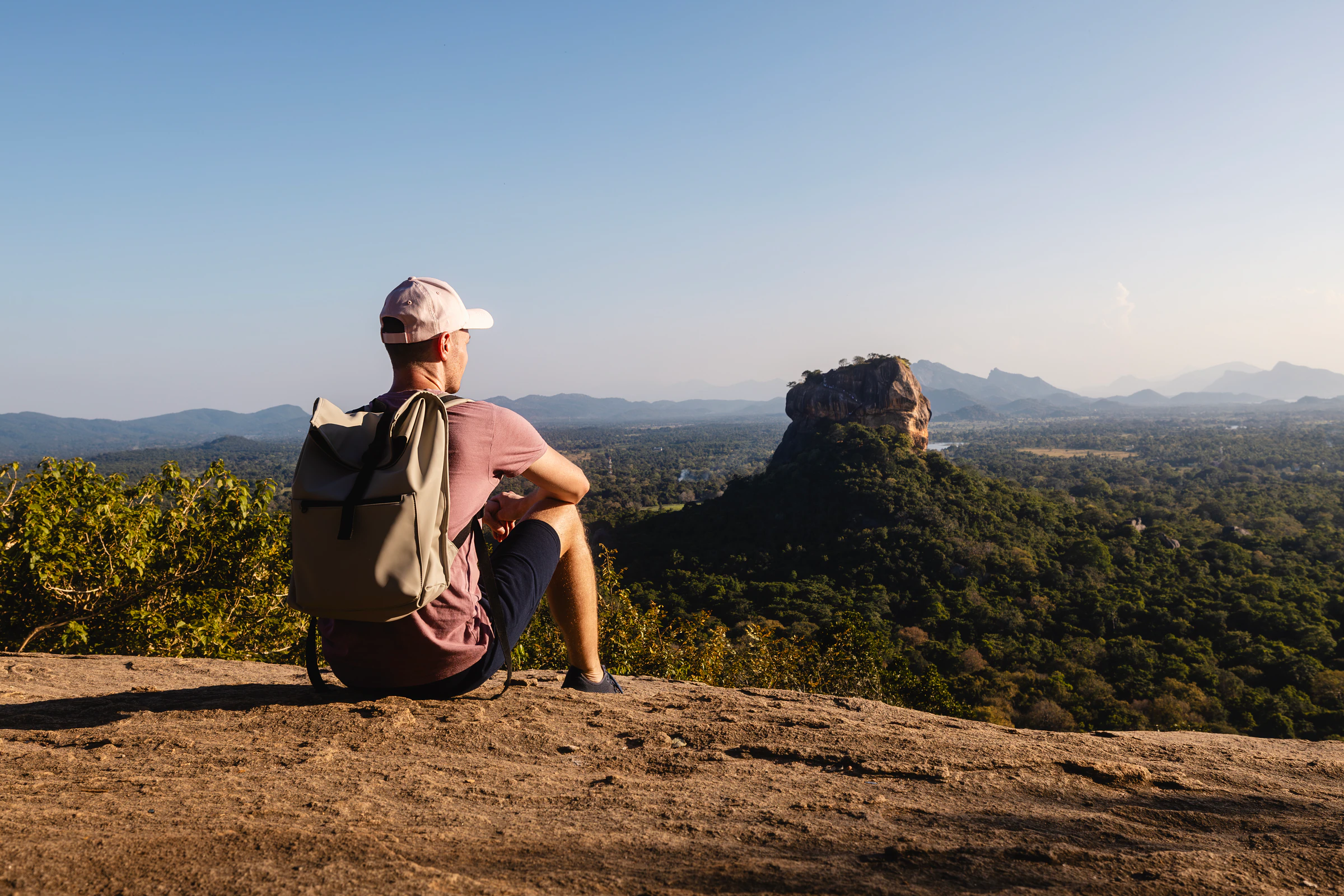
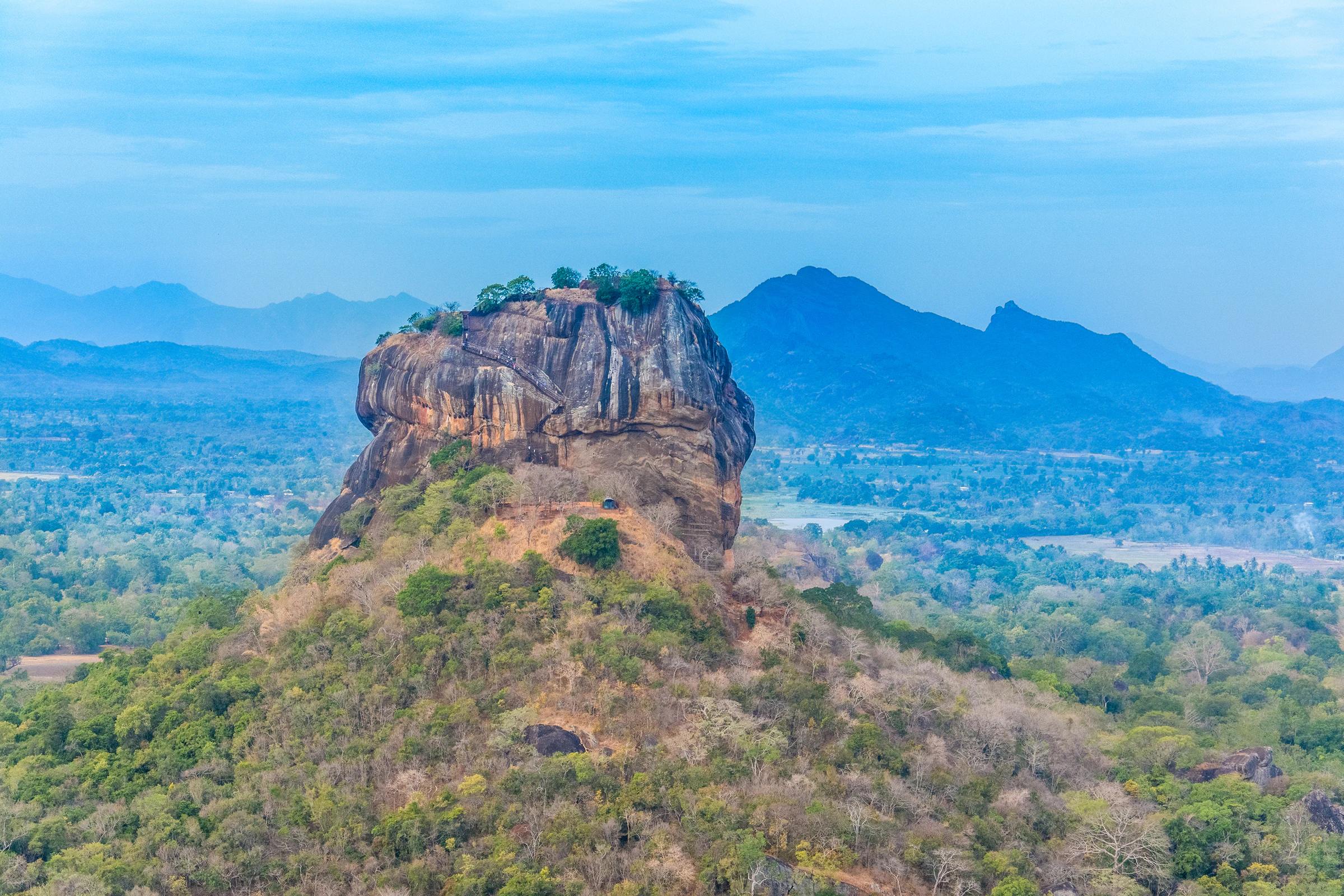
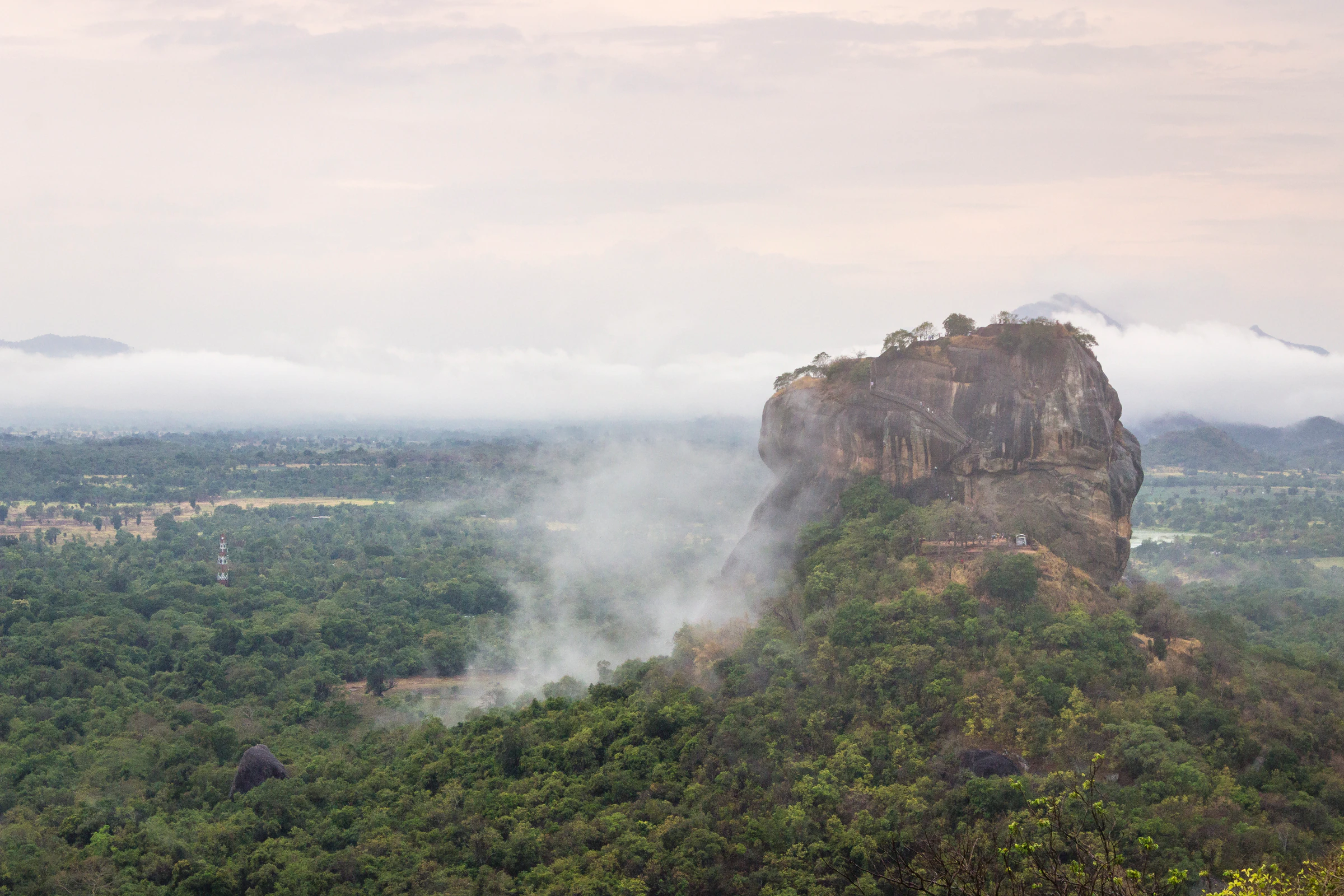
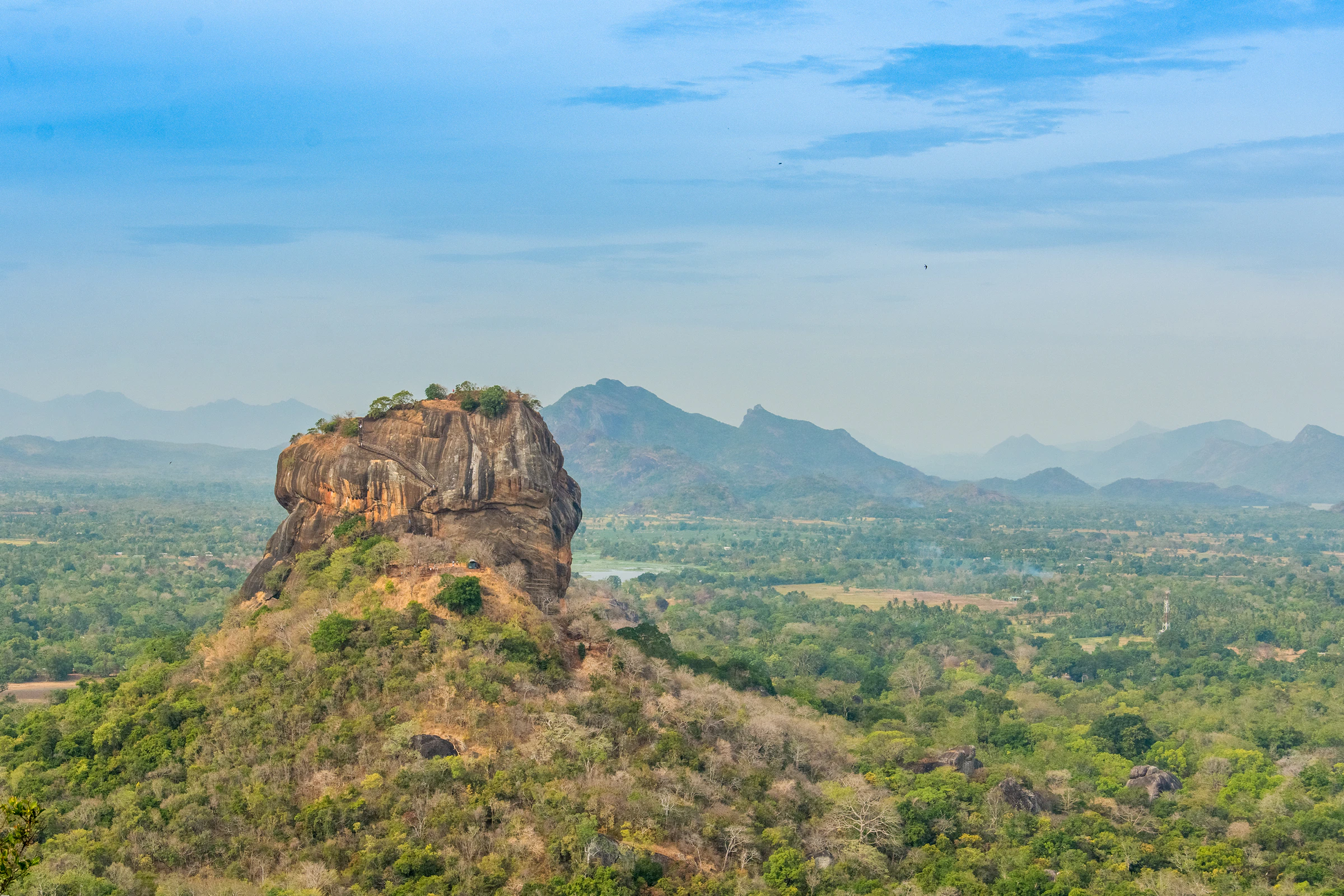
Sigiriya rises out of flat jungle like nothing else in Sri Lanka, a single column of rock with a 5th-century palace still clinging to its summit. King Kasyapa built it as his royal citadel, and thanks to that, the walk up is as much a tour of pleasure gardens, water features and cave shelters as it is a climb. This guide covers the ticket, the climb itself, what's worth stopping for on the way up, and how to fit it around Dambulla and the rest of the Cultural Triangle.
How much does a Sigiriya ticket cost?
A Sigiriya ticket for a non-SAARC foreign adult costs US$35, and children aged 6 to 12 pay US$20. Visitors from SAARC countries pay US$20 for both adults and children, and children under 6 go free; you'll need to show a passport at the counter if you're claiming the SAARC rate. Prices are set by the Central Cultural Fund (CCF), which manages Sigiriya along with Polonnaruwa, Dambulla and Anuradhapura. The CCF's price page lists them in US dollars, payable in rupees at that day's rate.
You can buy your ticket at the entrance, or online through the CCF's own eTicketing site, where an order stays valid for 90 days and you collect the physical ticket at the site counter with your order number.
Opening hours and when to climb
Sources disagree on the hours. The CCF's ticket page lists 7am to 5pm for Sigiriya, while other sites say it opens as early as 5am or runs until 6:30pm. Check the hours on the CCF's eTicketing site or at the counter on the day. If the CCF's hours are right, the gate isn't open for sunrise at Sigiriya itself.
Whatever the hours, be at the counter when it opens and start climbing straight away. The metal staircases have no shade and get hot by mid-morning, and an early start puts you on the steepest sections before tour groups build up.
If you specifically want the sunrise, most people climb Pidurangala instead, since it looks back at Sigiriya rather than from it.
Best time to visit Sigiriya
January to March is the best window, with the Cultural Triangle at its driest. Rain is heaviest from October to December. Our Sri Lanka best-time guide has the month-by-month picture.
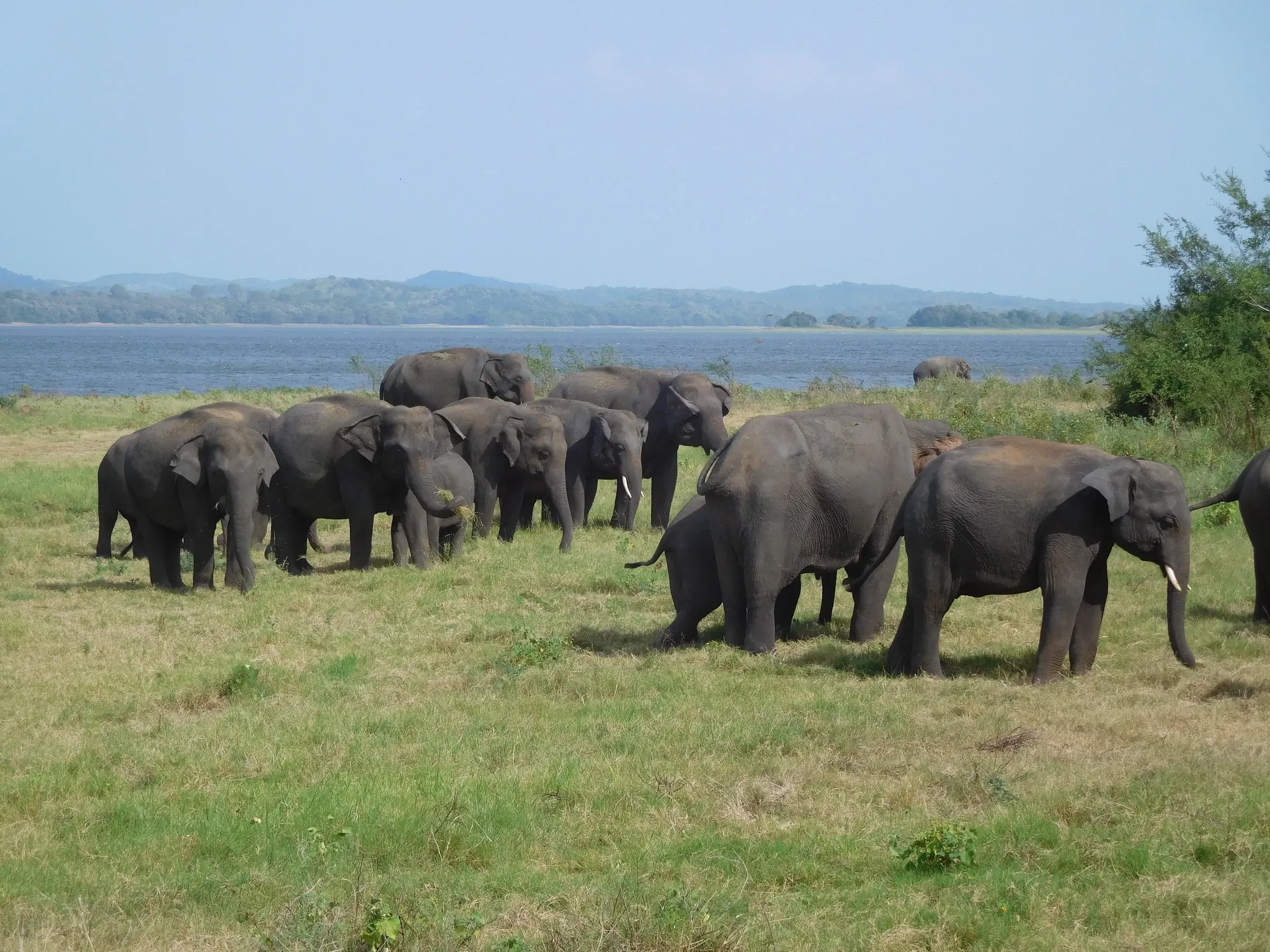
From July to October, wild elephants gather around the Minneriya and Kaudulla tanks nearby, with the peak usually reported between late August and mid-September. Both are national parks with their own entry fees and jeep safaris.
Climbing Sigiriya: the route, the steps and what to see
The climb is around 1,200 steps in total, and takes most people 1.5 to 2 hours up and down at a comfortable pace, longer if you stop often for photos or to read the information boards.
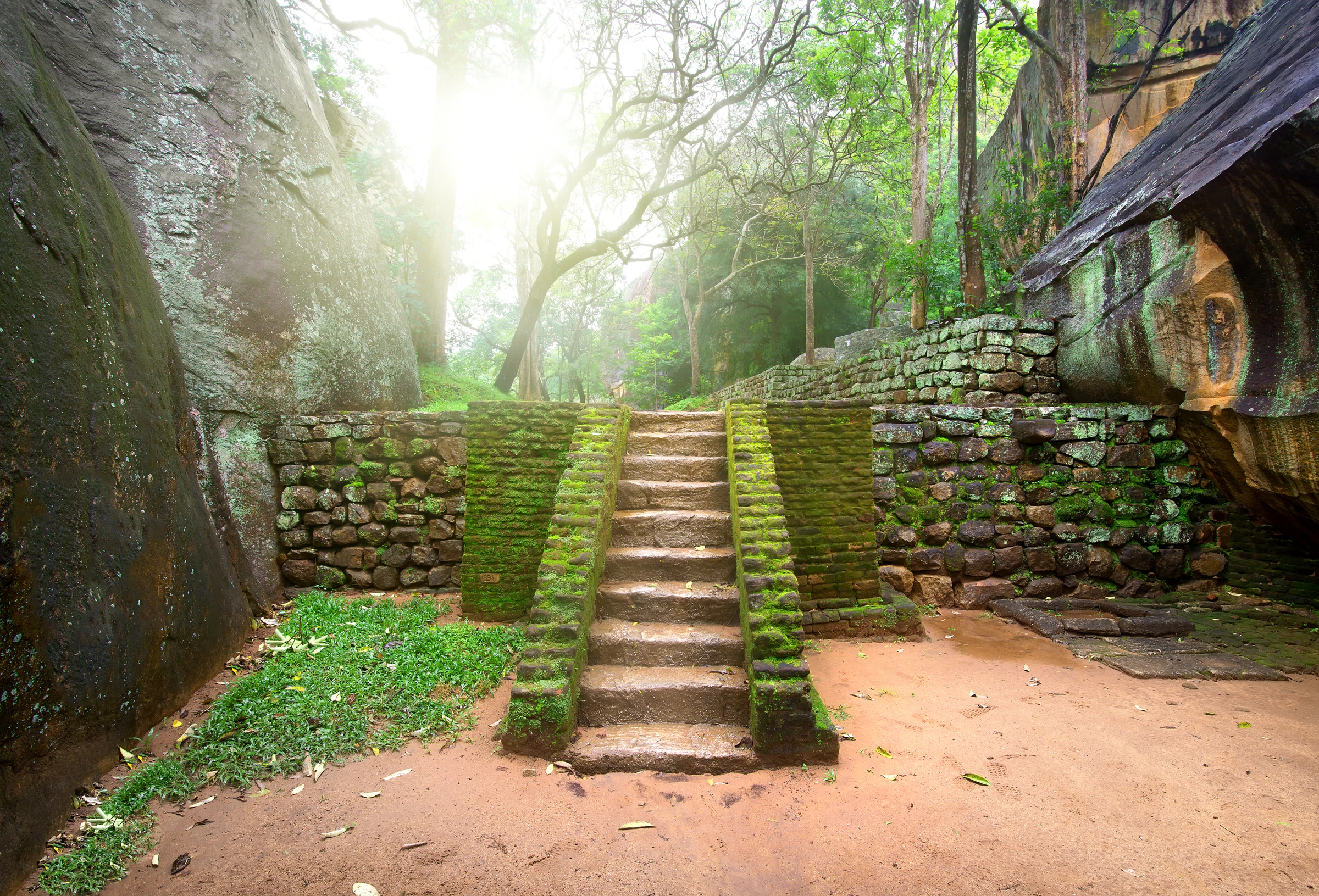
- The water gardens and boulder gardens. The walk starts flat, through the symmetrical pools and channels of Kashyapa's pleasure garden, then through boulder gardens where monks once used natural rock overhangs as shelters.
- The spiral staircase to the frescoes. A metal spiral staircase, bolted to the rock face, climbs to a gallery of frescoes painted more than 1,500 years ago: life-size women usually described as "cloud maidens" or celestial nymphs. Only 22 of the original paintings survive. The CCF banned photography of the frescoes in December 2015 because flash damages them, so look rather than shoot and follow any signs on the day.
- The Mirror Wall. Just past the frescoes, a long wall once plastered and polished so brightly it reflected the climber walking beside it. Between the 6th and 14th centuries, visitors scratched more than 1,800 short verses and comments into its surface, an early and oddly personal form of graffiti that's now one of Sri Lanka's most studied literary records.
- The Lion's Paw terrace. Partway up, the path opens onto a wide terrace guarded by two enormous carved paws, all that survives of a monumental lion gateway that once framed the final staircase to the summit. It's the origin of the rock's other name, Lion Rock.
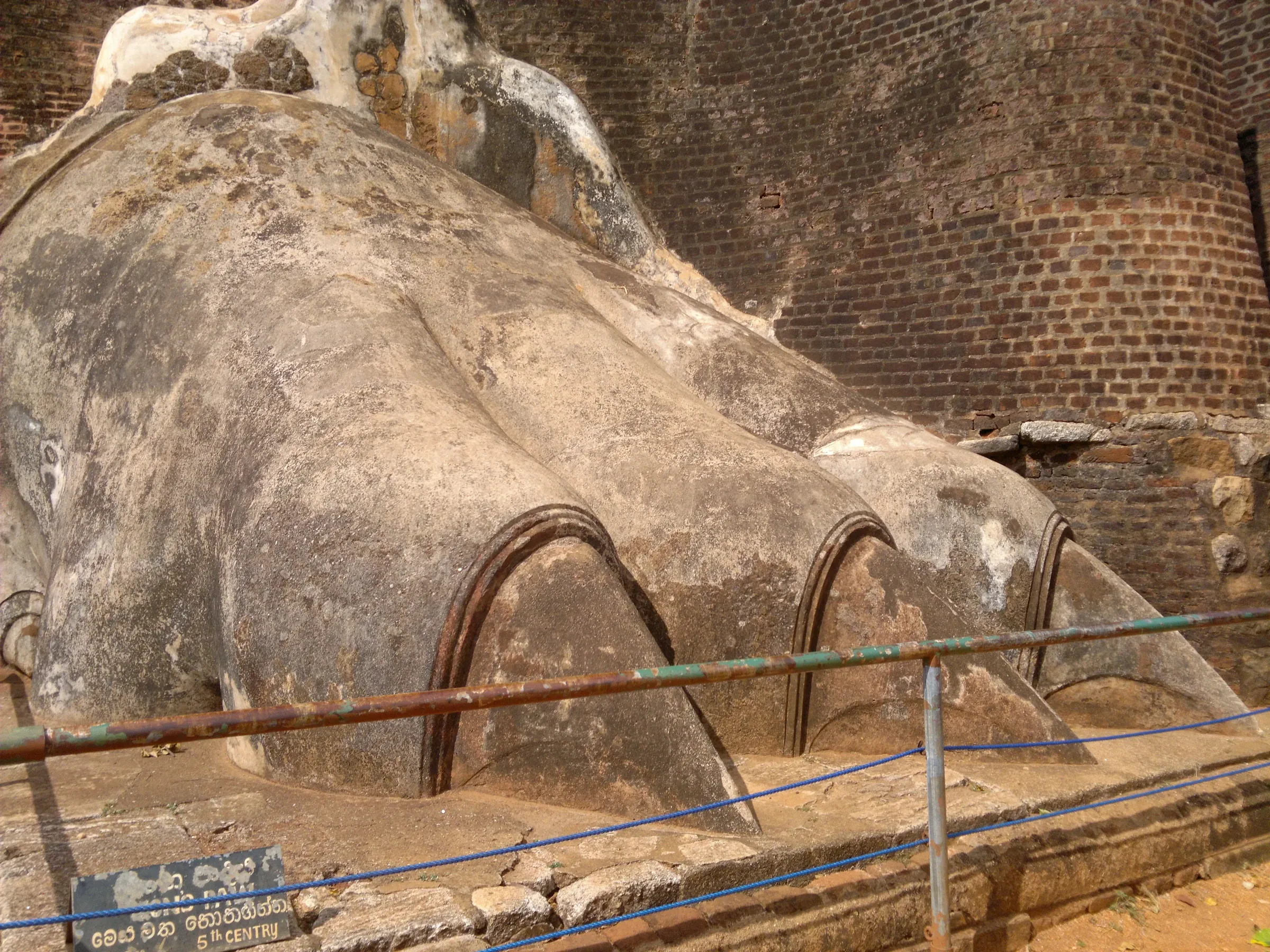
- The summit. Beyond the paws, a steep, exposed staircase leads to the ruined palace platform on top, with views over the jungle in every direction and, on a clear day, as far as Pidurangala and the hills beyond.
Wear proper shoes rather than sandals, since several sections are steep, exposed metal stairways, and bring more water than you think you need. There's little shade until you're back down. Sigiriya has no dress code, so light, breathable clothes are fine.
Wasps are a known hazard. In August 2024 a collapsed hive stung 22 foreign tourists, who were taken to hospital, and the site was closed for a time before reopening. Follow staff instructions, and be ready for the site to close at short notice.
Pidurangala: the view of Sigiriya from outside it
Pidurangala is a smaller rock directly opposite Sigiriya, and it's where most travellers go for the photo of Sigiriya itself rising out of the jungle, since you can't get that view from on top of the rock you're climbing. Entry is a donation of about LKR 1,000 (a 2025 listing; older sources say LKR 500), paid at the temple at the base rather than at a CCF ticket counter. The climb takes about 45 minutes to an hour, scrambling over boulders near the top rather than up staircases. Reported hours start around 5am and aren't always enforced, so it's the usual choice for a sunrise climb. Many people do Pidurangala at or before sunrise, then Sigiriya itself once its gate is open, and treat the two as one longer morning out.
Dambulla Cave Temple
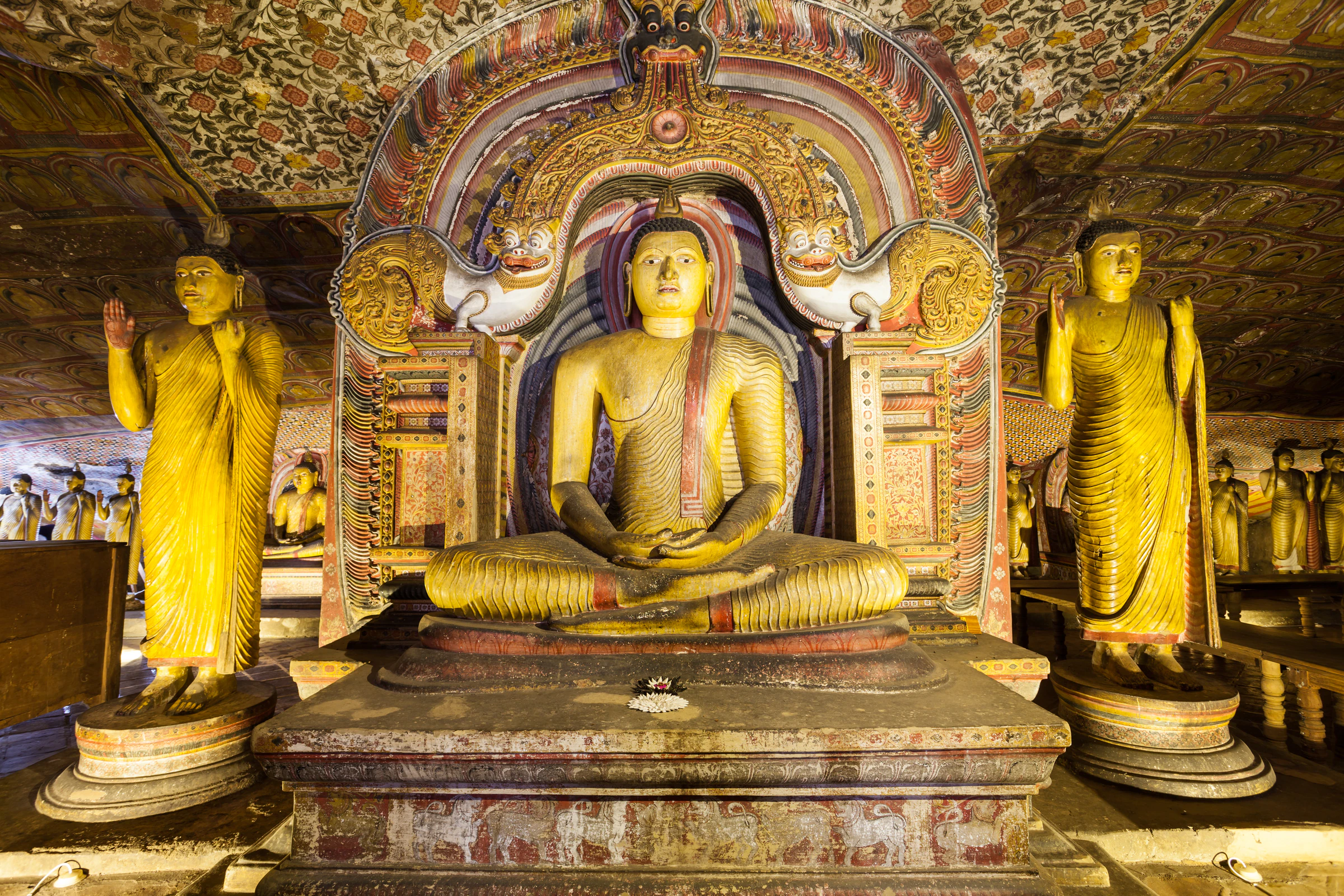
Dambulla's cave temple complex is about 20 minutes from Sigiriya by road, and most people combine the two in a single day. Five caves, carved into a cliff face and in continuous use as a Buddhist shrine for over 2,000 years, hold statues and ceiling-to-floor murals of the Buddha's life. Sources conflict on the foreign entry fee: the CCF's price page lists US$3, while other 2026 listings give US$5 or about LKR 3,000, so check the current price at the counter. The CCF's ticket page lists 7am to 5pm, though other sites say the temple stays open later. Cover your shoulders and knees and take your shoes off before entering, as at any Sri Lankan temple. Early morning, before it gets hot, or the last couple of hours before closing, when the light through the cave entrances turns gold, are the two best windows to visit.
Where to stay: Sigiriya, Dambulla or Habarana
- Sigiriya village puts you closest to the rock itself and to Pidurangala, in a quieter, greener setting, but you'll mostly rely on a tuk-tuk or private driver to get anywhere else in the Cultural Triangle.
- Dambulla is the region's transport hub, with more choice of guesthouses and hotels, direct buses toward Kandy, Anuradhapura and Polonnaruwa, and more restaurants and shops within walking distance.
- Habarana, roughly midway between the two, is a common base for tour operators because it sits on the road to both Polonnaruwa and Anuradhapura, though it's a smaller town with fewer independent options. It also has a railway station, on the Trincomalee line, which is the nearest you can get by train. Sigiriya and Dambulla have no station of their own.
For a short visit focused on Sigiriya and Dambulla, either of the first two works well; Habarana makes more sense if you're also covering Polonnaruwa or Anuradhapura from the same base.
Sigiriya and the rest of the Cultural Triangle
Sigiriya is usually the first stop in a wider loop through Sri Lanka's Cultural Triangle, the cluster of ancient capitals and religious sites north of Kandy. From a base in Sigiriya, Dambulla or Habarana, Polonnaruwa's ruined royal city and carved Buddha statues, and Anuradhapura's older, more spread-out sacred city, are both realistic half-day or day trips. Most independent travellers give the Triangle two to three nights in total, based in one town rather than moving each night, and use a private driver or tuk-tuk for the short hops between sites.
Our Sri Lanka trips base themselves in Sigiriya for the climb and Dambulla's caves, with a full day added for Polonnaruwa on the longer route.