Sri Lanka and India sit a short flight apart and share a lot on paper: curries, Buddhist and Hindu temples, tea, trains. In practice they're very different trips to plan. Here's how they compare on scale, beaches, heritage, wildlife, food, cost, visas, seasons, ease and safety for solo travellers, plus how to do both. If Kerala specifically is what you're weighing against Sri Lanka rather than India as a whole, our Kerala vs Sri Lanka guide covers that narrower comparison in more depth.
Sri Lanka vs India at a glance
| Sri Lanka | India | |
|---|---|---|
| Scale | One island, about the size of Ireland; 10 days to two weeks covers the highlights | A subcontinent; even three weeks only covers one or two regions |
| Cost per day | About US$35 to 55, including a share of entry fees | About US$30 to 35, before monument fees and private drivers |
| Best months | South and west coasts roughly November to April, with December to March the safest stretch; hill country also best December to March; Cultural Triangle best January to March. East coast (Arugam Bay, Trincomalee): May to September | November to February on the plains; the high Himalaya (Ladakh, Spiti) only opens June to September |
| Flight time from the UK | About 10 h 45 nonstop to Colombo (SriLankan Airlines) | About 9 h nonstop to Delhi |
| Flight time from the US | No nonstop; about 18 to 24 h with a connection via the Gulf, Istanbul or London | Nonstop to Delhi from the New York area, about 14 to 16 h depending on direction |
| Visa | Free 30-day ETA for the UK, US, Canada, Australia, New Zealand and India, among 40 countries; US$50 online for everyone else | e-Tourist visa required for the UK, US, Australia, Canada and the EU; US$25 for 30 days (US$10 from April to June) or US$40 for a year, applied for online in advance |
| Beaches | A full coastline of beach towns on three sides of one small island: Mirissa, Weligama, Hiriketiya, Arugam Bay | Fewer, more spread out: Goa, Gokarna, the Andaman Islands, Kerala's Varkala |
| Heritage | The Cultural Triangle: Sigiriya's rock fortress, Dambulla's cave temples, Polonnaruwa and Anuradhapura, all close together | Far larger in scope: the Taj Mahal, Rajasthan's forts and palaces, Varanasi's ghats, Hampi's ruins |
| Wildlife | Leopards and elephants on safari at Yala and Udawalawe, plus the Minneriya elephant gathering | Bengal tigers at Ranthambore, one-horned rhinos at Kaziranga, Himalayan wildlife further north |
| Food | Rice and curry, hoppers, kottu roti; regional variation is real but modest across a small island | Changes completely state by state: a Rajasthani thali has little in common with a Kerala fish curry |
| Ease for first-timers | Easier: one loop, shorter drives, a free visa, English widely spoken in tourist areas | Harder: more scams to know about, longer distances, trains that need booking ahead |
| Solo-friendliness, including for women | Widely travelled solo, with the FCDO and Canada both flagging harassment and assault, mostly in crowded places | Rewarding but needs more care; the FCDO reports harassment and assault of foreign women in tourist areas |
Scale and travel times
Sri Lanka is one small island, a little smaller than Ireland, and its distances only feel long because the roads wind rather than because the places are far apart (Sri Lanka travel guide). Ten days to two weeks is enough to cover the Cultural Triangle, the hill country and a stretch of coast without long travel days.
India is a different order of scale. Delhi to Kerala is over 2,500 km, a flight rather than a train ride, and no single route, not even a three-week one, shows you more than a slice of the country: the north, the south, the Himalaya and the coasts are effectively separate trips (India travel guide). A first-timer picking a single region, most often the Golden Triangle or Rajasthan, isn't seeing "India" so much as choosing which India to see first.
Winner: Sri Lanka, for how much of it you can realistically cover in one trip.
Beaches
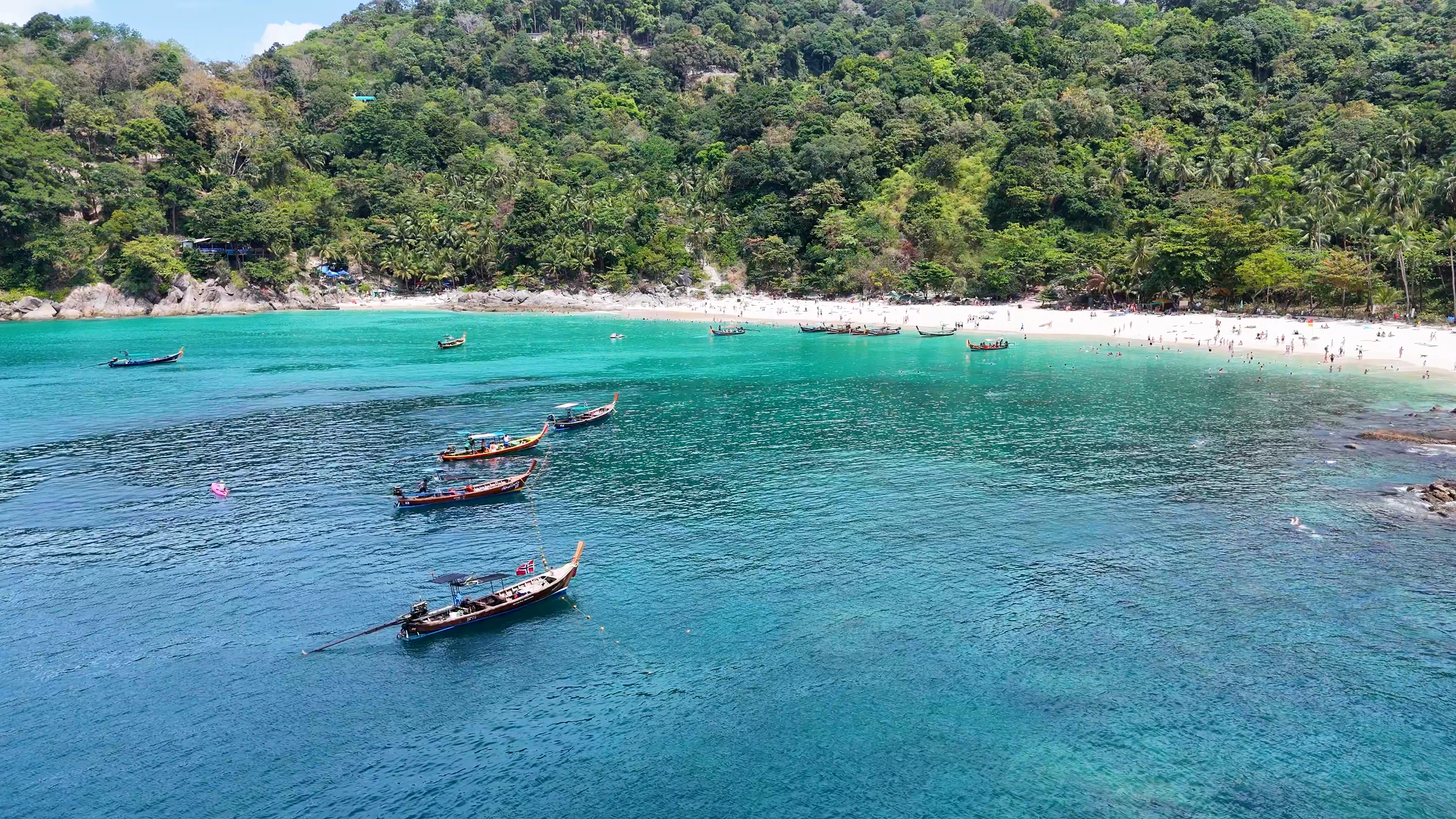
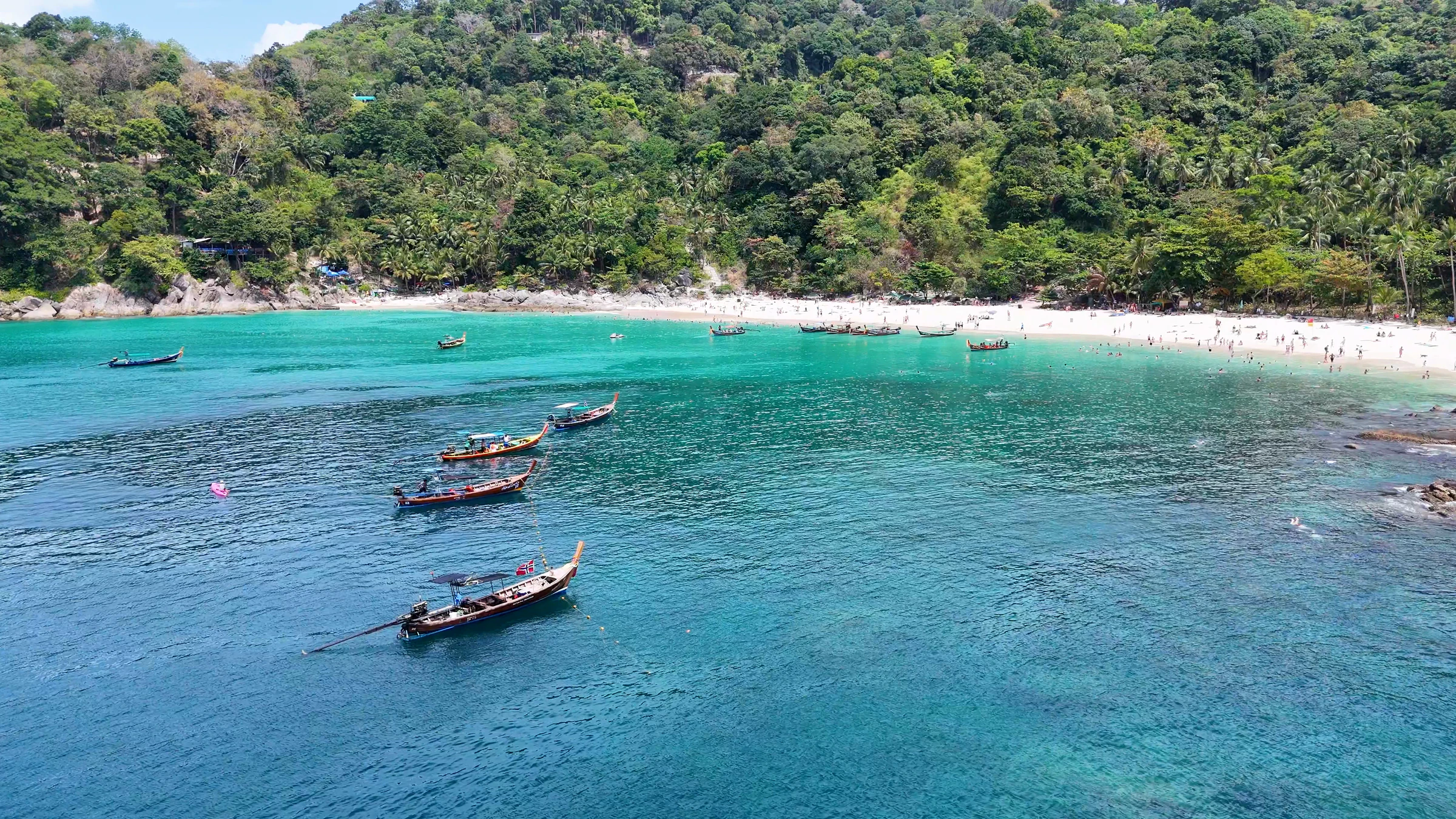
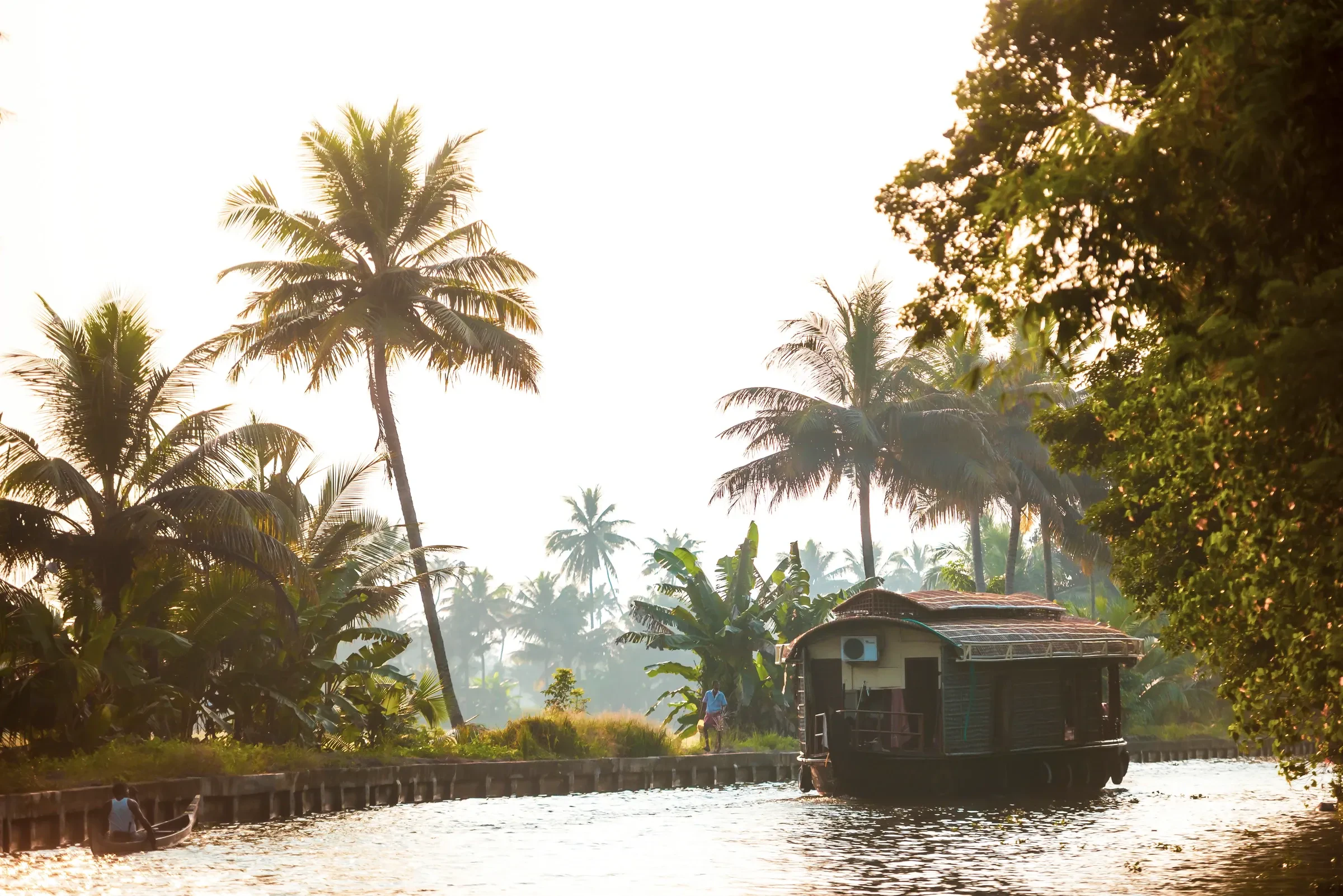
Sri Lanka wraps a beach scene around most of the island: Mirissa for whale watching, Weligama for learning to surf, Hiriketiya's quiet horseshoe bay, and Arugam Bay on the opposite coast when the monsoon flips (Sri Lanka regions). India's beaches are fewer and further apart: Goa and Gokarna on the west coast, the Andaman Islands out in the Bay of Bengal, and Kerala's Varkala in the south, none of them close to each other or to the main heritage circuit.
Winner: Sri Lanka, for a proper beach stretch inside a short trip.
Heritage
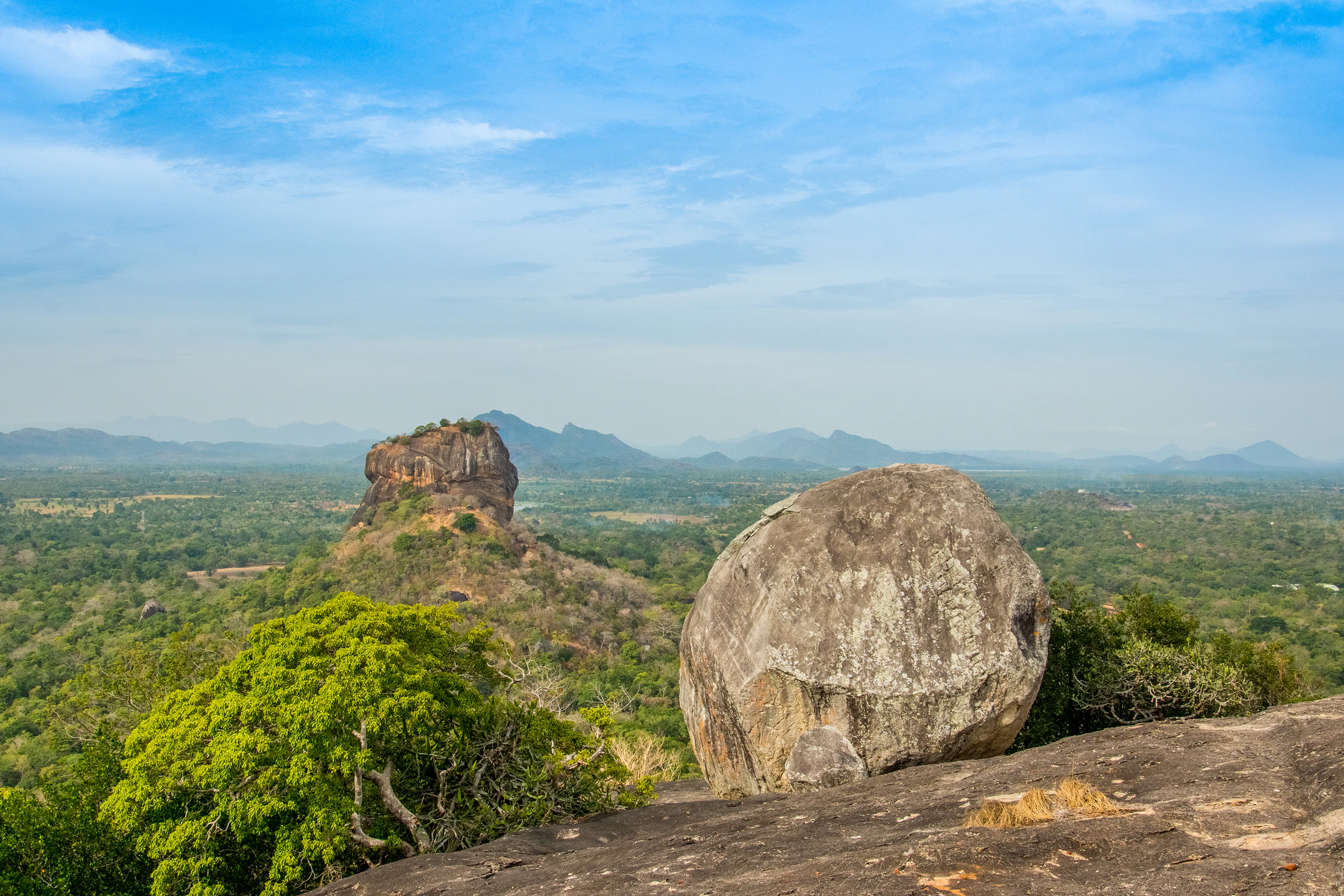
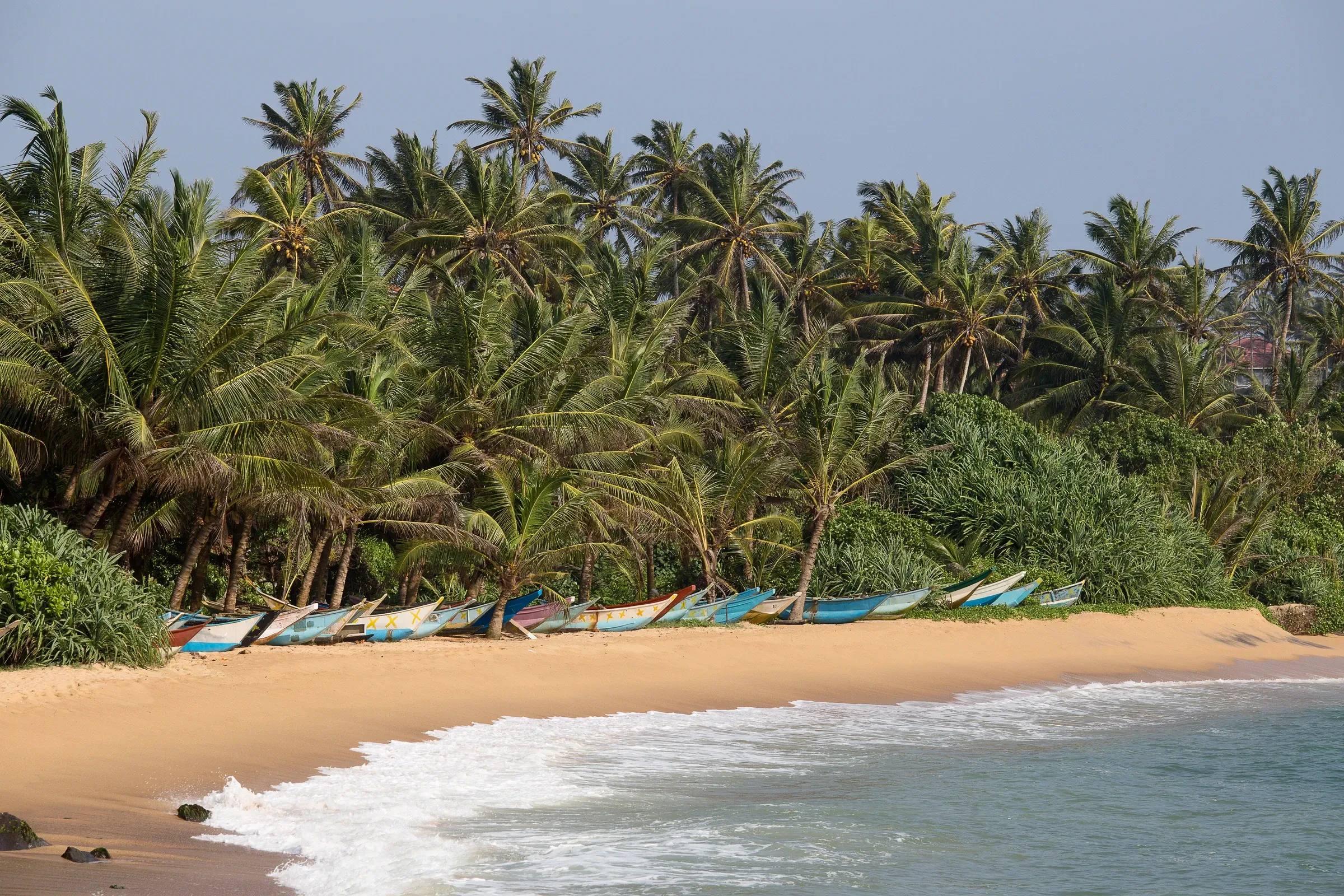
Sri Lanka's Cultural Triangle packs Sigiriya's 5th-century rock fortress, Dambulla's painted cave temples, and the ruined cities of Polonnaruwa and Anuradhapura into one easily linked area (Sri Lanka Cultural Triangle guide). India's heritage is bigger in scope rather than more concentrated: the Taj Mahal, Rajasthan's forts and palaces, Varanasi's ghats on the Ganges, and Hampi's ruins are each worth a trip on their own, spread across a country rather than a triangle.
Winner: India, for depth and range; Sri Lanka, for how easily it fits into a short trip.
Wildlife
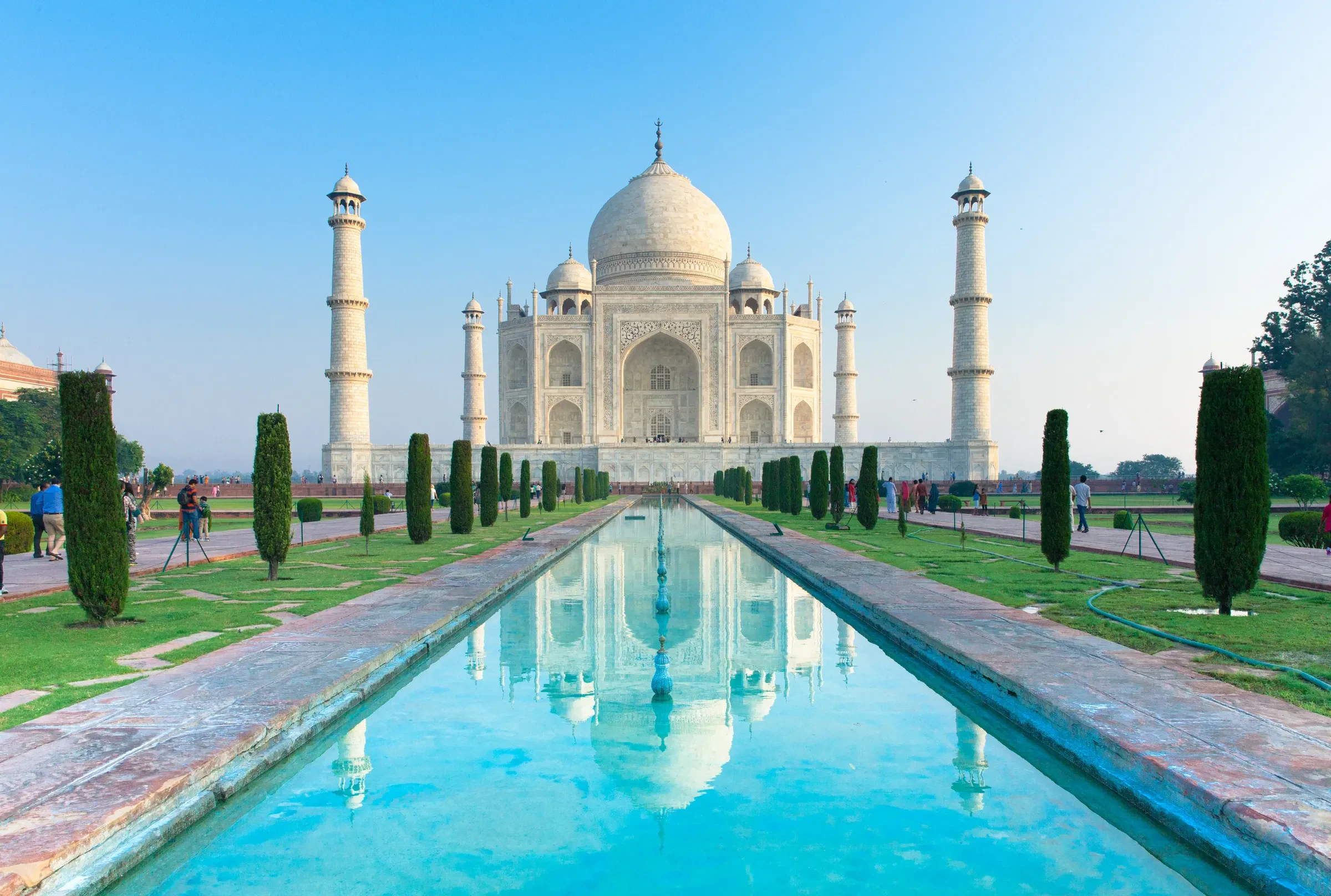
Both countries put you within striking distance of wild animals, not a zoo enclosure. Sri Lanka's Yala and Udawalawe safaris give leopard and elephant sightings on a manageable half-day or day trip (Sri Lanka safari guide), and the Minneriya elephant gathering draws hundreds of wild elephants to one lake in the dry season. India's wildlife asks for more commitment: Ranthambore's Bengal tigers in Rajasthan need safaris booked 60 to 90 days ahead with no guaranteed sighting, and Kaziranga's one-horned rhinos are a detour into Assam that most first-time routes skip entirely.
Winner: Sri Lanka, for reliability and ease; India, if a tiger sighting specifically is the goal.
Food
Sri Lankan food does vary by region, Jaffna's crab curry is hotter and more Tamil-influenced than the south coast's rice and curry, but it plays out across one small island, so hoppers, kottu roti and rice and curry turn up everywhere you go (Sri Lankan food guide). India's food changes completely from state to state: a Rajasthani thali, a Kerala fish curry and a Punjabi dal share little beyond the word "Indian," which is either the appeal or the challenge depending on how much variety you want on one trip.
Winner: India for depth, Sri Lanka for consistency; call it a tie.
Cost
Careful travellers budget about US$30 to 35 a day in India for a dorm bed, local food and trains (India cost guide). In Sri Lanka the figure is roughly US$35 to 55 a day for a dorm bed or basic guesthouse, food, local transport and a share of entry fees (Sri Lanka cost guide). The two ranges aren't built the same way. India's leaves out monument entry fees, flights and private drivers, while Sri Lanka's already includes a share of entry fees, which run higher at the ancient sites and on safari, and most independent travellers there hire a driver for the multi-stop route. Both countries are inexpensive by Western standards, and the gap between the two figures shouldn't be read as exact.
Winner: India on the headline daily figure, though it isn't a like-for-like gap.
Visas
Sri Lanka's ETA is free for a 30-day, double-entry stay if your passport is on the current 40-country list, which covers the UK, US, Canada, Australia, New Zealand and India; apply online at eta.gov.lk before you fly (Sri Lanka ETA guide). India requires an e-Tourist visa for all of those same passports, applied for on the official site between 4 and 120 days ahead. The 30-day visa costs US$25 (US$10 from April to June), the 1-year visa US$40 for everyone, and the 5-year option US$160 to US$484 depending on nationality. You also file a free e-Arrival card (mandatory since 1 April 2026) and an Air Suvidha health declaration before you land (India visa guide). Sri Lanka's process is the shorter one, and free for the passports above.
Winner: Sri Lanka, for cost and simplicity.
Seasons
Sri Lanka doesn't have one weather system: the south, west and hill country are driest December to March, the Cultural Triangle is best January to March, while the east coast around Arugam Bay and Trincomalee runs on the opposite pattern, best May to September (Sri Lanka best time guide). India's seasons split by region too, but the split is wider: most of the country, including Delhi, Rajasthan, Varanasi and the south, is best November to February, while the high Himalaya only opens June to September, when the plains sit in monsoon or extreme heat (India best time guide). Either country rewards matching the month to the region rather than picking one date for the whole trip.
Winner: Tie; both need the route matched to the season.
Ease for first-timers
Sri Lanka asks less of a first-timer: one loop rather than a choice of regions, a free visa, shorter drives between stops, and English widely spoken on the tourist trail. India asks for more upfront planning: the e-visa and its accompanying forms, knowing which scams to watch for around railway stations and gem shops (see our India safety guide), and trains on popular routes that sell out weeks ahead rather than being bookable last minute. Sri Lanka has its own 2026 caveats: Cyclone Ditwah damaged the hill-country railway in November 2025, the Nanu Oya to Badulla section resumed on 20 June 2026 and other stretches have been reopening in stages, so check the current status before building a route around the scenic train. A fuel quota system has also run since mid-March 2026, and tourists get priority at fuel stations.
Winner: Sri Lanka.
Solo-friendliness and safety, including for women
Sri Lanka is widely travelled solo, but the official advice does mention women: the FCDO says women report verbal and physical harassment and sexual assault, mostly in crowded places such as markets, stations and buses, and Canada says reports of sexual assault against foreign travellers are increasing. The pattern worth knowing is harassment on crowded public buses rather than on the street, and a tuk-tuk or private driver is the easy workaround (Sri Lanka safety guide). India's official advice is also direct: the FCDO reports harassment and sexual assault against foreign women in tourist areas, so planning arrivals, avoiding isolated places alone and using official transport matter more there (India safety guide). Neither the UK nor Canada advises against travel to Sri Lanka's main tourist areas, and in both countries the advice for women is to take care in crowded places. Our guide to solo trips for women compares this point across all the countries we run trips in.
Winner: Sri Lanka, on official advice; India is more manageable with a group.
Which should you choose?
| If you're... | Choose |
|---|---|
| Taking your first-ever trip to South Asia | Sri Lanka |
| Watching every dollar and want a bigger trip for it | India |
| A solo woman wanting the more relaxed first trip | Sri Lanka |
| Drawn to forts, deep history and a genuine subcontinent-scale journey | India |
| Short on time (10 days or less) and want one manageable loop | Sri Lanka |
| Happy to book your first India stretch with a group and go it alone later | India |
| Mainly after a mix of beaches, ancient sites and wildlife in one trip | Sri Lanka |
| Already comfortable travelling solo in Asia and want something more demanding | India |
Why not both?
Sri Lanka and India connect easily: SriLankan Airlines and IndiGo fly direct between Colombo and Chennai, Bengaluru, Mumbai or Delhi in as little as 1 hour 20 minutes (Sri Lanka from India guide). With three weeks or a month, a realistic route is our 12-day 12-Day Sri Lanka Tour (Sigiriya, Kandy, Ella and the south coast), a flight to Chennai or Delhi, then the 7-day Golden Triangle Express (Delhi, Agra and Jaipur). That's 19 days on the ground plus the flight between: enough to see Sri Lanka properly without rushing it and still take in the Taj Mahal and Rajasthan. Travelling independently, budget a spare day either side of the flight for delays; travelling with us, the Trip Host on each trip handles the ground logistics for that leg.
Keep planning
- Sri Lanka travel guide for regions, routes and costs
- India travel guide for regions, routes and costs
- Sri Lanka ETA guide and India visa guide
- Kerala vs Sri Lanka, for the narrower south India comparison
- India vs Thailand, for how India compares further east
- Solo trips for women, comparing safety across our destinations
- Sri Lanka group trips and India group trips