Kerala vs Sri Lanka at a glance
| Kerala | Sri Lanka | |
|---|---|---|
| Cost per day | About ₹1,800 to ₹2,500 on our own estimate: dorm or budget room, food, local transport and one activity, before long bus or taxi legs and a houseboat night | About US$35 to $55: dorm bed or basic guesthouse, food, local transport and a share of entry fees |
| Best months | November to February; June to September is the southwest monsoon | South and west coasts and the hills roughly November to April; east coast roughly May to September |
| Flights from the UK | We couldn't confirm a nonstop from London to Kochi, so expect a stop | Nonstop from London Heathrow on SriLankan Airlines; British Airways adds a winter-season Gatwick service from 23 October 2026 |
| Flights from the US | No nonstop; expect at least one stop | No nonstop; expect at least one stop, typically via the Gulf |
| Flights from Australia | No nonstop we know of; connect through a hub such as Singapore | Nonstop from Melbourne (SriLankan daily, Jetstar three a week since 25 August 2026); we couldn't confirm one from Sydney |
| Visa | India's e-Tourist visa, applied for online: US$25 for 30 days (US$10 from April to June) or US$40 for a year, plus a free e-Arrival card and a health declaration | ETA free for 30 days (double entry) for nationals of 40 countries, including the UK, US, Canada, Australia, New Zealand and India; US$50 online for everyone else (US$20 for SAARC nationals) |
| Beaches | Fewer and quieter: Varkala's cliff and Kovalam, not a beach-first trip | Three coasts to choose from, with a proper south-coast beach town scene at Mirissa, Weligama and Hiriketiya |
| Food | Deeper regional variety: Kerala fish curry, appam and stew, a full Onam sadya feast | Rice and curry as the daily constant, plus hoppers, kottu roti and regional dishes from Jaffna to the south coast |
| Culture | Kathakali and Kalaripayattu performances, spice-trade history in Fort Kochi, Ayurveda | Buddhist temples and ancient cities in the Cultural Triangle, a Tamil north, colonial Galle |
| Nightlife | Low-key almost everywhere; not the draw of the trip | Also low-key outside a handful of beach towns, but a bigger café and bar scene on the south coast |
| Adventure | Periyar's forest, a backwater canoe paddle, Western Ghats treks | Yala and Udawalawe safaris, the Ella hill walks, surfing on the south coast |
| Ease for first-timers | Needs a visa sorted in advance, and buses or trains booked ahead for longer legs | Easier: a free ETA for 40 countries, short hops between regions, English widely spoken in tourist areas |
| Getting around | KSRTC buses and taxis; distances of 3 to 5 hours between stops | Buses, trains (the hill-country line is only partly open, see below) and hired drivers; most legs are 2 to 4 hours |
| Solo-friendliness | Manageable with planning; India's official advice asks for more care than most Southeast Asian countries | One of the more relaxed countries in the region to travel alone, including for women |
Backwaters vs beaches
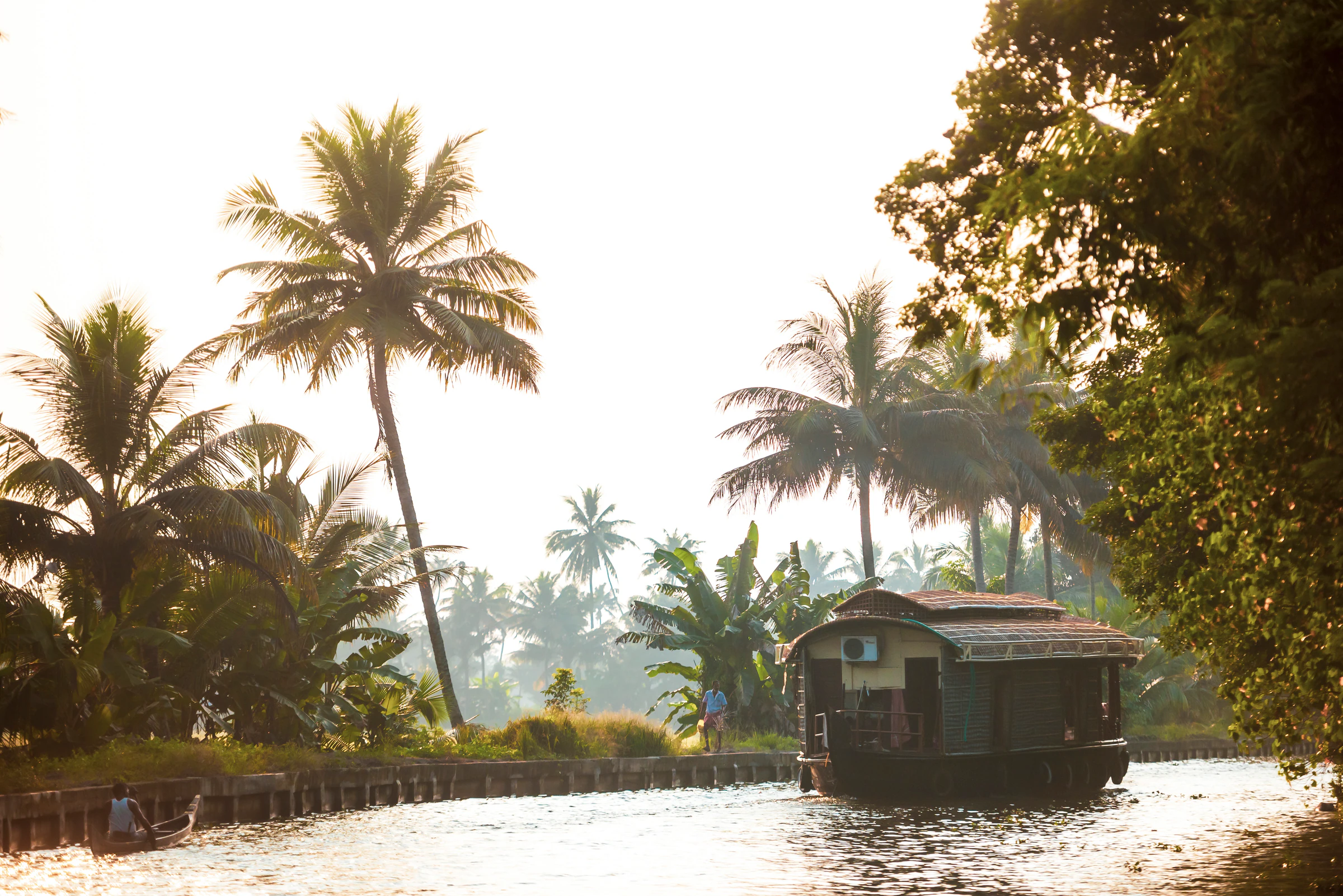
Kerala's signature is the Alleppey backwaters: a wooden kettuvallam houseboat drifting along canals lined with coconut palms, usually as a shared day cruise or a canoe paddle rather than a solo overnight cabin, since most overnight boats are set up and priced for couples. A private overnight cabin for two runs roughly ₹7,000 to ₹15,000 depending on the boat's category and the season. If you book one, pick a boat registered with Kerala Tourism, with a visible KIV hull number, a current safety inspection and life jackets on board. A January 2026 Onmanorama report found more than 1,300 houseboats working Vembanad Lake against a capacity it put at about 500, so a canoe paddle through the narrower canals is the quieter way in (Kerala travel guide). Its beaches are a smaller part of the trip, mainly Varkala's clifftop and a quieter finish at Kovalam near Trivandrum. Sri Lanka runs the other way: three separate coasts, and a proper string of beach towns on the south coast, from Mirissa (whale watching) to Weligama (learning to surf) to the quieter bay at Hiriketiya. If a canal cruise through palm trees is what you pictured, Kerala wins; if you want days on end on a beach with a wider choice of towns, Sri Lanka does.
Winner: Kerala for backwaters, Sri Lanka for beaches; pick by which one you actually want.
Tea hills: Munnar vs Ella
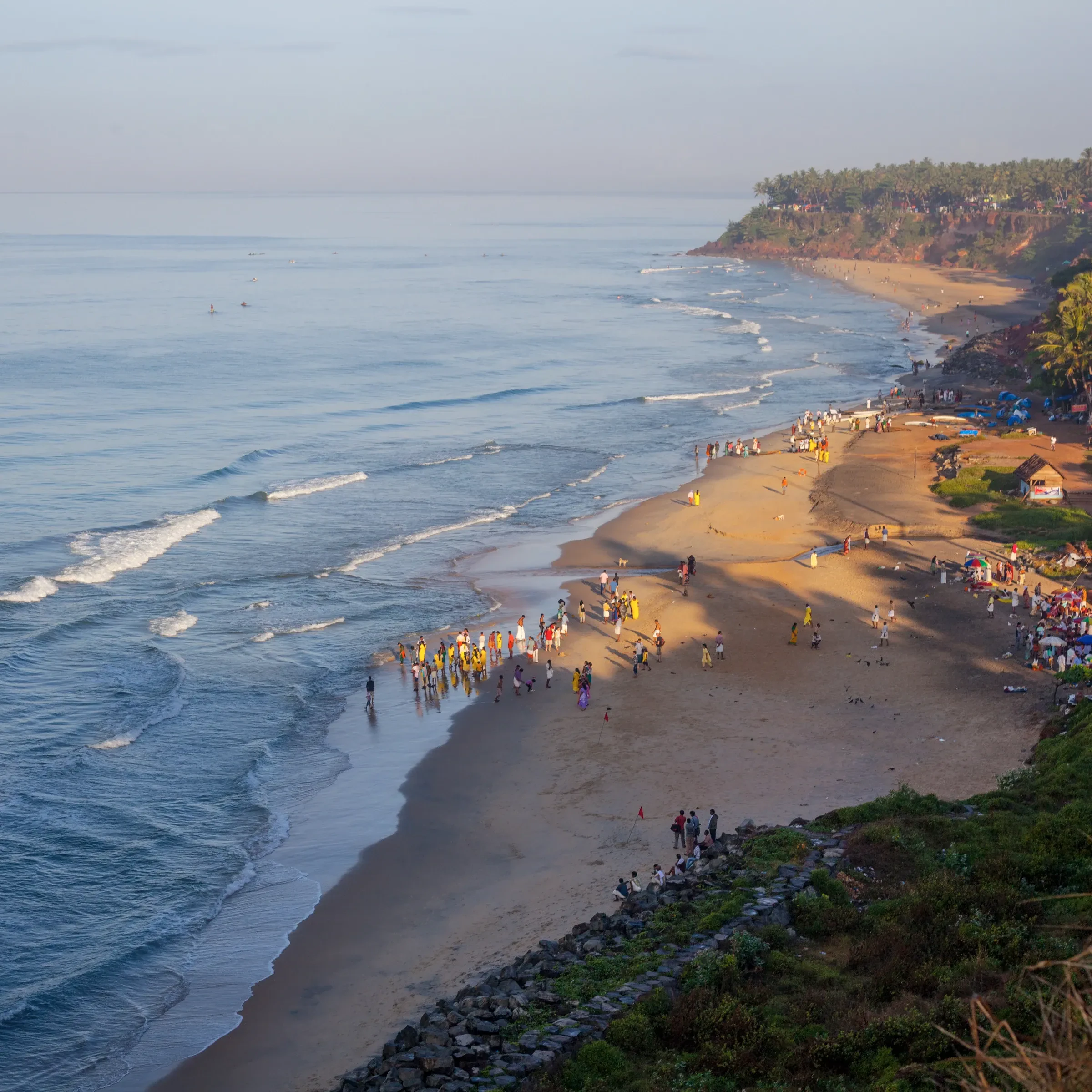
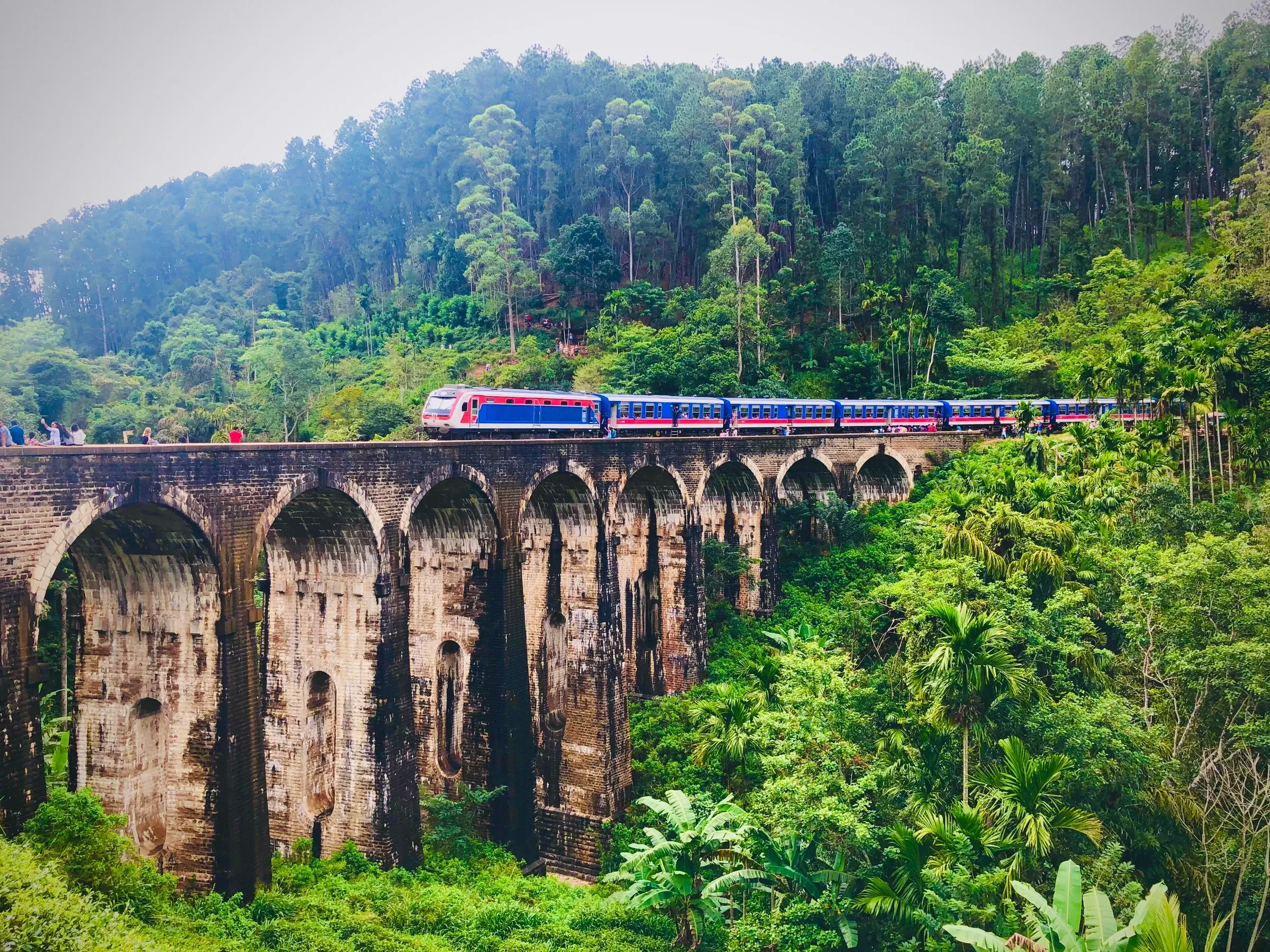
Both countries put a hill town at the centre of their tea country, and the two feel different in scale. Munnar sits about 4 to 4.5 hours by road from Kochi, with working tea estates, the Tea Museum and boating at Mattupetty; Eravikulam National Park, home to the Nilgiri tahr, closes each year for the calving season. In 2026 it was due to shut from 1 February to 31 March, so February and March are the months to avoid if the park is your reason for going (Onmanorama, 6 January 2026; Kerala travel guide). Ella is smaller and more geared to backpackers, with two easy walks (Little Adam's Peak and the Nine Arches Bridge) right on its doorstep and a scenic train connection. The train from Nanu Oya to Ella is running, but the Kandy to Nanu Oya stretch is closed, so you get to Nanu Oya by road first (Sri Lanka hill country guide). Munnar is the deeper tea-estate experience; Ella is the easier, more sociable stop with a famous train ride attached.
Winner: Tie. Munnar for scale and quiet, Ella for the train and the backpacker scene.
Wildlife
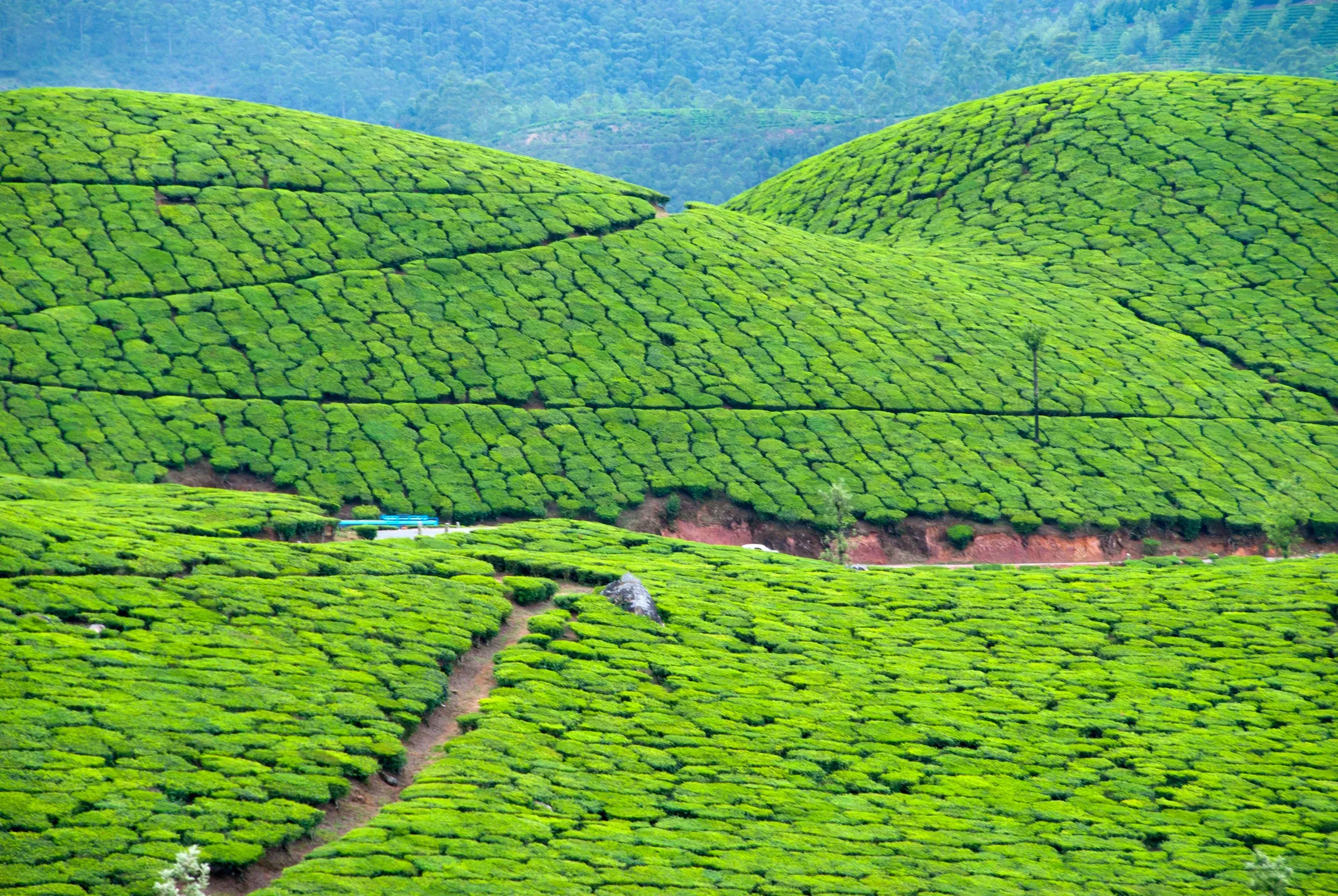
Kerala's wildlife centres on Periyar Wildlife Sanctuary at Thekkady, where a boat trip on Periyar Lake takes you along the shore watching for elephants and birds, and on Wayanad further north for forests and waterfalls (Kerala travel guide). Sri Lanka's safaris go further: Yala National Park is famous for leopards and has a reputation for one of the highest densities anywhere, and Udawalawe is calmer and built around large, reliable elephant herds. A foreign adult pays a US$25 base entry at Yala and Udawalawe, about US$42 to 45 once the extra charges are added, and the jeep is on top, priced per vehicle (Sri Lanka safari guide). From July to October, hundreds of elephants gather at Minneriya and Kaudulla, peaking from late August to mid-September, a seasonal spectacle Kerala doesn't have an equivalent to.
Winner: Sri Lanka, for range and the odds of a genuine big-animal sighting.
Food
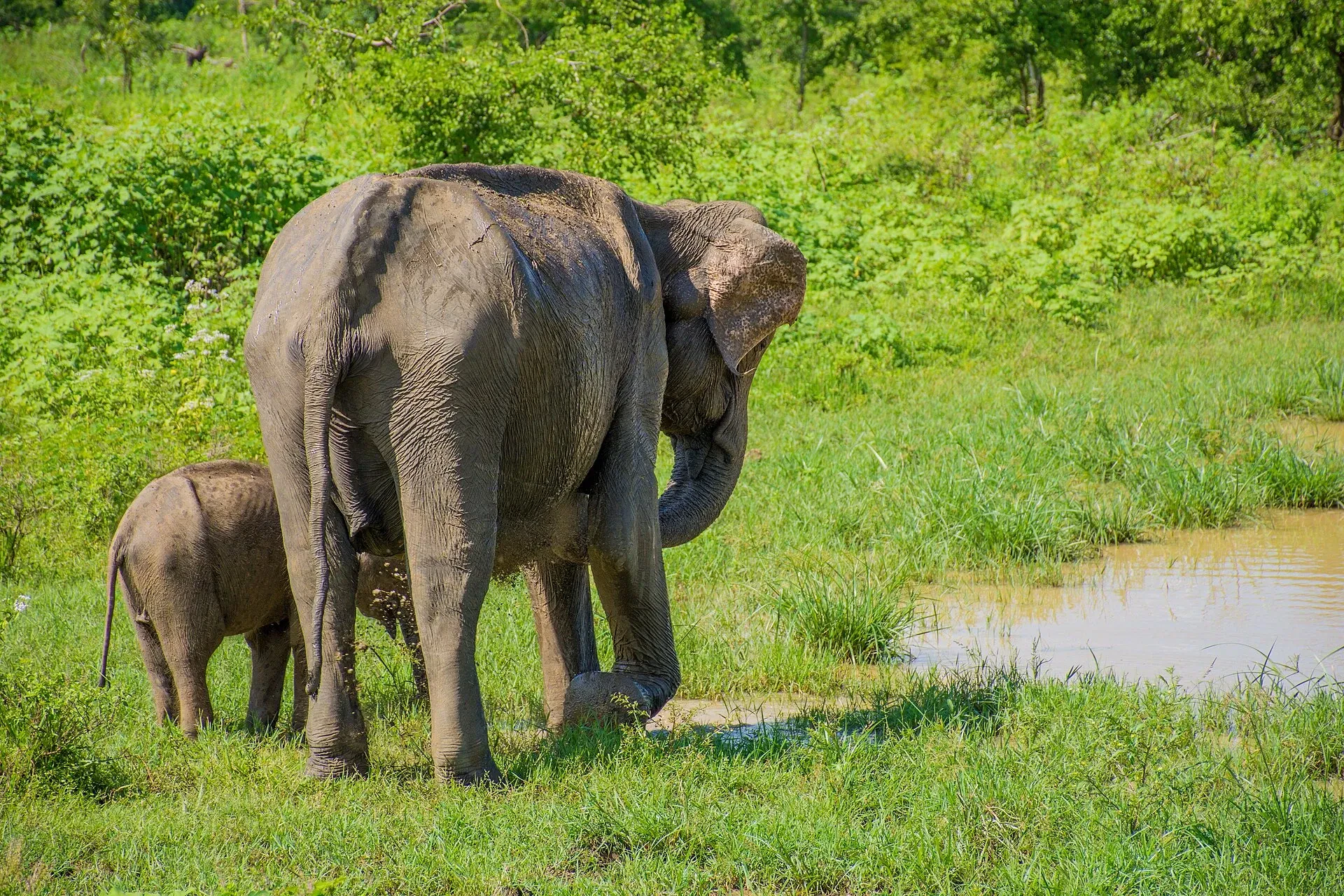
Kerala's food changes completely as you cross the state: meen curry (fish curry) with red rice in Fort Kochi, appam and stew for breakfast, and a full Onam sadya of more than two dozen dishes served on a banana leaf if your dates line up with the festival (Kerala food guide). Sri Lanka's constant is rice and curry, a spread of three or four vegetable curries with a fish or chicken curry and coconut sambol, alongside hoppers, string hoppers and kottu roti, with real regional shifts from the south coast's sour fish ambul thiyal to Jaffna's sharper, Tamil-influenced crab curry (Sri Lanka food guide). Both are genuine food destinations; Kerala's regional swing is a touch wider, Sri Lanka's daily rice and curry is easier to find consistently wherever you are.
Winner: Tie. Kerala for depth across a state, Sri Lanka for a dependable daily meal wherever you land.
Culture
Kerala's culture runs through Fort Kochi's spice-trade history, layered with Portuguese, Dutch, British and Jewish influence, Kathakali and Kalaripayattu performances in Kochi, and Ayurvedic treatment built into the region's identity. Sri Lanka's Cultural Triangle holds the island's ancient capitals: Sigiriya's 5th-century rock fortress, Dambulla's painted cave temples, and the ruined cities of Polonnaruwa and Anuradhapura, plus Kandy's Temple of the Tooth and a distinct Tamil culture and cuisine in Jaffna. Sri Lanka's sites are older and more extensive; Kerala's culture is more about a living, everyday layering of trading history and performing arts.
Winner: Sri Lanka, for the depth and scale of the ancient sites.
Alcohol
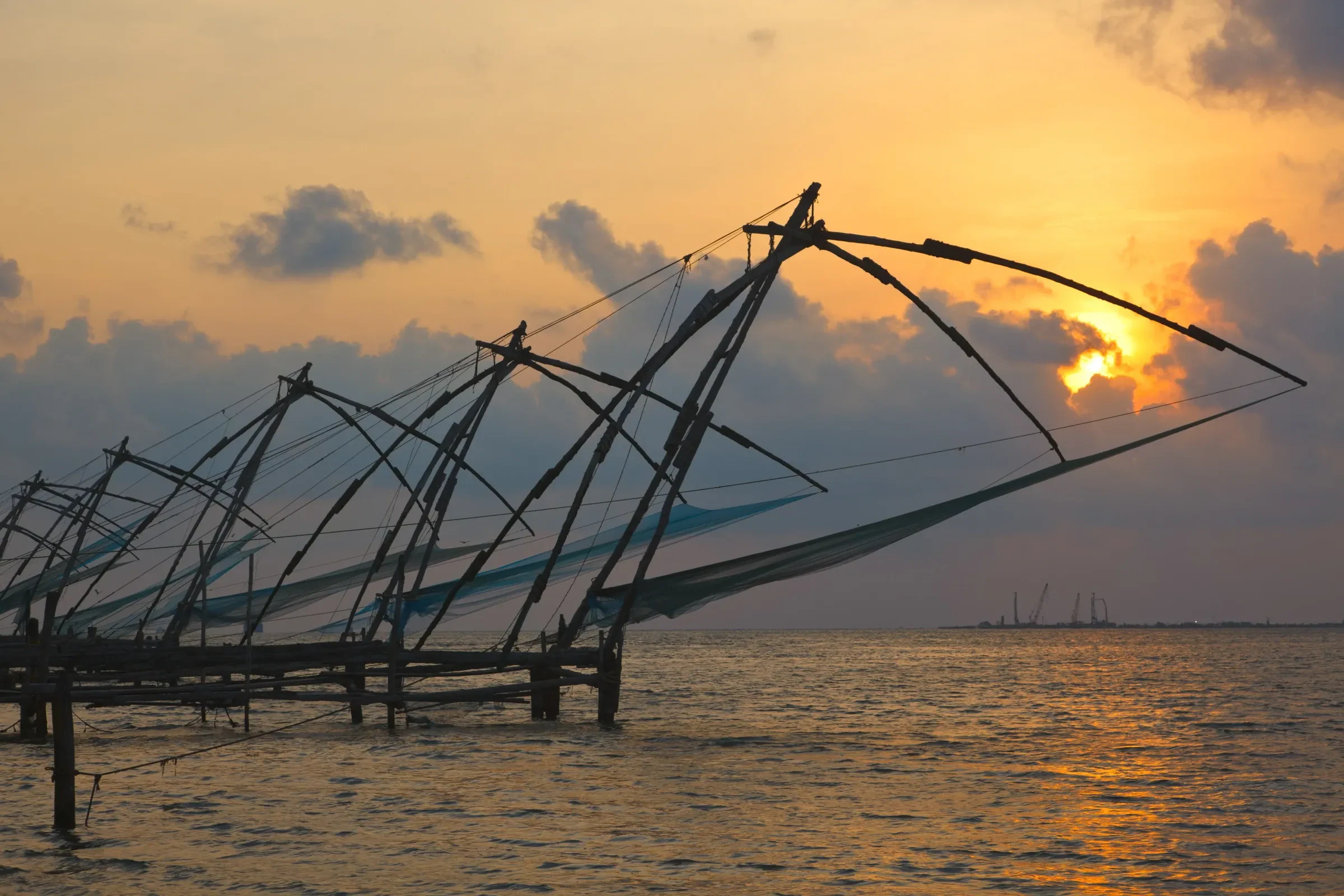
Both places restrict alcohol on set days. In Kerala, retail liquor is sold through government-run Bevco outlets, the legal purchase age is 23, and the first day of every month is a dry day (calcguru.in, reviewed August 2026). Kerala Kaumudi reported on 2 July 2026 that the state plans to enforce the age limit with ID checks. Hotels of three stars and above can hold bar licences. The 2025 to 2026 policy allows dry-day service only at registered weddings and international conferences, not in ordinary bars. In Sri Lanka, liquor shops and bars close on every Poya (full moon) day and a few other dates, 18 days in 2025 (Ada Derana, 15 January 2025), with some tourist-board-approved hotels exempt on some of those days. Check the calendar for the week you travel, because both countries close shops and bars on those days.
Winner: Tie. Plan around the dry days in both.
Cost per day
Sri Lanka runs to about US$35 to $55 a day outside flights, covering a dorm bed or basic guesthouse room, food, local transport and a share of entry fees, though the Cultural Triangle's ticket prices push that up: the Central Cultural Fund lists Sigiriya at US$35 for a foreign adult (6 October 2026) (Sri Lanka budget guide). Kerala is cheaper on our own estimate: about ₹1,800 to ₹2,500 a day for a dorm bed or budget guesthouse, food, local transport and one activity, before long bus or taxi legs and a houseboat night (Kerala itinerary; India cost guide). Our India cost guide put US$1 at about ₹96 in September 2026, if you want to convert. The two ranges aren't built the same way, so read them as a rough guide to which country costs less, not a precise gap.
Winner: Kerala, on our estimates.
Visa and entry
Kerala means India's e-Tourist visa: apply online at indianvisaonline.gov.in between 4 and 120 days before you fly. The 30-day visa costs US$25 (US$10 from April to June) and the 1-year visa US$40; the 5-year option runs from US$160 to US$484 depending on nationality. You also need a free e-Arrival card, filed within 72 hours before you land, and since early July 2026 an Air Suvidha health declaration, filed within 24 hours before you land (India visa guide). Sri Lanka's ETA has been free since 25 May 2026 for nationals of 40 countries, including the UK, US, Canada, Australia, New Zealand and India, for a 30-day, double-entry stay. Everyone else pays US$50 online (US$20 for SAARC nationals), and you apply at eta.gov.lk before you fly. Sri Lanka also runs a free online arrival card, separate from the ETA, which you can fill in up to three days before you arrive (Sri Lanka visa guide). Both countries give about 30 days on the basic permit, so the difference is the fee and the extra India forms, not the length of stay.
Winner: Sri Lanka, for nationals of the 40 free-ETA countries.
Getting around
Kerala's KSRTC buses are the cheapest way between stops, at 3 to 5 hours between Kochi, Munnar, Thekkady, Alleppey and Varkala, with private taxis and vans faster but pricier. Sri Lanka's distances are shorter, generally 2 to 4 hours by bus, PickMe-hailed car or hired driver, though its hill-country railway is still recovering from Cyclone Ditwah's November 2025 damage. As of 6 October 2026, trains run from Colombo Fort to Peradeniya and Gampola, and from Nanu Oya to Badulla through Ella. Peradeniya to Kandy, Gampola to Nawalapitiya and Hatton to Nanu Oya are closed, with no confirmed reopening date. So the classic Kandy to Ella ride can't be done end to end: go by road from Kandy to Nanu Oya (3 to 4 hours), then take the train to Ella (about 2.5 hours) (Sri Lanka's getting around guide; Kandy to Ella train guide). Both countries reward booking ahead on their signature train rides and popular routes.
Winner: Sri Lanka, for shorter hops overall, with the rail workaround built in.
Seasons: Kerala's monsoon vs Sri Lanka's two coasts
Kerala has one clear rainy season to avoid: June to September, its southwest monsoon, with heavy rain, landslide risk on hill roads and reduced houseboat comfort. November to February is the easiest stretch for both the hills and the coast (Kerala travel guide). Sri Lanka splits in two. The south-west monsoon runs May to September and hits the south and west coasts and the hill country, while the north-east monsoon runs December to February and hits the north and east. That puts the south and west coasts and the hills at their best roughly November to April, and the east coast (Arugam Bay, Trincomalee, Pasikudah) roughly May to September. October and November are the rainiest period across the whole island, and April is mixed everywhere (Sri Lanka best time guide). So Sri Lanka has a dry coast somewhere for most of the year, which Kerala doesn't during its monsoon months.
Winner: Sri Lanka, for having a dry coast for most of the year.
Solo-friendliness
Both are travelled solo regularly, including by women. Sri Lanka is generally the more relaxed of the two: a compact island, English widely spoken in tourist areas, and a well-worn backpacker route through the Cultural Triangle, hill country and south coast. Kerala is gentler than the rest of India, with a slower pace and a genuinely warm welcome, but it's still part of India, where official advice from the FCDO asks for more care around solo women's safety than for most Southeast Asian destinations (solo trips for women in Asia). Booking your Kerala leg with a group, and travelling more independently through Sri Lanka afterwards, is a reasonable way to split the difference.
Winner: Sri Lanka, on ease; Kerala is more manageable with a group.
Which should you choose?
| If you're... | Choose |
|---|---|
| Planning your first trip to South Asia | Sri Lanka |
| Watching every rupee, pound or dollar | Kerala |
| After a proper beach-town scene with a choice of coasts | Sri Lanka |
| Drawn to a slow backwater cruise over a beach holiday | Kerala |
| Hoping for a leopard or a big elephant herd, not just birds | Sri Lanka |
| Already comfortable travelling solo in India, or building Kerala into a longer Indian trip | Kerala |
| Short on time, holding a passport on the free-ETA list, and wanting entry sorted online with no fee | Sri Lanka |
| Building a longer South India route through Goa, Hampi or Tamil Nadu | Kerala |
Why not do both?
You don't have to pick one. Kochi and Colombo are about 1 hour 10 minutes apart by direct flight on SriLankan Airlines or Air India, and the weekly schedule varies by season, so combining the two countries is realistic on anything from 3 weeks to a month. A workable route: start with our 10-day South India: Goa to Kerala trip, ending in Kerala, fly Kochi to Colombo, then pick up a Sri Lanka route of your own or join our 7-day Sri Lanka Express for Sigiriya, Kandy and Ella. That gives you backwaters and tea hills in Kerala, then ancient cities and hill country in Sri Lanka, without either country feeling rushed. Travelling independently, book the Kochi-Colombo leg a few weeks ahead in peak season and add a spare day either side for connections.
Keep planning
- Kerala travel guide and Kerala itinerary for the full route
- Sri Lanka travel guide and Sri Lanka visa guide
- India vs Thailand, for how India compares to a Southeast Asia first trip
- Solo trips for women in Asia
- India group trips and Sri Lanka group trips