Sri Lanka doesn't have one weather. It has two monsoons that favour opposite sides of a fairly small island, so a month that's perfect on the south coast can be the wrong month for Trincomalee, and the other way round. Below: the two monsoons, the weather by region and by month, wildlife and surf seasons, and the festivals worth building a trip around. For routes and the rest of the planning, see our Sri Lanka travel guide.
Sri Lanka's two monsoons
Sri Lanka's Department of Meteorology splits the year into four rainfall seasons, as set out in the Department of Census and Statistics' 2024 Statistical Abstract:
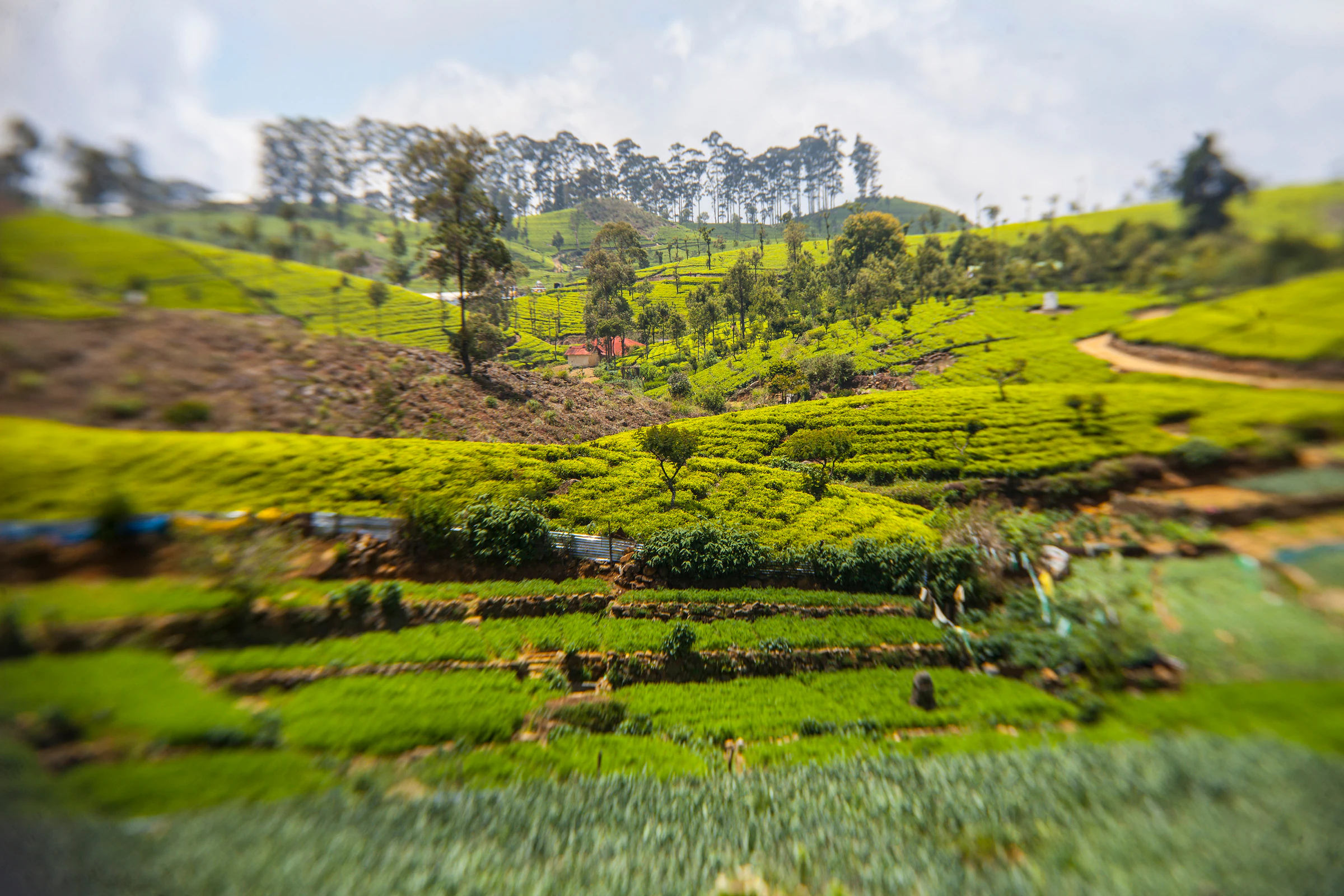
- South-west monsoon, May to September. The rain falls mostly over the south-western parts of the island, and the hill country in the Kegalle and Nuwara Eliya districts gets more than 3,000 mm.
- North-east monsoon, December to February. The eastern half of the island receives from about 200 mm to over 1,200 mm.
- Inter-monsoon periods, March to April and October to November. The abstract calls October to November the rainiest period of the year for the island as a whole, with more than 500 mm at many locations, and says March to April has lighter rain. The Department of Meteorology describes inter-monsoon rain as mainly afternoon or evening thundershowers.
So the south and west coasts and the hills get their monsoon rain from May to September, the eastern half gets its monsoon rain from December to February, and October and November are wet across the island.
Best time for each region
South and west coast: Mirissa, Weligama, Hiriketiya, Galle, Unawatuna
Best roughly November to April, with December to March the driest and calmest. Colombo, at the northern end of this coast, averages 75 to 85 mm of rain in January and February, against 265 to 315 mm in April and May and 365 to 395 mm in October and November (climatestotravel.com averages). Temperatures stay at about 27 to 29°C all year, so it's the rain and the sea state that change, not the heat.
Hill country: Kandy, Ella, Nuwara Eliya
Best roughly November to April, on the same calendar as the south-west coast. Nuwara Eliya, nearly 1,900 m up, stays cool at about 15 to 17°C all year (climatestotravel.com), so pack a layer whatever the month.
The Cultural Triangle: Sigiriya, Polonnaruwa, Anuradhapura
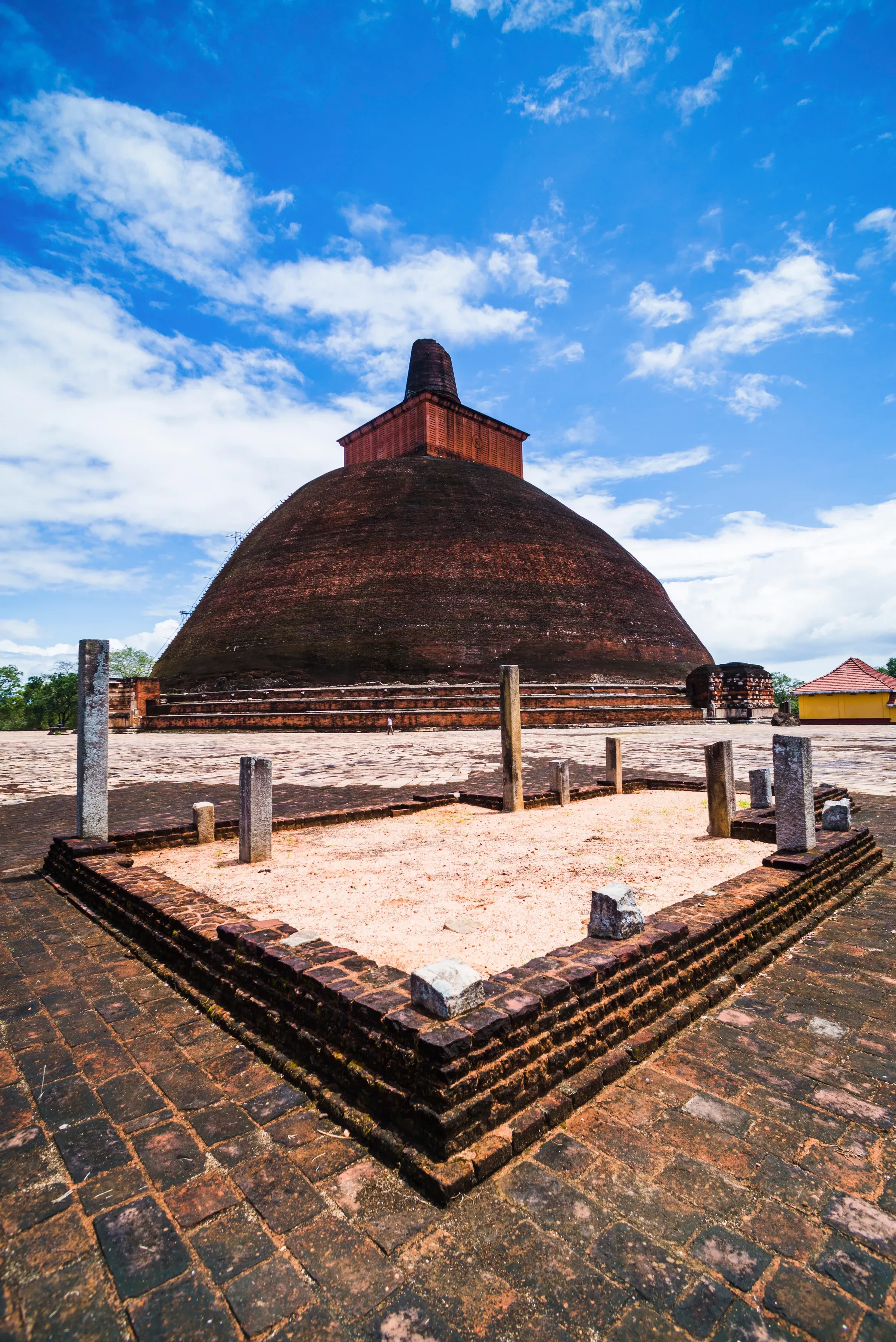
Best January to March, sitting outside the worst of both monsoons. The heaviest rain falls from October to December, and April is mixed. Our Cultural Triangle guide covers the sites themselves.
East coast: Arugam Bay, Trincomalee, Pasikudah
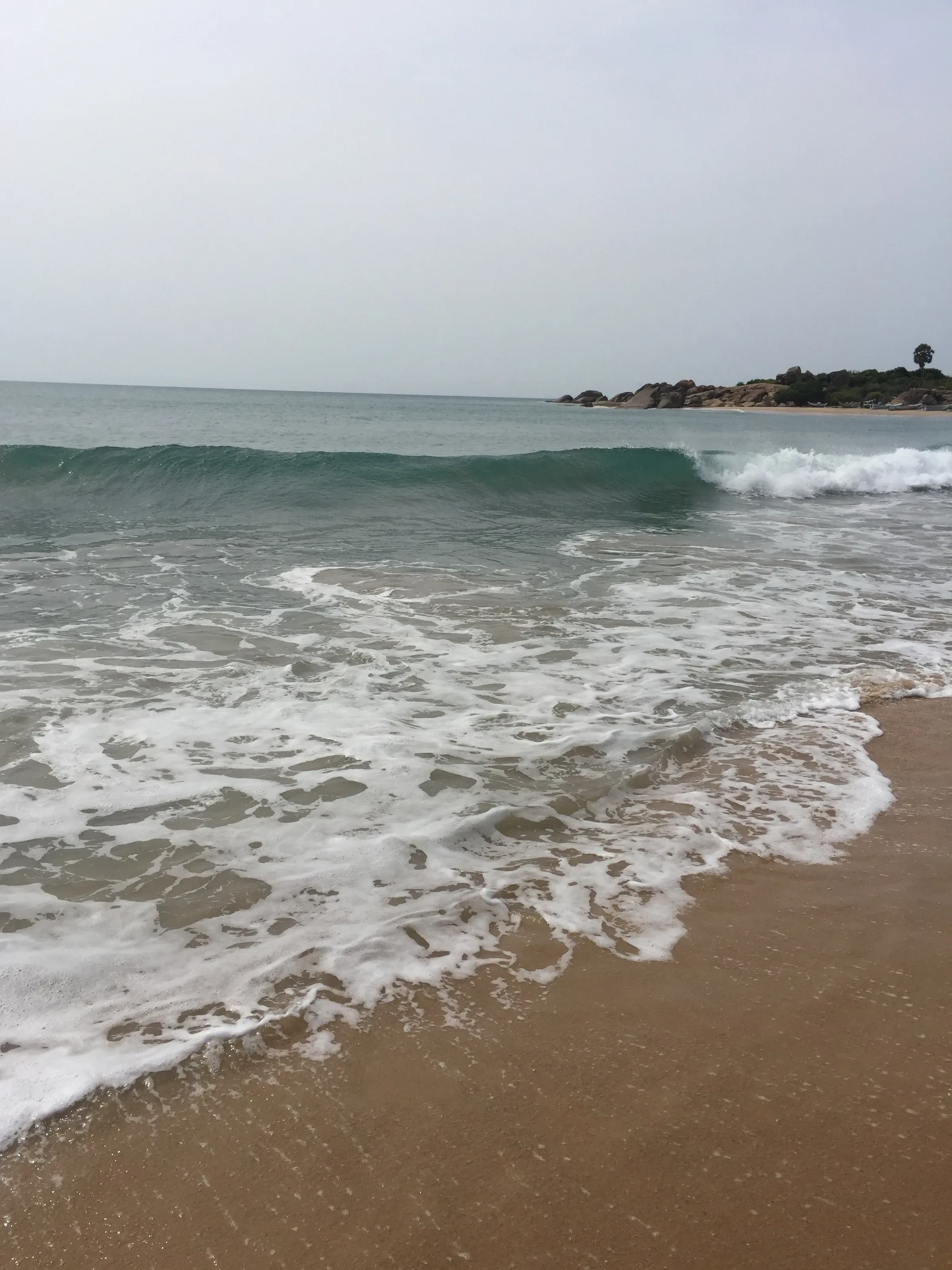
Best roughly May to September, the mirror image of the south coast. Trincomalee averages 25 to 65 mm of rain from June to August and 340 to 375 mm in November and December, with temperatures of 26 to 31°C (climatestotravel.com). This is also the region's surf and whale-watching season (see below). Pigeon Island National Park near Trincomalee is typically closed in the north-east monsoon, and boats may not run on rough days.
Sri Lanka month by month
Sri Lanka in January
One of the best months for the classic route. The south and west coasts, the hill country and the Cultural Triangle are all in their drier season, and Mirissa's whale-watching season is well under way. The north-east monsoon is still affecting the east, so Trincomalee and Arugam Bay are poor choices. Adam's Peak's pilgrimage season is under way too.
Sri Lanka in February
Still in the best window for the south coast, the hills and the Cultural Triangle. The north-east monsoon ends this month, and the east is starting to improve. Colombo's Navam Perahera, a procession around Beira Lake, falls on the Navam full moon around now (19 to 20 February 2027, estimated).
Sri Lanka in March
Still a strong month for the south coast, hill country and Cultural Triangle. March to April is an inter-monsoon period with lighter rain than October to November, mainly afternoon or evening thundershowers. The east coast keeps improving, and the Trincomalee whale-watching season can start around now.
Sri Lanka in April
A mixed month everywhere, still in the March to April inter-monsoon period, with the south-west monsoon due in May. This is also when the Sinhala and Tamil New Year falls (13 to 14 April 2027, with 14 April a gazetted public holiday), which affects transport and hotel demand nationwide more than the weather.
Sri Lanka in May
The south-west monsoon sets in, so this is a poor month for the south coast and hill country. The east coast's season starts: surf builds at Arugam Bay and whale watching picks up around Trincomalee. Vesak falls on 19 May in 2027, and Adam's Peak's pilgrimage season ends around then.
Sri Lanka in June
The south coast and hills are in the south-west monsoon, which runs to September. The east coast is good, and Trincomalee's whale watching is often cited as most reliable in May and June. Poson, which draws pilgrims to Anuradhapura and Mihintale, falls on 18 June in 2027.
Sri Lanka in July
Much the same as June on both sides of the island. The east coast surf at Arugam Bay is building toward its peak. The elephant gathering at Minneriya and Kaudulla starts around now (see below), and the Kataragama Festival in the south ran 15 to 30 July in 2026 (about 4 to 19 July in 2027, estimated).
Sri Lanka in August
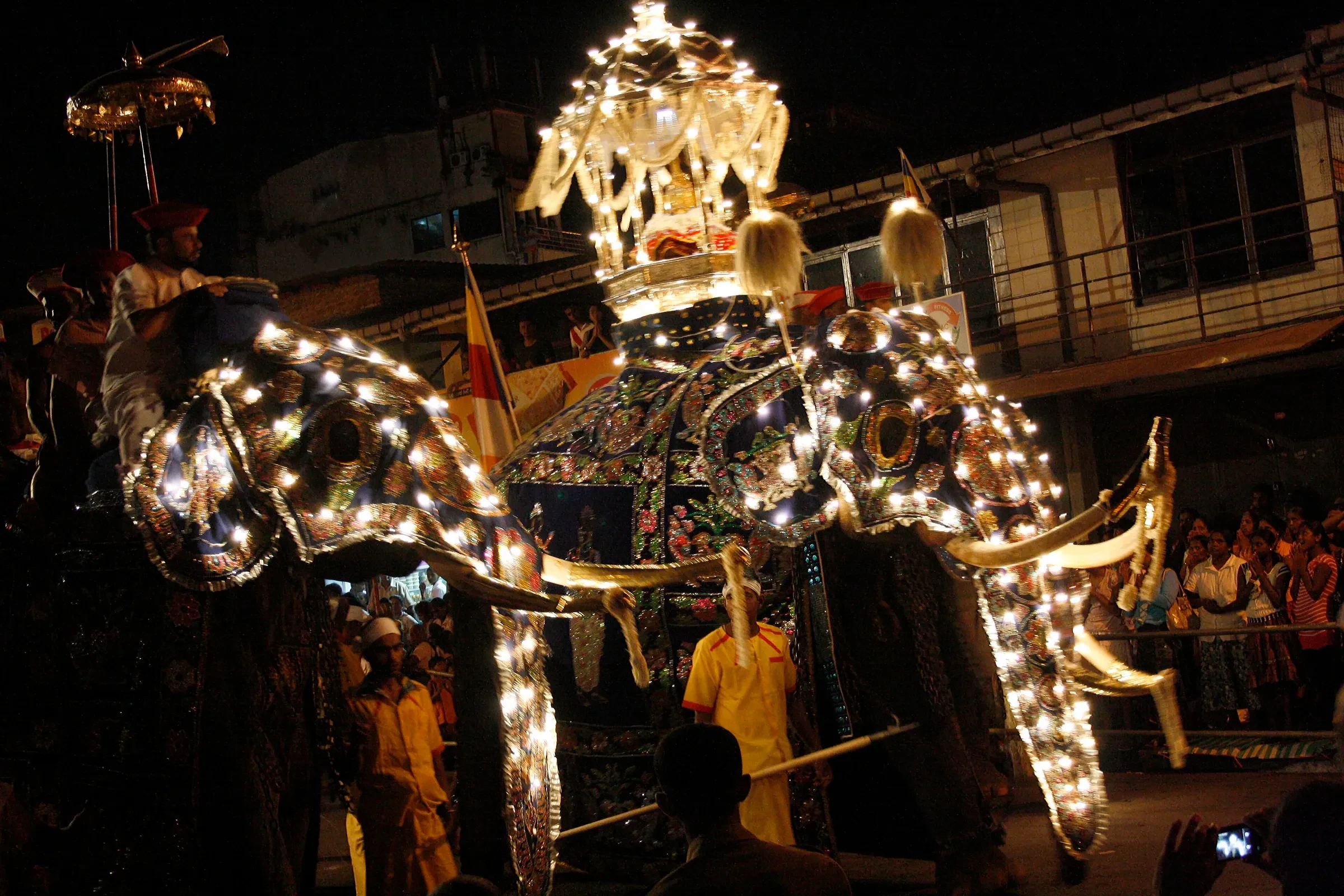
Peak season on the east coast, with Arugam Bay's surf at its best and Trincomalee still a good whale-watching bet. Kandy's Esala Perahera usually falls in late July or August: the 2026 festival ran 18 to 28 August, and 2027 is estimated at 6 to 16 August. The south coast and hills are still in the south-west monsoon.
Sri Lanka in September
The south-west monsoon runs to the end of this month, and the south coast and hills move into their November to April season from November. The Minneriya and Kaudulla gathering is near its peak, and the east coast is in its last strong month before the weather turns. In 2026, Yala's Blocks 1 and 2 were closed from 14 September to 15 October.
Sri Lanka in October
The second inter-monsoon begins, and the Department of Statistics calls October to November the rainiest period of the year for the island as a whole. The FCDO warns that heavy inter-monsoon rain has raised the risk of floods and landslides. The Cultural Triangle is entering its heaviest rain, the south coast and hills are improving but not yet at their best, and the east coast is heading into its wet season.
Sri Lanka in November
The south coast and hills move into their November to April season, and Mirissa's whale-watching season starts up again. The Cultural Triangle is still in its heaviest rain, and the east coast is heading into its wettest stretch.
Sri Lanka in December
The north-east monsoon begins and the east is wet. The south coast and hill country are in their best window, and whale watching at Mirissa is at its peak. The Cultural Triangle is still in the October to December rain. Adam's Peak's pilgrimage season opens with the Unduvap full moon on about 23 December 2026.
Whale watching season
Mirissa is best from roughly November to April, with December to March the peak stretch for calm seas, visibility and whale numbers. Trincomalee runs on roughly the opposite pattern, from around April or May through September, with May and June often cited as the most reliable months. Sources disagree on the exact start and end months for Trincomalee, so treat the edges as soft. Between the two, whale watching is possible somewhere on the island for most of the year, though not on the same coast in the same month.
Elephant gatherings and safari seasons
The elephant gathering at Minneriya and Kaudulla runs from July to October, peaking from late August to mid-September, according to GoAsia (updated 20 March 2026). Other guides give August and September, so the edges of the season move from year to year. National parks can also close for part of the year: in 2026, the Department of Wildlife Conservation closed Yala's Blocks 1 and 2 from 14 September to 15 October, citing dry weather and drying water sources, with the other blocks open. Our Sri Lanka safari guide has the fees and closure details.
Surf seasons by coast
The south coast (Weligama, Hiriketiya, and nearby breaks around Mirissa and Unawatuna) surfs best from roughly November to April, with December to March the driest and calmest stretch. From May to September that coast gets rougher water and more wind, though Weligama's sheltered bay still gives gentle beginner waves on many days. The east coast (Arugam Bay) runs the opposite season, best from April or May to September and peaking in July and August. A surf trip to one coast needs different dates from a trip to the other. Our Sri Lanka surfing guide covers the breaks.
Festivals and events
| Festival | When | Where |
|---|---|---|
| Navam Perahera | 19 to 20 February 2027 (estimated; Navam Poya is gazetted for 20 February) | Colombo |
| Sinhala and Tamil New Year | 13 to 14 April 2027 (14 April is a gazetted public holiday) | Nationwide |
| Vesak | 19 May 2027 (gazetted) | Nationwide, strongest in Colombo, Kandy and Anuradhapura |
| Poson | 18 June 2027 (gazetted) | Anuradhapura and Mihintale |
| Kataragama Festival | About 4 to 19 July 2027 (estimated) | Kataragama |
| Kandy Esala Perahera | 6 to 16 August 2027 (estimated; Nikini Poya is gazetted for 16 August); 2026 ran 18 to 28 August | Kandy |
| Adam's Peak pilgrimage season | Roughly 23 December 2026 to 19 May 2027, from the Unduvap full moon to the Vesak full moon | Adam's Peak |
Sinhala and Tamil New Year all but shuts the country down for a few days around 14 April, with transport and some shops running reduced hours as people travel to see family. Vesak marks the Buddha's birth, enlightenment and death with lanterns and free food stalls, and alcohol sales stop nationwide on the Poya day. Esala Perahera is Sri Lanka's grandest Buddhist festival: ten nights of elephant and dancer processions through Kandy, ending in a water-cutting ceremony. Our Kandy Esala Perahera guide has the detail, and our Sri Lanka festivals guide covers the rest. Poya dates follow the lunar calendar, so check the gazetted date nearer the time.
Best time for...
- A first trip covering the south coast, hill country and Cultural Triangle: January to March.
- The south coast and hills on their own: November to April, driest December to March.
- The Cultural Triangle: January to March, avoiding October to December.
- East coast surf at Arugam Bay: April or May to September, peaking July and August.
- Whale watching: roughly November to April off Mirissa, or roughly April or May to September off Trincomalee.
- The Minneriya and Kaudulla elephant gathering: July to October, peaking late August to mid-September.
- Fewer rain worries in the shoulder months: April is mixed everywhere, and October and November are the rainiest months for the island as a whole.
Plan your trip around the season
Our 12-Day Sri Lanka Tour and Sri Lanka Express both cover the south coast, hill country and Cultural Triangle, the route that January to March suits best. The Sri Lanka Surf Camp is based at Weligama and Hiriketiya, so it follows the south-coast surf season. The trip pages list the current departures.