Backpacking Sri Lanka means covering roughly the same Cultural Triangle to hill country to south coast route as our own trips, only slower, cheaper and with room to change your mind once you're there. If you already know how many days you have, our 10-day, 2-week and shorter itinerary guides give you a fixed day-by-day plan. This guide is for a longer, looser trip: how long to give it, a route that works, what it costs, and the practical details you'd otherwise learn at a bus stand, unsure which bus is yours.
How long do you need to backpack Sri Lanka?
Two to three weeks covers the Cultural Triangle, Kandy, the hill country and the south coast without rushing any of it, with room to add Polonnaruwa, an extra hill-country night at Nuwara Eliya, or a safari day. A month is long enough to slow right down on the coast, add the east coast around Arugam Bay or Trincomalee if your dates fall in its season (roughly May to September), or push north to Jaffna, which sits well off the standard route. Under two weeks still works, but it means picking either the hill country or a second beach town rather than fitting in everything.
A sample two to three week route
This isn't a fixed itinerary, since the point of backpacking is changing it as you go, but it's a solid shape to start from.
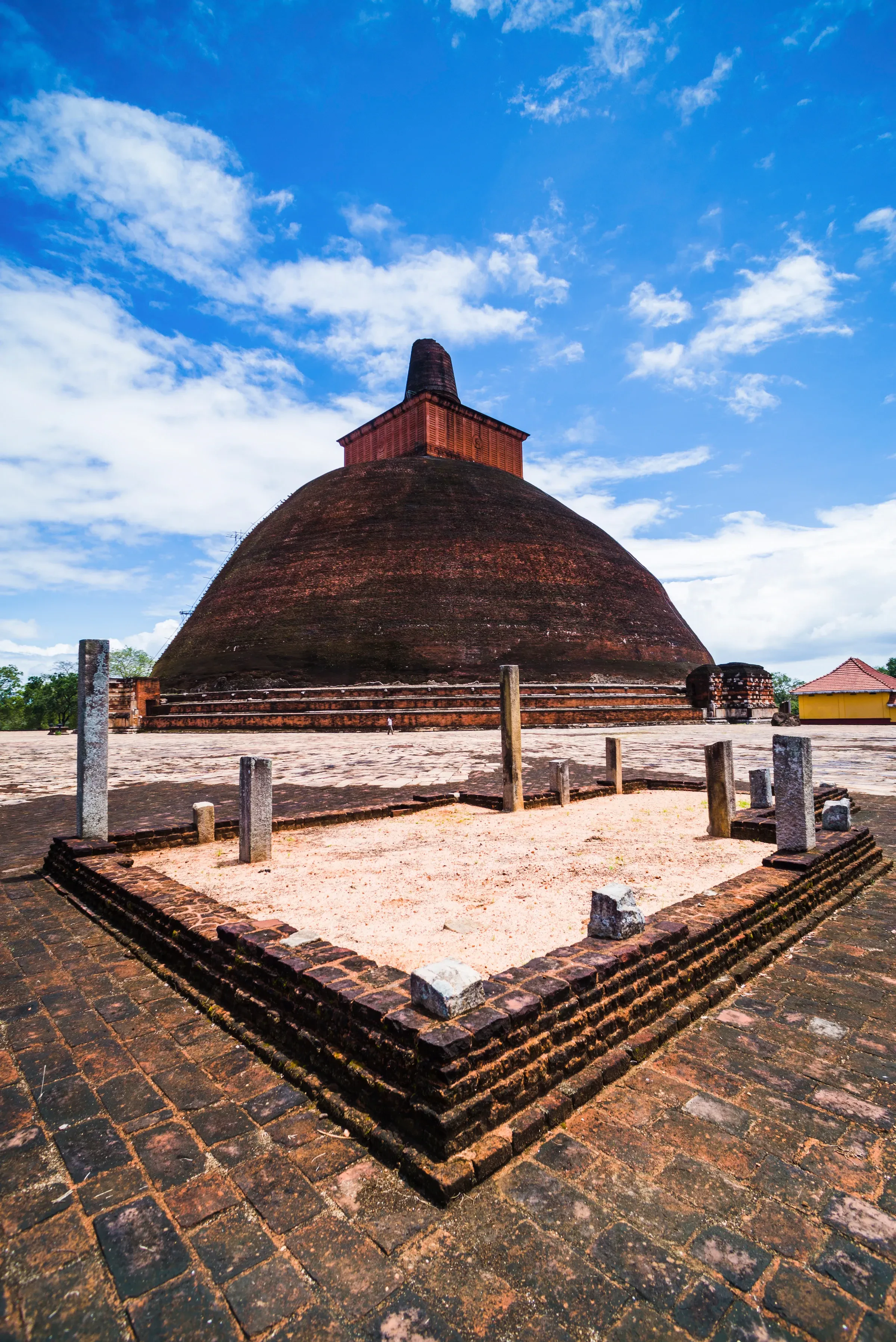
Week 1: Negombo and the Cultural Triangle. Land and spend a night in Negombo, close to the airport, then head inland to Sigiriya for the rock fortress and Dambulla's cave temples. With time to spare, add a day trip to Polonnaruwa for its ruins by bike, or push on to Anuradhapura if the older, more spread-out ancient capital appeals more than a second day of cycling ruins.
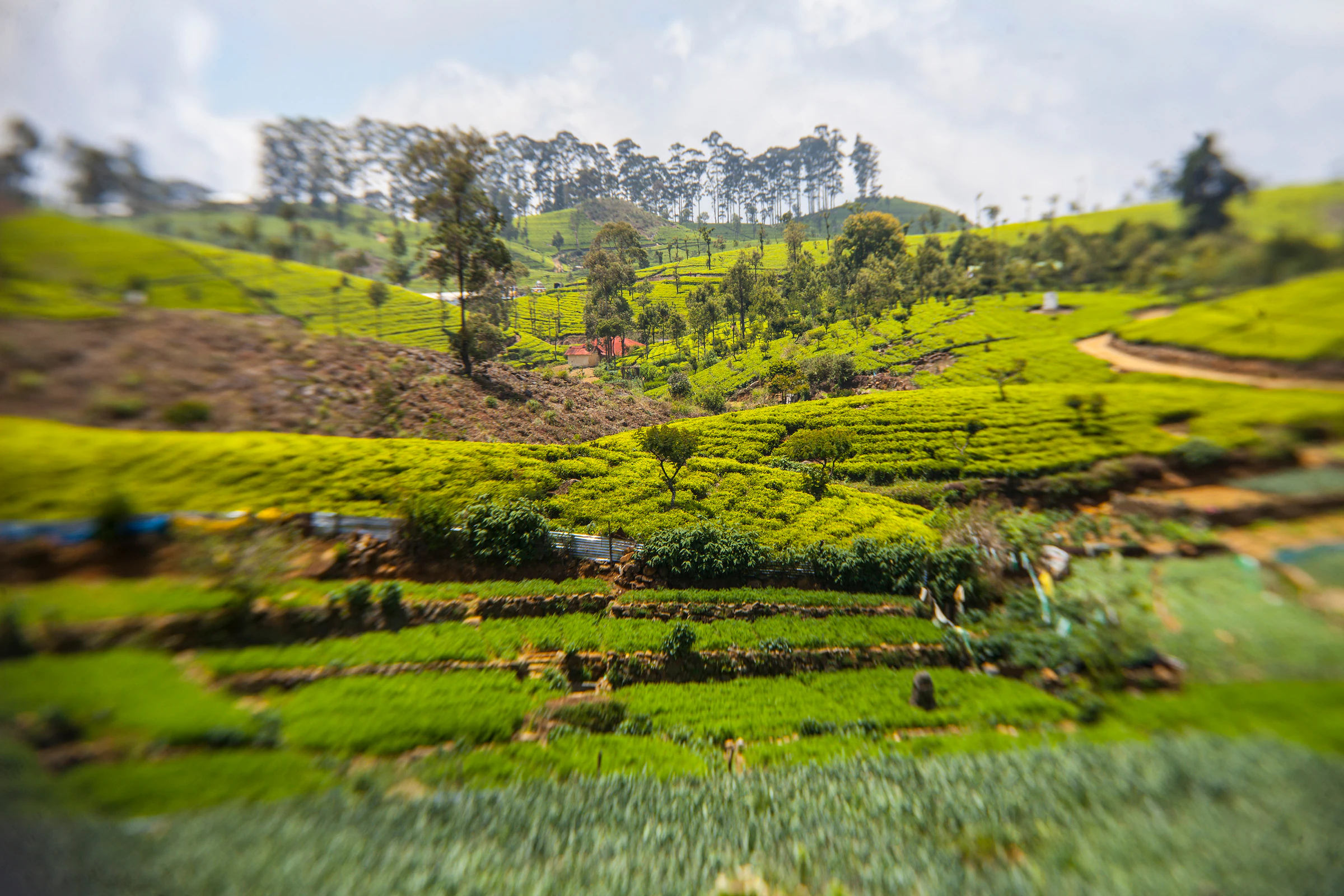
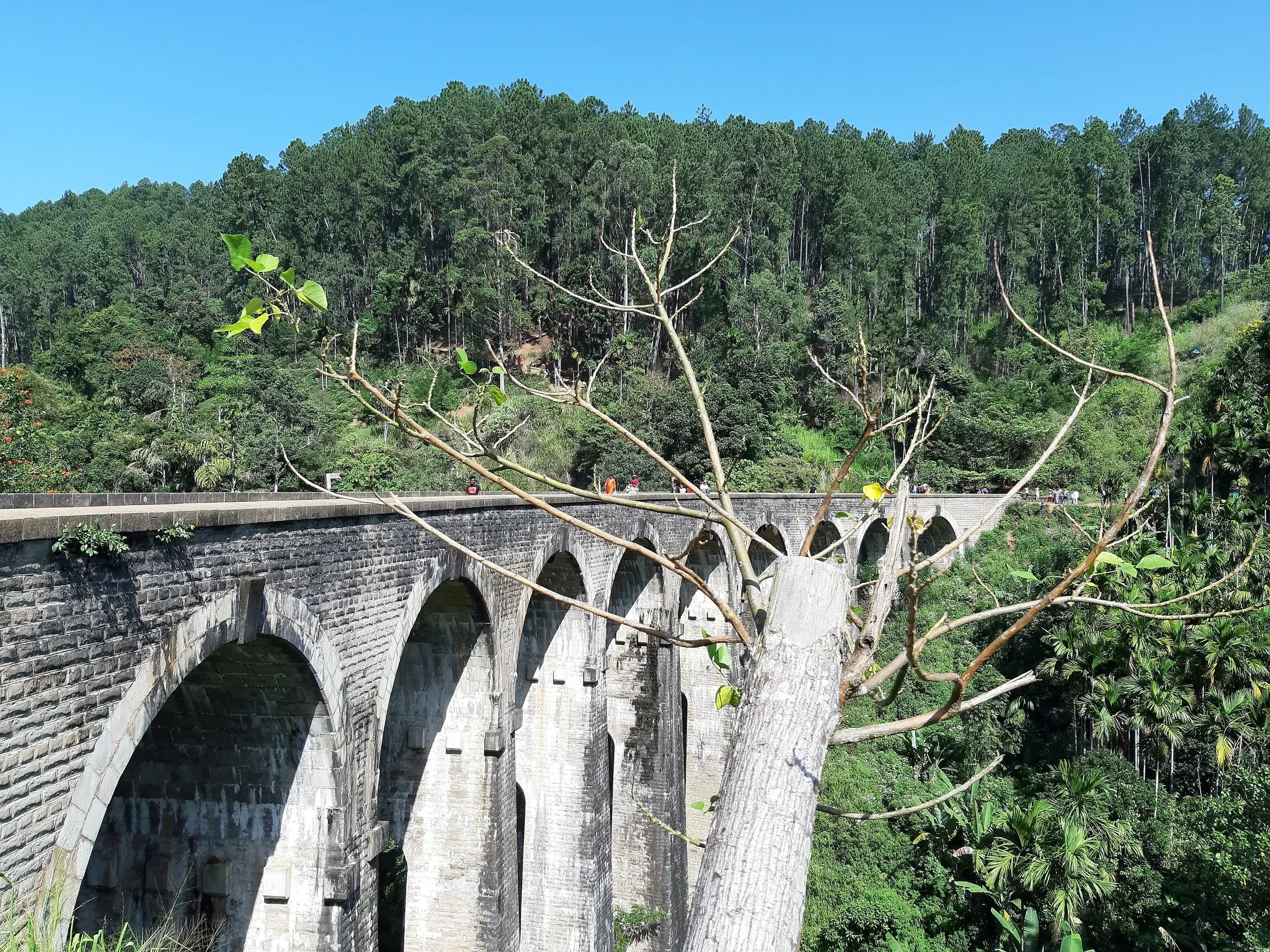
Week 2: Kandy and the hill country. A road journey brings you to Kandy for the Temple of the Sacred Tooth Relic and a walk around the lake. The classic Kandy to Ella train can't be ridden end to end at the moment, so most backpackers go from Kandy to Nanu Oya by road (3 to 4 hours) and take the train from there to Ella, for its two easy walks and the Nine Arches Bridge. Break the journey at Nuwara Eliya for tea estates and Horton Plains if you have the extra day. Adam's Peak's overnight pilgrimage climb is worth the detour in its season, roughly December to May, if sunrise from a 2,243-metre summit appeals more than a rest day.
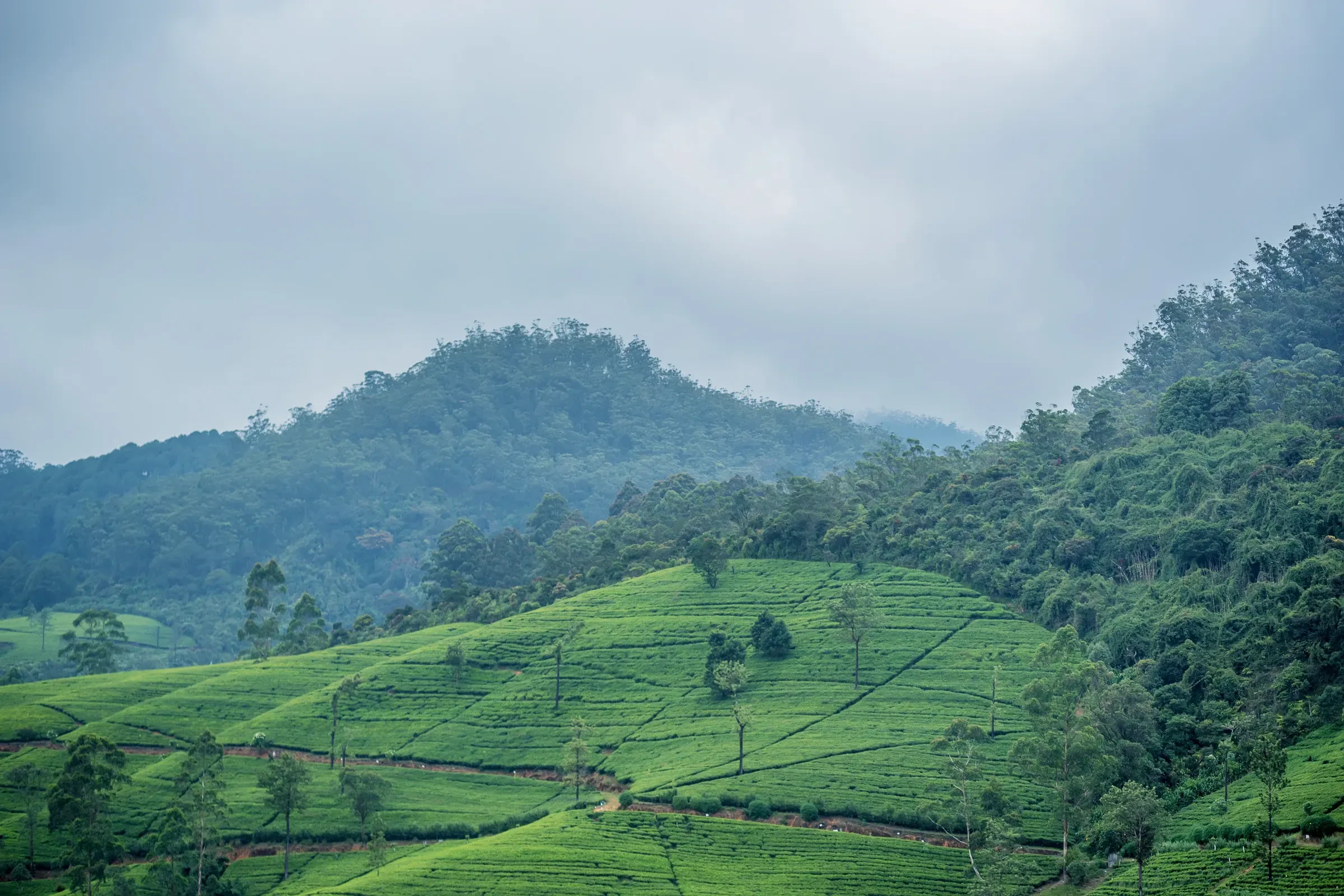
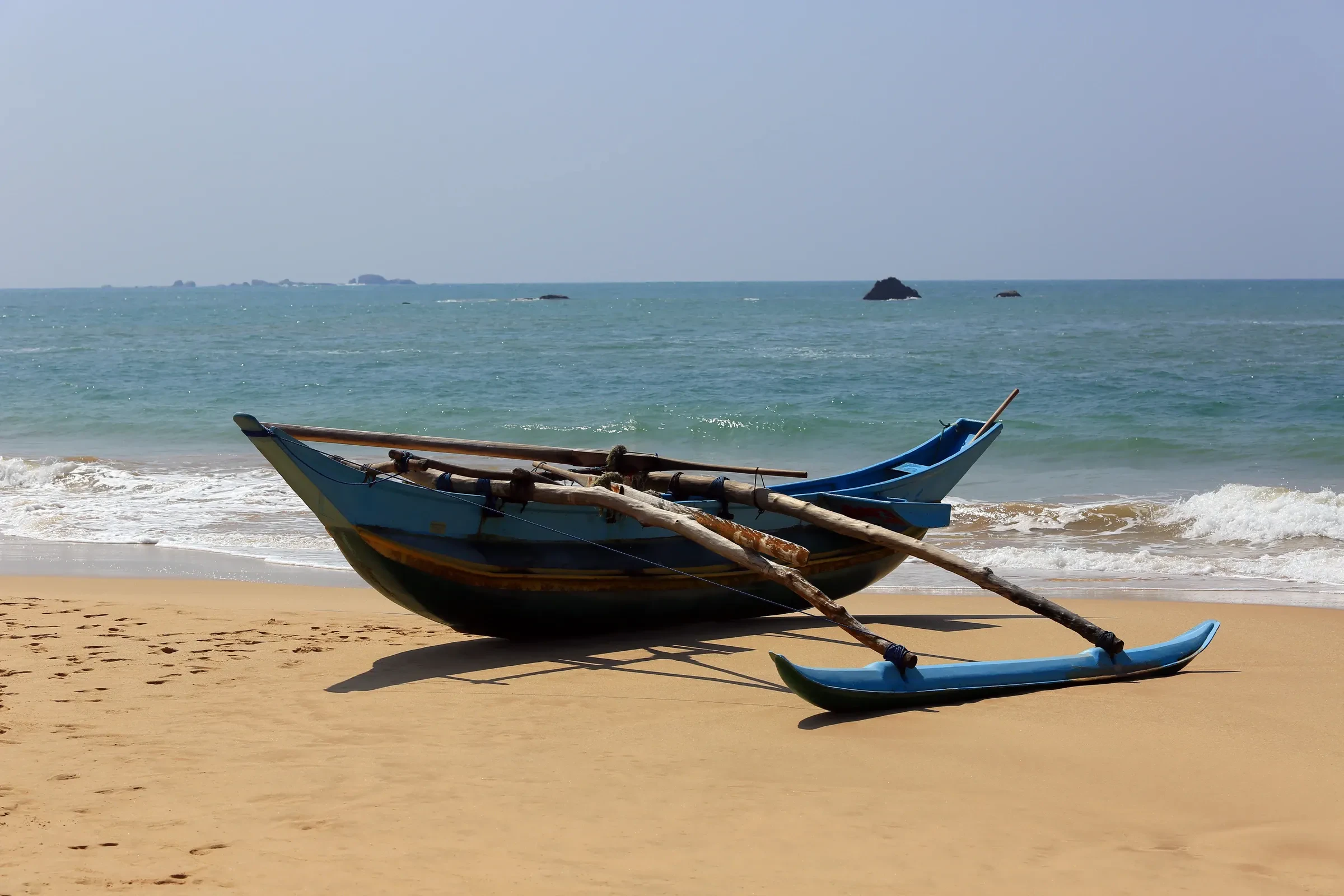
Week 3: the south coast, and beyond. Head down to Mirissa for the beach and, in season, whale watching, or Weligama if learning to surf is the point. A day trip covers Galle Fort's Dutch-walled old town, and a safari at Udawalawe or Yala is a realistic add-on from either base. With days to spare, Hiriketiya, Unawatuna and Bentota fill out the rest of the coast, or, if your dates line up with its own season, the east coast around Arugam Bay is a genuine extension rather than a detour.
What backpacking Sri Lanka costs
Our working budget is US$35 to 55 a day including a dorm bed. It covers food and drink, local transport and a share of entry fees. It leaves out your international flight, travel insurance, the ETA fee if your passport isn't on the free list, and big extras such as a private driver most days or a safari jeep. It's a planning range, not a surveyed average, and days with a big Cultural Triangle ticket or a safari cost more.
The prices we could confirm in 2026:
- Dorm bed: listing-site averages run about US$7 to 10 a night (see our hostels guide). We don't publish a rupee table, because prices vary by season and hostel.
- Cultural Triangle: the Central Cultural Fund's price page (6 October 2026) lists Sigiriya at US$35, Polonnaruwa at US$30 and Anuradhapura at US$30, and there's no combined ticket. Dambulla's fee conflicts between sources, so check it on the day.
- National parks: Yala and Udawalawe charge a US$25 base entry for a foreign adult, about US$42 to 45 with the service charge, vehicle fee and tax. The jeep is extra.
- Buses: minimum fares rose from 6 July 2026 to Rs 34, with normal services on routes of 100 km or more up 20%.
Our Sri Lanka cost guide has the exchange rates, what the daily budget includes and the sources for each price.
Getting around
Buses. Intercity buses and smaller minivans link almost every town and are the budget way to move, though winding roads make journeys slower than the distance suggests. Private tourist minivans and cars cost more but save time and are more comfortable for a group with luggage.
Trains. The hill-country railway is only partly open after Cyclone Ditwah in November 2025. As of 6 October 2026, trains run from Colombo Fort to Peradeniya and Gampola (since 2 October) and from Nanu Oya to Badulla through Ella (since 20 June, four trips a day). Peradeniya to Kandy, Gampola to Nawalapitiya and Hatton to Nanu Oya are closed, with no confirmed reopening date, so you can't ride from Kandy to Ella end to end. Go from Kandy to Nanu Oya by road (3 to 4 hours), then take the train to Ella (about 2.5 hours). Reservations for popular services open 30 days ahead and can sell out within hours. Stay inside the carriage rather than leaning out of doors or windows. Our Kandy to Ella train guide has the current status and booking steps.
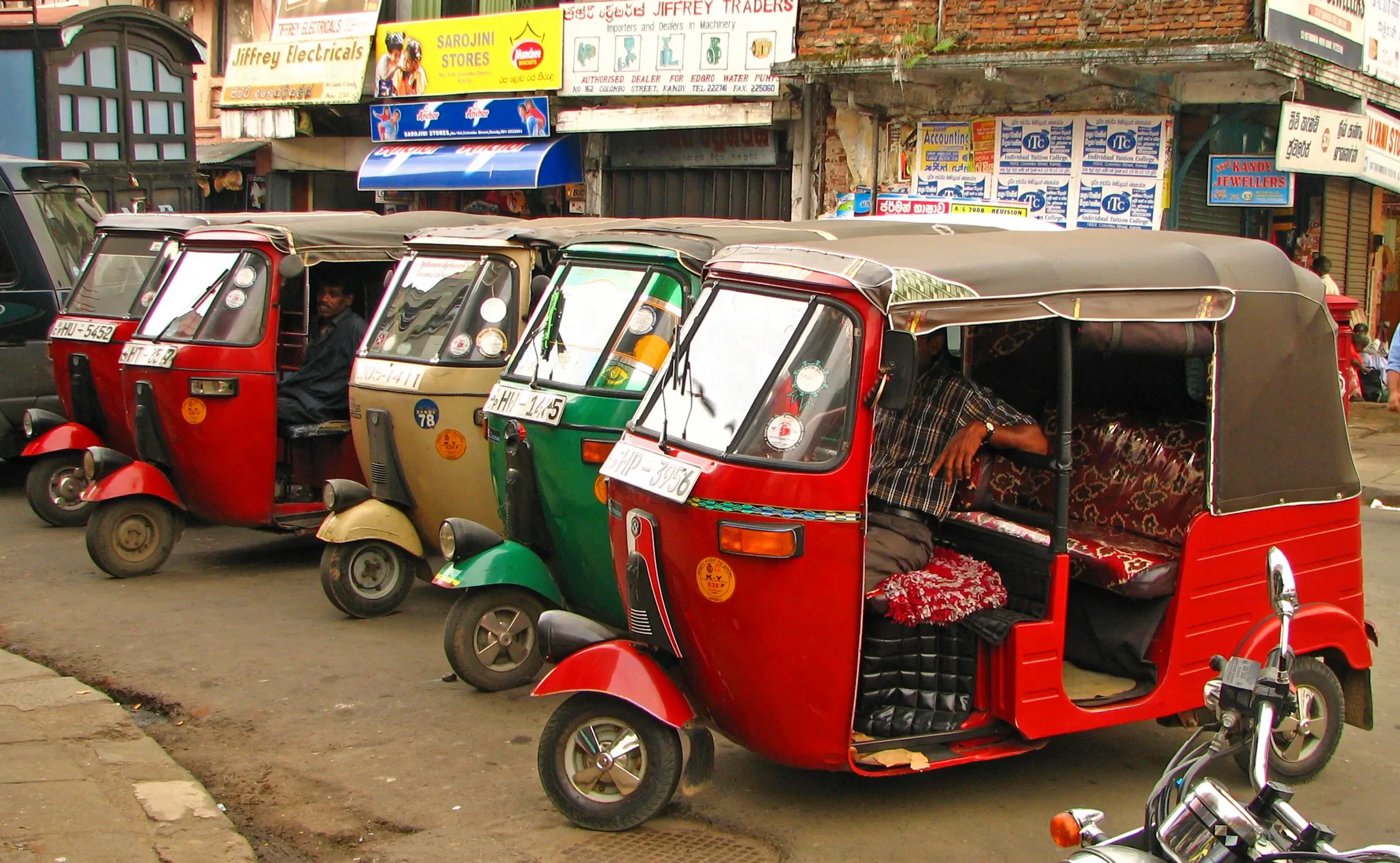
Tuk-tuks and PickMe. Tuk-tuks are the standard way to get around town. Agree the fare before you get in, or use PickMe, Sri Lanka's own ride-hailing app, which shows the price up front.
Fuel and self-drive. Sri Lanka has run a nationwide QR-code fuel quota since 15 March 2026. The FCDO says every vehicle gets a weekly quota in response to the situation in the Middle East, and that the government has made special arrangements for tour operators and hotels to limit disruption to tourism. It affects private vehicle owners more than organised tour transport, so if you're planning to rent a scooter or self-drive, check current advice before you commit.
Where to stay
Hostels in Sri Lanka are busiest in Ella, Mirissa, Weligama and Hiriketiya, and every stop on this route has a few options. Book ahead in Ella and on the south coast in the busy season, roughly November to April. Hangover Hostels is the one group with more than a couple of locations that we found, and its own site lists hostels at Mirissa, Ella, Arugam Bay and Yala. Our hostels in Sri Lanka guide covers where to stay at each stop on this route.
SIM and eSIM
Dialog and SLT-Mobitel both have counters in the arrivals hall at Bandaranaike Airport, and you need your passport to register a SIM. Tourist packs listed in 2026 run from about LKR 1,300 for 9 GB to about LKR 2,450 for 50 GB. Buying a travel eSIM before you fly skips the counter entirely.
Visa and entry
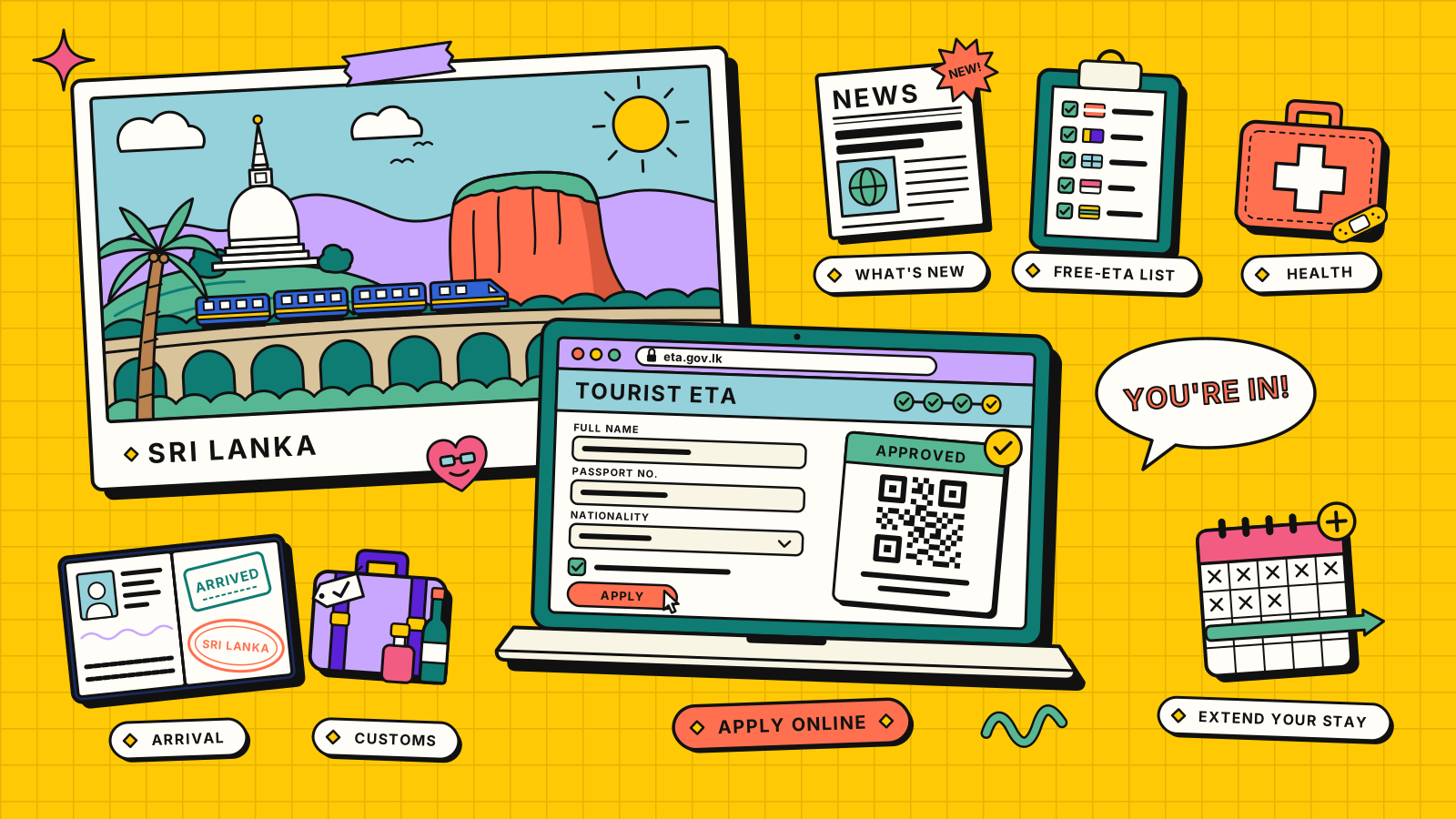
Every visitor needs an ETA (electronic travel authorisation), applied for online before you fly at the official site, eta.gov.lk. Since 25 May 2026, nationals of 40 countries, including the UK, US, Canada, Australia, New Zealand and India, get it free for a 30-day, double-entry stay. Twelve EU countries are on the free list (Austria, Belgium, Czech Republic, Denmark, Finland, France, Germany, Italy, the Netherlands, Poland, Spain and Sweden), but Ireland and the other EU countries aren't. Everyone else pays US$50 online, or US$20 for SAARC nationals. There's no "US$60 on arrival" fee. A free online arrival card also exists on the immigration department's portal, so check its site before you fly. If a longer, looser trip means you might want more than 30 days, apply for an extension through the Department of Immigration and Emigration's online portal before your stay runs out, rather than assuming you can leave and come back on a fresh one. Our Sri Lanka visa guide has the full rules by nationality.
Staying safe
The UK has no warning against travel anywhere in Sri Lanka, and Canada says to exercise a high degree of caution, as checked on 6 October 2026. Neither advises against the main tourist areas. Check the current US and Australian advice too. The practical risks are the ones in our Sri Lanka safety guide: tuk-tuk and gemstone scams, petty theft and drink spiking, strong currents at some beaches, dengue, and harassment of women in crowded places. Landmines remain in parts of the north and east, so stay on roads and cleared paths if you go that way. Flooding and landslides are a risk around the monsoon changeovers. The hill-country railway disruption is the practical risk most likely to derail a fixed plan, so build in a spare day either side of any journey that depends on a specific train.
What to pack
Pack for hot, humid weather on the coast and in the Cultural Triangle, with genuinely cool evenings in Kandy, Ella and especially Nuwara Eliya, all up in the hills. You'll want something that covers shoulders and knees for temples, comfortable shoes for the Sigiriya climb and the hill-country walks, swimwear, a refillable water bottle and a light rain jacket for the odd shower.
Best time to backpack Sri Lanka
January to March is the best window for a route that covers the Cultural Triangle, the hill country and the south coast, since all three are in their drier season then. The south and west coasts and the hills are good from roughly November to April, while the Cultural Triangle gets its heaviest rain from October to December. The south-west monsoon runs May to September, which is the season for the east coast around Arugam Bay and Trincomalee. Our best time to visit Sri Lanka guide goes month by month and coast by coast.
Prefer it planned, not backpacked
If you like this kind of route but would rather not book every bus, train and driver yourself, our trips cover the same ground with a small group of solo travellers aged 18 to 40. 12-Day Sri Lanka Tour runs through the Cultural Triangle, Kandy, Ella, an Udawalawe safari and the south coast; Sri Lanka Express covers the highlights in 7 days; Sri Lanka Surf Camp spends 8 days at Weligama and Hiriketiya instead.