January
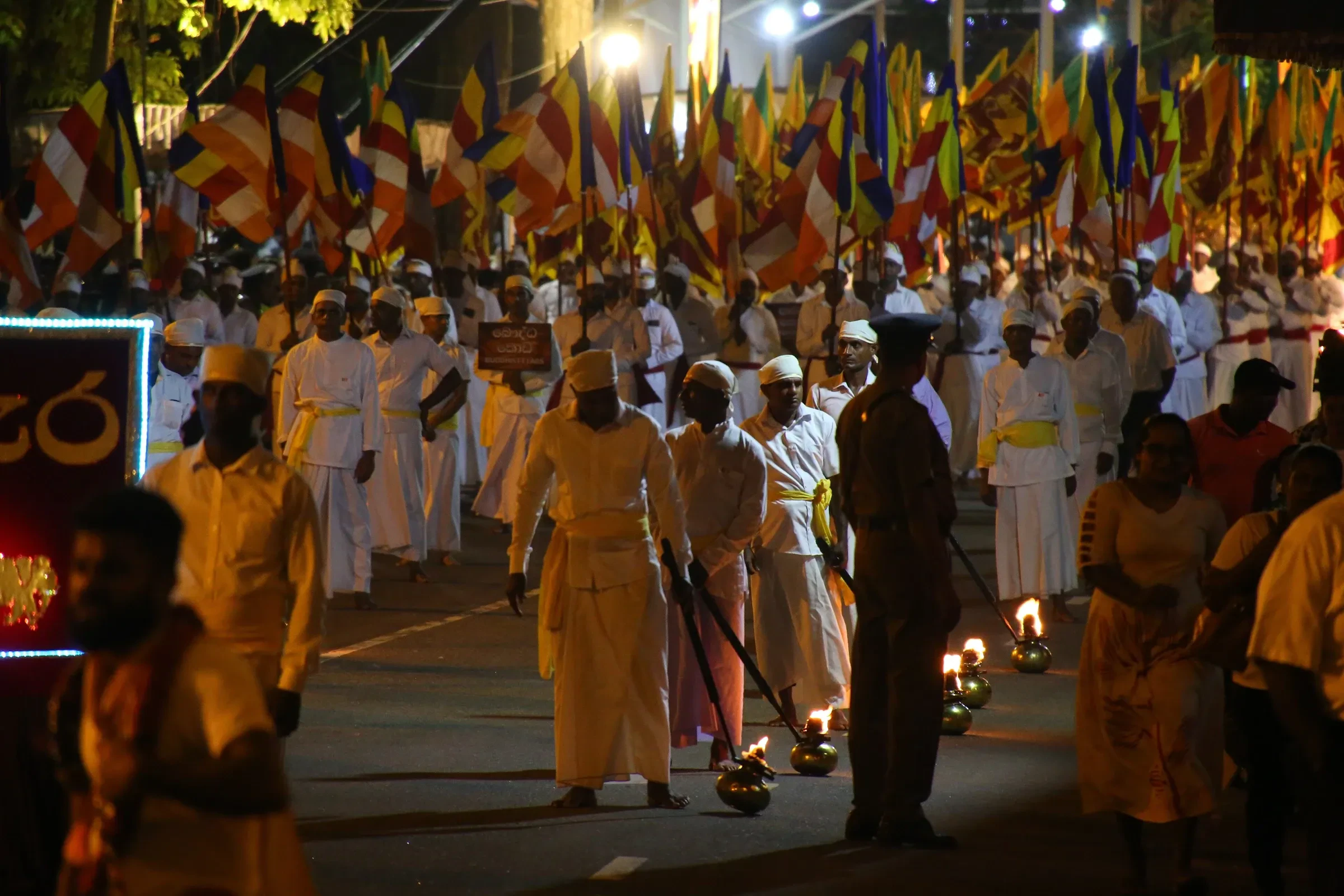
Navam Perahera
19 to 20 February 2027 (expected) · Gangaramaya Temple, around Beira Lake, Colombo
Colombo's own elephant, dancer and drummer procession around Beira Lake, organised by Gangaramaya Temple.
April
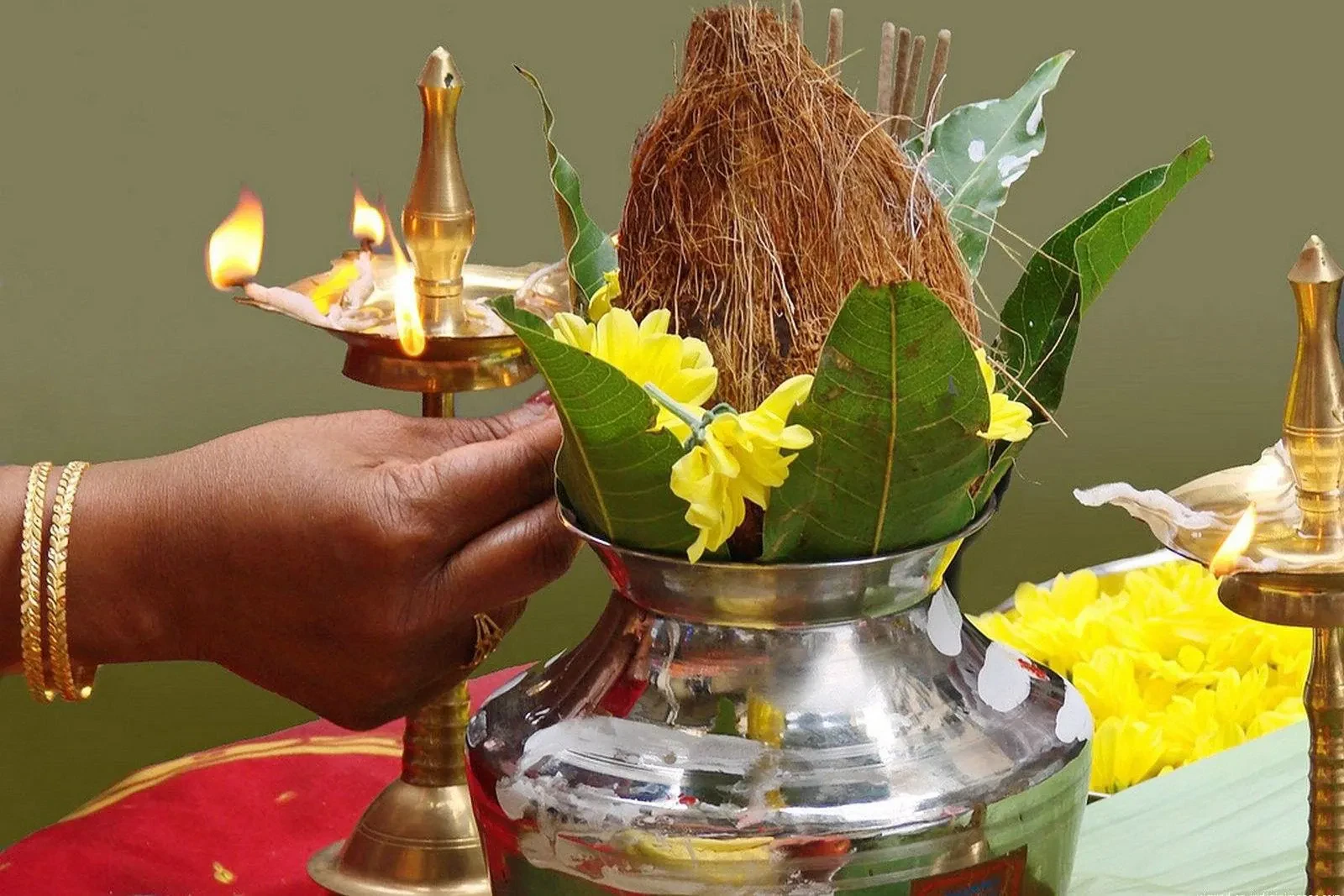
13 to 14 April 2027 · Island-wide, with village areas in the Central and Southern Provinces giving the most traditional-games version
A shared Sinhalese and Tamil new year marked by astrologically timed rituals, traditional games and family visits.
May
19 May 2027 · Colombo, with Kandy and Anuradhapura also strong
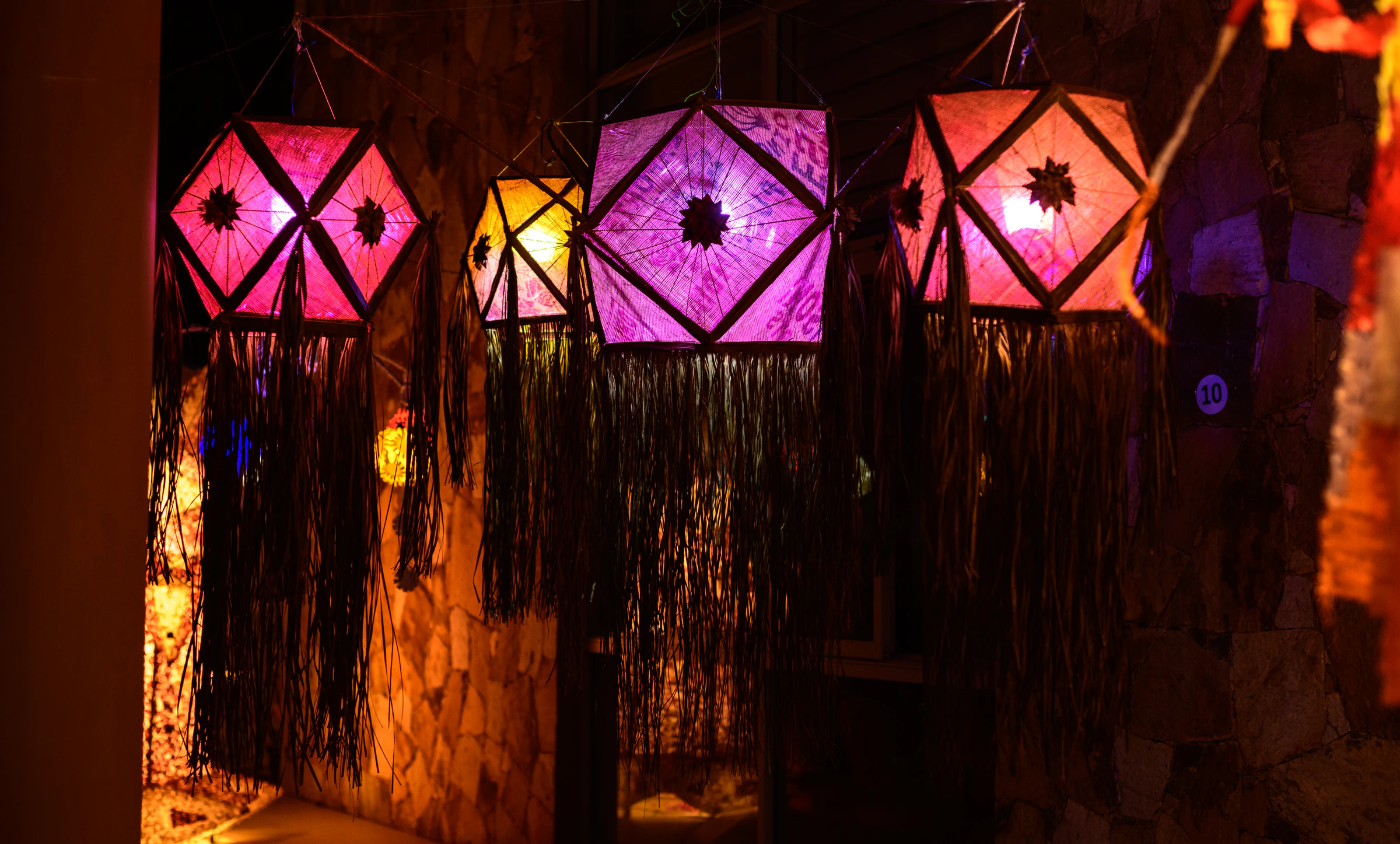
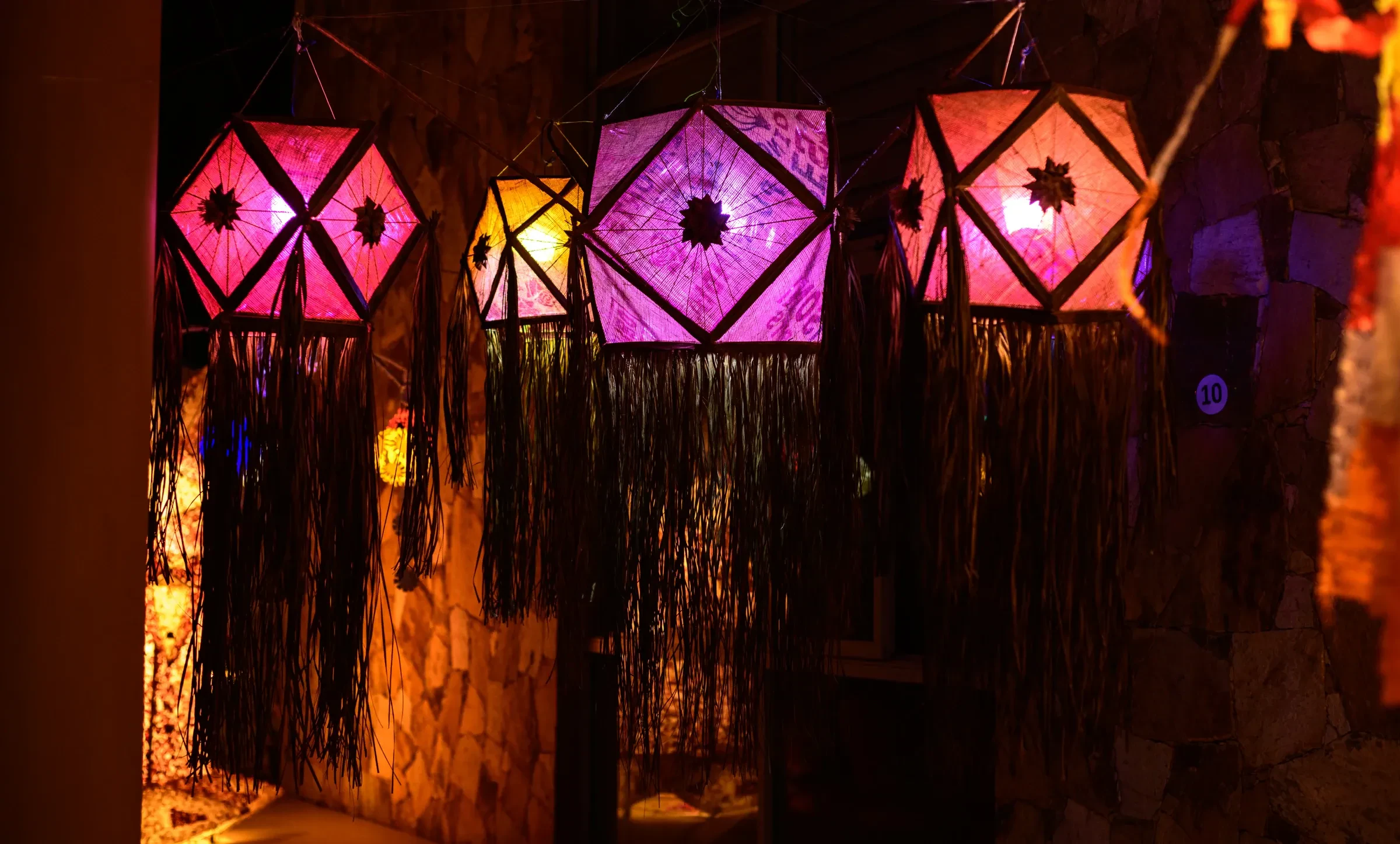
Commemorates the Buddha's birth, enlightenment and death on a single day, with illuminated lantern displays and free food stalls.
June
18 June 2027 · Anuradhapura and Mihintale
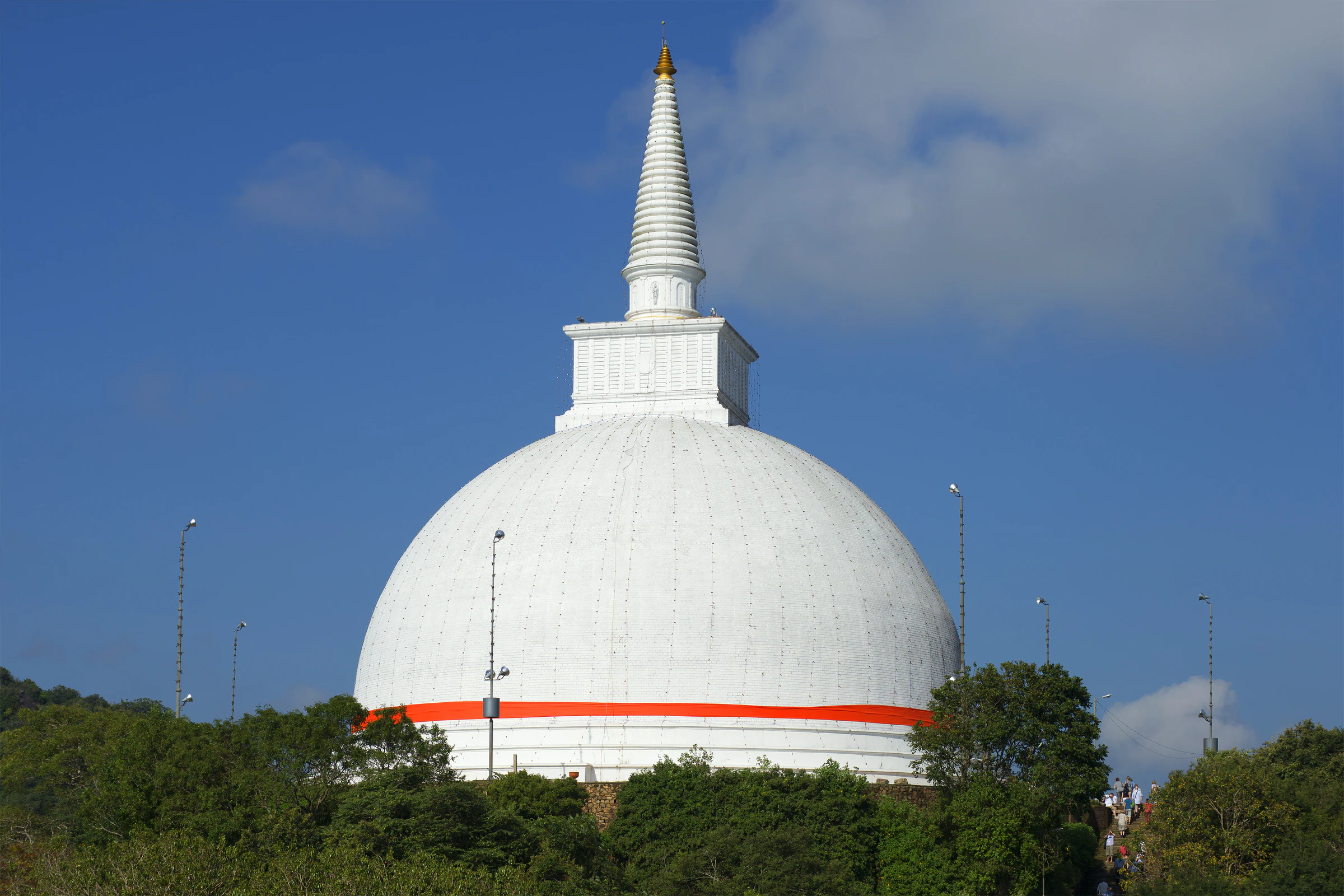
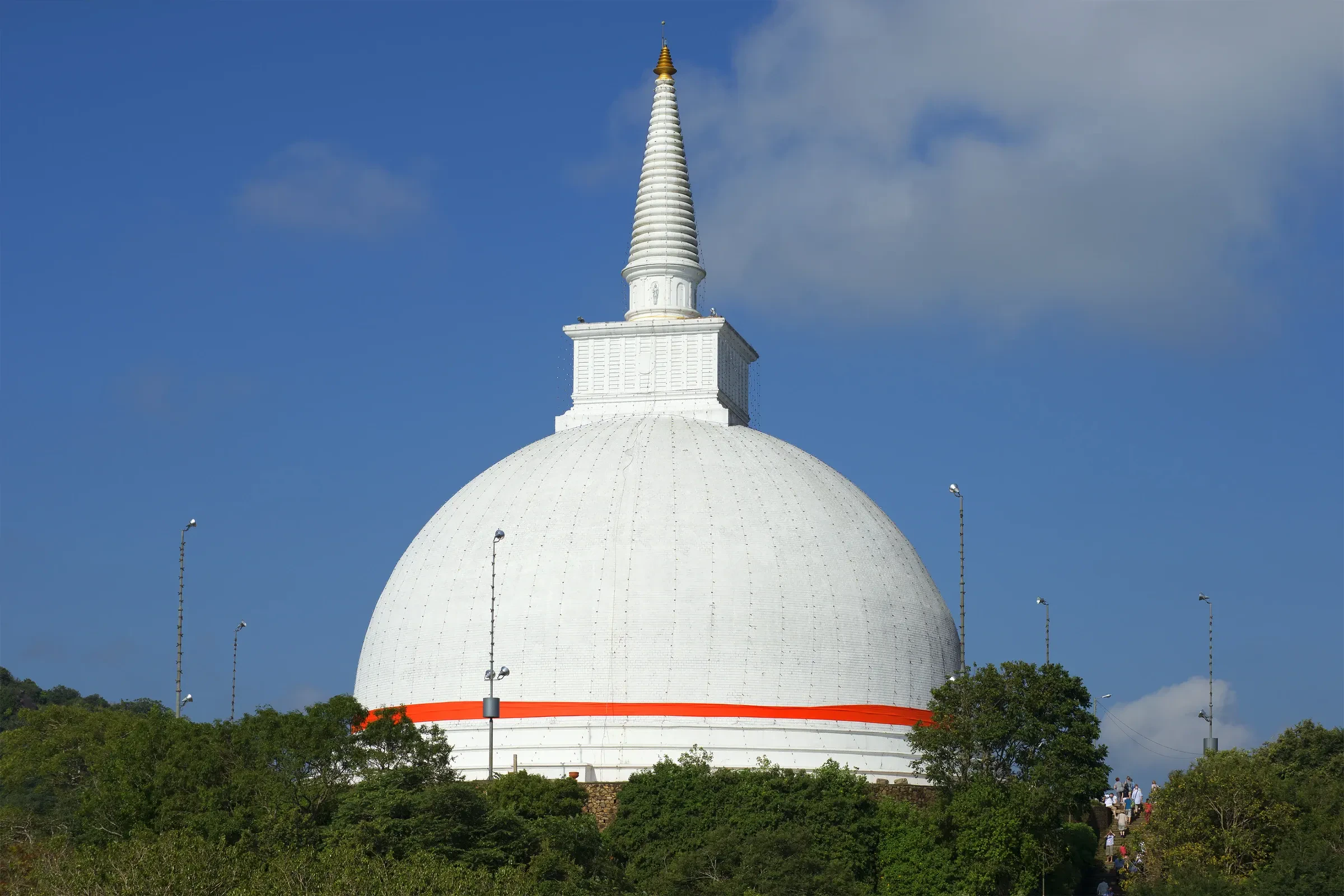
Sri Lanka's second most important Buddhist festival, marking the arrival of Buddhism via the monk Mahinda.
July
Kataragama Festival
4 to 19 July 2027 (expected) · Kataragama, Southern Province
A multi-faith pilgrimage to a shrine sacred to the god Kataragama, with devotees performing fire-walking and body-piercing as vows.
August
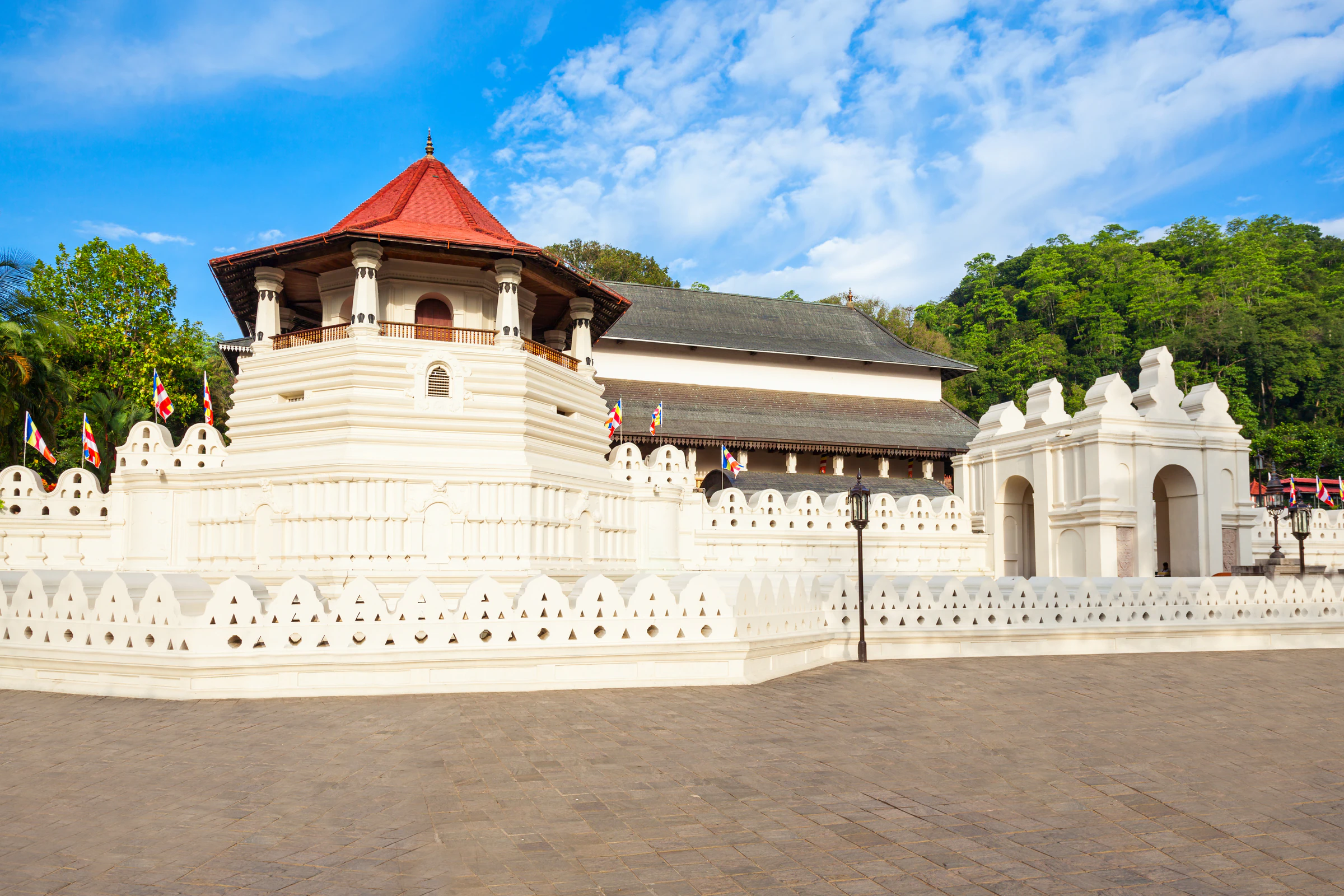
6 to 16 August 2027 (expected) · Kandy, at the Temple of the Sacred Tooth Relic
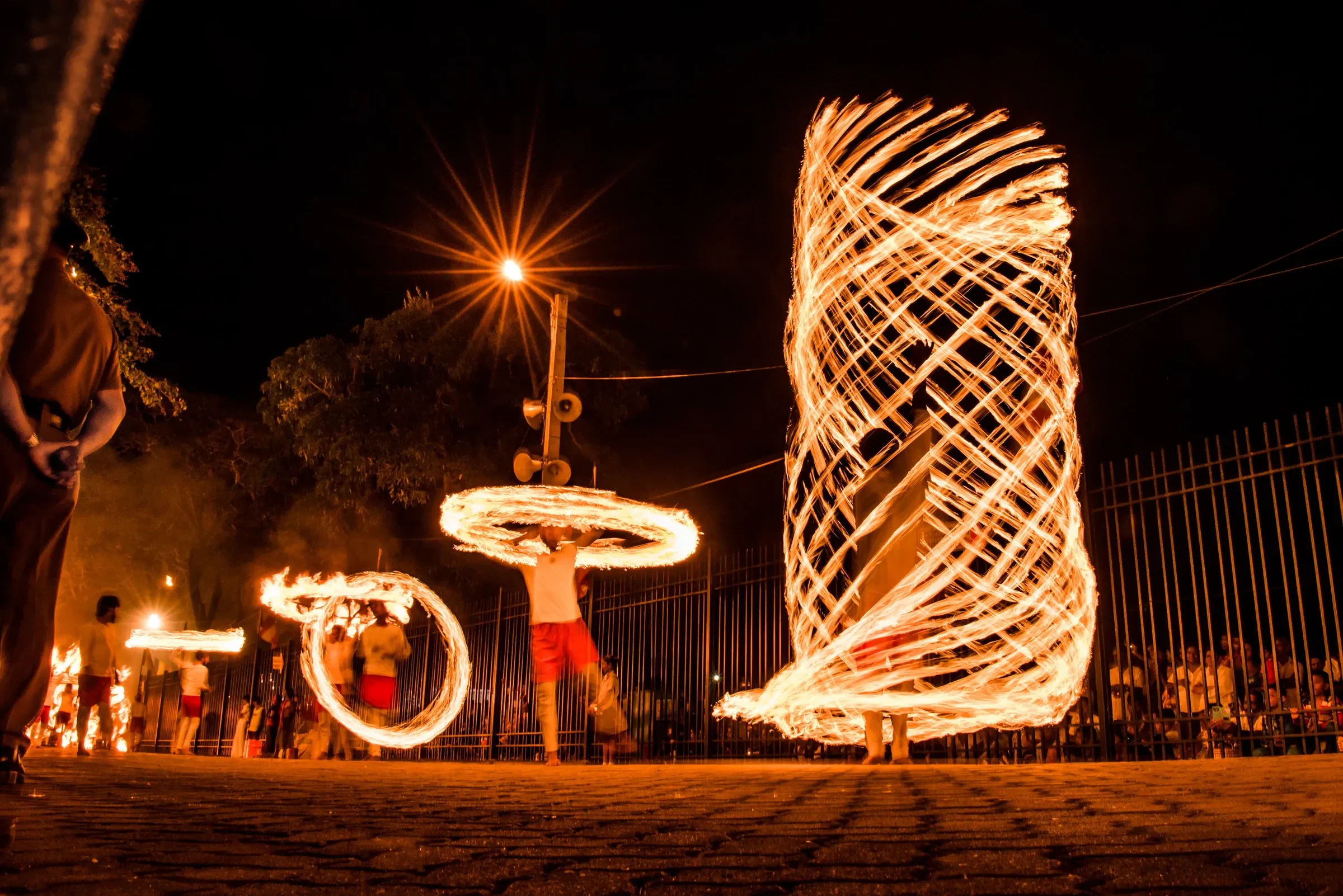
Sri Lanka's grandest Buddhist festival, a ten-night procession of costumed elephants, fire dancers and Kandyan drummers.
Nallur Festival
6 to 30 August 2027 (expected) · Nallur Kandaswamy Kovil, Jaffna
A 25-day Hindu temple festival building to a huge wooden chariot pulled through Jaffna's streets by devotees.
Sri Lanka's festival calendar runs on the rhythm of the moon almost everywhere you look: a full-moon Poya day falls every month of the year, and several of the island's biggest festivals are built around a specific one. Layered on top is a single fixed-date new year shared by the island's two largest communities, and a scattering of pilgrimage festivals that reward travellers willing to go further off the usual route. Here's what's on each month, what it's actually like, and how to plan a trip around it.
How Sri Lanka's festival dates are set
Poya days, the full moon of each lunar month, are public holidays in Sri Lanka in their own right, and several of the country's biggest festivals are anchored to a specific one: Vesak falls on the Vesak full-moon Poya, Poson on the Poson Poya, and Navam Perahera on the Navam Poya. The Kandy Esala Perahera and the Kataragama Festival both climax around the Esala Poya in late July or August, though their exact dates are only confirmed a few months ahead. The Nallur Festival follows a separate Tamil lunar calendar rather than the Buddhist Poya cycle. The one exception to all of this is the Sinhala and Tamil New Year, fixed to the sun's transition into Aries, the same family of festival as Thai Songkran, which is why it falls in mid-April with almost no year-to-year drift.
January
Colombo's own elephant, dancer and drummer procession, the Navam Perahera, circles Beira Lake around the Gangaramaya Temple on the Navam full-moon Poya, typically in late January or early February. In 2026 it ran on the nights of 31 January and 1 February, and the 2027 Navam Poya is 20 February. It's a smaller, more accessible taste of the perahera tradition than Kandy's, and a good option if your trip doesn't line up with August.
April
The Sinhala and Tamil New Year is celebrated island-wide with astrologically timed rituals, traditional games and family visits, marked in 2026 on 13 to 14 April, when the New Year dawned at 9.32 am on 14 April under a government timetable. The 2027 holiday is also on 14 April. Village areas in the Central and Southern Provinces give the most traditional, games-filled version of it, while Colombo's version is quieter, since much of the city empties out as people travel to see family.
May
Vesak commemorates the Buddha's birth, enlightenment and death on a single day, with illuminated lantern displays strung across towns and free food and drink stalls, known as dansal, set up by ordinary households and businesses. Colombo, Kandy and Anuradhapura are all strong places to see it, and the 2026 full-moon Poya fell on 30 May. Sunday 31 May was the public holiday, and Vesak Week ran from 27 May to 2 June. In 2027 the Vesak Poya is Wednesday 19 May.
June
Poson, one of Sri Lanka's most important Buddhist festivals, marks the arrival of Buddhism to the island via the monk Mahinda, and draws its biggest crowds to Anuradhapura and Mihintale, the hill where the tradition holds the meeting took place. The 2026 Poson Poya fell on 29 June, and the State Poson Festival ran from 26 June to 2 July. The 2027 Poson Poya is Friday 18 June.
July
The Kataragama Festival brings a multi-faith pilgrimage to a shrine sacred to the god Kataragama, in Sri Lanka's Southern Province, where devotees perform fire-walking and body-piercing as personal vows over roughly two weeks, climaxing near the Esala Poya. In 2026 the nightly peraheras ran from 15 to 29 July, with the water cutting at dawn on 30 July. The 2027 dates are an estimate, about 4 to 19 July. It's one of the more intense festivals on this list to witness, and worth going into with realistic expectations about what a devotional vow actually involves.
August
Kandy's ten-night Esala Perahera is Sri Lanka's grandest Buddhist festival, a procession of costumed elephants, fire dancers and Kandyan drummers honouring the city's sacred tooth relic, which ran 18 to 28 August in 2026, ending with the water cutting and the day perahera on 28 August. The temple hadn't announced 2027 dates at the time of writing, but the Nikini Poya is gazetted for 16 August 2027, so expect roughly 6 to 16 August.
Jaffna's Nallur Festival starts in August and builds over 25 days to a huge wooden chariot pulled through the streets by devotees. In 2026 the flags went up on 17 August and the chariot festival was on Wednesday 9 September (tourism sites disagree by a day or two). It's a very different, far less touristed festival experience on the other side of the island, and the 2027 chariot is roughly estimated for late August.
Planning a trip around a festival
Book Kandy hotels and reserved seats early for the Esala Perahera. Rooms along the procession route sell out and prices multiply as the festival approaches, and reserved viewing seats for the busiest final nights go first.
Poya days affect more than the festival itself. Alcohol sales are restricted island-wide on every Poya day, not just the big-name festivals, so it's worth checking the calendar even if you're not specifically travelling for a festival.
Kataragama's rituals aren't for everyone. Fire-walking and body-piercing are genuine devotional acts, not a performance, so go as a respectful observer rather than expecting a polished visitor experience.
The Sinhala and Tamil New Year is a quiet time to be in a city. Colombo empties out as people travel home, so it suits a traveller happy to see the traditional games and family side of the festival in a smaller town rather than expecting city nightlife.
Dress and behave with the occasion in mind. Cover shoulders and knees at temples and processions, ask before a close-up photo of someone in ceremonial dress or mid-ritual, and remember that Vesak's dansal stalls are an act of generosity, not a tourist attraction.
Which festival suits you
| You want | Try |
|---|---|
| A grand, once-a-year spectacle | The Kandy Esala Perahera's ten nights of elephants and dancers |
| A gentle, communal evening | Vesak's lantern displays and free food stalls |
| Traditional games and family culture | The Sinhala and Tamil New Year in a Central or Southern Province village |
| A serious pilgrimage | Poson at Anuradhapura and Mihintale |
| Something intense and off the usual route | The Kataragama Festival, or the Nallur Festival in Jaffna |