Sri Lanka doesn't have one single "safe" or "unsafe" verdict, because the real risks here are more about weather, transport and everyday overcharging than about crime against tourists. This guide pulls together what the FCDO and Canada say, with links to the US and Australian pages, plus 2026's specific situations: fuel rationing, dengue, the aftermath of Cyclone Ditwah, common scams, road and sea safety, wildlife on the roads, and advice for women travelling alone. Our Sri Lanka travel guide covers routes and seasons; this page is about staying safe once you're there.
What official travel advice says
None of the four governments below advises against travel to Sri Lanka's main tourist areas. Each flags a list of specific risks instead.
| Government | Level (checked 6 Oct 2026) | What it flags |
|---|---|---|
| UK (FCDO) | No warning against travel to any part of the country (page updated 21 Sep 2026) | Landmines in the north and east; heavy inter-monsoon rain raising the risk of floods and landslides; weekly fuel quotas for vehicles; protests at short notice; a terrorism risk that can't be ruled out; opportunistic theft, bank card fraud and drink spiking; harassment and sexual assault of women, mostly in crowded places |
| US (State Department) | Check the current level on the official page | See the page for its reasons |
| Australia (Smartraveller) | Check the current level on the official page | See the page for its reasons |
| Canada | Exercise a high degree of caution (updated 7 Jul 2026) | Frequent demonstrations in Colombo; a terrorism threat; violent crime, including sexual assault reported by foreign visitors; landmines in the Jaffna Peninsula and eastern Sri Lanka; monsoon floods and landslides |
Read the current version for your own nationality before you travel: gov.uk/foreign-travel-advice/sri-lanka, travel.state.gov, smartraveller.gov.au/sri-lanka, travel.gc.ca/sri-lanka.
Landmines. Landmines and unexploded ordnance from the civil war remain in parts of the north and east. The FCDO says not to leave roads or cleared footpaths in those areas and to take warning signs seriously. If you head that way, stay on roads and marked paths, and ask local security officials if you're unsure.
Sri Lanka's 2026 situations, in plain terms
Three things are live in 2026 that an older guide to Sri Lanka wouldn't mention.
Fuel rationing. Since 15 March 2026, Sri Lanka has run a nationwide QR-code fuel quota system. The FCDO says every vehicle gets a weekly quota, in response to the situation in the Middle East, and that the government has made special arrangements for tour operators and hotels to limit disruption to tourism. That means private vehicle owners feel it more than organised tour transport. If you're planning to self-drive or rent a scooter rather than rely on buses, trains and drivers, check current advice before you commit to that plan.
Dengue. Sri Lanka had reported more than 90,000 dengue cases by 15 August 2026, according to Newsfirst, and the National Dengue Control Unit said in June that cases were at least 30 per cent above the same period in 2025. The FCDO lists dengue among the country's health risks. Use mosquito repellent day and night, wear long sleeves in the evening if bites are a problem for you, and see a doctor promptly for a fever rather than waiting it out.
Cyclone Ditwah's aftermath. Cyclone Ditwah made landfall in late November 2025. The Disaster Management Centre counted more than 600 deaths by 6 December 2025, with Kandy district the worst hit, and estimates of the economic loss ran to several billion US dollars. Recovery is still going on, most visibly on the hill-country railway. As of 2 October 2026, trains had resumed from Colombo to Peradeniya and Gampola and have run from Nanu Oya to Badulla since 20 June, but Peradeniya to Kandy and Kandy to Nanu Oya were still closed. Our Kandy to Ella train guide covers what runs today and the workaround. The FCDO also says heavy inter-monsoon rain has raised the risk of floods and landslides across the island, on top of the usual wet-season risk covered in our best time to visit Sri Lanka guide.
None of the three should put you off going, but check each one again closer to your departure date, since conditions can change quickly.
Common scams and how to avoid them
The FCDO flags low-level opportunistic crime, including bag snatching from passing mopeds and bank card fraud, so use ATMs inside banks or hotels where you can, keep cards in sight when you pay, and carry your bag on the side away from the road. It also warns about drink spiking: don't take drinks from strangers or leave yours unattended. The scams below are traveller-reported patterns rather than official warnings, but they come up often enough to plan around.
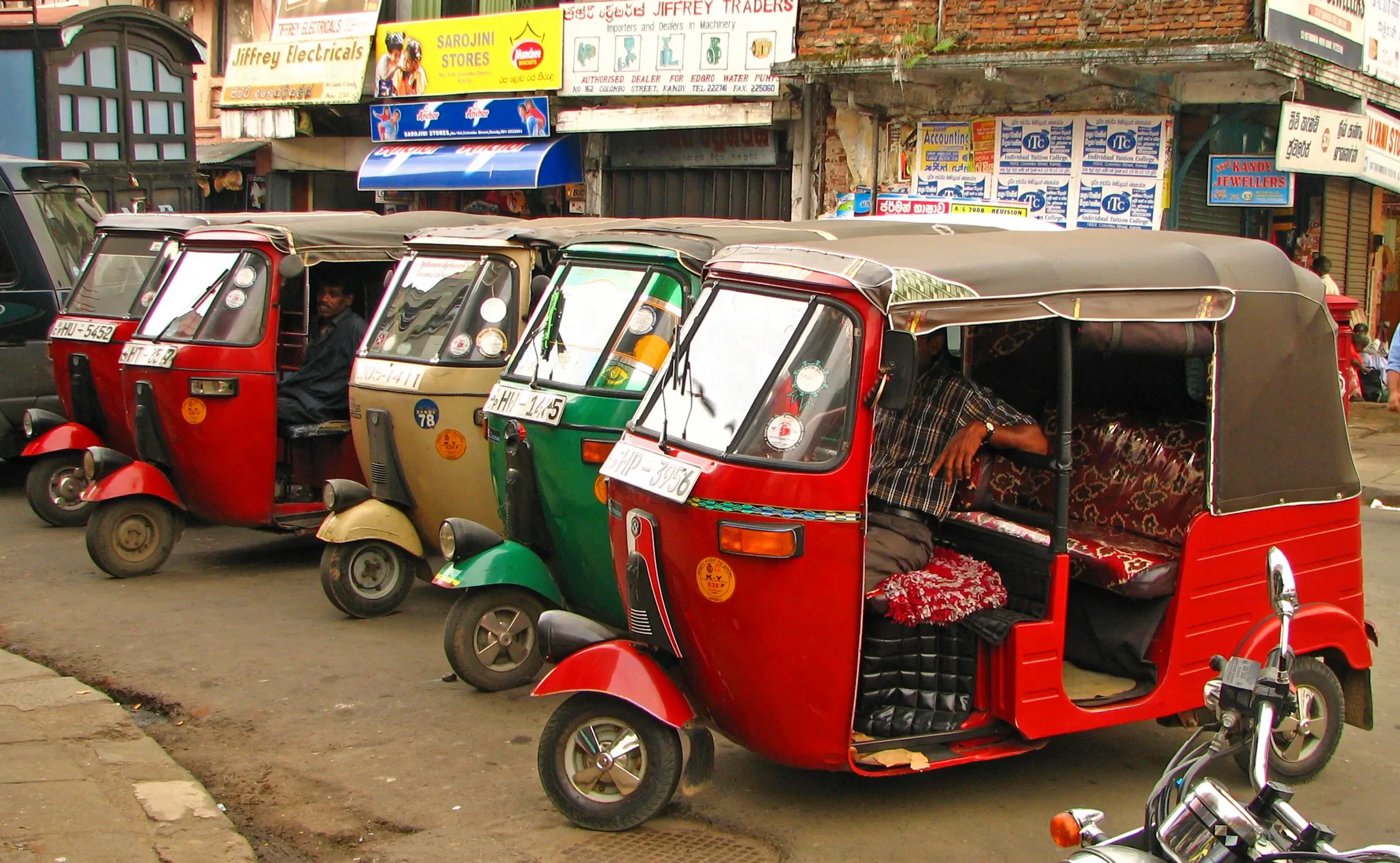
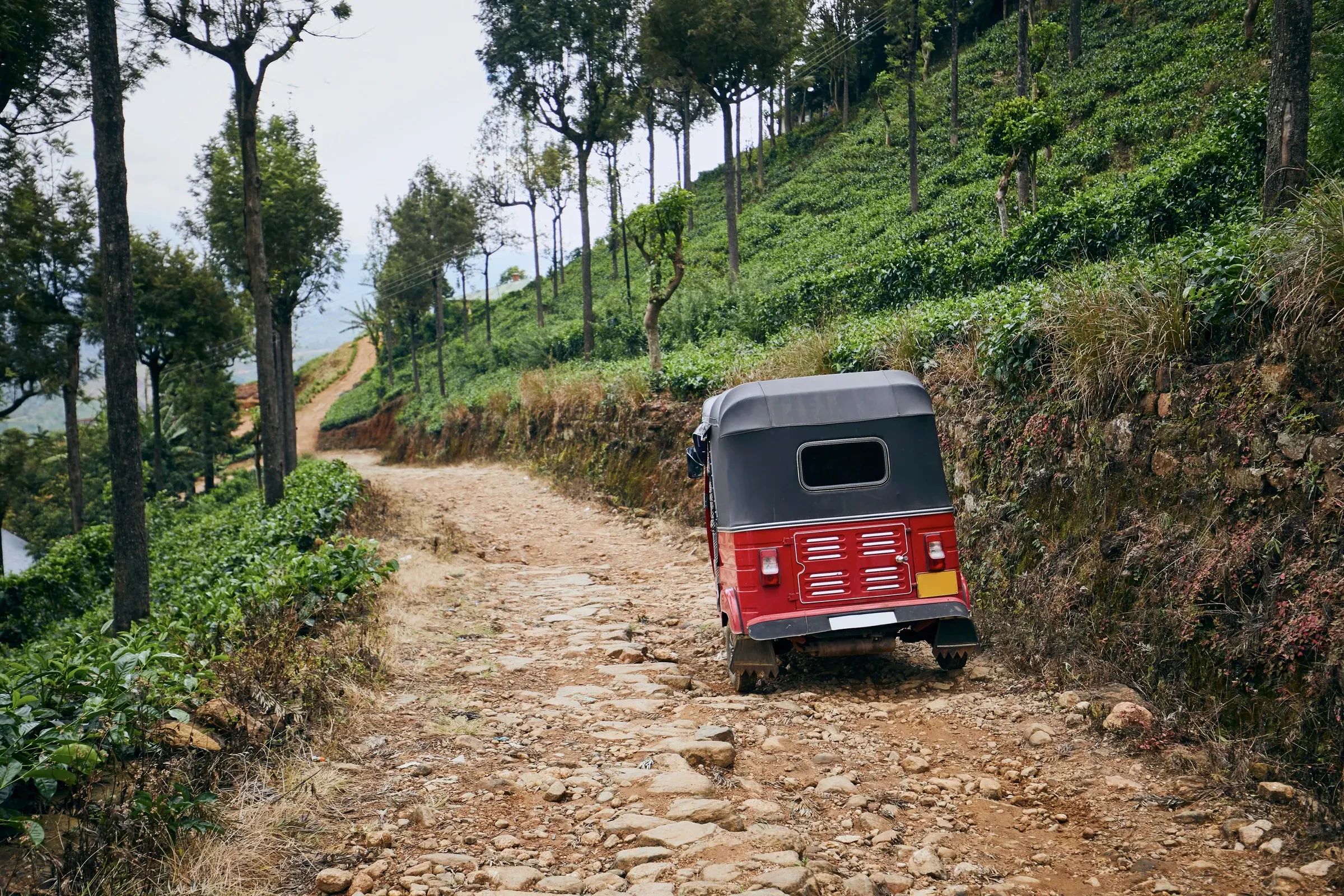
- The "broken" tuk-tuk meter. A driver claims the meter isn't working, quotes a flat fare well above the going rate, or agrees a price and then asks for more on arrival, sometimes claiming he misunderstood the distance. Agree the fare out loud before you get in, or book through PickMe, Sri Lanka's ride-hailing app, which shows the fare upfront and removes the back-and-forth entirely.
- Gem shops. A friendly stranger, sometimes a tuk-tuk driver, steers you toward a gem shop with a story about a special deal or an investment opportunity. Sri Lanka does produce genuine sapphires, but the ones sold this way are routinely fake or wildly overpriced, with a faked certificate to match. Buy from an established, independent dealer if you want a gem at all, never as an "investment," and never from a shop a stranger recommended.
- Fake guides and misleading signs on Ella Rock and Ella's other trails. On the walk up Ella Rock, it's common for a "farmer" to appear, insist you're going the wrong way, and offer to show you a shortcut, then demand a payment of a few thousand rupees once you reach the top. Fake signs pointing the wrong way add to the confusion. If you'd rather not navigate around this alone, arrange a legitimate guide through your guesthouse in advance, and politely decline any unsolicited offer of help on the trail itself.
- The "closed attraction" redirect. Less common here than in some other countries, but the pattern is the same: someone tells you a site is closed today and offers to take you somewhere else instead. It almost never is.
Road safety and getting around
Sri Lanka's roads are narrower and busier than they look on a map, and driving standards vary. If you're being driven rather than driving yourself, the biggest practical risk is simply time: winding roads make journeys take longer than the distance suggests, so build in buffer time rather than a tight connection.
Night driving. The FCDO says driving in Sri Lanka is erratic, with frequent accidents, particularly at night, so avoid long road transfers after dark where you can.
Trains. The FCDO says to stay inside the carriage while the train is moving, because visitors have died after hanging out of open doorways or windows. Keep your whole body inside the door frame, even for a photo.
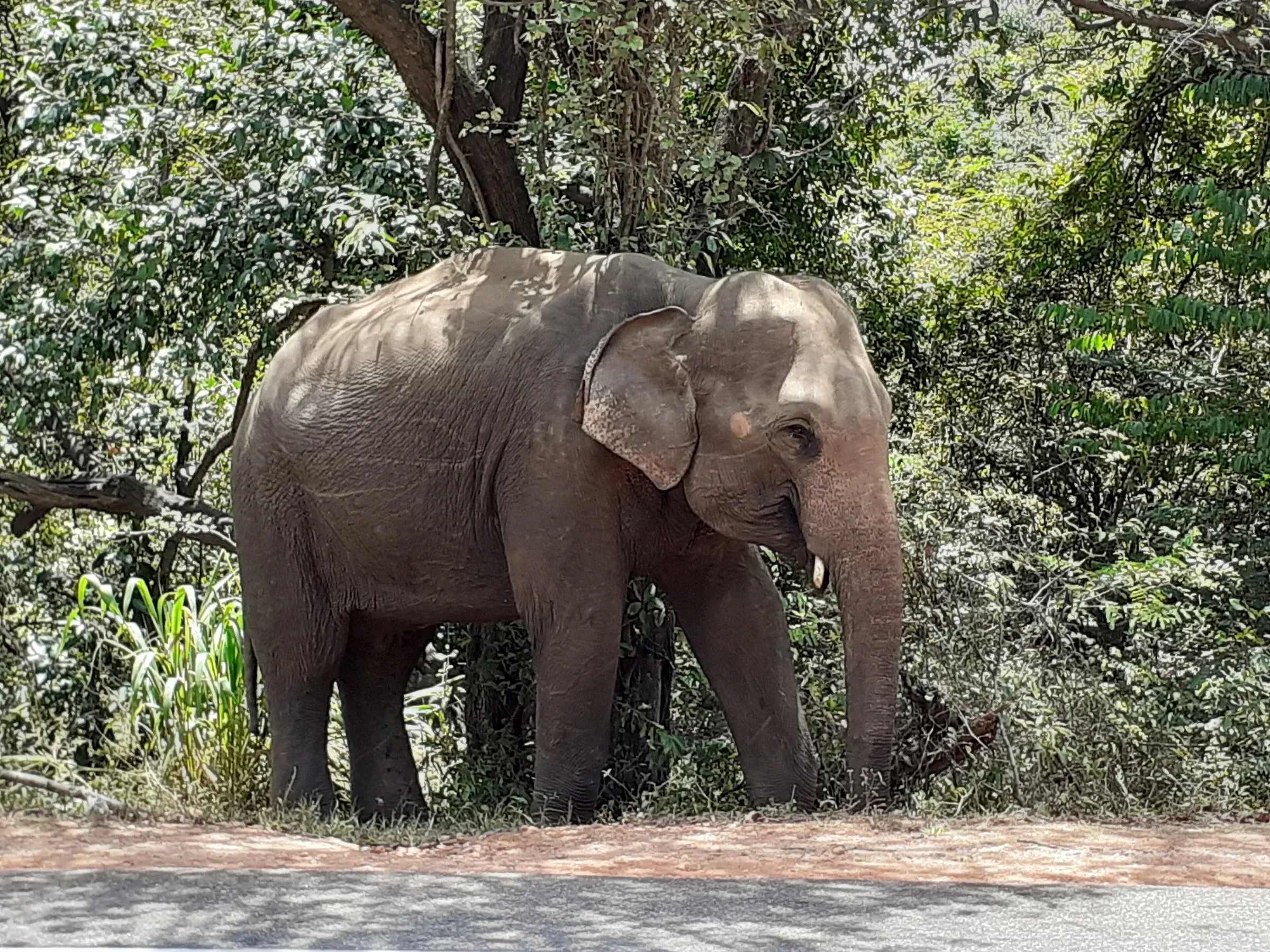
Wild elephants. The FCDO says wild elephants and crocodiles attack people on occasion, and several main roads near national parks and in the dry zone cross elephant territory. If you're being driven, a licensed local driver who knows the road helps; if you're self-driving, slow down and use low beams after dark where signs warn of elephants. Never get out of a vehicle to approach one.
We don't arrange scooter rental on any of our trips. The FCDO says you need a 1949 International Driving Permit plus a Sri Lankan recognition permit to drive a hire vehicle, and travel insurance may not pay out after a crash if you aren't correctly licensed, so check your policy first.
Sea safety on the coasts
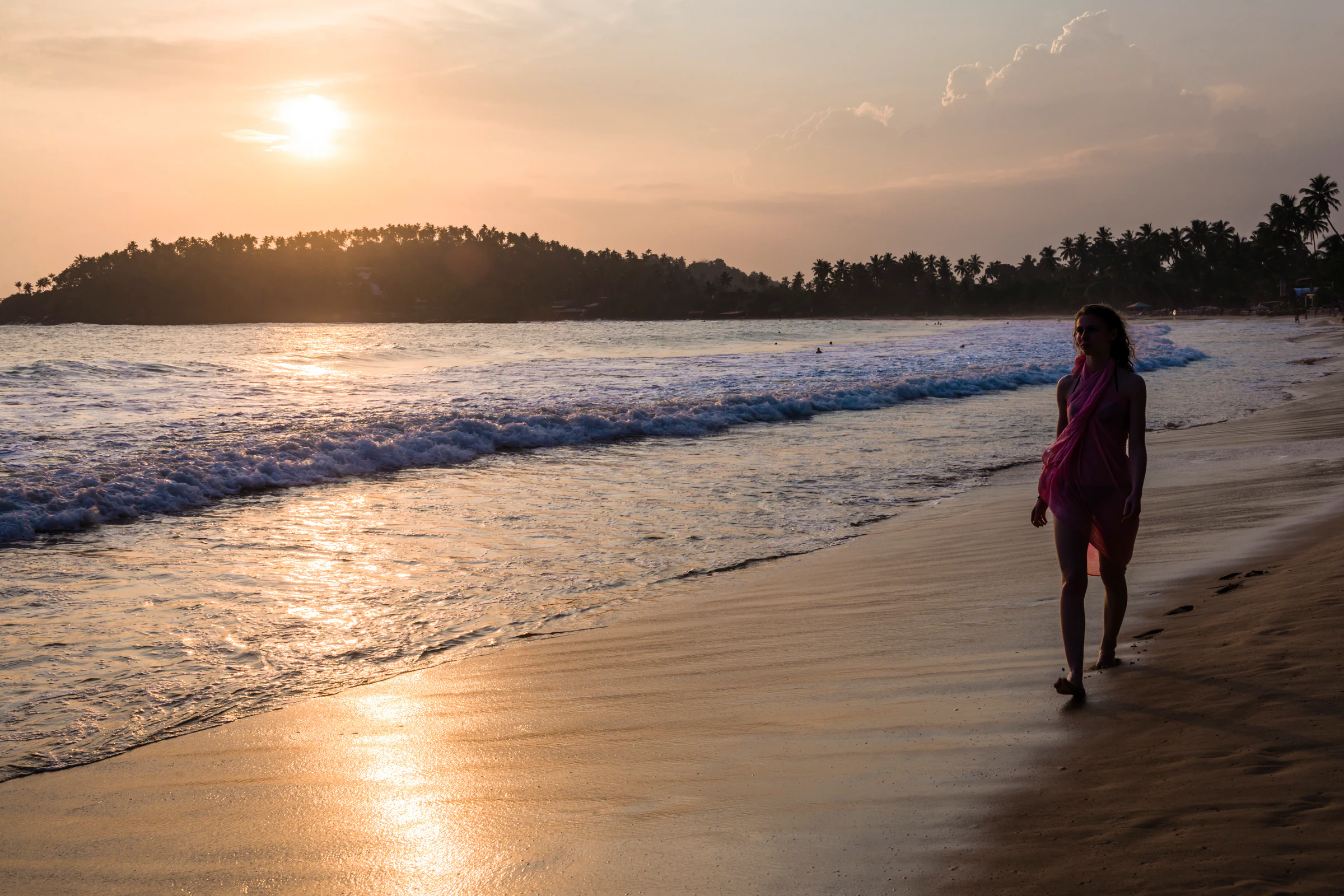
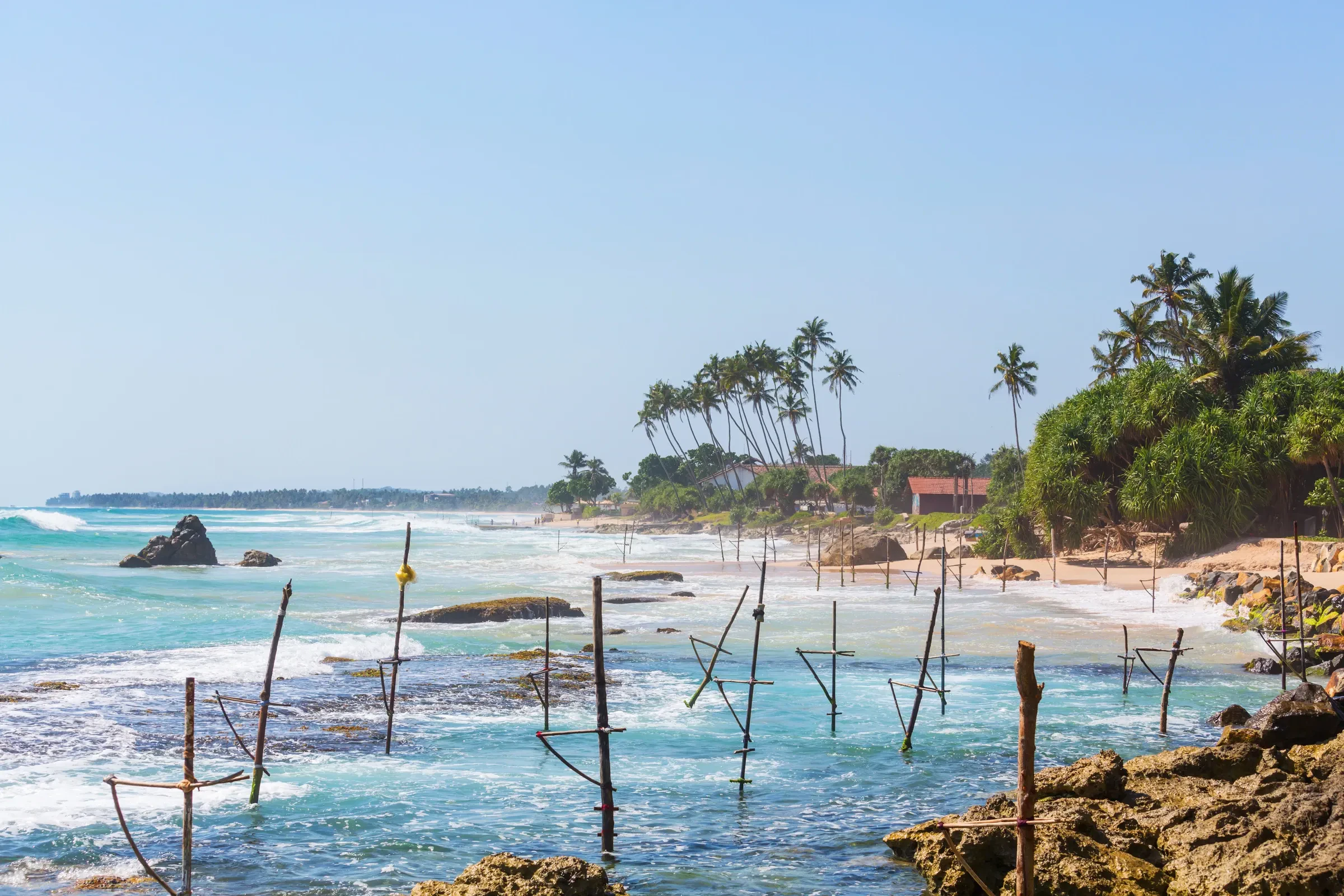
The FCDO says many Sri Lankan beaches have dangerous surf or rip tides at certain times of year, and advises asking your hotel or tour operator before you go in. Don't count on a lifeguard being on duty. Spots with a reputation for strong currents include Tangalle's main beach, the water outside Hikkaduwa's reef, and Mirissa and the rest of the west and south coasts during the south-west monsoon (roughly May to September). The Sri Lanka Coast Guard has reported rescuing swimmers dragged out by sudden currents at Mirissa and Hikkaduwa. Swim only where you see other people in the water, never alone and never after drinking. If a current takes you, swim parallel to the shore until you're clear of it, then angle back in.
Safety for women travelling alone
Many women travel Sri Lanka solo without serious problems, and the well-worn south coast and hill-country route has plenty of other travellers around. But the governments are clear that harassment is a real risk. The FCDO says women report verbal and physical harassment, from lewd comments to sexual assault, mostly in crowded places such as markets, bus and railway stations, buses, sporting events and tourist sites, and suggests carrying a personal alarm. Canada says women are often the target of unwanted attention and are frequently harassed in public, that they should be careful travelling alone, and that reports of sexual assault against foreign travellers are increasing.
Crowded buses and trains are the places to be most careful, since unwanted touching is reported there more often than harassment on the street. If a crowded bus makes you uneasy, a tuk-tuk, PickMe or a private driver is the easy alternative for that leg. A few other practical points:
- Dress modestly at temples and in smaller towns. Cover shoulders and knees, and carry a scarf for temple visits even if you're not planning one that day.
- Use PickMe or a hotel-arranged driver after dark rather than hailing a tuk-tuk off the street, the same precaution that makes sense anywhere.
- The south coast between Weligama and Hiriketiya has the most established solo and female traveller scene of any stretch of the route, according to traveller accounts.
- Watch your drink. The FCDO warns about drink spiking, so don't take drinks from strangers or leave yours unattended.
- Save 1912 (Sri Lanka Tourism's 24-hour hotline) in your phone alongside the general emergency numbers below.
Our solo trips for women guide covers this across the other countries we run trips in, and the same general principles apply here.
Emergency numbers in Sri Lanka
| Number | What it's for |
|---|---|
| 119 | Police (the FCDO lists 118 or 119) |
| 1990 | Suwa Seriya, the free national ambulance service |
| 111 | Fire and rescue |
| 1912 | Sri Lanka Tourism's 24-hour hotline, which can connect you to the tourist police |
Save these before you travel, along with your embassy or consulate's number and your travel insurance's emergency line. Sri Lanka's public hospitals are free for citizens but not really set up for foreign visitors, and private hospitals charge directly, so travel insurance that covers medical treatment and evacuation matters here as much as anywhere on our routes.
Safety on our Sri Lanka trips
If you're travelling with us, here's specifically what's in place, and what isn't.
- Your Trip Host is with the group in person from the first evening to the last morning, on every departure.
- A licensed local guide leads the Cultural Triangle, Kandy and safari days.
- Rooms are shared with a traveller of the same gender, and a private room is available on request.
- Groups are small, with a maximum shown against each departure's dates.
- Transport between stops is arranged for you by private van, so you're not negotiating a driver, a bus or a tuk-tuk fare alone during the trip.
We don't currently run women-only departures, and there's no dedicated 24-hour support line beyond your Trip Host and your travel insurance's emergency number. If either of those change, we'll update this page.