Sri Lanka rewards planning around experiences rather than just picking towns off a map. A handful of things here don't run to a normal daily schedule: the safari parks have opening hours and seasonal closures, Adam's Peak only makes sense in its pilgrimage months, and the Kandy Esala Perahera happens on ten specific nights a year. Below are the experiences worth building dates around, in the order most first-time visitors tackle them, with what each one costs and how long to give it. For the regions and towns these all sit inside, see our Sri Lanka travel guide and the separate where to go guide.
The experiences worth planning around
1. Climb Sigiriya, or Pidurangala for the view of it
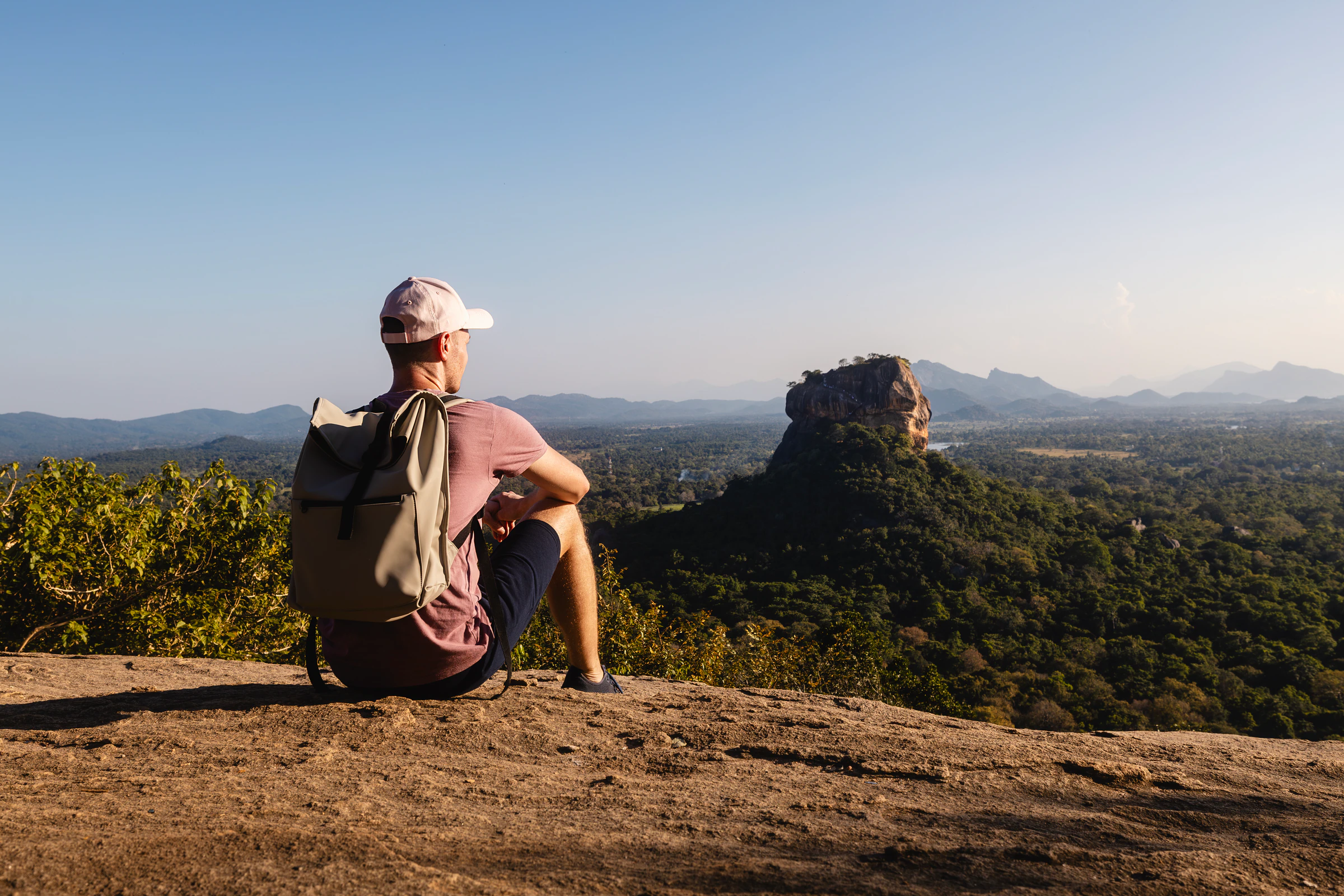
Sigiriya, the 5th-century rock fortress in the Cultural Triangle, is Sri Lanka's single most recognisable sight: roughly 1,200 steps up a sheer column of rock, past the Mirror Wall and a gallery of 1,500-year-old frescoes, to a royal palace site at the top. A foreign adult ticket costs US$35, the site opens early in the morning (sources give 6:30 or 7am) with ticket sales closing around 5pm, and the climb takes 1.5 to 2 hours up and down. Since the gate doesn't open before sunrise, most people climb Pidurangala, the smaller rock directly opposite, instead: a 45 minute to hour scramble for a small entry fee (recent reports say about LKR 1,000), timed for sunrise, that looks back at Sigiriya rather than from it. Many do both in one long morning.
Where: Sigiriya, in the Cultural Triangle, about 3.5 hours by van from Negombo. Cost: US$35 for Sigiriya; a small entry fee for Pidurangala. Time needed: half a day for one climb, a full morning for both.
Full guide: Sigiriya.
2. Ride the train from Nanu Oya to Ella
The blue train winding through tea country is Sri Lanka's most photographed journey, but it's currently a shorter ride than most guides describe. Cyclone Ditwah damaged the upcountry railway in November 2025, and the line has been reopening in stages. Trains between Nanu Oya and Badulla, which includes the scenic run to Ella, resumed on 20 June 2026. Colombo to Peradeniya reopened on 2 October 2026, but the last stretch into Kandy and the Kandy to Nanu Oya section are still closed, with no confirmed reopening date as of early October 2026. The Nanu Oya to Ella leg alone takes about 2 to 2.5 hours through tea estates and past the Nine Arches Bridge. Seat reservations open 30 days before travel on Sri Lanka Railways' own site, and 2nd class reserved (openable windows, a reserved seat) is the practical choice for most travellers.
Where: board at Nanu Oya (the stop for Nuwara Eliya), get off at Ella. Cost: roughly LKR 600 to 4,000 for a 2nd class reserved seat, depending on the service. Check the railway's site for current timetables, because the network is still reopening. Time needed: 2 to 2.5 hours on the train, plus a road transfer to reach Nanu Oya from Kandy (about 3 to 4 hours by van).
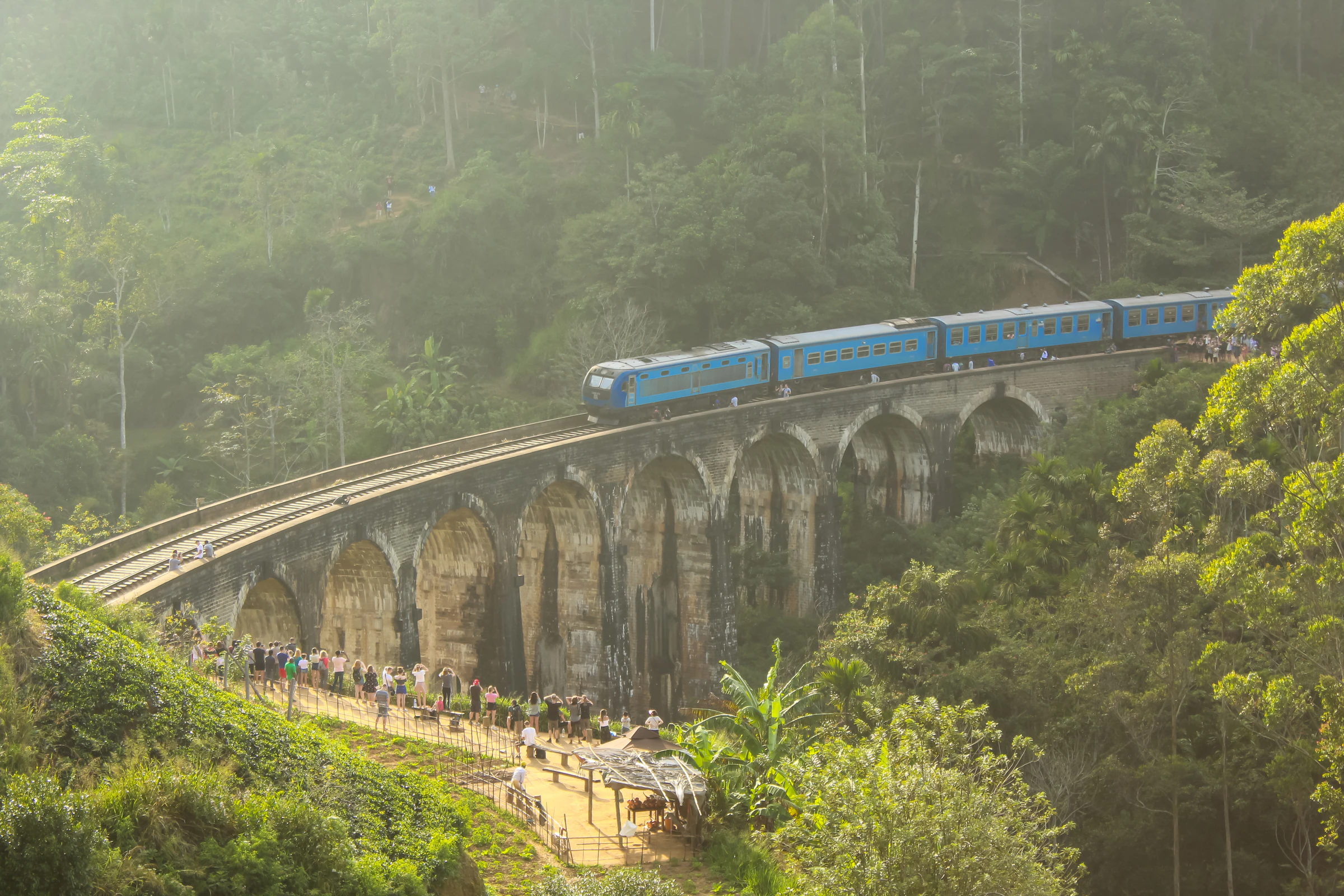
Full guide: Kandy to Ella train.
3. Climb Adam's Peak in season
Adam's Peak (Sri Pada) is Sri Lanka's sacred pilgrimage mountain, climbed overnight so you reach the 2,243 metre summit for sunrise. The pilgrimage season runs from the Unduvap full moon poya in December to the Vesak full moon poya in May; for 2026/27 that's roughly 23 December 2026 to 19 May 2027. In season, the roughly 5,200 steps from Dalhousie (sripada.org's figure; some guides say 5,500) are lit end to end and the tea shops along the way stay open through the night; most people start climbing between 2am and 3am, and the way up takes 2.5 to 4 hours depending on fitness. Outside the season the path is unlit and often wet, so it's a different, harder trip.
Where: from Dalhousie (also called Nallathanniya), reached by road from Nuwara Eliya or Kandy, since no train reaches Hatton at the moment. Cost: free to climb; a small charge for tea and snacks on the way. Time needed: an overnight climb, best paired with a rest day either side.
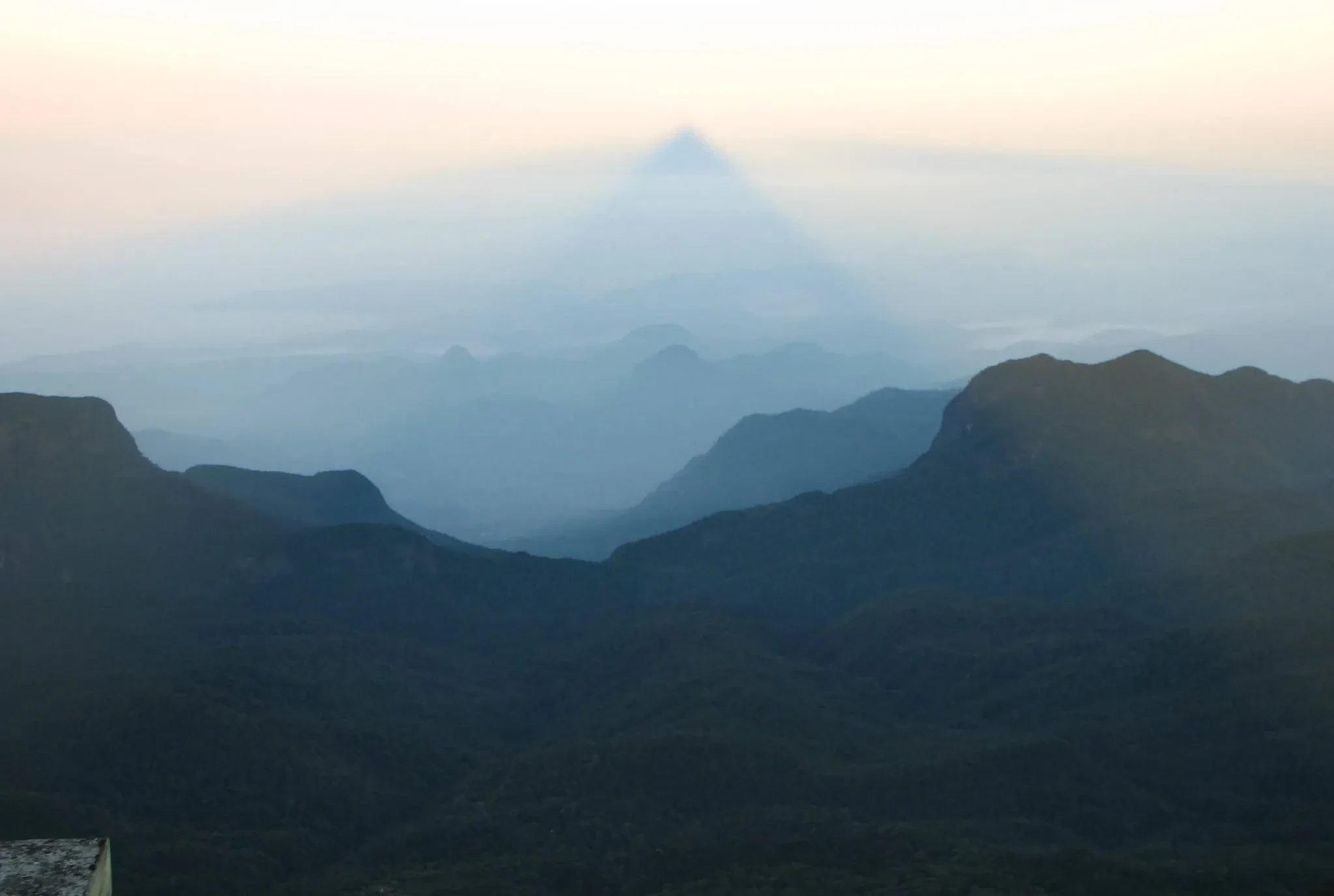
Full guide: Adam's Peak.
4. Take a leopard or elephant safari
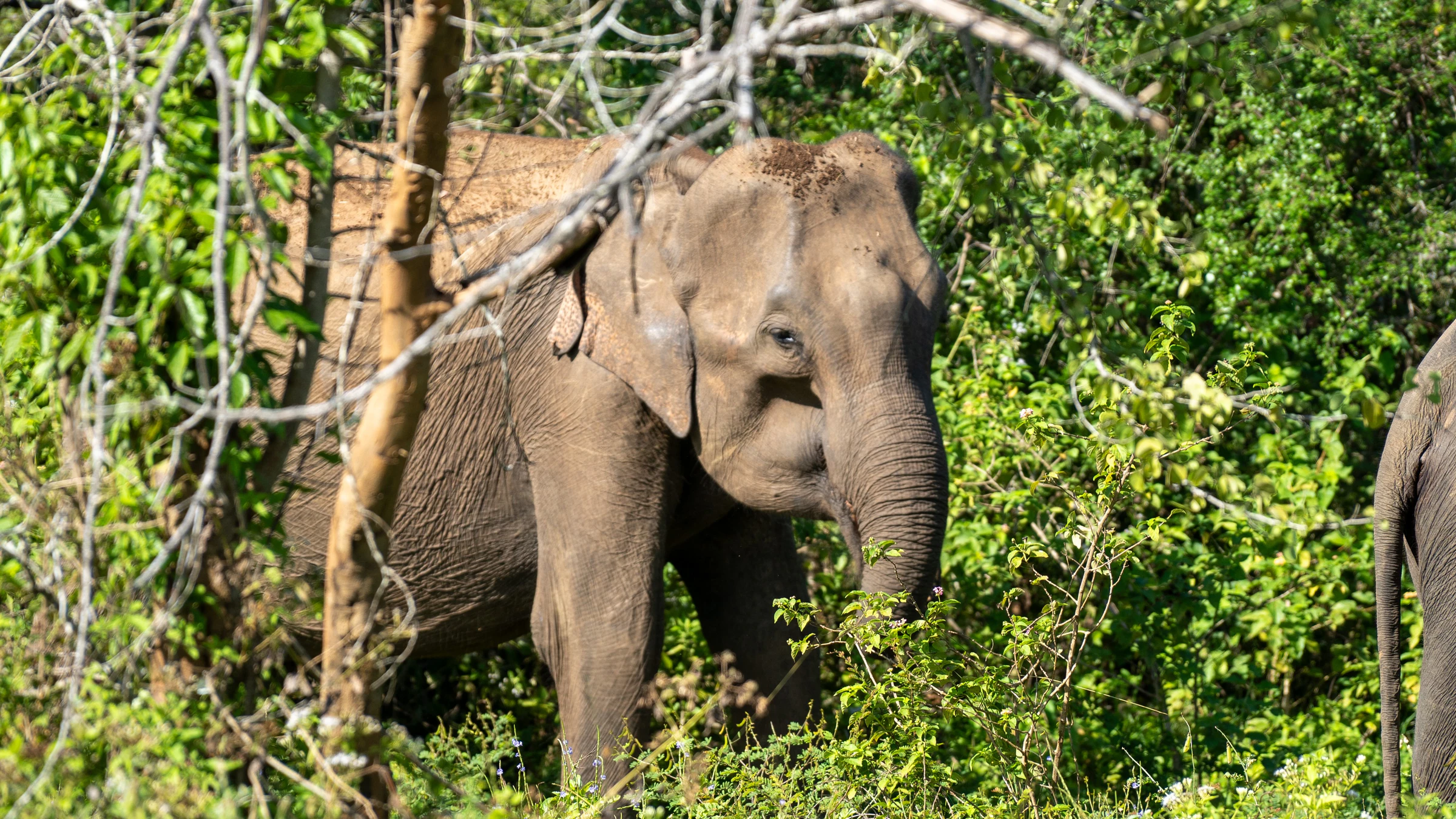
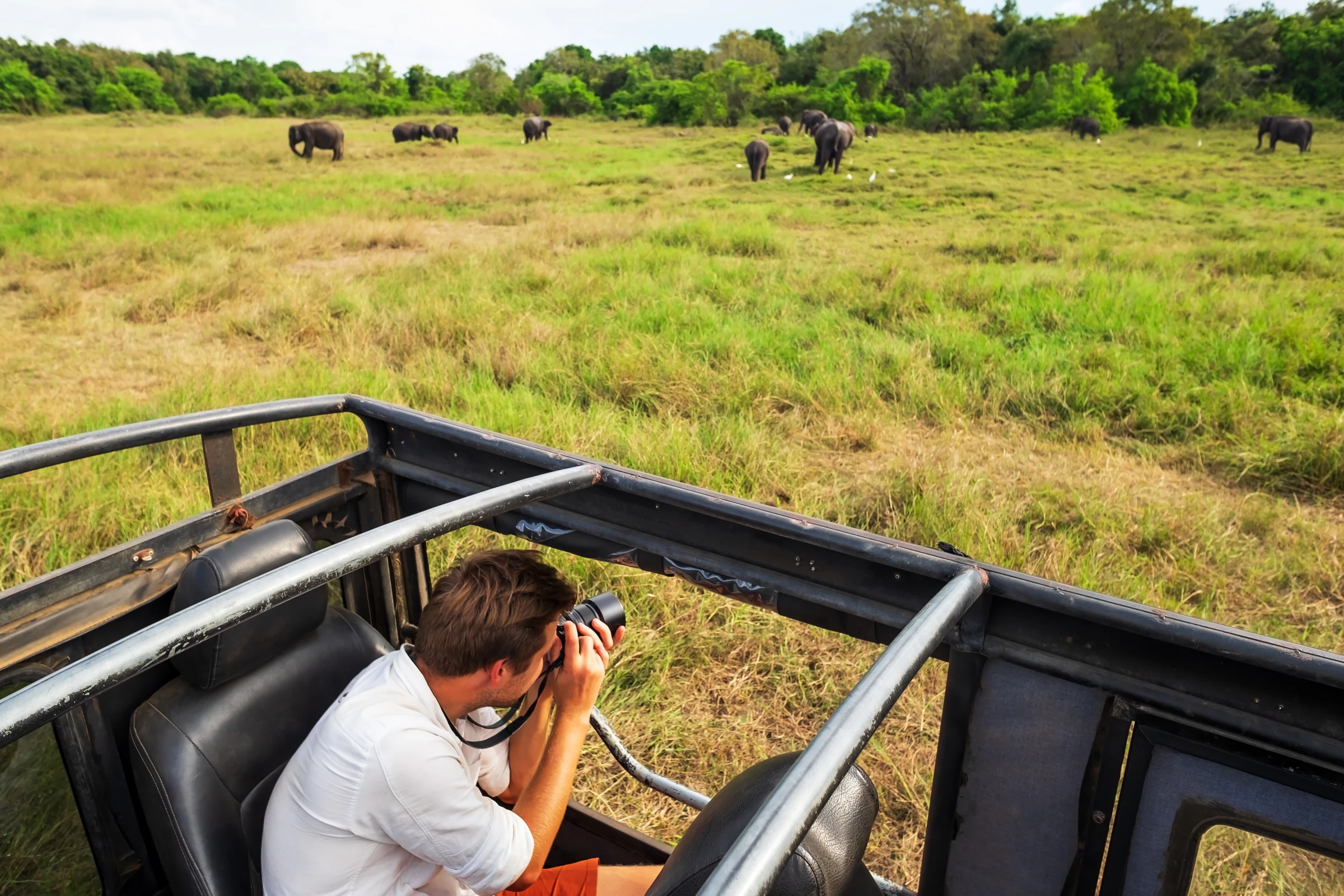
Sri Lanka fits three different safaris into a small area. Yala has one of the highest reported leopard densities anywhere, though jeeps cluster tightly around a sighting; operators quote roughly US$35 to $45 per person in total park charges plus $60 to $80 for a shared half-day jeep (ask what a quote covers, since entry, taxes, service and vehicle charges are listed separately), and its busiest blocks close for several weeks each year (Blocks 1 and 2 are shut from 14 September to 15 October in 2026). Udawalawe is calmer and built around open grassland, with reliable elephant herds and park charges in the same range, and pairs well with the nearby Elephant Transit Home. Further north, Minneriya and Kaudulla host one of the largest gatherings of Asian elephants anywhere, hundreds at once, in a window that peaks from late July to September. Wilpattu, on the north-west coast, is a large park with a strong leopard population and far fewer visitors, best from May to September, and suits a dedicated wildlife trip more than a quick add-on.
Where: Yala and Udawalawe in the south; Minneriya and Kaudulla in the Cultural Triangle; Wilpattu on the north-west coast. Cost: roughly US$35 to $45 per person in park charges plus US$60 to $80 for a shared half-day jeep. Time needed: a half day per park.
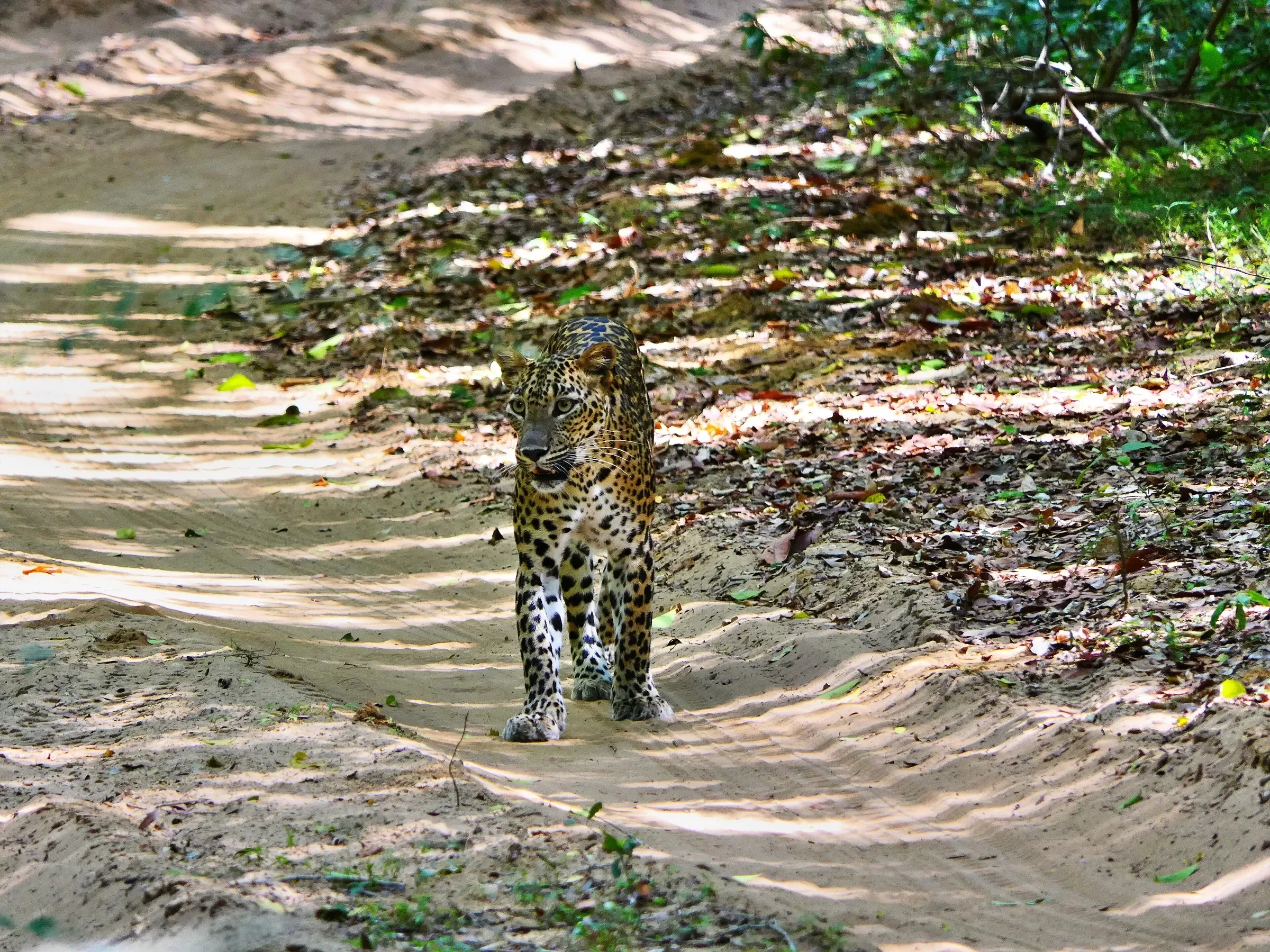
Full guide: Sri Lanka safari.
5. Watch for whales at Mirissa or Trincomalee
Mirissa's whale-watching season runs roughly November to April, with blue whale sightings most reliable from December to March. Boats leave the harbour around 6:30am and are out for 3 to 5 hours, and prices vary a lot by boat size and season, so compare what each trip includes before you pay. Sri Lankan law sets a 100 metre minimum approach distance from whales, though peak-season reports of 10 to 25 boats crowded around one animal are common, so picking an operator that holds back matters more here than the price. If your dates fall outside Mirissa's season, Trincomalee on the east coast runs roughly the opposite pattern, best from April or May through September.
Where: Mirissa on the south coast, or Trincomalee on the east coast for the opposite season. Cost: varies by boat and season; ask what's included. Time needed: half a morning, 3 to 5 hours including the boat ride.
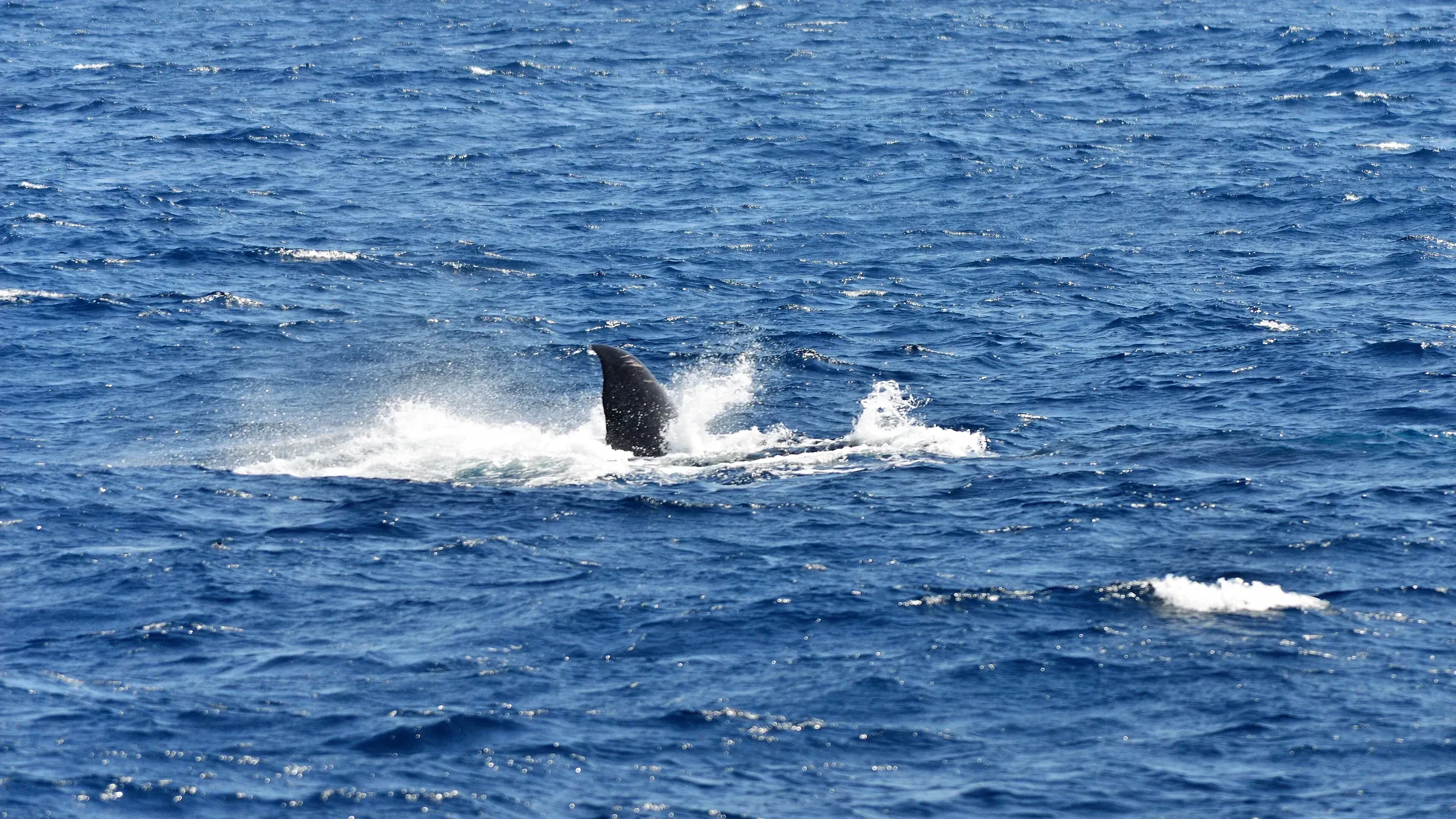
Full guide: Whale watching in Mirissa.
6. Surf at Arugam Bay or Weligama
Sri Lanka has two surf coasts running opposite seasons. The south coast, centred on Weligama, works roughly November to April, best December to March, with long, sandy beginner breaks (Weligama's sheltered bay can still give gentle beginner waves through the May to September monsoon); a group lesson runs roughly US$20 to $40. Arugam Bay on the east coast is a run of right-hand point breaks that suit improvers more than complete beginners, working the opposite months, roughly April or May to September, peaking July and August. Trying to fit both into one trip rarely works, since they're on opposite sides of the island on opposite seasons.
Where: Weligama for beginners on the south coast; Arugam Bay for improvers on the east coast. Cost: roughly US$20 to $40 for a group lesson. Time needed: at least 2 to 3 days to make real progress; longer for a dedicated surf trip.
Full guide: Surfing in Sri Lanka, plus dedicated guides to Weligama and Arugam Bay.
7. Wander Galle Fort
Galle Fort is a UNESCO-listed walled town on the south coast, built by the Portuguese in 1588 and rebuilt on a much bigger scale by the Dutch after 1640. Entry to the fort itself is free, though individual museums inside charge a small separate fee, roughly LKR 300 to 1,000. The ramparts walk around the sea wall takes about 45 minutes, and half a day covers that plus the streets, cafes and a museum or two; a full day suits anyone who also wants to shop and eat without rushing.
Where: Sri Lanka's south coast, about 2 to 3 hours from Colombo by road depending on traffic (a coastal train also runs). Cost: free to enter; a small fee for individual museums. Time needed: half a day to a full day.
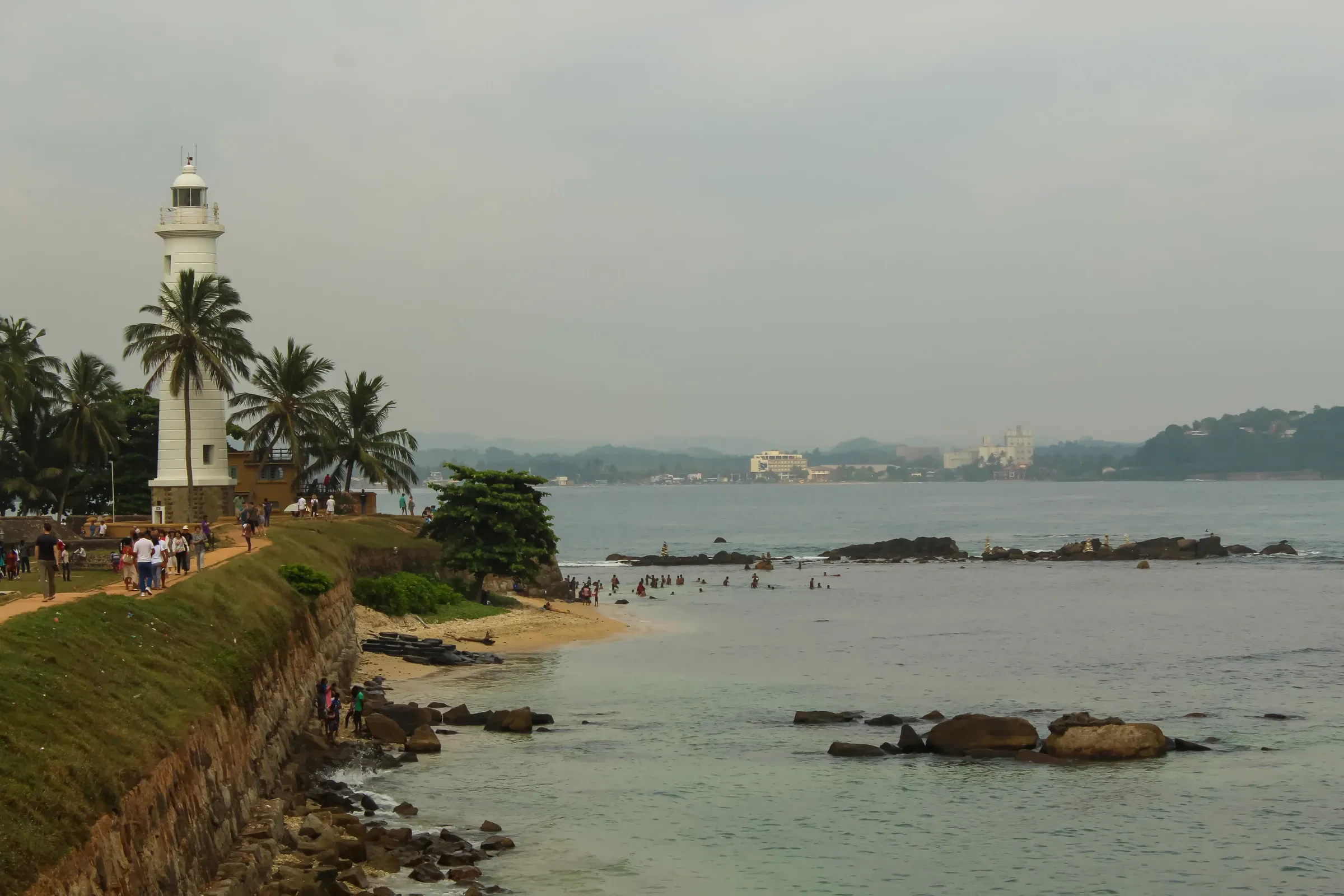
Full guide: Galle Fort.
8. Visit a tea estate in the hill country
Sri Lanka's hill country around Nuwara Eliya and Ella is where the country's tea industry is based, and a working tea estate visit, with a walk through the terraces and a tasting at the end, is a genuine stop rather than just a shopping detour. Pedro and Labookellie, near Nuwara Eliya, are two long-standing estates that take visitors; most working estates along the Kandy to Ella corridor offer a similar short tour and tasting.
Where: around Nuwara Eliya, or any working estate along the hill country route. Cost: usually free or a small charge, with tea sold at the end. Time needed: an hour or two, easy to fit around a day in Nuwara Eliya or Ella.
Full guide: Sri Lanka hill country.
9. Time your trip to a Poya day or the Kandy Esala Perahera
Every full moon, or Poya, is a public holiday in Sri Lanka, and alcohol sales pause for the day, so it's worth knowing the date is coming rather than being caught out. The country's biggest single event, the Kandy Esala Perahera, is a ten-night Buddhist festival of elephant, dancer and drummer processions through Kandy, honouring the city's sacred tooth relic. The 2026 festival ran 18 to 28 August; the Temple of the Tooth hadn't confirmed 2027 dates at the time of writing, with an estimated window of 6 to 16 August 2027 based on the lunar calendar. The last two or three nights, the Randoli Perahera, draw the largest processions.
Where: Kandy, for the Esala Perahera; anywhere in the country for a Poya day. Cost: free to watch from the street; reserved seats are sold for the Esala Perahera route. Time needed: one evening for a Poya day; build a Kandy stay around the Esala Perahera's ten nights if the dates fit your trip.
Full guide: Kandy Esala Perahera, and our festivals calendar for Poya dates and the rest of the year.
The list at a glance
| Experience | Where | Typical cost | Time needed |
|---|---|---|---|
| Climb Sigiriya or Pidurangala | Cultural Triangle | US$35 (Sigiriya); a small fee (Pidurangala) | Half a day |
| Nanu Oya to Ella train | Hill country | LKR 600 to 4,000 | 2 to 2.5 hours |
| Adam's Peak (in season) | Dalhousie | Free (climb only) | An overnight climb |
| Leopard or elephant safari | Yala, Udawalawe, Minneriya or Wilpattu | US$35 to $45 park charges, plus US$60 to $80 jeep | Half a day |
| Whale watching | Mirissa or Trincomalee | Varies by boat | 3 to 5 hours |
| Surf | Weligama or Arugam Bay | US$20 to $40 a lesson | 2 to 3 days or more |
| Galle Fort | South coast | Free entry; small museum fees | Half to a full day |
| Tea estate visit | Nuwara Eliya area | Free or a small charge | 1 to 2 hours |
| Poya day or Kandy Esala Perahera | Nationwide, or Kandy | Free to watch | One evening, or a Kandy stay |
Practical notes
Most of these experiences have a genuine season, and some, like Yala's block closures and the Esala Perahera's exact dates, shift year to year. Check the linked guide close to your travel date rather than relying on this page alone for a fixed date or price, since fees are set by Sri Lankan authorities in rupees and the dollar figure moves slightly with the exchange rate. A fuel quota system has also run since mid-March 2026, with tourists getting priority at fuel stations, so ask your driver or operator whether it affects your plans. If you're building a route rather than picking experiences one at a time, our where to go in Sri Lanka guide covers the regions these all sit inside, and our itinerary guide covers how they fit together over 1 week to 1 month.
Prefer to travel with a group?
If you'd rather have someone else handle the vans, tickets and timing between these experiences, our Sri Lanka group trips run the Cultural Triangle, hill country and south coast as a fixed route with a Trip Host along for the whole way.