This guide is about where to go, not what to do once you're there. For a day-by-day plan matched to the length of trip you have, see our Sri Lanka itinerary hub; for the experiences worth building a trip around, from surfing to whale watching, see things to do in Sri Lanka.
Colombo and Negombo
Most trips start here, but neither is really a destination in itself. Negombo is the airport town, about 15 to 20 minutes from Bandaranaike International Airport, with a beach, a fish market and enough guesthouses for a comfortable first or last night before heading inland or south. Colombo, the capital, is about 25 km from the airport, roughly 20 to 45 minutes on the expressway depending on traffic. It's worth half a day if you like cities, but most Sri Lanka trips, ours included, skip a dedicated stop there and land straight in Negombo instead.
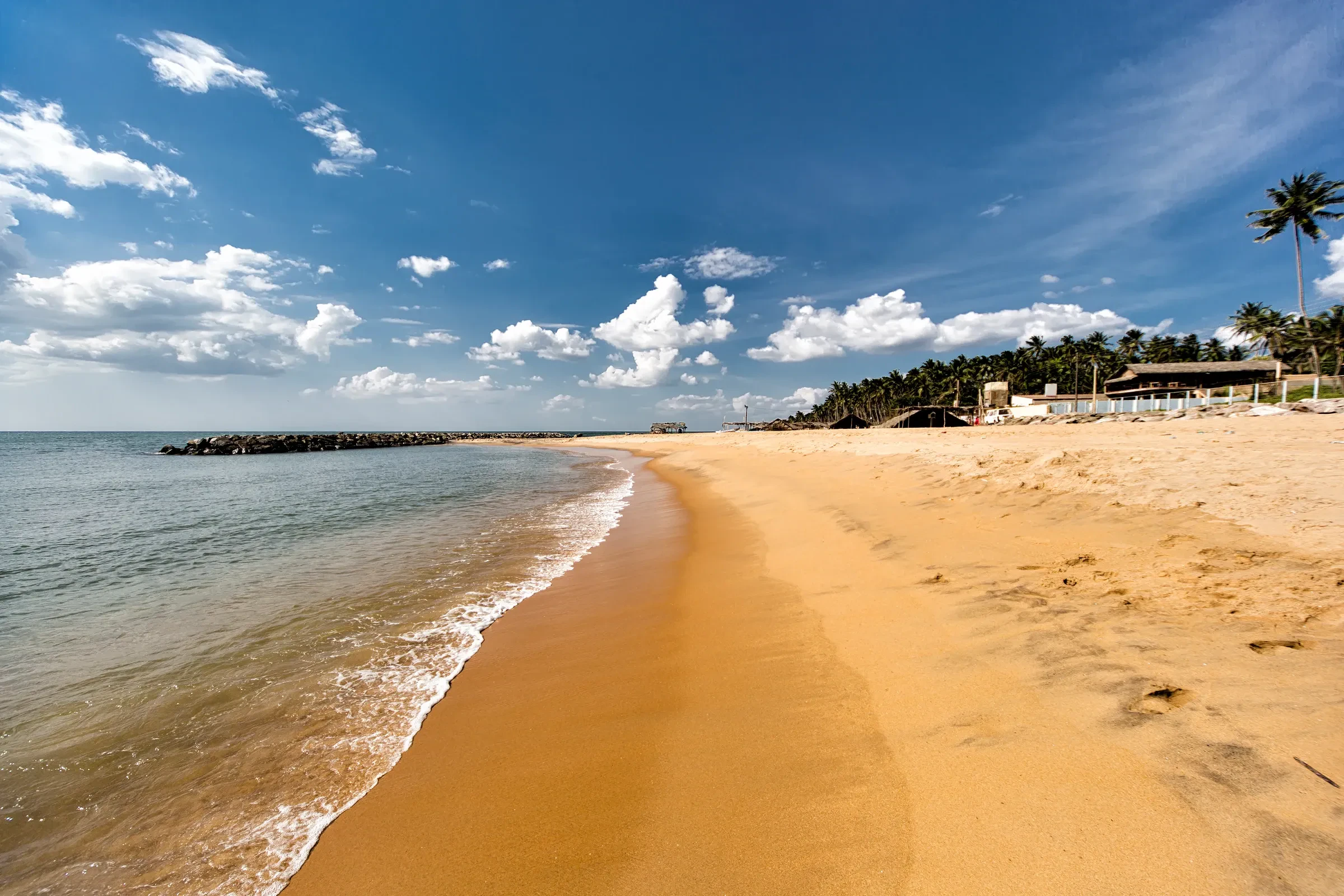
Negombo
Who it suits: anyone landing at or flying out of Colombo airport. How long: one night. Best months: driest December to April, though it's a short stop either way. Read the Negombo guide.
The Cultural Triangle
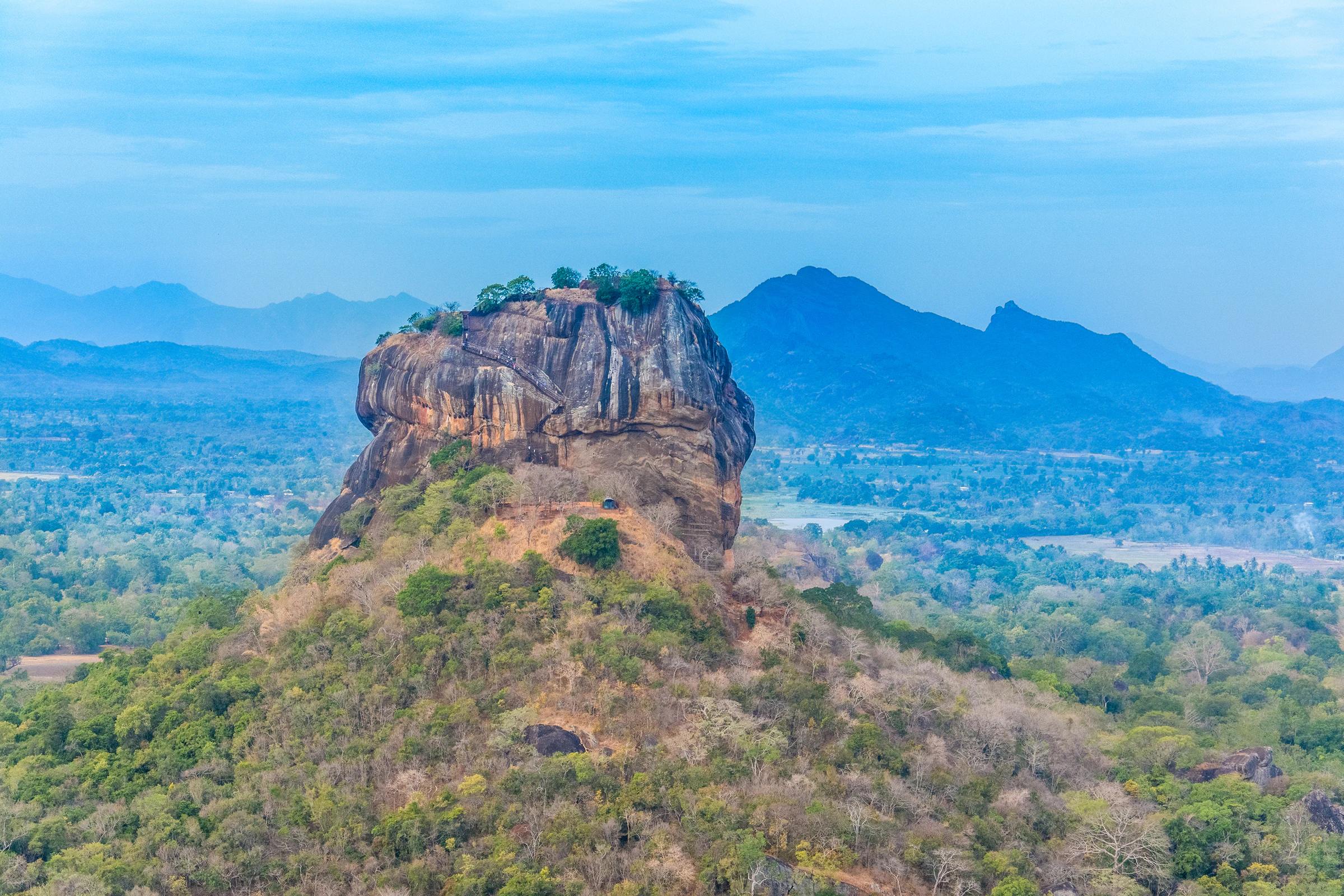
The inland region north of Kandy holds Sri Lanka's four headline ancient sites: Sigiriya's rock fortress, Dambulla's cave temple, Polonnaruwa's ruined medieval capital and Anuradhapura's older sacred city. Sigiriya and Dambulla have no railway station of their own (the nearest is Habarana), so you'll move between sites by private car or tuk-tuk, based in Sigiriya, Dambulla or Habarana. This inland region is much drier than the coasts, but the north-east monsoon brings its heaviest rain from October to December, so January to March is the safest window.
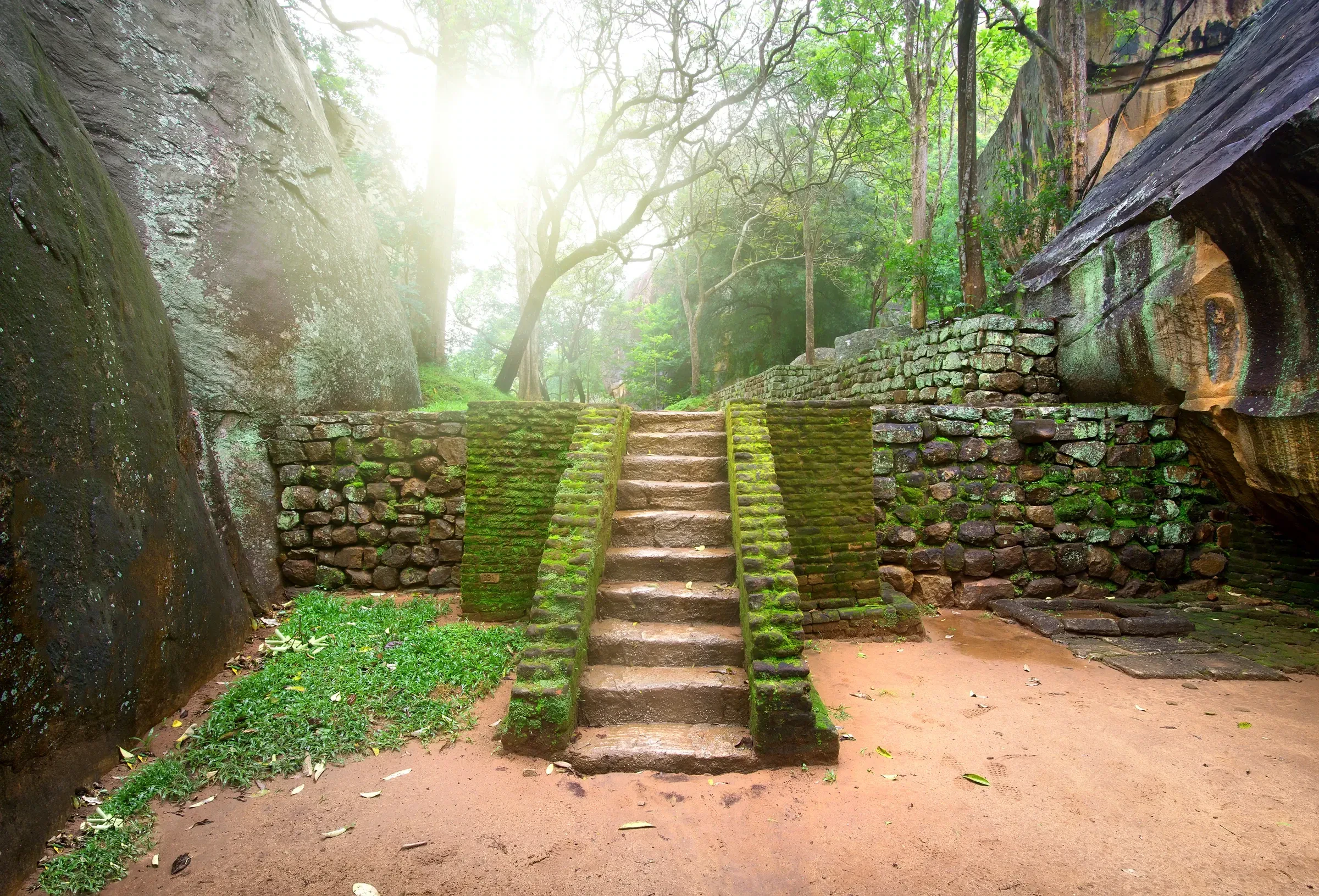
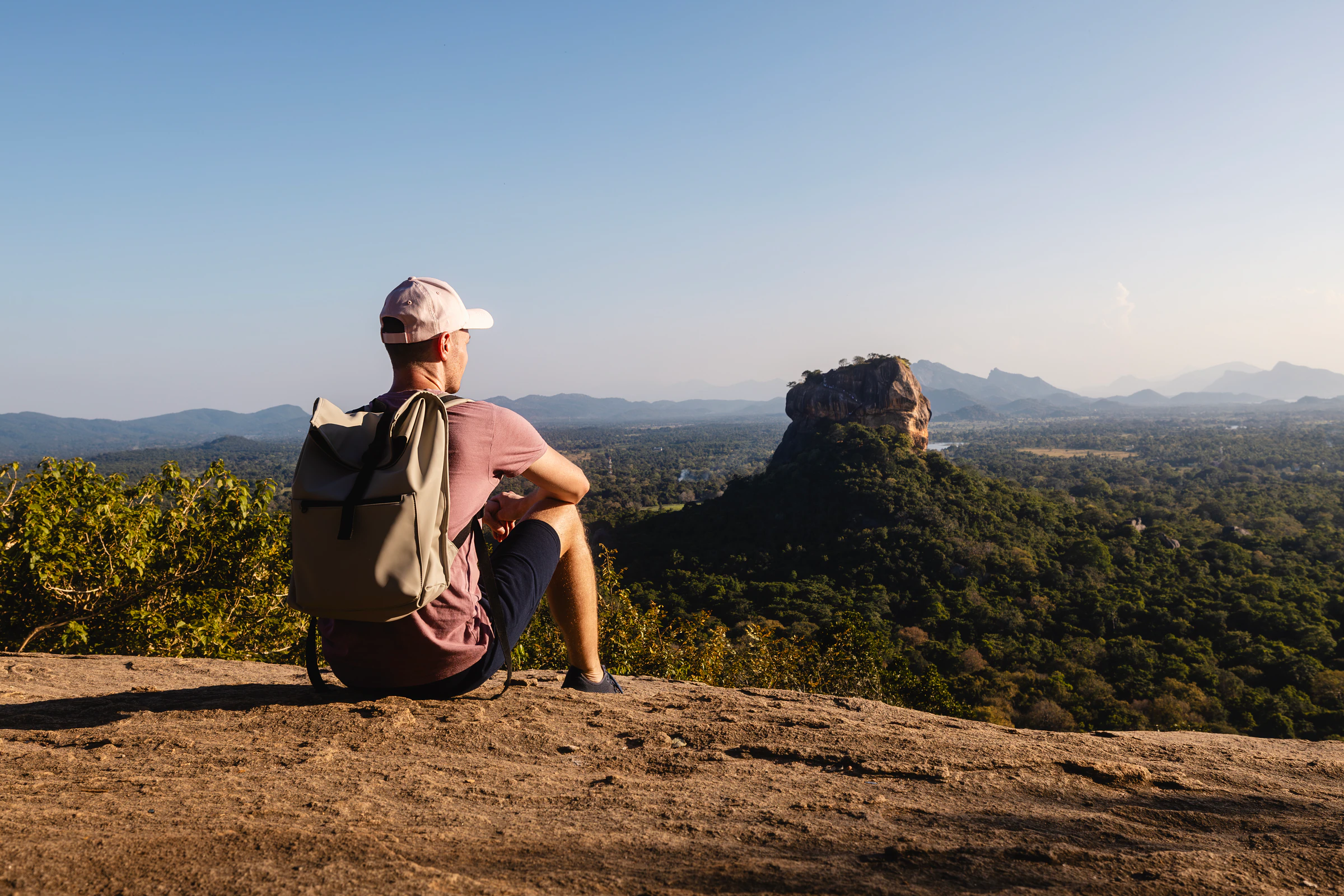
Sigiriya
Who it suits: anyone visiting Sri Lanka for the first time. How long: the climb takes 1.5 to 2 hours; most people build a full day around it plus Dambulla. Best months: January to March. Read the Sigiriya guide.
Polonnaruwa
Who it suits: history-focused travellers who want a second ancient site without a second full day of driving. How long: half a day, best done by bike around the ruins. Best months: January to March. Read the Polonnaruwa guide.
Anuradhapura
Who it suits: travellers with a full week or more in the Cultural Triangle who want the oldest of the four sacred sites, not just the best known ones. How long: a full day, since it's the furthest north. Best months: January to March. Read the Anuradhapura guide.
For the full region in one place, including Dambulla and how to string all four sites together, see the Cultural Triangle guide.
Kandy and the hill country
South of the Cultural Triangle, the road climbs into tea country: Kandy, Nuwara Eliya, Ella and, in season, Adam's Peak, strung along one mountain corridor. It's a slower, cooler pace than the coast or the Cultural Triangle, with tea estates and colonial hill towns replacing beaches and ruins. Best months are December to March, into early April; avoid May to September, the wetter window for hill-country walking.
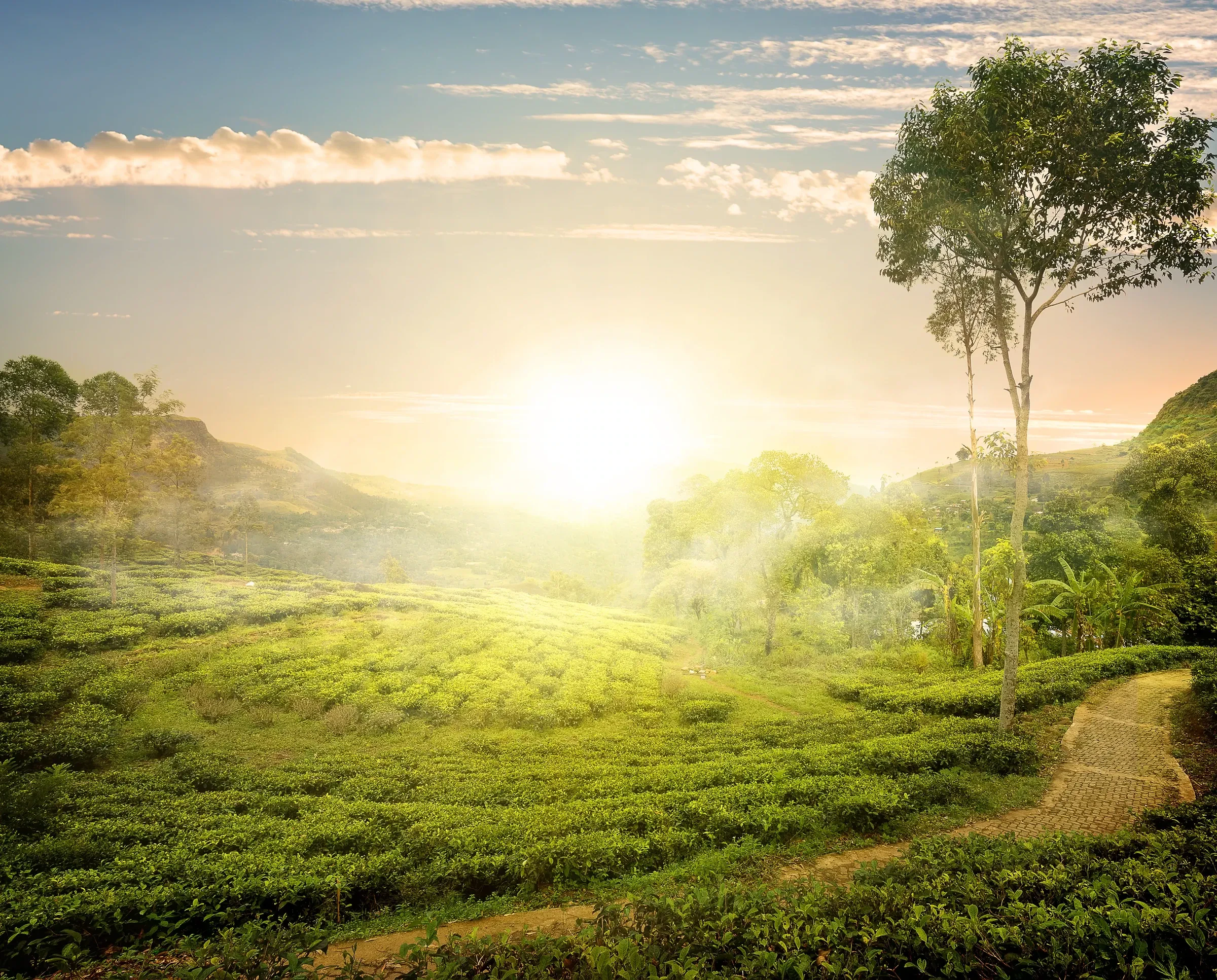
Kandy
Who it suits: anyone wanting the Temple of the Sacred Tooth Relic and a hinge point before the train climbs into tea country. How long: two days, three with Peradeniya's botanical gardens. Best months: December to March. Read the Kandy guide.
Nuwara Eliya
Who it suits: travellers who want a cool, colonial hill town and Horton Plains without committing to the full hill-country loop. How long: one to two nights. Best months: driest January to March, though it rains most months here regardless. Read the Nuwara Eliya guide.
Ella
Who it suits: scenery hunters and hikers, and anyone chasing the Nine Arches Bridge. How long: two to three nights. Best months: December to March. Read the Ella guide.
Adam's Peak
Who it suits: travellers up for an overnight climb, usually done as a detour from the rest of the hill-country loop rather than a stop on its own. How long: one night, climbed before dawn. Best months: the pilgrimage season runs December to May. Read the Adam's Peak guide.
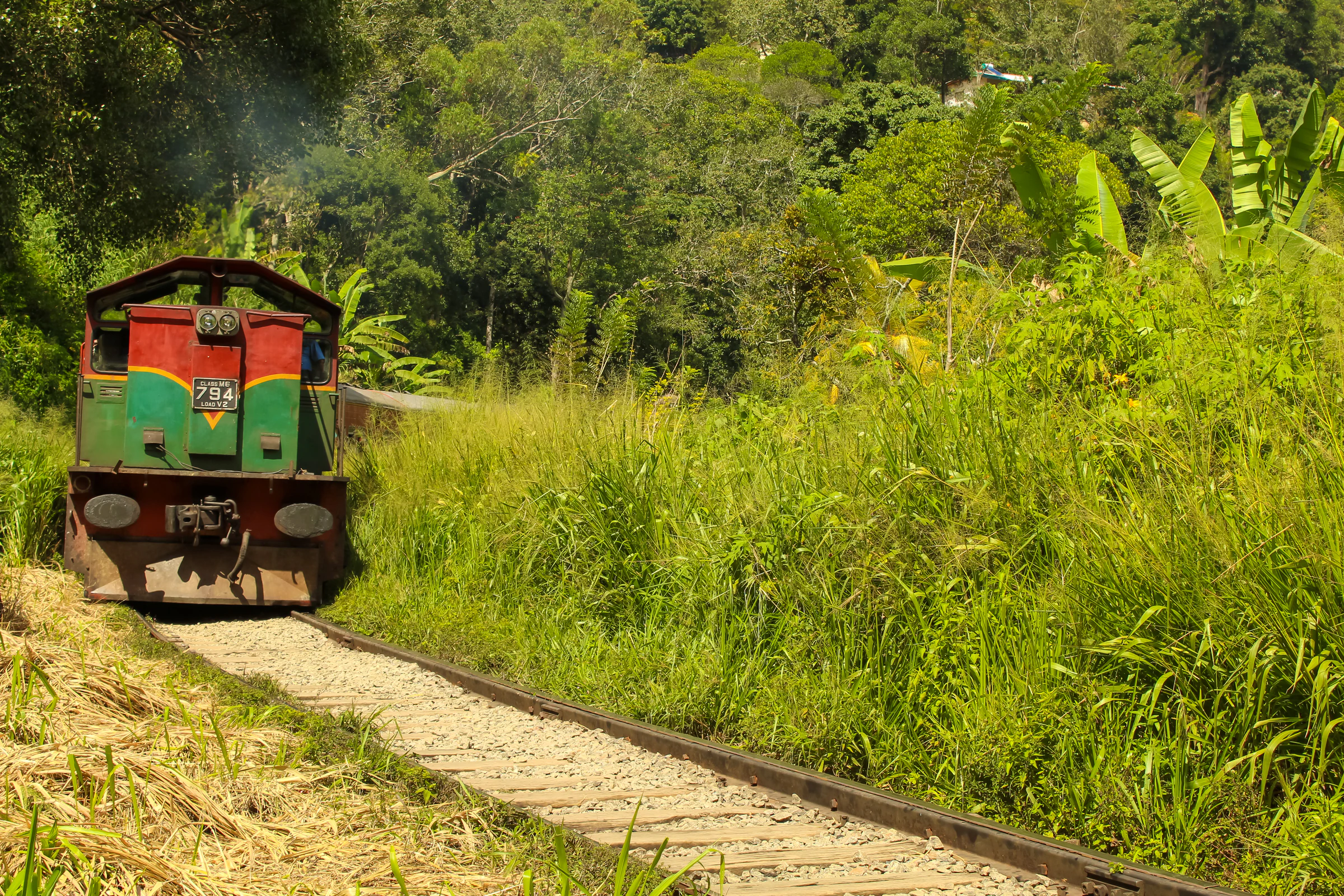
Getting between Kandy and Ella: Cyclone Ditwah damaged the hill-country line in November 2025, and it has reopened in stages. Trains between Nanu Oya and Badulla (which includes Ella) resumed on 20 June 2026, and Colombo to Peradeniya reopened on 2 October 2026. The last stretch into Kandy and the Kandy to Nanu Oya section are still closed as of early October 2026, so there is no through train from Kandy to Ella yet. Most itineraries cover Kandy to Nuwara Eliya (or Nanu Oya) by road, then pick up the train from there. Full details and current status are in our Kandy to Ella train guide.
For the whole corridor as one route, see the hill country guide.
The south coast: Galle, Unawatuna, Mirissa, Weligama, Tangalle and Yala
Probably the easiest region in Sri Lanka to string together without a fixed plan: every stop sits close to the next along the coastal train line and the Southern Expressway. This is the region most trips build around, and it's driest December to March; avoid May to September, when the south-west monsoon roughs up the coast.
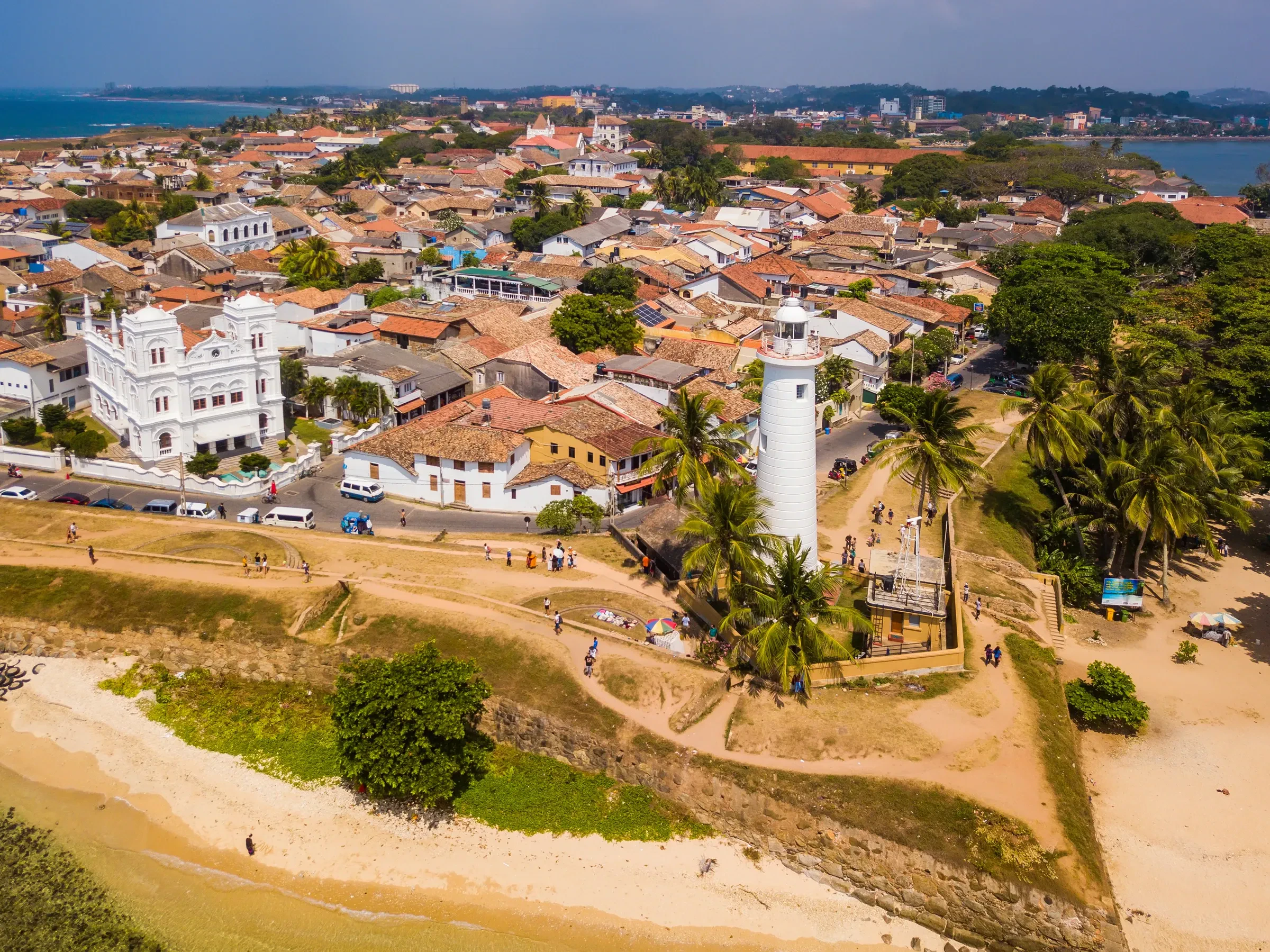
Galle
Who it suits: anyone who wants a wander rather than a swim, a UNESCO-listed walled town from the Dutch colonial era. How long: half a day covers the ramparts and streets, a full day if you want to shop and eat without rushing. Best months: December to March. Read the Galle guide.
Unawatuna
Who it suits: travellers who want the most developed beach town on the coast, with a sheltered swimming bay and a busy strip of guesthouses. How long: two nights, three with a Galle Fort day trip. Best months: in season November to April, driest and calmest December to March. Read the Unawatuna guide.
Mirissa
Who it suits: whale watchers and anyone after a small, easy-going beach town rather than a busy one. How long: two to three nights. Best months: in season November to April, driest December to March. Read the Mirissa guide and the separate whale watching guide for season and prices.
Weligama
Who it suits: first-time surfers; Sri Lanka's main learn-to-surf town, with a long, gentle beach break. How long: three or more days if you're actually learning. Best months: December to April. Read the Weligama guide.
Tangalle
Who it suits: travellers who want a quieter finish to the south coast route, further from the crowds than Mirissa or Unawatuna. How long: one to two nights, usually the last stop before or after a safari. Best months: December to March. Covered as the final stop in the south coast itinerary.
Yala (and Udawalawe)
Who it suits: anyone building a safari into the south coast route. Yala has the higher leopard density but gets crowded around sightings; Udawalawe is calmer and built around elephant herds. How long: a half-day jeep safari from a south coast base. Best months: year-round, though Yala's busiest blocks close for part of September and October most years. Read the Sri Lanka safari guide for 2026 fees and which park to choose.
For the whole coast as one route, see the south coast itinerary.
The east coast: Arugam Bay and Trincomalee
The east coast runs on the opposite calendar to the rest of the island: dry and calm roughly May to September, when the south and west are at their wettest. Avoid November to February here, when the north-east monsoon shuts down much of Arugam Bay's guesthouses and surf camps.
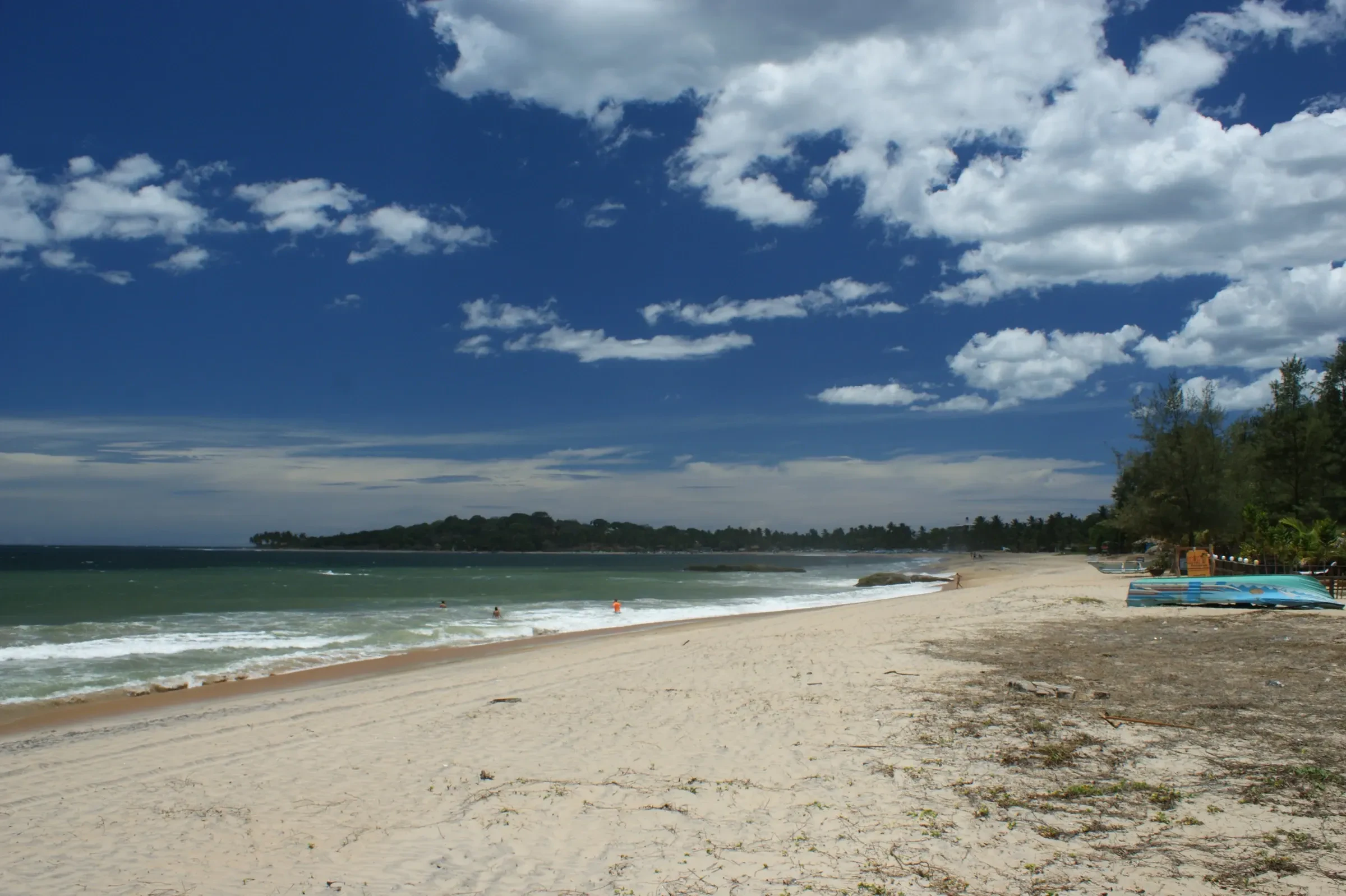
Arugam Bay
Who it suits: surfers, and anyone happy to travel on a different season to the standard south coast loop. How long: at least three or four days around the surf season. Best months: May to September, with July and August the most reliable for waves. Read the Arugam Bay guide.
Trincomalee
Who it suits: snorkellers and whale watchers wanting the east coast's better weather window. How long: three to four days, based in Nilaveli or Uppuveli. Best months: roughly April or May to September, driest June to August. Read the Trincomalee guide.
For both towns as one route, see the east coast itinerary.
The north: Jaffna
Jaffna sits at the northern tip of the island, with a Tamil culture, cuisine and history distinct from the rest of Sri Lanka. It's a long way from the standard south coast and hill country loop, roughly 8 to 9 hours by train from Colombo, and it follows the north and east coast's weather pattern rather than the south's. Most visitors treat it as a dedicated trip in its own right rather than a stop tacked onto a shorter itinerary.
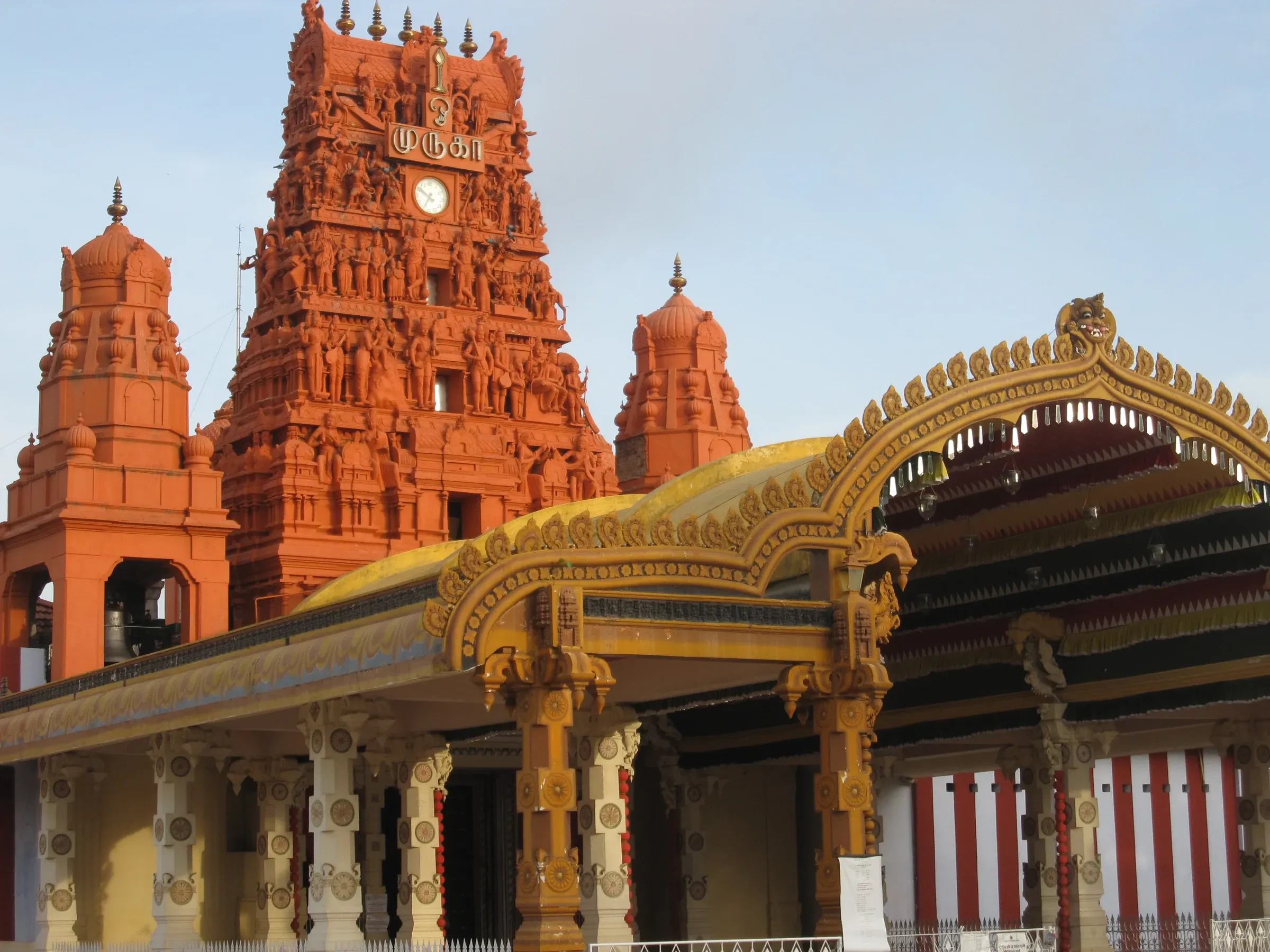
Jaffna
Who it suits: travellers with time for a dedicated detour, interested in Tamil culture and history beyond the main loop. How long: 3 to 4 days. Best months: outside the October to December rains, driest roughly June to August. Read the Jaffna guide.
Choose by interest
| You want | Best region | Guide |
|---|---|---|
| Ancient temples and rock fortresses | The Cultural Triangle | Cultural Triangle guide |
| Tea estates, hiking and cool air | The hill country | Hill country guide |
| Beaches, whale watching and a first-time route | The south coast | South coast itinerary |
| Surfing | Weligama (beginners) or Arugam Bay (experienced) | Surfing in Sri Lanka |
| A safari | Yala or Udawalawe, off the south coast | Sri Lanka safari guide |
| Somewhere quieter, off the main loop | The east coast or Jaffna | East coast itinerary |
| A soft landing near the airport | Negombo | Negombo guide |
Putting it together
Most first-time trips combine the Cultural Triangle, the hill country and the south coast, in that order, since they run in a rough line down the island and share the same December to March dry season. The east coast and Jaffna sit on the opposite calendar and further off the main road, so they usually mean a dedicated trip rather than an add-on. For day-by-day routes at each length, see our Sri Lanka itinerary hub; for daily costs, see the Sri Lanka budget guide; for food to look out for in each region, see our Sri Lankan food guide.
Prefer to travel with a group? See our Sri Lanka trips.