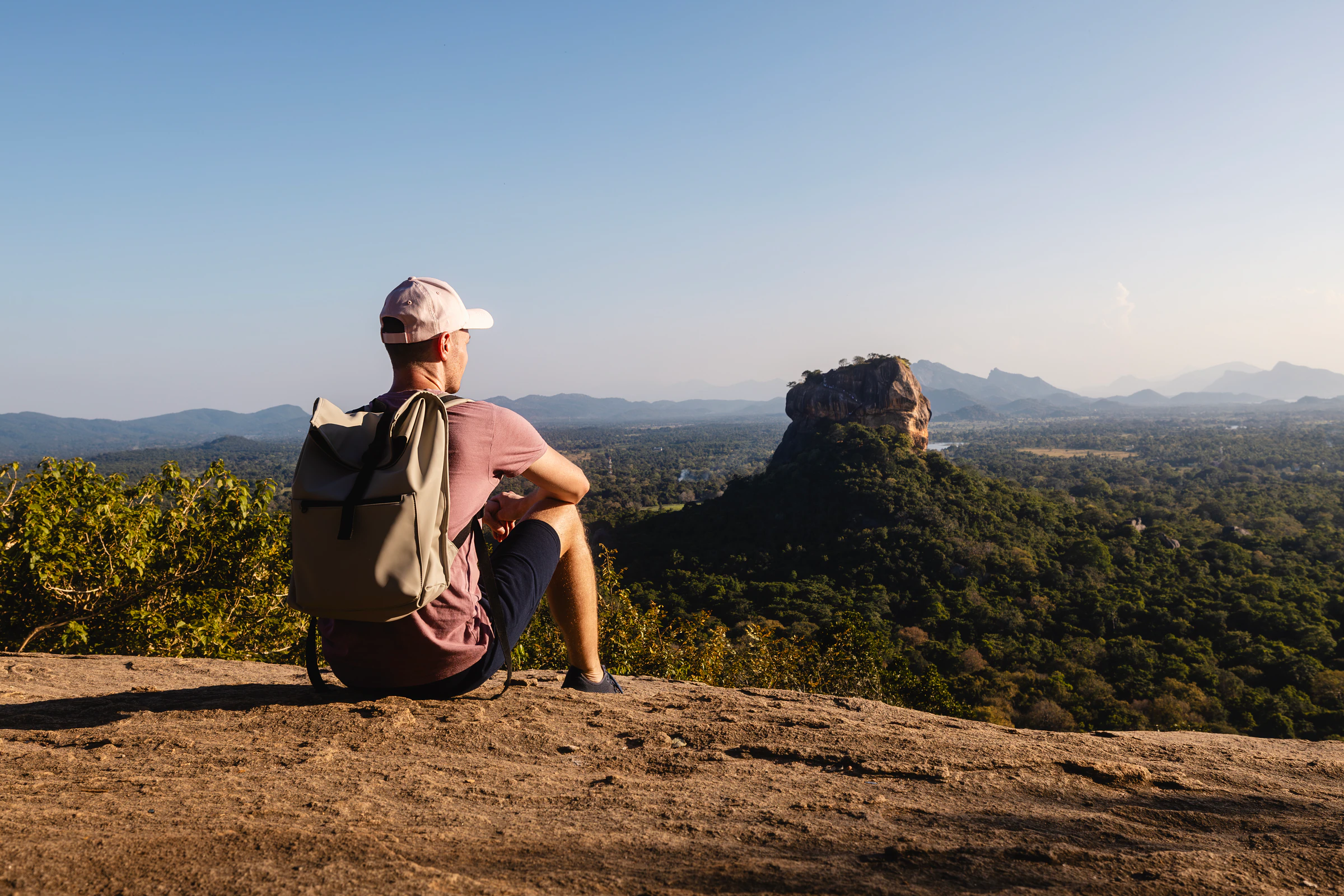
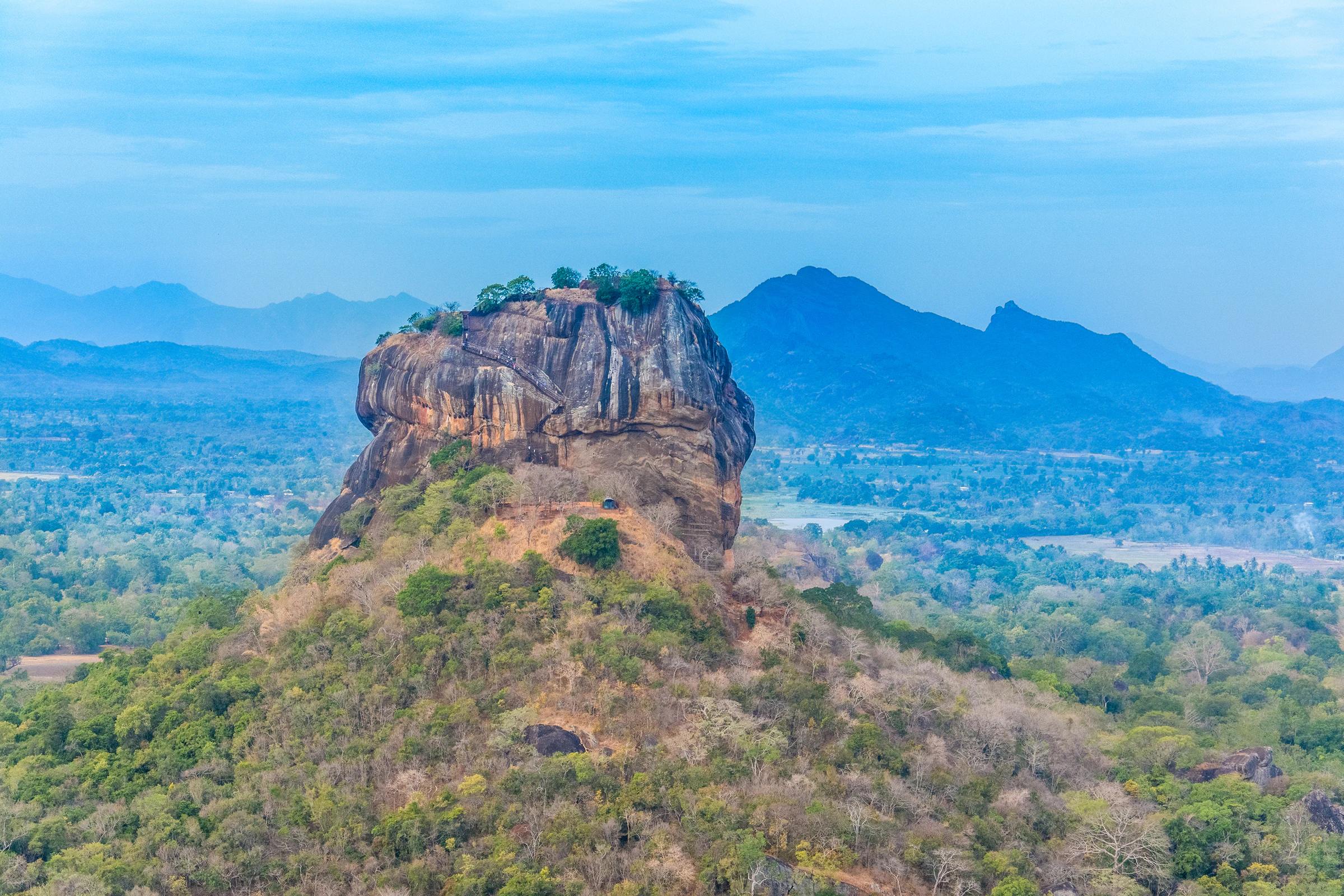
Where Sigiriya is one dramatic rock, Polonnaruwa is a whole city, Sri Lanka's 11th and 12th century capital spread out flat across several square kilometres of parkland. That spread is exactly why cycling suits it so well: instead of one climb, you get a slow ride between shrines, palace ruins and giant carved Buddhas, with the Parakrama Samudra's reservoir glinting between them. This guide covers the ticket, cycling the site, what's worth stopping for, getting there, and combining it with a safari at nearby Minneriya.
How much does it cost to visit Polonnaruwa?
A foreign adult ticket costs US$30, and a half ticket is US$15, according to the Central Cultural Fund's price page. The CCF also manages Sigiriya, Dambulla and Anuradhapura. Its prices are set in US dollars and paid in rupees at the day's exchange rate, so the rupee amount shifts slightly day to day. You can also order online through the CCF's eTicketing system, and the CCF says an online order stays valid for 90 days from purchase.
The CCF's ticket page lists the site as open 7am to 5pm. Other sources quote different hours for the Cultural Triangle, so check on the day, and leave enough daylight for a proper look around.
Cycling the ancient city
Polonnaruwa's ruins are spread out enough that walking the whole site is a slog, which is why almost everyone gets around by bicycle instead. Bikes are for hire near the entrance, and a full loop of the main sites at an easy pace, with stops to look around, takes about 3 to 4 hours. The paths are flat and shaded in parts, so it's a genuinely relaxed way to spend a morning, not a workout.
The main stops on a typical loop:
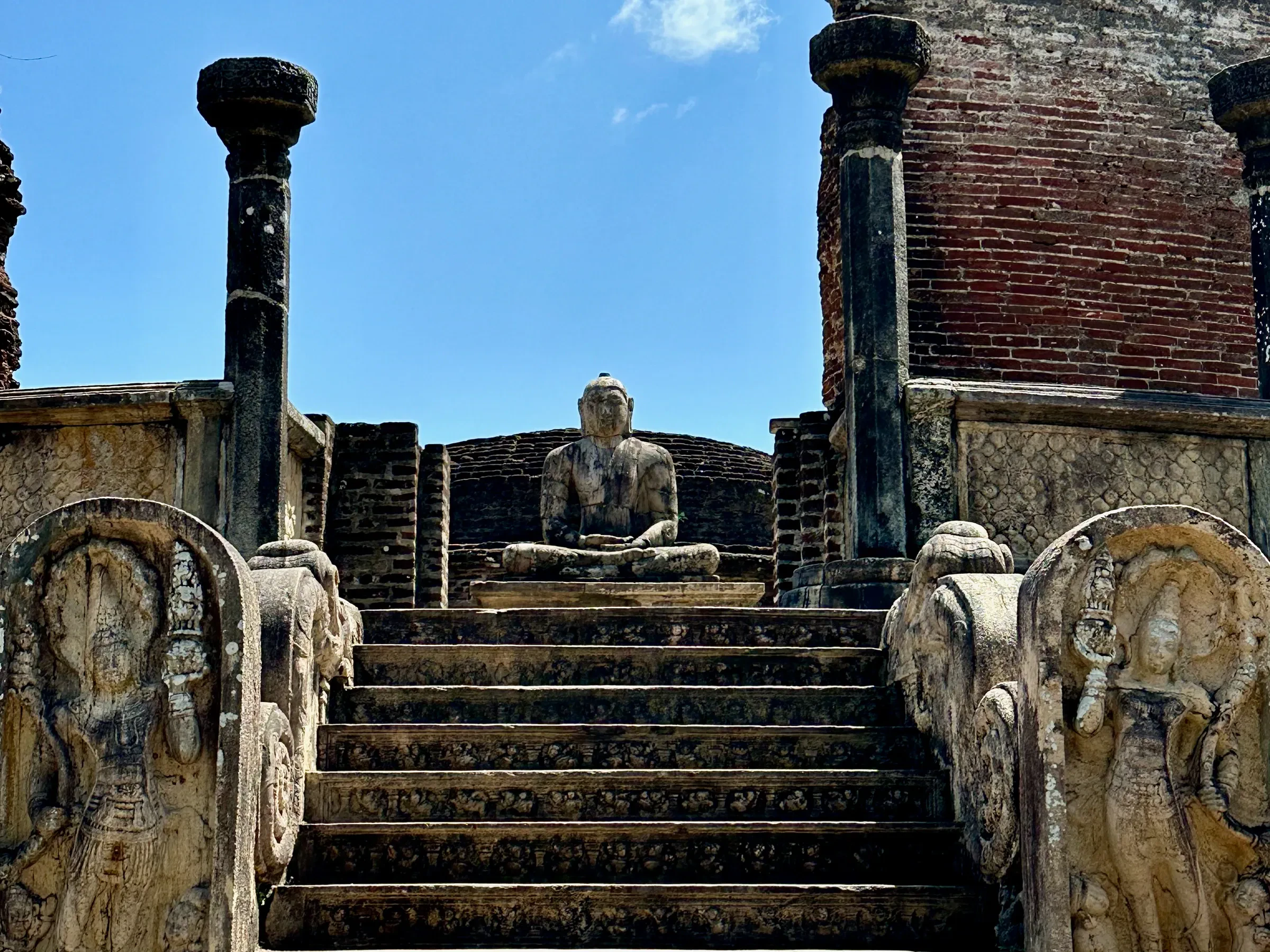
- The Quadrangle, a compact cluster of the city's most important shrines and monuments packed into one walled terrace, including the Vatadage's circular relic house and the Thuparama's brick image house.
- The Royal Palace ruins, the remains of King Parakramabahu I's seven-storey palace, now reduced to thick brick walls that still give a sense of its original scale.
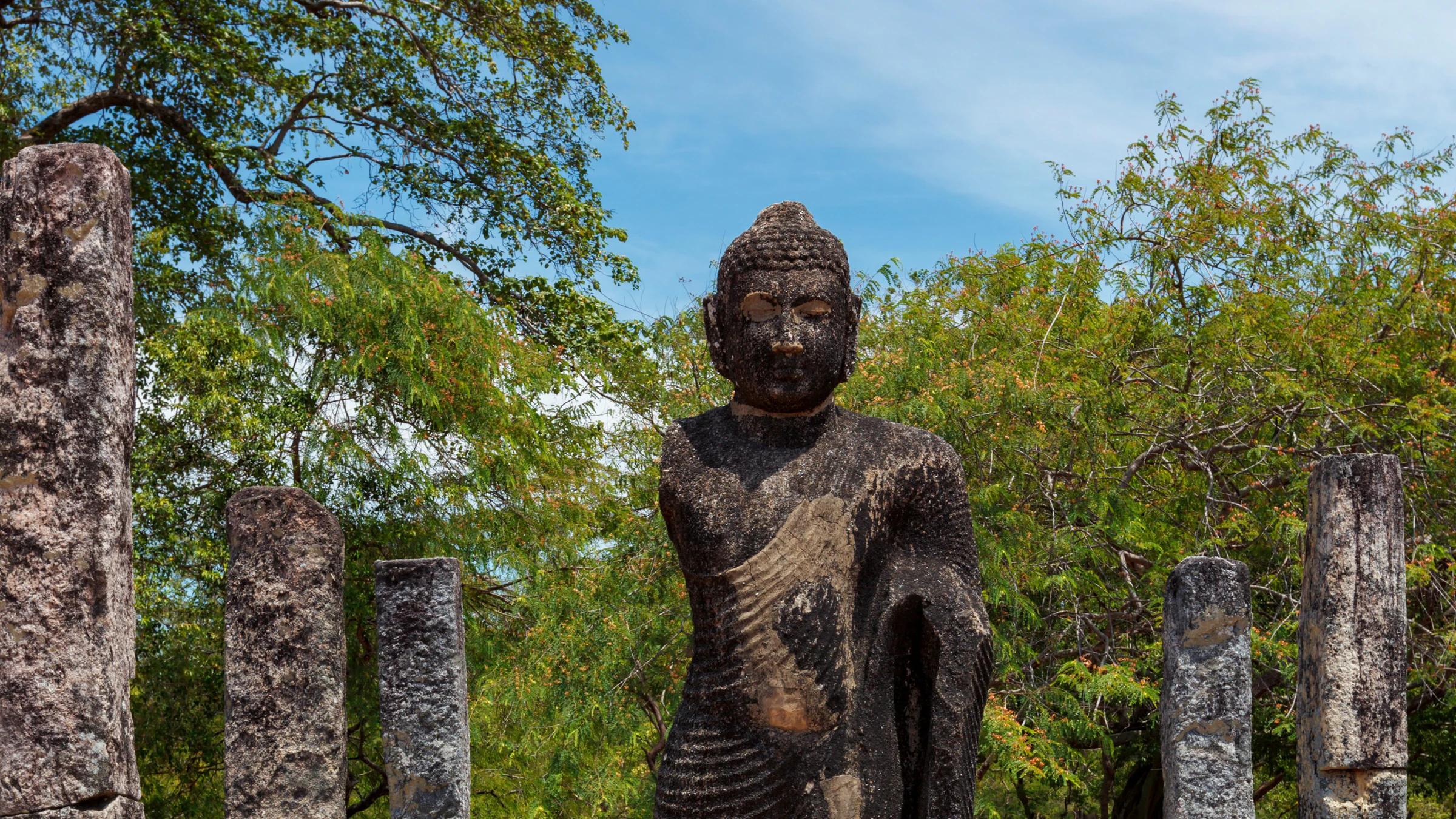
- Gal Vihara, four Buddha statues carved directly from a single granite outcrop in the 12th century. The standing figure alone is about 14 metres tall, and it's usually considered the single most impressive stop on the site.
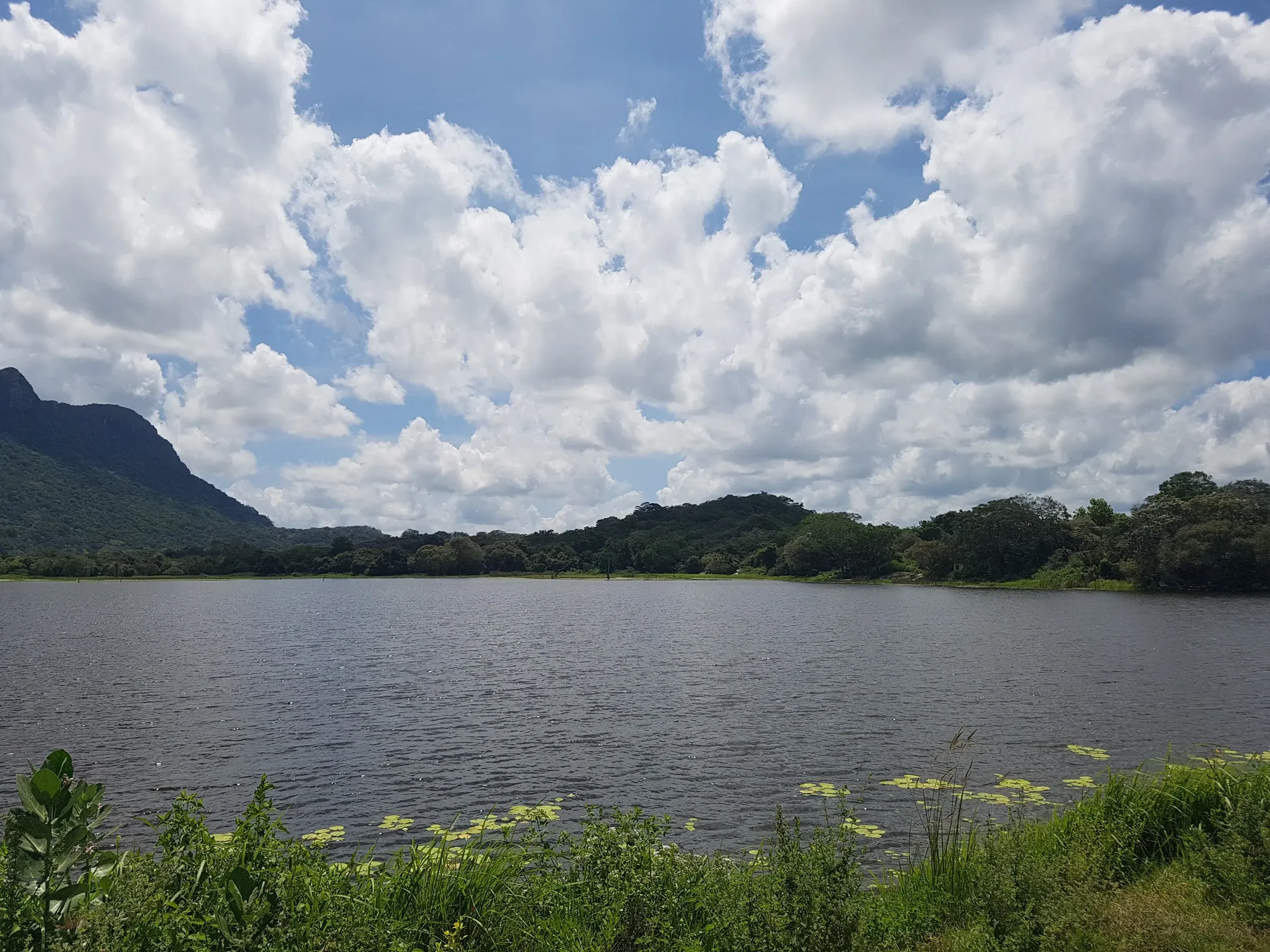
- The Parakrama Samudra, the huge reservoir Parakramabahu I built on the principle that no drop of rain should reach the sea unused. It borders the site and makes an easy, scenic final stop, especially toward sunset.
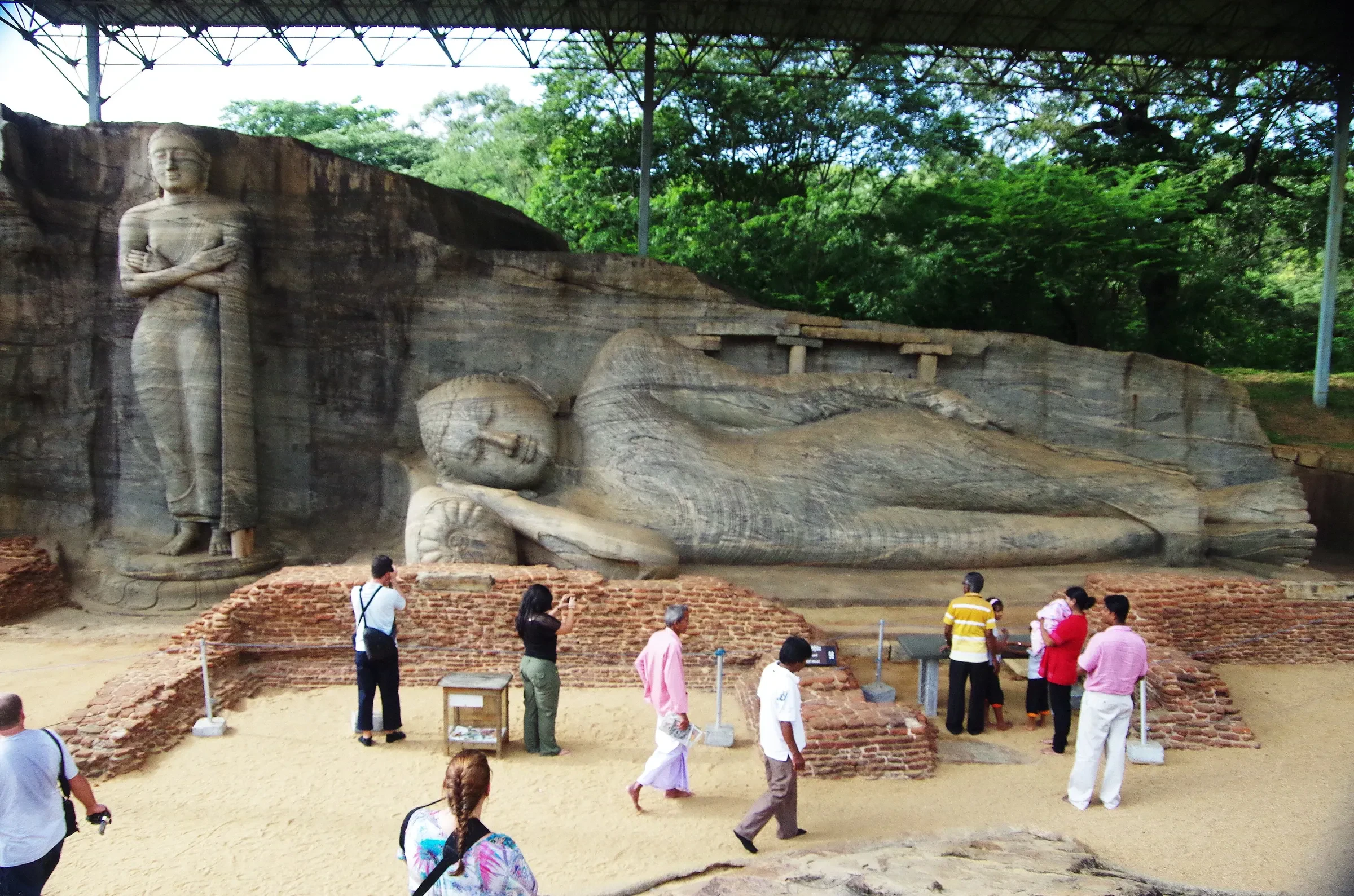
Cover your shoulders and knees and take your shoes off at the shrines and before approaching any Buddha statue, as at any Sri Lankan religious site, and carry water: there's little shade over some stretches of the ride. Toque macaques live around the ruins, so keep food and bags closed and don't feed them.
The usual advice is to visit from January to March, with the heaviest rain across the Cultural Triangle from October to December.
Getting to Polonnaruwa from Sigiriya, Dambulla or Habarana
Polonnaruwa sits within easy day-trip range of the Cultural Triangle's usual bases, and most people visit from wherever they're already staying rather than moving hotels for it.
- By private car or tuk-tuk, the most common way for independent travellers: roughly 1 to 2 hours from Sigiriya or Dambulla, and closer to an hour from Habarana, which sits nearest of the three.
- By train, Polonnaruwa station is on the Batticaloa line, which runs from Colombo Fort through Habarana, and Habarana also has a station. Batticaloa line services resumed on 22 December 2025 after Cyclone Ditwah damaged the track beyond Polonnaruwa. The station is a few kilometres from the ruins, so you'd still need a tuk-tuk. Check the Sri Lanka Railways timetable before you plan around a train.
- By public bus, cheaper but slower: from Dambulla, direct buses to Polonnaruwa (signed for Kaduruwela, the town's bus stand) run every 20 to 30 minutes and take about 1.5 to 2 hours. From Sigiriya, there's no direct service, so you change buses at Dambulla or Inamaluwa junction, which usually adds up to around 2 hours in total.
Many people combine Polonnaruwa with Sigiriya and Dambulla's cave temple in the same 2 to 3 day Cultural Triangle stay, rather than travelling out to it as a separate trip.
Combine it with Minneriya
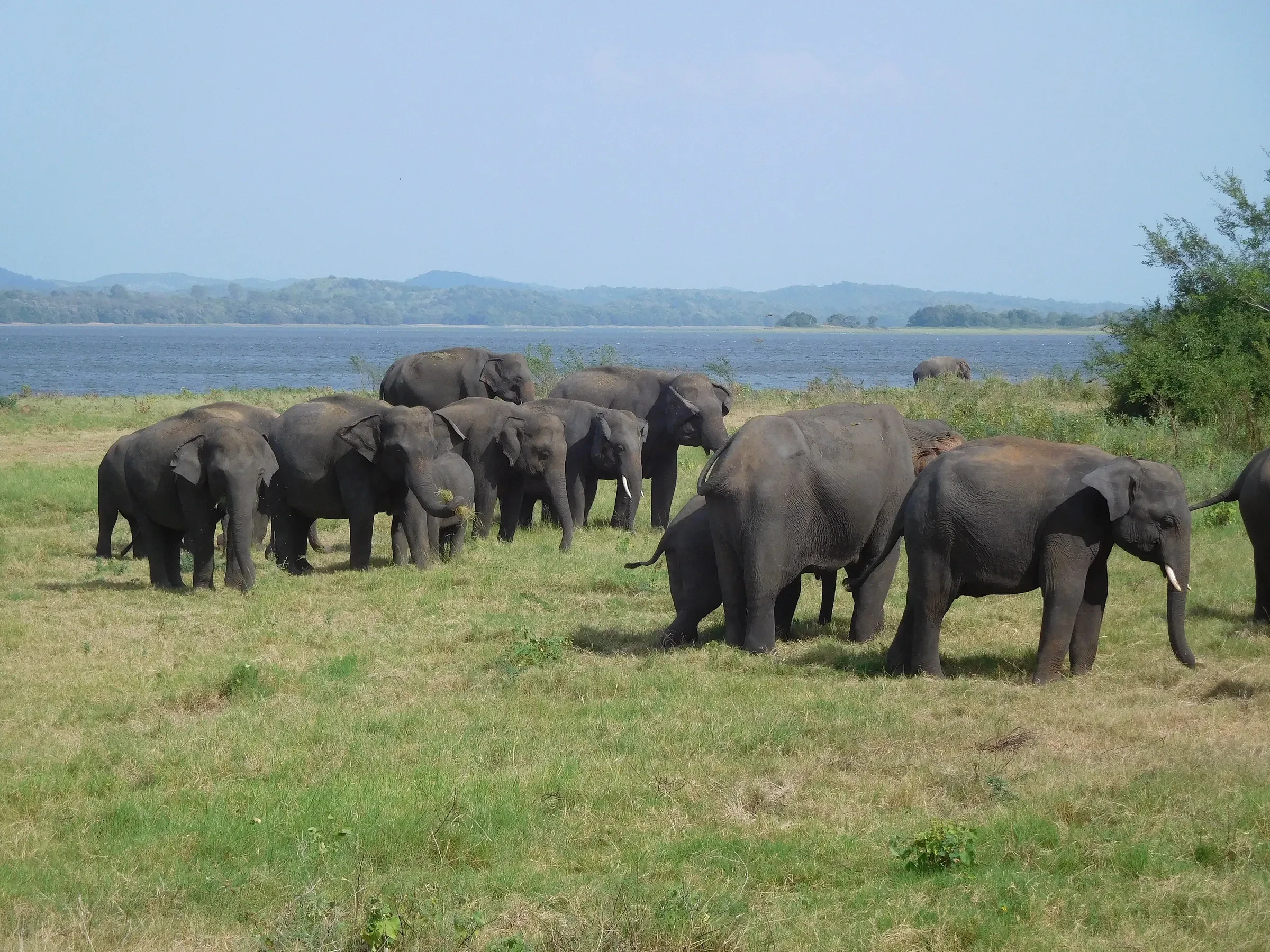
Minneriya National Park, home to Sri Lanka's famous elephant gathering, is only about 30 to 35 minutes from Polonnaruwa by road. The gathering runs from about July to October and peaks from late August to mid-September. Kaudulla, nearby, has a similar one. A common plan is Polonnaruwa's ruins in the morning, before the day heats up, then an afternoon safari at Minneriya, timed for the late-afternoon hours when elephants are most active. See our Sri Lanka safari guide for what the gathering involves and when to time a visit around it.
Polonnaruwa and the rest of the Cultural Triangle
Polonnaruwa is usually paired with Sigiriya's rock fortress and Dambulla's cave temples as the three headline stops of Sri Lanka's Cultural Triangle, with Anuradhapura's older, more spread-out ruins as a fourth for travellers with extra time. Most independent travellers base themselves in Sigiriya, Dambulla or Habarana for 2 to 3 nights and visit the sites as day trips from there, rather than moving accommodation for each one.
Our 12-Day Sri Lanka Tour spends a full afternoon at Polonnaruwa as part of its Cultural Triangle stop.