Our Sri Lanka trips start in Negombo rather than Colombo, as do many independent itineraries, and there's a simple reason: it's close to the airport, it's on the coast, and it's a far gentler place to land after a long flight than the capital's traffic and noise. It won't be the highlight of your trip, and nobody plans a Sri Lanka holiday around it, but for a first night, a last night, or both, it does the job better than most alternatives. This guide covers whether it's worth staying, the beach, the fish market, the lagoon and Dutch canal, first and last night logistics, and getting on to Colombo.
Is Negombo worth staying in?
For a first or last night, yes. For a dedicated beach stop, not really. Negombo's honest selling point is proximity: it's close enough to the airport that you're not wasting daylight on a transfer, and it has just enough going on, a beach, a market, a canal, a couple of old churches, to fill a quiet day if you want one before or after the rest of your trip. Travellers who've skipped it outright generally don't regret it either, since a night in Negombo isn't required to see the rest of the country. Whether it's worth a stop mostly comes down to where you're headed next: it sits on the road toward Kandy, Sigiriya and Dambulla, so it makes more sense as a first night if you're heading inland than if your route runs straight down the south coast from Colombo.
The beach
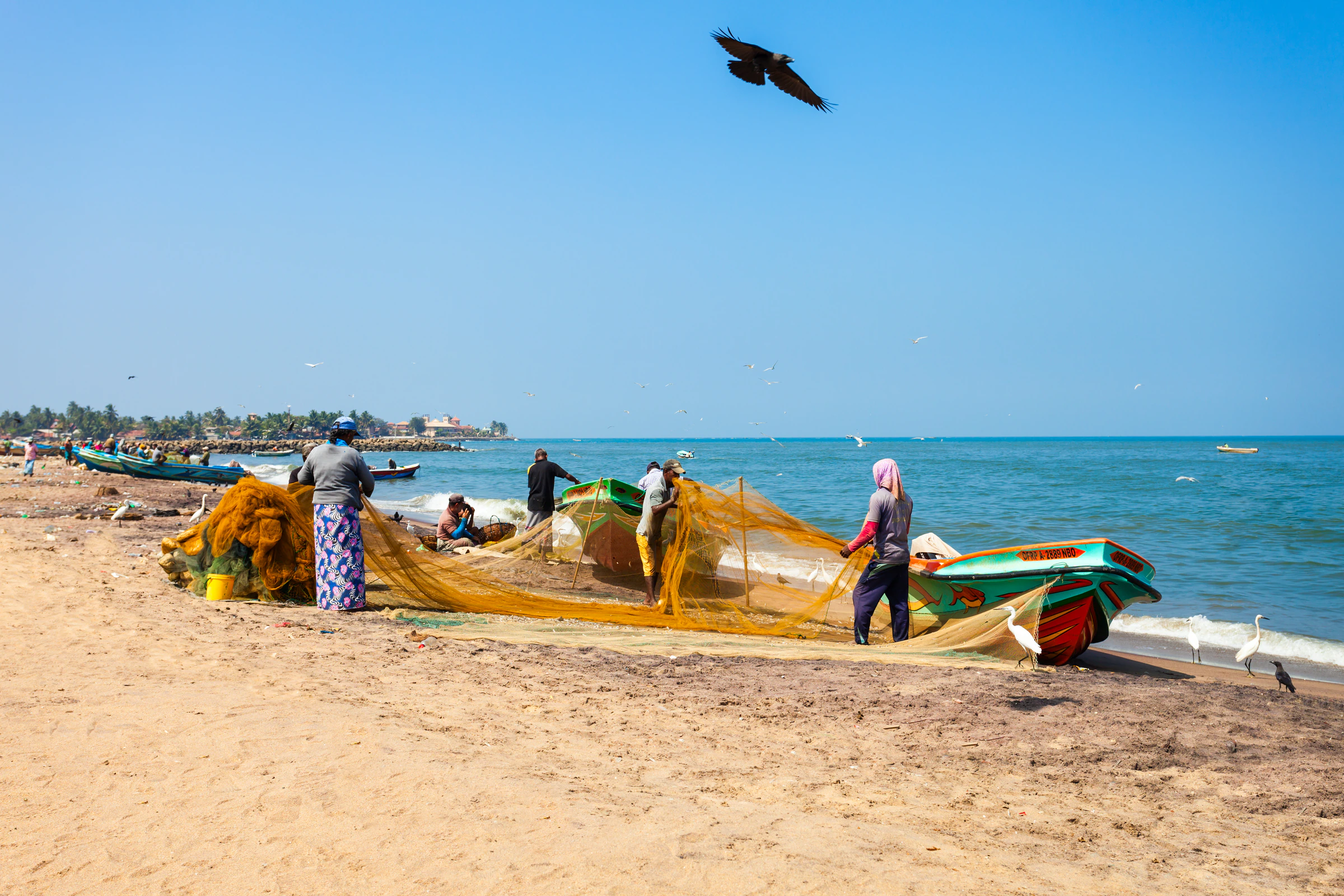
Negombo's beach runs along Beach Road, backed by a strip of hotels, guesthouses and restaurants, with decent stretches of sand directly in front of the beachfront properties. It isn't Sri Lanka's most attractive beach, and the sand quality varies noticeably along its length: cleaner and better kept right in front of the hotels that maintain their own frontage, patchier elsewhere. It's fine for a sunset walk, but it's not the reason to add a night here, and nobody comes to Sri Lanka specifically for Negombo's sand when Mirissa, Weligama and Hiriketiya are a few hours south.
Swimming depends on the season. During the south-west monsoon, roughly May to September, the sea on this coast gets rough and rip currents can form, so stay out of the water when it looks heavy. November to April is the calmer period. Ask your guesthouse about the day's conditions before you swim.
Negombo's fish market
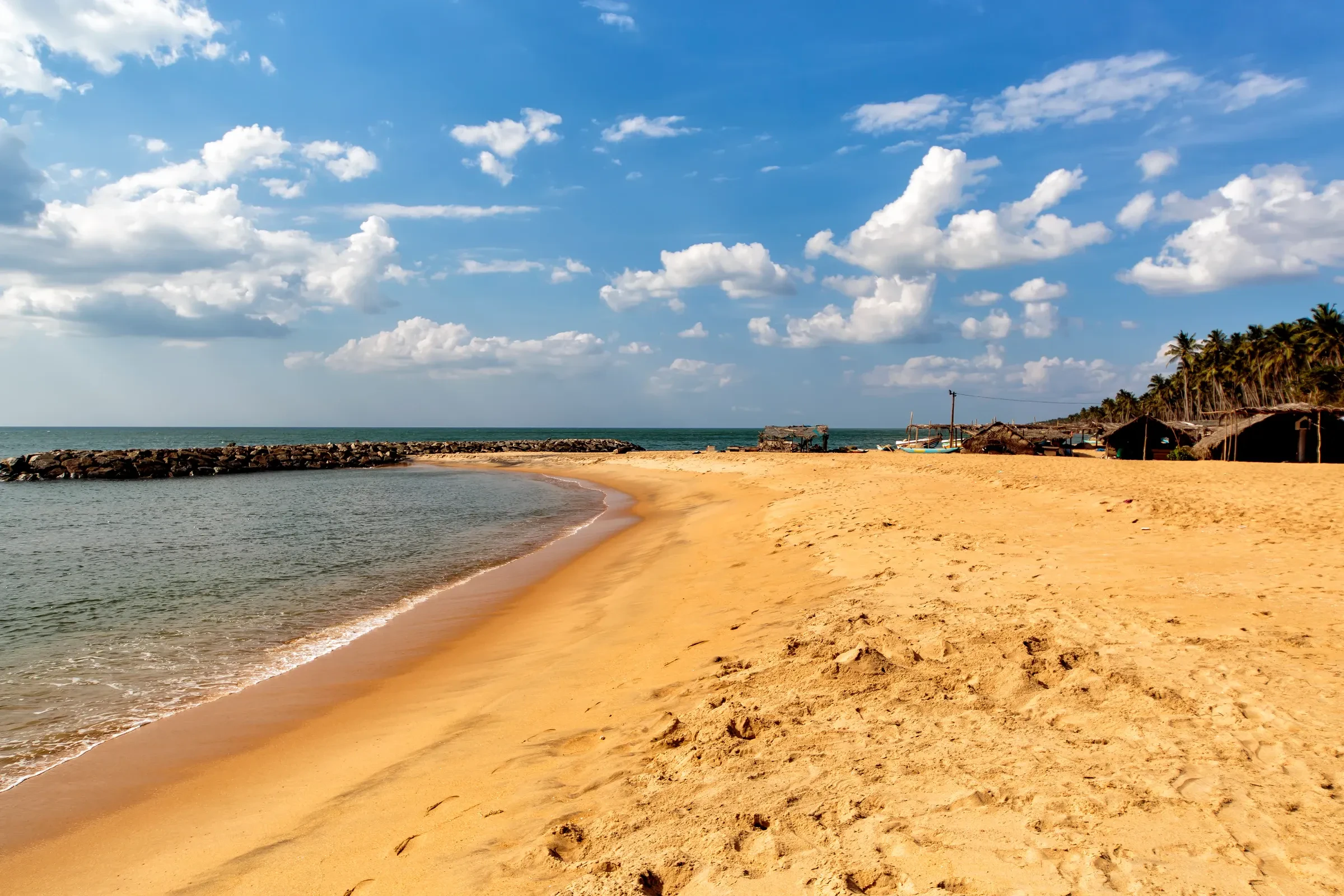
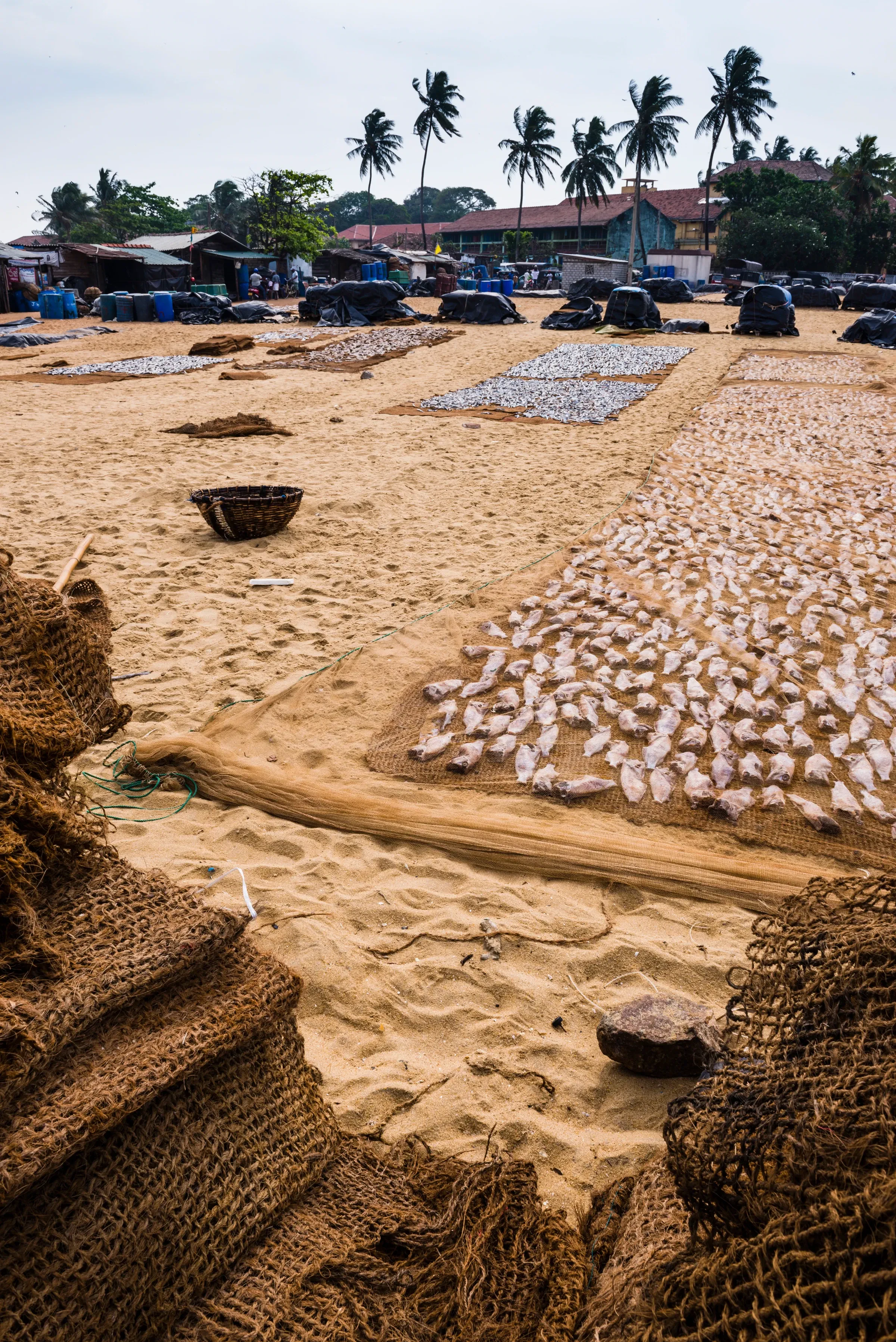
The fish market, known locally as the Lellama, is Negombo's most interesting sight and the one thing worth an early alarm for. Boats bring in the night's catch, and fishermen auction it and lay fish out to dry on the sand. Sources put the busiest hours very early, from about 3:30am to 5am, with trading carrying on into the morning, so go around dawn at the latest. It's loud, smelly in the way any working fish market is, and one of the few places in town that feels like it exists for Negombo's own economy rather than for visitors.
An older report says the main gate is shut on Sundays, when many local fishermen are at church, and that Muslim fishermen take Fridays off. We found no current source for the days, so ask your guesthouse the evening before.
The lagoon and Dutch canal
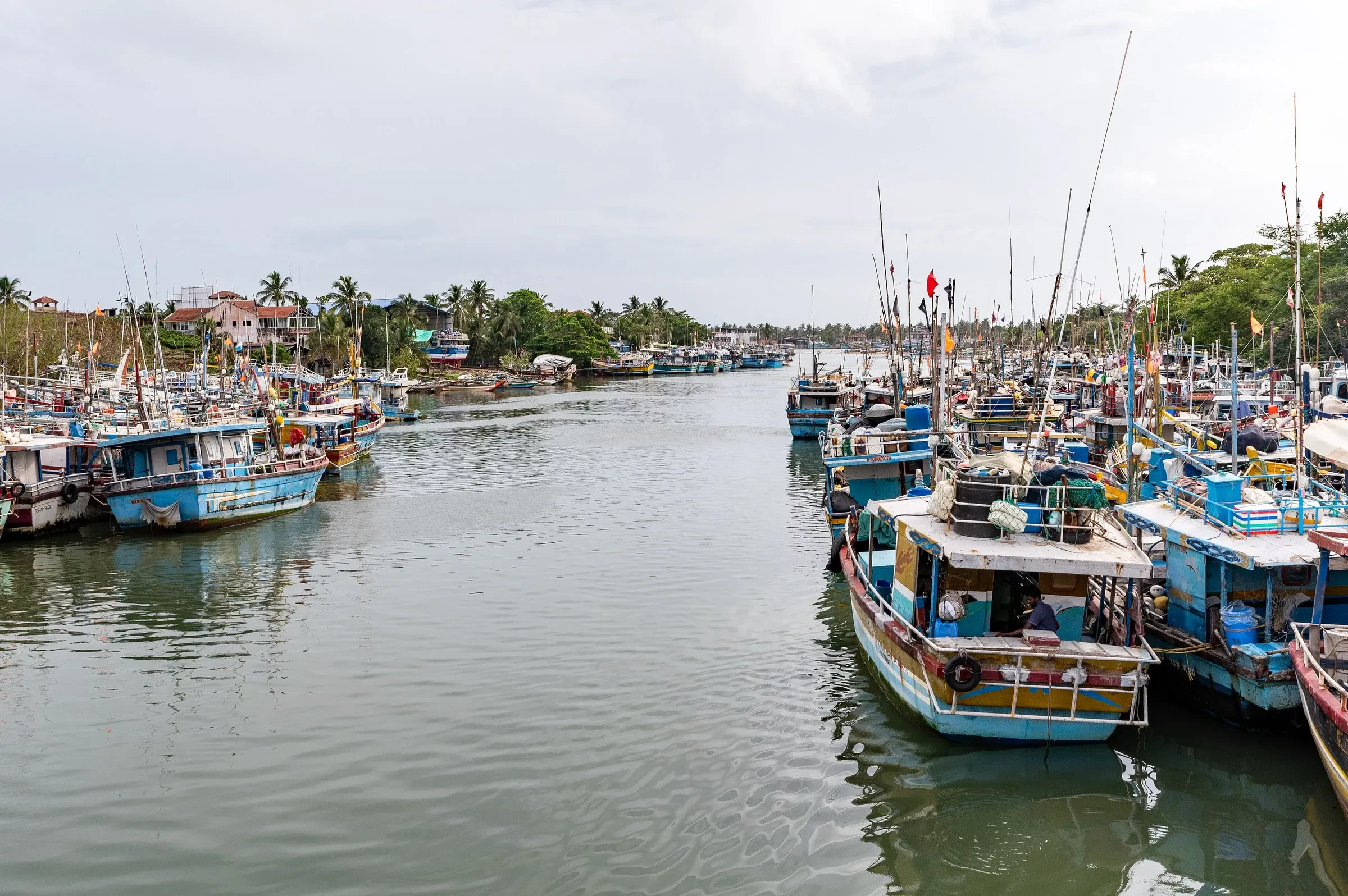
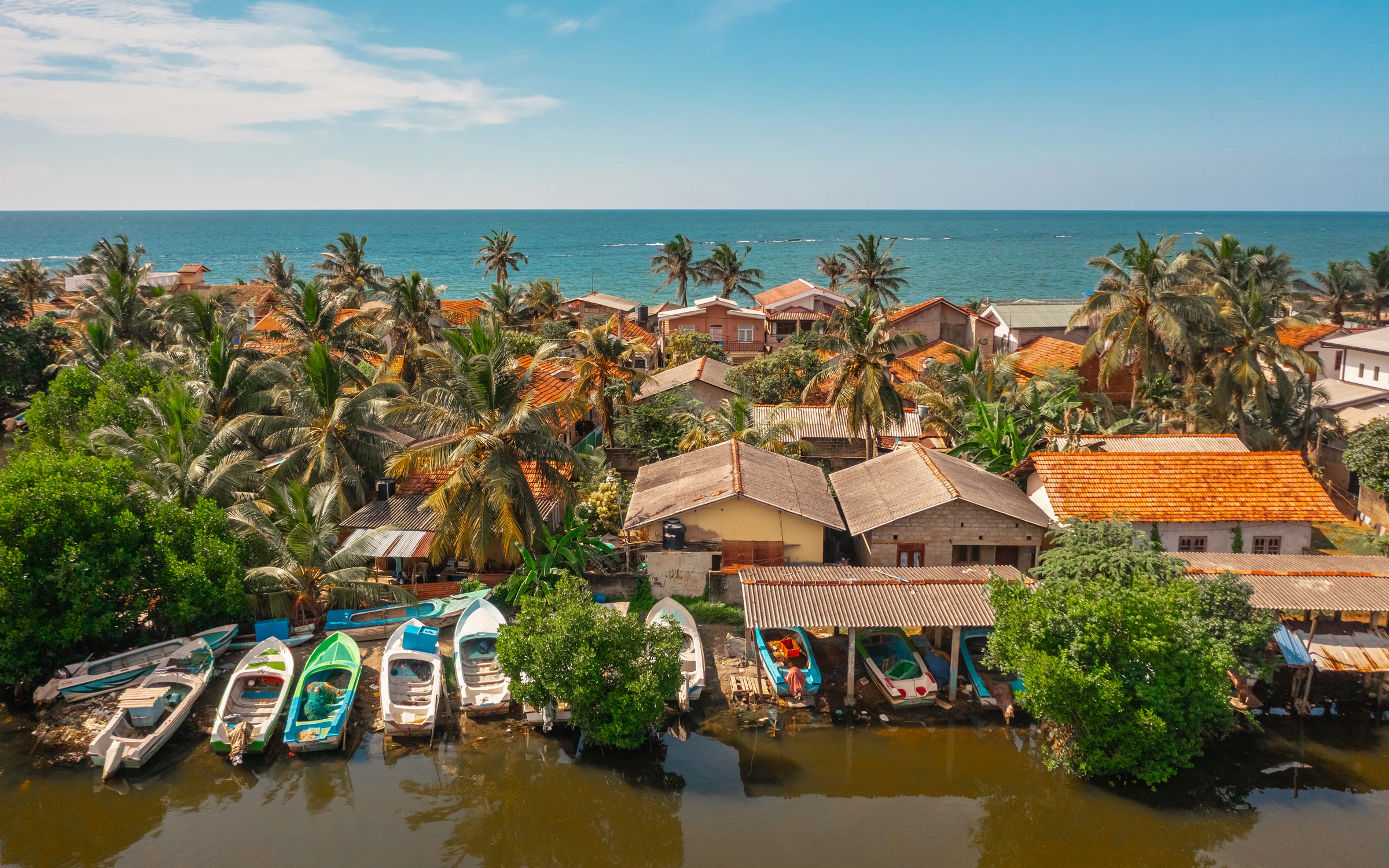
Negombo Lagoon and the Dutch canal beside it are the other reason to build in an extra half day. The canal, also called the Hamilton Canal, was built by the Dutch to move spices and other goods by boat. Boat trips along it and across the lagoon into the Muthurajawela wetland run through mangroves and usually take about two hours. Herons, egrets, cormorants and kingfishers are common, and operator listings put the best season at roughly September to April. Operators and prices differ, so ask what's included before you book.
St Sebastian's Church and the 2019 attacks
On Easter Sunday, 21 April 2019, a bomb exploded during Mass at St Sebastian's Church in Katuwapitiya, part of Negombo. It was one of several coordinated attacks on churches and hotels across Sri Lanka that day, and more than 100 worshippers were killed at this church. It was rededicated in July 2019, and a memorial stands there. It is a working parish church and a place of mourning for the community. If you visit, dress modestly, keep quiet and don't photograph worshippers.
First and last night logistics
Negombo's whole reason for existing on most itineraries is the airport, so it's worth planning both ends of your trip around it rather than just the arrival. On the way in, land whenever your flight gets in, since the transfer is short enough that there's no real benefit to timing your arrival around it, then use the rest of the day or evening to settle in before the longer drive inland the next morning. On the way out, staying a last night here rather than pushing straight to the airport from further afield means an early flight doesn't mean an overnight drive beforehand. Taxis, tuk-tuks and PickMe (Sri Lanka's own ride-hailing app) all cover the short run to and from arrivals. Agree the fare before you set off, since we have no current official rate to quote.
Before you fly, sort your entry permission. Nationals of 40 countries, including the UK, US, Canada, Australia, New Zealand and India, get a free 30-day double-entry ETA, and everyone else pays. Apply online at eta.gov.lk before you travel. A free online arrival card has also been available since 1 January 2023. Our Sri Lanka visa guide has the full rules.
Getting to Colombo from Negombo
Negombo is on the Puttalam railway line and has its own link to the Colombo-Katunayake Expressway, so you can reach the capital by road or rail.
By expressway. A car or taxi on the Colombo-Katunayake Expressway covers the roughly 38 km to Colombo in about 30 to 45 minutes, the quickest and most comfortable option and the one most private transfers and our own trips use.
By train. Trains run from Negombo to Colombo Fort. Timetable listings give about 1 hour 20 minutes to 1 hour 40 minutes depending on the service. It's slower than the expressway but a cheap, straightforward option if you're travelling independently and aren't in a hurry. Check the current times at the station, since we haven't confirmed them with the railway.
By bus. Buses run to Colombo's Fort and Pettah area. Air-conditioned expressway services skip the congested Negombo Road and take roughly 45 minutes to an hour, while ordinary buses stop often and take longer. They're cheap but less comfortable than either of the above for a group with luggage.
Where to stay
Beach Road has the widest choice, from simple guesthouses to beachfront hotels, all within walking distance of restaurants and the beach itself. It's the practical choice for a one or two-night stay either side of a flight, and most places can arrange an airport transfer directly.
Negombo and our Sri Lanka trips
All three of our Sri Lanka trips begin in Negombo, for the same reason most independent itineraries do: it's the easiest place to land and get your bearings before the rest of the route.