6 stops
- Bus
- Minibus
Is this route for you?
This is the broadest-appeal route in Sri Lanka and probably the easiest to plan solo. The coast road, and a parallel coastal railway for much of it, link the towns, so nothing here needs a long transfer day. It suits beach-first travellers, first-time surfers (Weligama's bay is gentle and sandy-bottomed), history and architecture fans (Galle Fort's old Dutch quarter), and anyone who wants a safari without travelling up to the Cultural Triangle's reservoirs.
It's a poorer fit if you want jungle and hill scenery rather than beach towns: the hill country route via Ella and Nuwara Eliya suits that better. It's also a poorer fit if your dates fall in the southwest monsoon and calm swimming and reliable whale watching matter to you, since the east coast runs on the opposite monsoon schedule and is worth checking instead. If you're weighing up two specific towns on this route rather than the whole thing, see Galle vs Mirissa.
Day by day
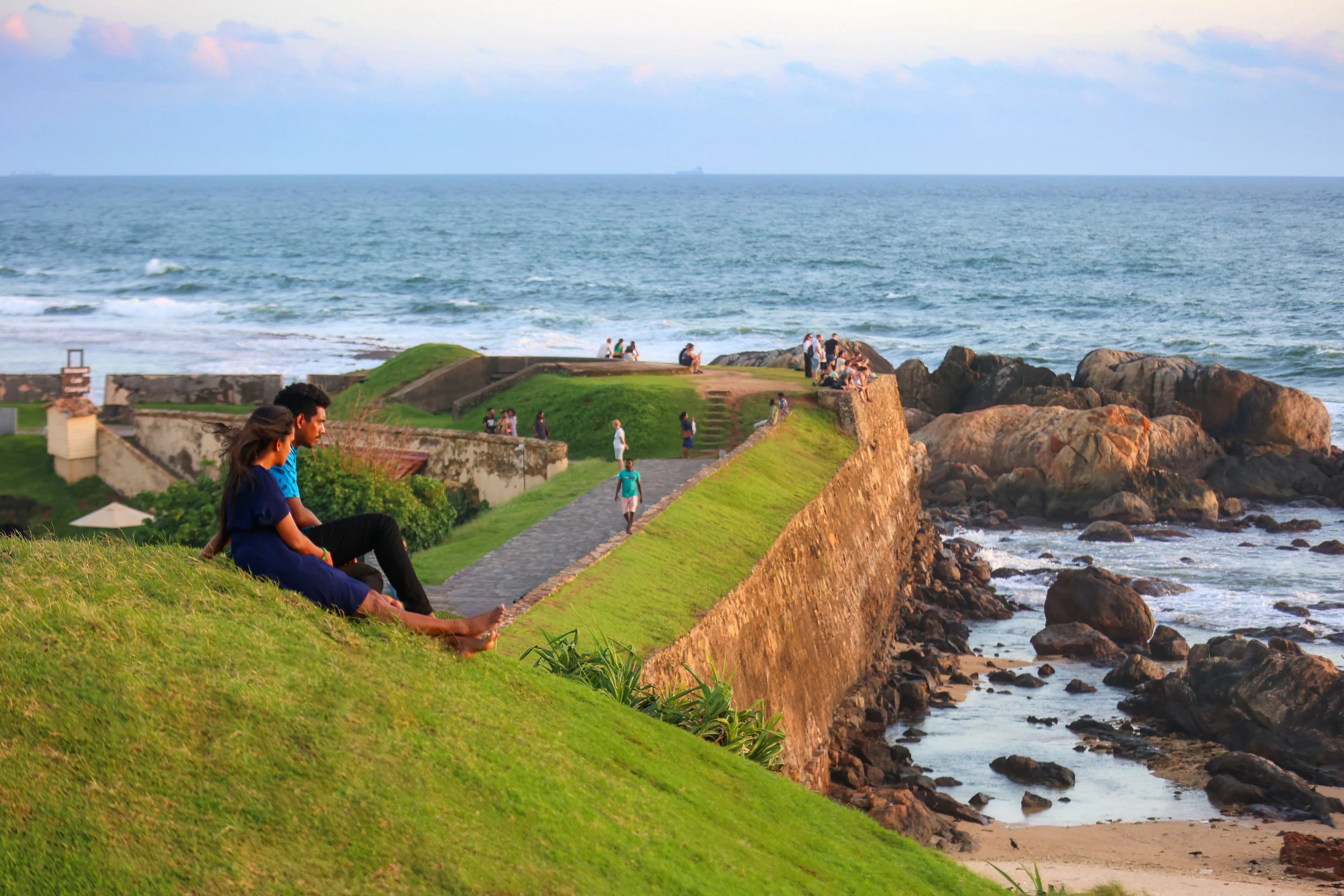
Fort walls and a sunset on the ramparts
Galle
Getting there from Colombo, by private car or van, about 2 to 3 h depending on traffic; or the coastal train, which hugs the shoreline most of the way and takes about 2 to 3 h depending on the service, so check the day's timetable
- Morning
- settle in, then start walking Galle Fort's ramparts. It's a UNESCO World Heritage Dutch colonial fort, and unlike a lot of heritage sites it's still a working neighbourhood of homes, shops and cafes
- Afternoon
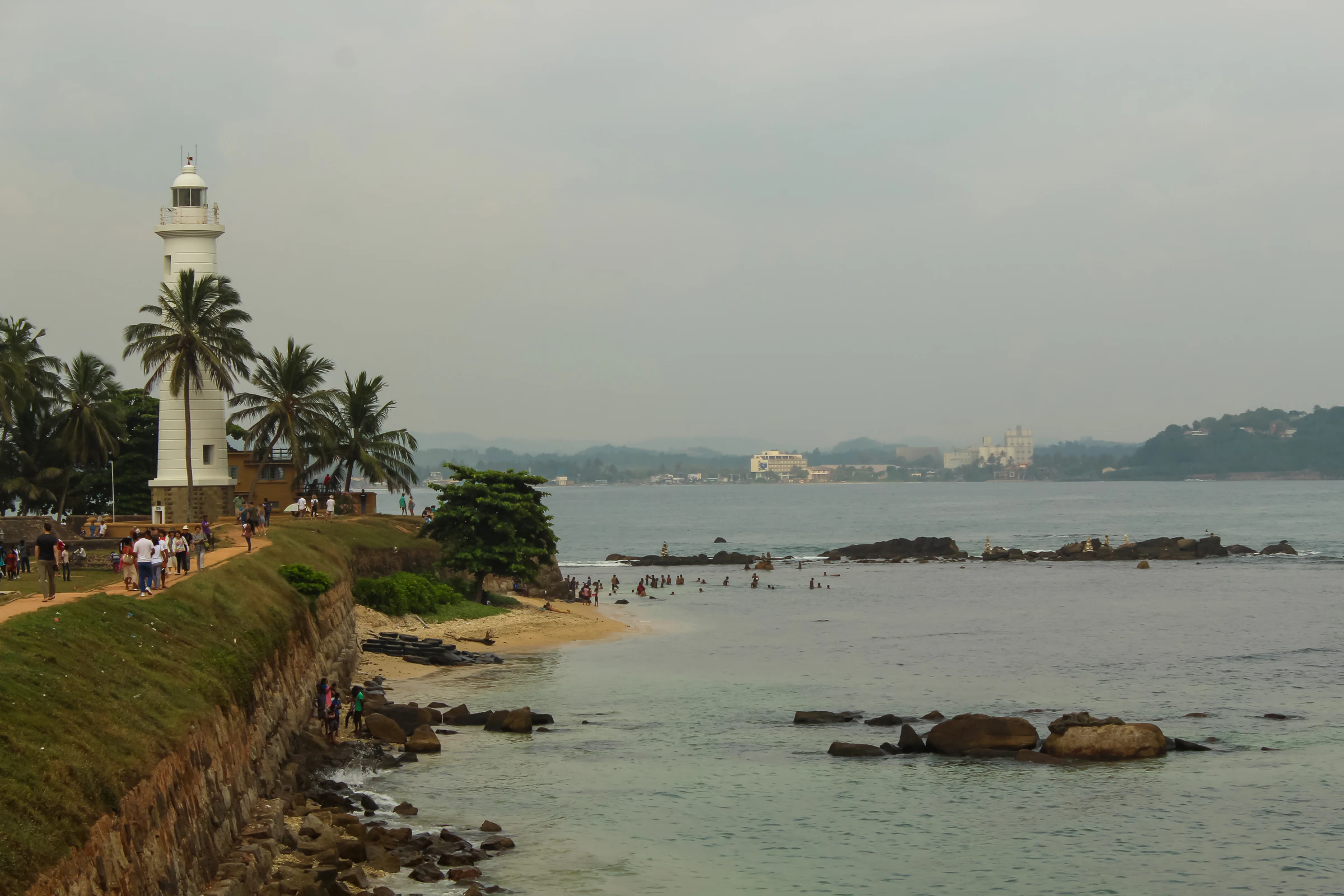
- wander the old town's grid of streets, the Maritime Museum area and the lighthouse end of the ramparts
- Evening
- sunset from the ramparts, then dinner at one of the fort's converted-townhouse restaurants
Eat ambul thiyal, a sour, dry fish curry made with goraka fruit, a genuinely southern Sri Lankan speciality rather than a generic "fish curry"
Local tip the ramparts get busy for sunset; arrive 30 to 40 minutes early to get a clear spot on the sea-facing wall
A calm bay and a short snorkel
Unawatuna
Getting there Galle to Unawatuna, by tuk-tuk or local bus, about 15 to 20 min
- Morning
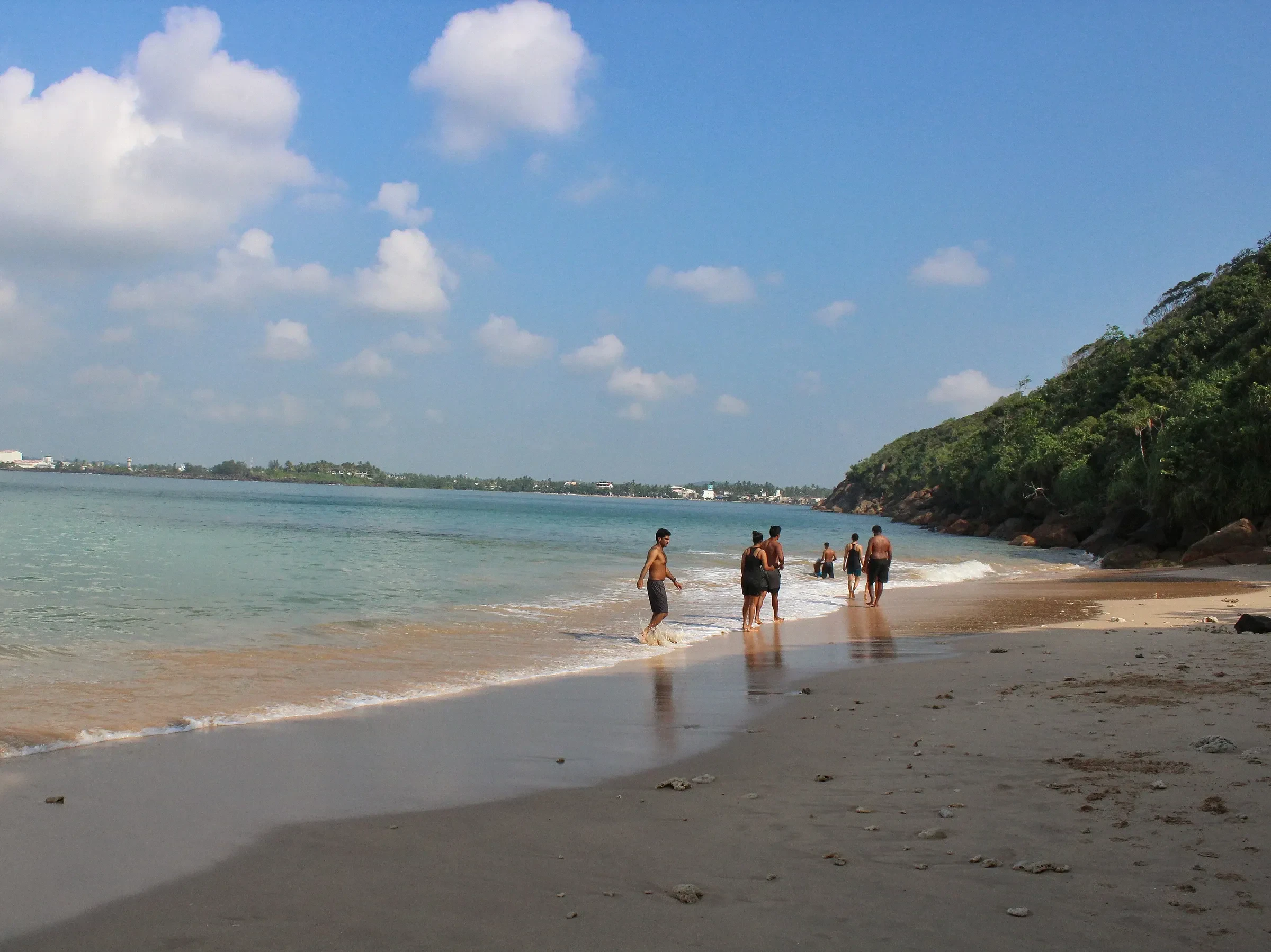
- Unawatuna's main bay, one of the calmest and most swimmable beaches on this coast thanks to its sheltered, curved shape
- Afternoon
- snorkelling at Jungle Beach, a sheltered cove a short walk or boat ride round the headland from the main bay (November to April is the season)
- Evening
- beachfront dinner, low-key and unhurried
Eat grilled seafood off the day's catch; some menus here now offer a Jaffna-style crab curry, though that dish more properly belongs to the north and east
Local tip if you only want a casual snorkel, hire a mask and fins from a beach stall rather than a dive shop, and ask the price first
Learning to surf
Weligama
Getting there Unawatuna to Weligama, by tuk-tuk or taxi (the coastal train also stops at both)
- Morning
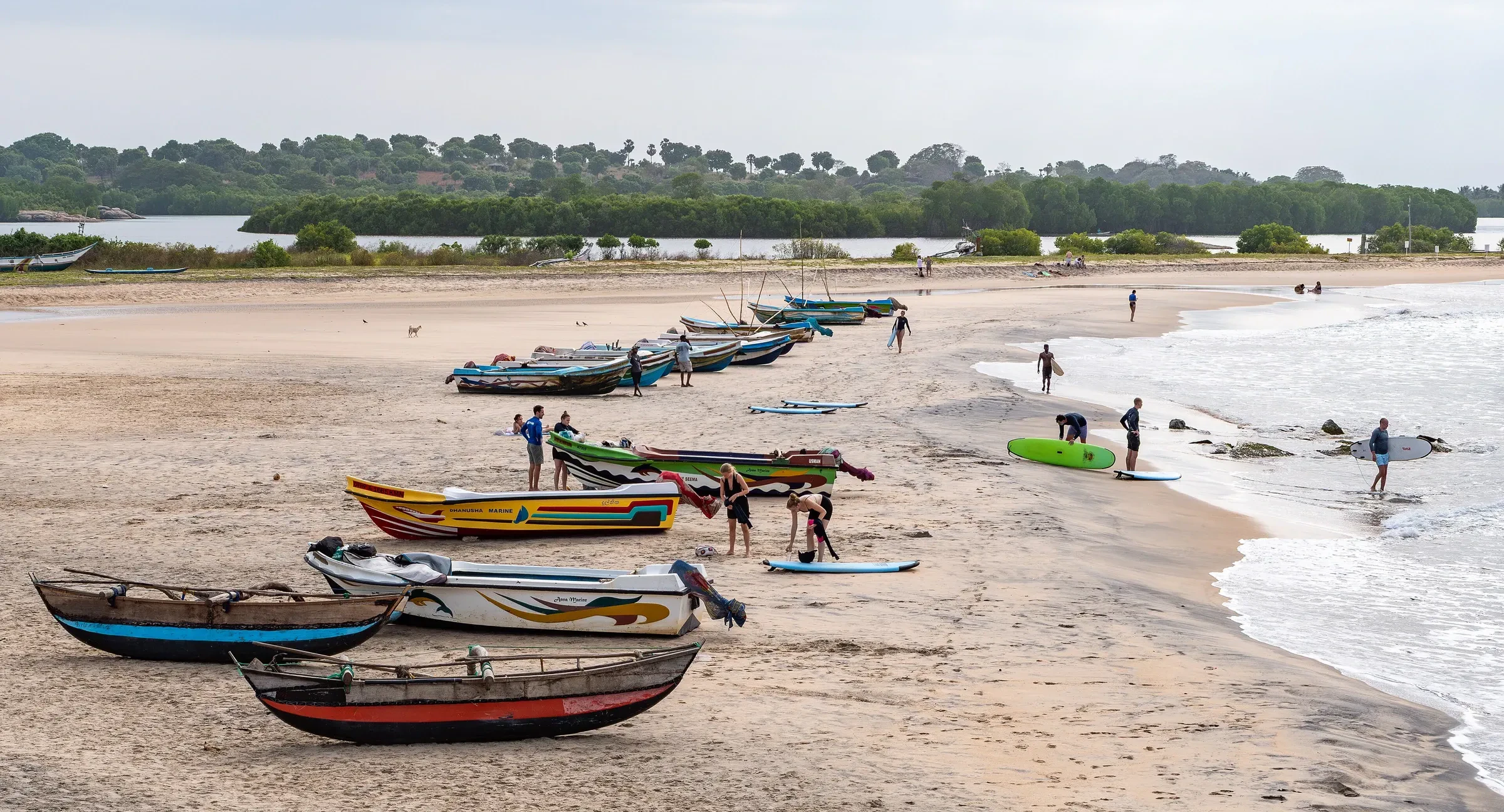
- a beginner surf lesson in Weligama Bay, a long, sandy, gentle beach break and the country's standard place to start
- Afternoon
- more surf time, or head along the coast to Koggala or Ahangama to see stilt fishermen perched on their poles. Stilt fishing has largely become a tourist attraction, and the men on the poles usually ask a small fee to pose, so ask before you take the photo
- Evening
- free time along the bay
Eat isso wade, spiced lentil-and-prawn fritters sold by vendors up and down this stretch of coast
Local tip book a lesson with an established surf school rather than an informal beach tout, so you get a proper board and an instructor
Whales, if the season's right
Mirissa
Getting there Weligama to Mirissa, by tuk-tuk or local bus, about 15 to 20 min
- Morning
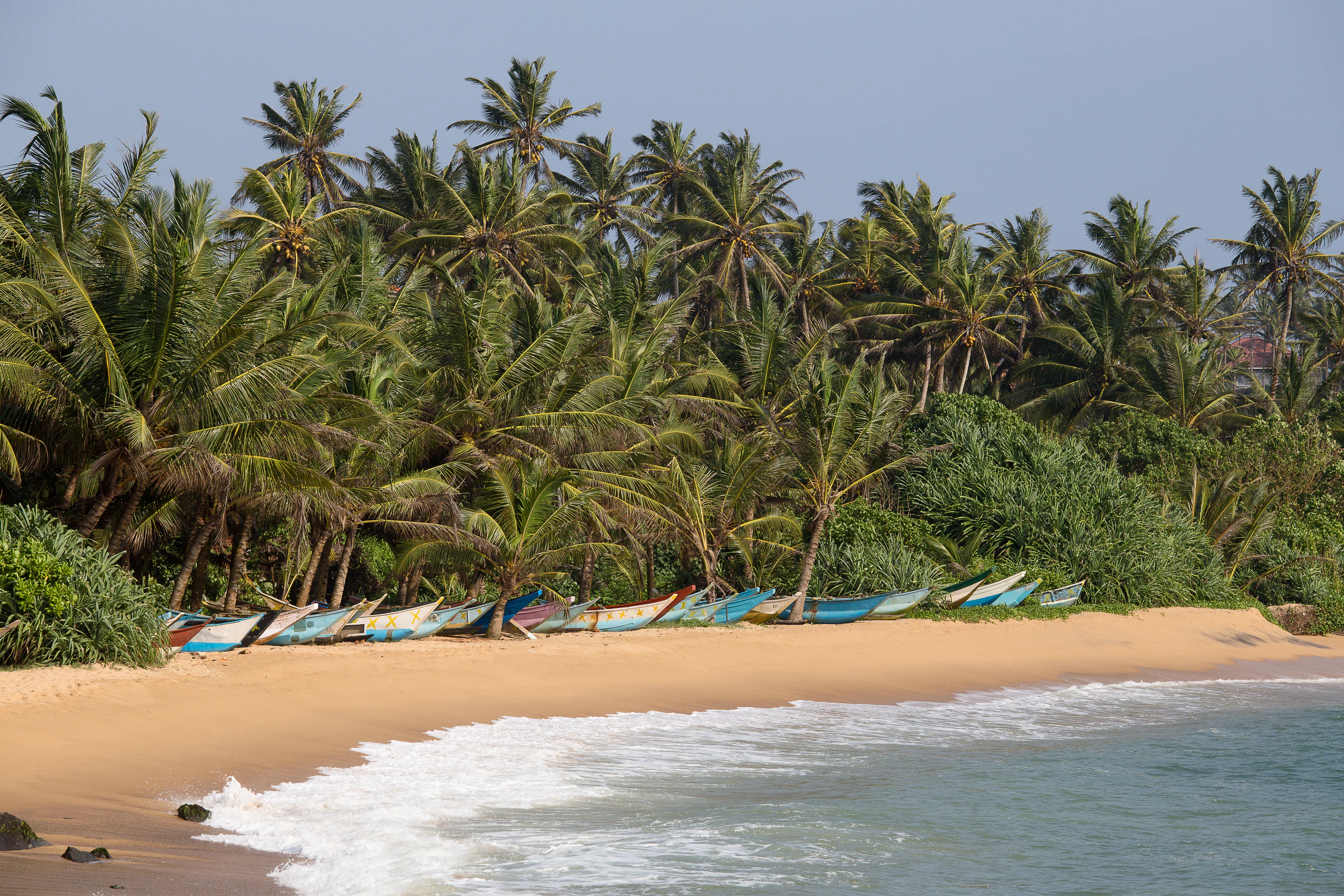
- a whale-watching boat trip, roughly November to April, with blue whale sightings most reliable December to March and sperm whales an occasional bonus, especially around March. Boats are legally meant to stay 100 m from whales, so book with an operator that keeps its distance rather than chasing them down; see the FAQ below on picking one
- Afternoon
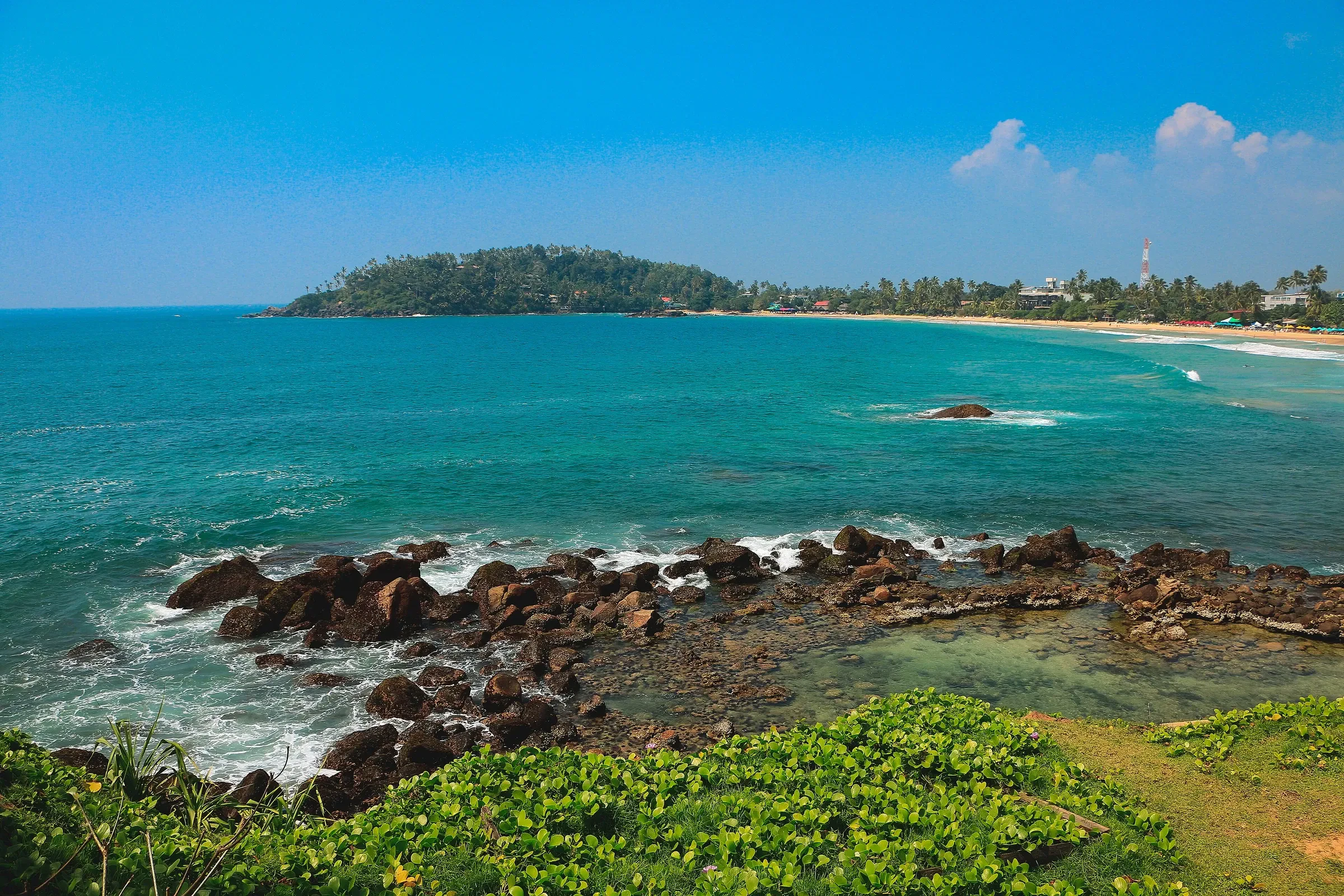
- Mirissa's main beach and the short walk up to Coconut Tree Hill
- Evening
- the beachfront bar strip
Eat fresh-grilled tuna, landed by Mirissa's working fishing harbour, with king coconut water to go with it
Local tip whale-watching boats leave early, usually around 6.30 to 7am, and the seas are calmer in the morning
Elephants, then a quieter coast
Udawalawe (day trip) then Tangalle or Hiriketiya
Getting there Mirissa to Udawalawe National Park, by private van, about 2 h; after the safari, on to Tangalle or Hiriketiya, a further 1 to 1.5 h
- Morning
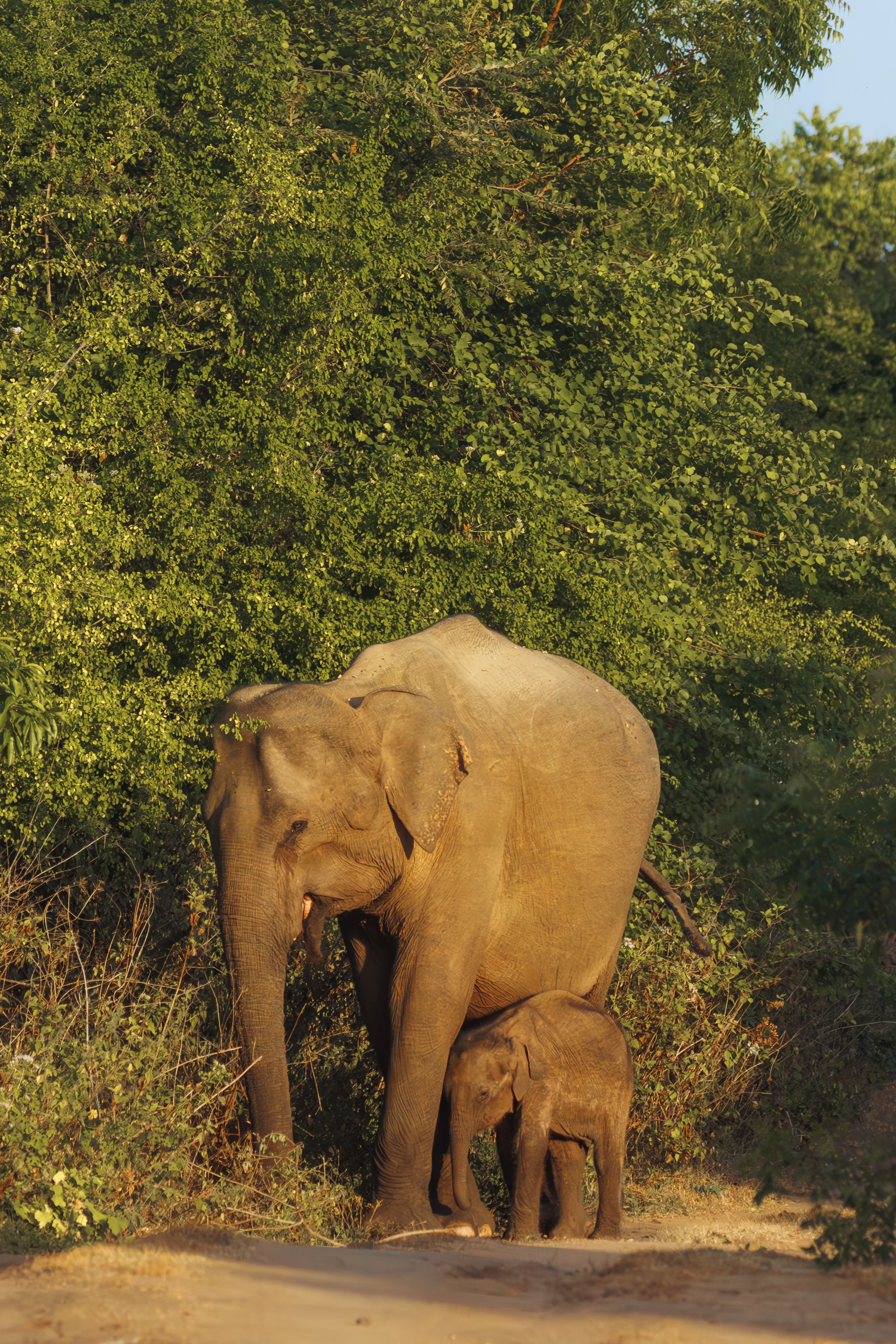
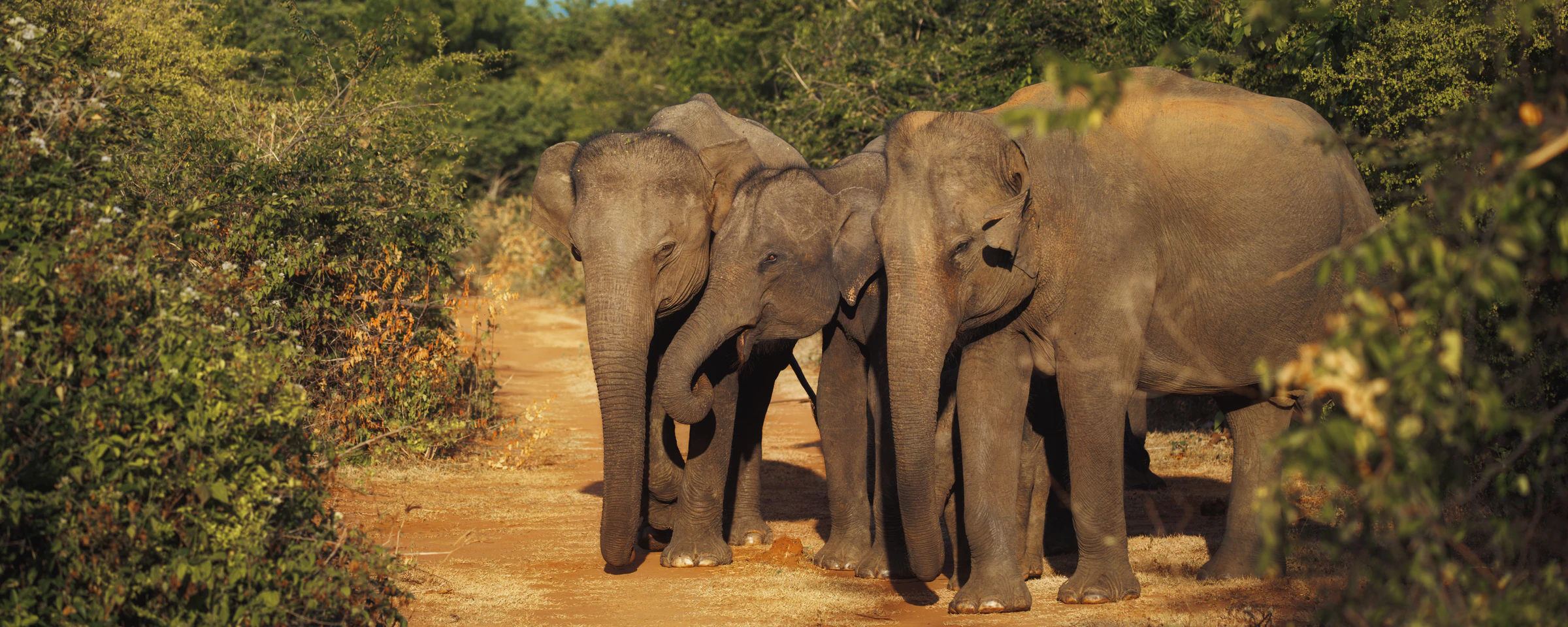
- an open-jeep safari at Udawalawe. It's flatter and more open than Yala, which makes elephant sightings very likely; the park also has an Elephant Transit Home where orphaned calves are rehabilitated
- Afternoon
- continue to Tangalle or the smaller, more low-key Hiriketiya Bay and settle in
- Evening
- an easy dinner, first look at whichever beach you've picked
Eat rice and curry, southern coastal style, more seafood-forward than the hill country's version
Local tip if a leopard sighting matters more to you than a likely elephant one, Yala is the better park. It's further from Mirissa (about 2.5 to 3 h), and its most-visited Blocks 1 and 2 close for about a month around September and October (in 2026, 14 September to 15 October), so check current block status before you commit a day to it
With more time with a spare day, do both parks rather than choosing; see the 10 day version below
A deliberately unstructured beach day
Tangalle or Hiriketiya
- Morning
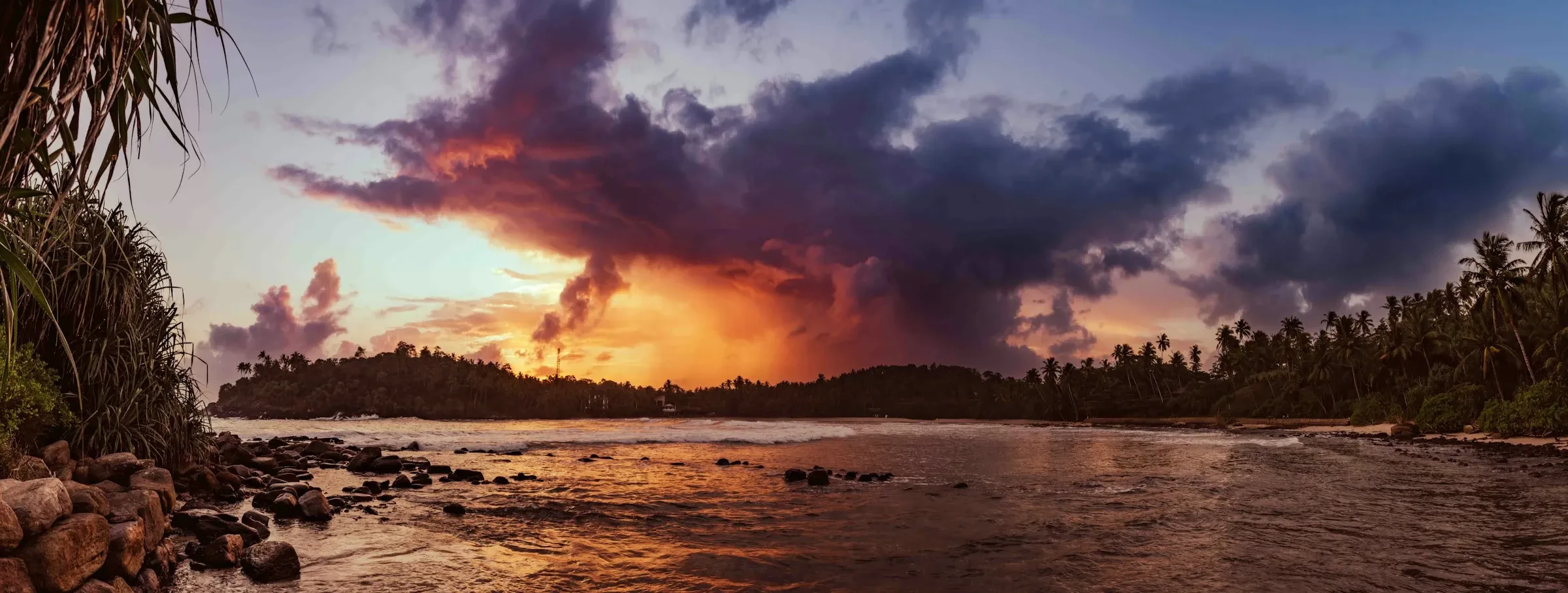
- no plan. This stretch of coast is quieter and far less developed than Mirissa or Weligama, and that's the point of coming this far
- Afternoon
- swim, read, or wander Hiriketiya's horseshoe bay, which has a sandy beach break on one side and a faster reef point on the other
- Evening
- sunset over Hiriketiya's bay
Eat watalappan for dessert if a beachfront kitchen has it that night, a coconut-jaggery custard worth seeking out
Local tip Tangalle and Hiriketiya are two separate bases a short drive apart. Pick Hiriketiya for a smaller, surf-and-cafe feel, or Tangalle for a wider choice of beaches
Back to Colombo, or on to the east coast
Onward travel
Getting there Tangalle to Colombo or the airport, by private van, about 3 to 3.5 h. In season (roughly May to September), you could instead continue to the east coast, though most travellers do one coast or the other on a single short trip rather than both, since the two run on opposite monsoon schedules
- Morning
- a last swim or coffee before the road
- Afternoon
- travel day
Eat pick up short eats (savoury pastries) for the road at any bakery
Local tip build in slack if you have a flight that evening. The Colombo airport road can be slow at peak times
The 10 days version
The extra three days go on slowing down and adding a second safari, rather than adding new towns.
| Day | Where | What | Eat |
|---|---|---|---|
| 1 | Galle | Arrive, ramparts walk, old town | Ambul thiyal |
| 2 | Unawatuna | Main bay, Jungle Beach snorkel | Grilled seafood |
| 3 | Weligama | Surf lesson | Isso wade |
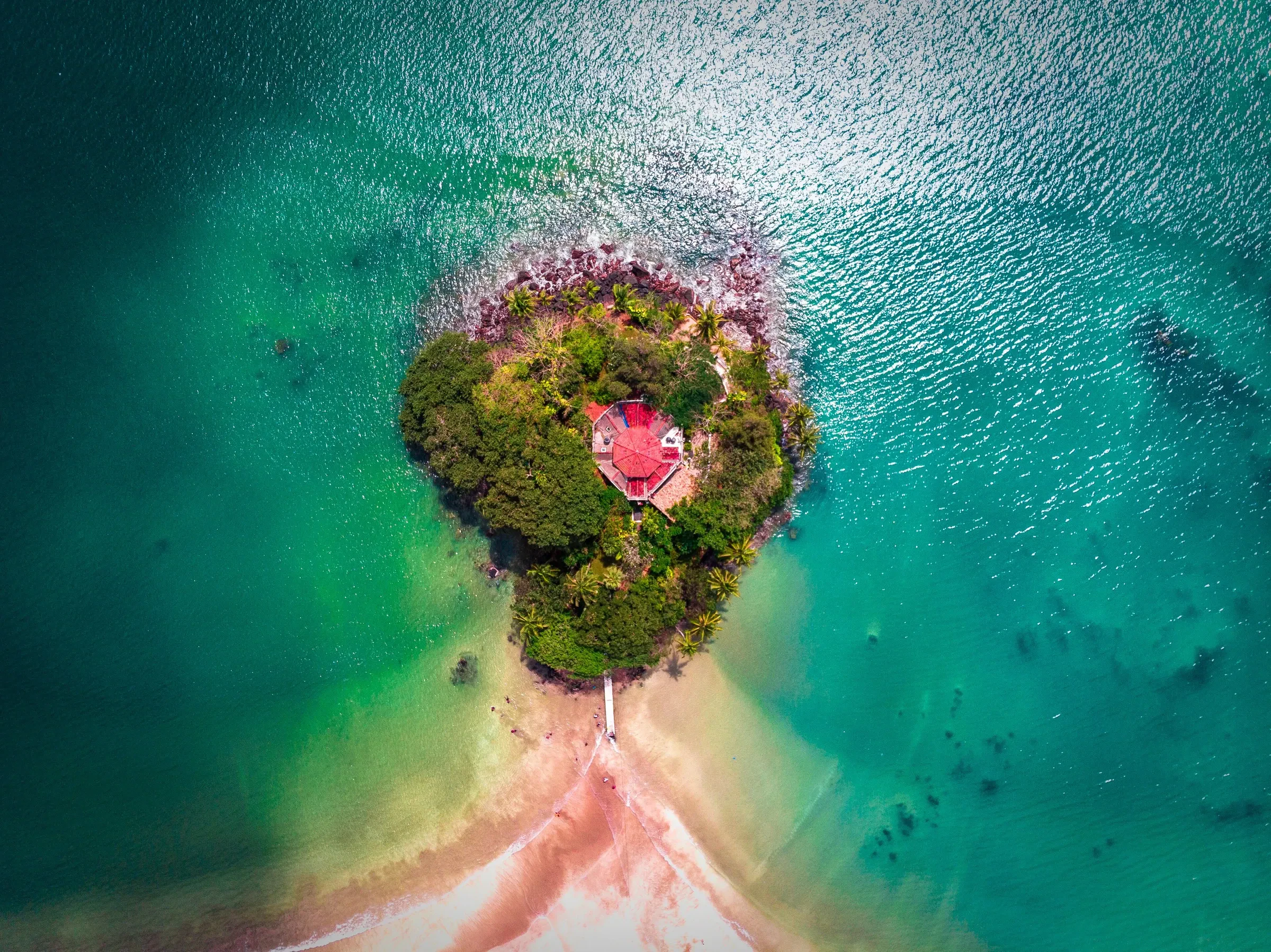
| 4 | Weligama | Second surf session or a slow day on Taprobane Island's beach | Hoppers |
| 5 | Mirissa | Whale watching (season), Coconut Tree Hill | Fresh tuna |
| 6 | Mirissa to Udawalawe | Transfer and an elephant safari | Rice and curry |
| 7 | Udawalawe to Tangalle, via Yala | A second safari at Yala if block access allows, for a chance of leopards | Rice and curry |
| 8 | Tangalle | Arrive, first beach day | Seafood |
| 9 | Hiriketiya | Slow day: surf, cafes, the bay | Hoppers or curry |
| 10 | Onward | Travel to Colombo or the east coast | - |
What changes: both parks instead of one, a full day added at Weligama for more surf time, and Tangalle and Hiriketiya each get a proper day rather than sharing one.
What it costs
Plan on about US$35 to 55 a day including a dorm bed; our Sri Lanka cost guide breaks it down. These items are specific to this route:
| Item | Cost |
|---|---|
| Group surf lesson (Weligama or Hiriketiya) | about US$20 to 40 for 1.5 to 2 hours, board included (2026) |
| Whale-watching boat (Mirissa, in season) | varies by operator, so ask for the current price before you book |
| Udawalawe or Yala park entry | US$25 base for a foreign adult, about US$42 to 45 with service charge, vehicle fee and tax |
| Safari jeep | extra, priced per jeep, so the cost per person falls as it fills |
Park fees and jeep rates change during the year and vary between operators, so confirm current pricing with the park or your driver before you commit to a plan.
Getting there, away and around
Most people join this route from Colombo (via the airport at Negombo), heading down the Southern Expressway or the coastal train line as far as Galle, then travelling town to town along the coast road or the parallel railway, which calls at Unawatuna, Weligama, Mirissa and on towards Matara. Local buses run the same corridor frequently through the day and are the cheapest way to hop between towns. A tuk-tuk or a hired driver for the day is more comfortable, and the cost can be split between two or three people. Tangalle itself has no railway station. The inland run to Udawalawe or Yala really only works by private van or a pre-arranged safari transfer, since there's no direct rail link and public buses involve a change. From Tangalle, the road back to Colombo takes about 3 to 3.5 h, or you can continue on to the east coast in season. Sri Lanka has run a QR-code fuel quota since mid-March 2026, and the FCDO says the government has made special arrangements for tour operators and hotels, so confirm a driver's day rate and availability when you book.
Best time and festivals on this route
December to March is the reliable window: the southwest monsoon has passed, seas are calm, and it overlaps with Mirissa's whale-watching season. May to September is the southwest monsoon proper, when rougher seas bring red-flag warnings against swimming at some south coast beaches, especially in May and June. Conditions vary from beach to beach and day to day, so ask locally before you swim. This isn't a route built around a festival calendar; for Sri Lanka's wider festival dates, see the festivals guide.
What to eat on this route
The south coast's food leans more seafood-forward than the hill country's: ambul thiyal (sour fish curry) in Galle, isso wade (prawn fritters) at Weligama's beach stalls, fresh-grilled tuna at Mirissa, and rice and curry everywhere, usually with more fish and less meat than you'll find further inland. Watalappan, a coconut-and-jaggery custard, is the dessert to look for. For the fuller picture of Sri Lankan food, see the food guide.