This page is for American passport holders. For other passports, see our Sri Lanka ETA guide.
Do US citizens need a visa for Sri Lanka?
You need an ETA, but it's free. The US is one of 40 countries on Sri Lanka's free-ETA list, widened on 25 May 2026, so American passport holders get 30 days, double entry, at no cost. Apply at eta.gov.lk only; a lookalike site charging a "service fee" for the same thing has shown up in search results. The full nationality table is on our Sri Lanka ETA and entry requirements guide.
Your passport needs at least 6 months' validity from your arrival date, and immigration can ask to see a return or onward ticket. Don't count on buying the ETA at the airport: airlines can refuse to board you without it, so get it before you travel.
The State Department's current advice for Sri Lanka
The State Department publishes its own level for Sri Lanka and can change it, so read the current page before you book. Landmines and unexploded ordnance from the civil war are still being cleared in parts of the north and east, so stay on roads and cleared paths there. Our Sri Lanka safety guide sets out the UK and Canadian advice and covers scams, roads and the sea.
A few things worth flagging for 2026 specifically:
- Fuel quotas. Since 15 March 2026, Sri Lanka has run a nationwide QR-code fuel quota system, with a weekly quota for every vehicle. The UK Foreign Office says the government has made special arrangements for tour operators and hotels to limit the disruption to tourism, so private vehicle owners feel it more than organised tour transport.
- Dengue. Sri Lanka has reported a large rise in dengue cases in 2026. Use repellent day and night, and see a doctor promptly for a fever.
- Flooding and landslides. Risk rises in the inter-monsoon months, on top of the seasonal pattern covered in our best time to visit Sri Lanka guide.
None of this is a reason to cancel a trip, but check the State Department's Sri Lanka page again close to your departure date, since conditions can change.
Staying longer than 30 days
If you want longer than your ETA's 30 days, apply through the Department of Immigration and Emigration's online portal (eservices.immigration.gov.lk) before your stay runs out. The extension fee is set per nationality rather than published as one flat figure, so check what you'd pay on the portal, or call the department on +94 11 2101500, before you rely on it.
Entry checklist
- Passport valid for at least 6 months from arrival, with a blank page
- Free ETA approval, applied for at eta.gov.lk and saved to your phone (or printed)
- The Department of Immigration and Emigration's free online arrival card (eservices.immigration.gov.lk), which you can fill in up to three days before you arrive
- Return or onward ticket
- Travel insurance that covers medical treatment and evacuation
- Address of your first night's accommodation
Flights from the US to Sri Lanka
There's no non-stop flight between the US and Sri Lanka, so everyone connects. The usual routes:
Via the Gulf. Emirates (through Dubai), Etihad (through Abu Dhabi) and Qatar Airways (through Doha) all fly to Colombo and connect from US cities through their hubs. Check each airline's own route map for your departure city.
Via Istanbul. Turkish Airlines flies from Istanbul to Colombo and connects from US cities.
Via London. Fly a transatlantic route into London Heathrow, then take SriLankan Airlines' non-stop Heathrow to Colombo service. British Airways has announced a winter-season service from London Gatwick to Colombo starting on 23 October 2026, but that is a different airport, so check your connection time if you book the two separately.
Fares and journey times change by season and city, so compare a few departure airports on the airlines' own sites.
What to bring from the US
Plug adaptor and converter. Sri Lanka runs at 230V, 50Hz. Type G sockets (the same three-pin plug as the UK) are common, and older type D and M sockets are still around. US type A and B plugs don't fit any of these, so you need an adaptor. Anything that isn't dual-voltage, like a hair dryer or straightener built for 120V, needs a converter too.
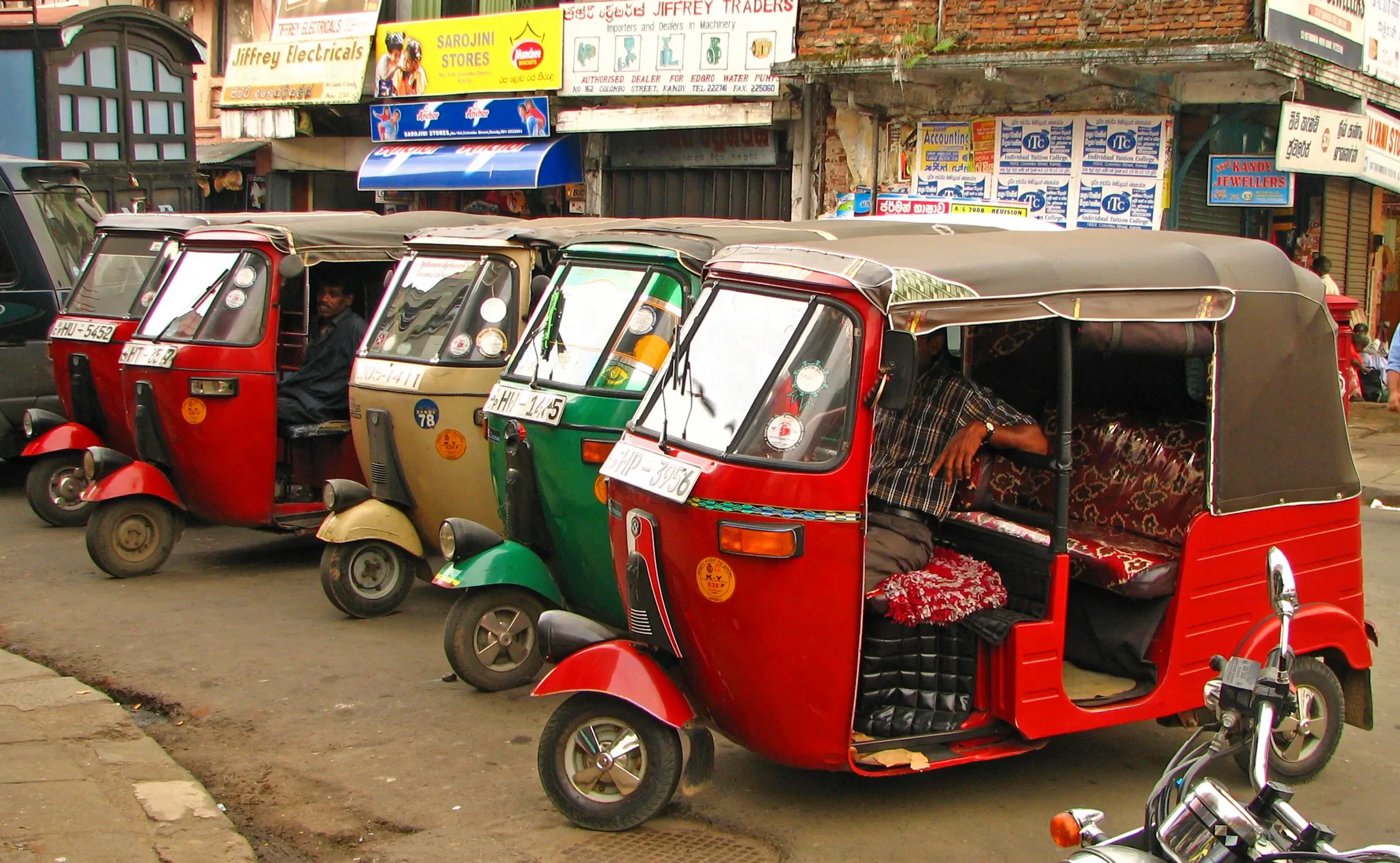
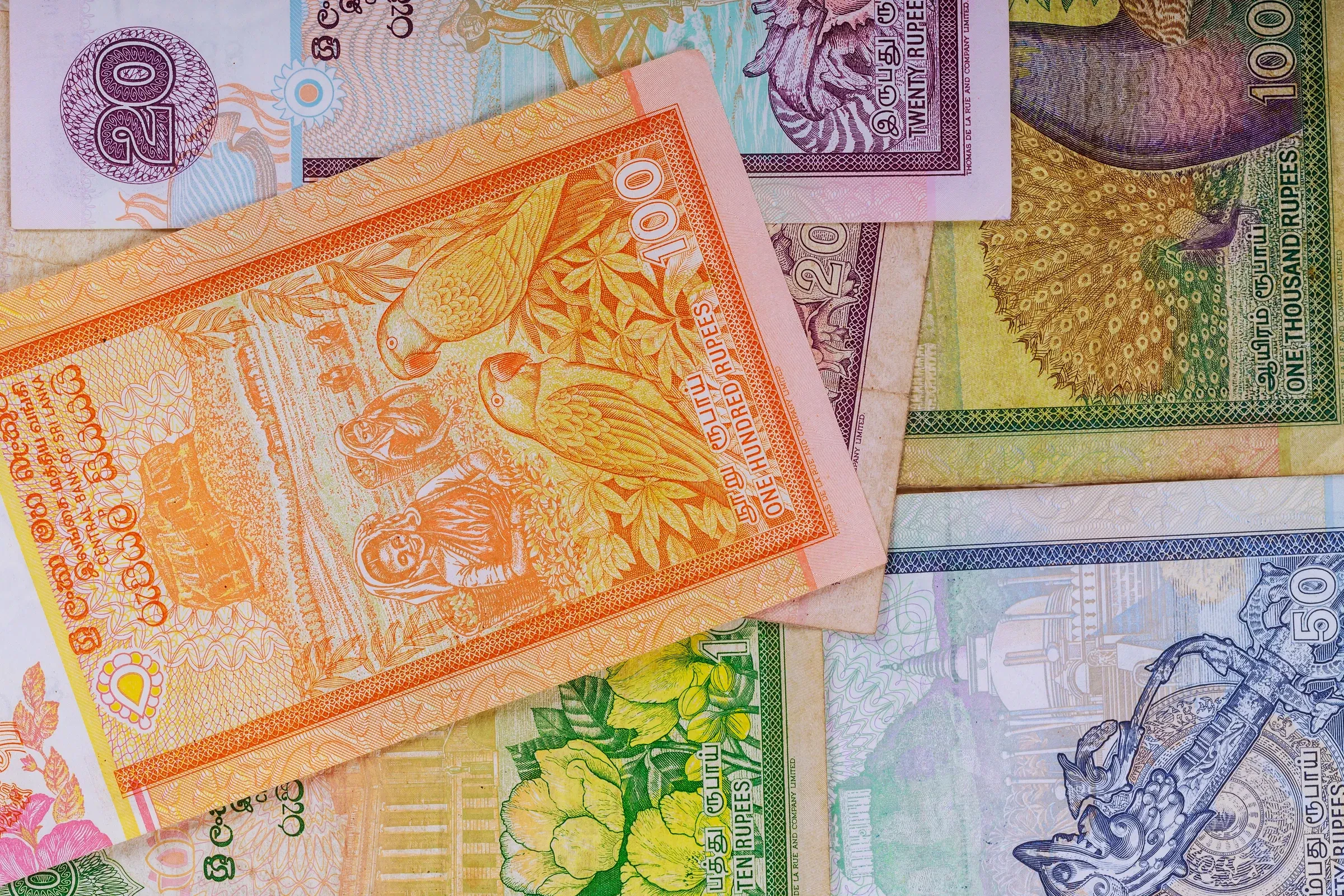
Money and cards. The currency is the Sri Lankan rupee (LKR). ATMs charge foreign cards a flat fee, roughly LKR 300 to 1,000 per withdrawal on 2026 listings, and some banks charge none, so withdraw larger amounts less often. When a machine or card terminal offers to convert to dollars, decline and let your own card issuer set the rate. Carry some cash for tuk-tuks, small guesthouses and entry fees; cards are fine at hotels and bigger restaurants.
SIM and data. Dialog and Mobitel both sell tourist SIMs at counters in the arrivals hall at Bandaranaike Airport, with tourist packs listed in 2026 from about LKR 1,300 for 9 GB (Dialog) to about LKR 2,450 for 50 GB. Both also offer an eSIM you can activate before you fly.
Insurance. You don't need it for the ETA, but it's a condition of joining any of our trips. Check whether your US health plan covers you outside the country, since many don't. Sri Lanka's public hospitals are free for citizens but not designed for foreign visitors, and private hospitals charge directly, so get a policy that covers medical treatment and evacuation.
Time difference. Sri Lanka doesn't change its clocks, so it's 10 hours 30 minutes ahead of US Eastern Time in winter (EST) and 9 hours 30 minutes ahead during Eastern Daylight Time. From the West Coast, add 3 more hours either way.
Medicines. Keep everything in original packaging with a copy of the prescription, and carry a doctor's letter for anything controlled.
Everything else. Reef-safe sunscreen, mosquito repellent (day and night, given the current dengue situation), and something to cover shoulders and knees for temples.
Arrival day, step by step
- Before you fly: save your ETA approval to your phone, fill in the online arrival card, and set up a travel eSIM if you want data the moment you land.
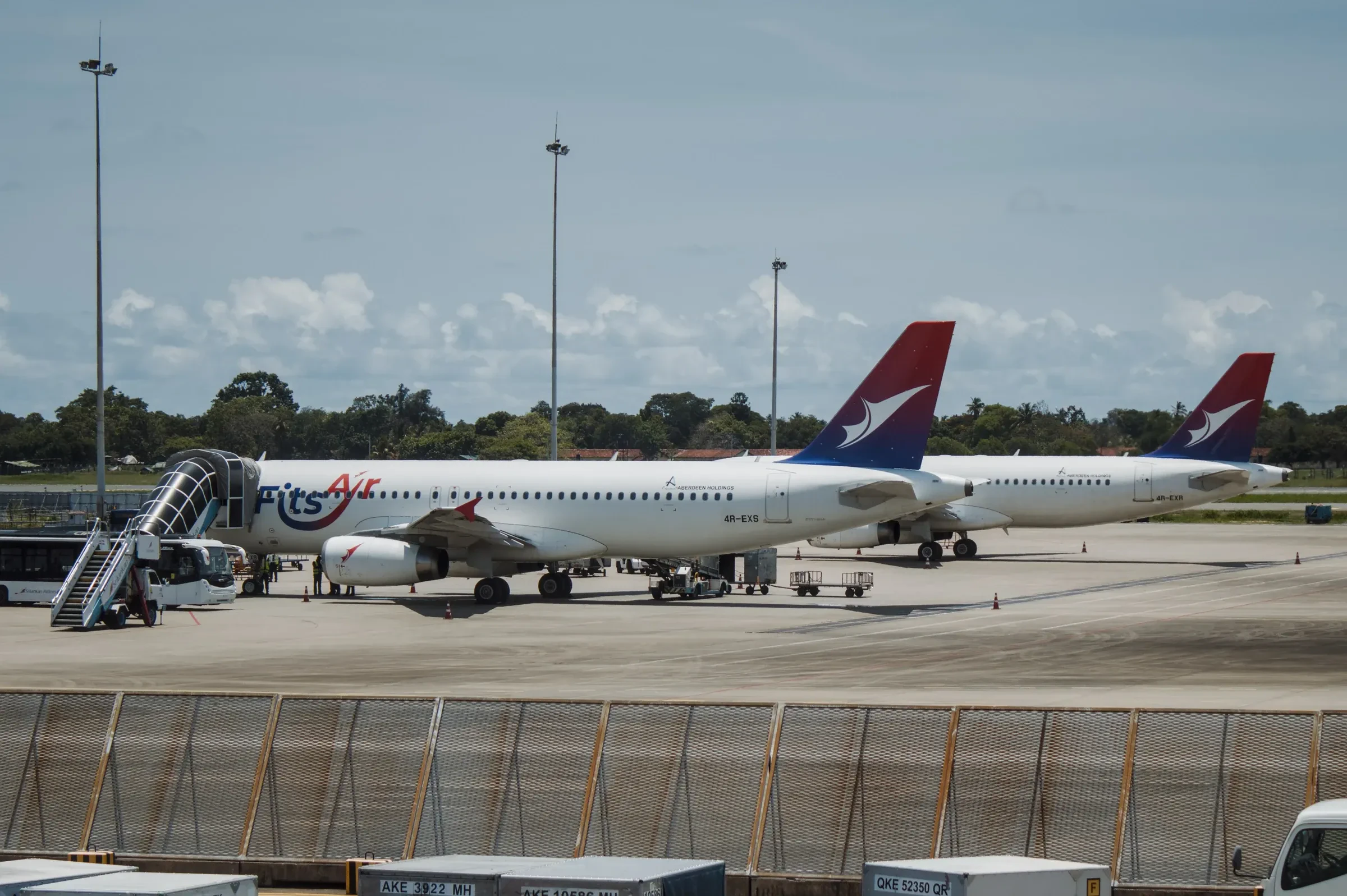
- Immigration at Bandaranaike Airport (CMB): show your passport and ETA. You may be asked for your onward ticket.
- Customs: foreign currency worth more than US$15,000 must be declared on arrival. The general duty-free allowance for visitors is US$125, and cigarettes, fresh fruit brought by air and rough or unfinished gold are on the prohibited list for tourists. Our ETA and entry guide has the details.
- SIM and cash: Dialog and Mobitel counters, and ATMs, are in the arrivals hall.
- Into the city: Negombo, a beach town close to the airport, is the easiest place to spend your first night before heading inland. Tuk-tuks, PickMe (Sri Lanka's own ride-hailing app) and prepaid taxis all pick up from arrivals.
If you need help
The US Embassy in Colombo is at 210 Galle Road, Colombo 3, on +94 11 249 8500 (after-hours emergency line +94 11 249 8888).
Travel Sri Lanka with us
Every SoloNomads Sri Lanka trip fits inside your 30-day ETA. Sri Lanka Express is 7 days, 12-Day Sri Lanka Tour adds an Udawalawe safari, and Sri Lanka Surf Camp is 8 days of coached surf lessons at Weligama. Ages 18 to 40, and I'm with the group throughout as your Trip Host.