4 stops
- Minibus
- Ferry
Is this route for you?
This one is for surfers first. Arugam Bay's Main Point is a long right-hand break, and the town has a surf-focused crowd of its own. It also suits anyone after a quieter coast than the south coast circuit: Trincomalee and Pasikudah sit on the opposite season, in the May to September window when the south coast is wet.
It's a poor fit if your dates fall outside roughly May to September, since many Arugam Bay guesthouses close for the north-east monsoon and Pigeon Island is typically closed to visitors in the rough seas. It's also a poor fit if your dates aren't flexible, because this coast's season runs opposite the south coast, the Cultural Triangle and the hill country, so it rarely combines cleanly with those routes on a single short trip. Our best time to visit Sri Lanka guide lays out how the two monsoons split the island.
Day by day
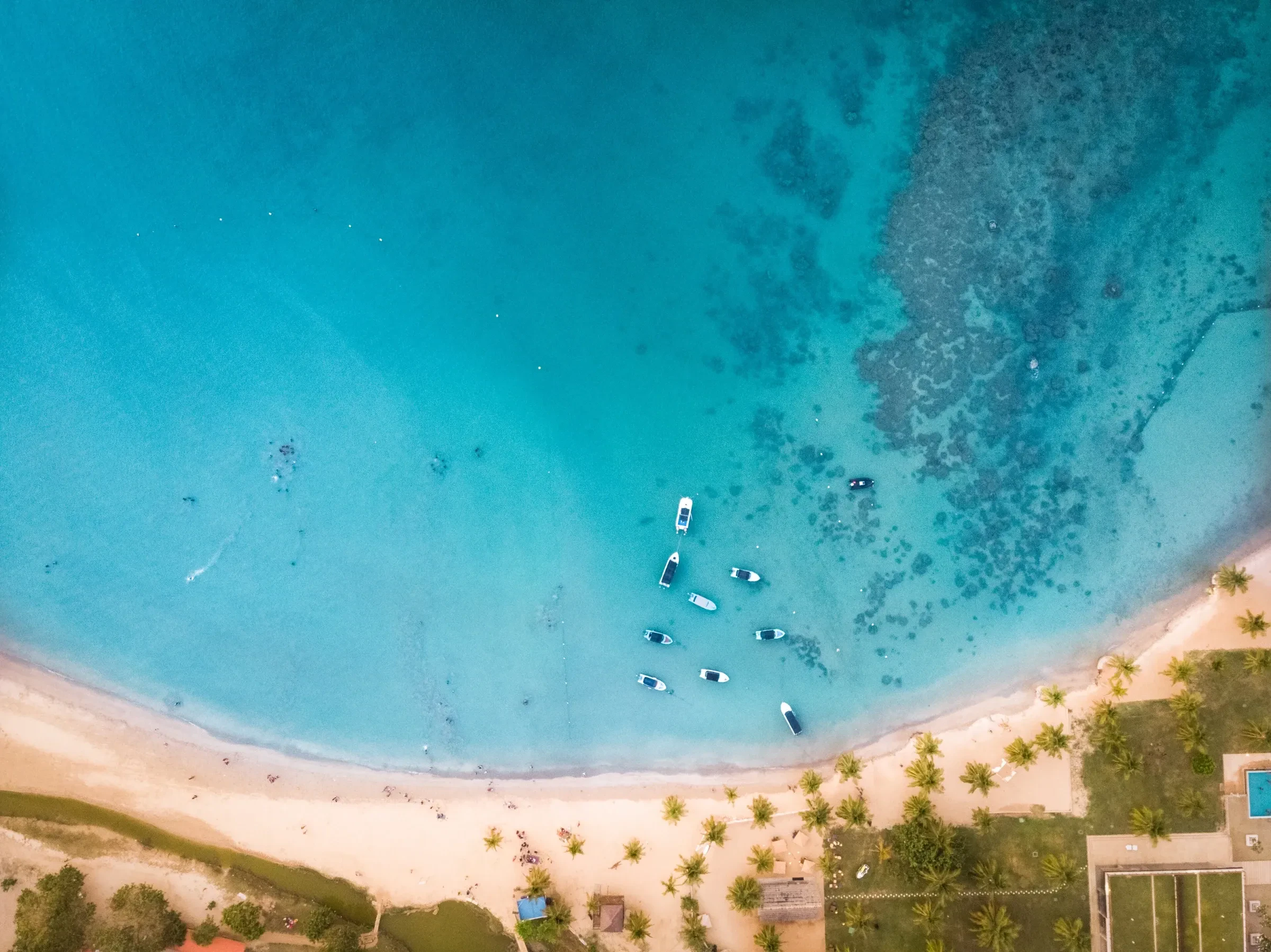
Arrive and a first look at Main Point
Arugam Bay
Getting there from Colombo, by private car or van, about 6 to 7 h door to door; a direct bus takes 8 h or more, and most run overnight; coming via the hill country instead, Ella to Arugam Bay is about 3 h by car, or 4.5 to 8 h by bus with changes at Wellawaya and Monaragala
- Morning
- on the road, whichever route brought you in
- Afternoon
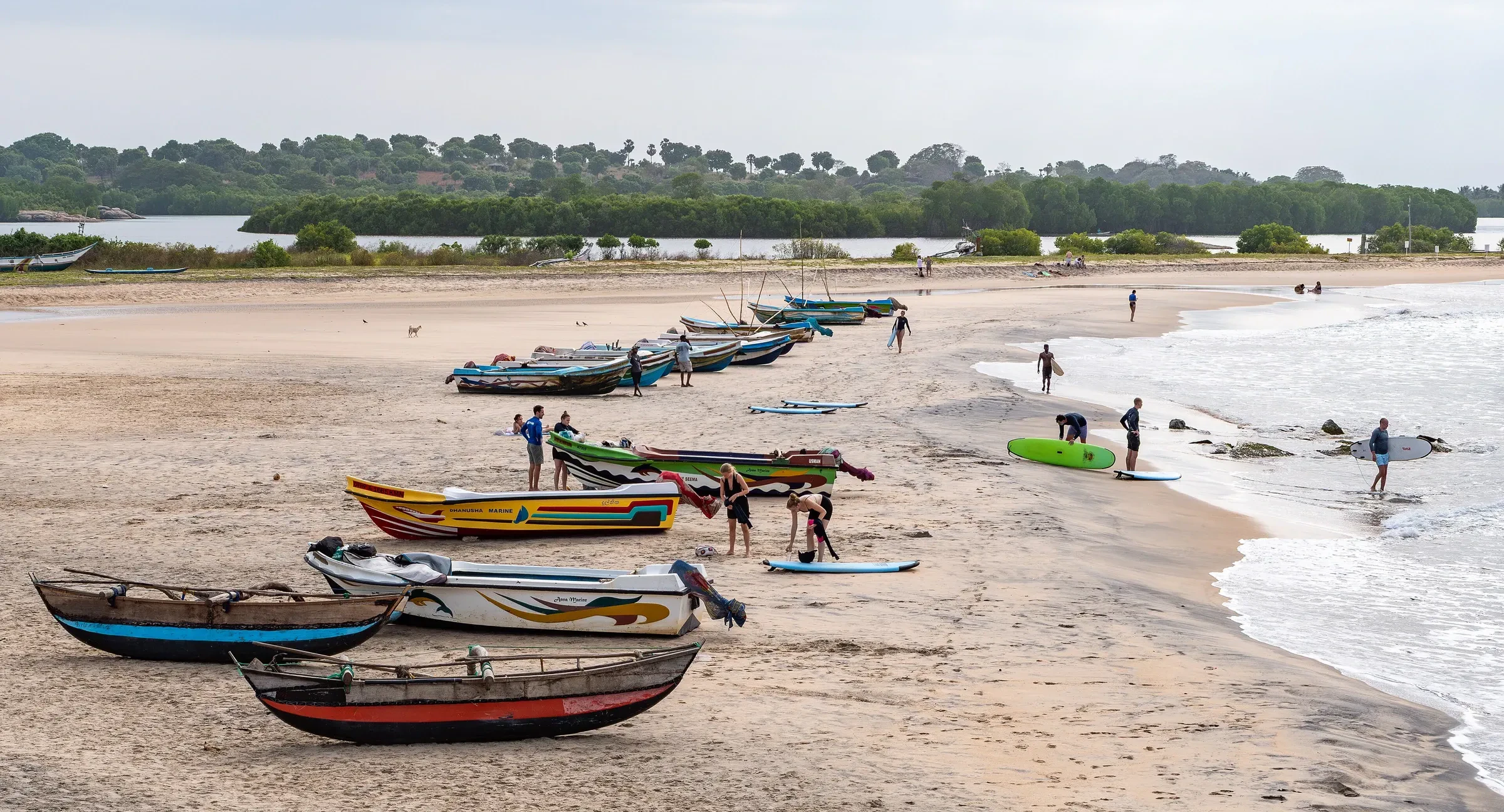
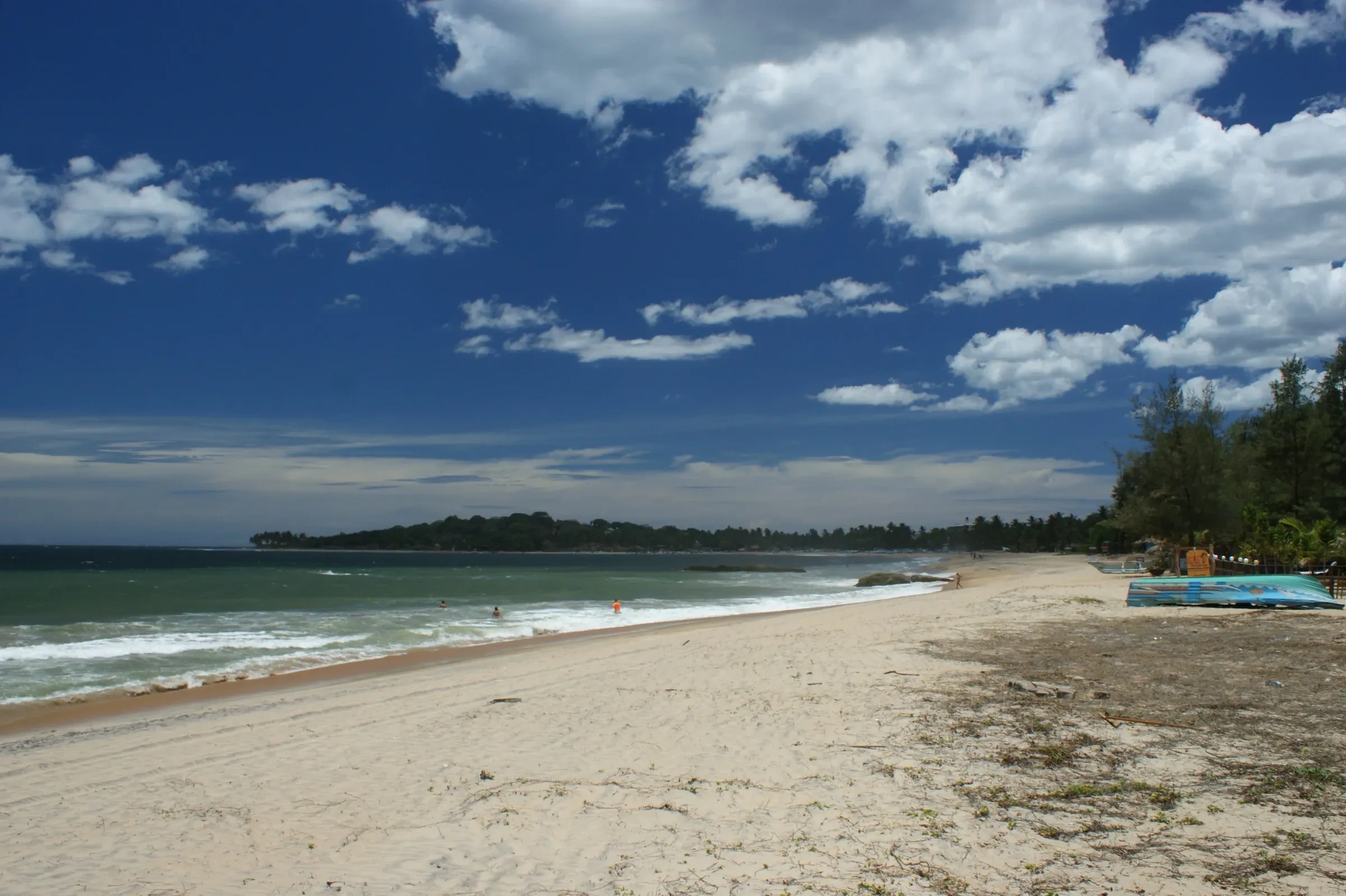
- settle into Arugam Bay, then walk down to Main Point, the town's famous right-hand break, to watch the afternoon sets
- Evening
- dinner at one of the cafés along Panama Road
Eat buriyani, the Sri Lankan Moor version of biryani, is worth ordering here
Local tip the surf season runs roughly May to September, so dates near either edge may be flat or wet
A full surf day and a lagoon safari
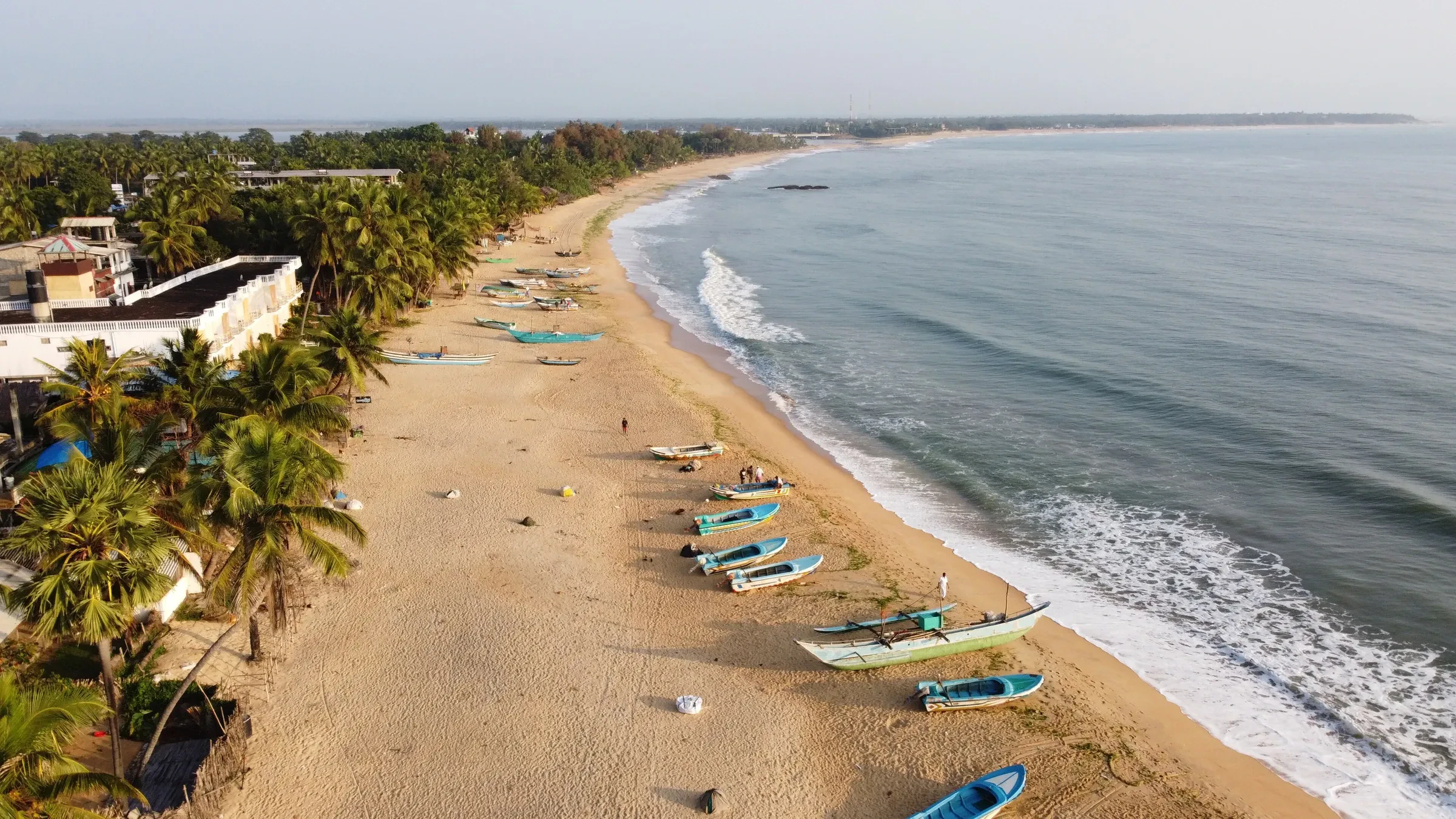
Arugam Bay
- Morning
- surf Main Point if you're a confident intermediate or above, or the gentler Whiskey Point or Elephant Rock if you're still learning
- Afternoon
- a boat safari on Pottuvil Lagoon, a short ride from town, a good option for a day the swell is too big for your level
- Evening
- fresh-grilled seafood on the beach as the tide comes in
Eat whatever came off the boat that day, usually reef fish or prawns, grilled simply with lime and chilli
Local tip agree the price and the departure time with the boat operator before you set off
Kumana National Park
Arugam Bay
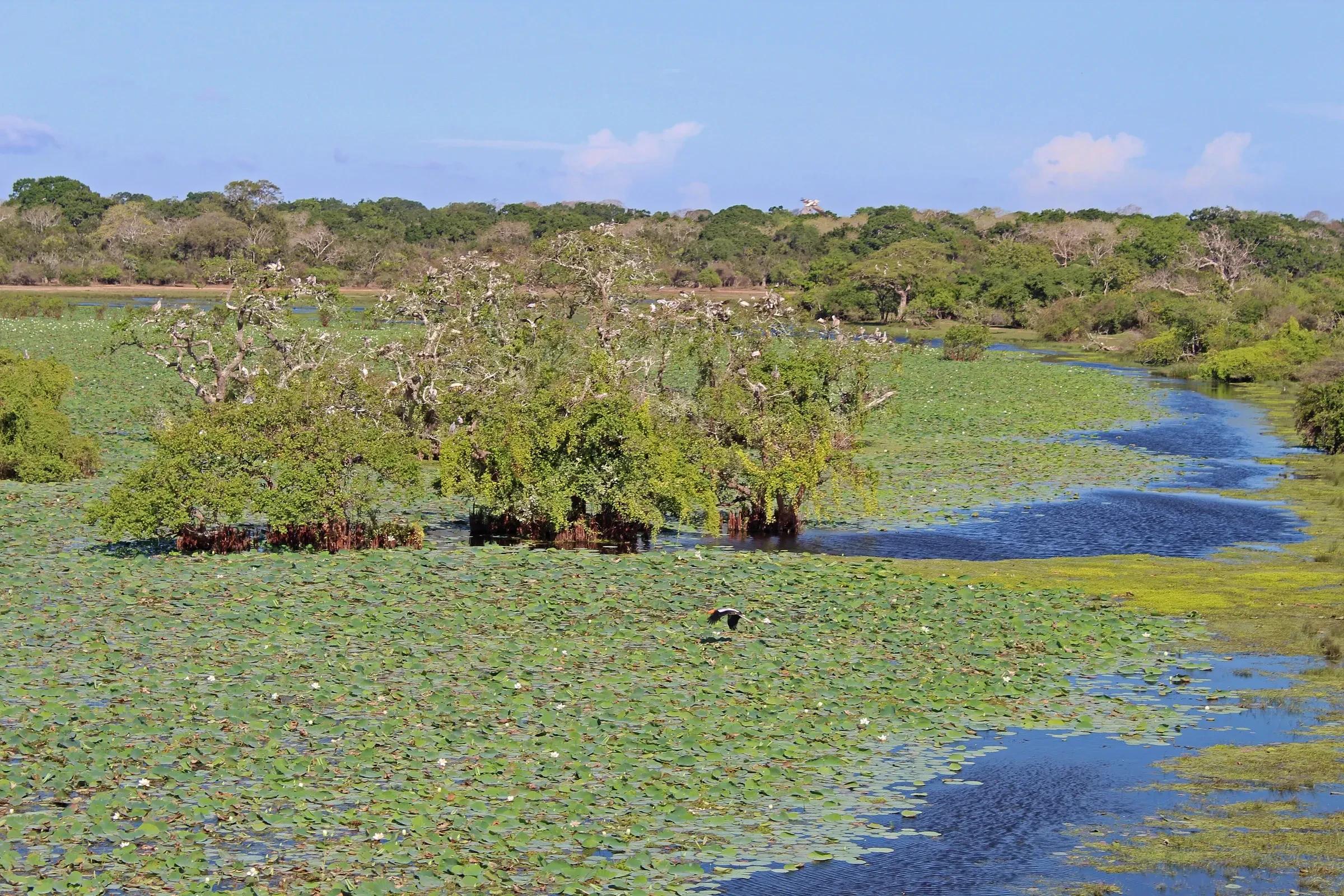
Getting there Kumana is about 1 to 1.5 h south of Arugam Bay by jeep, arranged the evening before through a local safari operator
- Morning
- an early safari through Kumana, a park that adjoins Yala on its east side, with birdlife and a chance, never a guarantee, of elephant and leopard sightings
- Afternoon
- back to Arugam Bay for lunch and a rest before the tide turns
- Evening
- a final surf session at Main Point, or a walk along the point at sunset
Eat rice and curry at a local "hotel" (café) in Pottuvil
Local tip sightings depend on where the animals are on the day, so go in with realistic expectations
A second surf day or a slow day in town
Arugam Bay
- Morning
- another surf session, or, if days 2 and 3 were hard on the body, a slow walk along the beach road toward Pottuvil
- Afternoon
- a bike or tuk-tuk out to Peanut Farm, where the inside section is mellow
- Evening
- sunset drinks at one of the beach bars
Eat hoppers (bowl-shaped rice-flour pancakes), often with an egg cracked into the middle, eaten here at any time of day
Local tip this is the easiest day to drop if you'd rather spend an extra day in Trincomalee instead
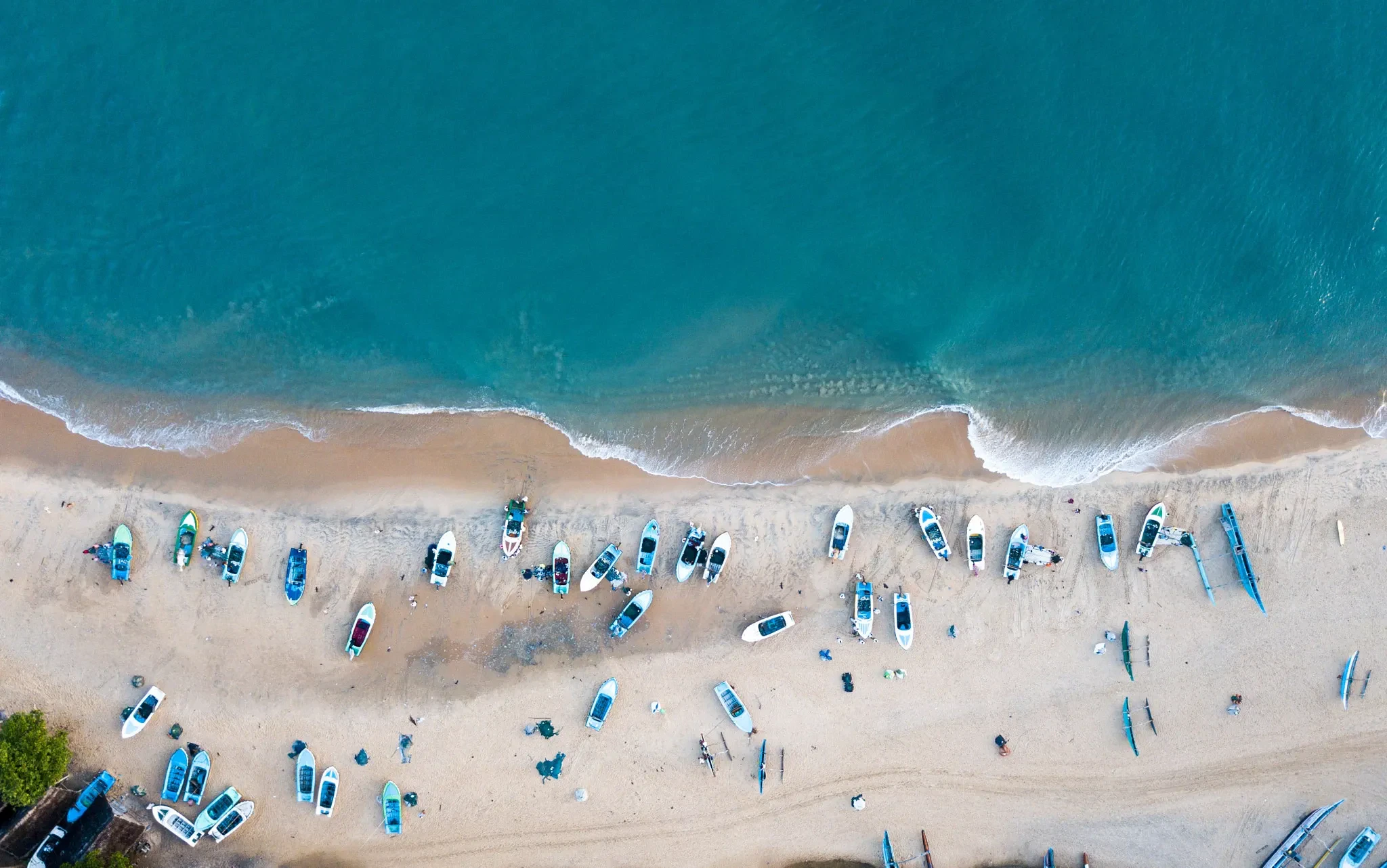
The long transfer north
Arugam Bay to Trincomalee
Getting there by private car or van, about 4 to 5 h (a journey-planner estimate, so confirm with your driver); there's no rail link between the two towns, so most travellers arrange a private transfer or a shared van
- Morning
- an early departure to make the most of the day at the other end
- Afternoon
- arrive in Trincomalee and settle in, then walk up to Fort Frederick and Koneswaram Temple, perched on the headland above the sea, for the late-afternoon light
- Evening
- dinner in town
Eat crab curry or grilled seafood, depending on what is fresh; save the Jaffna-style versions for Jaffna itself if you're heading north
Local tip this is the one long travel day on the route; treat it as a rest day rather than adding another activity either side of it
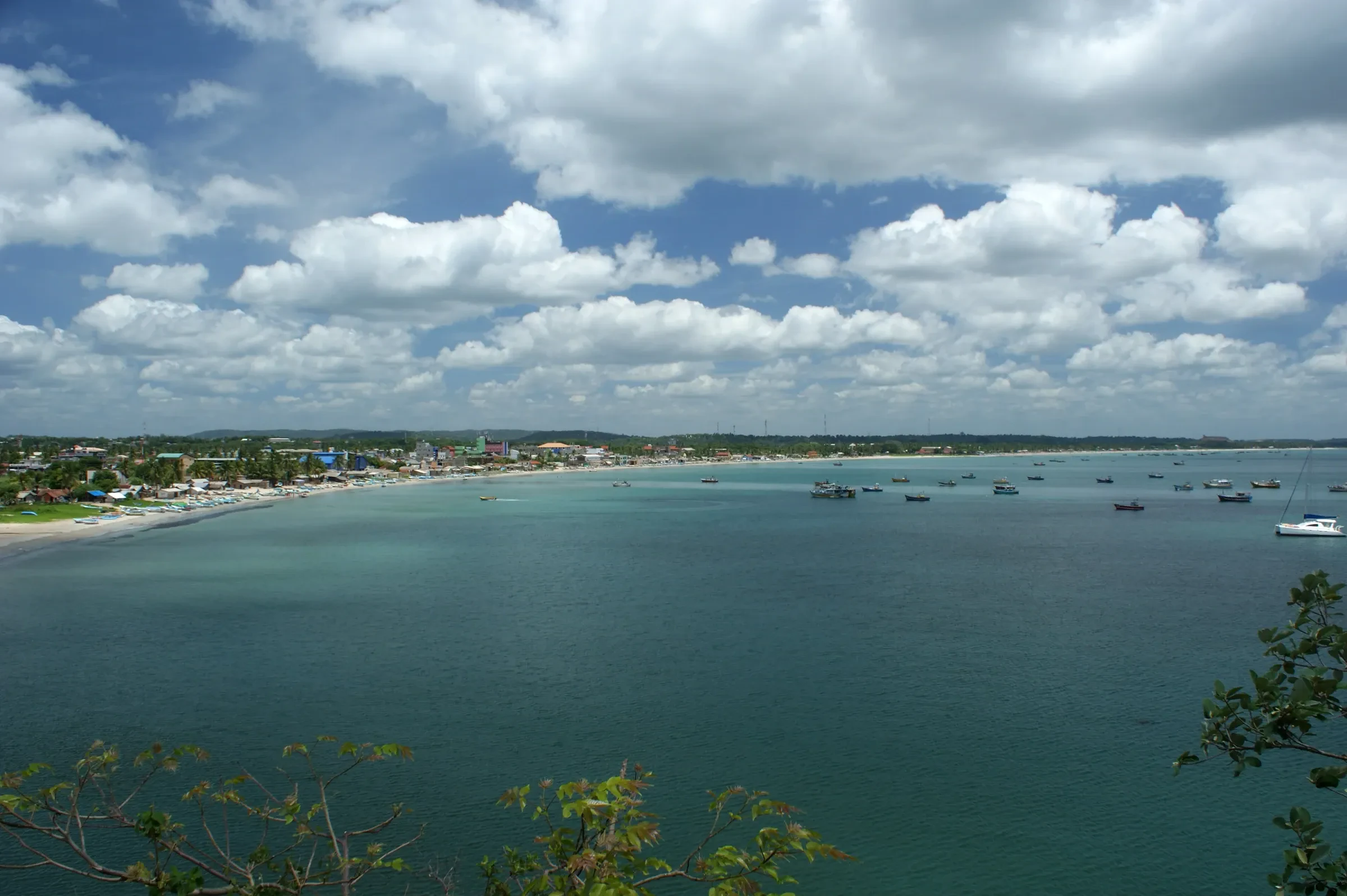
Pigeon Island
Trincomalee
Getting there a short tuk-tuk ride to Nilaveli beach, then a boat of roughly 15 to 30 minutes out to Pigeon Island National Park
- Morning
- snorkelling over Pigeon Island's shallow reef, where reef fish, turtles and reef sharks are regularly reported; our snorkelling in Sri Lanka guide has more on what to expect
- Afternoon
- relax on Nilaveli beach, one of the calmest, least developed stretches of sand on this coast
- Evening
- back into Trincomalee town for dinner
Eat fresh-grilled seafood again
Local tip the park is typically closed in the north-east monsoon and sources disagree on the foreign entry fee, so ask the boat operator for the all-in price before you go
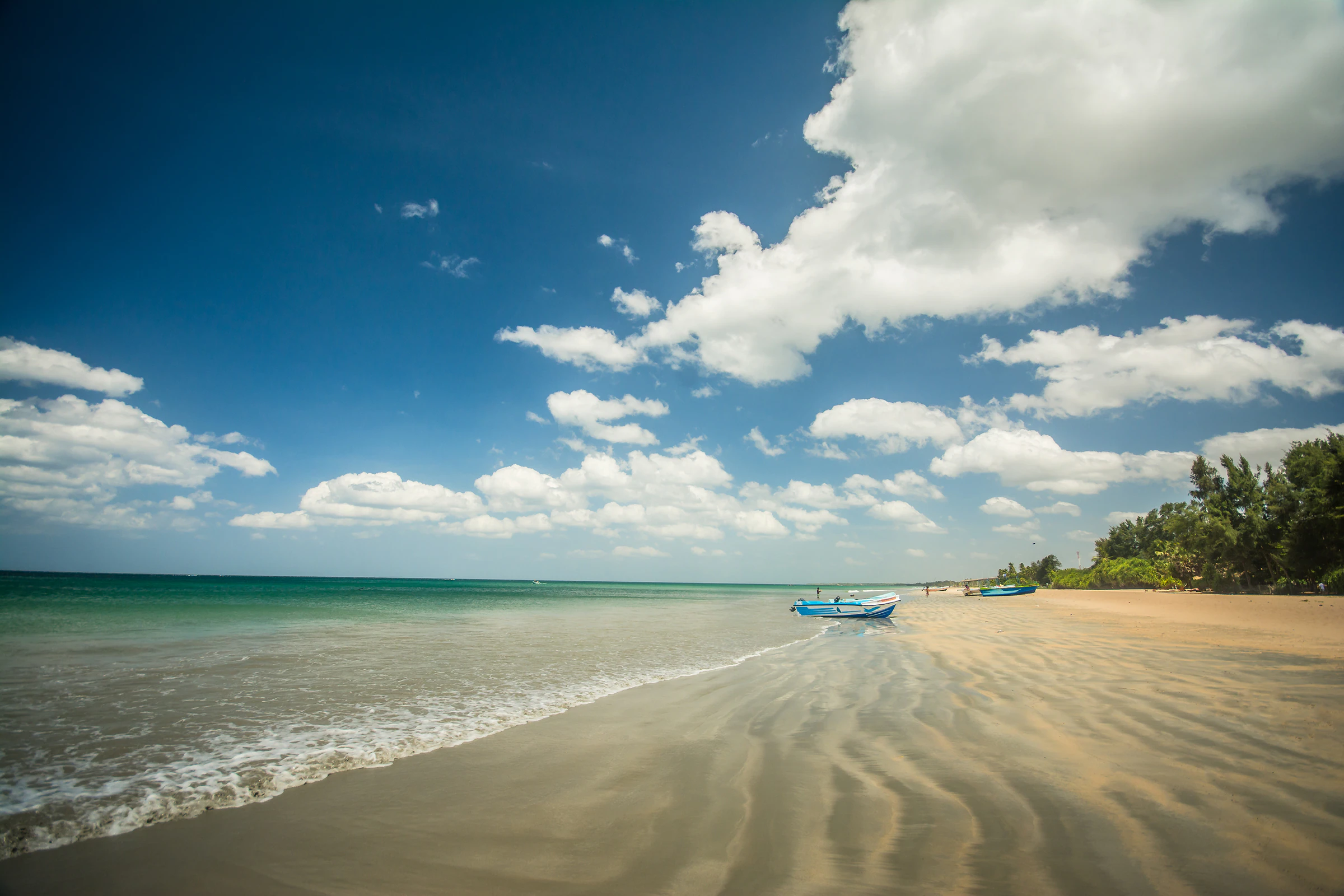
Whale watching and onward travel
Trincomalee
Getting there onward from Trincomalee, Colombo is about 260 km and roughly 7 h by bus (there's also a direct train; check the timetable), or continue north to Jaffna by road
- Morning
- an early boat out for whale watching; the season runs roughly April or May to September, and May and June are often cited as the most reliable months
- Afternoon
- a last swim or a walk around the harbour before heading out
- Evening
- travel onward
Eat king coconut water from a roadside stall before the journey
Local tip boats keep at least 100 m from whales under Sri Lanka's tourism guidelines, so choose an operator that sticks to that
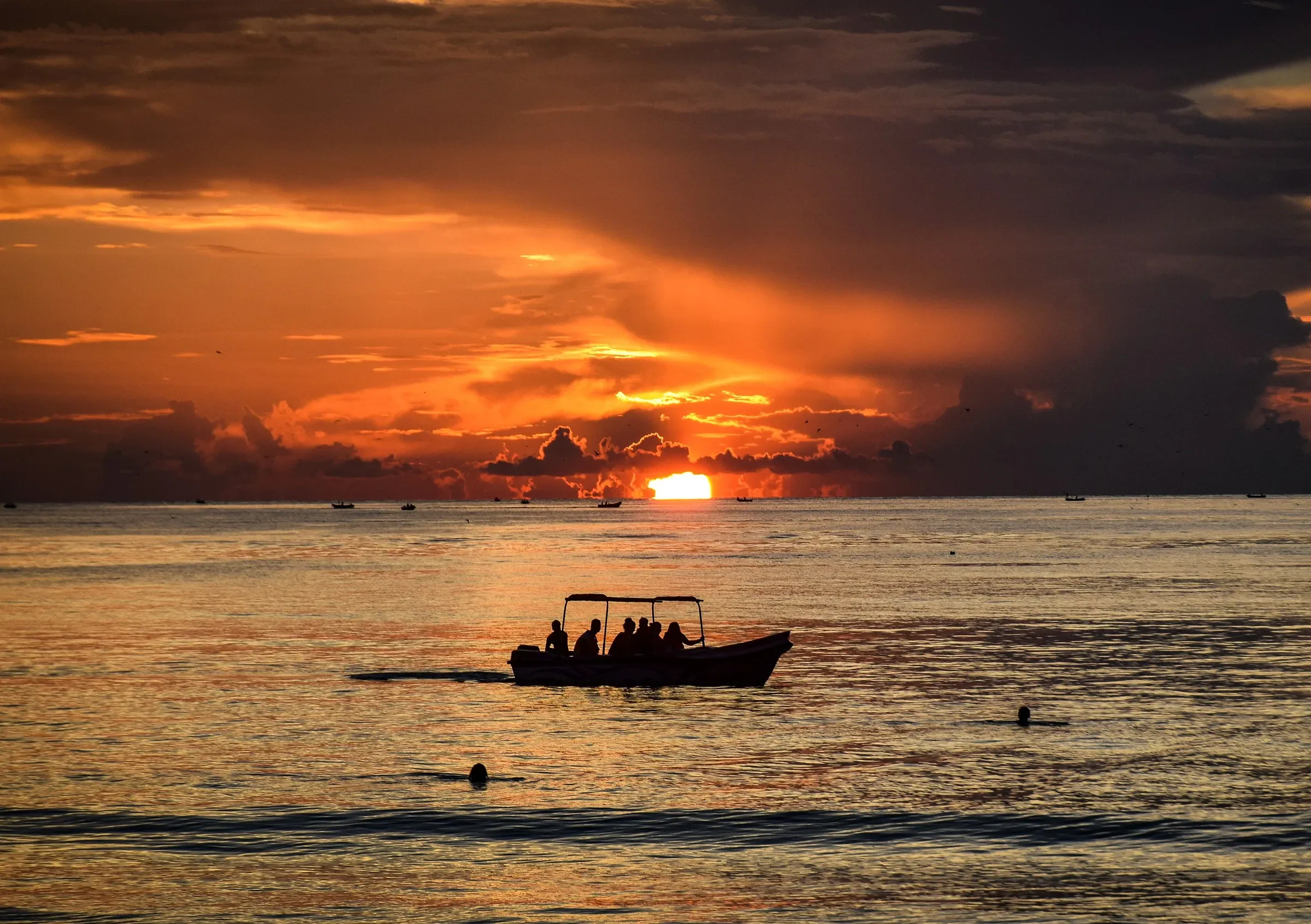
The 10 days version
The extra three days add Pasikudah, a calm, shallow bay roughly between the two anchor towns, rather than rushing through the same stops.
| Day | Where | What | Eat |
|---|---|---|---|
| 1 | Arugam Bay | Arrive, first look at Main Point | Buriyani |
| 2 | Arugam Bay | Surf day, Pottuvil Lagoon safari | Grilled seafood |
| 3 | Arugam Bay | Kumana National Park safari | Rice and curry |
| 4 | Arugam Bay | Second surf day, Peanut Farm | Hoppers |
| 5 | Arugam Bay to Pasikudah | Transfer, about 3 to 3.5 h by road (estimate) | Rice and curry |
| 6 | Pasikudah | A calm swimming day in the shallow bay | Fresh seafood |
| 7 | Pasikudah to Trincomalee | Transfer, about 2 to 2.5 h by road (estimate) | Rice and curry |
| 8 | Trincomalee | Pigeon Island snorkelling | Grilled seafood |
| 9 | Trincomalee | Whale watching, Fort Frederick and Koneswaram Temple | Crab curry |
| 10 | Onward | Travel to Colombo or on to Jaffna | - |
What changes: Pasikudah becomes a proper stop instead of a name check, and two shorter transfer days replace the single long Arugam Bay to Trincomalee haul, so no day involves more than about 3.5 hours on the road.
What it costs
Our Sri Lanka cost guide puts a working budget at US$35 to 55 a day, including a dorm bed or basic guesthouse room, food, local transport and a share of entry fees. The extras on this route are priced separately, and we haven't found a dated, official price for any of them, so ask for the all-in figure before you book. Surf lessons and board hire have no dated rate card, so agree the price before you start. A Kumana safari means park entry plus a jeep with a park-registered driver, and fees and jeep prices vary by operator and season. For Pigeon Island you pay park entry plus a boat; sources disagree on the foreign entry fee, and the park is typically closed in the north-east monsoon. Whale-watching prices off Trincomalee vary widely by operator and boat, so ask what a shared seat and a private charter cost.
Getting there, away and around
Most travellers reach Arugam Bay either directly from Colombo, a long single haul that many people break up with an overnight bus or an early start, or via the hill country, joining from Ella after a few days around Kandy, Nuwara Eliya and Ella. There's no rail line to Arugam Bay or Pottuvil, so that last leg runs by road, and a private car or van is the more predictable option. Trincomalee is the exception on this coast: it has a direct line from Colombo Fort, reopened in December 2025 after Cyclone Ditwah damage, though journey times and frequency vary, so check the Sri Lanka Railways timetable. Around each town, a bicycle or tuk-tuk covers most things. Pigeon Island and any lagoon or whale-watching trip run by boat, usually booked a day ahead.
Best time and festivals on this route
May to September is this coast's dry season, the same months the south-west monsoon brings rain to the south and west coasts. Arugam Bay's surf builds through the window and peaks in July and August, and Trincomalee's whale watching runs roughly April or May to September, with May and June often cited as the most reliable months. Avoid November to February: the north-east monsoon hits this coast directly, and many Arugam Bay guesthouses and surf camps close for the period. This route isn't built around a festival date either; for Sri Lanka's wider calendar, see the festivals guide.
What to eat on this route
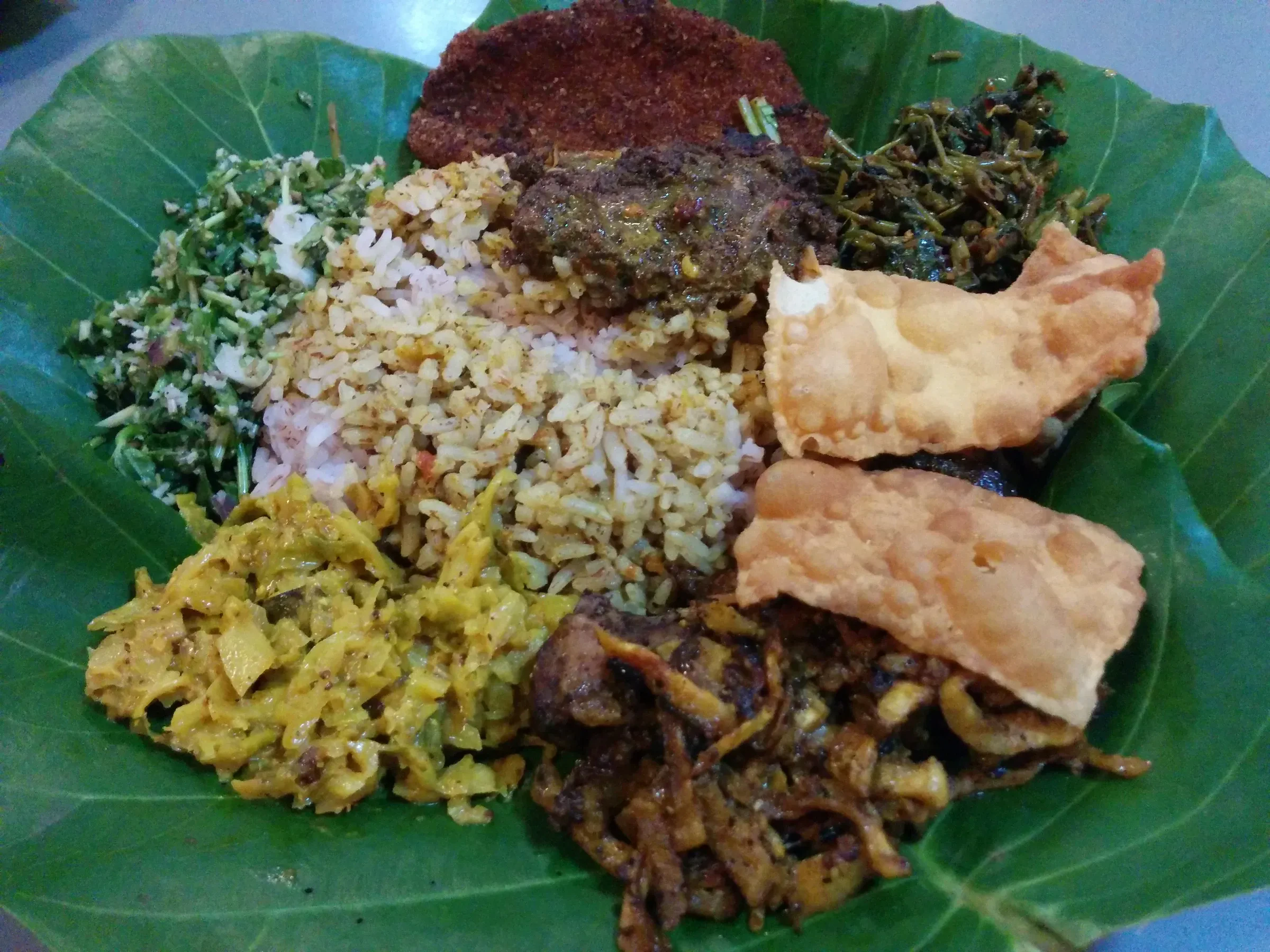
Arugam Bay has a sizeable Sri Lankan Moor community, and buriyani, the local take on biryani, is worth ordering there rather than treating as a generic rice dish. Around Trincomalee, crab curry and grilled seafood are the dishes to look for. King coconut water is on sale along the whole coast. For the fuller picture of Sri Lankan food, see the food guide.
For how Arugam Bay's waves compare with the south coast's, see surfing in Sri Lanka.