Unawatuna's crescent bay is sheltered enough to swim in most of the year, which is a big part of why it became Sri Lanka's best-known south coast beach town long before its quieter neighbours had a guesthouse to their name. That head start shows: a dense strip of hotels, restaurants and dive shops backs the sand, and it's noticeably busier than Mirissa or Hiriketiya further along the coast. What keeps it worth a stop is what sits just beyond the crowds: a headland with a peace pagoda, birdlife and a much quieter cove on the other side. This guide covers the main beach, Jungle Beach, the Japanese Peace Pagoda and Rumassala, snorkelling, where to stay, getting there and how it pairs with a Galle Fort day trip. For the rest of the coast, see our Sri Lanka travel guide.
Unawatuna at a glance
- Where: Sri Lanka's south coast, about 5 km east of Galle and about 150 km from Colombo by road
- Known for: a sheltered swimming bay, Jungle Beach, the Japanese Peace Pagoda and being the coast's busiest, most developed beach town
- How long: two nights covers the beach, the headland walk and dinner in town; three if you're adding a Galle Fort day trip
- Best months: roughly November to April, driest and calmest December to March
- Getting there: the coastal train (Unawatuna has its own small halt) or a bus or car on the Southern Expressway via Galle, both from Colombo
The main bay
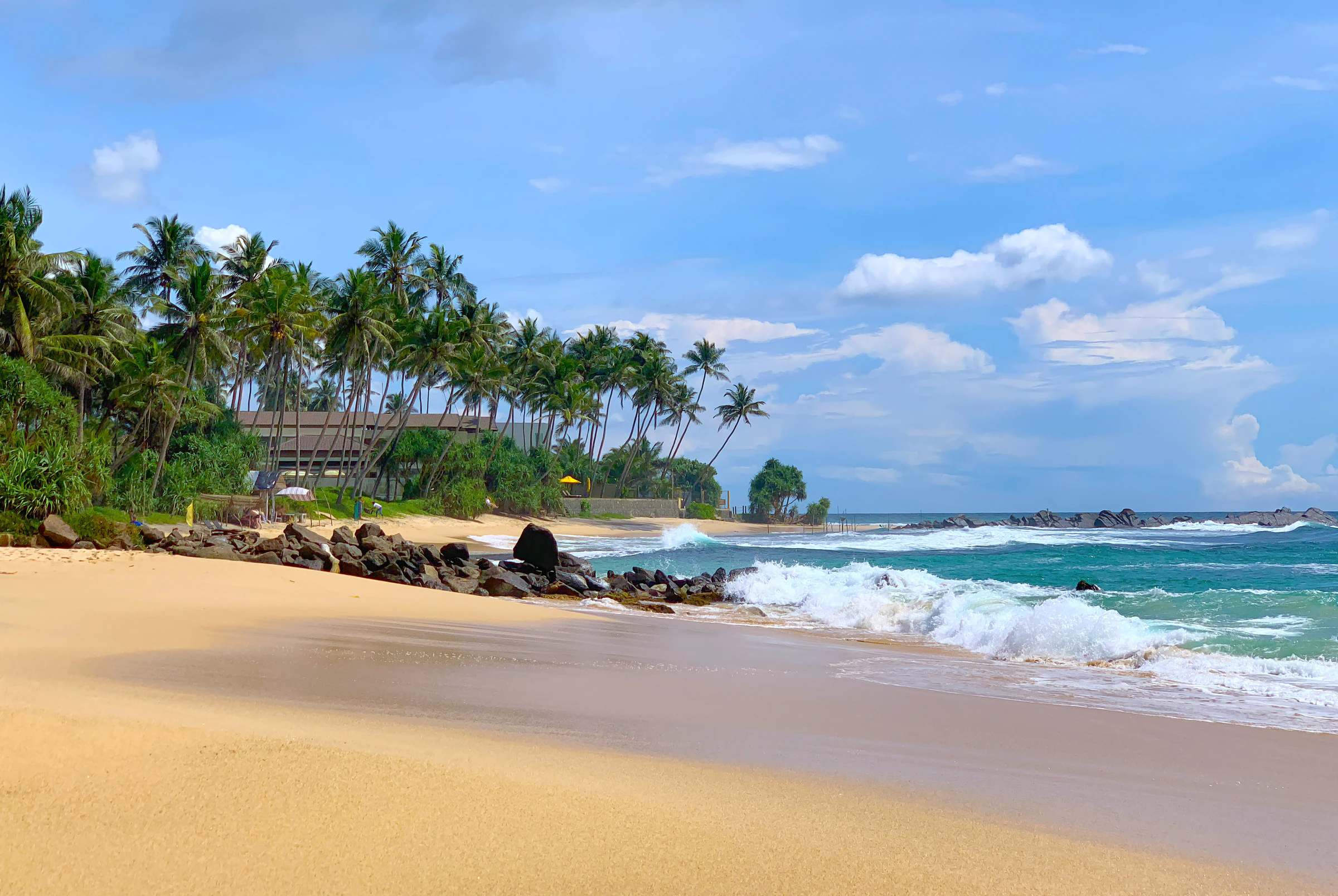
Unawatuna's beach is a wide, curved crescent protected by an offshore reef and a rocky headland at its eastern end, which keeps the water calm enough for swimming most of the year, one of the few south coast bays where that's reliably true. The sand stays reasonably wide even at high tide, and the strip behind it is the busiest stretch of restaurants, bars and dive shops on this part of the coast. It's an easy, sociable base, though anyone after a quieter beach is better off walking or riding out to Jungle Beach or continuing on to Hiriketiya.
Jungle Beach
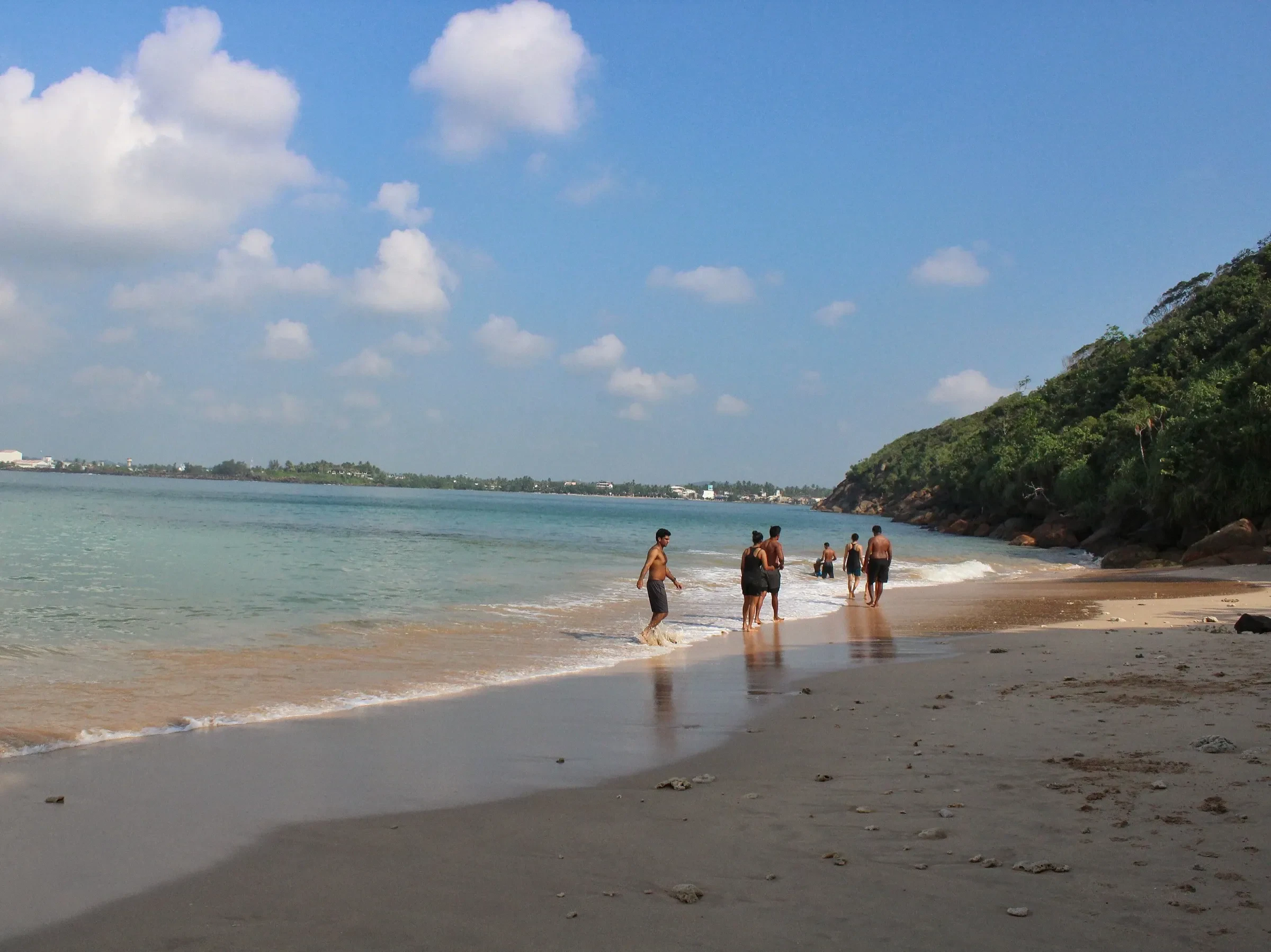
Jungle Beach is a small, sheltered cove on the Rumassala headland, about 3 km from Unawatuna's main bay. Rocky arms on both sides keep the water calm even when the main beach is choppy, and there's no entry fee or opening hours to work around.
Getting there is part of the appeal: walk 30 to 45 minutes over the headland via the Japanese Peace Pagoda, or take a tuk-tuk to the upper car park and walk down through the forest on a short path. Boat transfers also run from Unawatuna's main beach from mid-morning. Go early, ideally before 9am, since tour boats bring day-trip crowds from around mid-morning and the cove stays busy until mid-afternoon.
Japanese Peace Pagoda and Rumassala
The Japanese Peace Pagoda sits on top of Rumassala, the forested headland that separates Unawatuna's main bay from Jungle Beach. Built by Japanese Buddhist monks of the Nipponzan-Myohoji order, the white stupa has four gold Buddha statues facing the cardinal directions, each representing a different stage of the Buddha's life. It's free to visit, about a 15 to 20 minute walk or a short tuk-tuk ride from the main beach, and quiet outside the early morning and sunset hours when most visitors time their walk. As at any Buddhist site, cover your shoulders and knees and take your shoes off on the terrace.
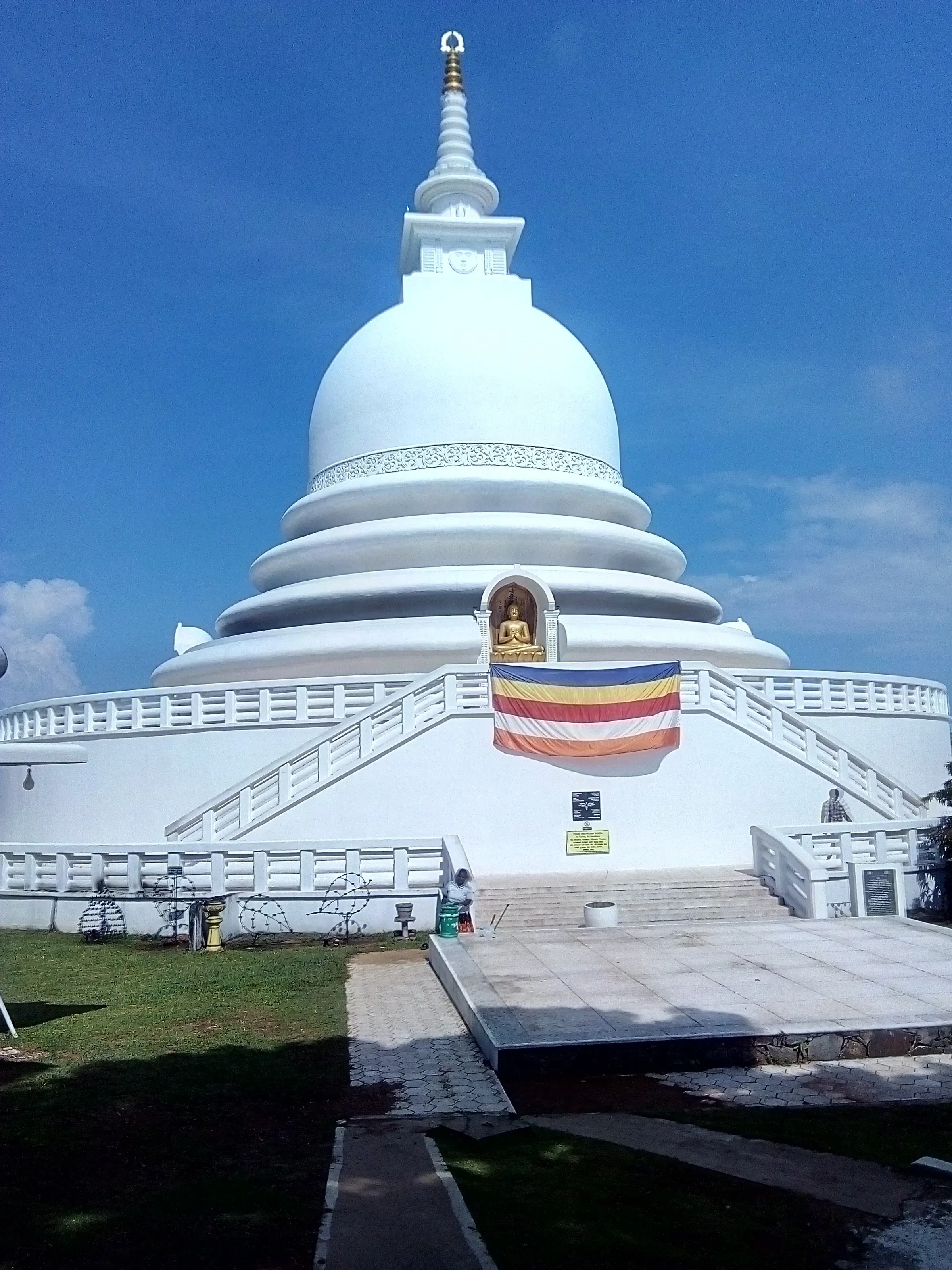
Rumassala itself is worth a slower look beyond the pagoda. In the Ramayana, the hill is said to be a chunk of the Himalayas dropped here by Hanuman while carrying a mountain of medicinal herbs, and it's home to plant species not found elsewhere on this part of the coast. It's also a decent spot for birdwatching, with kingfishers, paradise flycatchers and Sri Lanka hanging parrots among the regulars.
Snorkelling at Unawatuna
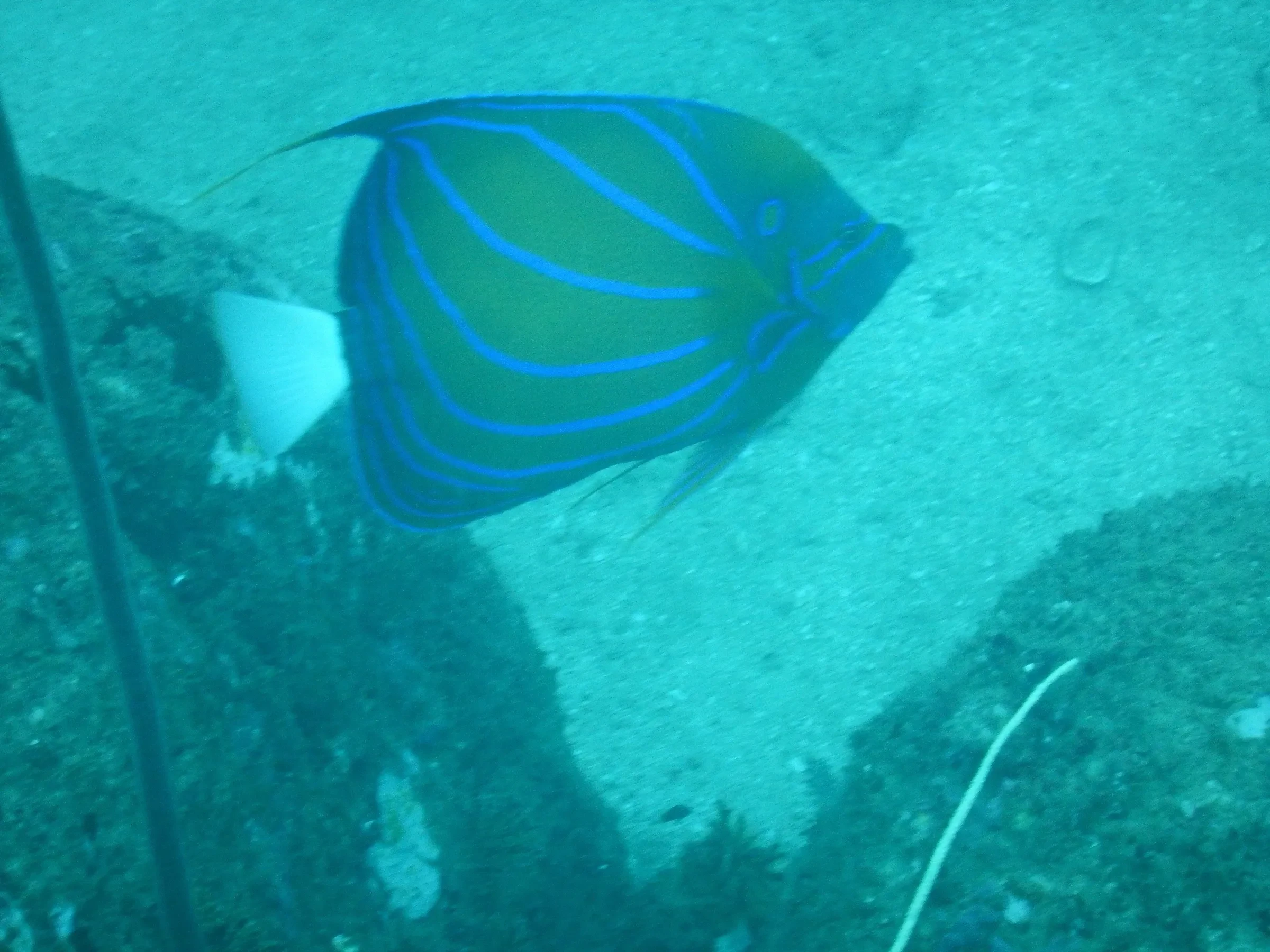
Unawatuna's sheltered bay has a shallow reef close to shore, reasonable for a first snorkel, though Jungle Beach's smaller cove is generally rated the better spot, with healthier coral, calmer water and a wider range of fish, including parrotfish, wrasse and the occasional turtle. Boat trips out to the wider reef and a couple of nearby wreck dives run from operators along the main beach. See our snorkelling in Sri Lanka guide for how this coast compares with the rest of the island.
Where to stay in Unawatuna
| Area | Best for | Good to know |
|---|---|---|
| Unawatuna's main high street and beachfront | First-timers, an easy walk to restaurants and the beach | The busiest, most convenient part of town, with the widest choice of guesthouses |
| The quieter south end of the bay | A calmer stay still on the beach | A short walk from the main strip's restaurants and nightlife |
| Toward Jungle Beach and Rumassala | Peace and jungle surroundings over convenience | Fewer restaurants close by; expect to walk or tuk-tuk in for most things |
Guesthouses and small hotels are the norm rather than big resorts. Book ahead for December to March, when Unawatuna is at its busiest.
How many days do you need in Unawatuna?
Two nights covers the main beach, the walk over to Jungle Beach and the Peace Pagoda, and a relaxed dinner or two in town. Add a third night if you want an unhurried day trip to Galle Fort, five minutes down the coast, without treating it as a rushed add-on to a travel day.
Getting to Unawatuna
From Colombo. Unawatuna has its own small halt on the coastal railway line that also serves Galle and Mirissa, separate from the hill-country line up to Kandy and Ella, which Cyclone Ditwah damaged in November 2025 and which is reopening in stages (Nanu Oya to Badulla resumed on 20 June 2026), so check the latest status before you plan that route. Not every train stops here, so check the timetable, or take any train to Galle and continue by tuk-tuk. The journey to Galle takes roughly 2 to 3 hours from Colombo Fort, plus a short tuk-tuk or local bus ride on to Unawatuna. By road, the Southern Expressway runs most of the way to a Galle interchange, after which it's a short local road to Unawatuna; a car or expressway bus takes about 2 to 3 hours in total, depending on traffic.
From Galle. About 5 km, roughly 10 to 20 minutes by tuk-tuk or taxi.
From Mirissa. About 25 km, roughly 30 to 40 minutes by car or tuk-tuk, or a similar time by local train.
Best time to visit Unawatuna
Unawatuna follows the south coast's season: driest and calmest from December to March, with the whole window from November to April workable for a beach stay. May to September is the south-west monsoon, with rougher seas, more rain and choppier swimming conditions even in this normally sheltered bay. See our best time to visit Sri Lanka guide for the wider picture.
Day trip to Galle Fort
Galle Fort, Sri Lanka's UNESCO-listed walled town, is close enough to Unawatuna to visit without changing base: about 5 km and 10 to 20 minutes by tuk-tuk or taxi. A half day covers the ramparts walk, the lighthouse and a wander through the fort's cafes and shops, with plenty of time to be back on the beach by the afternoon.
!The Galle Fort lighthouse beside the fort walls, with palm trees and a blue sky Our Galle guide has the full detail, including current museum fees and how long to allow.
Unawatuna isn't currently a stop on either of our Sri Lanka trips, both of which spend three nights a little further along this same coast at Mirissa, with their own Galle Fort day trip built in. Independent travellers often add a night or two here between Galle and Mirissa.