"Cheap solo trips" usually means one of three questions: which country costs the least, when should you go to spend the least, and how much can you actually save by planning it yourself instead of booking a group trip. This guide answers all three with real 2026 figures, not a single "you can do Asia for $20 a day" number that ignores where you're going and when.

Which country is cheapest for a solo trip?
Vietnam and Thailand come out cheapest on day-to-day spending, with Bali close behind and Laos not far off that. India's headline figure already bundles in a dorm bed, so it isn't a like-for-like comparison with the "outside your bed" figures below, but it lands in a similar place once you add a bed to any of the others.
| Country | Day-to-day budget (food, drinks, local transport) | Dorm bed | Notes |
|---|---|---|---|
| Vietnam | 400,000 to 600,000 dong a day (US$15 to $23) | 100,000 to 350,000 dong | Most backpackers land around US$30 to $40 a day all in |
| Thailand | 1,000 to 1,500 baht a day (US$30 to $45) | 150 to 700 baht | Islands run 20 to 40% higher than the mainland |
| Bali | IDR 280,000 to 450,000 a day (US$16 to $25) | IDR 150,000 to 250,000+ | Canggu and Seminyak sit at the top of that range, Ubud and the quieter coasts lower |
| Laos | US$20 to $35 a day | Not widely published | Figure already includes accommodation |
| India | US$30 to $35 a day, including a dorm bed, food and trains | ₹300 to ₹800 | Goa and Rishikesh often cheaper, Leh and the Andamans more |
| Sri Lanka | US$25 to $40 a day (about LKR 8,000 to 13,000) | From about LKR 2,000 a night | A dorm bed or basic guesthouse included, US$35 to $55 a day all in |
See the full breakdown for each country, including transport, activities and visa fees, in our Thailand, Bali, India and Sri Lanka cost guides, and our backpacking Vietnam and Laos guides.

The cheapest months to visit
Each country's cheapest months are also its quietest, usually because they line up with the wet season somewhere on the route.
- Thailand: May to October, with September usually the lowest of all for flights and rooms. The Gulf islands are an exception, since June to August is one of their better periods. See the cheapest time to visit Thailand.
- Vietnam: varies by region, since the country runs the length of several different climates. The rainy season in each region tends to be the cheapest time there, for example the centre in October and November, though it's cheap for a reason, so check flood and typhoon warnings first. See Vietnam's cheapest months.
- Bali: January to March, apart from New Year, plus November. February is usually the single cheapest month. July, August and Christmas to New Year are the most expensive. See the cheapest time to visit Bali.
- India: roughly June to September, the monsoon months, across most of the country. The trade-off is heat and rain rather than comfortable sightseeing weather. See the cheapest time to visit India.
Laos and Sri Lanka don't have a cheapest-month section on their own guides yet. As a general rule across this region, each country's wet season is also its cheaper one, at the cost of more rain and the odd cancelled boat or flooded road.
How to cut the cost of a solo trip
Three changes do most of the work, wherever you're travelling.
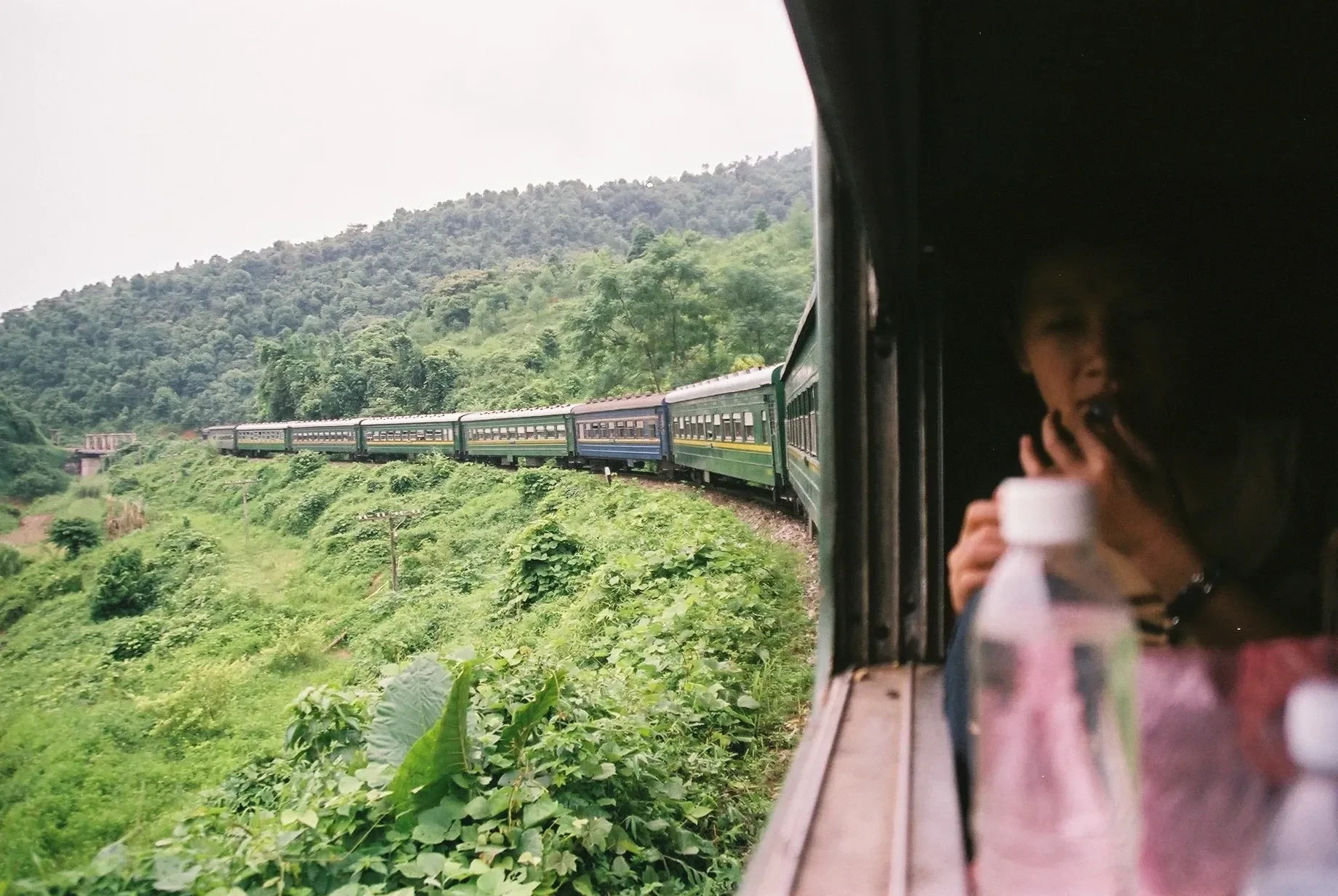
Take overnight transport instead of a flight and a hotel night. Thailand's sleeper train from Bangkok to Chiang Mai costs about 840 to 1,040 baht for a lower berth, depending on the train, and saves a hotel night outright. Vietnam's sleeper trains and sleeper buses do the same job on its own north to south route. It's slower than flying, but you arrive somewhere new having paid for a bed you'd have needed anyway.
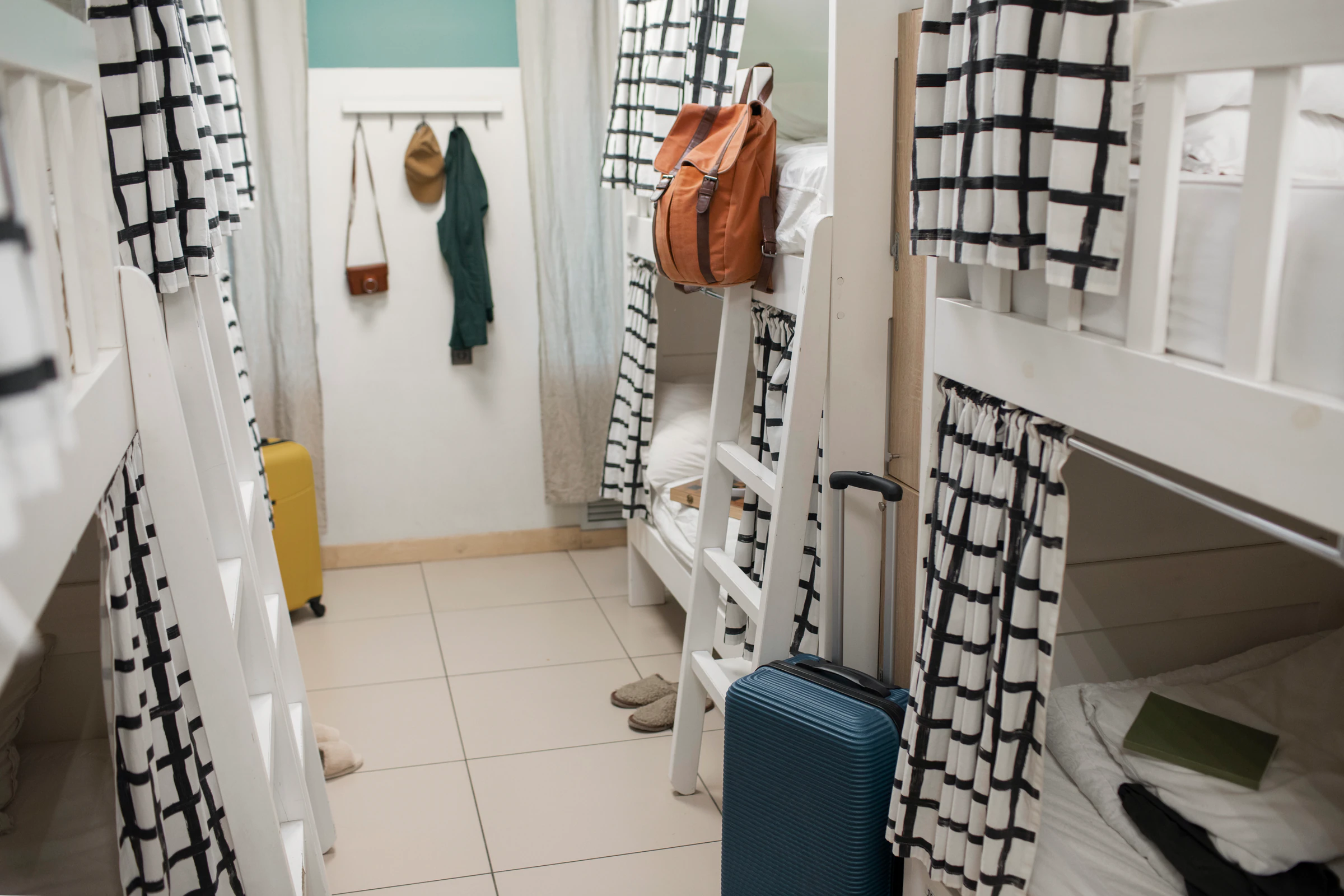
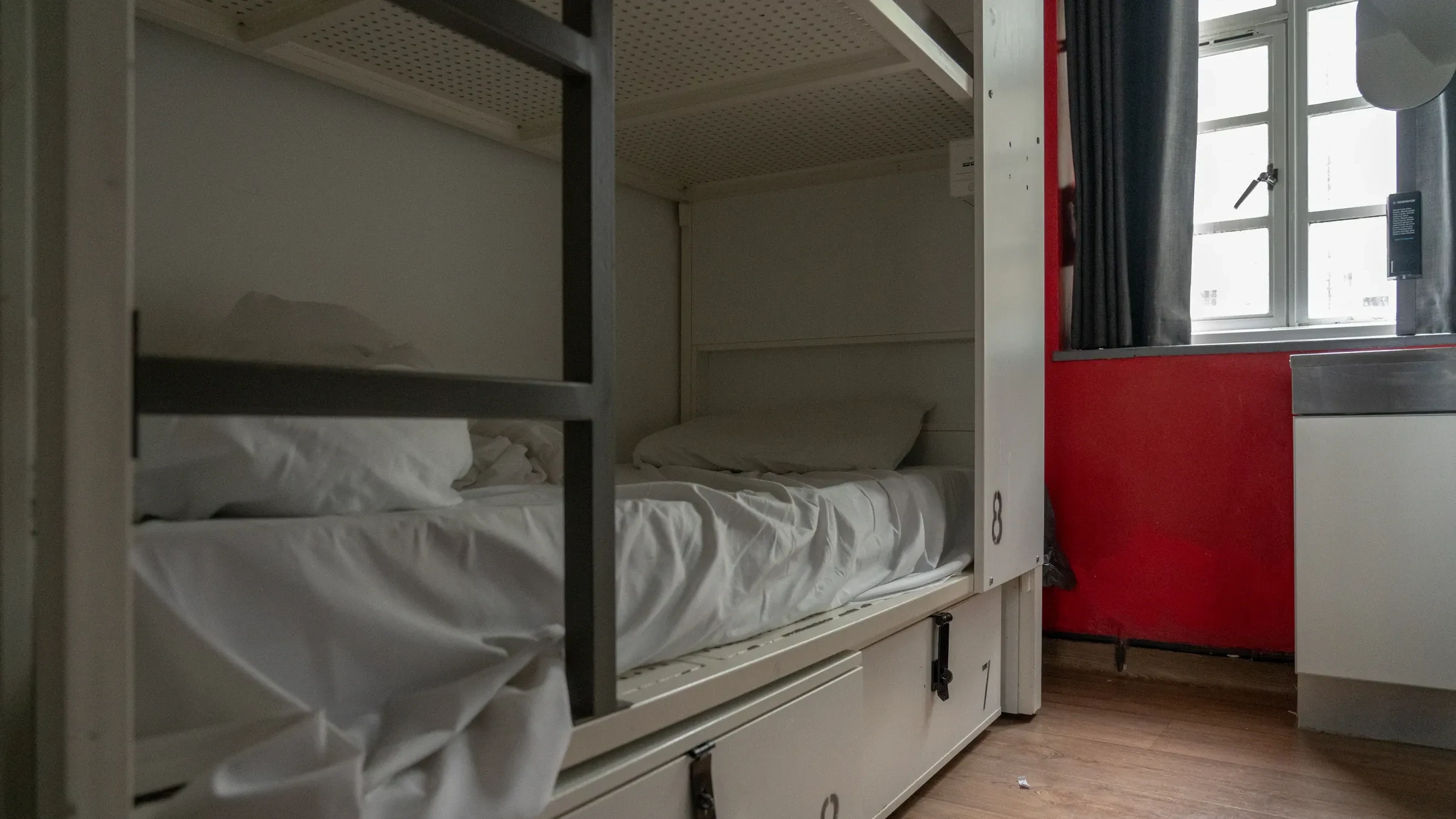
Book a dorm over a private room, and filter for the type you want. A dorm bed runs from about 150 baht in Thailand, 120,000 dong in Vietnam, IDR 150,000 in Bali, or ₹300 in India, a fraction of a private room in any of them. If you'd rather not share a mixed room, most of the bigger hubs in each country have a female-only dorm option; our hostels for solo female travellers guide covers where to find one.
Eat street food and at local places rather than tourist restaurants. A Thai street-food dish runs 50 to 80 baht against 180 to 350 baht at a tourist-area restaurant. A Vietnamese street-food dish runs 30,000 to 80,000 dong. A Balinese warung meal costs 20,000 to 45,000 rupiah against 60,000 to 120,000 for a cafe brunch dish. An Indian thali costs ₹150 to ₹500 at a local restaurant. It's also usually better food, not just cheaper.
A few smaller things add up too: travel in the shoulder or wet season, book trains and popular sailings as early as the booking window allows rather than at the last minute, and split a private car or driver with other travellers heading the same way, which several hostels can arrange informally.
Is it cheaper to book everything yourself, or join a group trip?
In cash terms, yes, almost always, when you compare like for like. Our own cost guides make that comparison directly. Travelling independently through Thailand for a similar route to our Thailand in 2 Weeks trip costs roughly US$1,050, and the trip costs more. A week in Bali covering the same route as our Bali Express trip costs roughly US$365 to $380 independently, and again the trip costs more. Three weeks of day-to-day spending in India, on the same shape of route as our India North to South trip, costs roughly US$635 to $740 before flights, visa and entry fees, against a higher trip price. A 10-day independent Sri Lanka route like our 12-Day Sri Lanka Tour costs roughly US$625 before flights, and the trip costs more there too. Current trip prices are on each trip page.
That gap is real, and it buys something specific: every train, bus, boat, driver and activity already booked and paid for, a Trip Host with the group the whole way, licensed local guides where the law or the activity needs one, and a fixed group of other solo travellers rather than whoever happens to be at your hostel that week. Our Thailand, Bali and India cost guides break down exactly where the extra money goes on each route.
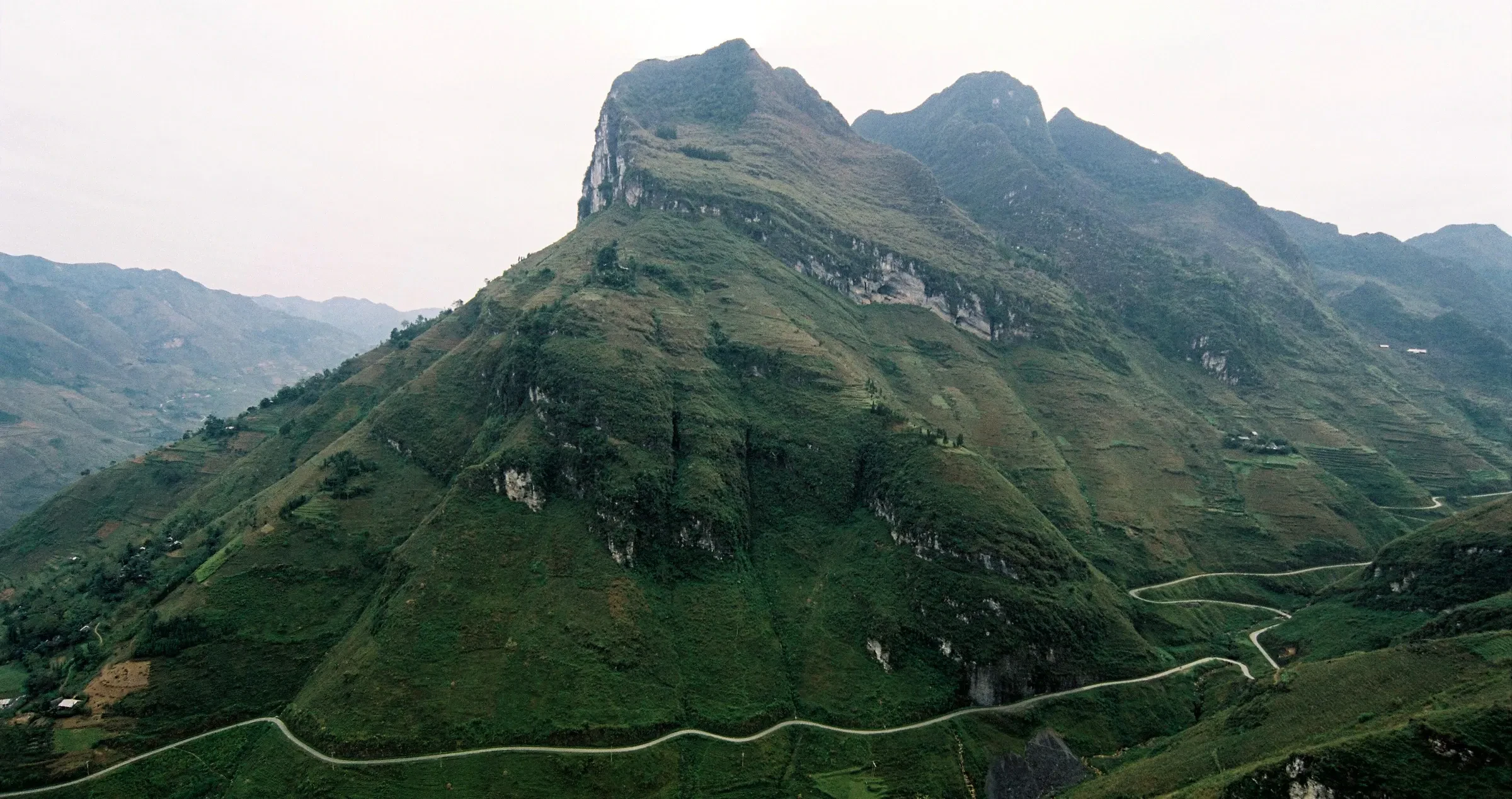
The gap narrows, and can close altogether, on trips built around something you'd have to pay for separately anyway. Our 5-day Ha Giang Loop Adventure includes a motorbike, fuel, a licensed easy rider for every rider and 3 homestay nights. Renting a bike yourself for four days of riding, then paying for an easy rider on top if you don't hold a valid international riding permit, closes a lot of that price difference before you've booked anywhere to sleep. The same logic applies anywhere a private vehicle and a guide are the only practical way to see something: hiring your own car, driver and guide for a few days costs the same whether one person or a full group is in the vehicle, so travelling alone means paying that whole cost yourself rather than splitting it.
Independent travel is usually the cheaper option in pure cash terms, sometimes by a wide margin, but the size of that margin depends heavily on how much of your route runs through private transport, licensed guides or other costs that don't shrink per person. Neither approach is wrong. You're either paying someone else to remove the planning and add a host and a group, or doing that work yourself and pocketing the difference.