Losar means "new year," and it's the biggest date on the Tibetan Buddhist calendar, celebrated everywhere from Tibet and Nepal to the Himalayan pockets of India. What makes it confusing for a visitor is that Ladakh doesn't celebrate it on the same day as everywhere else. This guide explains why, says which Losar has passed and which is next, and covers what the festival looks like in Ladakh, Sikkim, Darjeeling and Dharamshala.
Why Ladakh's Losar is different
Standard Tibetan Losar follows the Tibetan lunar calendar and usually lands in February or March, close to Chinese New Year. Ladakh's version runs on a local shift that puts it about two months earlier, in December. The change is traditionally traced to a Ladakhi king who moved the date centuries ago so that New Year celebrations wouldn't clash with the run-up to a military campaign. Whatever the exact origin, Ladakhi Losar and the rest of the Tibetan Buddhist world's Losar are two separate events, roughly nine to ten weeks apart most years.
Sikkim, Darjeeling and Dharamshala, none of which use the Ladakhi calendar, keep the standard date instead.
What happened at Losar 2026
Standard Tibetan Losar 2026 was held on 18 to 20 February and began the Fire Horse year, which comes round once every 60 years, according to Sunray. In McLeod Ganj, Dharamshala, the Dalai Lama arrived for the celebrations. All India Radio reported that families and monasteries made khapse, lit incense and offered prayers for his long life.
That is all the reporting we could find. We saw no crowd figures, and nothing on how Sikkim, Darjeeling or Ladakh marked the February date. Ladakhi Losar 2026 hasn't happened yet: it starts on 9 December.
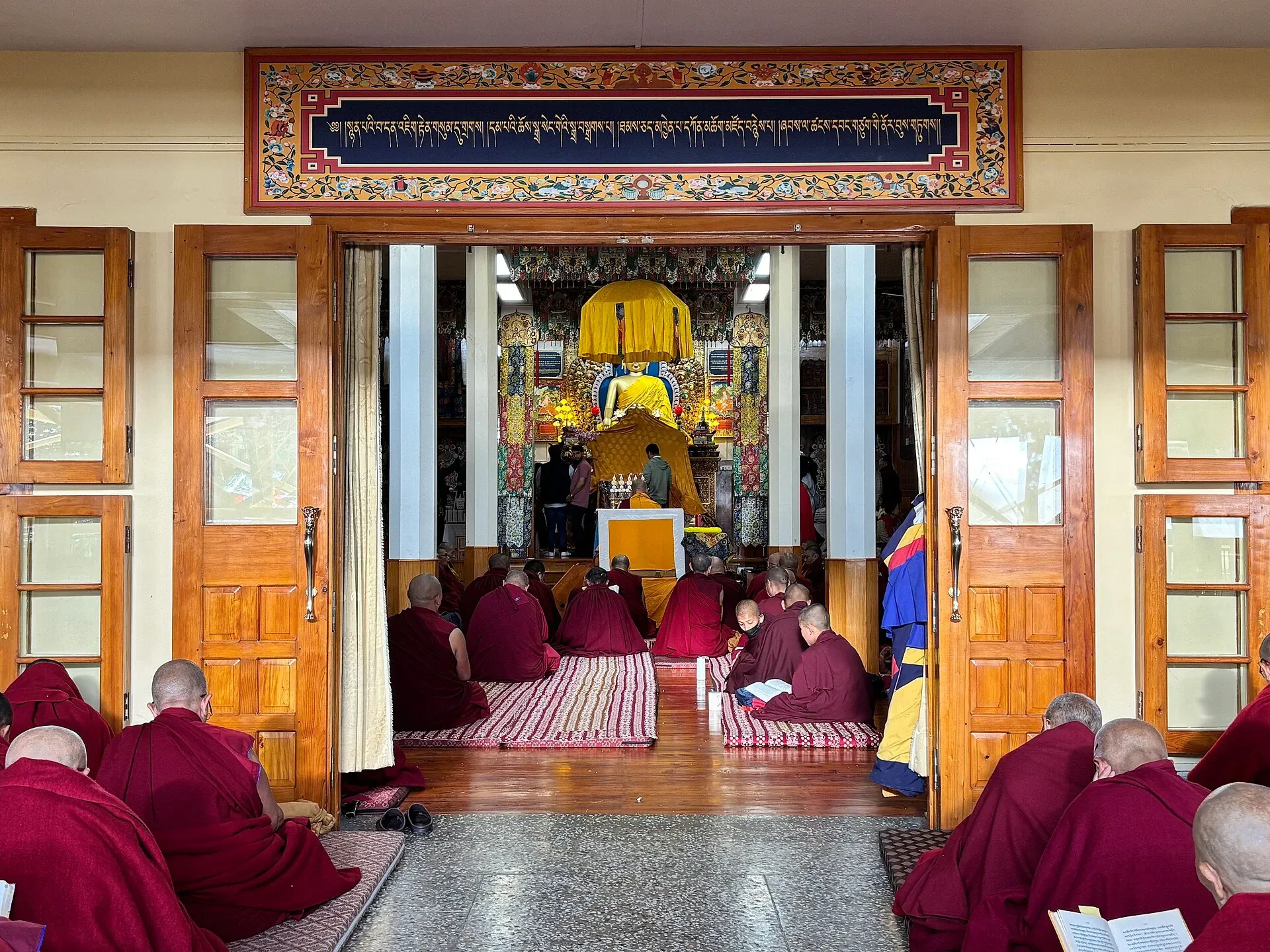
Losar is the biggest date on the Tibetan Buddhist calendar, and in India it plays out in monasteries and family homes, from McLeod Ganj to the Himalayan valleys. The Fire Horse year made 2026 a rarer start than most. Ladakh's separate December date also means India has two Tibetan New Years a few months apart, which few other festivals do.
Dates for 2026 and 2027
| Ladakh | Sikkim, Darjeeling and Dharamshala | |
|---|---|---|
| 2026 | Starts Wednesday 9 December, runs to 23 December (still to come) | Wednesday 18 to Friday 20 February (held) |
| 2027 | Estimated Tuesday 28 December (see caveat below) | Sunday 7 to Tuesday 9 February |
The standard 2026 and 2027 dates are corroborated by more than one Tibetan-calendar source, and the 2026 Ladakh date is confirmed by Leh's official tourism listing. The Ladakh 2027 date is an estimate. Ladakh's local astrologers typically don't confirm the exact date until closer to the year, and a Tibetan leap month in 2027 pushes the Ladakhi New Year to late December. Reconfirm nearer the time, ideally with a Leh-based operator.
What happens during Losar
The run-up and the first days follow a similar pattern wherever it's celebrated, though the scale and setting differ hugely between a Ladakhi village and a monastery town like Dharamshala.
- The last day of the old year. Monasteries perform the Gutor Cham, a sacred masked dance representing the triumph of good over evil. At home, families eat guthuk, a noodle soup with small hidden objects, such as wool, chilli, salt or coal, stirred into individual portions as a kind of light-hearted fortune-telling for the year ahead.
- New Year's Eve. Homes are cleaned thoroughly, decorated with auspicious symbols, and stocked with kapse, deep-fried pastries shaped into knots and twists that are offered to guests through the following days.
- The first days of the new year. Families visit monasteries to make offerings, light butter lamps and receive blessings. In Ladakh, expect chanting, archery contests and folk dancing in Leh and the surrounding villages. Chang, a mildly alcoholic barley beer, is shared freely, and visiting relatives and neighbours' homes to exchange greetings and small gifts continues for days.
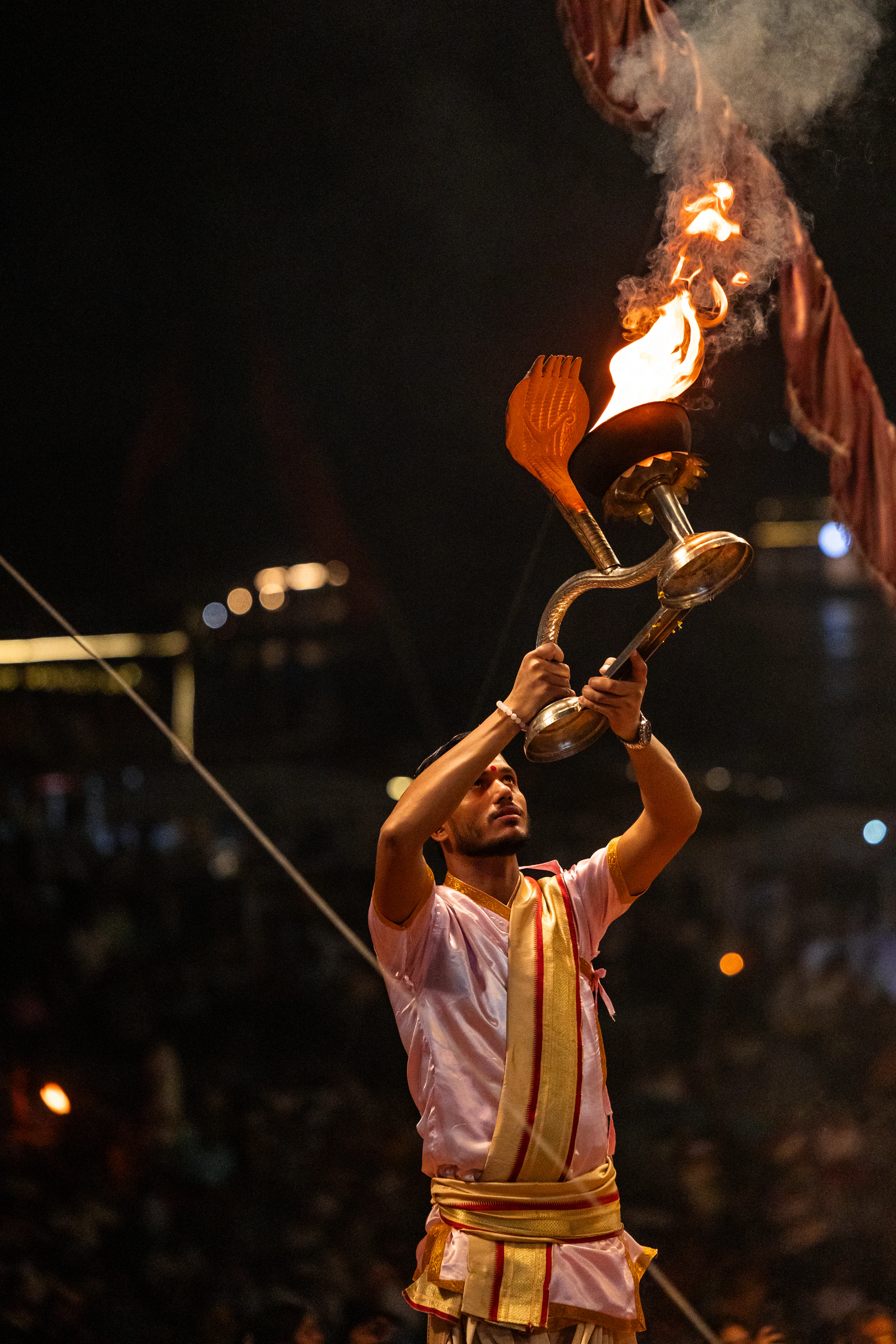
- In Dharamshala, Namgyal Monastery, the Dalai Lama's own monastery in McLeod Ganj, holds some of the most visible celebrations: prayer flags are raised, juniper incense is burned, and khapse pastries are offered. The Dalai Lama has historically led special prayers there during Losar when he is in residence, though his participation in any given year isn't something to plan a trip around.
Where to see Losar
Leh and the villages, Ladakh
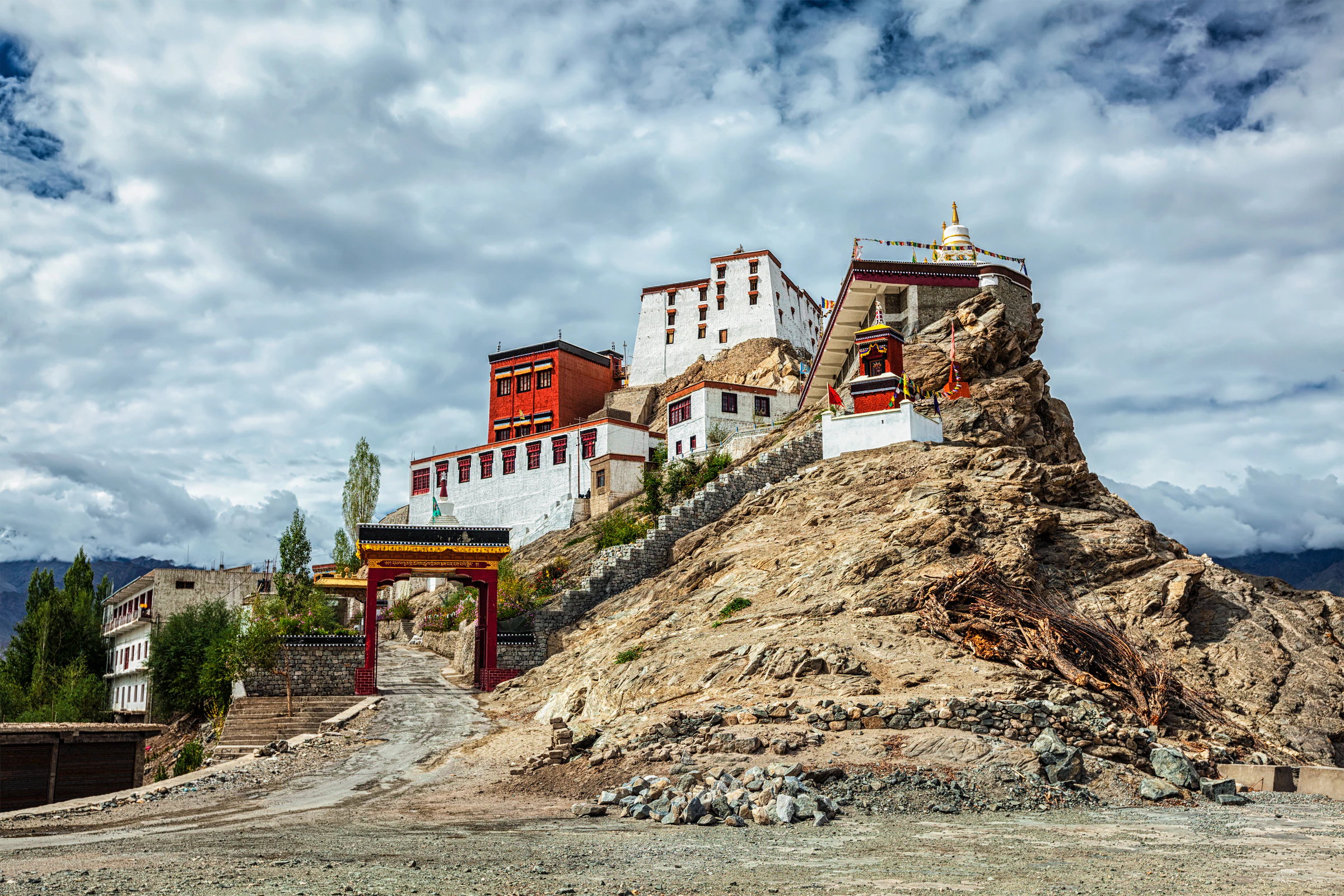
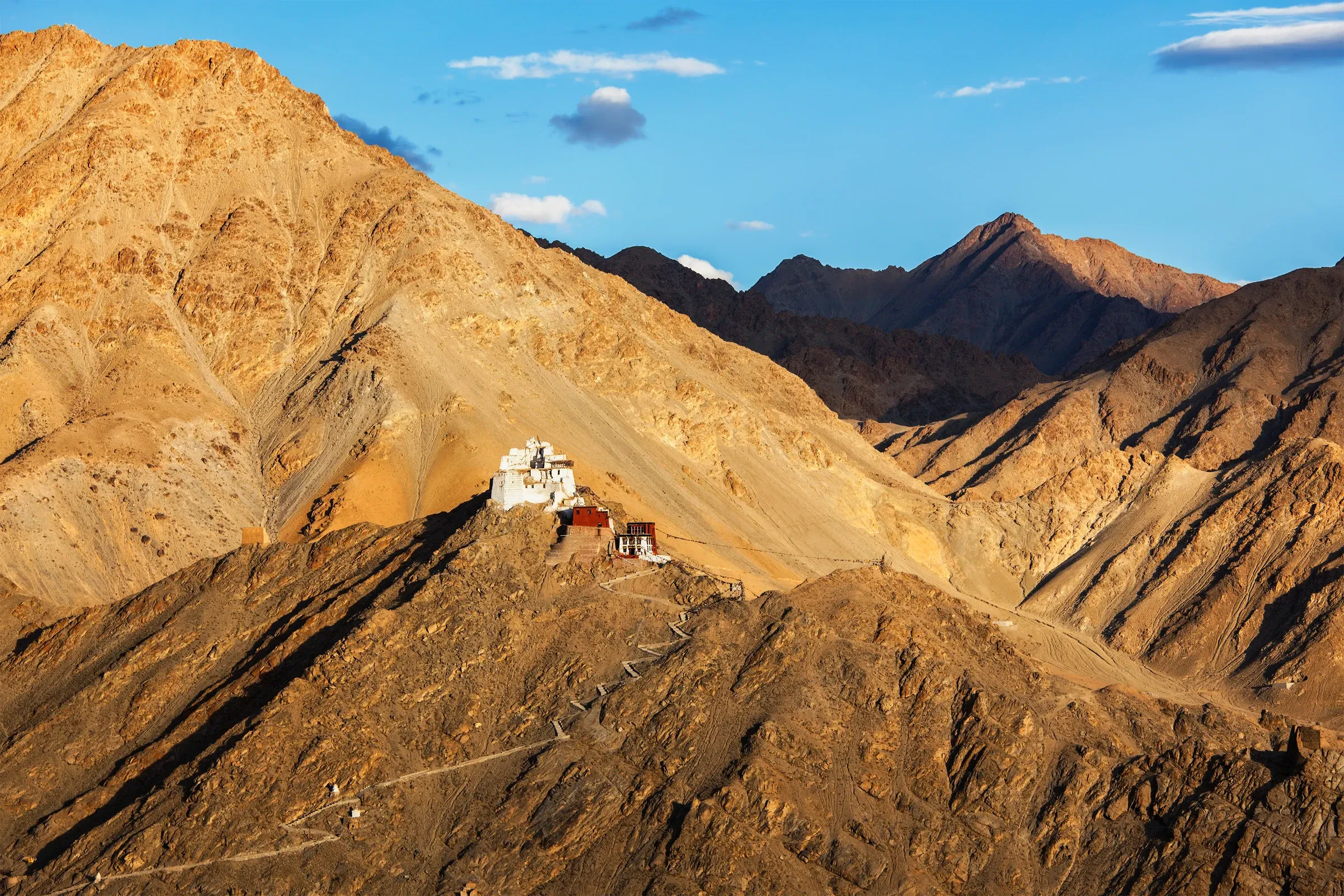
Ladakh's Losar is a local, off-season experience. Outside the festival, winter Leh is very quiet, so you'll mostly be among Ladakhi families rather than other visitors. Expect chanting, archery and dancing in Leh town and in villages across the valley, a more intimate, cold-weather version of the celebrations found further south. It's the hardest of the three to reach (see below), and probably the most distinctive.
Sikkim (Gangtok) and Darjeeling
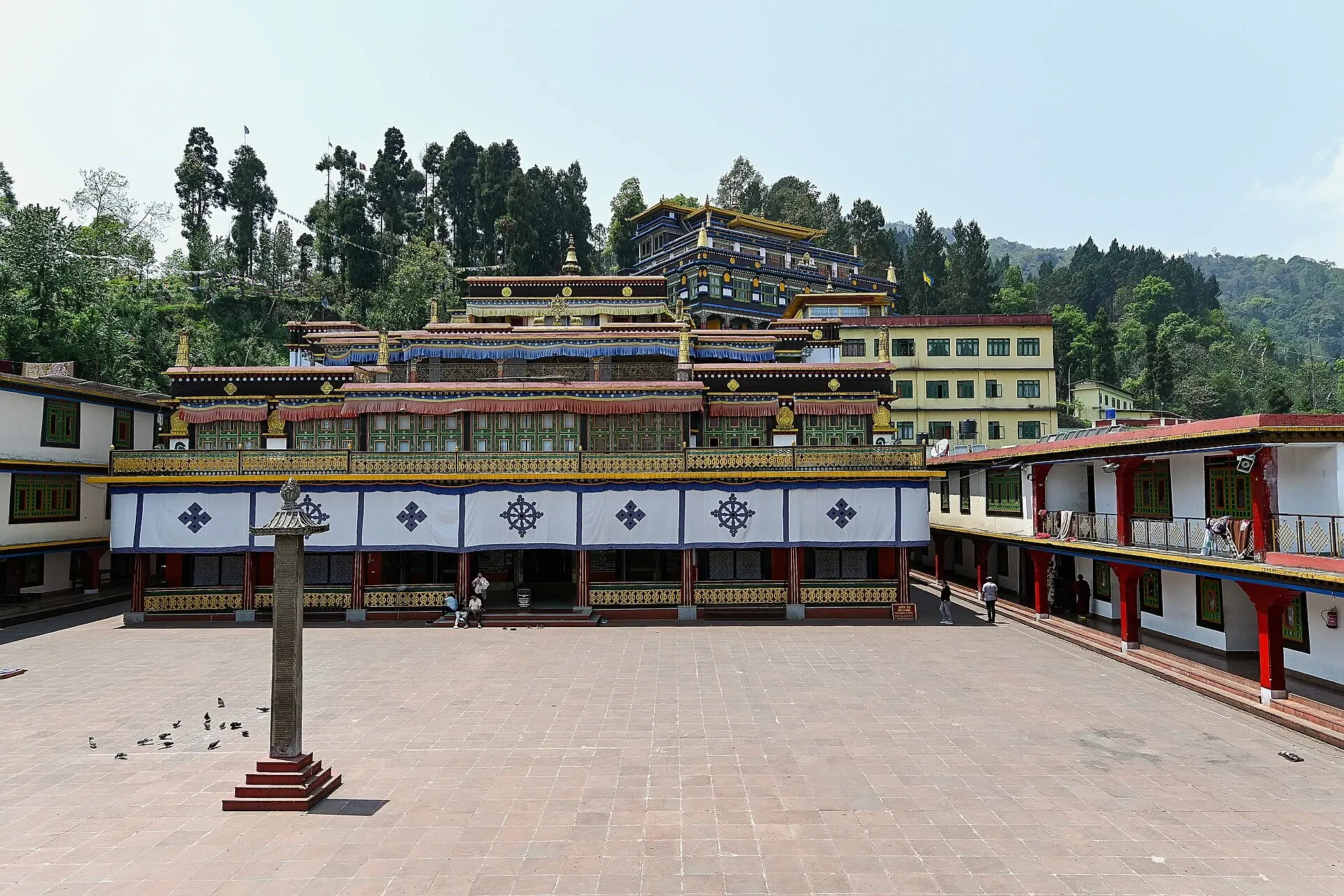
Sikkim marks Losar as a regional holiday, with monastery ceremonies in and around Gangtok drawing local families. Darjeeling's Tibetan Buddhist community, many descended from refugees who settled there from the 1950s onwards, celebrates in much the same way, and the Bhutia and Sherpa communities' own monasteries hold their own observances. February in Sikkim and Darjeeling is cold in the hills but entirely accessible by road, unlike winter Ladakh.
McLeod Ganj, Dharamshala
Dharamshala's McLeod Ganj is home to the Tibetan government-in-exile and a large Tibetan refugee community, which makes it probably the easiest place for a visitor to see Losar respectfully and watch devotion up close. Namgyal Monastery is the focal point, and the town's Tibetan restaurants, monasteries and market stalls all lean into the festival for the days around it. It's also the most accessible of the three by a wide margin, with a straightforward road or short flight connection from Delhi and no winter closures to plan around.
Ladakh in winter: an honest note on access
If you're drawn to Ladakh's version of Losar, and want to be there for 9 December 2026, be clear-eyed about what winter travel involves. Both the Manali-Leh and Srinagar-Leh highways close for the season, so flying into Leh is the only way in or out from around October to May. Temperatures in Leh itself average roughly -1°C by day and -11°C at night in January, and side valleys get colder still. Many guesthouses close for the season, so confirm that yours is open before you book a flight. Pangong Tso and the rivers around Leh freeze over, and the roads to Nubra and Pangong are shut, so a Losar trip to Ladakh is really a trip to Leh town and its surrounding villages, not the wider valley circuit you'd do in summer. On the upside, winter is also the cheapest time to fly to Leh, since demand drops once the roads close. Our Ladakh guide's best time to visit section covers the winter season, flight pricing and the Chadar trek, which runs in the same window, in more depth.
How to be a respectful guest
- Ask before photographing a family's home celebrations or a monastery ritual, the same as you would at any private religious occasion.
- Dress modestly for monasteries, covering shoulders and knees, and remove your shoes where asked.
- Accept food and chang graciously if offered, even a small amount, since sharing food is central to how the festival is celebrated.
- Keep noise and movement respectful during Cham dances and monastery prayers, and follow monastery staff's guidance on where visitors can stand.
Losar and our trips
None of our India trips is built around Losar. Our Ladakh Road Trip and Ladakh Royal Enfield Expedition both run in the summer, when the high passes are open, which is the opposite end of the year from Ladakhi Losar in December, and neither trip touches Sikkim or Dharamshala for the standard February date either. If Ladakh's winter Losar draws you, plan it yourself as a solo or independent trip, flying into Leh rather than joining a group departure.