What is Hemis Festival?
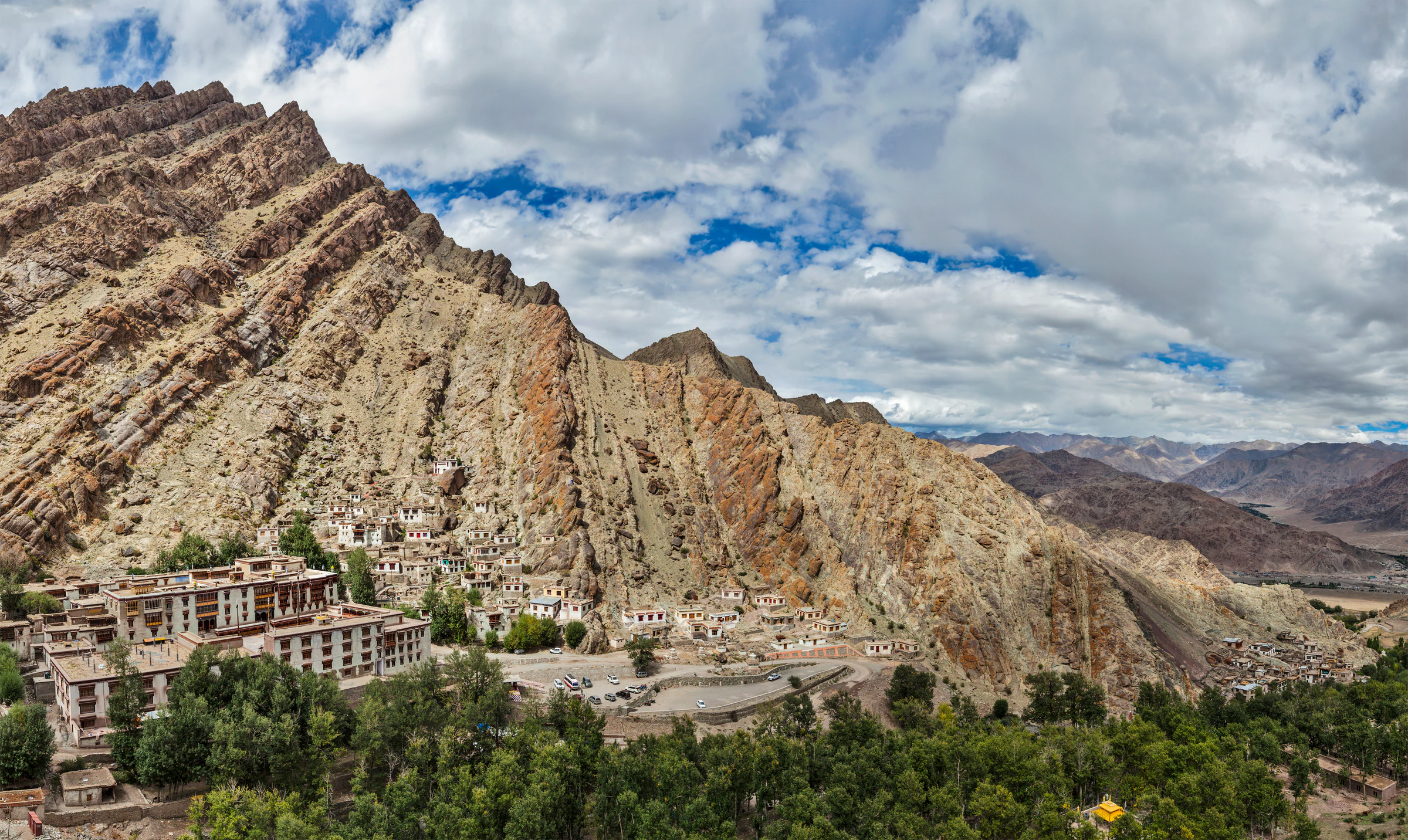
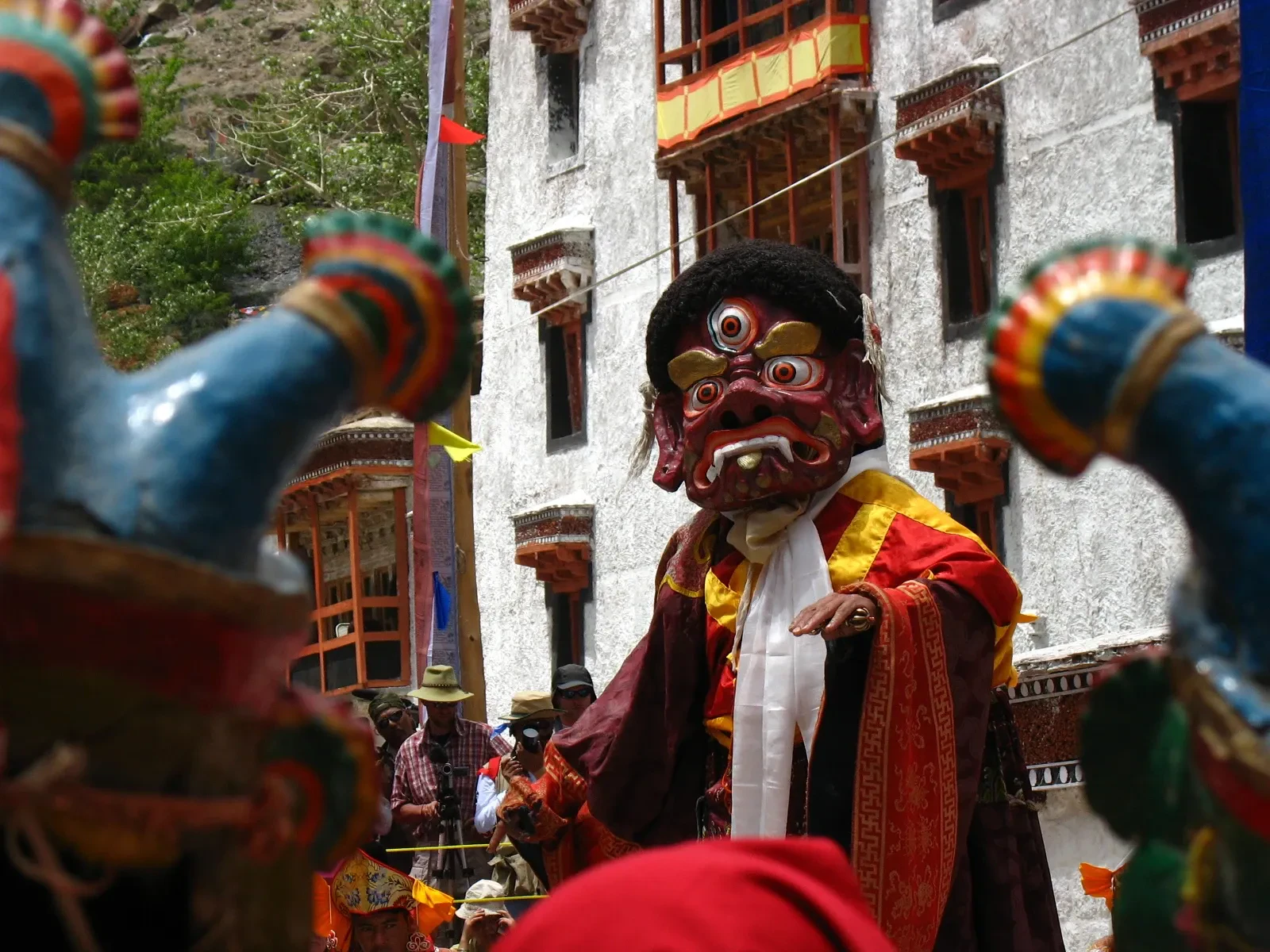
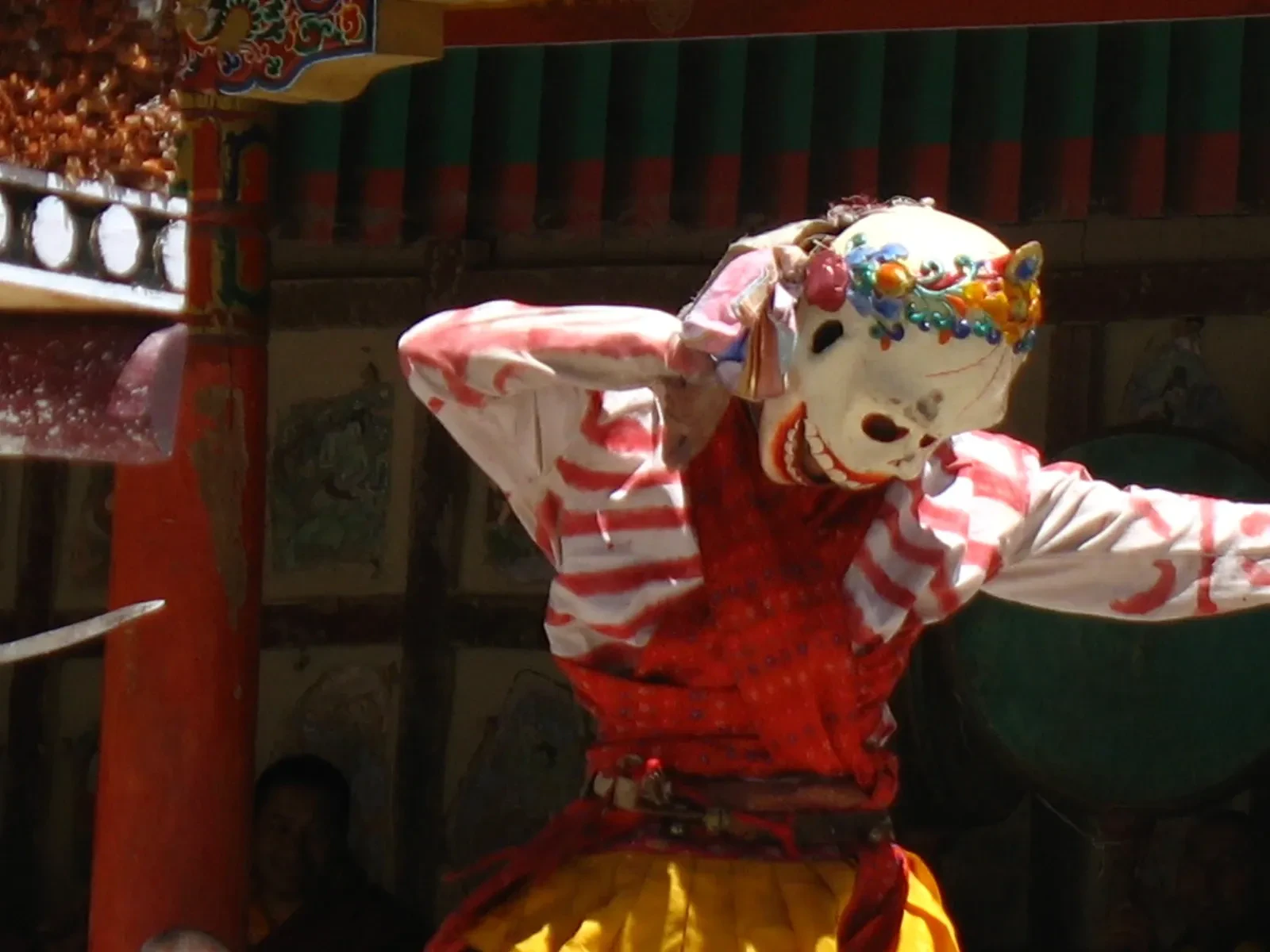
Hemis Monastery is the largest and richest monastery in Ladakh, seat of the Drukpa lineage of Tibetan Buddhism, about 45 km from Leh in the Indus valley. Once a year its monks hold a Tsechu, a festival marking the birth of Guru Padmasambhava, the eighth-century teacher credited with bringing Buddhism to Tibet. The centrepiece is Cham: masked ritual dances performed by monks in heavy silk brocade robes and carved wooden masks representing deities, protectors and demons, to the sound of long horns, drums and cymbals. The dances re-enact the triumph of Buddhist teaching over ignorance. This is a religious rite for the monastery, not a staged show, even though visitors are welcome to watch.
Roughly once every 12 years, in the Tibetan Year of the Monkey, the monastery also unveils its largest thangka: a huge appliqued silk scroll of Guru Padmasambhava said to be several storeys tall, hung down the outside of the building for a single day. Several travel sources place the last unveiling in 2016, which would put the next one around 2028, but the monastery hasn't published an official date and other accounts disagree. If that's the reason for your trip rather than the yearly Tsechu, check with Hemis directly before you book.
What happened at Hemis Festival 2026
The 2026 Tsechu ran on 24 and 25 June at Hemis Monastery. All India Radio reported that it opened on the 24th with prayers and masked Cham dances by the monks, and that the Lieutenant Governor of Ladakh attended the opening day. The report described thousands of devotees, tourists, cultural enthusiasts and Buddhist scholars from India and abroad, but gave no headcount. The festival falls on the tenth day of the fifth Tibetan month, which is why its Western date shifts every year.
Drishti IAS describes the usual closing rite: monks break a dough figure that stands for evil and scatter the pieces in four directions, and chhang, a barley drink, is served. That is the usual ritual, not an eyewitness account of 2026. We found no reports of incidents, cancellations or new rules. The giant thangka wasn't shown, because it comes out only in the Monkey year.
Hemis is the main seat of the Drukpa Kagyu lineage in Ladakh, re-established in 1672 by King Sengge Namgyal, and the Tsechu is still that monastery's own ritual. You watch from the edge of the courtyard at about 3,500 m, with the dancers in silk and wooden masks close by.
Where to see it
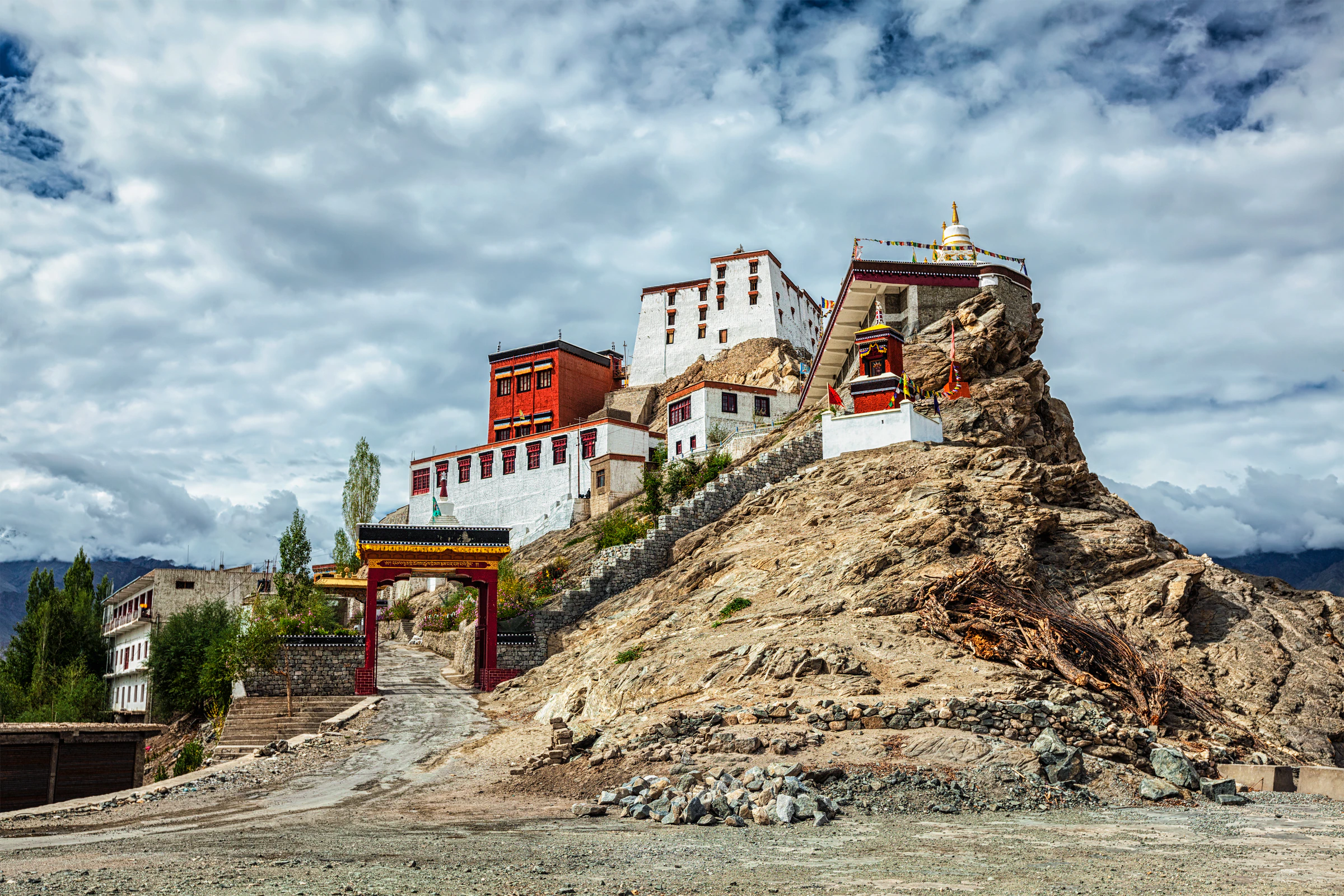
Hemis Monastery itself is the only place to see this specific Tsechu; there's no substitute venue. If your dates don't line up with Hemis, a few other Ladakhi monasteries hold their own, smaller Tsechu festivals with similar Cham dances at different points in the year, among them Thiksey and Shey. Both are easy day trips from Leh and worth combining with Hemis on the same outing regardless of festival timing.
What happens day by day
The Tsechu runs over two days. On the first morning, monks process into the courtyard to open the ceremony with prayers and horns, then perform the first sequence of masked dances through the day, pausing for the crowd to move and re-form between acts. The second day repeats and extends the sequence, building to the dances of the protector deities and, in years when the effigy ritual is performed, the symbolic destruction of a torma (a ritual cake standing in for ignorance and obstacles) to close the festival. Most visitors find one full day, ideally the first, enough to see the core sequence of masks and get a real sense of the event. Staying for both days mostly means watching a further set of dances rather than something completely different.
How to join in and etiquette
What to wear and bring
Layer up: Leh mornings are cold even in summer, and the courtyard sun gets strong by midday, so bring a warm top layer you can take off, sunglasses, a hat and sunscreen. Modest clothing (shoulders and knees covered) works both for the etiquette above and for the sun. Bring water, small-denomination rupee notes for any donations, and a cushion or something to sit on if you plan to be there for hours, since the stone seating is hard and unshaded.
Altitude safety
Getting from Leh to Hemis
Hemis is about 45 km from Leh, on the same side of the Indus valley as Thiksey and Shey. A taxi from Leh's official taxi union costs roughly ₹4,500 to 5,000 return, shared between however many people are in the car, and takes about 1 to 1 hour 15 minutes each way on a good road. There's no Protected Area Permit needed for Hemis: unlike Nubra, Pangong and Tso Moriri, it sits inside Leh's ordinary tourist zone, so your Indian e-visa is all you need. Book your taxi the evening before if you're going on the festival dates themselves; cars get scarce that morning as everyone in Leh tries to leave for Hemis at once.
Fitting Hemis into a Ladakh route
Hemis already sits on the standard Ladakh route: our Ladakh itinerary visits it alongside Thiksey on the Indus Valley monasteries day, and our Ladakh travel guide covers both in more detail. The straightforward way to see the festival is to build your own 1-week or 10-day Ladakh trip around whichever two days the Tsechu falls on that year, moving your Indus Valley day to match, rather than adding a separate visit to Ladakh just for the festival.
Keep planning with India's festival calendar, Losar, Ladakh's other big monastery season, the Ladakh travel guide for permits and roads, and Ladakh vs Spiti if you're choosing between the two. For group departures, see our India trips.