Vietnam is long and thin, and its weather moves with it: a jacket in Hanoi in January can be shorts weather in Ho Chi Minh City the same week. That's the main reason to plan by region rather than by a single date. Below is what each region is for, its weather pattern, and how long people usually give it, with a link down to a full guide for every place.
The north: Hanoi, Ninh Binh, Ha Long and Lan Ha Bay, Sapa, Ha Giang
The north has four seasons. Winter, December to February, is cool and often grey, with jacket weather in Hanoi and near-freezing nights in the mountains. October and November are usually the clearest, most comfortable months, and Sapa's rice terraces turn gold around the September and October harvest. Summer, May to August, is hot, humid and prone to heavy downpours and the occasional typhoon in Ha Long Bay.
Hanoi
Vietnam's capital, with the Old Quarter, Hoan Kiem Lake, the Temple of Literature and the country's best egg coffee and bun cha. It suits anyone starting or ending a Vietnam trip, since it's the main gateway to Ninh Binh, Ha Long or Lan Ha Bay, Sapa and Ha Giang. Two to three days covers the sights with time for food. See the Hanoi guide and Hanoi street food.
Ninh Binh
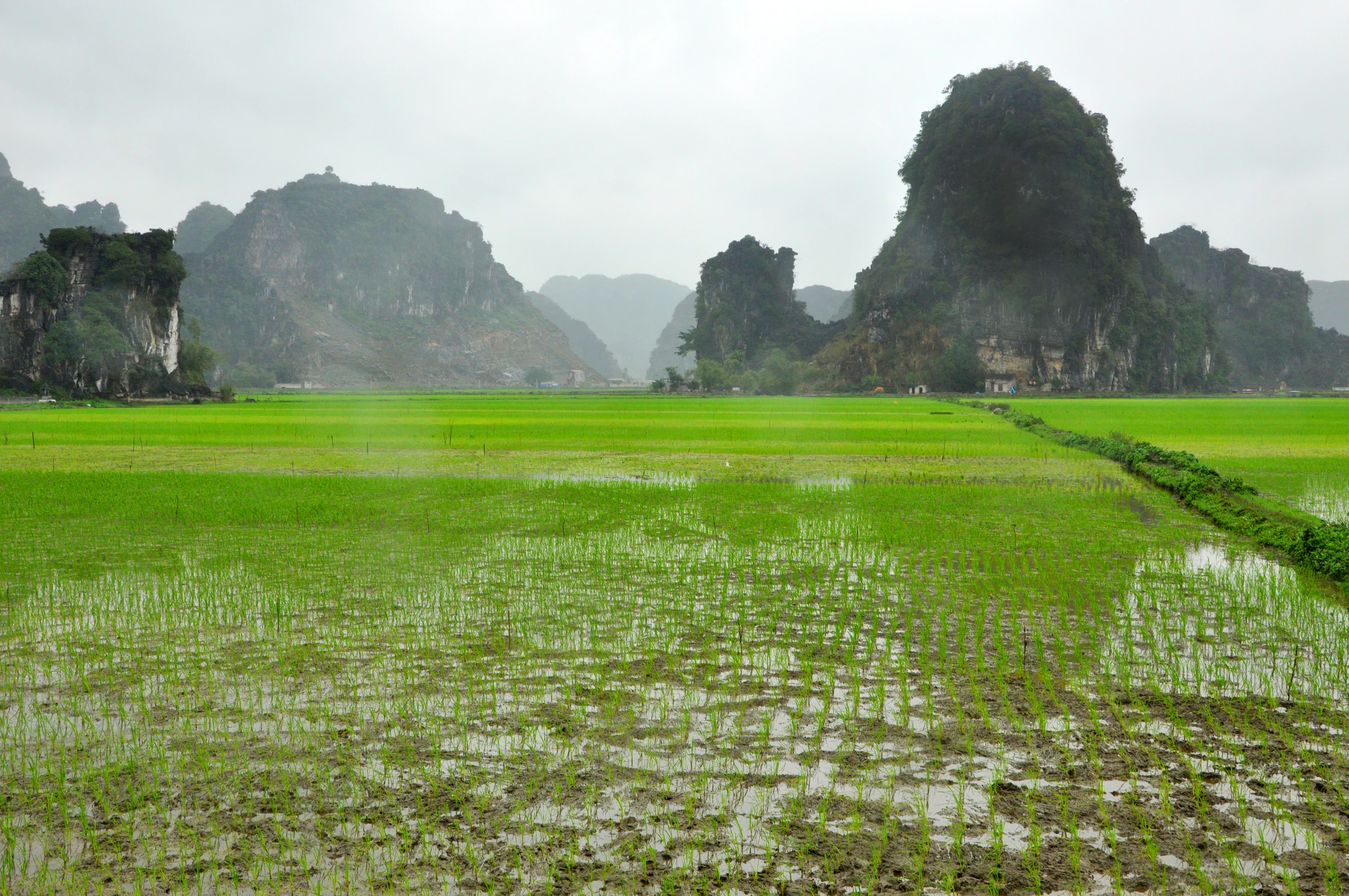
Limestone karst towers rise out of flooded rice fields about 2 to 2.5 hours south of Hanoi by road. Good for a landscape day without a long flight, whether as an overnight or a tight day trip. One full day covers the highlights; two lets you do both the Trang An and Tam Coc boat rides plus the Hang Mua climb. See the Ninh Binh guide.
Ha Long Bay and Lan Ha Bay
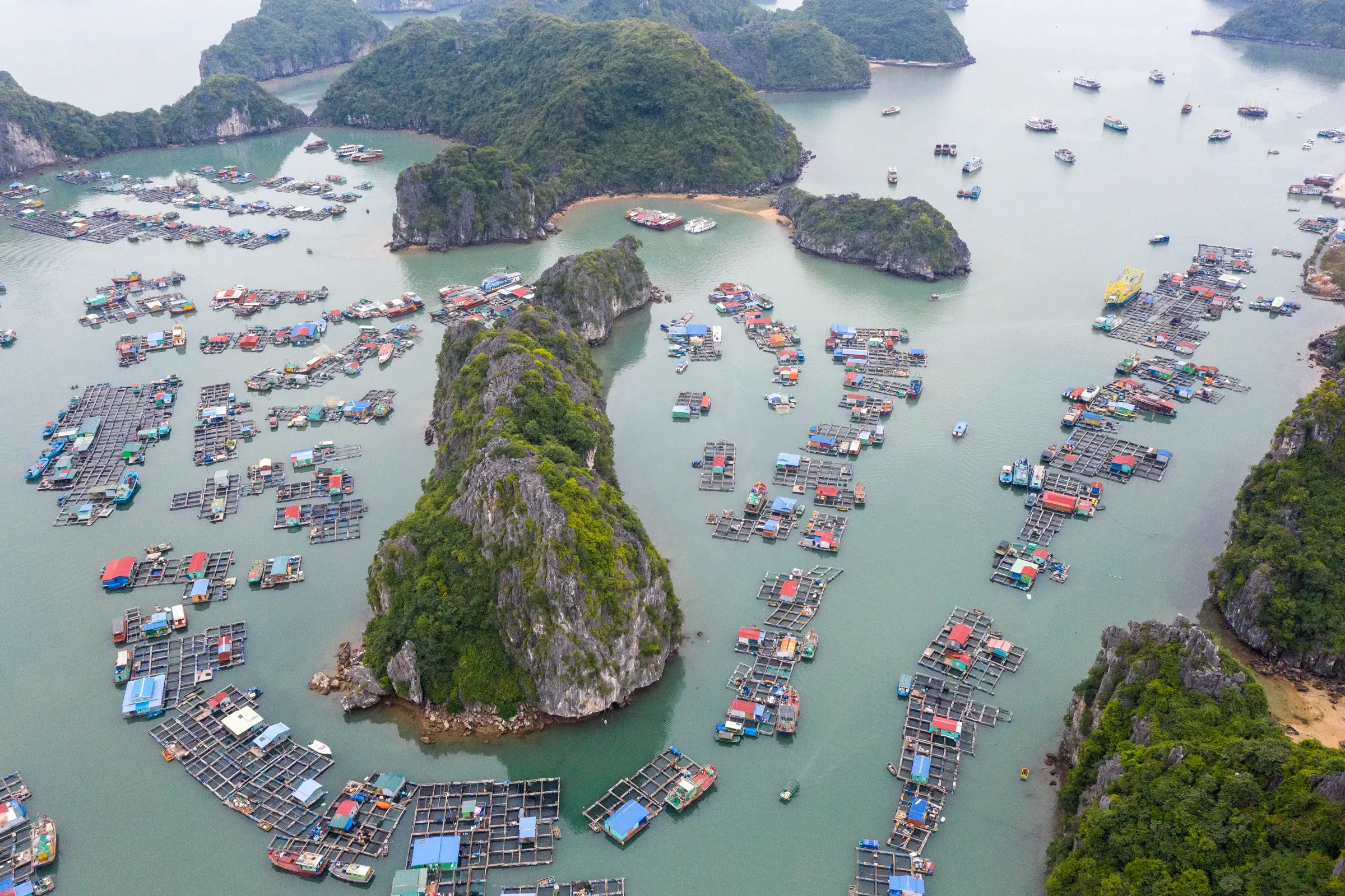
Thousands of limestone islands rise out of the Gulf of Tonkin, seen by overnight boat. Lan Ha Bay, the quieter neighbour to Ha Long Bay, is generally the better pick for fewer crowds and calmer water, and worth booking if you want at least one boat night in Vietnam. One night on the water is enough for most people; a second mainly adds kayaking time rather than new scenery. Best from March to May and September to November; typhoons can hold boats in port from around June to October. See Ha Long Bay or Lan Ha Bay and Ha Long Bay vs Lan Ha Bay.
Sapa
A mountain town at around 1,500 to 1,600 metres, built around trekking the Muong Hoa valley's rice terraces and staying in village homestays, plus Fansipan, Vietnam's highest peak, by cable car. It suits travellers who want a proper trek without leaving Vietnam. Three days is about right; two if you're short of time. Best from September to November and March to May; December and January are cold, and July and August are the wettest months. See the Sapa guide and trekking in Sapa.
Ha Giang
Vietnam's far northern border province, known for the Ha Giang Loop, a multi-day motorbike route through terraced mountains and switchback passes. It suits confident or easy-rider passengers who want the country's best mountain scenery, and it's a highlight of several of our own group trips. Four or five days is right for most people, three at a minimum. Best in October and November, with March and April a good second window. May to September is wet, with landslides on the mountain roads. See the Ha Giang guide and the Ha Giang Loop guide.
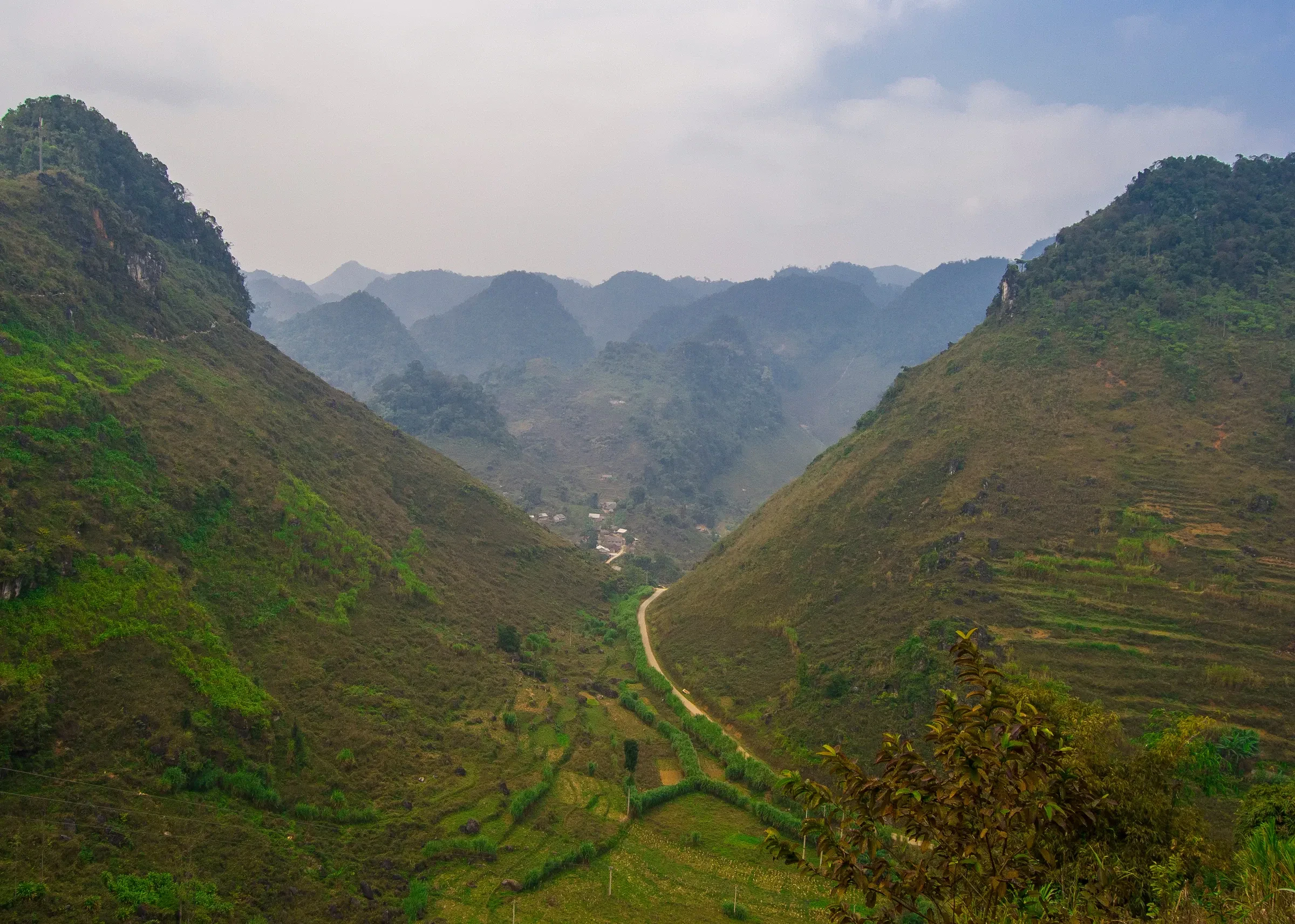
Plan the whole region in one go with our northern Vietnam itinerary, covering Hanoi, Ninh Binh, Lan Ha Bay and Sapa over 1 week or 10 days.
The centre: Phong Nha, Hue, Hoi An, Da Nang
The central coast is dry and sunny from about February to August, and that stretch is the best time to be here: warm, without central Vietnam's flood risk. From September to December the rain arrives, sometimes as extreme flooding: the Bach Ma weather station near Hue recorded 1,739.6 mm of rain in 24 hours on 26 to 27 October 2025, the highest on record in Vietnam, and Hoi An's old town flooded that same month. Avoid a centre-heavy trip in October and November if you can help it.
Phong Nha
Vietnam's cave country, home to Paradise Cave, Dark Cave and, for the very well prepared, Son Doong, the world's largest cave. It suits travellers who want one big adventure day rather than a full region of sightseeing. Two nights is standard, longer if you're doing the Hang En trek or a Son Doong expedition. The caves close for days at a time when the rivers flood, mostly from mid-September to November. See the Phong Nha guide.
Hue
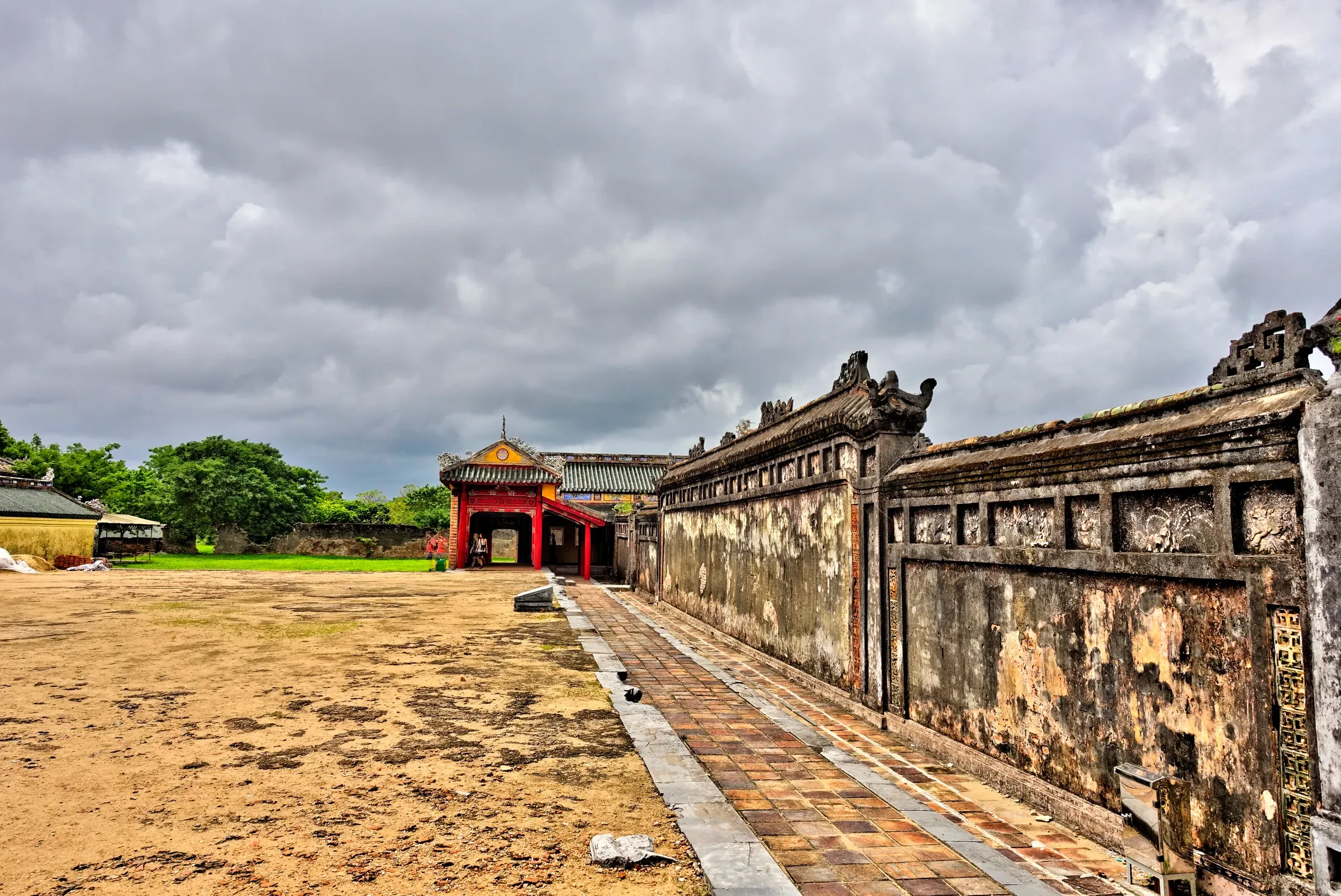
Vietnam's former imperial capital, with the walled Citadel, the Perfume River and the royal tombs. It suits history-minded travellers passing between Phong Nha and Hoi An, and it rarely works as a standalone trip. 1.5 to 2 days covers the citadel, the river and two of the tombs. See the Hue guide.
Hoi An
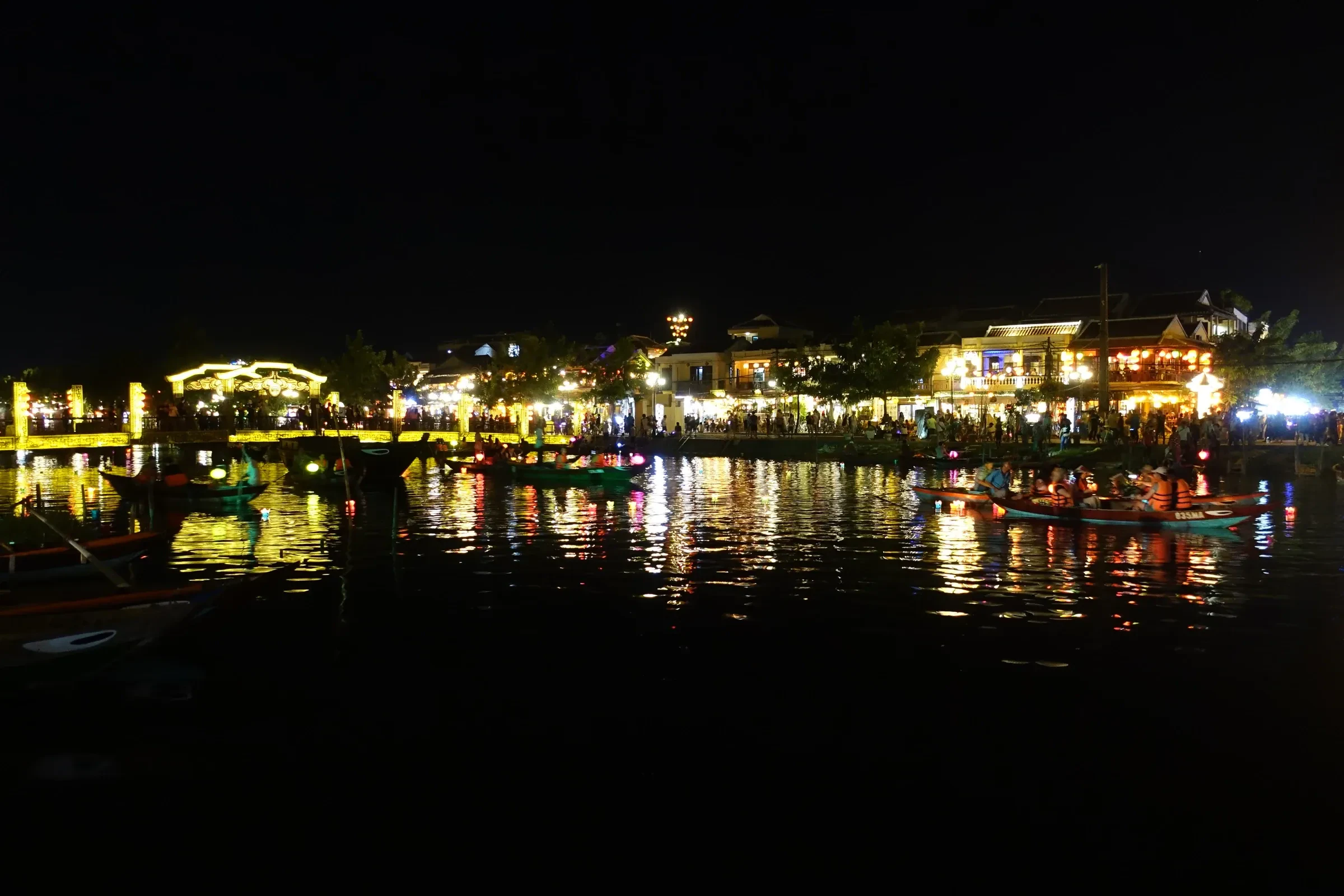
A UNESCO old town of lantern-lit streets, tailors who can turn around a suit overnight, and Cua Dai and An Bang beaches nearby. Almost everyone likes it: food lovers, shoppers, and anyone who wants a slower few days after the north's mountains. Two to three days covers the old town, a lantern-lit evening and a tailor fitting. See the Hoi An guide, Hoi An food and the Hoi An lantern festival guide.
Da Nang
Central Vietnam's biggest city, with My Khe beach, the Marble Mountains and the Dragon Bridge, usually paired with Hoi An, about 40 to 50 minutes down the coast. It suits beach-first travellers who still want a city's restaurants and nightlife. Two to three days covers Da Nang's own sights; add a day for Ba Na Hills. See things to do in Da Nang and Hoi An vs Da Nang.
Our central Vietnam itinerary links Phong Nha, Hue, Hoi An and Da Nang over 1 week or 10 days.
The south: Da Lat, Ho Chi Minh City, the Mekong Delta, Phu Quoc
The south has a simple two-season pattern: dry from November to April, and wet with mostly short, heavy afternoon downpours from May to October. March and April are the hottest months, at around 34 to 35°C. This is the easiest region to visit at short notice, since even the wet season rarely stops you doing much.
Da Lat
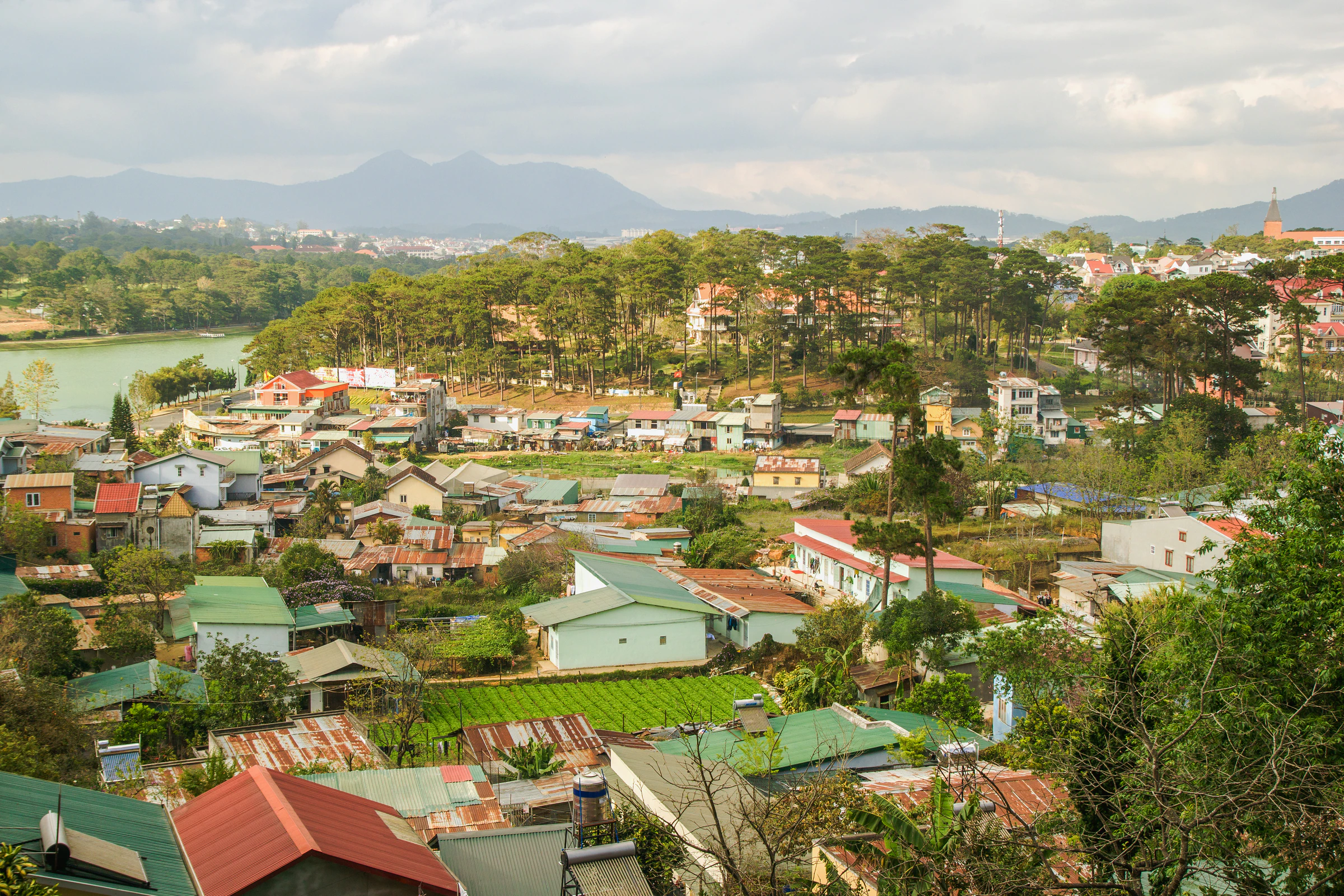
A cool-climate hill town in the Central Highlands, around 1,500 metres up, with pine forests, lakes, coffee farms and canyoning. It suits travellers who want a break from Vietnam's heat and a different pace to the coast. Two to three days is enough for the town itself. See the Da Lat guide.
Ho Chi Minh City
Vietnam's biggest city and its main southern gateway, with the War Remnants Museum, Independence Palace, the Cu Chi Tunnels and the country's most varied food scene. Good for city lovers and anyone starting or ending a southern route. Two full days covers the main sights; add a third for the Cu Chi Tunnels. See things to do in Ho Chi Minh City.
The Mekong Delta
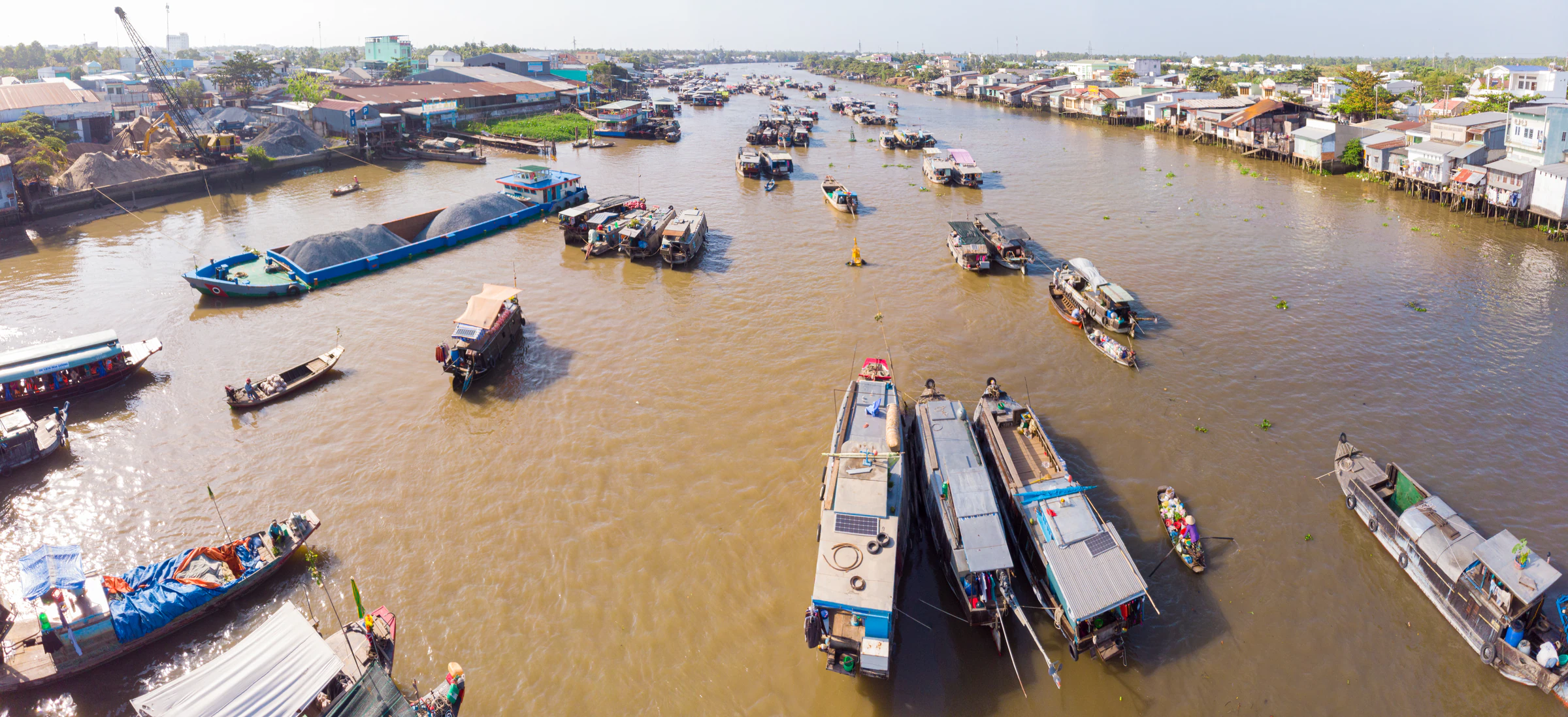
A network of rivers and floating markets south west of Ho Chi Minh City, best known for Cai Rang market near Can Tho. Worth it if you want a slower, rural side of Vietnam and don't mind an early start for the markets. One night in Can Tho covers Cai Rang; two to three nights adds Ben Tre. See the Mekong Delta guide.

Phu Quoc
Vietnam's largest island, with white sand beaches, an archipelago of smaller islands for day trips, and an expanding resort scene. Best saved for beach-and-relax travellers closing out a longer trip. Two to three days covers the main beaches and one boat trip; four or five adds the Hon Thom cable car. Best from November to April; the wet season runs from May to October. See things to do in Phu Quoc.
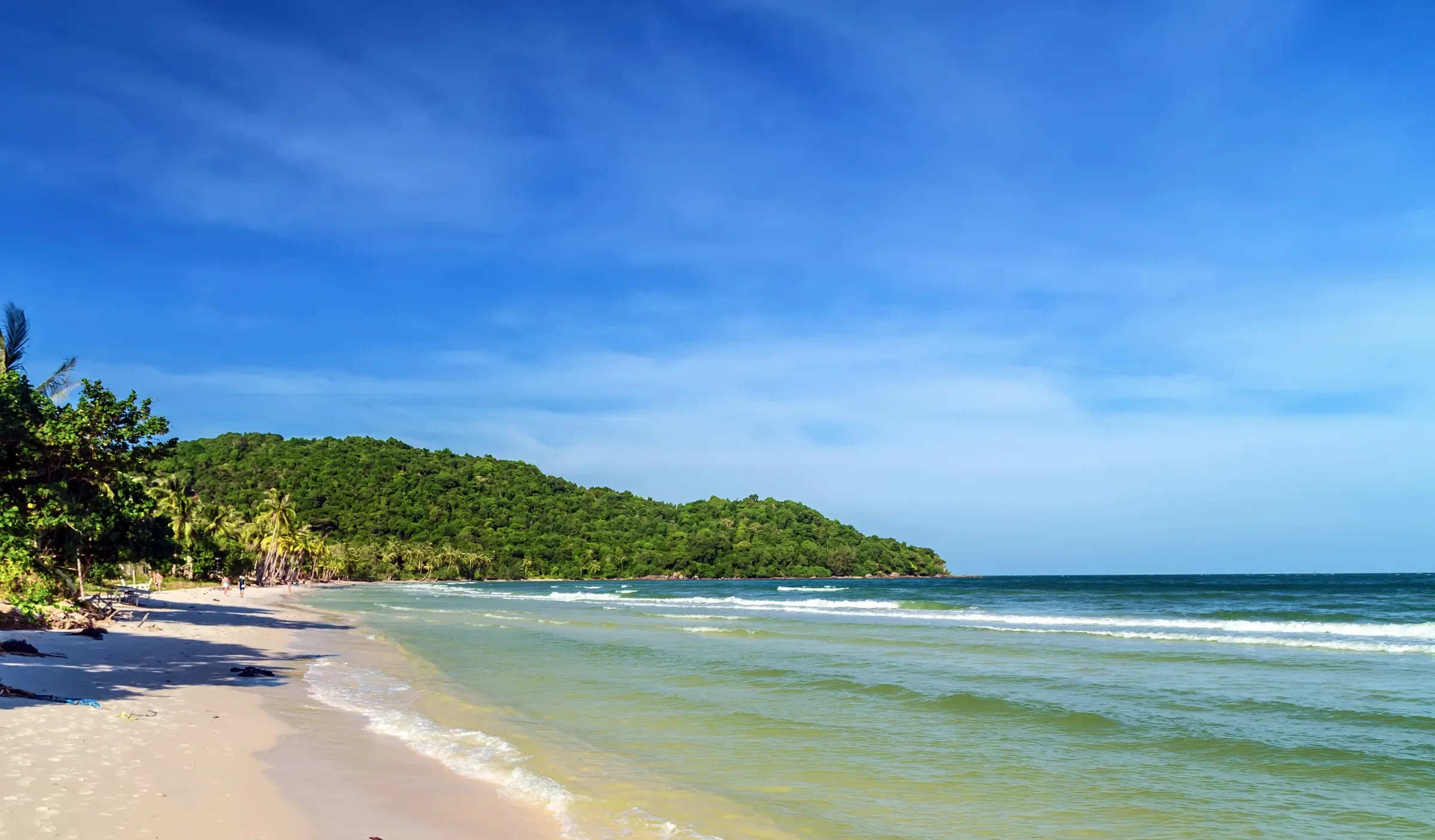
Our southern Vietnam itinerary covers Ho Chi Minh City, the Mekong Delta and the islands over 1 week or 10 days.
Choose by interest
| You want | Go to |
|---|---|
| Mountains and a multi-day motorbike route | Ha Giang, then Sapa |
| A boat night among limestone islands | Lan Ha Bay |
| Caves and one big adventure day | Phong Nha |
| Lantern-lit streets, food and tailoring | Hoi An |
| History and imperial architecture | Hue |
| A cool-climate break from the heat | Da Lat |
| City food and nightlife | Hanoi or Ho Chi Minh City |
| Rivers, floating markets and a slower pace | The Mekong Delta |
| Beaches to finish the trip | Phu Quoc or Da Nang |
Keep planning
Once you've picked your regions, our Vietnam itineraries by length turns them into a day-by-day plan from 1 week to 1 month, and things to do in Vietnam rounds up the experiences worth building a route around. Check the best time to visit for a month-by-month breakdown, and Vietnam visa rules before you book flights.
Prefer to travel with a group?
If you'd rather not plan the logistics yourself, see our Vietnam group trips, which run set routes through these regions with a Trip Host from day one.