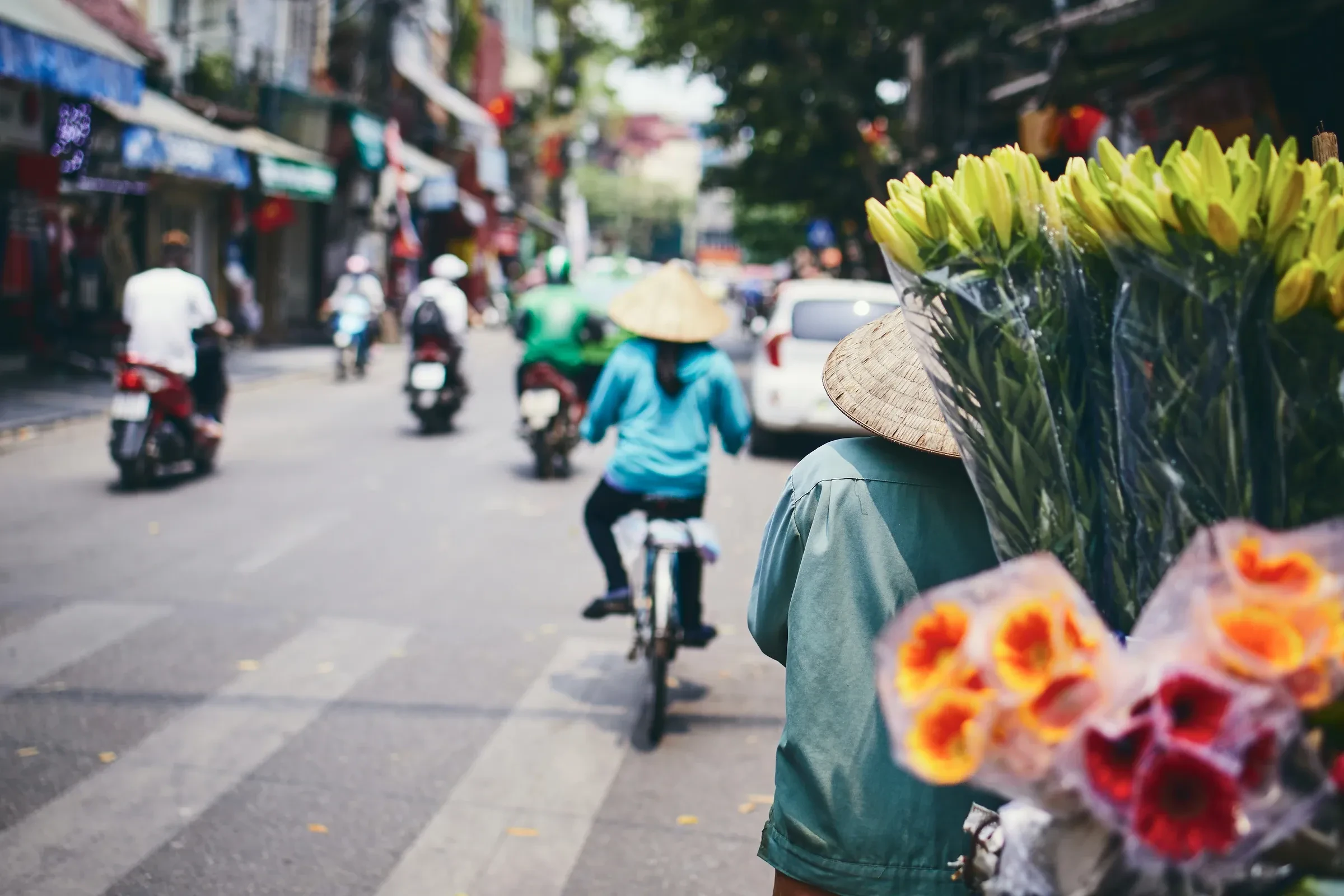
Hanoi vs Ho Chi Minh City at a glance
| Hanoi | Ho Chi Minh City | |
|---|---|---|
| Cost per day | Similar; dorm beds about 120,000 to 350,000 dong | Similar; dorm beds about 120,000 to 350,000 dong |
| Best months | October to April, best in October and November | December to April |
| Flight time from the UK | About 11 hours 20 minutes to 11 hours 55 minutes, nonstop with Vietnam Airlines from Heathrow | About 12 hours 40 minutes, nonstop with Vietnam Airlines from Heathrow |
| Flight time from the US | No nonstop; connect via Asia or the Gulf | The only US nonstop in the whole country: San Francisco, about 16 hours |
| Flight time from Australia | Nonstop from Sydney and Melbourne with Vietnam Airlines | Nonstop from Sydney, Melbourne and Perth with Vietnam Airlines, plus VietJet from Brisbane |
| Visa | Same country-wide e-visa and 45-day rules; pick HAN as your entry port | Same country-wide e-visa and 45-day rules; pick SGN as your entry port |
| History and sights | Temple of Literature, Hoa Lo prison, Ho Chi Minh Mausoleum, Hoan Kiem Lake | War Remnants Museum, Independence Palace, Notre-Dame's exterior, Ben Thanh Market |
| Food | Pho, bun cha, egg coffee, bia hoi | Com tam, hu tieu, banh mi, sweeter flavours generally |
| Nightlife | Calmer: the Ta Hien beer corner, wraps up by around 1am | Livelier: Bui Vien walking street and rooftop bars over the skyline |
| Day trips | Sapa, Ha Giang, Ninh Binh, Ha Long or Lan Ha Bay | Cu Chi Tunnels, the Mekong Delta, Phu Quoc or Con Dao |
| Ease for first-timers | Compact Old Quarter, easy on foot | Bigger and more spread out, Grab needed more often |
| Getting around | Walking plus Grab | Grab for most journeys; Tan Son Nhat sits closer to the centre (long-haul flights are due to move to Long Thanh) |
| Solo-friendliness | Very good; a small, walkable core makes it easy to bump into other travellers | Very good; the hostel scene is concentrated around Bui Vien |
History and sights
Hanoi has been Vietnam's capital, on and off, since 1010, and it shows: the Temple of Literature, founded in 1070 as the country's first university, still stands behind its stone stelae of doctoral graduates, and the Old Quarter's streets are still loosely named for the guilds that once worked them. The Ho Chi Minh Mausoleum complex and the Hoa Lo prison museum, built by the French and later used to hold American prisoners of war, add a heavier layer. See our Hanoi guide and things to do in Hanoi for opening hours and 2026 prices.
Ho Chi Minh City was Saigon until the city fell on 30 April 1975 and was renamed after reunification, and its sights sit closer to living memory: the War Remnants Museum, Independence Palace, the Notre-Dame Cathedral's exterior and Central Post Office next door, and the Cu Chi Tunnels as a half-day trip out of town. Our things to do in Ho Chi Minh City guide covers all of it with current entry fees.
Winner: Hanoi, for a thousand years of layered history; Ho Chi Minh City, for the most direct and sobering war history sites.
Food
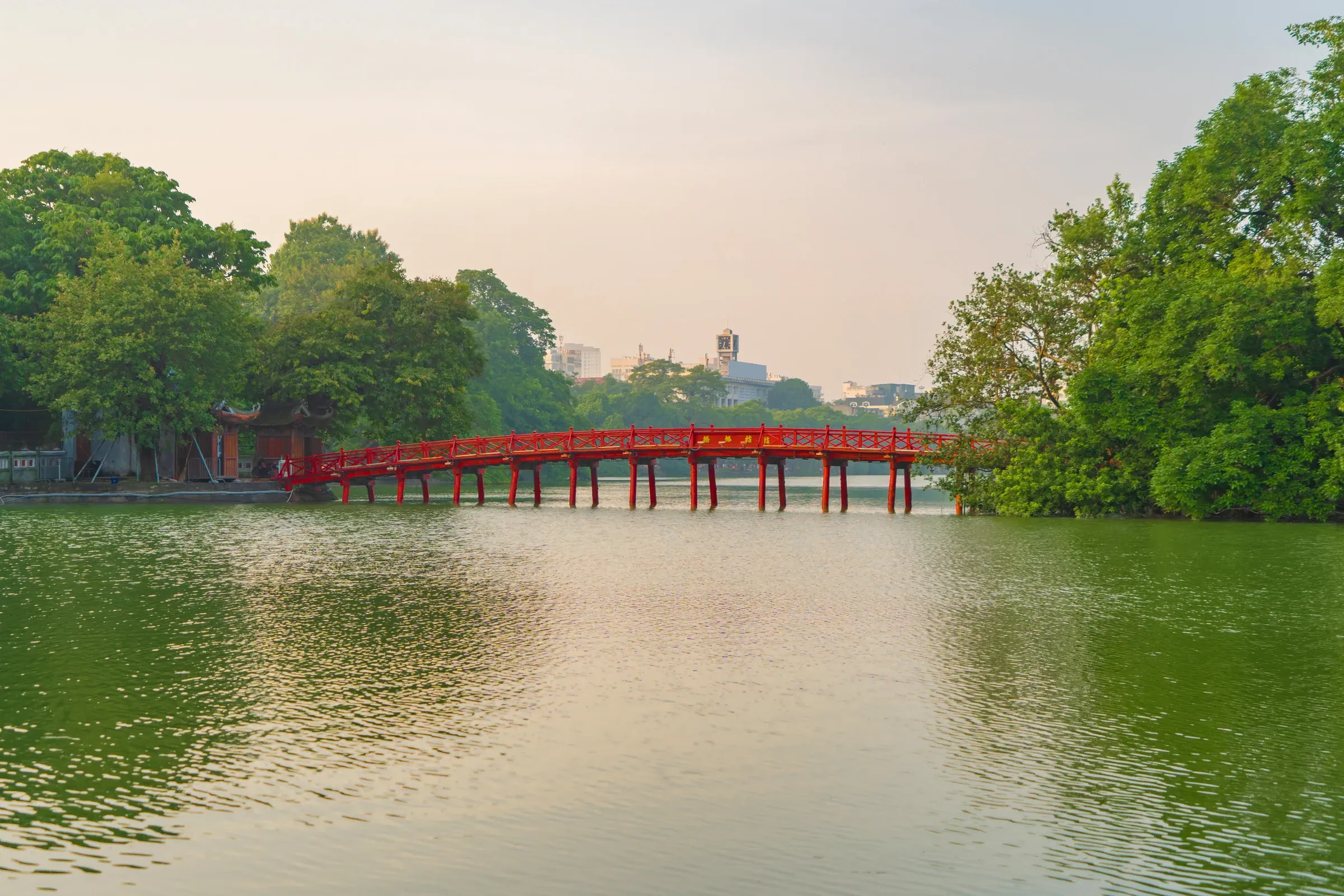
Hanoi's food is plainer and built around the pavement: pho, thinner and cleaner tasting here than the version sold further south, bun cha at lunch, egg coffee any time of day, and an evening at the bia hoi "beer corner" around Ta Hien. A street food dish runs about 30,000 to 80,000 dong. Our Hanoi street food guide breaks down where each dish clusters.
Ho Chi Minh City eats faster and sweeter: com tam (broken rice with grilled pork), hu tieu noodle soup and banh mi, all shaped by the city's French, Chinese and Khmer influences, plus Ben Thanh Market's day and night stalls. A motorbike food tour ridden pillion behind a licensed driver is a popular evening out. XO Tours, a long-running operator, lists its main food tour at US$82 per person on its own website. Our Vietnamese food guide covers the north-to-south picture, including how the same dish changes as you move south.
Winner: close. Hanoi's street food is denser and cheaper to work through on foot; Ho Chi Minh City's is more spread out but pairs well with a rooftop dinner after.
Nightlife
Hanoi's after-dark scene centres on the Ta Hien and Luong Ngoc Quyen bia hoi corner, plastic stools spilling onto the pavement from about 7pm to 1am, plus the Friday to Sunday weekend walking street around Hoan Kiem Lake. It's a good night out, but it winds down earlier than the south.
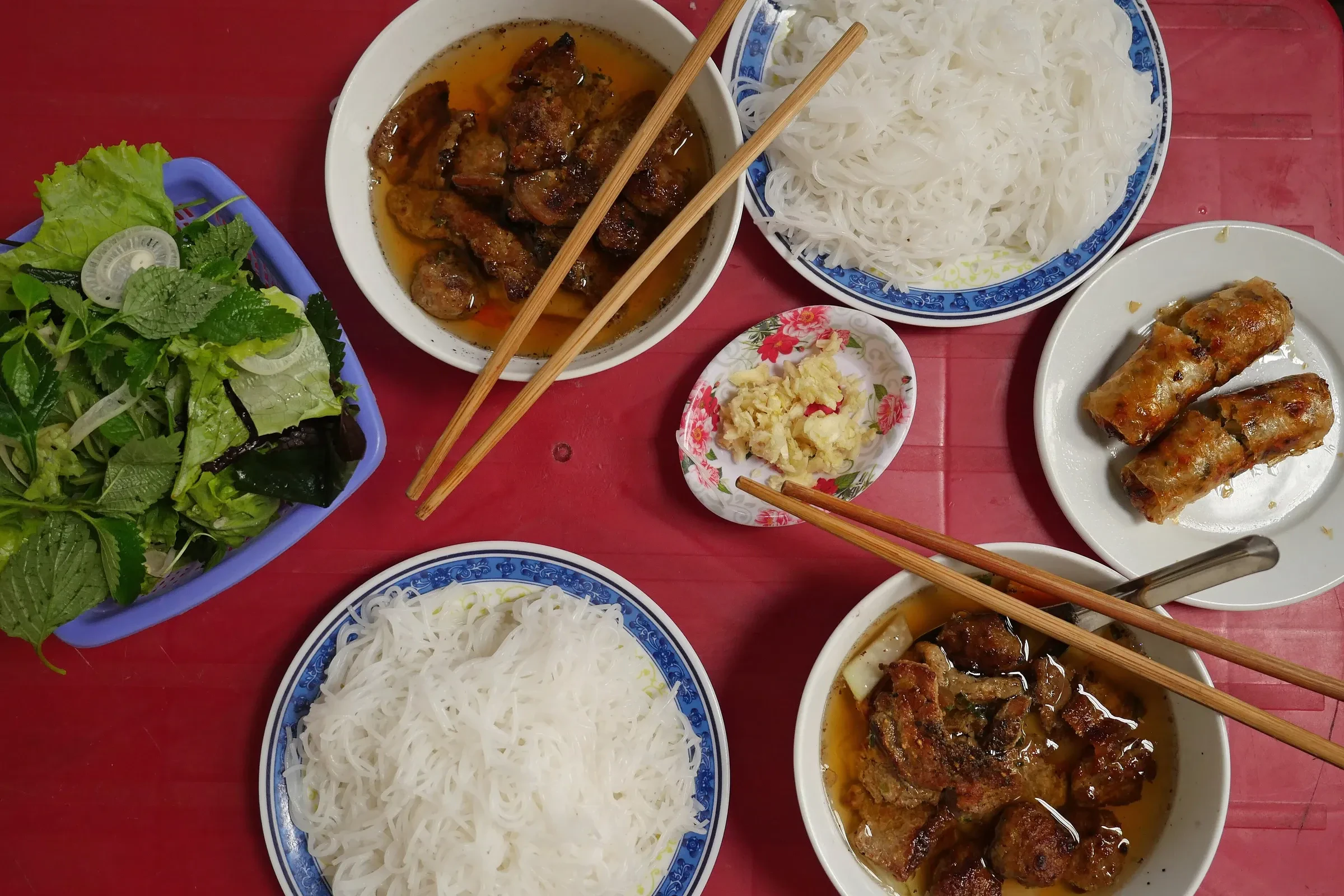
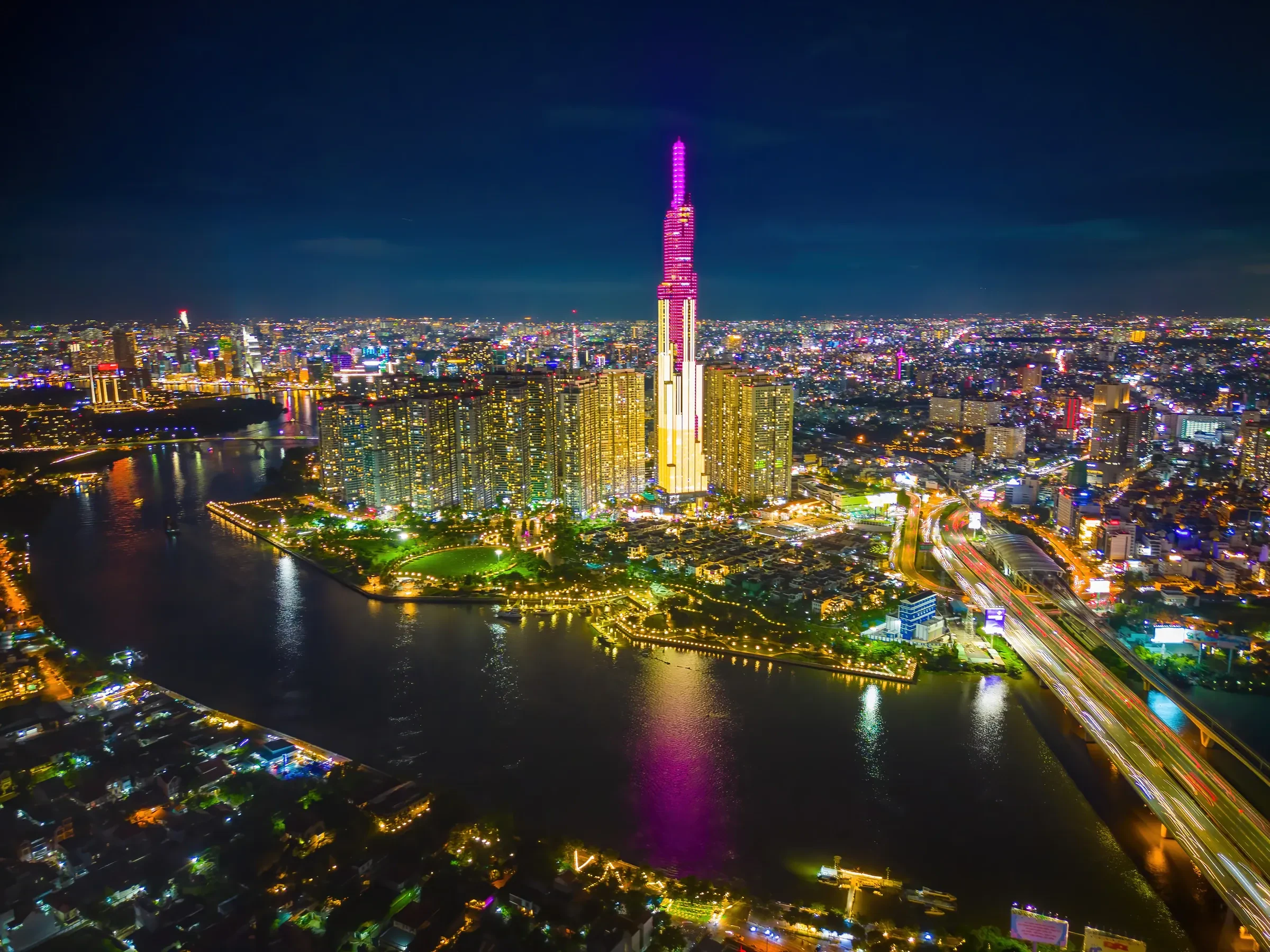
Ho Chi Minh City goes later and louder. Bui Vien, the backpacker walking street in what's still called District 1, closes to traffic on weekend nights and fills with bars and street performers, while rooftop bars atop Landmark 81 and the Bitexco Financial Tower give you the skyline instead of the crowd. See our Saigon after dark section for where each sits.
Winner: Ho Chi Minh City, for a louder, later night out; Hanoi, for something calmer that still gets going.
Weather and seasons
Hanoi has four real seasons. Winter, December to February, is cool and often grey, around 14 to 22°C. Summer, May to August, is hot and humid at 33 to 35°C with heavy downpours. October and November, dry and mild, are probably the city's best two months, and our Hanoi best time section has the month by month table.
Ho Chi Minh City is hot all year, with a dry season from December to April, when it's sunny and comfortable, and a wet season from May to November that brings short, heavy afternoon downpours rather than an all-day washout. March and April are the hottest months, at 34 to 35°C. Our best time to visit Vietnam guide covers both cities alongside the rest of the country. If your dates land around Tet, Vietnam's Lunar New Year, expect both cities livelier but pricier, with some smaller businesses closed for a few days (see our Tet guide).
Winner: depends what you want. Ho Chi Minh City, if you'd rather never need a jacket; Hanoi, if you like distinct seasons and don't mind a cool, grey month or two.
Cost
Day to day spending, on food, drinks and local transport, runs close to the same in both cities, about 400,000 to 600,000 dong a day for a careful budget. Dorm beds cost about the same too: roughly 120,000 to 350,000 dong a night in either city, according to a Vietnam price guide updated in 2026, with the top of the range at social hostels with a pool or rooftop bar. See our Hanoi hostels, Saigon hostels and Vietnam backpacking guides for the full daily breakdown.
Winner: a tie; neither city is reliably cheaper.
Day trips
Hanoi is the hub for the whole north: Sapa (5.5 to 7 hours by bus, or an overnight train), the Ha Giang Loop (5.5 to 8 hours by van or sleeper bus), Ninh Binh's karst rivers (about 2 hours, an easy single day), and Ha Long Bay (about 2 to 3 hours) or Lan Ha Bay (about 3 to 4 hours). Our Hanoi guide and northern Vietnam itinerary put these into a full route.
Ho Chi Minh City's best half day is the Cu Chi Tunnels, about 70km out, with a guided tour running roughly US$15 to 35. The Mekong Delta is the bigger draw further out: Ben Tre works as a single long day (1.5 to 2.5 hours each way), but Cai Rang floating market, the region's headline sight, only runs from about 5:30am to 8:30am, so it needs a night in Can Tho first, not a same-day trip. See our Ho Chi Minh City things to do guide, Mekong Delta guide and southern Vietnam itinerary for the full options, including Phu Quoc and Con Dao further out again.
Winner: Hanoi, for range within a single day; Ho Chi Minh City's best day trip (Cu Chi) is excellent, but its bigger regional draw, the Mekong Delta, really wants a night away.
Getting around
Hanoi's Old Quarter and Hoan Kiem Lake are small enough to cover on foot, with Grab for anything further and for the 40 to 60 minute run in from Noi Bai airport, about 27 to 30km out. Ho Chi Minh City is bigger and more spread out, so you'll use Grab more often between districts, though its airport, Tan Son Nhat, sits much closer to the centre, about 6 to 8km from District 1, usually 20 to 30 minutes outside rush hour and considerably longer during it. The city's new Long Thanh airport, about 40km from the centre, is due to open on 1 December 2026, and the proposed plan moves long-haul flights there in stages, with all of them from 28 March 2027. Check which airport your ticket names.
Winner: Hanoi, for a walkable core; Ho Chi Minh City's airport is closer to town, but the city itself asks for more Grab rides.
Which to fly into
Both cities sit on Vietnam Airlines' nonstop map from London Heathrow, at about 11 hours 20 minutes to 11 hours 55 minutes to Hanoi and 12 hours 10 minutes to 12 hours 40 minutes to Ho Chi Minh City (see our Vietnam from the UK guide). From the US, Ho Chi Minh City has the only nonstop in the country, Vietnam Airlines from San Francisco, about 16 hours and running four times a week; everyone flying from elsewhere in the US connects through Asia or the Gulf to either city (see our Vietnam from the US guide). From Australia, Vietnam Airlines flies nonstop from Sydney and Melbourne to both cities, while Ho Chi Minh City picks up extra direct options from Perth and, with VietJet, Brisbane. Because Long Thanh, due to open on 1 December 2026, is planned to take Ho Chi Minh City's long-haul flights from 28 March 2027, a ticket to Ho Chi Minh City may land you at a different airport from the one in older guides.
One practical detail either way: your e-visa is tied to the port you enter through, so decide which city you're landing in before you apply and select Hanoi (HAN) or Ho Chi Minh City (SGN) to match (see our Vietnam visa guide).
Winner: Ho Chi Minh City, if you're flying from the US or want the widest choice of nonstop routes; it's close to even from the UK and eastern Australia.
Which should you choose?
| If you're... | Choose |
|---|---|
| On a tight week and want mountains, a bay and karst scenery | Hanoi |
| After war history and colonial-era landmarks | Ho Chi Minh City |
| Chasing guaranteed warm weather with no jacket needed | Ho Chi Minh City |
| Happiest with a small, walkable base | Hanoi |
| Flying from the US, or want the widest choice of nonstop flights | Ho Chi Minh City |
| Building in the Mekong Delta, Phu Quoc or Con Dao | Ho Chi Minh City |
| Starting a north-to-south route | Hanoi, to arrive, finishing in Ho Chi Minh City |
Why not both?
With 10 days or more, most people do both rather than pick one, arriving in one city and leaving from the other instead of doubling back. A domestic flight links them in about 2 hours nonstop, with around 30 flights a day between Noi Bai and Tan Son Nhat, easy to book at short notice. The overland alternative, the Reunification Express sleeper train or a sleeper bus, takes about 32 to 35 hours end to end. That's really its own multi-day experience, best broken up with stops in Hue or Da Nang and Hoi An rather than ridden in one sitting.

A realistic route for 15 days: fly into Hanoi, spend 2 to 3 days there plus a night on Lan Ha Bay, then work south by train and van through Ninh Binh, Phong Nha, Hue and Hoi An, finish with a few days in Ho Chi Minh City and a Mekong Delta overnight in Can Tho, and fly home from Tan Son Nhat. Our northern Vietnam and southern Vietnam itinerary guides cover each half in more detail, and the Vietnam itinerary hub shows how to fit the centre in too if you have longer. With only a week, pick one city and build its own day trips around it instead of splitting your time between both.