3 stops
- Minibus
- Flight
Is this route for you?
This route suits a first trip to Vietnam's south, or the closing leg of a longer north-to-south trip: a big, chaotic city, a landscape in the Mekong Delta that looks nothing like the rest of the country, and a beach finish. It works for anyone who wants some history alongside the sightseeing (the War Remnants Museum and the Cu Chi Tunnels are heavier stops, so go in with the right expectations) and for anyone who wants an easy, well-connected island at the end rather than a long overland push.
It's not the route if you're chasing mountains, rice terraces or a motorbike loop: for that, look at the Ha Giang Loop guide or the wider northern Vietnam itinerary instead. If you'd rather build your own route around the centre first, the central Vietnam itinerary covers Hue, Hoi An and Da Nang, and slots neatly before this one. Travellers who want cool highland air and canyoning rather than a beach can swap the island leg for Da Lat instead, though it's a different kind of finish, not a like-for-like swap. And if you're deciding between Phu Quoc and Con Dao specifically, both are covered in the variations below.
Day by day
Arrival and the city's recent history
Ho Chi Minh City
- Morning
- settle in, then the War Remnants Museum, a heavy but essential stop that covers the war from the Vietnamese side.
- Afternoon
- the Reunification Palace, still furnished as it was in 1975, then Ben Thanh Market for a first look at the city's produce and street food.
- Evening
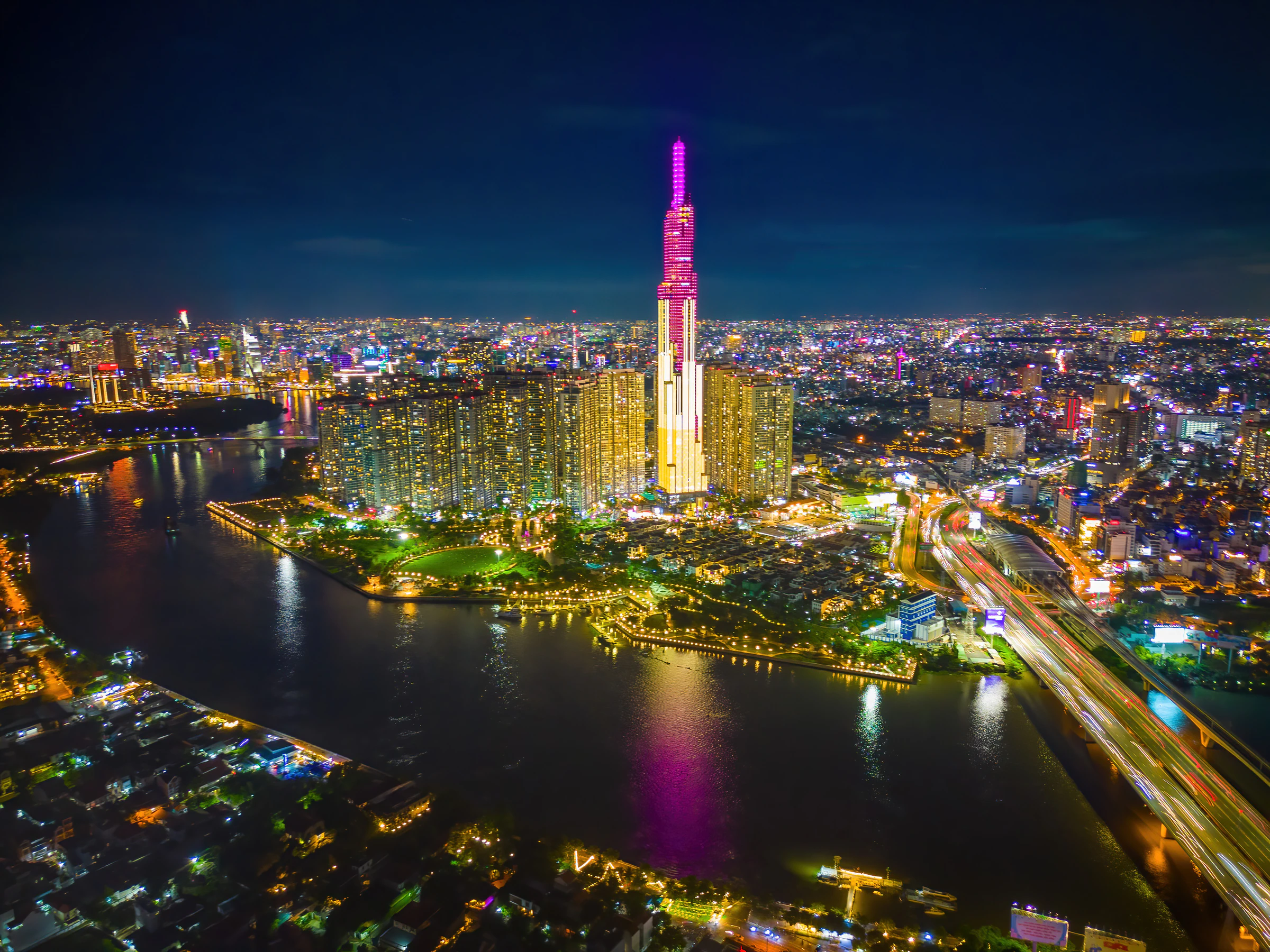
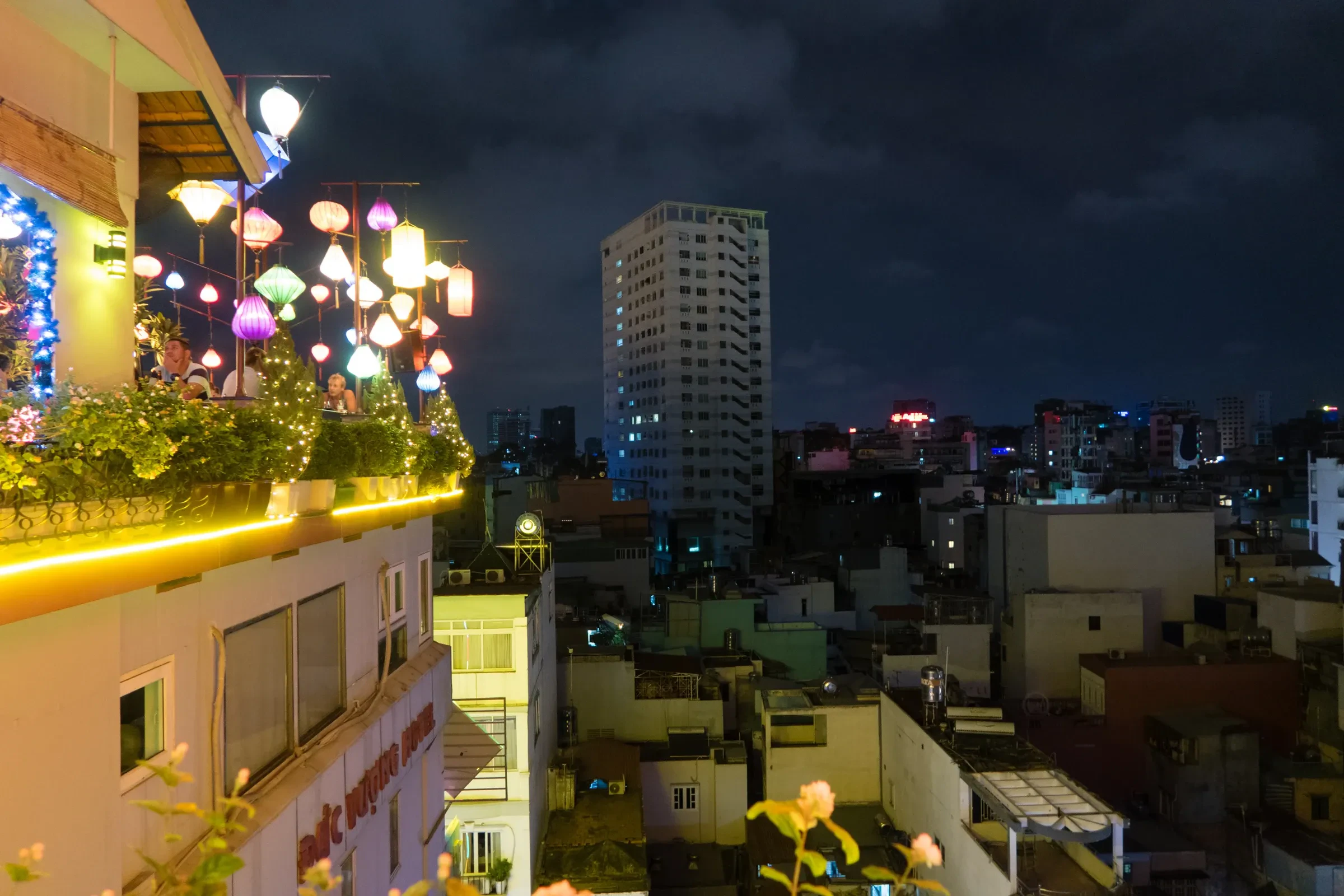
- a rooftop bar for the skyline view, or Bui Vien walking street if you want backpacker nightlife on night one.
Eat com tam (broken rice with grilled pork), Saigon's defining lunch dish, from any local com tam kitchen.
Local tip Notre-Dame Cathedral Basilica has been under restoration for years and its interior stays closed to visitors for now; the square and garden in front are still worth a walk-past.
With more time the Jade Emperor Pagoda and the Central Post Office are both a short walk from the Reunification Palace if you want to fill the afternoon further.
Cu Chi Tunnels day trip
Ho Chi Minh City
Getting there the Cu Chi Tunnels sit about 70km northwest of the city; by road it's roughly 1.5 to 2 hours each way, longer in rush-hour traffic.
- Morning
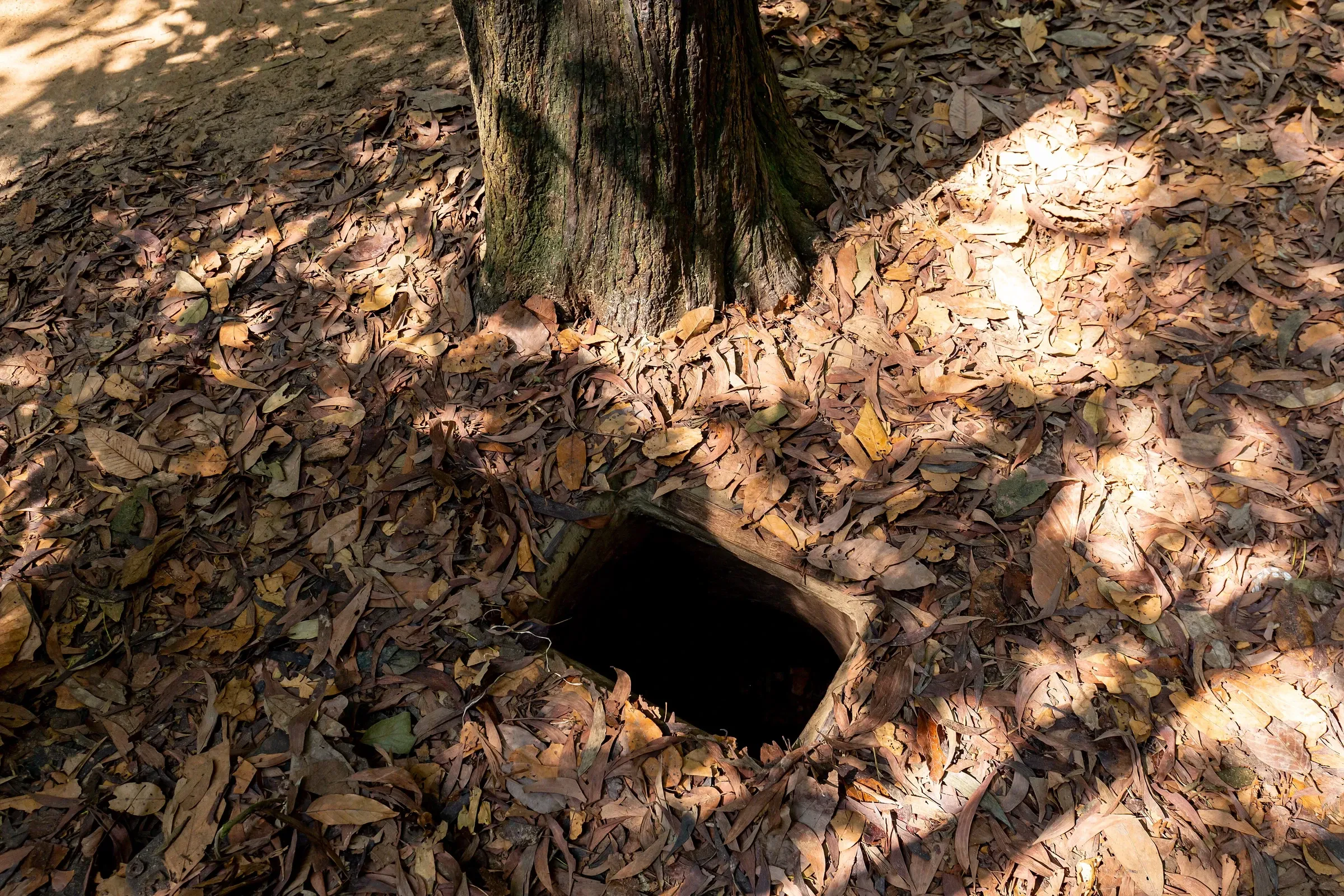
- travel out, then a walk through the tunnel network the Viet Cong used during the war, with a short crawl-through section (tunnels here have been widened for tourists, so it's tight but manageable, not the true original size).
- Afternoon
- back in the city by mid-to-late afternoon; a quieter District 1 or District 3 wander before dinner.
- Evening
- dinner away from the tourist strip.
Eat hu tieu, a southern noodle soup with a Chinese-Cambodian influence, distinct from Hanoi's pho; fresh spring rolls (goi cuon) as a starter.
Local tip book a smaller-group or private tour if crawling through a tight tunnel with a large tour group doesn't appeal; both Ben Dinh and Ben Duoc sites run the same core experience.
Into the Mekong Delta
Ho Chi Minh City to Can Tho
Getting there by road, about 3 to 3.5 hours (roughly 170km) by shared van or bus; some bus services are scheduled at about 4 hours.
- Morning
- travel to Can Tho, the Mekong Delta's largest town.
- Afternoon
- settle in and walk Ninh Kieu wharf, the town's riverfront promenade.
- Evening
- an early night. Cai Rang's boats are out from first light, and the earlier you're on the water, the more you'll see.
Eat banh xeo mien tay, the Mekong Delta's larger, crispier take on the sizzling rice pancake; grilled snakehead fish, a Delta speciality.
Local tip this overnight is why the whole plan works. Cai Rang is only busy roughly between 5:30am and 8:30am, well before any bus from Ho Chi Minh City could get you there.
Cai Rang floating market and Ben Tre
Can Tho to Ho Chi Minh City
- Morning
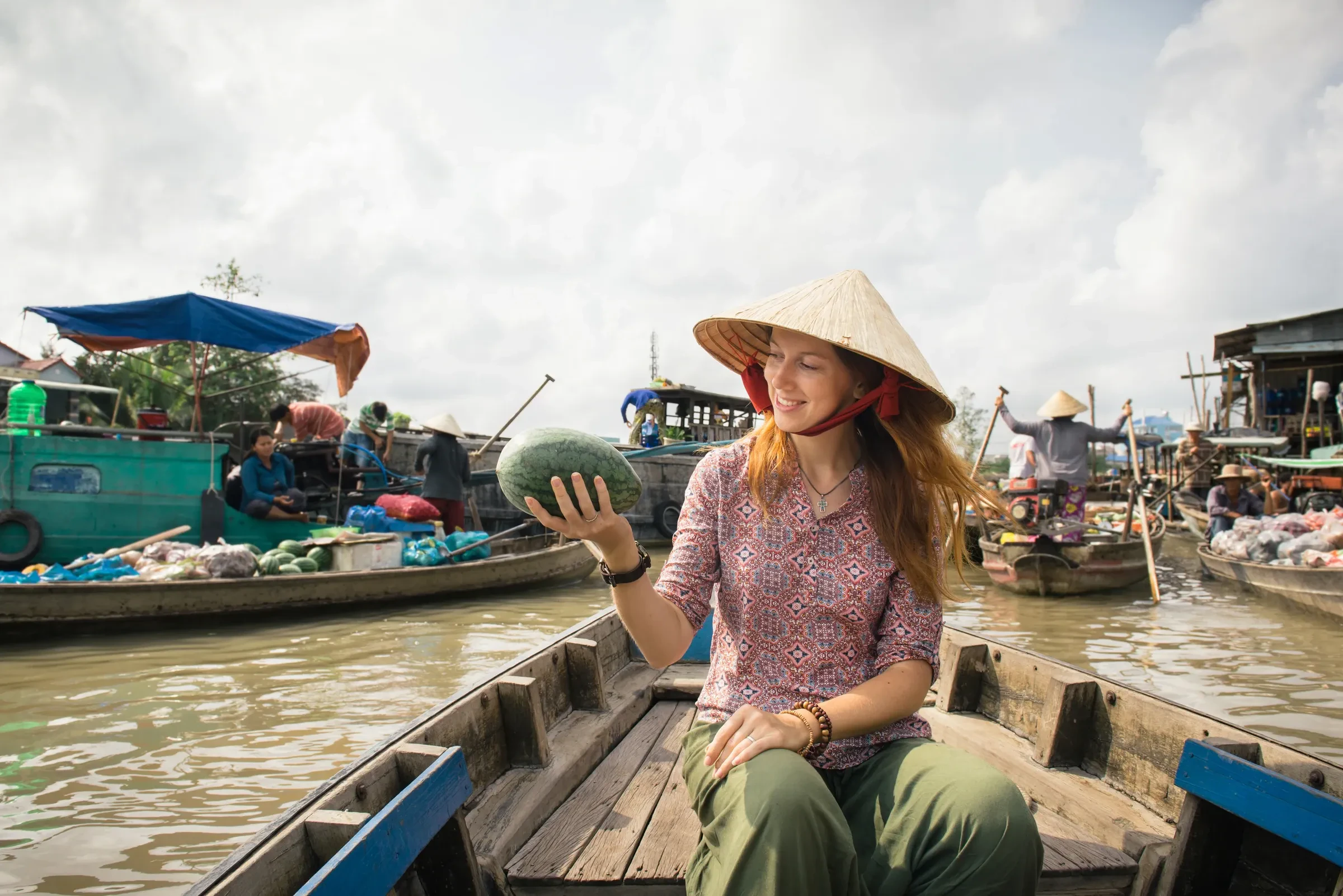
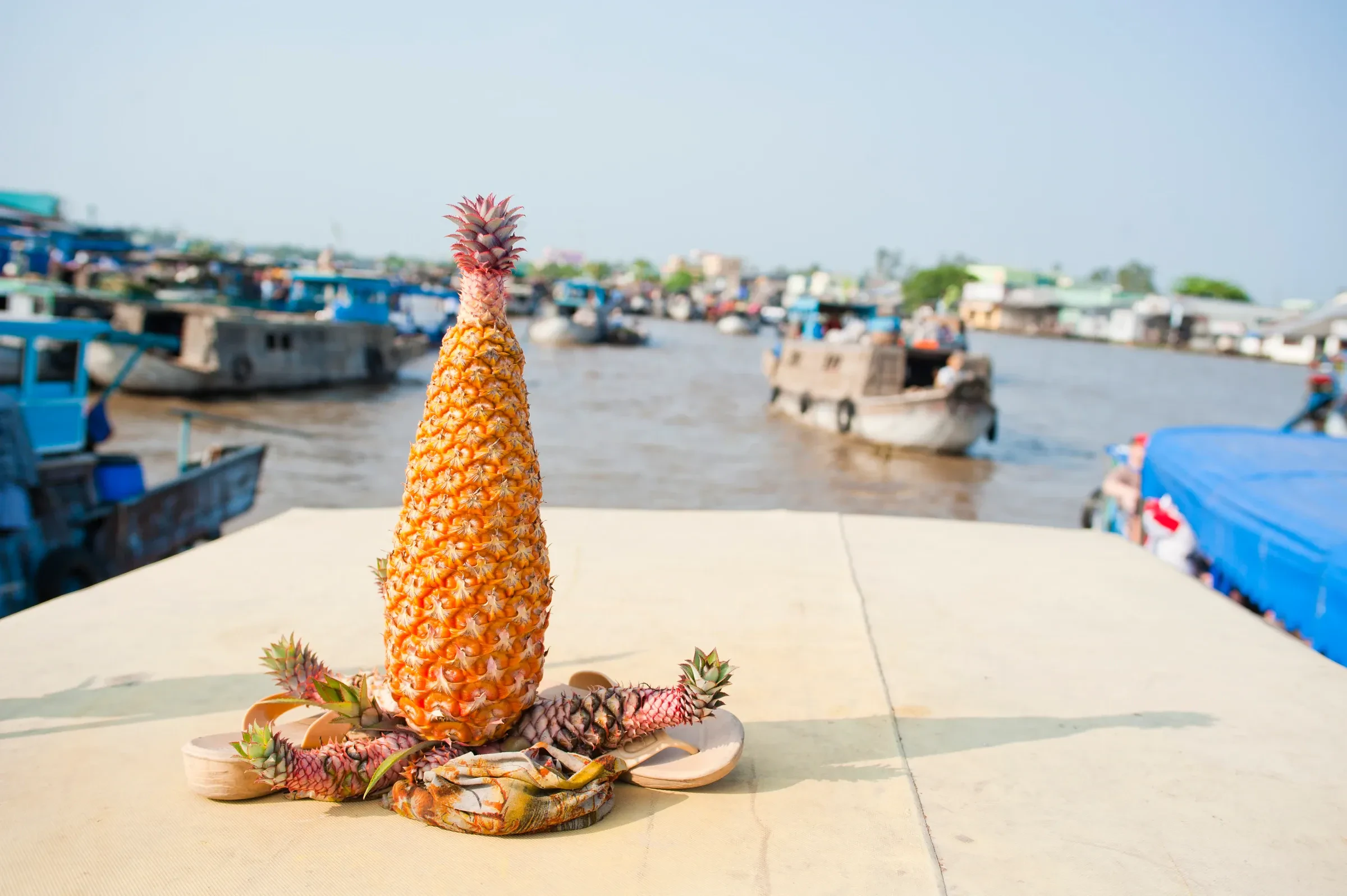
- an early boat out to Cai Rang, Vietnam's largest floating market. It's smaller than it once was, with wholesale trading having shifted from boats to roads over the past decade, but the early light on the water and the "beo" poles boats use to advertise their produce still make it worth the detour. Straight after, a stop in Ben Tre on the way back, for a coconut-grove boat trip and a look at how coconut candy is made. Ben Tre is about 85km from Ho Chi Minh City, roughly 1.5 to 2.5 hours by road across the Tien River, where a second bridge, Rach Mieu 2, opened in August 2025. Since the 2025 provincial mergers it sits in Vinh Long province.
- Afternoon
- return to Ho Chi Minh City by road.
Eat coconut candy tasting in Ben Tre; one last banh mi before the flight south tomorrow.
Local tip pick a smaller boat over a large tour group if you can, both to get closer to the market boats and to keep the crowding down.
Long Beach and the night market
Fly to Phu Quoc
Getting there a domestic flight from Ho Chi Minh City, about 1 hour.
- Afternoon
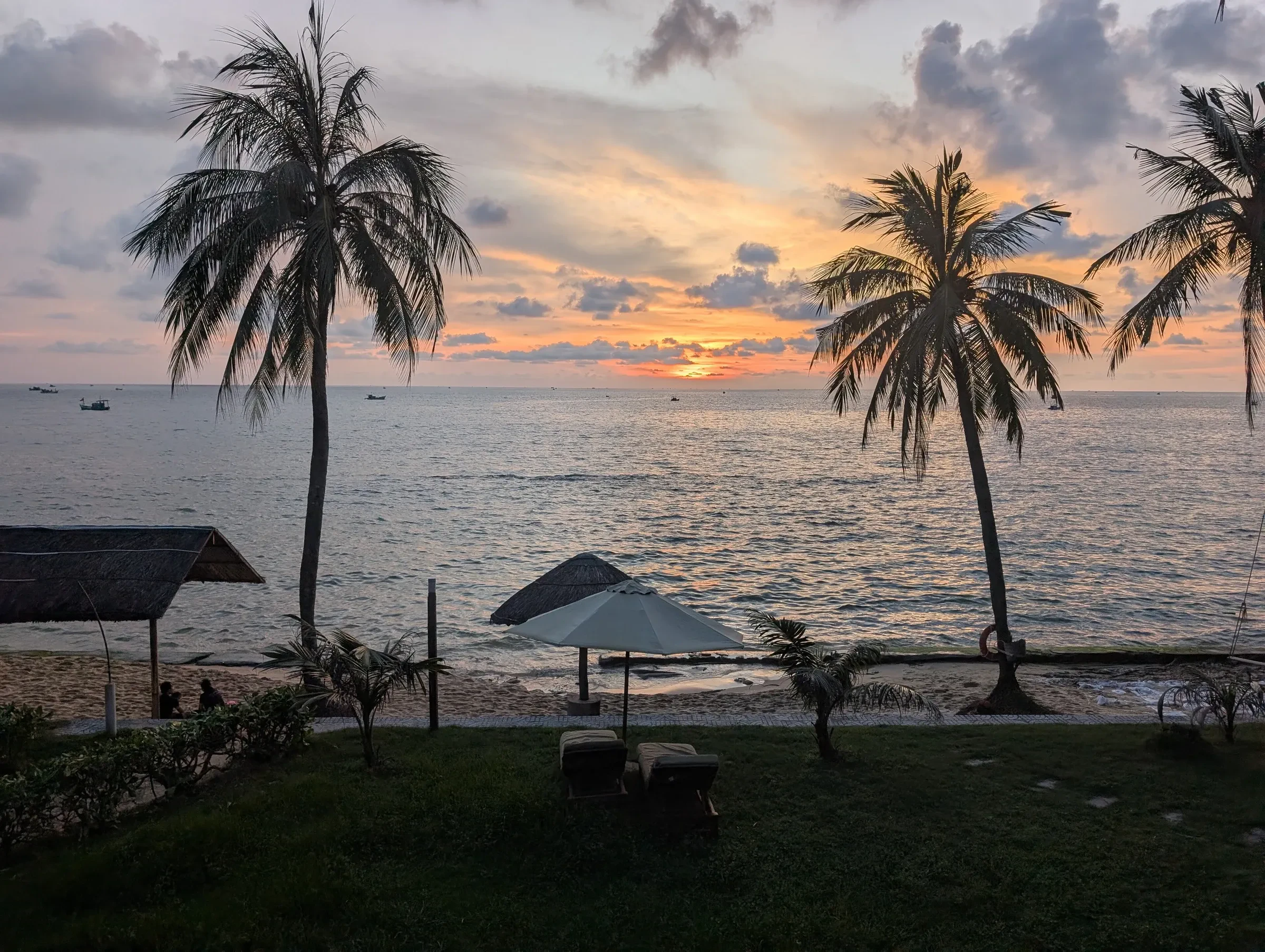
- settle in, then Long Beach for sunset.
- Evening
- Duong Dong's night market for dinner and a wander.
Eat fresh seafood barbecue, and a taste of Phu Quoc's own fish sauce, a rival to the mainland's better-known Phan Thiet product.
Local tip island prices run higher than the mainland for food and stays; budget a bit more for these last few days.
Island-hopping and snorkelling
Phu Quoc
- Morning
- a boat trip to the An Thoi archipelago in the island's south for snorkelling, or a hike in Phu Quoc National Park in the north if you'd rather stay on land.
- Afternoon
- the same trip runs on into the afternoon; back on dry land in time to clean up before dinner.
- Evening
- a beach bar for sunset, livelier around Sunset Sanato or quieter elsewhere depending on what you want.
Eat a final seafood dinner, grilled to order at a beachfront table.
Local tip book the boat trip a day ahead in high season; the better-value operators fill up first.
Free day and departure
Phu Quoc
Getting there Phu Quoc International Airport (PQC) has direct domestic and a growing number of international connections.
- Morning
- a last beach morning, or Vinpearl Safari and the cable car if you'd rather have a theme-park-style day (this leans away from the backpacker pace of the rest of the trip, so treat it as optional).
- Afternoon
- transfer to the airport.
Eat one more seafood meal before you go.
Local tip citizens of any nationality can enter and stay on Phu Quoc visa-free for up to 30 days (Vietnam's Ministry of Foreign Affairs figure) if you fly in directly from outside Vietnam; that exemption doesn't apply once you've already entered via the mainland, as this route does, so check your own visa needs against the Vietnam visa guide rather than assuming the island exemption covers you.
The 10 days version
Ten days gives Ho Chi Minh City and the Delta an extra day each and doubles the island time, so you're not packing up again the morning after you land.
| Day | Where | What | Eat |
|---|---|---|---|
| 1 | Ho Chi Minh City | Arrive, War Remnants Museum, Reunification Palace, Ben Thanh Market | Com tam |
| 2 | Ho Chi Minh City | Cu Chi Tunnels day trip | Hu tieu |
| 3 | Ho Chi Minh City | Notre-Dame's exterior and the Central Post Office, District 1 by night | Banh mi |
| 4 | Ho Chi Minh City to Can Tho | Travel day, Ninh Kieu wharf at dusk | Banh xeo mien tay |
| 5 | Can Tho | Cai Rang floating market at dawn, Ben Tre coconut boat trip | Coconut candy tasting |
| 6 | Ho Chi Minh City | Back from the Delta, a free afternoon | Goi cuon |
| 7 | Phu Quoc | Fly in, Long Beach sunset, Duong Dong night market | Seafood barbecue |
| 8 | Phu Quoc | An Thoi archipelago boat trip and snorkelling | Fresh-caught fish |
| 9 | Phu Quoc | Phu Quoc National Park hike, or a free beach day | Final seafood dinner |
| 10 | Depart | Fly onward from Phu Quoc International Airport | - |
Prefer Con Dao to Phu Quoc? Swap the last four days for a flight to Con Dao instead (about 45 minutes to 1 hour 15 minutes from Ho Chi Minh City, on limited-capacity routes, so book ahead and expect prices to move around more than a mainland domestic flight). Con Dao suits travellers who want history (it was Vietnam's largest wartime prison island, and the old prison complex is a sobering, significant stop in Vietnamese national memory), wildlife and quiet over Phu Quoc's livelier, more developed pace. Its dry season broadly matches the mainland south's, November to April, but sea turtle nesting runs April to October with hatching peaking July to September, so the best weather and the best wildlife window don't fully overlap; pick whichever matters more to you. The two islands aren't close to each other and need separate flights, so doing both genuinely costs an extra 3 to 4 days rather than being a simple add-on.
What it costs
| Item | Cost | Notes |
|---|---|---|
| Dorm bed or budget guesthouse | 200,000 to 400,000 dong | Cheaper in Can Tho than Ho Chi Minh City or Phu Quoc |
| Cu Chi Tunnels entry | About 90,000 to 125,000 dong | A guided day tour with transport runs about US$15 to $35 |
| Cai Rang floating market boat trip | From 100,000 dong per person | Posted price for an individual boat tour in August 2026; longer shared trips with breakfast and stops are usually quoted at 200,000 to 400,000 dong, and a private boat costs more |
| Domestic flight, Ho Chi Minh City to Phu Quoc | roughly US$25 to $80 one way | Book a few weeks ahead for the lower fares |
| Two meals from a local kitchen | 150,000 to 350,000 dong | Street food and market stalls |
| Daily total (outside flights) | about US$30 to $40 including a dorm bed | More on Phu Quoc, where food and stays cost more than the mainland |
Getting there, away and around
Fly into Tan Son Nhat International Airport (SGN) in Ho Chi Minh City, with direct connections from most regional hubs. A second airport, Long Thanh, is due to open on 1 December 2026, with long-haul flights proposed to move there from late March 2027, so check which airport your flight uses. The Cu Chi Tunnels are about 70km northwest of the city, roughly 1.5 to 2 hours each way by road. Can Tho is about 170km southwest, roughly 3 to 3.5 hours by shared van or bus (some bus services are scheduled at about 4 hours); a private car takes the same route a little faster. From Ho Chi Minh City, Phu Quoc is a roughly 1-hour domestic flight, and Con Dao is about 45 minutes to 1 hour 15 minutes (Vietnam Airlines and Vietjet both list flights), though seats on the Con Dao route are more limited. Both islands have their own airport for onward travel, so you don't need to fly back through Ho Chi Minh City to continue north or fly home.
Best time and festivals on this route
December to April is this route's dry season: warm and largely rain-free across Ho Chi Minh City, the Delta and both islands. May to November brings the south's wet season, but it's a different pattern from the central coast's typhoon-driven autumn: expect short, heavy afternoon downpours rather than an all-day washout, and travel here rarely grinds to a halt because of it. Phu Quoc specifically is best November to March, with some boat trips and resorts scaling back in the wet season, roughly May to October. If your dates land around Tet, Vietnam's Lunar New Year, expect a livelier but much busier and pricier Ho Chi Minh City, with some smaller businesses closed for a few days.
What to eat on this route
Saigon-style banh mi and com tam anchor Ho Chi Minh City's food scene, alongside hu tieu, a southern noodle soup shaped by the city's Chinese-Cambodian communities. Once you're in the Delta, the cooking changes with the landscape: banh xeo mien tay, a bigger, crispier regional take on the sizzling pancake, grilled snakehead fish, and Ben Tre's coconut candy, made from the same coconut groves you'll boat past. Phu Quoc adds fresh seafood barbecue and its own fish sauce industry to the mix. For the fuller country-wide picture, see the Vietnamese food guide.
If you'd rather not plan any of this yourself, our host-led Vietnam Beaches & Mekong trip runs a similar Ho Chi Minh City to Can Tho route, with a Trip Host, licensed local guides and the Cu Chi Tunnels and Cai Rang floating market included.