What makes Da Lat special
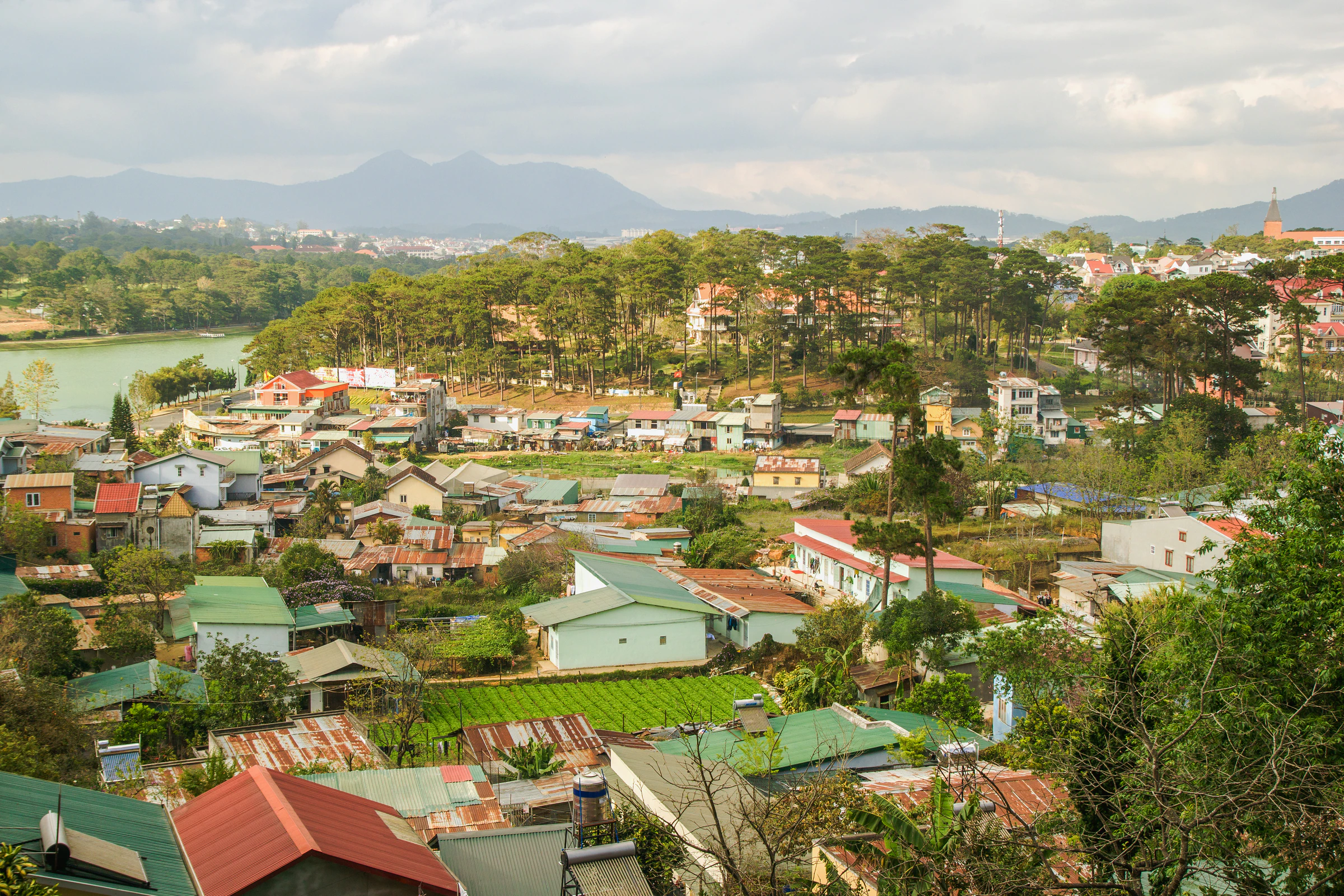
Most of Vietnam is hot and humid year round. Da Lat sits high enough in the Central Highlands to stay cool and spring-like, which is why the French built a hill station here and why Vietnamese honeymooners and backpackers still come. What you get is pine-covered hills, flower nurseries, coffee farms on the edge of town, and a young, outdoorsy scene built around canyoning, hiking and hot pot on a cool evening rather than beaches or temples.
Where to go within the town
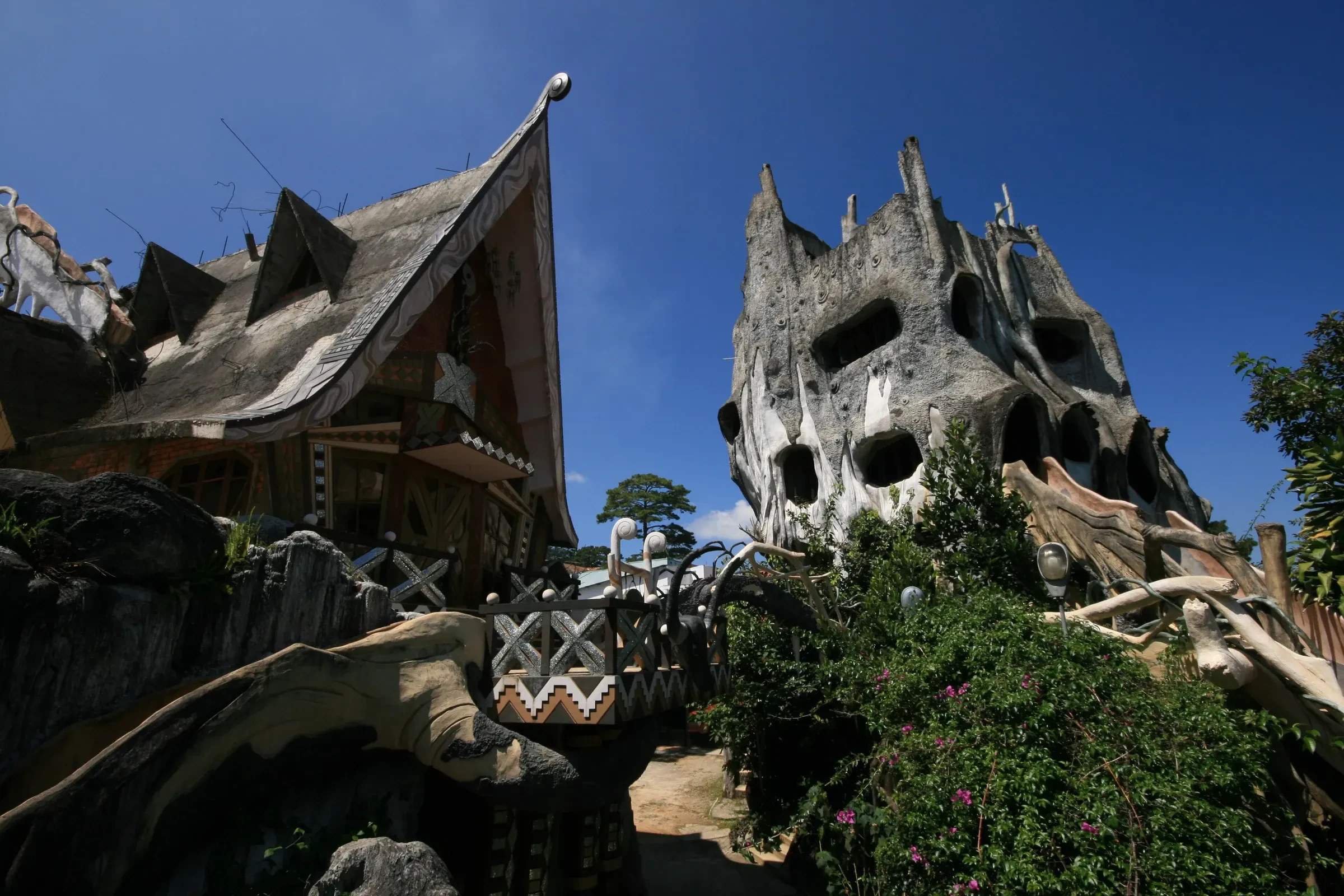
The Crazy House (Hang Nga guesthouse) is Da Lat's best-known sight: a rambling, tree-like building of tunnels, staircases and rooms shaped like giant fungi and animal burrows, part guesthouse, part surreal art installation. An hour is enough.
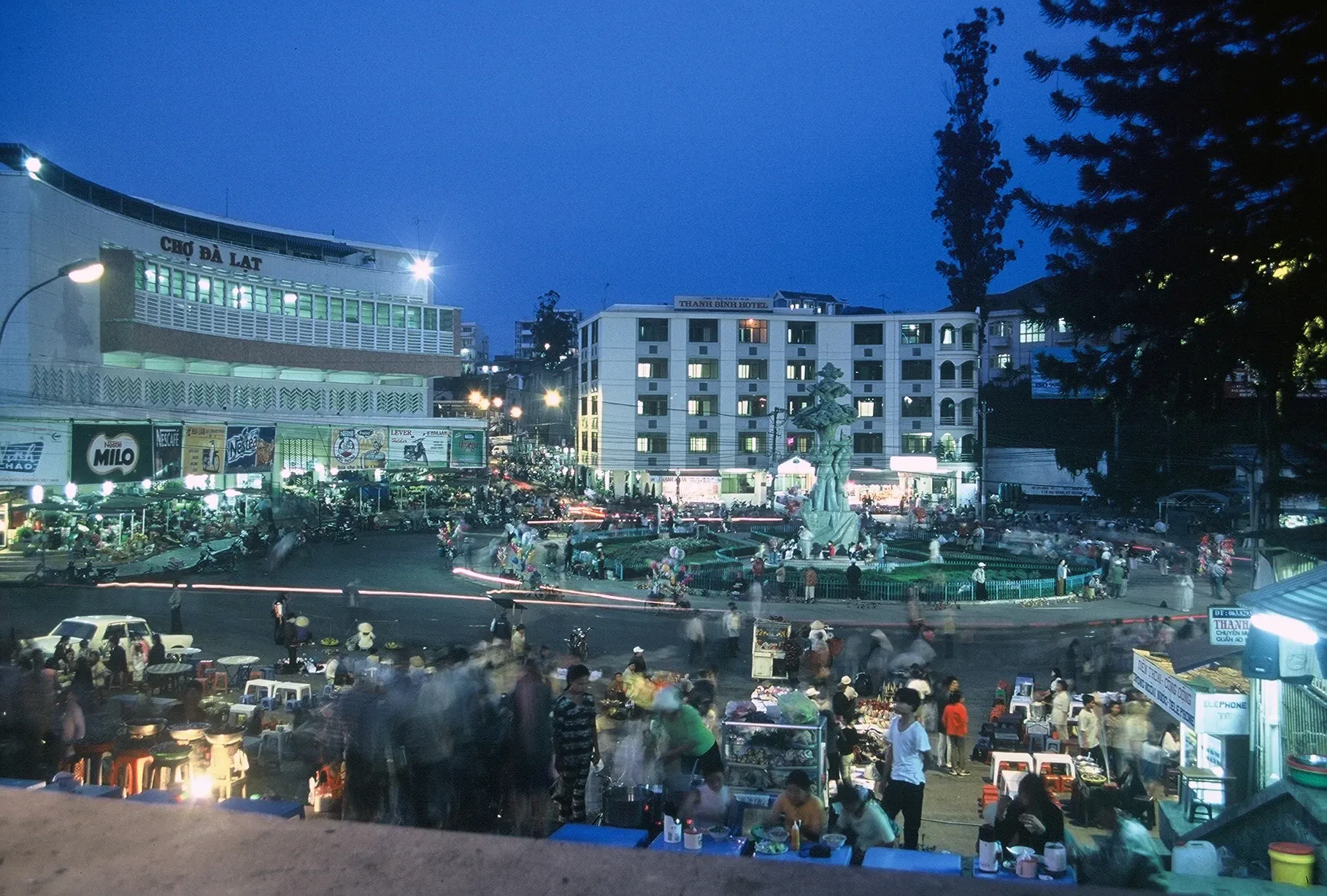
Xuan Huong Lake and the Hoa Binh area make up the town centre. There's a walkable loop around the lake, and a staircase drops down from Hoa Binh into the night market below. Half a day covers the centre on foot.
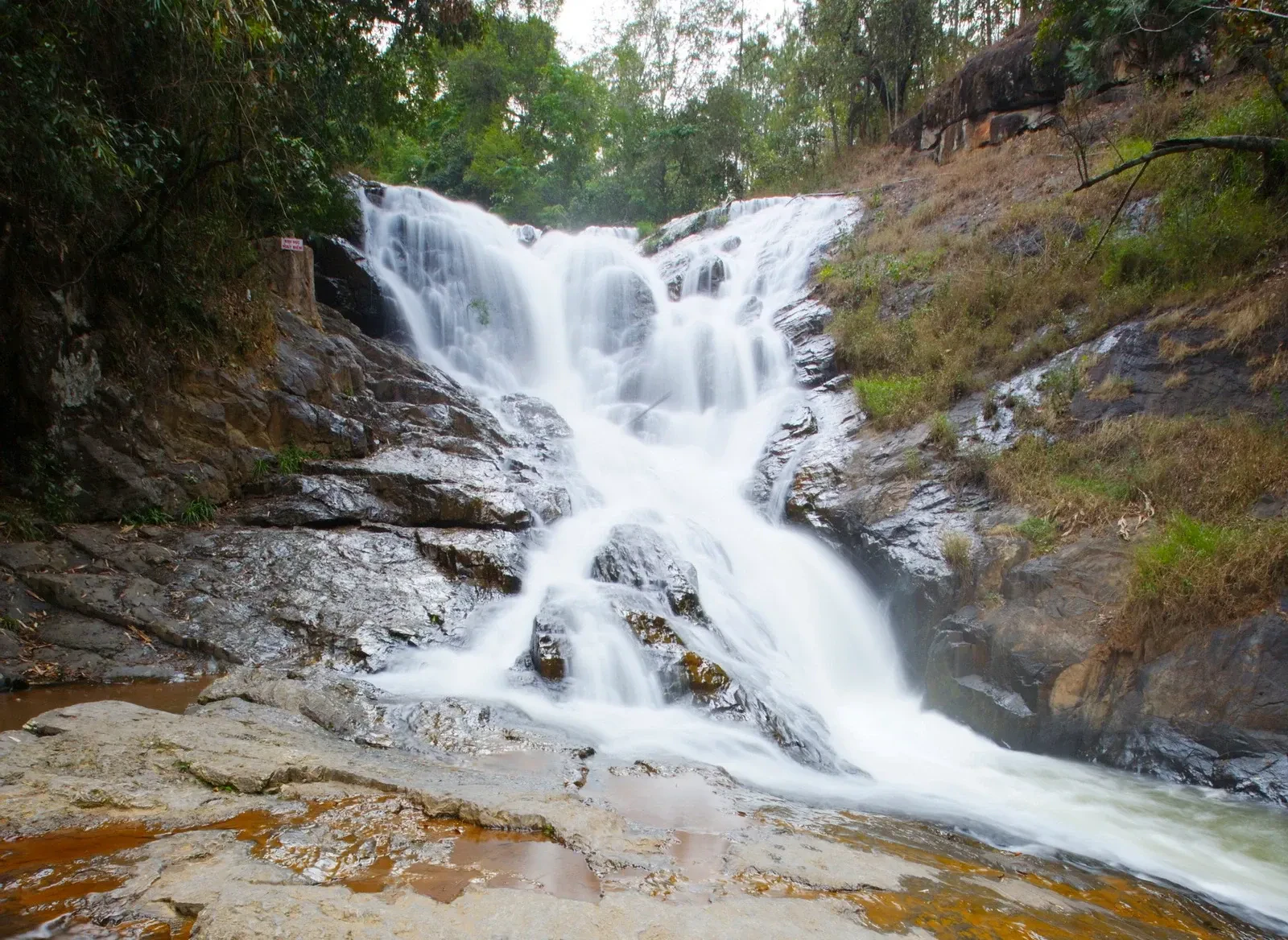
Datanla Falls, about 5km south of town on the way to Prenn Pass, is a short, easy stop with a cable car and, if you want it, a rollercoaster-style toboggan track down to the falls. It's also the usual starting point for canyoning trips.
Elephant Falls (about 28km out) and Pongour Falls (about 50km south) are bigger, wilder waterfalls that most people see together on a half-day or full-day tour rather than separately, since they're about 45 minutes apart by road.
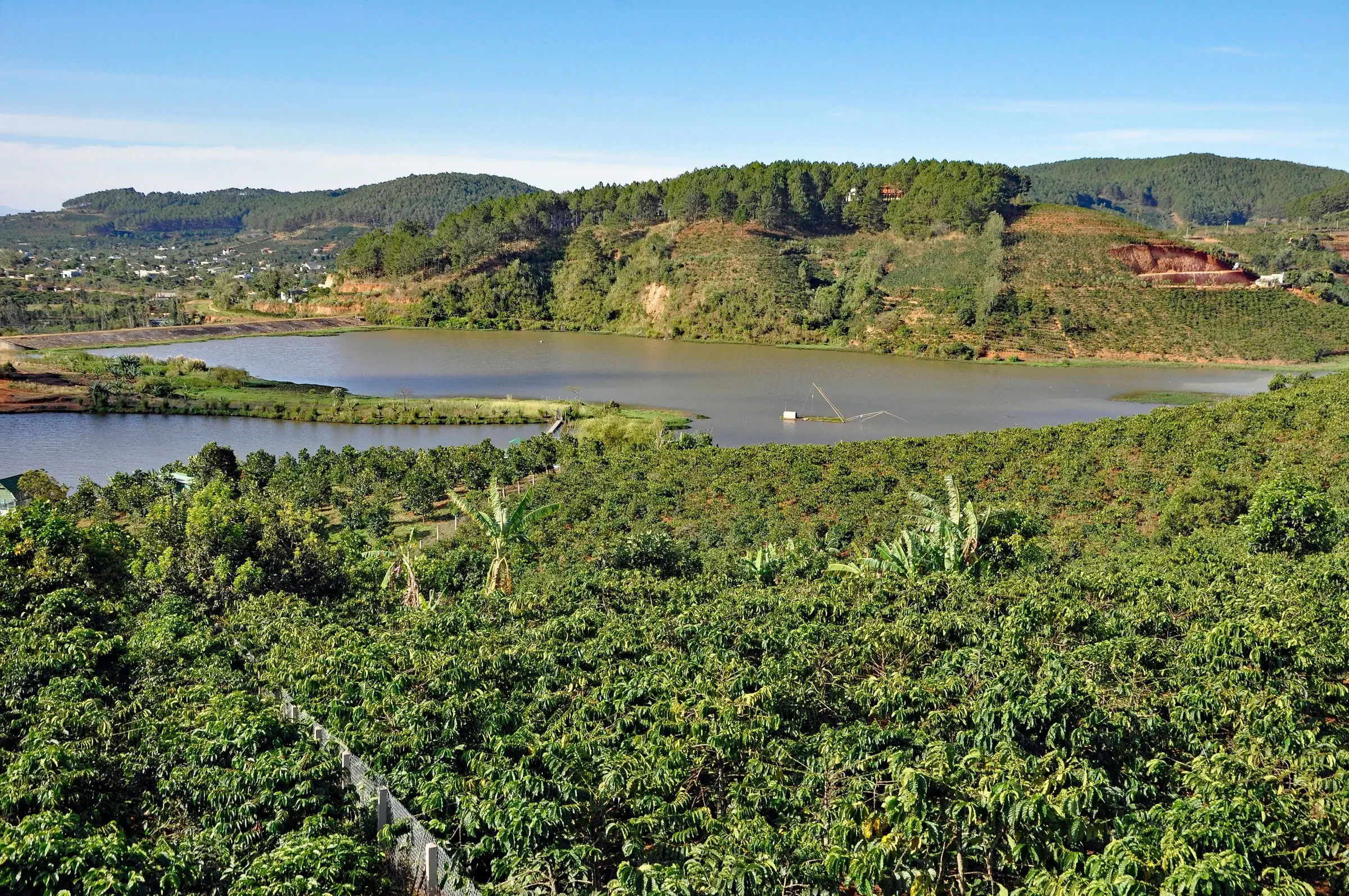
Coffee farms ring the town, since Lam Dong province is one of Vietnam's main coffee-growing areas. A farm visit usually covers the growing and roasting process, plus a tasting. Some farms also keep caged civets for "weasel coffee," where the animal handles the beans as part of the process. Welfare groups have documented poor conditions on many civet farms in Vietnam, so it's worth asking a farm how its civets are kept, or picking one that doesn't keep them at all, before you book.
The Da Lat to Trai Mat heritage railway is a short, restored stretch of what was once a much longer line to the coast. The rest of Da Lat's rail link closed decades ago, so this 7km, roughly 30-minute trip each way past the old railway station to Trai Mat's market and Linh Phuoc Pagoda is the only passenger train still running here.
Things to do
Canyoning is Da Lat's headline activity: abseiling down waterfalls, cliff jumps and natural water slides in the canyons around Datanla. It's exciting, but only when it's run properly. Unlicensed operators have caused serious injuries and, in past years, deaths, usually by skipping safety gear or pushing people into jumps they haven't agreed to. Book only with an operator that provides a helmet, harness and life jacket for every jump and abseil, briefs you properly beforehand, and can show a business licence if asked. If a hostel offers canyoning well below what everyone else charges, treat that as a reason to ask more questions, not a reason to book faster. Heavy rain raises the risk of flash flooding in the canyons, and operators sometimes pause trips after it, particularly in the rainy season, roughly May to October.
Coffee-farm tours, the cable car to Truc Lam Pagoda above Tuyen Lam Lake, and a walk or cycle through the flower gardens are the easier option for a day when you'd rather stay dry.
The night market around Hoa Binh and Xuan Huong Lake opens from about 5pm and runs into the evening, with street food stalls, clothing and handicraft vendors, and that staircase down from Hoa Binh as a good spot for the view. An hour or two covers it properly, longer if you're eating your way through.
What to eat
Banh trang nuong, sometimes called "Vietnamese pizza," started in Da Lat: grilled rice paper topped with egg, spring onion, dried shrimp and other toppings, sold from street carts around the market and night market. Artichoke tea, made from the region's own artichoke crop, is a Da Lat speciality. Fresh strawberries and avocados grown in the surrounding hills turn up at stalls through both markets. On a cool evening, hot pot is the local default rather than the usual noodle soups. Da Lat is one of the few places in Vietnam cold enough to actually want one.
Getting there and around
From Ho Chi Minh City: the fastest way is a 55-minute flight into Lien Khuong Airport, which reopened on 19 August 2026 after more than five months closed for runway work. Vietnam Airlines and Vietjet both fly the route from Ho Chi Minh City. By road it's about 6 to 7 hours on National Route 20, usually done overnight on a sleeper bus.
From Nha Trang: about 3 to 4 hours by road on National Route 27C through the mountains, run by several bus companies with day and limousine-van services.
From Mui Ne: about 4 to 5 hours by road, with several daily bus departures.
Da Lat's own rail link closed decades ago beyond the short Trai Mat heritage stretch, so buses, vans or flying are your only practical options into town.
Getting around town is easy on foot or by taxi and ride-hailing app. Some travellers rent a motorbike to reach the outlying waterfalls and coffee farms on their own. If you plan to ride, you need a motorbike licence from home plus a 1968-convention International Driving Permit: Vietnam's visa and entry rules cover what that means in practice. Without both, you're riding illegally, and your travel insurance probably won't pay out.
How long to spend and which route guide to use
Two to three days covers the Crazy House, one big activity day (canyoning, or the waterfalls and a coffee farm) and an evening at the night market. Da Lat isn't a stop on our group trips, but it's a natural add-on before or after joining a Southern Vietnam group trip out of Ho Chi Minh City, or as a detour on your way down from central Vietnam. If you're heading on to Ho Chi Minh City and the Mekong Delta afterwards, our Southern Vietnam itinerary picks up from there. For where Da Lat fits against the rest of the country and how many days to budget overall, see our Vietnam itineraries by length and best time to visit Vietnam.