Backpacking Vietnam means covering the same north-to-south route as a set-length trip, only slower, cheaper and with room to change your mind once you're there. If you already know how many days you have, our 1-week, 10-day, 2-week and 3-week itineraries give you a fixed day-by-day plan. This guide is for a longer, looser trip: how long to give it, a route that works, what it costs, and the practical stuff nobody tells you until you're stuck at a bus station.

How long do you need to backpack Vietnam?
Three weeks covers the full north-to-south route plus the far north, either the Ha Giang Loop or Sapa. A month is the length most backpackers settle on, since it adds a beach stop, the highland town of Da Lat, or a border crossing into Laos or Cambodia, without every day being a travel day. Six weeks or more starts to feel like living somewhere rather than passing through, and a lot of people slow right down on one island or in one city for a stretch instead of moving on.
A sample month-long route
This isn't a fixed itinerary, since the point of backpacking is changing it as you go, but it's a solid shape to start from.
Week 1: Hanoi and the north. Two or three nights in Hanoi's Old Quarter, a night on a boat in Lan Ha Bay, then two nights among the limestone peaks of Ninh Binh, rowing through Tam Coc and Trang An.
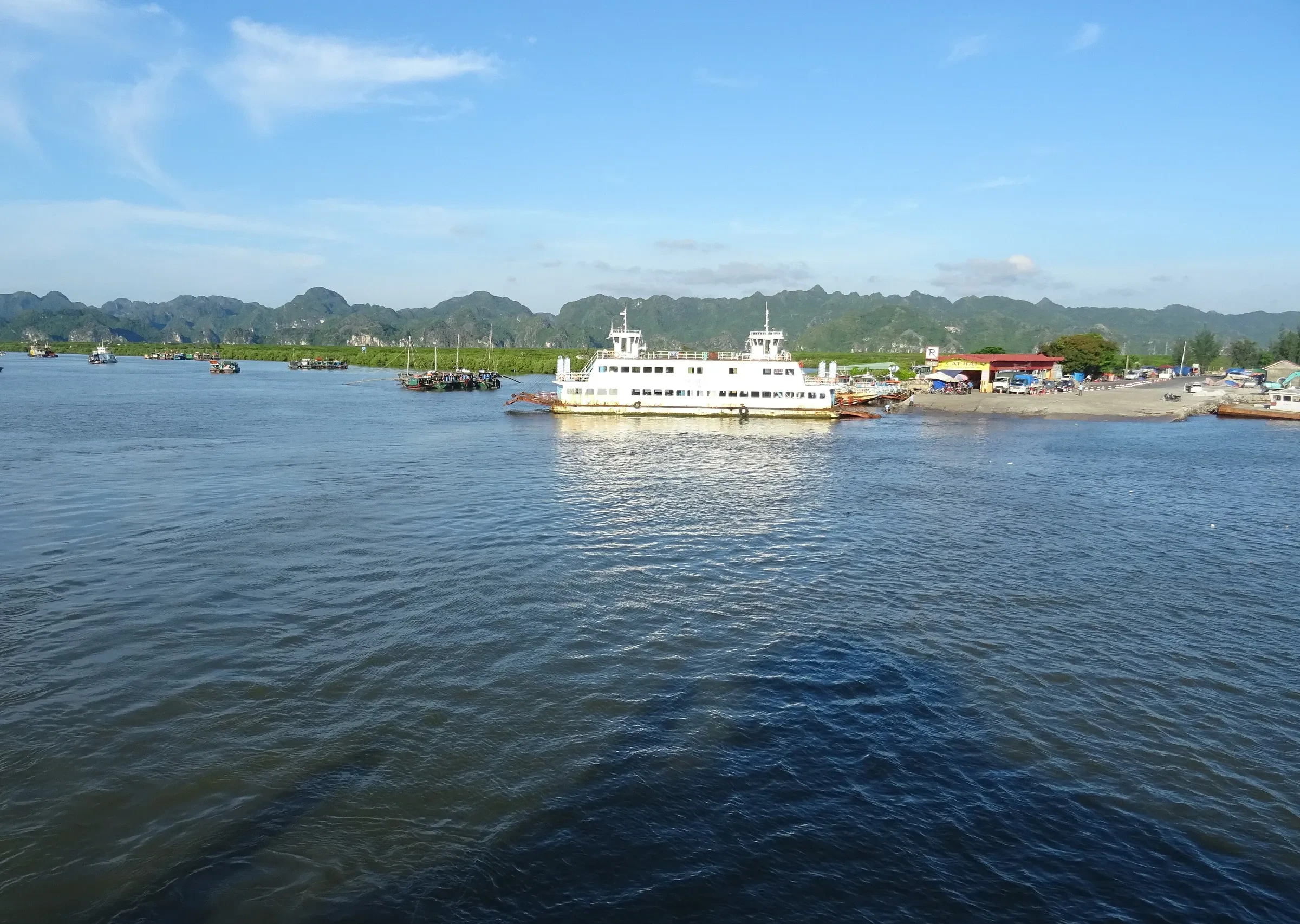
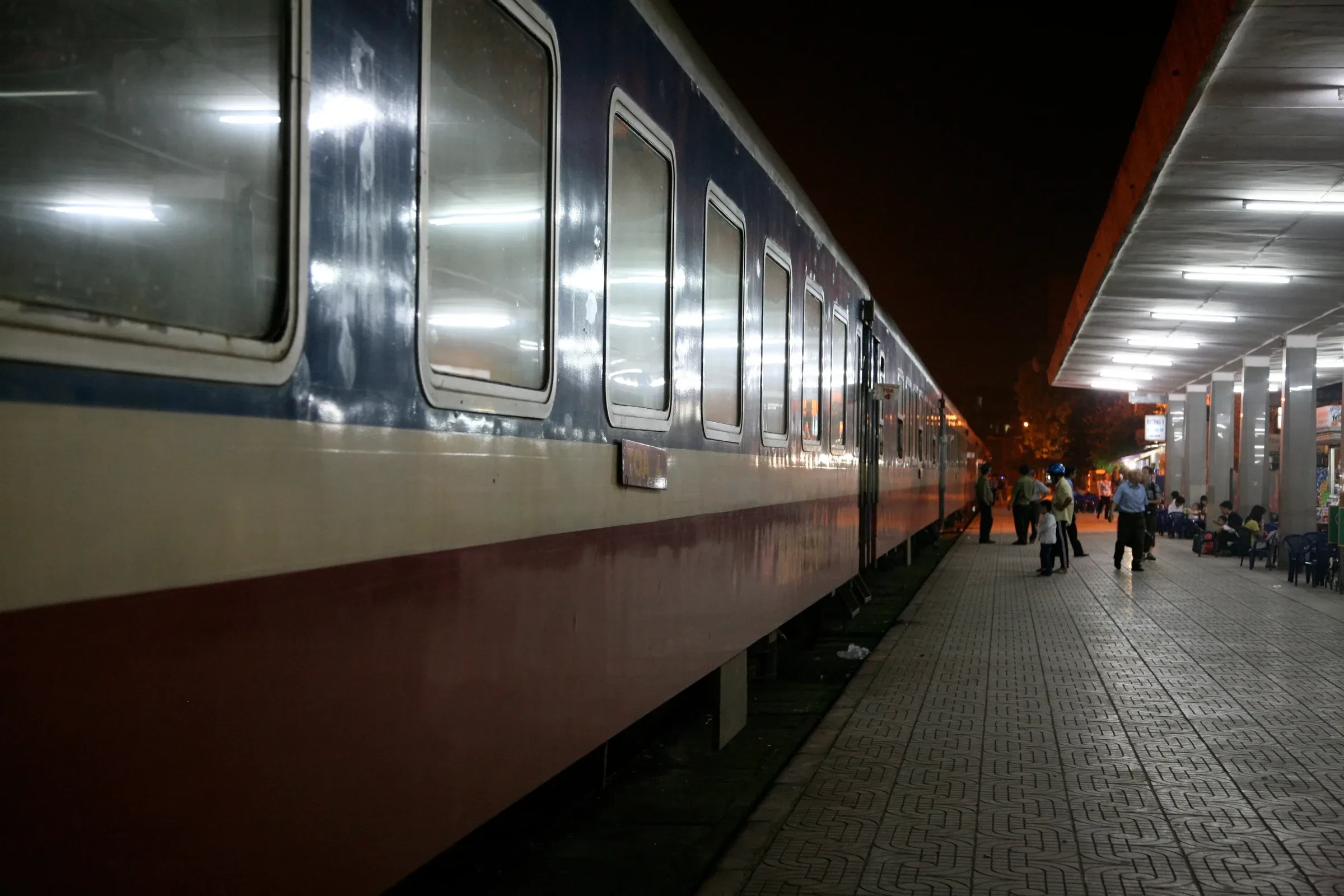
Week 2: the far north, then south by train. Either ride the Ha Giang Loop pillion behind a local easy rider (5 or 6 days including the road there and back), or trek around Sapa instead (3 days, with a village homestay night). Either way, come back through Hanoi and take the overnight sleeper train south to Phong Nha for a day of caves.
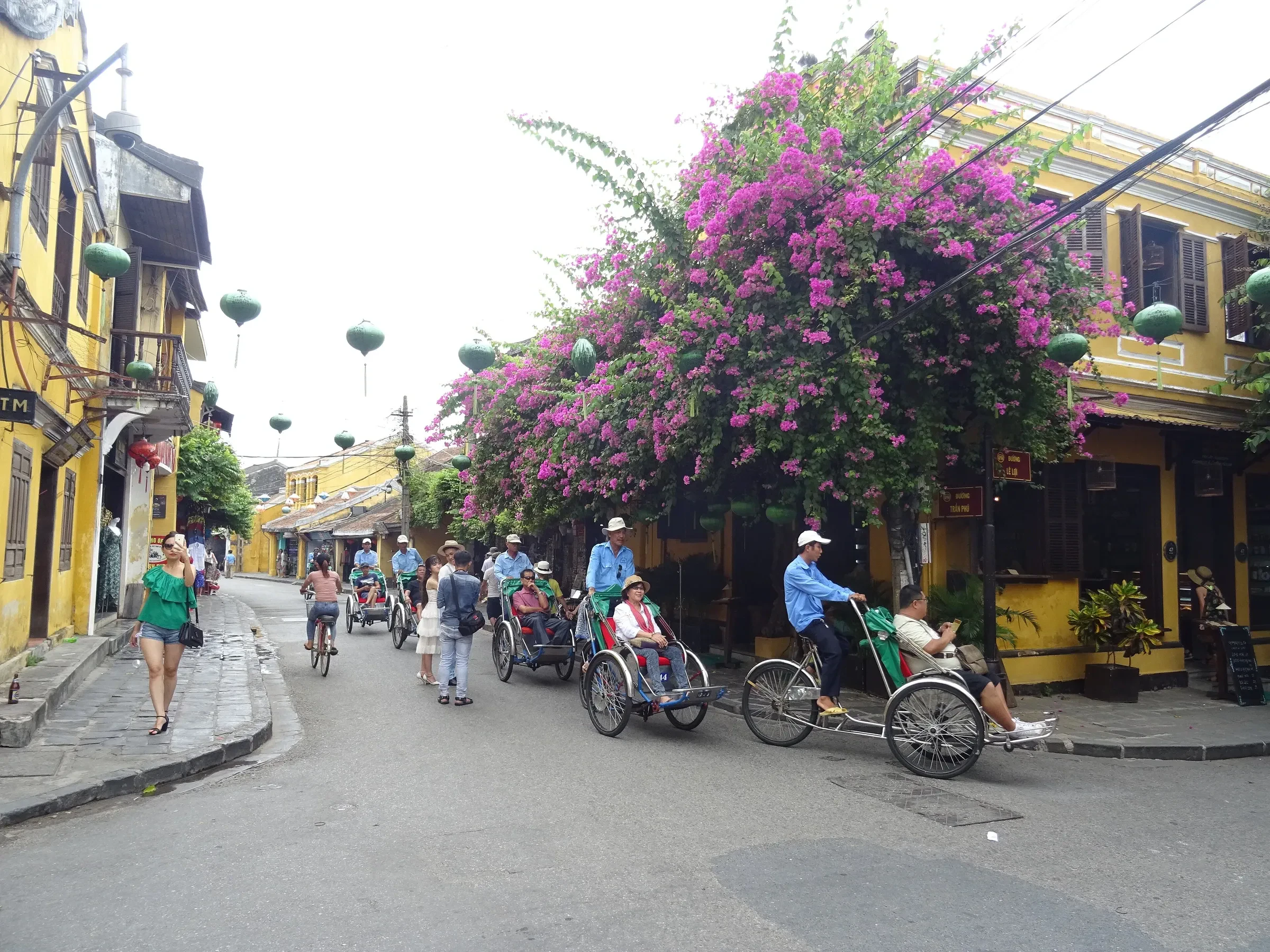
Week 3: the centre. Hue's Imperial City, the Hai Van Pass by road, then three or four days in lantern-lit Hoi An: a cooking class, basket boats at Cam Thanh, and a cycle out to An Bang beach.
Week 4: the south, and beyond. Fly to Ho Chi Minh City for Independence Palace and the War Remnants Museum, then a night in the Mekong Delta for the Cai Rang floating market at dawn. With days to spare, add the cool highland town of Da Lat, the beaches and kitesurfing around Mui Ne or Nha Trang, or a few days on Phu Quoc, which has its own 30-day visa waiver for travellers who fly there directly from abroad. A month is also long enough to cross into Laos or Cambodia if you'd rather keep going than fly home.
What backpacking Vietnam costs
At September 2026 rates, US$1 is about 26,000 dong and £1 is about 34,700 dong. Outside your bed, most backpackers spend about 400,000 to 600,000 dong a day (roughly US$15 to $23, or £11 to £17) on food, drinks and local transport, a bit more in Hoi An. A street-food dish runs 30,000 to 80,000 dong and a local beer 20,000 to 40,000 dong. Add it all up with a dorm bed and most people land around US$30 to $40 a day (roughly £22 to £29).
| Item | Price (dong) | Roughly |
|---|---|---|
| Dorm bed, Hanoi | about 120,000 to 350,000 | US$5 to 14 / £3.50 to 10 |
| Dorm bed, Hoi An | 200,000 to 350,000 | US$8 to 13 / £6 to 10 |
| Street-food dish | 30,000 to 80,000 | US$1 to 3 |
| Local beer | 20,000 to 40,000 | under US$2 |
| Sleeper train, Hanoi to Da Nang (soft sleeper) | about 1.1 to 1.3 million, varying by train and date | US$42 to 50 / £31 to 37 |
| Sleeper bus, Hanoi to Hue | about 400,000 | US$15 / £11 |
| Sleeper bus, Hanoi to Da Nang or Hoi An | 250,000 to 500,000 | US$10 to 20 / £7 to 14 |
| Sleeper bus, Hanoi to Ho Chi Minh City | 830,000 to 1.3 million (up to 1.8 million on premium operators) | US$32 to 50 / £24 to 37 |
Dorm beds outside these two cities vary a lot by tourist demand: Da Lat and Hue run closer to the Hanoi end, and Nha Trang and Phu Quoc closer to Hoi An's, or higher in peak weeks. Add your big transport legs (the sleeper train, any domestic flights, ferries to Phu Quoc) and activities, such as the Ha Giang Loop's easy-rider tour or the Dark Cave's full package at Phong Nha, on top of the daily figure above.
Getting around
Trains. The Reunification Railway runs the length of the country, and the overnight legs from Hanoi or Ninh Binh to Dong Hoi (for Phong Nha), Hue and Da Nang are worth building a route around, since each one saves a hotel night. Book on the Vietnam Railways site (dsvn.vn) or through an agent that takes foreign cards.
Sleeper buses. Cheaper than the train and they go everywhere the railway doesn't, including Hanoi to Sapa or Ha Giang. Standard sleeper buses have flat berths in three rows; VIP or "cabin" buses have curtained pods, which many solo travellers prefer for the privacy. Prices spike hard around Tet, sometimes tripling, so book ahead if you're travelling then.
Flights. Vietjet and Vietnam Airlines connect Hanoi, Hai Phong, Da Nang, Ho Chi Minh City and Phu Quoc (Bamboo Airways stopped scheduled flights on 1 August 2026). A short flight beats a day of buses on the longest jumps, such as Da Nang to Ho Chi Minh City in about 1 hour 20 minutes.
Grab and Xanh SM. Grab works in every city, in English, with a foreign card. Xanh SM, an all-electric taxi and bike app, is often cheaper but less reliable with foreign cards.
Buying or renting a motorbike
Some backpackers buy a motorbike in Hanoi, ride it south over several weeks, and sell it on in Ho Chi Minh City, where demand for a used bike is lower than in Hanoi, so expect to recover roughly 70 to 90% of what you paid. A basic secondhand Honda Win runs about US$150 to 500, and most people who go this route pay somewhere around US$200 to 400. Selling through backpacker Facebook groups, hostel noticeboards and word of mouth tends to get a better price than the shops on the backpacker strip that advertise buying bikes.
Renting by the day is simpler for shorter stretches, such as the Ha Giang Loop area, where local operators charge roughly 150,000 to 650,000 dong a day for the bike plus fuel; prices elsewhere vary by town and bike condition.
The licence problem applies whether you buy or rent. To ride legally in Vietnam you need a licence that covers motorbikes plus an International Driving Permit issued under the 1968 Vienna Convention. Permits from the US, Canada, Australia, New Zealand, India and Ireland are issued under the older 1949 convention and aren't valid here, which rules out self-driving for most travellers from those countries. Riding without a valid permit means fines (2 to 4 million dong for bikes up to 125cc, 6 to 8 million dong for bigger bikes), a bike the police can impound, and, more importantly, insurance that almost certainly won't pay out for an accident that happens while you're doing something illegal. This is why most visitors ride pillion behind a licensed local "easy rider" on mountain routes such as the Ha Giang Loop instead of driving themselves. Our Vietnam safety guide goes into the licence rules, the everyday risks and what to do about each one in more detail.
Where to stay
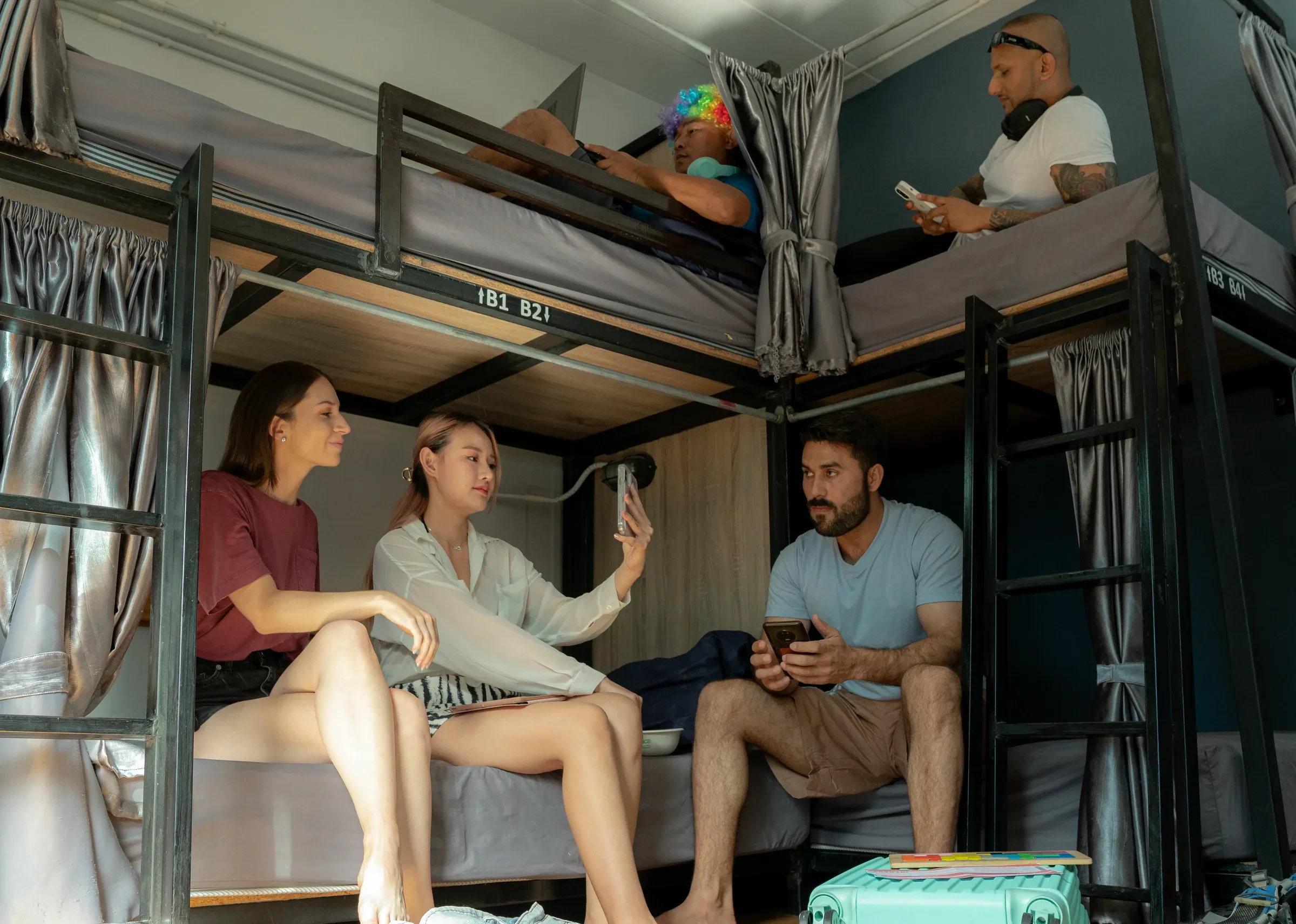
Hostels are the backbone of a backpacking route through Vietnam, both for the price and for meeting other people doing the same trip. Book your first night or two ahead in Hanoi and Hoi An during peak months, and around Tet everywhere; elsewhere you can usually turn up and find a bed. Our hostels in Vietnam guide covers where to stay at each stop.
SIM and eSIM
You need your passport to buy a local SIM, and airport kiosks set one up in minutes; a Viettel tourist SIM at Hanoi's airport costs about 250,000 dong (roughly US$10) for 6GB of data and 30 days. Since 15 April 2026, Circular 08/2026 requires SIM subscribers, foreigners included, to verify their details with a face scan, so allow a little extra time at the counter. Buying a travel eSIM before you fly (from around US$4 to 18 depending on the data you want) skips that registration entirely, and coverage is strongest in the cities and along the main tourist routes.
Visa and entry
Whether you need a visa depends on your passport. British, German, French, Spanish, Italian and Swedish citizens get 45 days visa-free; Dutch citizens get 45 days for tourism only. Americans, Canadians, Australians, New Zealanders, Irish and Indian citizens need an e-visa (up to 90 days, US$25 single entry or US$50 multiple entry), applied for only at evisa.gov.vn. If your month-long trip includes a border run into Laos or Cambodia and back, get the multiple-entry e-visa, since a single-entry one only lets you in once. The free pre-arrival QR declaration at prearrival.immigration.gov.vn is not clearly compulsory at every airport, but it takes a few minutes, so fill it in before you fly. Our Vietnam visa guide covers the rules by nationality, the official application steps, and the fake visa websites to avoid.
Staying safe
The everyday risks are the same ones covered in our Vietnam safety guide: unlicensed taxi drivers, motorbike bag-snatching in the bigger cities, and occasional spiked food or drinks. The biggest risk on a longer, more independent trip is a motorbike, whether that's the Ha Giang Loop's mountain roads or ordinary city traffic, so read the licence section above and that guide's motorbike section before you rent or buy anything with an engine. Leave your vape at home, since Vietnam banned e-cigarettes in January 2025 and customs confiscate them on arrival.
What to pack
Pack light and pack for hot, humid weather in the centre and south, with cool, even cold, nights if you're heading into the mountains around Ha Giang or Sapa. Our Southeast Asia packing list covers what to bring and what to leave at home.
Best time to backpack Vietnam
Late February to May is the best window for a route that runs the length of the country, since the north is mild, the centre is dry and the south is still in its dry season. June to August is a decent second choice, though it's hot and the bays carry a small typhoon risk. The trickiest stretch is mid-September to November, when Hue and Hoi An can flood and some Phong Nha caves close. Plan around Tet too: in 2027 it falls on Saturday 6 February, and transport sells out and many small restaurants and shops close for several days either side of it. Our best time to visit Vietnam guide goes month by month, and our Tet guide has the detail on the holiday itself.
Prefer it planned, not backpacked
If you like this kind of route but would rather not book every train, bus and easy rider yourself, our 21-day Vietnam Complete trip runs the length of the country plus the Ha Giang Loop with a Trip Host and every connection sorted. Carrying on into Laos and Thailand afterwards? Our 28-day Southeast Asia Grand Loop links all three countries in one booking.