Hanoi is a thousand-year-old capital that still runs on scooters, street food stalls and lakes ringed with walkers at dawn. Most people spend two or three nights here at the start or end of a Vietnam trip, using it as the jumping-off point for the limestone bays, the rice terraces of Sapa and the mountain roads of Ha Giang.
This guide covers where to base yourself, getting in from the airport, the main sights and their current fees, food, how long to stay, the best time to visit and how to get onward to the north. For the rest of the country, see our Vietnam travel guide.
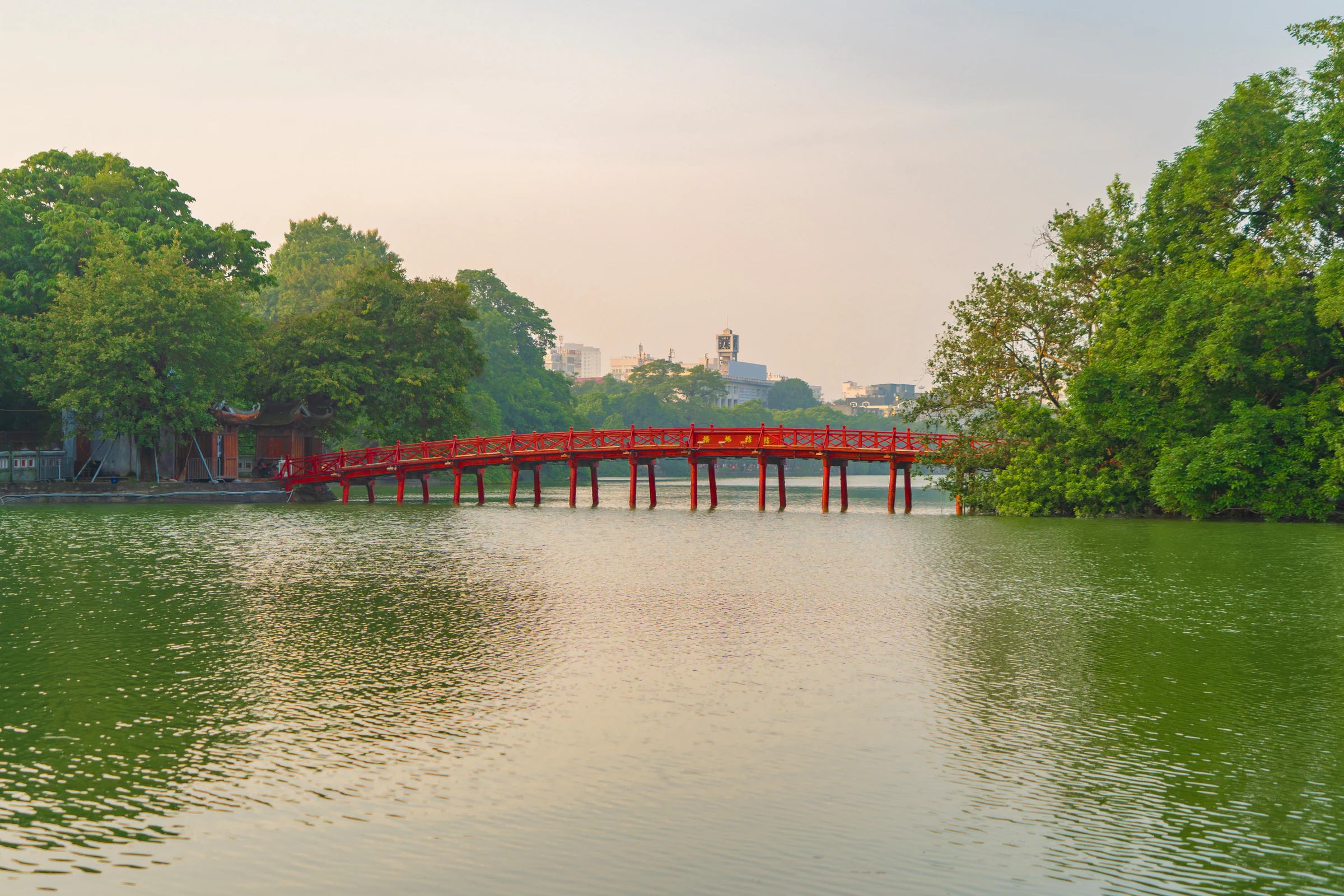
Where to stay in Hanoi: Old Quarter, Hoan Kiem or West Lake
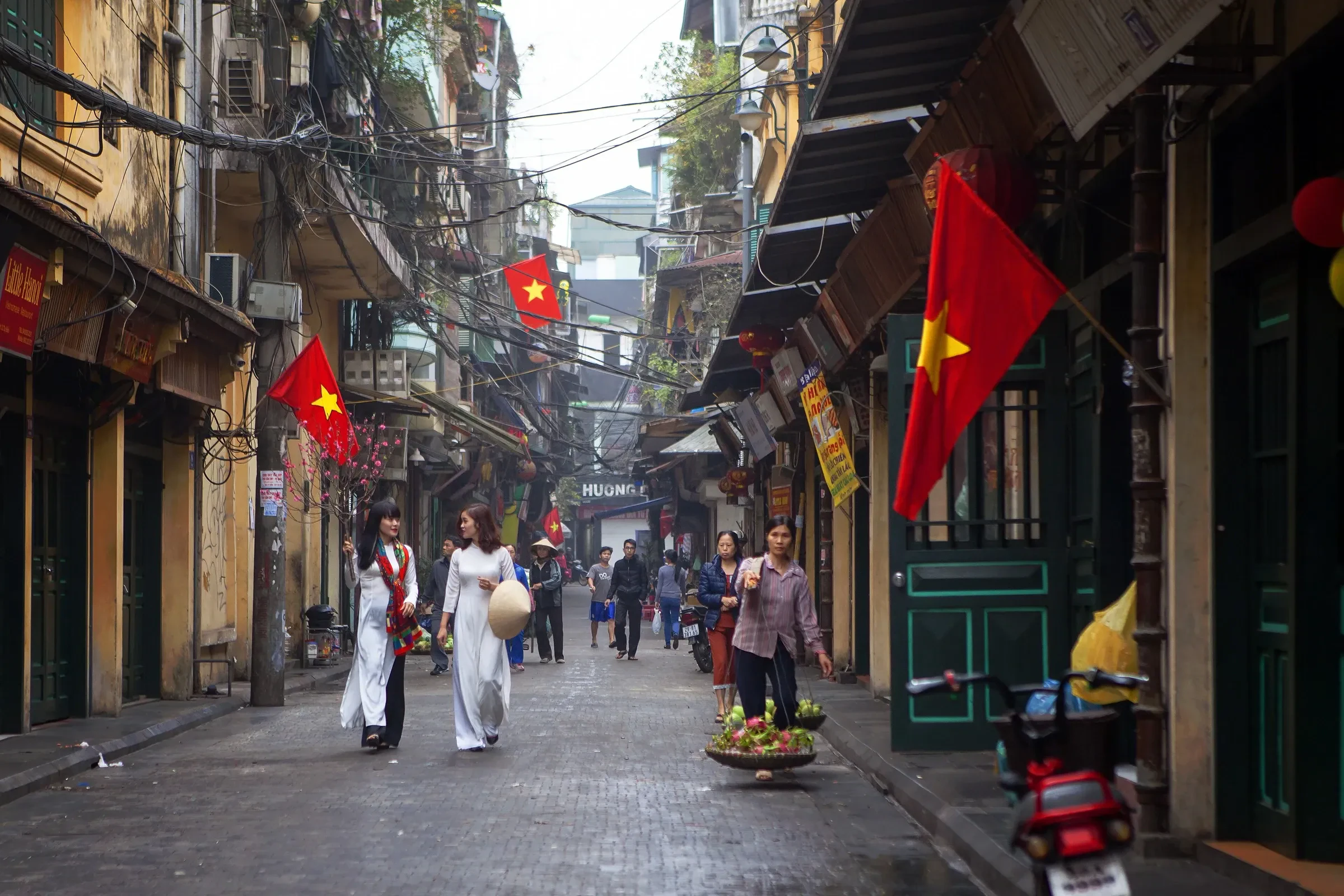
The Old Quarter, north and west of Hoan Kiem Lake, is where most first-time visitors base themselves. Its narrow streets, each still loosely tied to the trade it's named for, hold Hanoi's widest hostel choice and its liveliest nightlife, especially around Ta Hien's "beer corner" in the evenings. It's walkable to the lake, the Temple of Literature and Hoa Lo, and it's the easiest base if you're only here a couple of nights.
Around Hoan Kiem Lake, on the streets just south and east of the Old Quarter proper, gives you the same sights within an easy walk but without being on top of the nightlife. It suits anyone who wants to sleep well and still be close to everything.
West Lake (Tay Ho), a taxi or bike ride north-west of the Old Quarter, is Hanoi's largest lake and its quietest, most residential corner, with expat cafes and a lakeside path for running or cycling. It trades some convenience for calm: budget 20 to 30 minutes back to the Old Quarter's sights by taxi or Grab.

For specific places to stay, read the best hostels in Hanoi.
Getting to Hanoi: Noi Bai airport and Grab
Almost everyone arrives through Noi Bai International Airport, about 27 to 30 km north of the Old Quarter. A private van or Grab takes 40 to 60 minutes into the centre, more at rush hour. Grab works well from the airport, in English, with a foreign card, and it's usually the easiest option if you haven't pre-booked a hotel transfer. Fares to the Old Quarter are typically about 250,000 to 450,000 dong by Grab or metered taxi, and city bus 86 is the cheap option at roughly 45,000 dong, running from early morning until about 10pm (2026 transport guides; check current fares).
Within the city, Grab is the simplest way to get around beyond walking distance, and it works for cars and motorbike taxis alike. Walking covers most of the Old Quarter and the lake itself.
Getting from Hanoi to Sapa, Ha Giang, Ninh Binh and Ha Long or Lan Ha Bay
Hanoi is the hub for the whole north, and every one of these routes starts here.
| Destination | How | Time | About |
|---|---|---|---|
| Sapa | Sleeper bus or limousine van | 5.5 to 7 hours | About 270,000 to 450,000 dong |
| Sapa | Night train to Lao Cai, then 1 hour by road | About 8 hours, plus the transfer | Varies by carriage, from about 790,000 dong in a 4-berth |
| Ha Giang | Day limousine van | 5.5 to 6.5 hours | 450,000 to 600,000 dong (US$18 to 24) |
| Ha Giang | Sleeper or cabin bus | 7 to 8 hours, overnight | 200,000 to 550,000 dong |
| Ninh Binh (Tam Coc) | Bus, limousine van or train | About 2 hours | Check locally |
| Ha Long Bay (Tuan Chau pier) | Cruise shuttle or limousine bus | About 2 to 3 hours | Usually included with the cruise |
| Lan Ha Bay (off Cat Ba island) | Shuttle van via Hai Phong | About 3 to 4 hours | Usually included with the boat trip |
A few things worth knowing before you choose:
- Sapa has no airport, so it's the bus, the van or the night train. The train is the classic way to arrive, stepping off ready to walk. Our Sapa guide covers trekking and villages once you're there.
- Ha Giang is also road-only, about 300 km north. The day van is the comfortable option if you're riding the loop the next morning; the sleeper bus saves a night's accommodation but leaves you tired for an early start. See the Ha Giang guide and the Ha Giang Loop guide.
- Ninh Binh is the closest of the four, an easy day trip or a two-night stop among the limestone peaks and rice fields of Tam Coc and Trang An.
- Ha Long or Lan Ha Bay? Ha Long is the famous name, but its boats are the most crowded. Lan Ha, the quieter southern side of the same karst seascape off Cat Ba island, has fewer boats and better kayaking, and most overnight cruises there include the shuttle from Hanoi in the price.
None of this needs booking in Hanoi alone; most hostels sell all four as day trips, treks or multi-day tours from their front desk. Our Vietnam itinerary guide shows how to combine them into a full route.
Hanoi's sights, and what they cost in 2026
Fees and opening times below were checked in September and October 2026 and can change, so confirm on the day.
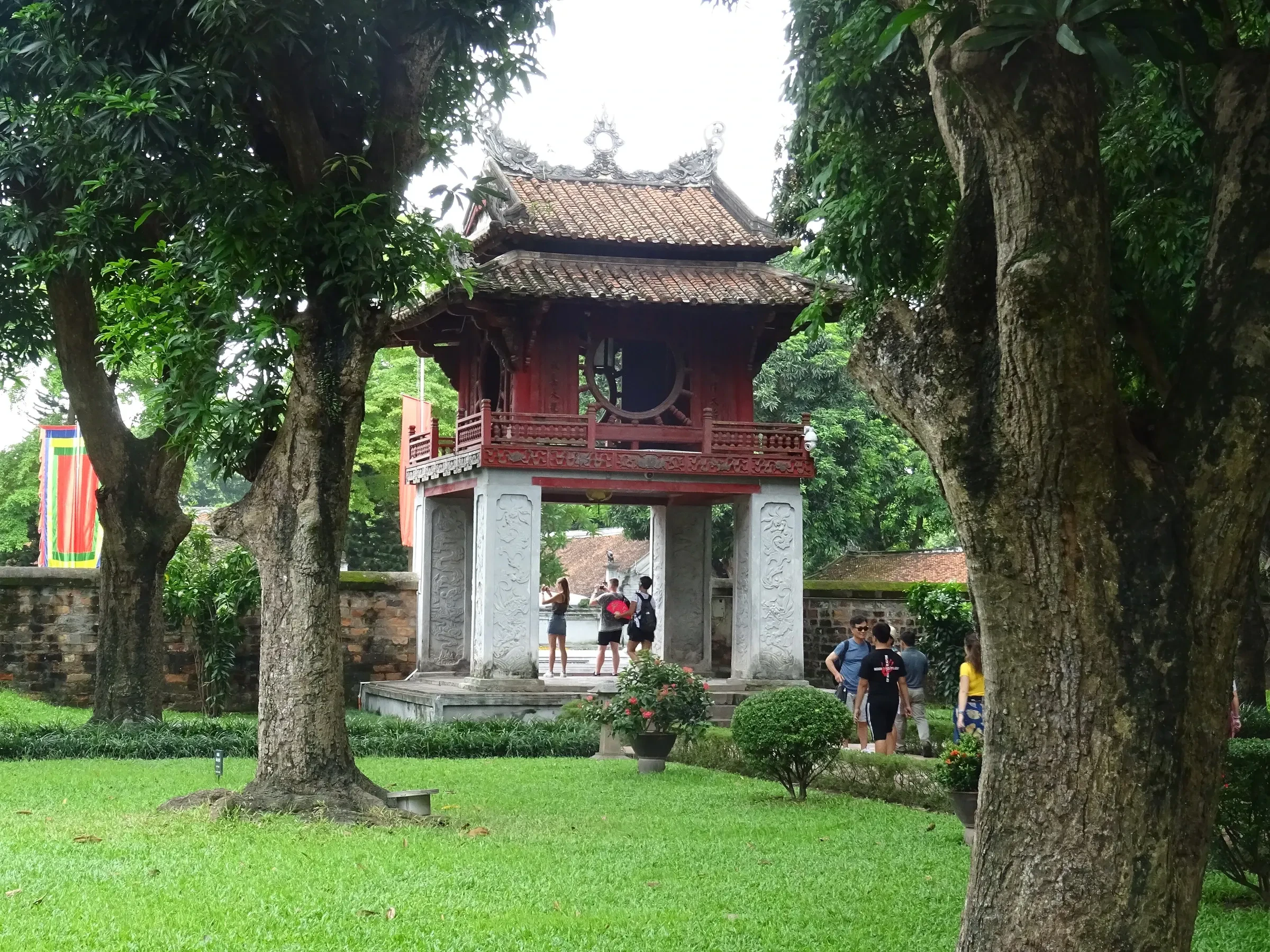
Temple of Literature
Vietnam's first university, founded in 1070, is a series of courtyards and gates dedicated to Confucius, with stone stelae recording the names of doctoral graduates going back centuries. Entry is 70,000 dong since Hanoi's 2024 fee rise, and it's open 8am to 5pm. On Wednesday, Saturday and Sunday evenings there's a separate ticketed night show from 6.30pm to 10.30pm.
Hoa Lo prison museum
Built by the French and later used to hold American prisoners of war during the Vietnam War, Hoa Lo is a sobering half hour or so. Entry is 50,000 dong, and it's open roughly 8am to 5pm.
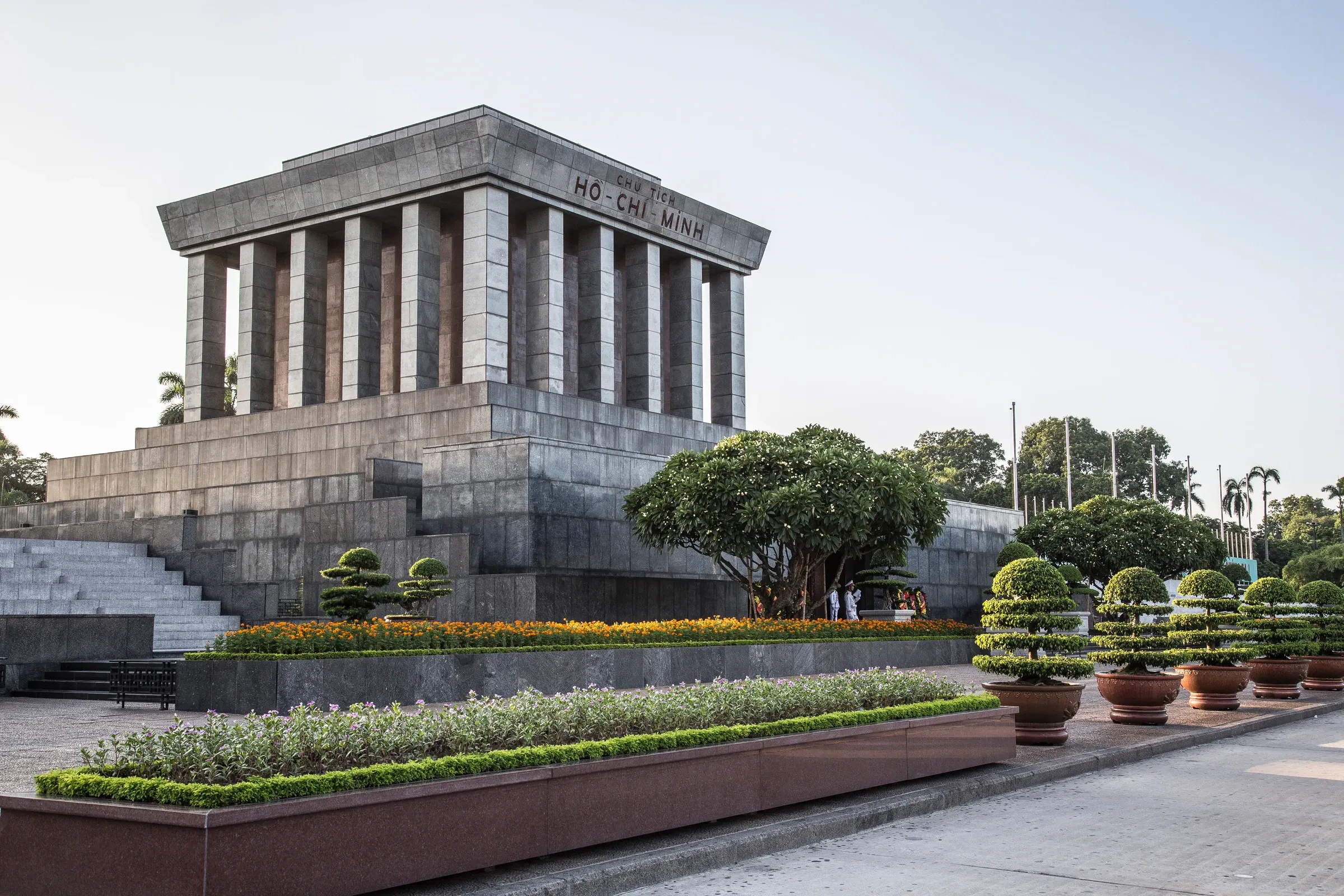
Ho Chi Minh Mausoleum complex
Ho Chi Minh's body lies in state here, and entry is free. Opening hours change with the season: 7.30am to 10.30am from April to October, and 8am to 11am from November to March, with an extra half hour at weekends and on public holidays. It's closed on Mondays and Fridays. It also shuts for about two months of annual maintenance each autumn: in 2026 that runs from 4 September to 2 November, and the mausoleum reopens on 3 November (announced by the mausoleum's management, reported by Vietnam News on 10 August 2026). Cover your shoulders and knees, and don't take photos inside.
Train Street in 2026
The narrow lane where houses lean over the tracks near Tran Phu and Le Duan is still one of Hanoi's most photographed corners, but the rules have tightened. In March 2025, Hanoi's tourism department told travel agencies not to organise tours there. On 27 February 2026, the city and the Ministry of Construction agreed to cut passenger train frequency through the area and suspend freight. The cafes along the tracks aren't officially sanctioned, and the city has kept warning people off the rails, so don't stand on them. Treat it as something to see in your own free time, not as a booked activity, and expect fewer trains than before.
Water puppets and the weekend walking street
The Thang Long Water Puppet Theatre, at 57B Dinh Tien Hoang beside Hoan Kiem Lake, puts on shows of about an hour several times a day, with tickets from about 100,000 to 200,000 dong depending on the seat. From Friday evening to Sunday midnight, the streets around the lake and through parts of the Old Quarter close to traffic for the weekend walking street, when families come out and street performers take over the pavements. Hours and routes can change, so check locally.

For a broader spread of markets and museums, Dong Xuan Market, at the northern edge of the Old Quarter, is Hanoi's biggest covered market and worth a browse even if you're not buying.
Food in Hanoi
Hanoi is one of the best cities in the world to eat cheaply and well. A bowl of pho, a plate of bun cha or a banh mi from a street stall costs about 30,000 to 80,000 dong. Try an egg coffee, a Hanoi invention of egg yolk whisked with condensed milk over coffee, and spend an evening at the bia hoi "beer corner" around Ta Hien and Luong Ngoc Quyen, where a small glass of draught beer costs about 15,000 to 30,000 dong and the plastic stools spill onto the pavement from about 7pm to 1am. A guided street food walking tour, usually 3 hours and covering several stalls, costs roughly US$20 to 45.
How many days do you need in Hanoi?
Two to three days is right for most people: one day for the Old Quarter, the lake and the Temple of Literature, a second for Hoa Lo, the Ho Chi Minh complex and the weekend walking street if the dates line up, and a spare half day for food and shopping before you head out to the mountains or the bay. If you're short on time, the Old Quarter and Hoan Kiem Lake alone cover the essentials in a single busy day.
Best time to visit Hanoi
Hanoi has cold winters and a hot, wet summer, with the most comfortable weather in spring and autumn.
| Month | High / low | Rain | What it's like |
|---|---|---|---|
| January | 20°C / 14°C | Dry | Cool and often grey |
| February | 22°C / 16°C | Dry | Warming up. Plan around Tet |
| March | 26°C / 21°C | Dry | One of the best months |
| April | 29°C / 22°C | Showers | Warm and mostly dry |
| May | 33°C / 25°C | Wetter | Hot, humidity rising |
| June | 35°C / 27°C | Wet | Hot and humid |
| July | 34°C / 27°C | Wet | Hot and humid |
| August | 33°C / 26°C | Wet | Hanoi's wettest month |
| September | 32°C / 25°C | Wet | Still humid, cooling slowly |
| October | 30°C / 23°C | Drying | Clear and mild. One of the best months |
| November | 27°C / 20°C | Dry | Cool, fresh and dry |
| December | 21°C / 14°C | Dry | Cold and often grey |
December to February is cool, with averages of about 14 to 22°C and colder, often grey and drizzly days. Bring a jacket. May to August is hot and humid, at about 33 to 35°C, with heavy downpours. October to April is the most comfortable stretch overall, and October and November, clear and mild, are probably the best two months of all. Our best time to visit Vietnam guide covers the rest of the country, and plan around Tet, the Lunar New Year, which falls on 6 February 2027 and closes many small restaurants and shops for several days either side (see our Tet guide).
Hanoi on our trips
Three of our Vietnam group trips for solo travellers aged 18 to 40 start in Hanoi, and your Trip Host is with the group from the first evening.