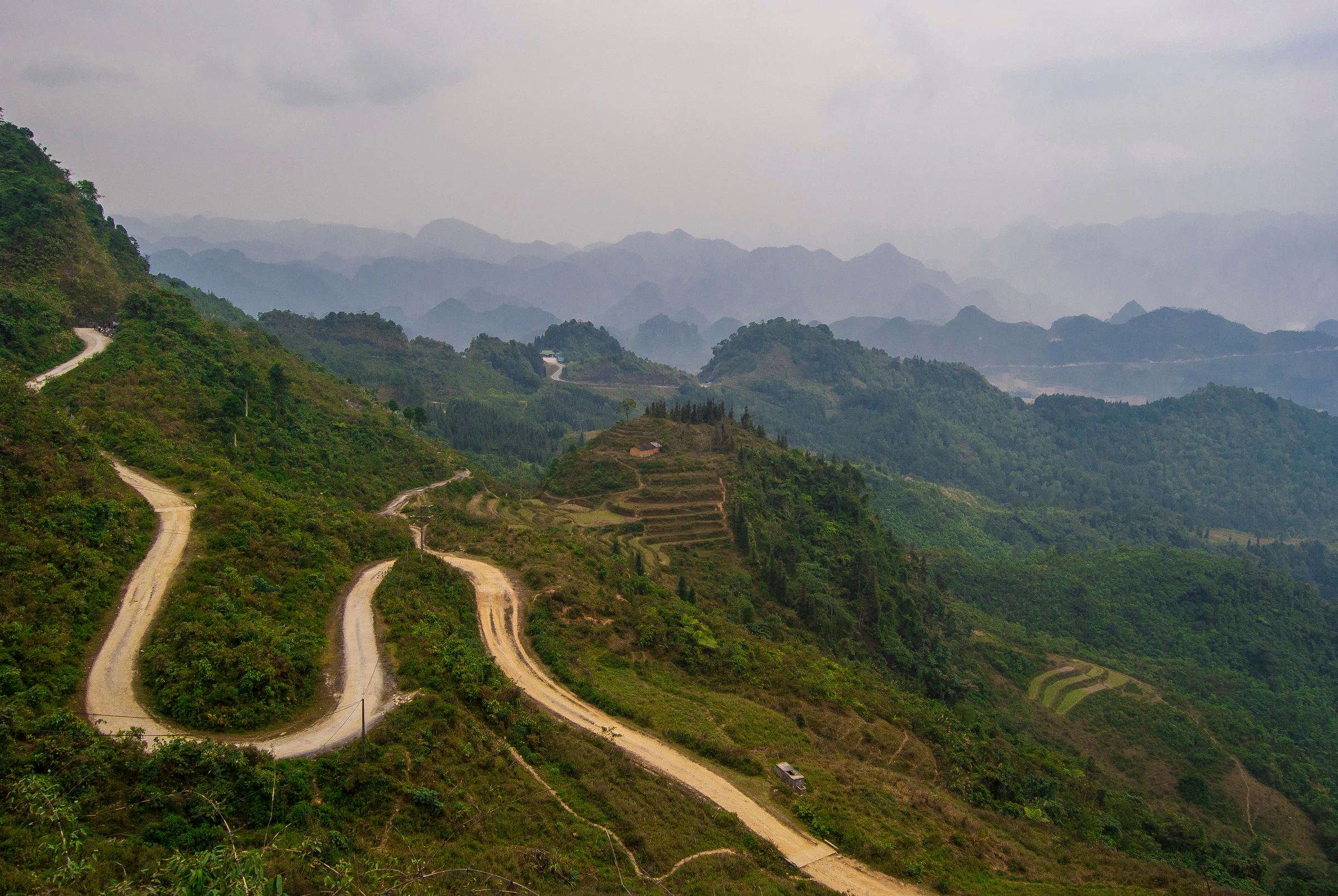
Both sit in Vietnam's mountainous far north and both are reached from Hanoi, which is why nearly everyone planning a first Vietnam trip ends up choosing between them. But they're built for different things. Sapa is a walking destination with rice terraces and village homestays. Ha Giang is a motorbike destination with a famous loop road and a handful of viewpoints you stop at along the way. This guide sets out how they compare, so you can pick one or work out how to fit in both.
Sapa and Ha Giang at a glance
| Sapa | Ha Giang | |
|---|---|---|
| What you do | Valley treks, village homestays, the Fansipan cable car | The Ha Giang Loop, a 4-day motorbike circuit |
| Scenery | Rice terraces in the Muong Hoa valley, close and human-scaled | Limestone karst peaks on the Dong Van Plateau, big and dramatic |
| Ethnic minority villages | Hmong, Red Dao and Giay villages in the valley below the town | Hmong, Tay, Dao and other groups across the plateau, especially at Sunday markets |
| How long | 3 days is about right | 4 or 5 days is right for most people |
| Getting there from Hanoi | 5 to 6 h by bus or van, or an overnight train to Lao Cai | 5.5 to 6.5 h by day van, or 7 to 8 h overnight by sleeper or cabin bus |
| Cost | US$35 to 55 a day | US$50 to 80 a day on the loop; about US$190 to 240 for a 4-day tour at budget operators |
| Best season | September to November and March to May | October and November, with March and April a good shoulder season |
| Getting around | On foot, with or without a local guide | Pillion behind a licensed "easy rider", or self-drive with a home licence plus a 1968-convention IDP |
| Safety | Slippery paths, cold nights and rainy-season road delays | The country's clearest motorbike risk, tightened by new operator rules in April 2026 |
Trekking vs the motorbike loop
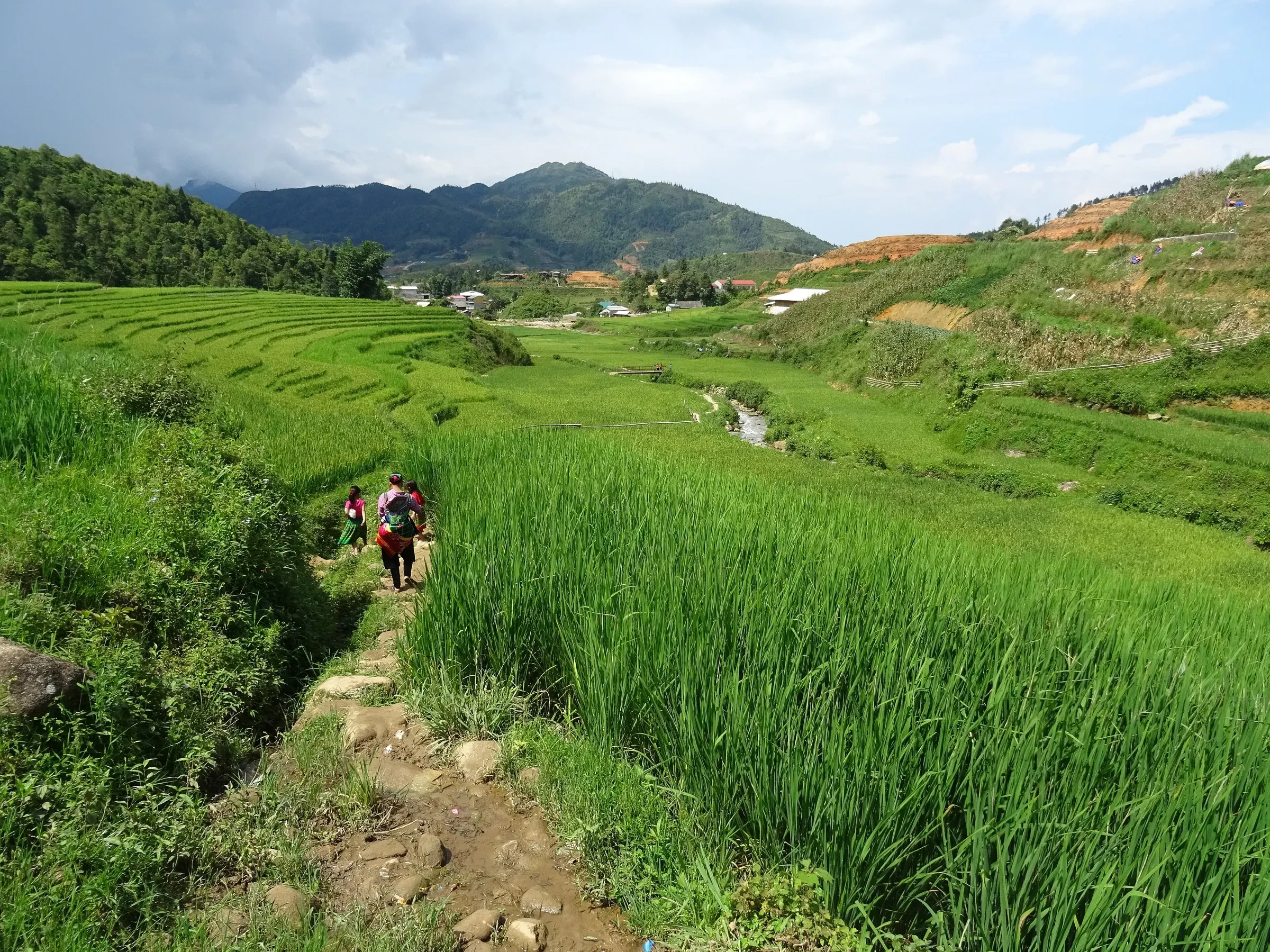
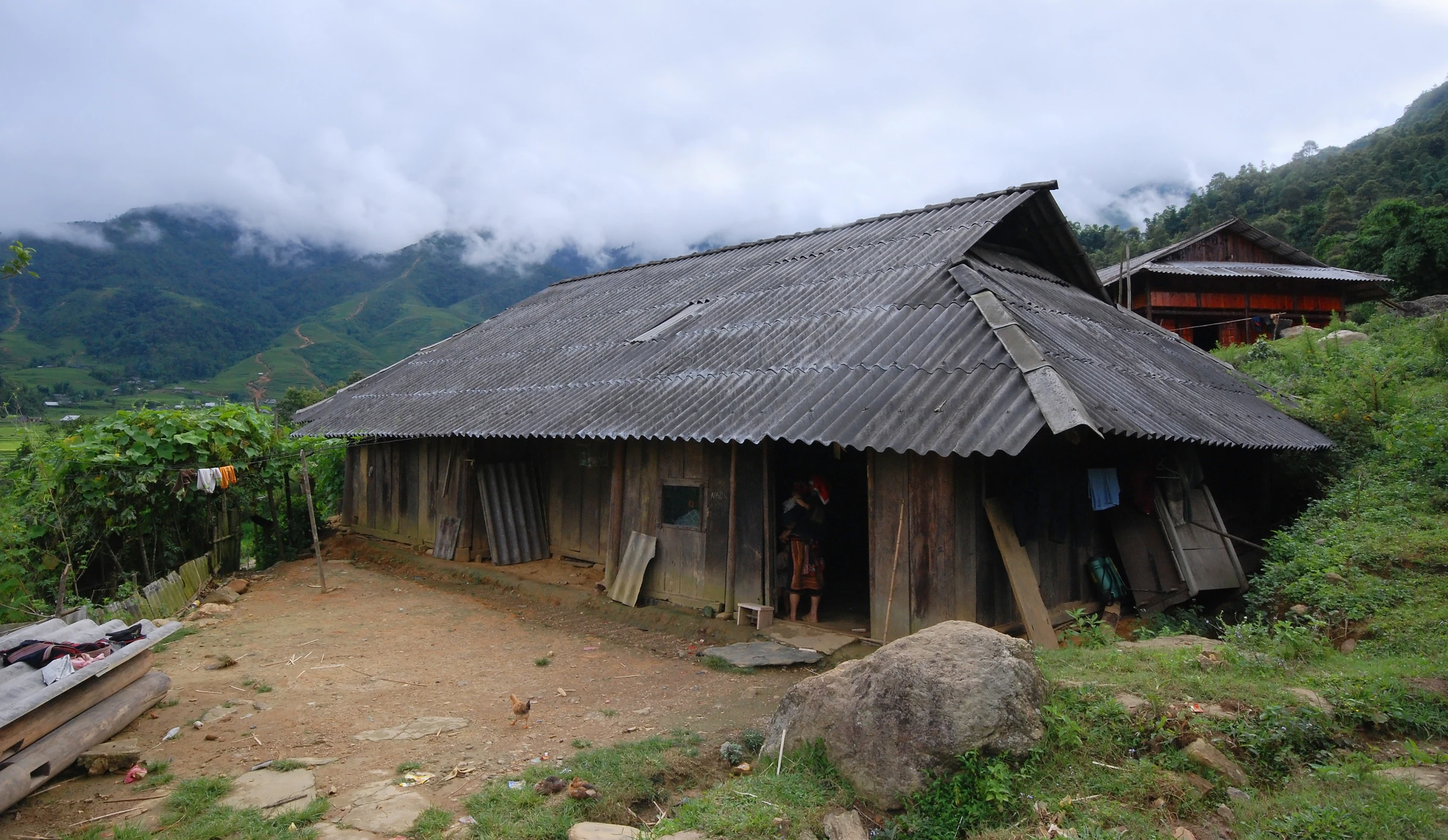
Sapa is a walking trip. The classic route drops out of town through Y Linh Ho or Lao Chai to Ta Van, about 9 to 12 km through rice terraces with the Muong Hoa river below, done in a day or over two with a homestay night. A guide isn't legally required for the main valley routes, though a local Hmong or Dao guide, at roughly 500,000 to 700,000 VND a day, is worth having and keeps the money in the valley. The one exception is Fansipan, where a licensed guide is required for the on-foot route.
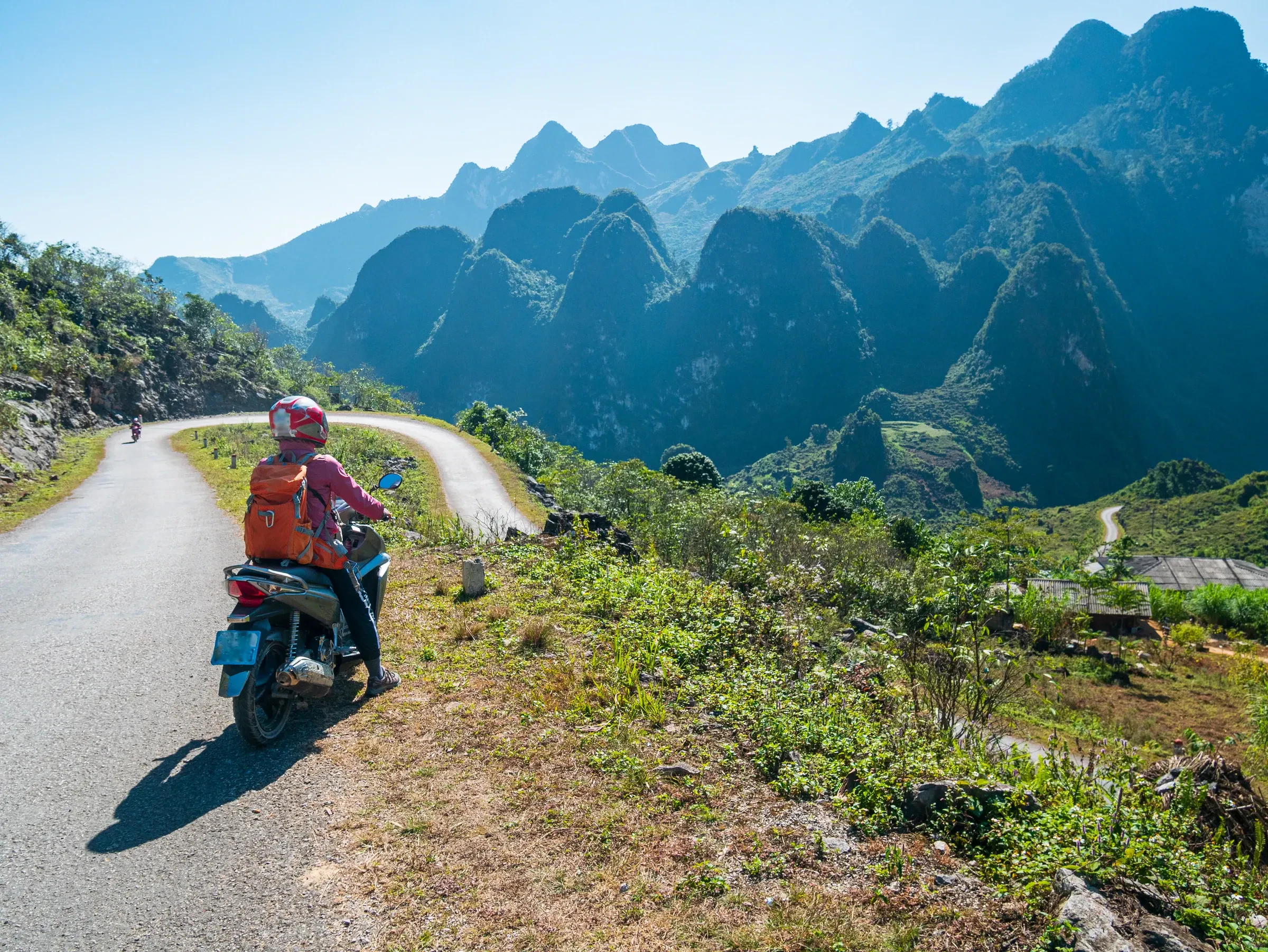
Ha Giang is a riding trip. The loop covers about 350 km through the Dong Van Karst Plateau, usually over 4 days from Hanoi and back. Most people ride pillion behind a licensed local "easy rider", which is what we'd recommend for almost everyone. To ride yourself legally, you need a motorbike licence from home plus an International Driving Permit issued under the 1968 Vienna Convention. Standard permits from the US, Canada, Australia, New Zealand, India, Ireland and Spain don't qualify, which is the main reason most solo travellers go pillion instead.
Winner: it depends what you'd rather spend your days doing. Choose Sapa for walking, Ha Giang for riding.
Scenery
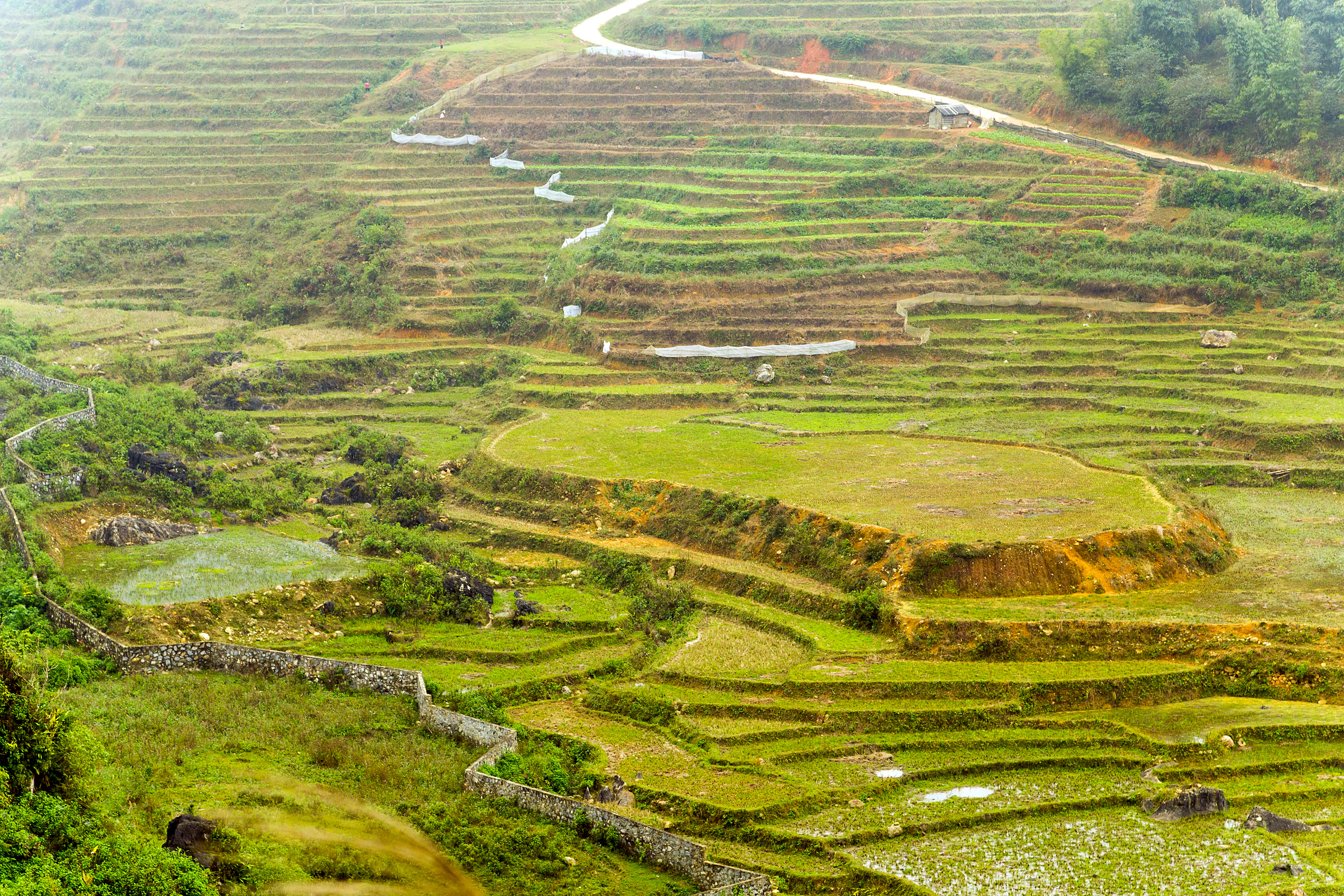
Sapa's scenery is close up: steep valleys cut into rice terraces, bamboo groves, and villages you walk directly through. Fansipan, at 3,143 metres the highest peak in Vietnam, rises above the town and can be reached by cable car or a full day's hike from Tram Ton.
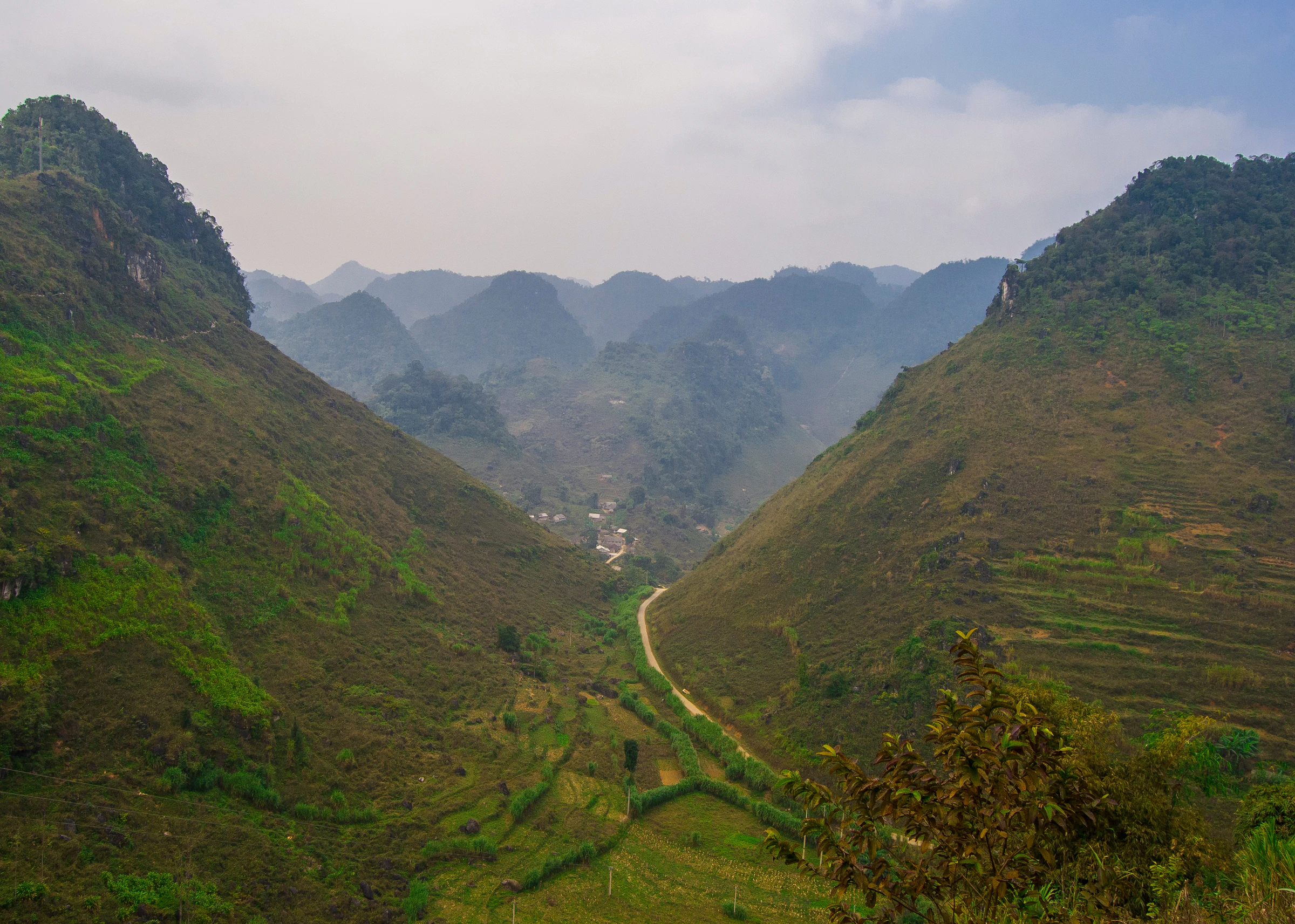
Ha Giang's scenery is on a bigger scale. The Dong Van Karst Plateau, a UNESCO Global Geopark since 2010, is grey limestone peaks and corn fields planted on impossibly steep slopes, with the road cut along the cliff at Ma Pi Leng above the green Nho Que River.
Winner: Ha Giang, for scale and drama. Sapa's reward is a slower, closer look at similar mountains.
Crowds
Sapa town itself is busy and built up, with hotels, cafes and a night market, and Cat Cat, the closest village to town, is the most touristy stop on the valley routes. Go early or late in the day if you'd rather avoid the crowds there. The best trekking months, September to November and March to May, are also the busiest, so book homestays ahead.
Ha Giang spreads people out over 350 km of road rather than a handful of valley paths, so it feels less crowded day to day. Its own busy weeks are October and November, when pink buckwheat flowers peak and Dong Van's Sunday market draws the biggest crowds of the week.
Winner: Ha Giang, simply because there's more road to spread travellers across.
Ethnic minority villages and responsible visits
Around Sapa, treks pass through Hmong, Red Dao and Giay villages, and many trips end with a homestay night in Ta Van or a nearby village, eating dinner with the family. On the plateau around Ha Giang, Hmong, Tay, Dao and other groups live in villages such as Lung Cam, with its earth-walled houses, and gather for Sunday markets in Dong Van and Meo Vac that draw people from miles around.
The same courtesy applies in both places: ask before stepping inside a home or a sacred site, dress modestly, and hire adult guides through a homestay, cooperative or licensed agency rather than children who offer to show you around. These are working villages, not a backdrop for photos.
Winner: Sapa, for the closer, slower contact a homestay night gives you. Contact in Ha Giang is mostly through markets and roadside stops on a moving trip.
How long do you need
Three days is about right for Sapa: a two-day trek with a homestay night, plus a day for Fansipan, Cat Cat or the Bac Ha market if it's a Sunday. Two days works but feels rushed.
Ha Giang needs a bit more. 4 or 5 days is right for most people, since the loop itself takes 3 or 4 riding days and you lose a day at each end getting to and from Hanoi. Three days is possible, but usually means a long first day straight off a night bus and cutting the Du Gia waterfall.
Winner: Sapa, if your time from Hanoi is tight.
Getting there from Hanoi
Ha Giang has no airport or railway at all, so it's the road or nothing. Sapa has no airport either, but the night train to Lao Cai gives it one extra option. Sapa is about 5.5 to 7 hours by bus or limousine van, or an overnight train to Lao Cai followed by about an hour's drive; a bus or van costs roughly 390,000 to 680,000 VND (US$15 to 26). Ha Giang is a day van of 5.5 to 6.5 hours (450,000 to 600,000 dong, US$18 to 24), or a sleeper or cabin bus overnight of 7 to 8 hours, which saves a night's accommodation but is a rough start to a riding day.
There's no direct road between Sapa and Ha Giang, so most people travelling between the two go back through Hanoi rather than trying to cut across.
Winner: about even. Sapa has the extra option of the night train; Ha Giang doesn't.
What it costs
Sapa's costs are mostly small, per-activity fees on top of a night's accommodation: entry to the Lao Chai and Ta Van area is 75,000 VND, Cat Cat is about 150,000 VND, a local trekking guide is roughly 500,000 to 700,000 VND a day, a village homestay is roughly 250,000 to 800,000 VND a night, and the Fansipan cable car is about 800,000 to 850,000 VND return.
Ha Giang's main cost is the easy rider and bike, at about US$48 to 60 a day of a tour; a full 4-day easy-rider tour runs about US$190 to 240 in total at budget operators, and some quote US$280 or more. On top of that come the day van from Hanoi at each end and the border-area permit, which sources price at roughly 210,000 to 300,000 dong. Be wary of tours priced well below this: the saving usually comes out of the riders' pay, the bikes' upkeep or how many hours the riders work.
Winner: Sapa, mainly because you're not paying for a rider and a bike every day.
Best season
Sapa's clearest, driest windows are September to November, when the golden rice harvest peaks in mid-September, and March to May, as the terraces are freshly planted and flooded. Avoid December to February if you dislike the cold, and June to August, the wettest stretch, when landslides can close mountain roads.
Ha Giang's best window is October and November, dry and clear with pink buckwheat flowers peaking from late October to mid-November; March and April are a good shoulder season with early blossom. May to September is hot, wet and the riskiest time to be on the loop's roads.
Winner: a tie. Both peak in October and November, which makes that stretch the easiest time to do both back to back.
Safety
Vietnam's everyday risks are mostly unlicensed taxis, petty crime and spiked drinks or food rather than violent crime. Our Vietnam safety guide covers this for the whole country.
Ha Giang carries the clearer extra risk of the two, because it involves a motorbike. On 29 March 2026 a 19-year-old British traveller was fatally injured in a crash while riding as a passenger on the loop, and died on 2 April. The province then tightened its rules: only licensed travel agencies can run or sell motorbike tours, bikes must be maintained and carry helmets and safety gear, and operators must brief passengers on the rules and compulsory gear. Choosing a licensed operator, wearing the gear provided and asking your rider to slow down all matter here.
Sapa's risks are more everyday: slippery paths after rain, cold nights at altitude, and road delays into and out of town during the wet season. There's no comparable licensing regime for trekking, since a guide isn't legally required on the main valley routes.
Winner: Sapa, for most travellers. Walking a valley path carries less inherent risk than riding pillion on a mountain road.
Which should you choose?
| You are... | Choose... |
|---|---|
| Someone who wants walking, homestays and village life at a slower pace | Sapa |
| Someone who wants a big motorbike adventure and dramatic mountain roads | Ha Giang |
| Nervous about motorbikes, or not interested in riding one | Sapa |
| Working with 3 days or less from Hanoi | Sapa |
| Happy to ride pillion and chasing the most dramatic scenery | Ha Giang |
| Travelling in the June to September wet season and can't move your dates | Sapa, since its valley paths carry less road risk than Ha Giang's in landslide season |
Why not both?
There's no shortcut between them, so doing both means routing back through Hanoi in the middle. A realistic version runs about 8 to 10 days: a day van up to Ha Giang, 3 to 4 riding days on the loop with a licensed easy rider, a day back to Hanoi, a night to recover, then a van out to Sapa for a 2 to 3 day trek with a homestay night, and a final day back to Hanoi to fly home. October and November work for both legs, which is the simplest reason to build a trip around that window.
Our Northern Vietnam Mountains trip runs a version of exactly this route over 10 days: four days on the Ha Giang Loop with a licensed easy rider and the border permit included, back to Hanoi for a night, then out to Sapa for Cat Cat village and a full day trekking the Muong Hoa valley to a Ta Van homestay, with a licensed local trekking guide and your Trip Host with the group throughout.