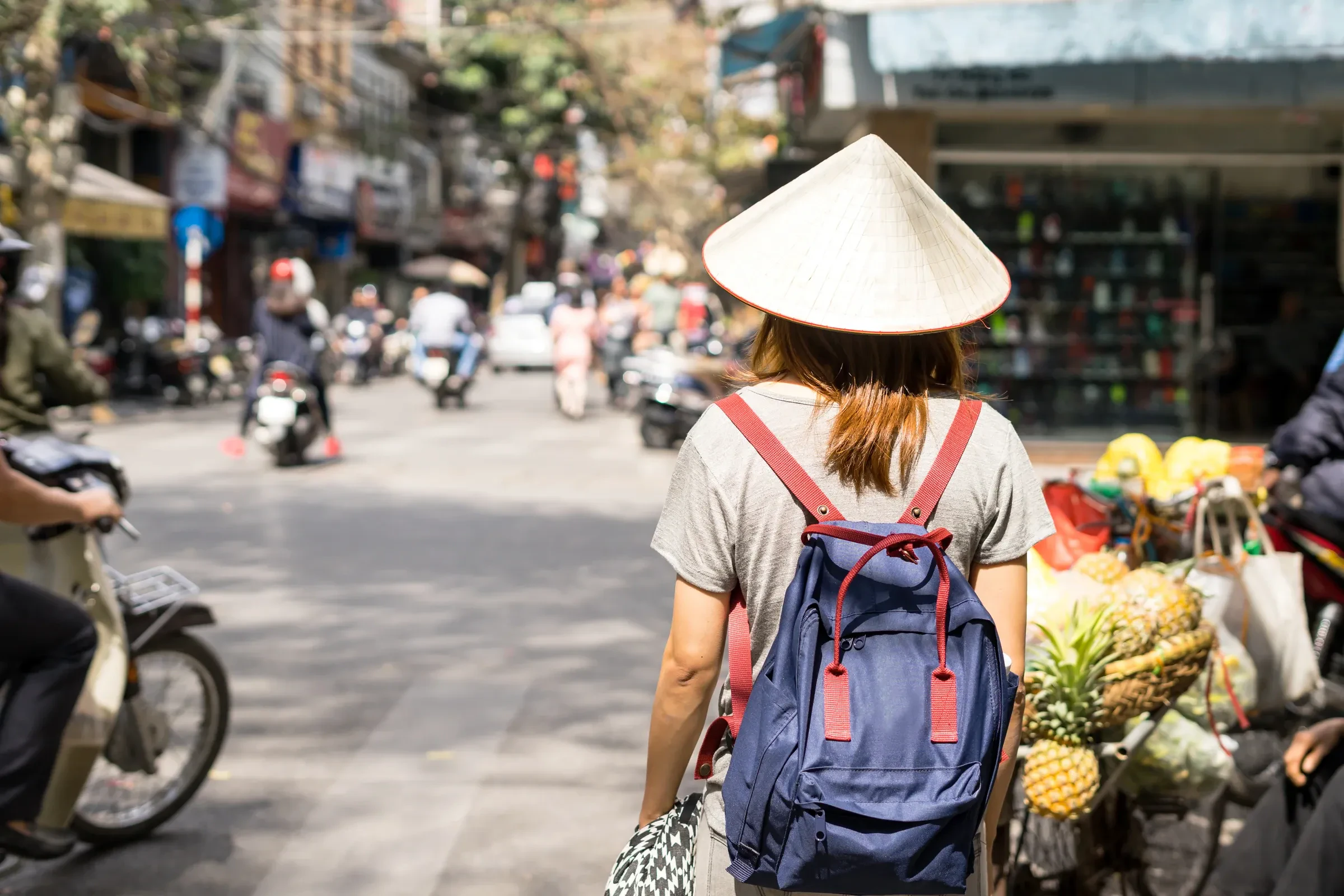
Vietnam is one of the easiest countries in Southeast Asia to travel through alone. The north-to-south route is well worn, hostels are cheap and social, and English is widely understood on the tourist trail. None of that means nothing goes wrong, so this guide sets out what official advice actually says, the risks that come up again and again, and what to do about each one.
What official travel advice says about Vietnam
Official advice agrees on the shape of the risk, even if each government words the overall level differently.
| Source | Overall level (Oct 2026) |
|---|---|
| UK FCDO | No single headline level published; advises normal precautions with specific warnings below |
| Australia (Smartraveller) | Check the current advice |
| US State Department | Check the current advice |
| Canada | Exercise a high degree of caution, because of petty crime |
Neither the FCDO nor Canada lists Vietnam's tourist cities or our routes as places to avoid. The UK Foreign Office says reported rapes and sexual assaults on British nationals have often been linked to unlicensed taxi drivers, and that women have reported being indecently assaulted while walking alone, so its main practical advice is about which taxi to get into rather than which city to avoid. Canada's advice for women names beach resorts, bars, clubs and public transport as the settings where harassment and assault are most often reported.
Read the current version for your own nationality before you travel, since advice changes: gov.uk/foreign-travel-advice/vietnam, smartraveller.gov.au/vietnam, travel.gc.ca/vietnam, travel.state.gov.
The everyday risks, and what to do about each one
Unlicensed taxi drivers. This is the one both the FCDO and Canada come back to. Book through an app rather than hailing a car on the street, especially at night. Grab and Xanh SM are named by the FCDO as the safer options; Gojek left the Vietnamese market in September 2024. Check the plate and driver photo match the app before you get in.
Motorbike bag-snatching. The FCDO calls bag-snatching by thieves on motorcycles common, and Canada says pickpocketing and purse snatching happen frequently, particularly in larger cities. The FCDO advises holding your bag in front of you or on the side away from the traffic. If someone does grab it, let go rather than get dragged.
Drink and food spiking. Spiked drinks and food are a known risk in tourist areas. Watch drinks being made, don't accept drinks from strangers, and get help quickly if you feel suddenly unwell.
Theft on overnight transport. Keep valuables on you, not in an overhead rack, on sleeper trains and overnight buses.
Xe om (motorbike taxis). Canada says they are not safe and advises official taxis or trusted ride-hailing apps instead. A car-based app is the easier substitute in cities.
Emergency numbers. Police 113, fire 114, ambulance 115. The FCDO says the lines are operated in Vietnamese only, so it helps to have your accommodation or a Vietnamese speaker call for you if you can. The national search and rescue number is 112.
Vietnam's motorbike roads and the Ha Giang Loop
The single biggest safety change to know about in 2026 concerns motorbikes, not crime. If you're travelling around Vietnam yourself, the vehicle you're most likely to get hurt on is a bike, not a taxi.
On 29 March 2026, a 19-year-old British traveller was fatally injured in a crash while riding as a passenger on a motorbike on the Ha Giang Loop, the mountain circuit in Vietnam's far north, and died in hospital on 2 April. The province (now part of Tuyen Quang, after Vietnam's 2025 provincial merger) announced stricter rules for tour operators in April 2026. Firms without a travel agency licence may not organise or sell tours, and bikes must be maintained and come with helmets and protective gear. Operators need written contracts naming their drivers and routes, tourists must get a safety briefing, and accidents must be reported promptly to the authorities. Press reports of the rules don't mention limits on riders' working hours or group sizes, so the operator you choose still matters more than the rules alone.
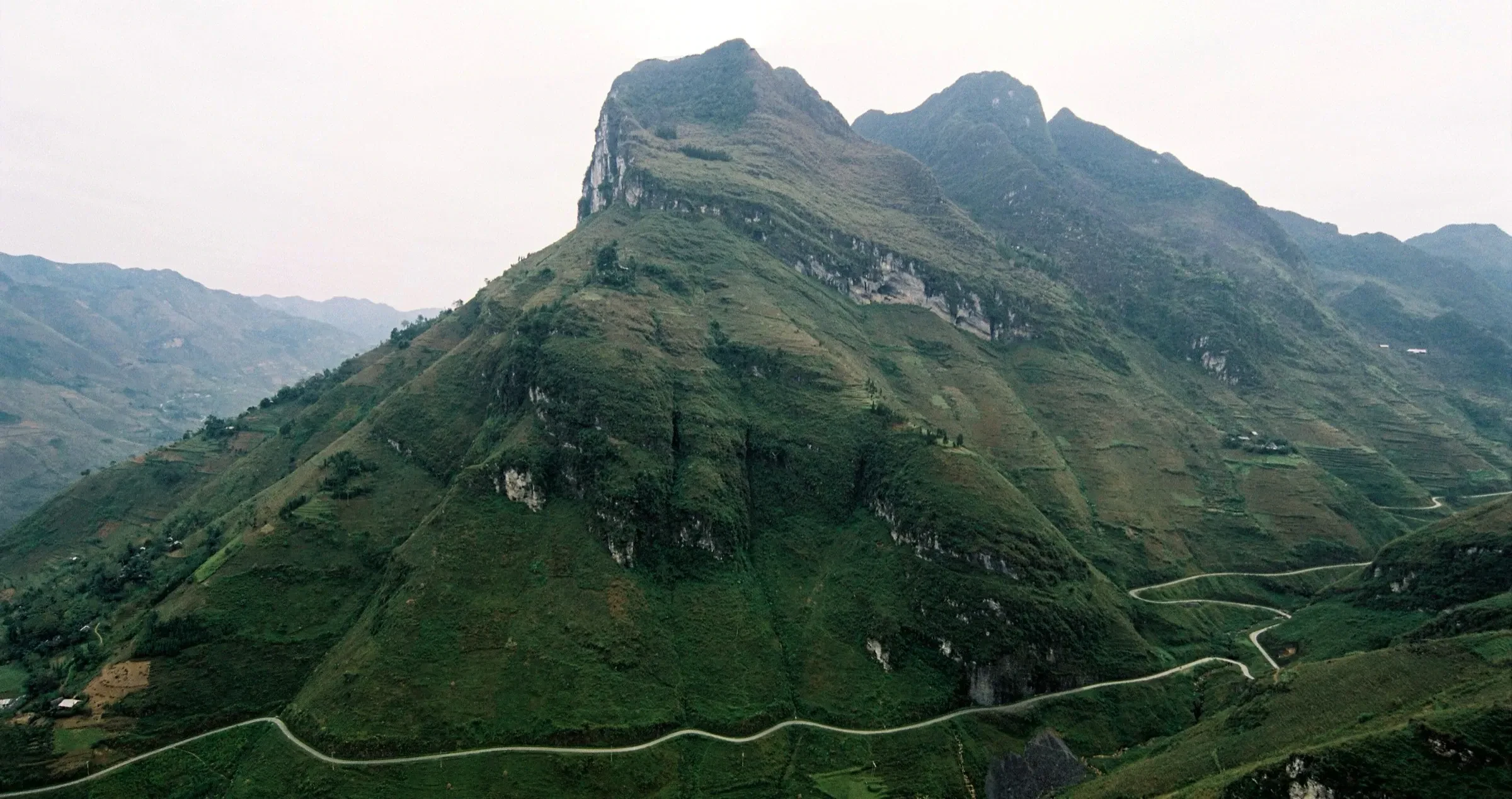
The licence problem. To ride a motorbike yourself anywhere in Vietnam, you legally need both a licence that covers motorbikes and an International Driving Permit issued under the 1968 Vienna Convention. Permits from the US, Canada, Australia, New Zealand, India and Ireland are issued under the older 1949 convention and aren't valid here, which rules out self-driving for most of those travellers. Riding without a valid permit isn't just a fine risk: many travel insurance policies won't pay out for an accident that happens while you're doing something illegal. This is the main reason most visitors ride pillion behind a licensed "easy rider" instead of driving themselves, since the licence question doesn't apply to passengers (though it's still worth checking your policy covers you as a motorbike passenger).
Our Ha Giang Loop guide covers the route, the 2026 rules and the questions worth asking any operator in full, and the Ha Giang travel guide covers the wider area.
Solo female travellers in Vietnam
Vietnam is a genuinely easy country for a first solo trip for women. The main additions to the general advice above:
- Save your accommodation's address on a map app, and let someone know your rough plans.
- Book your first night or two ahead so you're not looking for a room after dark.
- Choose hostels with good reviews from women; some have female-only dorms.
- Cover shoulders and knees at temples and pagodas.
- On sleeper trains and buses, sit near other women or families where you can.
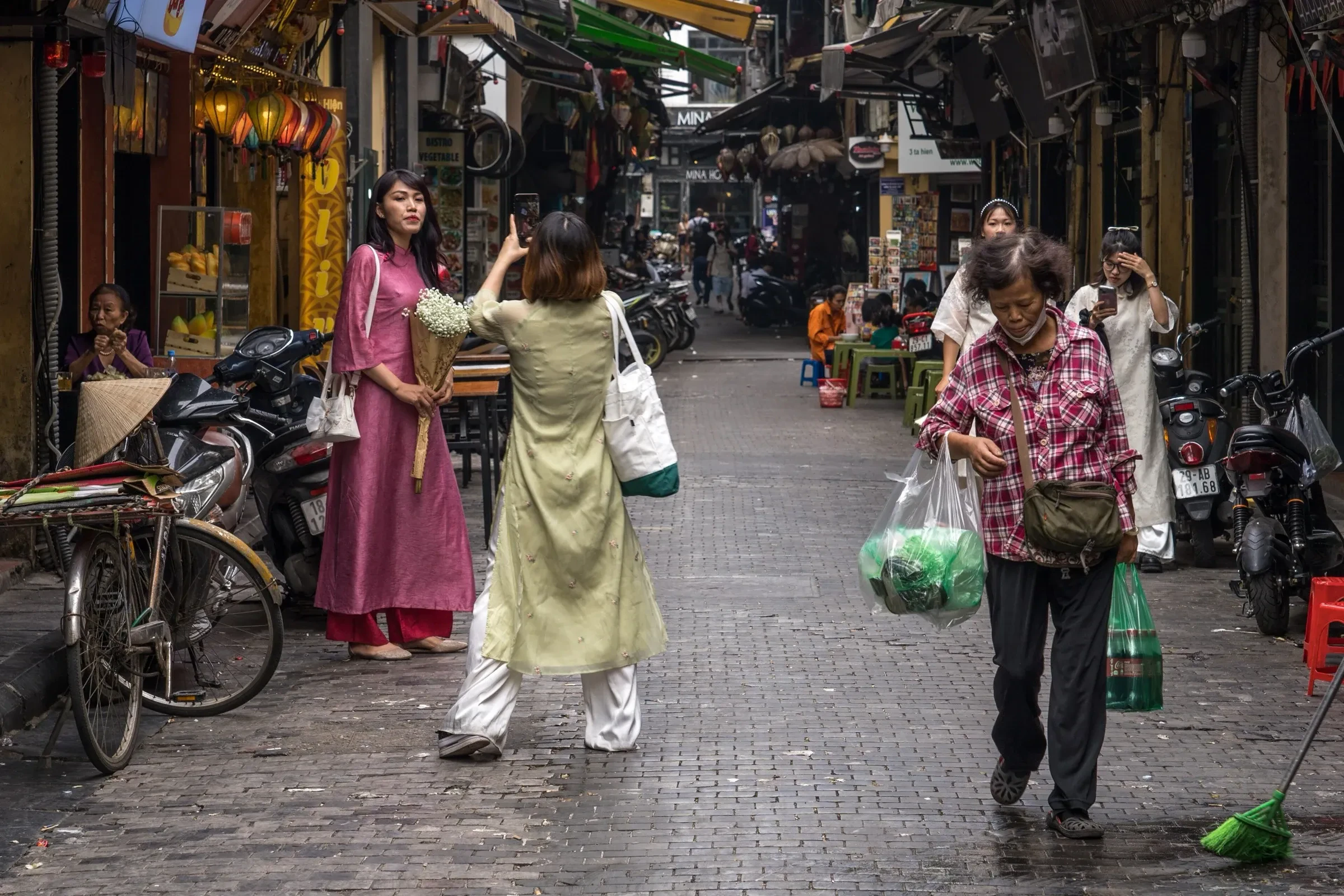
Our solo trips for women guide covers this across all our destinations, including what official advice says for each one and how a small group trip changes the picture.
Drugs, dress and the law
The FCDO says penalties for drugs, including cannabis, are severe whatever the amount, and the death penalty may be imposed. Vietnam banned e-cigarettes and heated tobacco products in January 2025. Customs officers confiscate vapes on arrival, and since 31 December 2025 people caught using one can be fined 3 to 5 million dong, so leave yours at home. Dress modestly at religious and cultural sites, generally covering shoulders and knees. Change money at banks or licensed exchange counters; swapping cash with people on the street is illegal.
Travelling Vietnam with a small group
If you'd rather not manage all of this yourself, our Vietnam trips run with a small group of solo travellers aged 18 to 40. Your Trip Host is with the group from the first evening to the last breakfast, and a licensed local agency and licensed local guides handle transport, ground services and any motorbike days such as the Ha Giang Loop, where every traveller rides behind their own licensed easy rider.