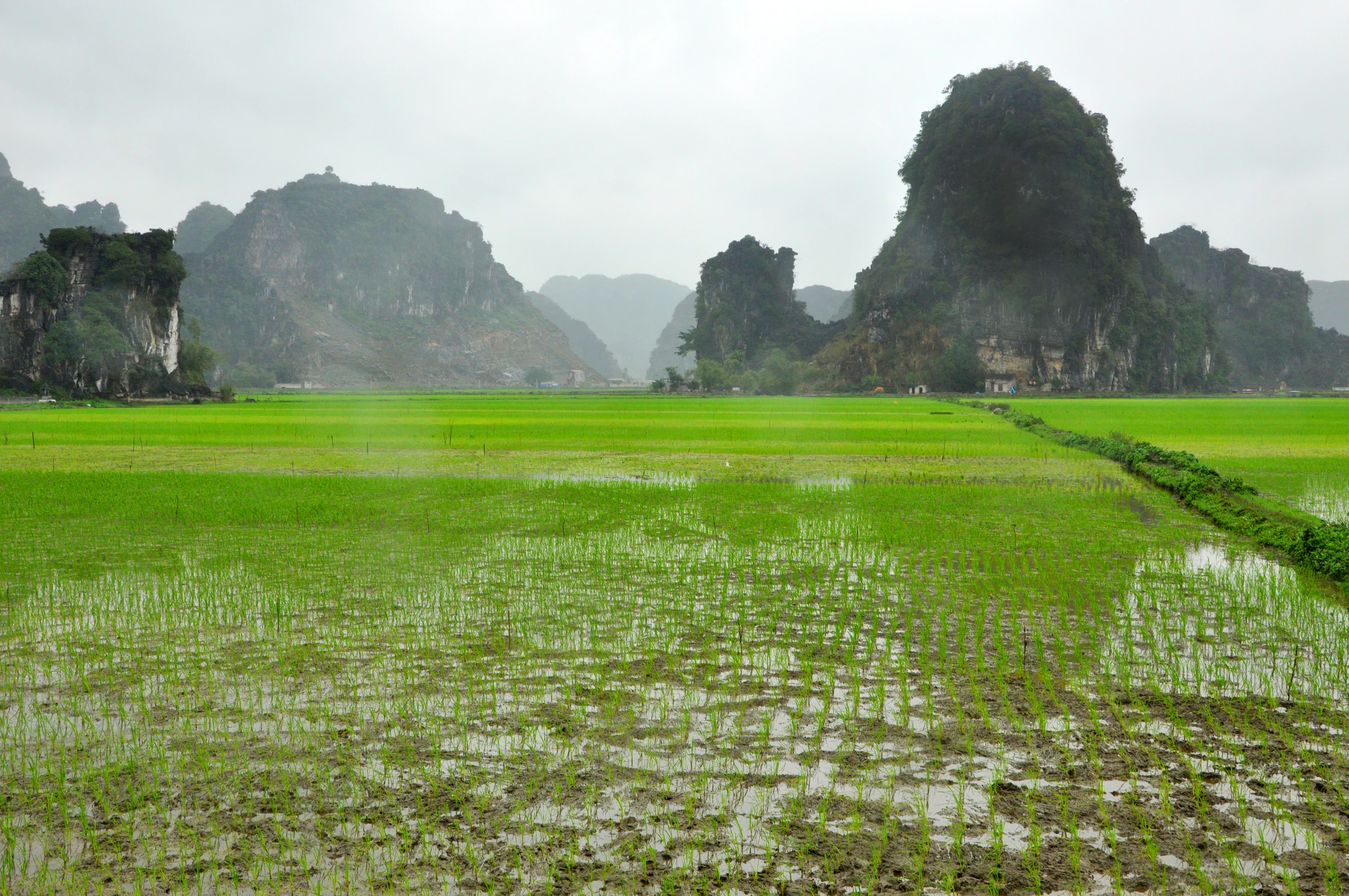
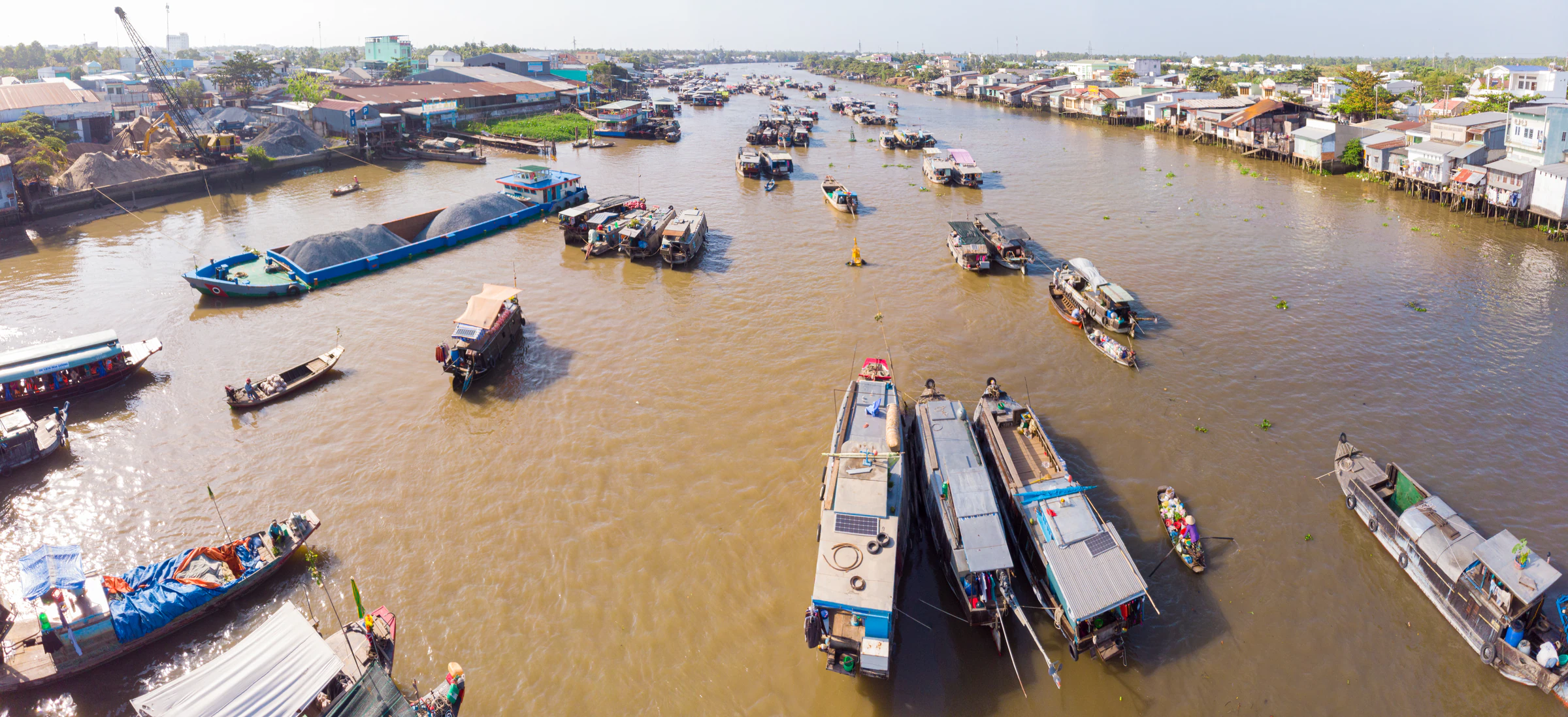
Phong Nha doesn't look like much from the road: a strip of guesthouses and cafes on the Son river, with limestone hills rising behind it. What's underneath is the reason people come. Phong Nha-Ke Bang National Park holds an extraordinary concentration of caves, from a short boat ride into a river cave to a multi-day expedition through a cave big enough to have its own jungle and weather.
Two nights is the standard stay: enough time for one full day of caves and an evening in the Bong Lai valley, without cramming in more caving than most people actually want. This guide covers the caves worth knowing about, from the show caves everyone does to Son Doong for the people who plan a year ahead, plus getting there, costs, when the park floods and how many days to give it. For the rest of the country, start with our Vietnam travel guide.
Phong Nha at a glance
- Where: Phong Nha-Ke Bang National Park, central Vietnam (administratively part of Quang Tri province since a 2025 merger, though many sites still say Quang Binh)
- Getting there: fly into Dong Hoi (about 45 km away) or take the overnight sleeper train, then a van to Phong Nha town
- Known for: Paradise Cave, Dark Cave, Son Doong (the world's largest cave passage), the Bong Lai valley
- Best months: February or March to August, before the rivers rise
- How long: two nights is standard; longer if you're doing the Hang En trek or a Son Doong expedition
The caves of Phong Nha
There's a cave here for every budget and appetite, from an afternoon boat ride to a multi-day expedition.
Phong Nha Cave
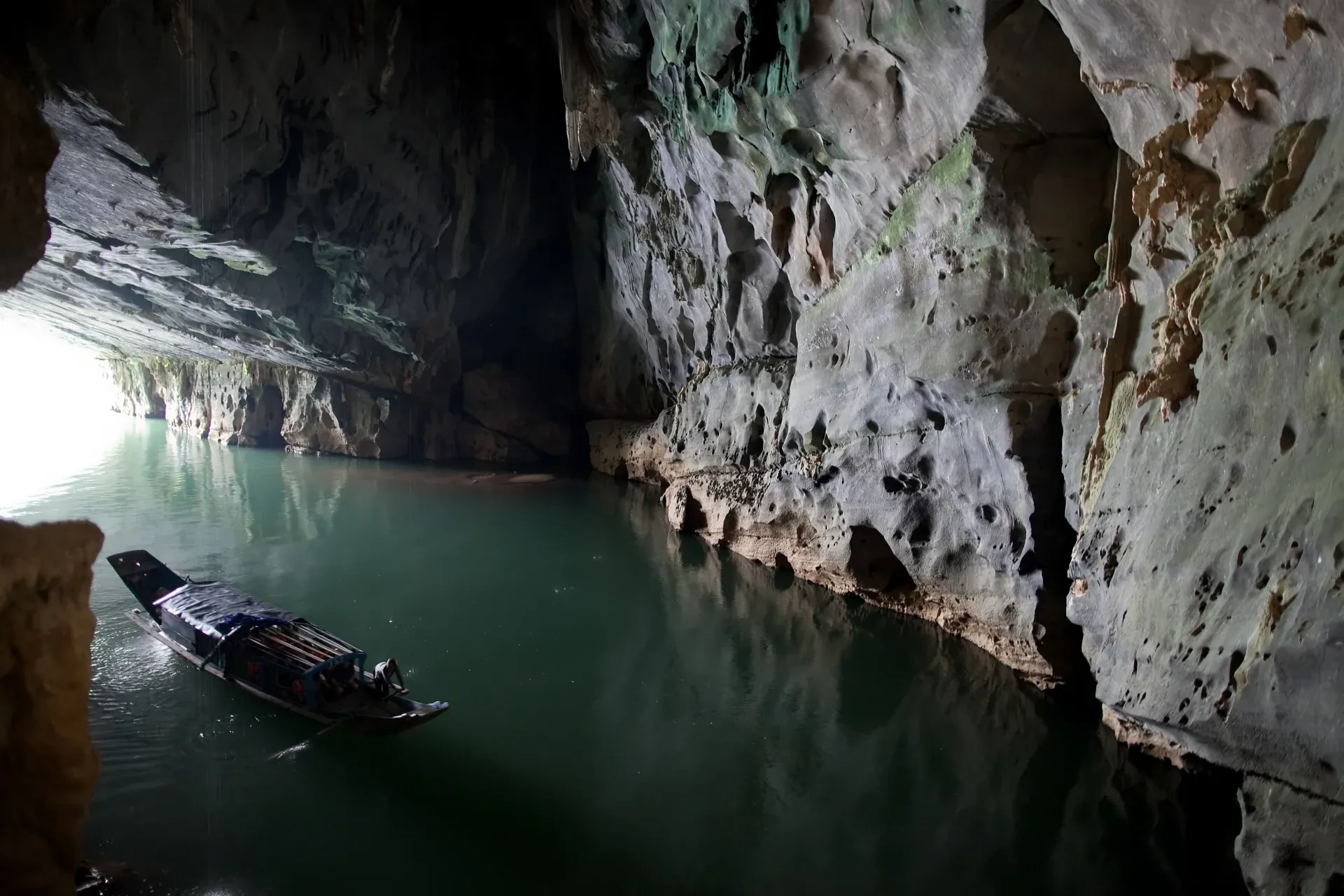
A boat trip up the Son river into a long wet cave, with a short wade or walk partway through. It's the original show cave here and the gentlest option: about two to three hours all in, with the boat ride itself taking 25 to 30 minutes each way. Adult entry is 150,000 VND, plus a boat fee of 550,000 to 700,000 VND shared between up to 12 people.
Paradise Cave
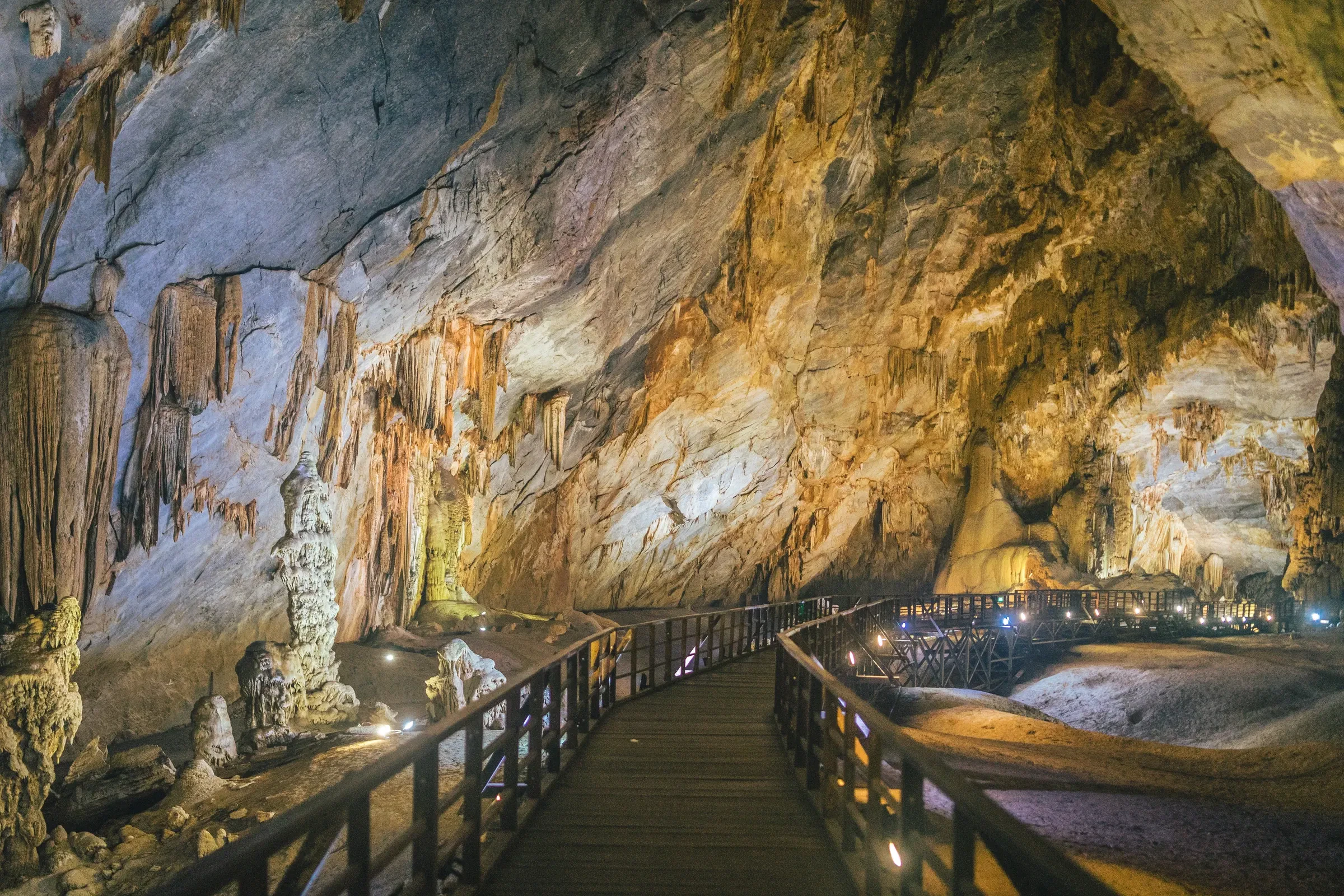
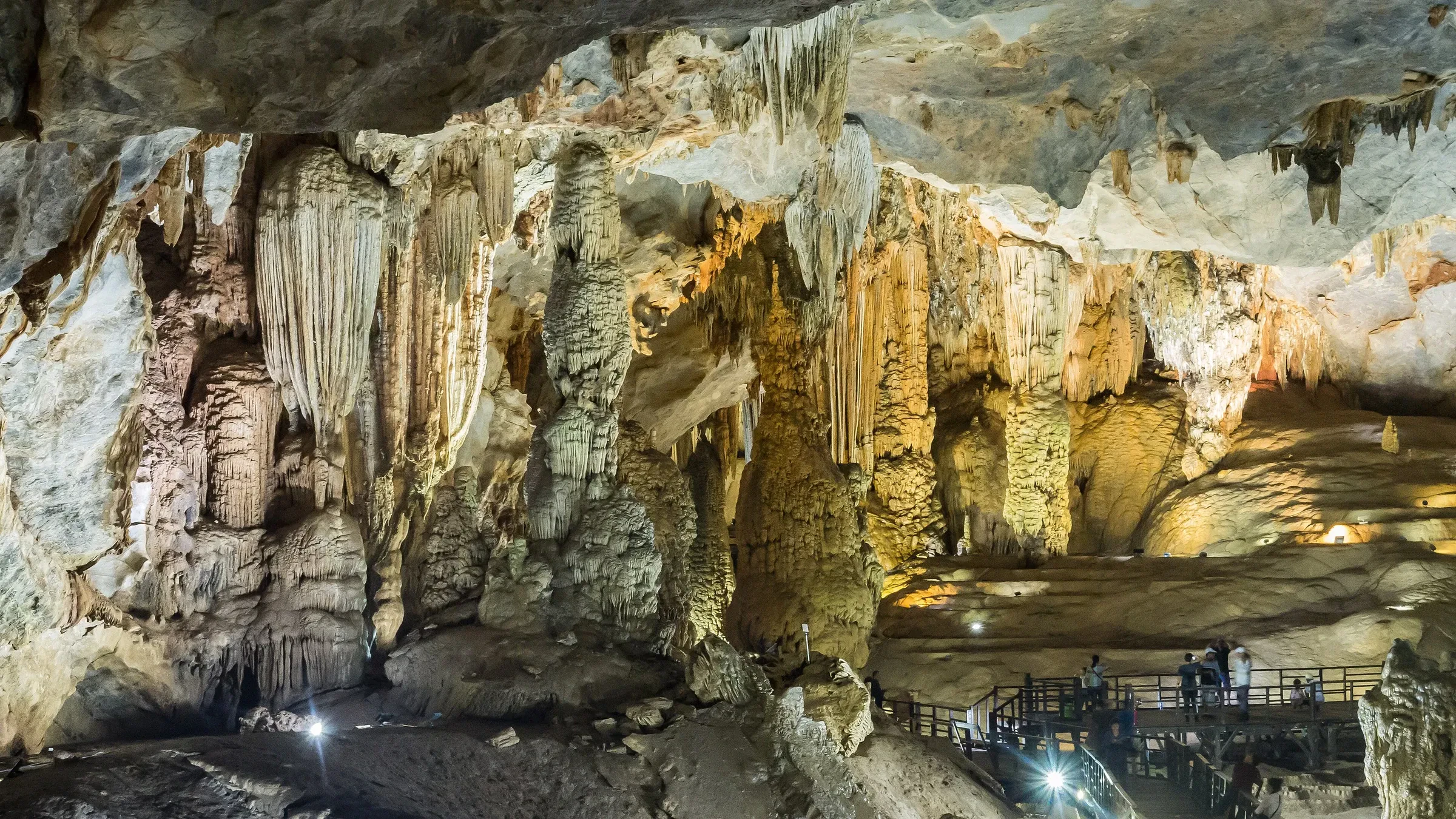
The big, dry "wow" cave: a wooden boardwalk runs about a kilometre through chambers of stalactites and stalagmites lit for the walk. You reach the entrance by a climb of around 500 steps (an electric cart can cover part of the approach). Because it's dry, Paradise Cave tends to stay open even when rain has closed the wet caves nearby. Entry is around 250,000 to 270,000 VND, and the visit takes two to three hours.
Dark Cave
The one everyone talks about afterwards. The full package sends you across the Chay river on a 400-metre zipline, into the cave by headtorch, and into a chest-deep mud bath inside the cave itself, followed by a kayak and a swim to rinse off. It's the most physical of the show caves and closes when the Chay river runs high. The full package costs around 450,000 VND and takes two and a half to three hours; cheaper tickets cover a limited version without the zipline or cave.
Hang En
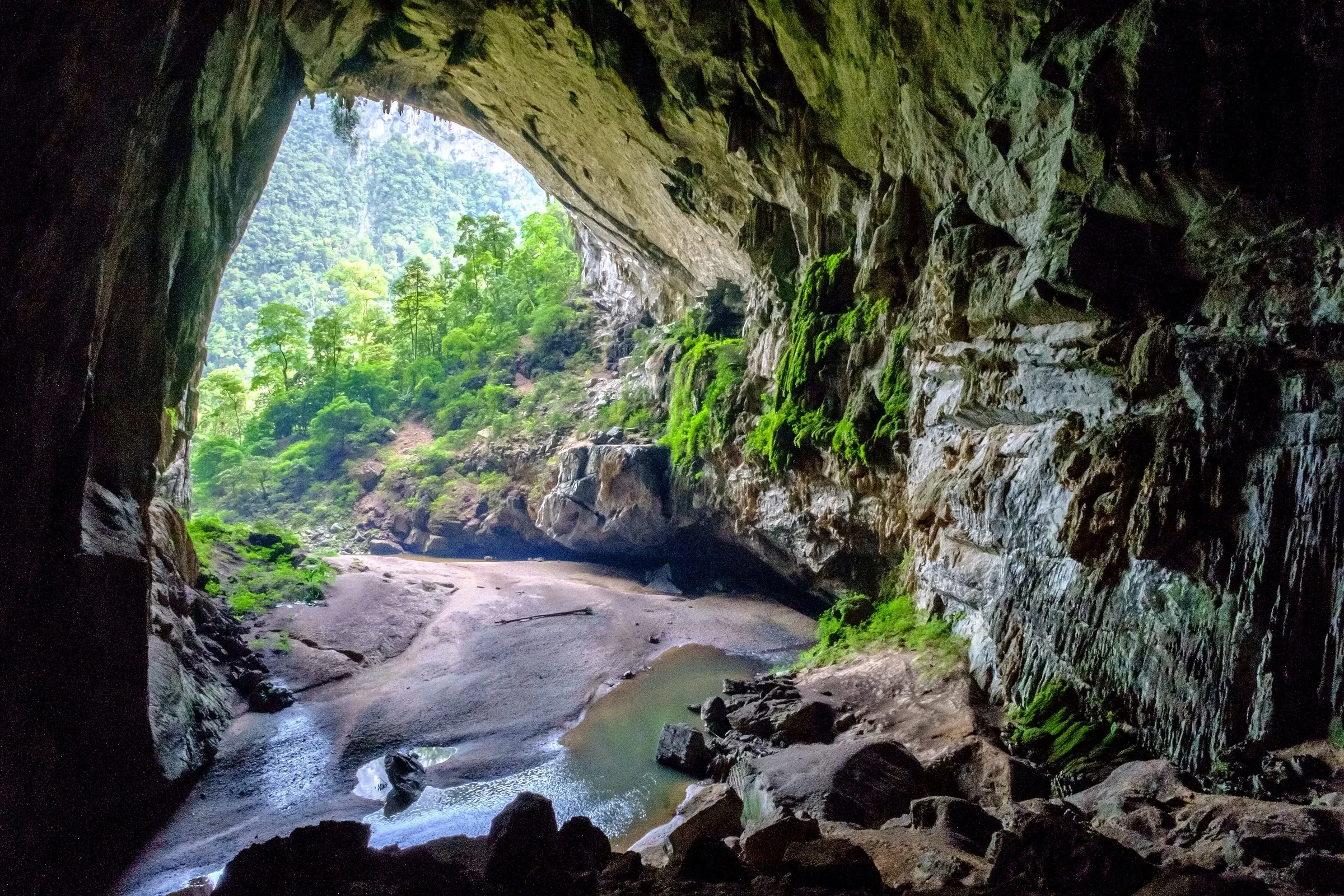
A two-day trek and camp inside one of the world's largest cave passages, run by Oxalis, the only licensed operator for Hang En. It runs from December to mid-September, groups are capped at 16 people, and it costs about US$358 (9,500,000 VND) per person, including guides, camping gear and food.
Son Doong
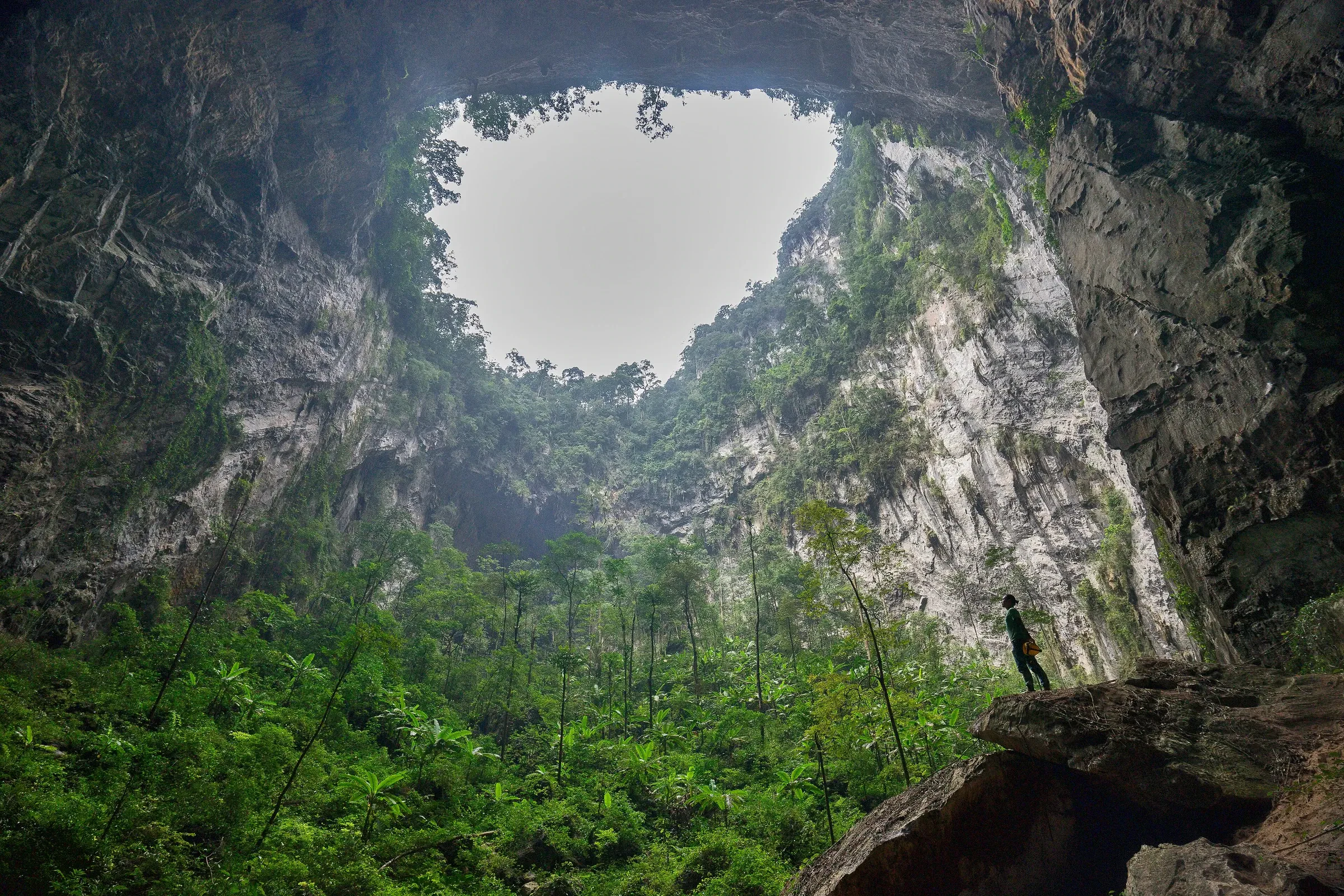
The largest cave passage on Earth, discovered by local caver Ho Khanh and first surveyed in 2009, big enough in places to hold a jungle and its own weather. Oxalis is the only licensed operator. The expedition lasts six days and five nights, runs from January to August, and costs about US$3,000 (80,000,000 VND) per person, including transfers, guides, a safety team, camping gear, permits and all meals. Oxalis lists its 2027 and 2028 seasons as fully booked, so plan years ahead rather than booking on arrival. You also need recent overnight trekking experience.
The Bong Lai valley
A short ride from town, the Bong Lai valley is the classic low-key half day in Phong Nha: cycling past farms and rice paddies under the limestone hills, with a stop at one of the valley's farm bars for a drink as the light goes. It doesn't need advance booking or a big budget, and it's the easiest way to see the countryside without going underground.
Getting to Phong Nha
- By air. Dong Hoi Airport (VDH), about 45 km from Phong Nha, has domestic flights from Hanoi and Ho Chi Minh City. Check airline timetables for any new routes. From the airport, a taxi or transfer takes roughly an hour into Phong Nha town.
- By overnight train. Sleeper trains from Hanoi or Ninh Binh reach Dong Hoi station early in the morning (roughly 5am to 7am), followed by a van transfer of about 45 to 60 minutes into Phong Nha (Son Trach). Booking a room the night before means you can check in and sleep straight off the train instead of waiting around.
- By road. Phong Nha sits on the route between Hanoi and Hue, so most onward travel south goes by private van or bus, commonly with a stop at the DMZ sites near the old border.
Best time to visit Phong Nha
| Months | Weather | Good for |
|---|---|---|
| February or March to August | Dry, caves open; June to August is hot (35°C or more) | The best window for all the caves, including Son Doong and Hang En expeditions |
| Mid-September to November | Storms and flooding | River caves close, the Dark Cave zipline and mud bath run reduced or shut, and Hang En (from mid-September) and Son Doong close; Paradise Cave (dry) is more likely to stay open, but roads and other caves can still flood |
| December | Cooler and drizzly | Hang En reopens and the wider cave programme restarts; Son Doong stays closed until January |
Book Hang En ahead of the dry season, and plan Son Doong years ahead, since its seasons sell out. Our Vietnam travel guide has the season picture for the rest of the country.
How much does Phong Nha cost?
| Item | Price |
|---|---|
| Phong Nha Cave (entry + boat, shared) | 150,000 VND entry, plus 550,000 to 700,000 VND boat per group of up to 12 |
| Paradise Cave | about 250,000 to 270,000 VND |
| Dark Cave (full package) | about 450,000 VND |
| Hang En trek (2 days, Oxalis) | about US$358 (9,500,000 VND) per person |
| Son Doong expedition (6 days, Oxalis) | about US$3,000 (80,000,000 VND) per person |
| Bike hire for the Bong Lai valley | a few dollars a day at guesthouses |
How many days do you need in Phong Nha?
Two nights is the standard stay: one full day for a mix of show caves, such as Paradise Cave in the morning and Dark Cave in the afternoon, plus an evening or a spare morning for the Bong Lai valley by bike. Add a day if you're doing the Hang En trek, or several more if you've booked a Son Doong expedition, since both run over multiple days and are worth planning around rather than fitting into a standard two-night stop.
Phong Nha with a small group
If caving is the main reason you're coming, our dedicated trip flies from Hanoi to Dong Hoi for two nights in Phong Nha, with Paradise Cave, Dark Cave and the Bong Lai valley, then spends two days on the Hang En trek, camping on a sandbank inside the cave with Oxalis, the licensed operator, before flying back to Hanoi.
If Phong Nha is one stop on a longer trip, our Vietnam North to South trip spends two nights here (Days 6 and 7), reaching it by overnight sleeper train from Ninh Binh so no day is lost to travel. The room is booked from the night before, so there's time to sleep after the early train arrival before an afternoon bike ride through the Bong Lai valley. The following day is a full cave day: Paradise Cave's boardwalk in the morning, then Dark Cave's zipline, headtorch walk, mud bath, kayak and swim in the afternoon. Your Trip Host is with the group the whole way, and a licensed local agency and licensed local guides run the ground arrangements in Vietnam.