Why Hue
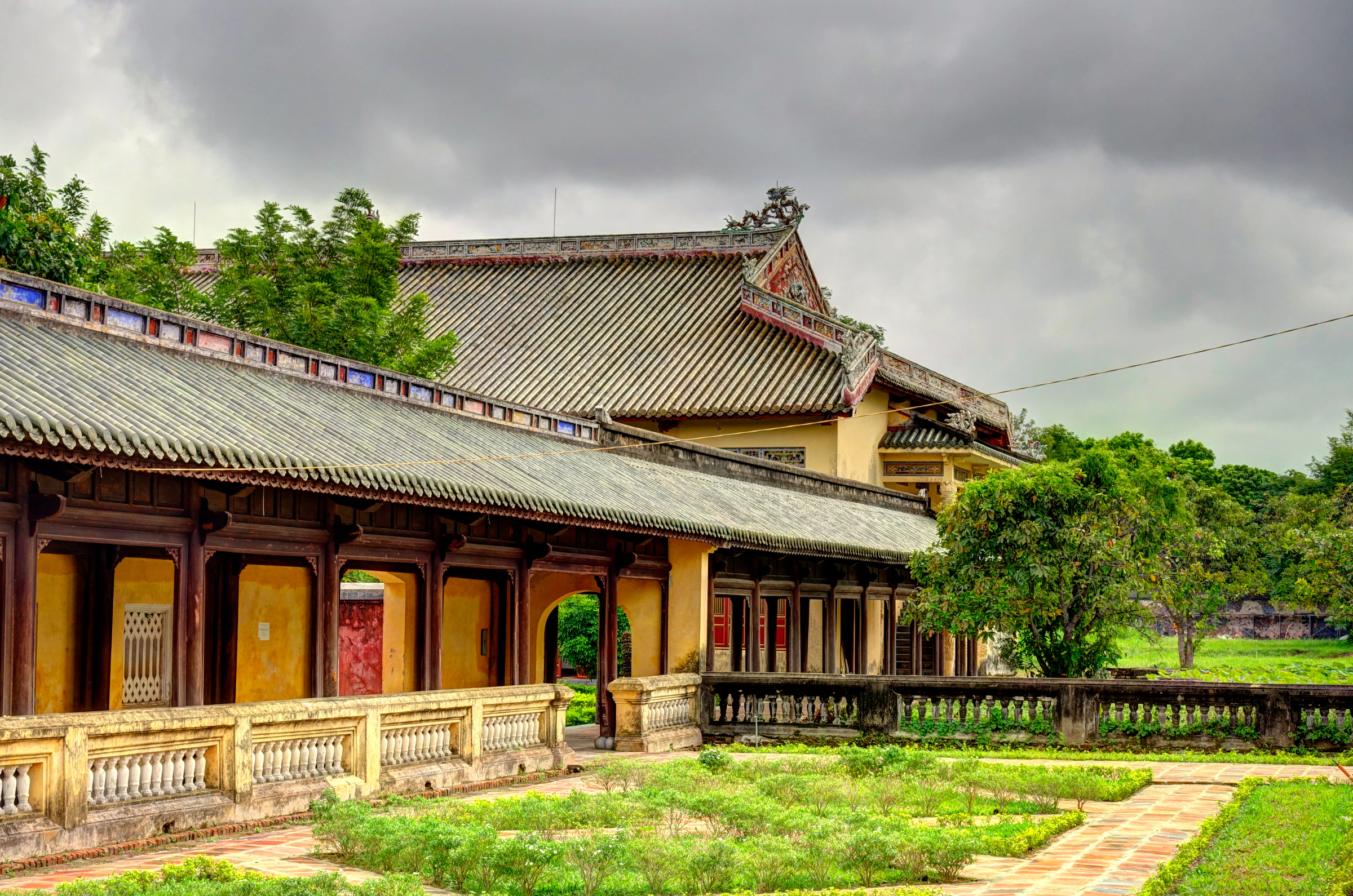
Hue was the seat of the Nguyen dynasty, Vietnam's last royal house, from 1802 until 1945. That history is still the reason to come: a walled, moated citadel on the Perfume River, a scatter of royal tombs in the hills nearby, an old pagoda that has watched over the river for more than four centuries, and a food culture that once had to please emperors and still bears the trace of it. It's a quieter, more contemplative stop than Hoi An or Hanoi, and it slots naturally into the central Vietnam route between Phong Nha's caves and Hoi An's lantern-lit Old Town.
The Imperial City and ticket options
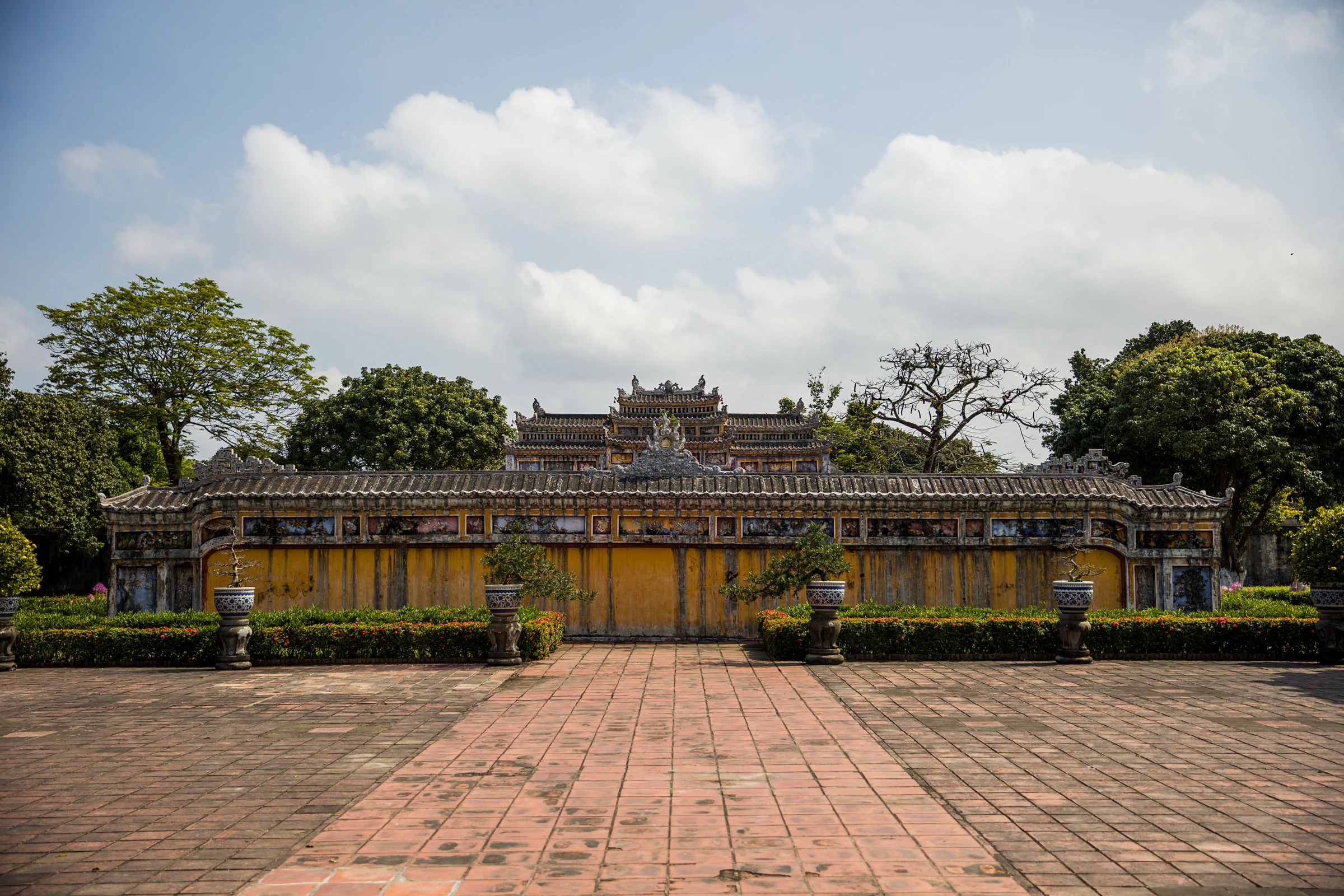
The Imperial City is the walled citadel at Hue's centre, built from 1804 as the Nguyen dynasty's seat of government and royal residence, modelled loosely on Beijing's Forbidden City. Inside its moat and thick brick walls sit the Ngo Mon Gate, the Thai Hoa Palace where emperors held court, and the remains of the Purple Forbidden City, much of which was damaged during the 1968 Tet Offensive and is still being restored piece by piece. Give it two to three hours, more if you like reading the information boards.
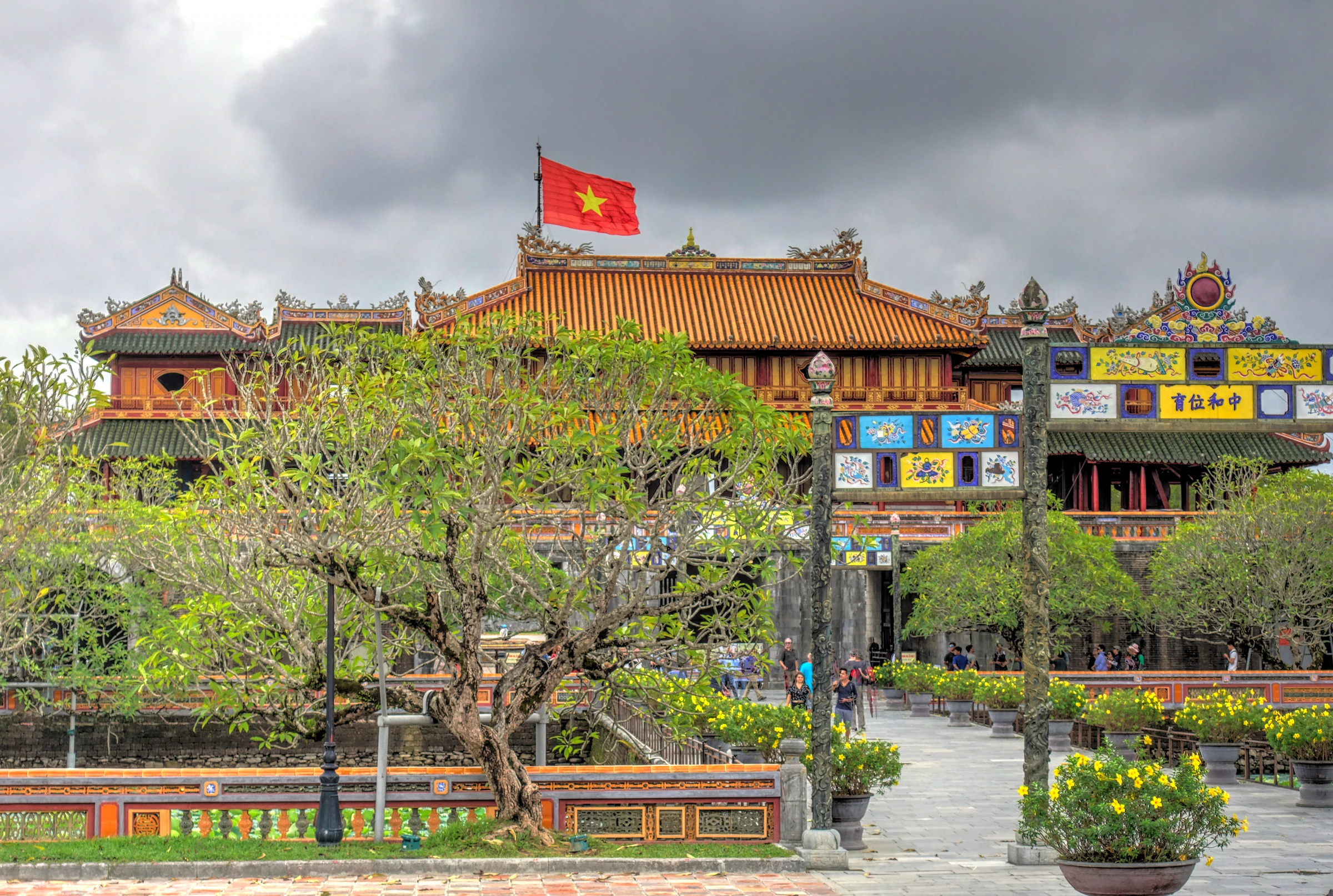
Entry to the Imperial City alone is 200,000 dong for foreign adults. A combined ticket covering the Imperial City and three royal tombs (Minh Mang, Tu Duc and Khai Dinh) costs 530,000 dong, is valid for two days, and works out cheaper than paying site by site if you're seeing more than one tomb. Buy it at the Imperial City's ticket counter, not from a street tout.
The royal tombs
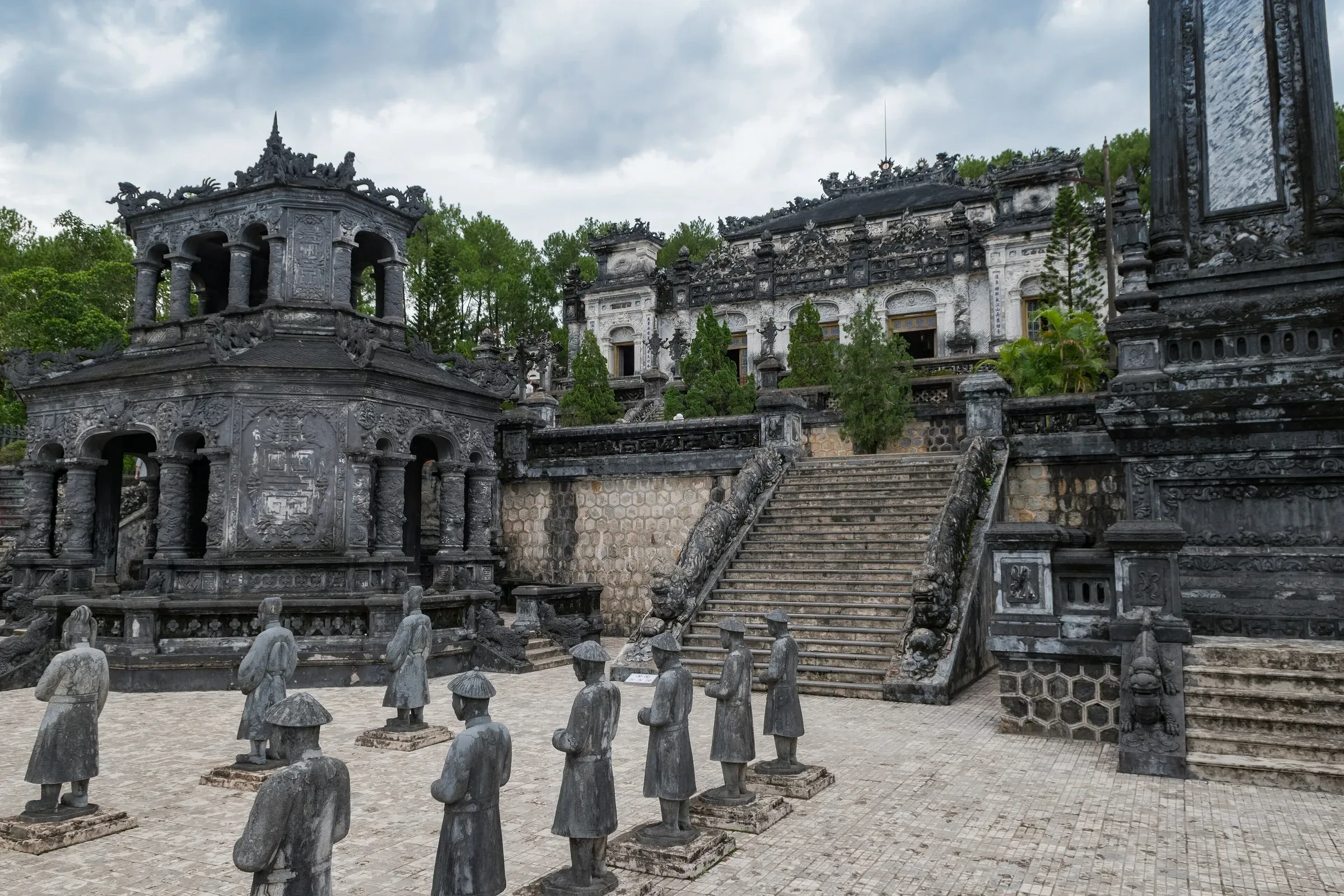
Each Nguyen emperor built (or had built) his own tomb, and the three most visited sit outside the city in the hills along the Perfume River, spaced far enough apart that a bicycle, hired driver or scooter covers them more comfortably than walking. Two in an afternoon is the realistic pace; trying all three back to back tends to blur them together.
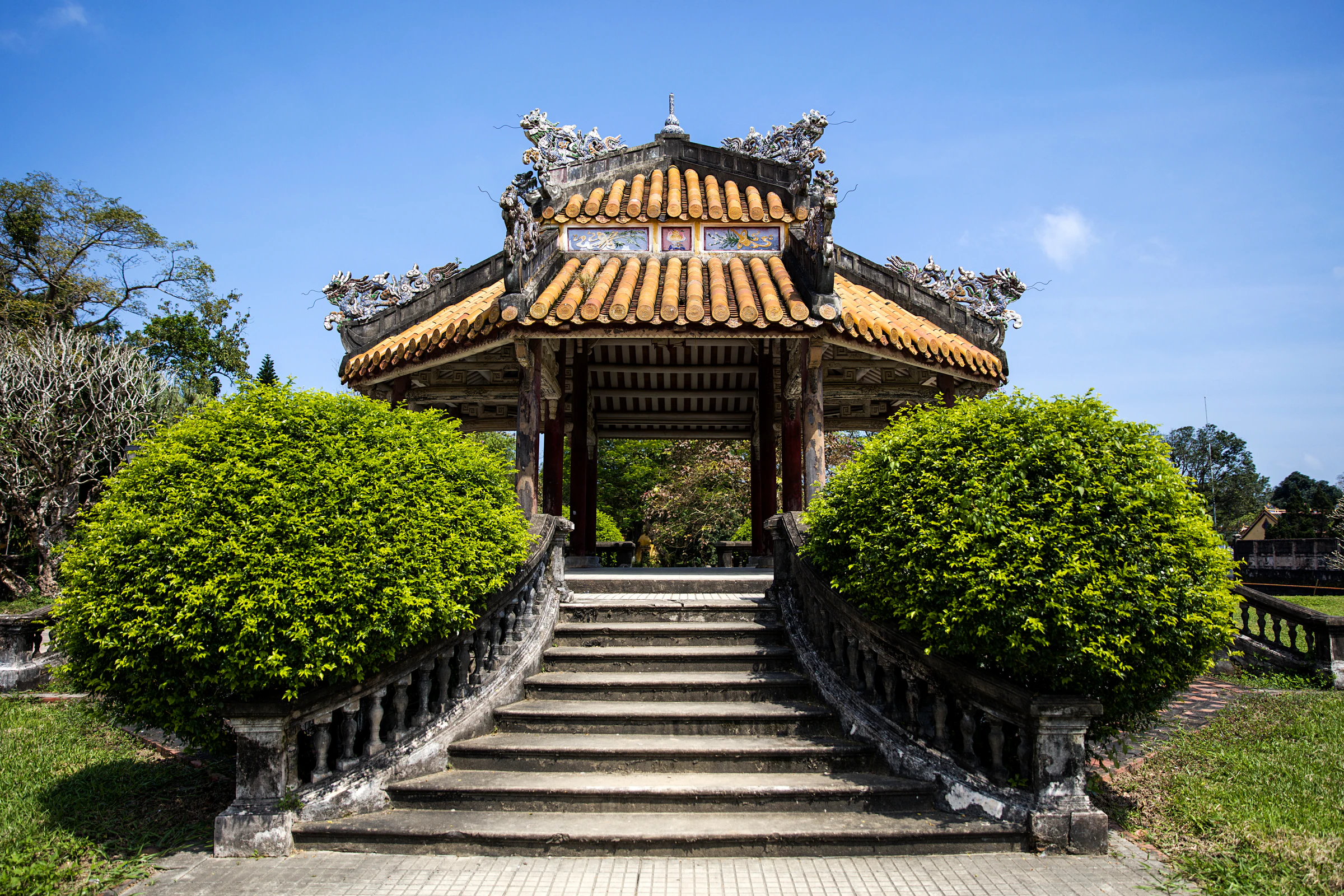
- Tu Duc's tomb was completed before his death and doubles as the garden and lake retreat he actually used, with pavilions where he wrote poetry and fished. It's the most relaxed and green of the three.
- Minh Mang's tomb sits on the Perfume River's west bank and is the most formal and symmetrical, laid out on classical feng shui lines with lotus ponds and pine-covered hills.
- Khai Dinh's tomb took over a decade to build and finished in 1931, and looks like nothing else in Hue: concrete construction, a facade with Gothic and Renaissance touches, and an interior covered in glass and porcelain mosaic. It divides opinion, which is part of the appeal.
Thien Mu Pagoda and the Perfume River
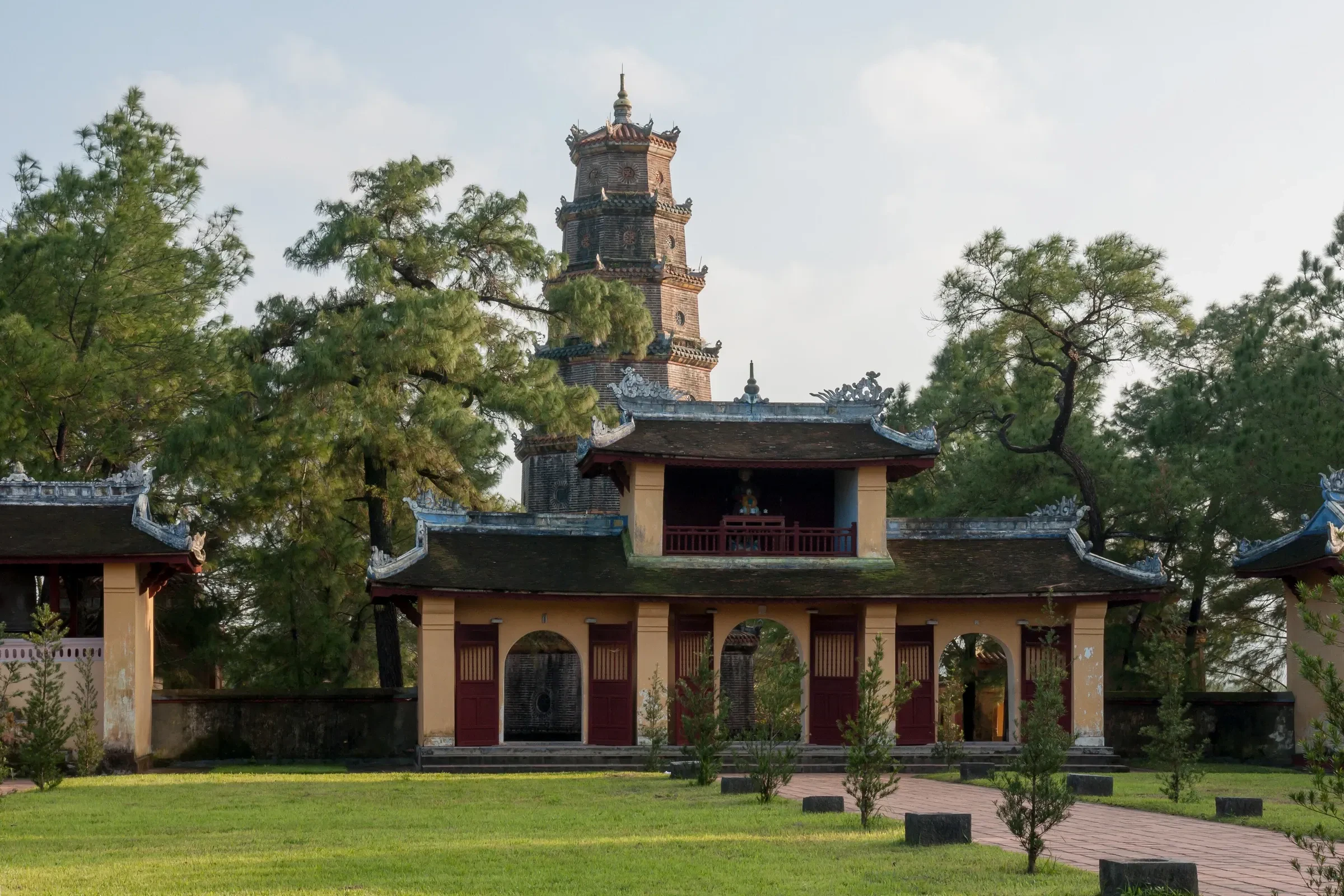
Thien Mu Pagoda sits on a low hill on a bend of the Perfume River and is Hue's oldest religious site, founded in 1601. Its seven-storey octagonal tower, added in 1844, is the city's unofficial symbol; each storey represents one of Buddha's reincarnations, and the view from the riverbank below is one of the best free photos in Hue. Most visitors combine it with a Perfume River boat trip: a dragon boat out to the pagoda in the morning, or a slower cruise at sunset past the same stretch of riverbank the royal tombs look out over.
DMZ day trips
Hue sits close enough to the former Demilitarized Zone, the buffer along the 17th parallel that split north and south Vietnam from 1954 to 1975, that most tour operators run it as a single day trip. A half-day version (around 6 hours) covers the Ben Hai River, Hien Luong Bridge and the Vinh Moc Tunnels, an underground village built to shelter an entire community from bombing. A full-day version (around 10 to 11 hours) adds the Khe Sanh Combat Base, site of one of the war's longest sieges. Prices vary widely by operator and typically include hotel pickup, lunch and entry tickets; it's a long day either way, and one best treated as a dedicated day rather than squeezed alongside the citadel or tombs.
What to eat: bun bo Hue and imperial cuisine
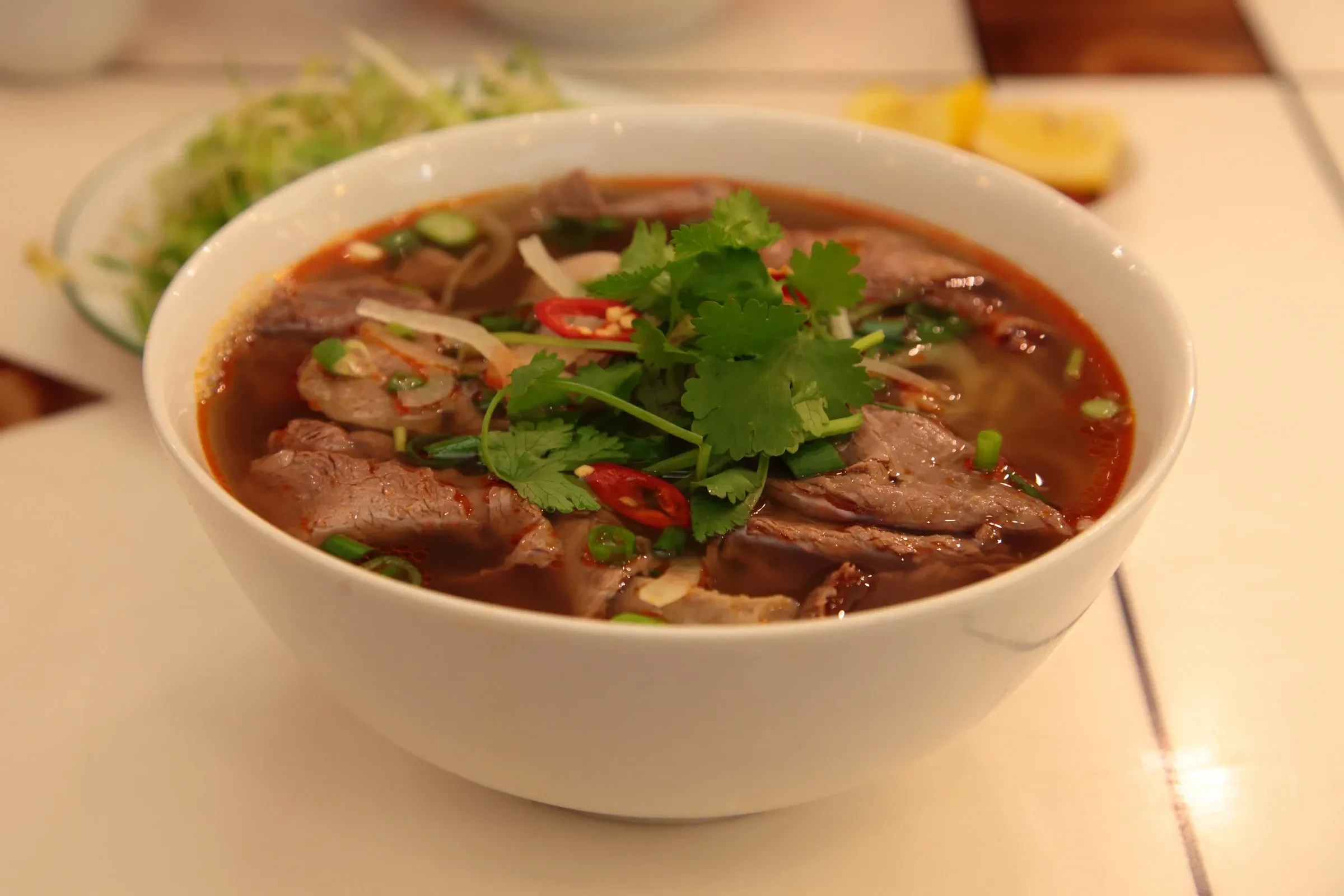
Hue's food carries the same sense of history as its buildings. Bun bo Hue, a spicier, lemongrass-and-beef noodle soup, is the city's best-known export and turns up on menus across the country under its name. Locally, look for banh khoai (a smaller, crisper cousin of the south's banh xeo pancake), com hen (a cheap dish of tiny river clams over rice, best from a local stall rather than a tourist restaurant) and nem lui (grilled lemongrass pork skewers wrapped in rice paper).
Hue is also the source of Vietnam's imperial cuisine, developed for the royal court and built around small, delicate dishes rather than one big plate: banh beo (steamed rice cakes topped with dried shrimp), banh loc (a chewy tapioca dumpling wrapped in banana leaf) and banh nam (a flat, translucent steamed rice dumpling) are the three to try, usually served together as a sampler. Our Vietnamese food guide covers these and more dishes region by region.
Best time, and the flood season
February to May is Hue's most reliable window: dry, and before the summer heat sets in. June to August is hot and humid but still workable if you pace sightseeing around the middle of the day. October and November are the firmest avoid. The central coast's rainy season runs roughly September to December and peaks in these two months, which also coincide with typhoon season; Hue's rivers rose above their 2020 record in late October 2025 and parts of the citadel flooded. Low-lying riverbank areas can be affected too. September sits in between: rain risk is rising, but landfall risk is still lower than in October and November, so it's a workable but increasingly uncertain month rather than a flat no. For more detail on how this plays out across the whole country, see our best time to visit Vietnam guide.
Getting there, and on over the Hai Van Pass
From Phong Nha, Hue is about 3.5 to 4.5 hours by road (around 215km), usually by private van, shared minibus or hired car. From Hanoi or further north, the Reunification Express train line runs down the coast to Hue, though most travellers doing the central route arrive via Phong Nha or Dong Hoi instead.
Onward to Hoi An or Da Nang, the classic route is the Hai Van Pass: a coastal mountain road about 21km long, climbing to roughly 496m, with jungle on one side and the South China Sea on the other. Motorbike, easy rider or hired car takes about 2.5 to 3 hours to Da Nang, plus a short road transfer on to Hoi An itself (which has no train station or airport of its own). The Hue to Da Nang train covers the same stretch in about 2.5 to 4 hours, depending on the service, over roughly 103km, a different but equally scenic option along the coast.
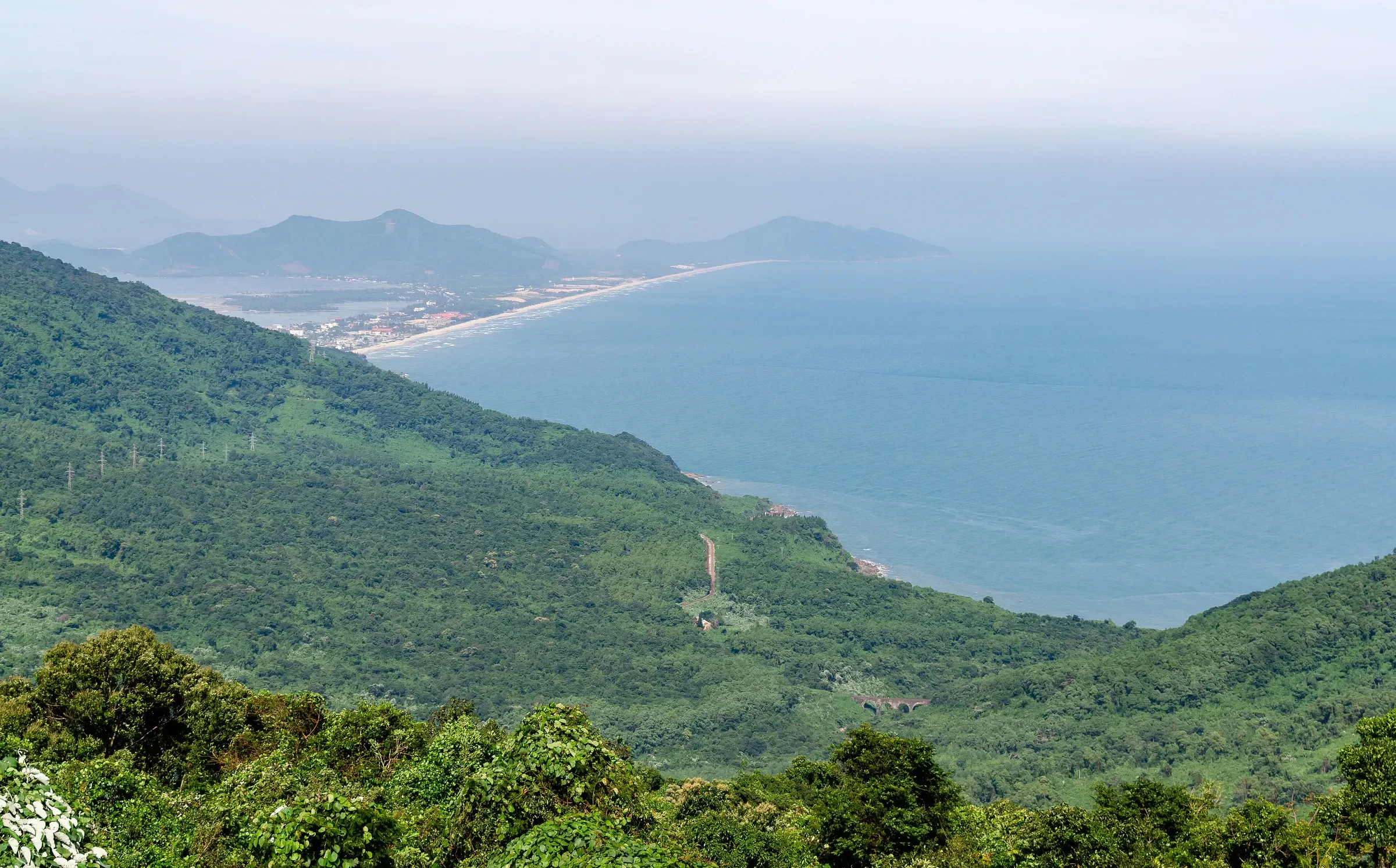
If you're tempted to ride the pass yourself, only do it with a motorbike licence from your home country plus a 1968-convention International Driving Permit; without both, most travel insurance won't pay out if something goes wrong. Most solo travellers ride pillion with a hired easy rider instead, or take a private van or the train.
How long to spend, and which route to use
1.5 to 2 days is the sweet spot: enough for the citadel, the Perfume River and either two tombs or Thien Mu plus one tomb, without the DMZ day trip (which needs its own full day if you want it). Hue rarely works as a standalone trip; it's built to sit inside a longer route. Our central Vietnam itinerary covers Hue alongside Phong Nha, the Hai Van Pass and Hoi An over 1 week or 10 days, and the wider Vietnam itinerary guide links out to every length from 1 week to 1 month.
Hue also hosts the Hue Festival, a celebration of the city's royal court music and heritage. Since 2026 it has run as a year-round programme in four seasons, with its International Arts Festival Week held 13 to 18 June 2026. The 2027 dates haven't been announced; see our Hue Festival guide for what's on.