4 stops
- Minibus
- Motorbike
Is this route for you?
Four stops, four different reasons to come: caves in Phong Nha, imperial history in Hue, a mountain pass in between, and an old trading port in Hoi An that still lights its streets with lanterns every night. It works for first-timers doing a single, varied loop and for repeat visitors who skipped the centre the first time round. Cave-focused travellers should build in extra days, since Oxalis lists its 2027 and 2028 Son Doong seasons as fully booked, so it isn't something you add on arrival. If beaches are the main goal and time is short, look south instead; Mui Ne and Phu Quoc do more with less driving. For how this stretch links to the rest of the country, see our Vietnam itinerary guide, or the Vietnam North to South route below.
Day by day (1 week)
Arrive and the first cave
Phong Nha
Getting there fly Hanoi to Dong Hoi (about 1 h), then a road transfer to Phong Nha (about 45 min); the overnight sleeper train to Dong Hoi is the other option, at around 9 to 10 h
- Morning
- travel day, then a first walk along the river in Phong Nha
- Afternoon
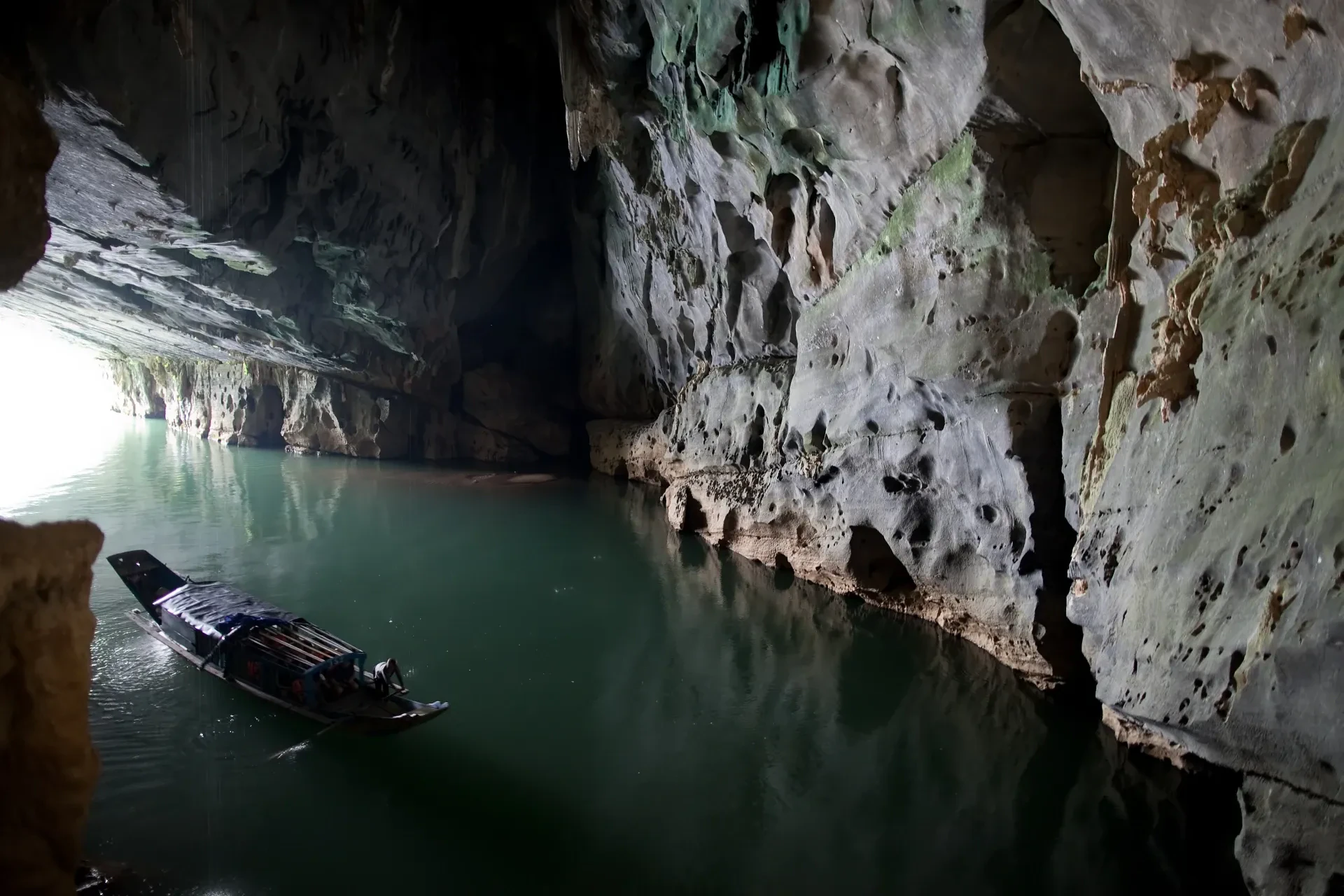
- Phong Nha Cave by boat, a gentle first taste of the park's caves (about 2 to 3 h all in, including a 25 to 30 min boat ride each way)
- Evening
- dinner in Phong Nha town
Eat lon mit (a Quang Binh jackfruit and pork salad) and river fish
Local tip book the flight or train ahead in the dry season; seats to Dong Hoi sell out around holidays
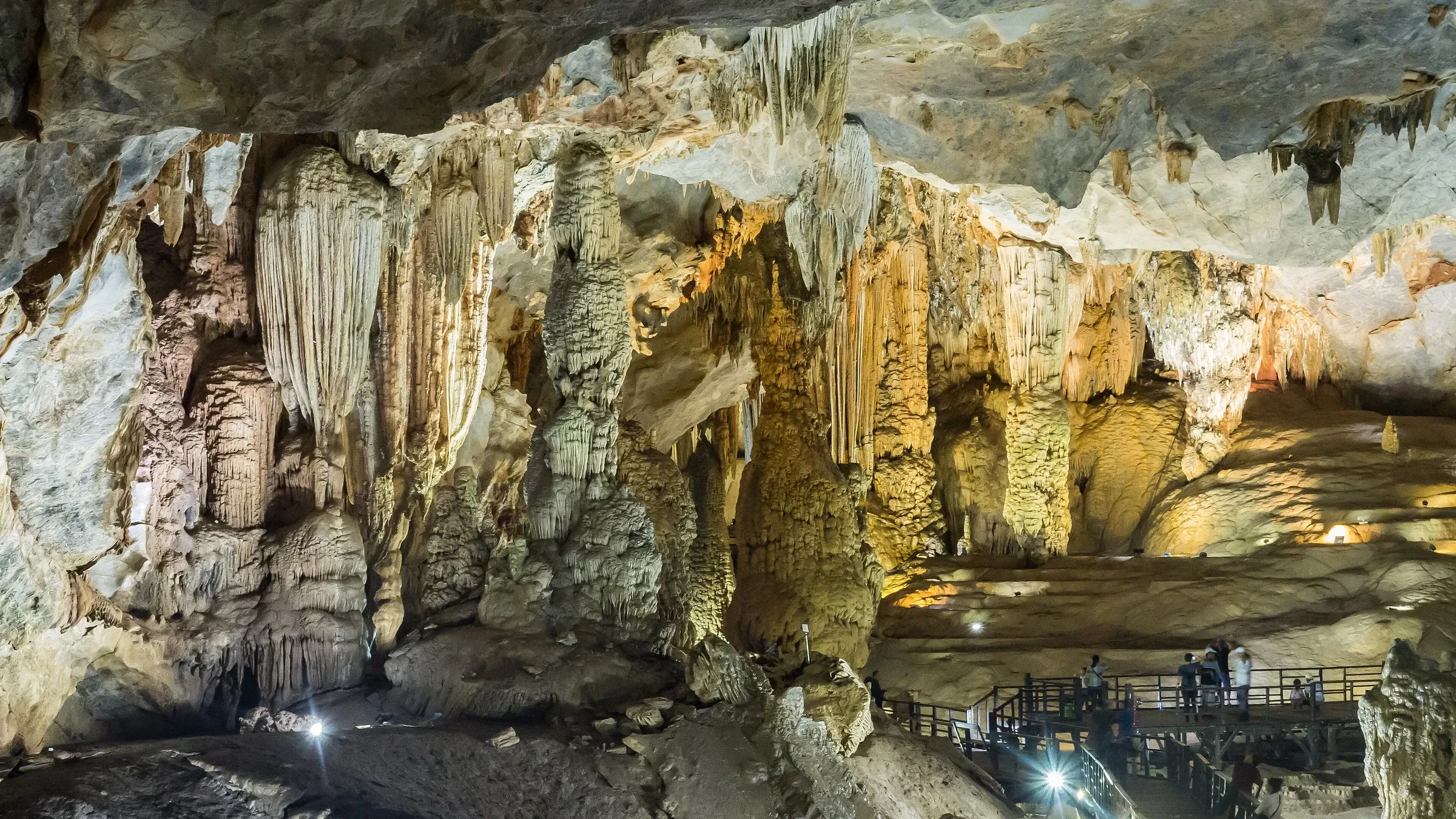
Paradise Cave and Dark Cave
Phong Nha
- Morning
- Paradise Cave, a dry cave with a kilometre-long boardwalk through huge, lit chambers (about 2 to 3 h)
- Afternoon
- Dark Cave, the wetter, more physical pairing: a zipline in, a headtorch walk, a mud bath and a kayak out (about 2.5 to 3 h)
- Evening
- the Bong Lai valley by bike if there's time, or dinner in town
Eat chao canh, a Quang Binh noodle soup you won't find much further south
Local tip Dark Cave soaks and muddies everything, so wear clothes you don't mind ruining and plan to shower straight after
With more time add a Hang En or Son Doong expedition here if you've booked one; both run for several days, Hang En needs booking ahead, and Son Doong's 2027 and 2028 seasons are fully booked
The Imperial City
Hue
Getting there road from Phong Nha to Hue, about 3.5 to 4.5 h (around 215km)
- Morning
- travel; check in and a late lunch
- Afternoon
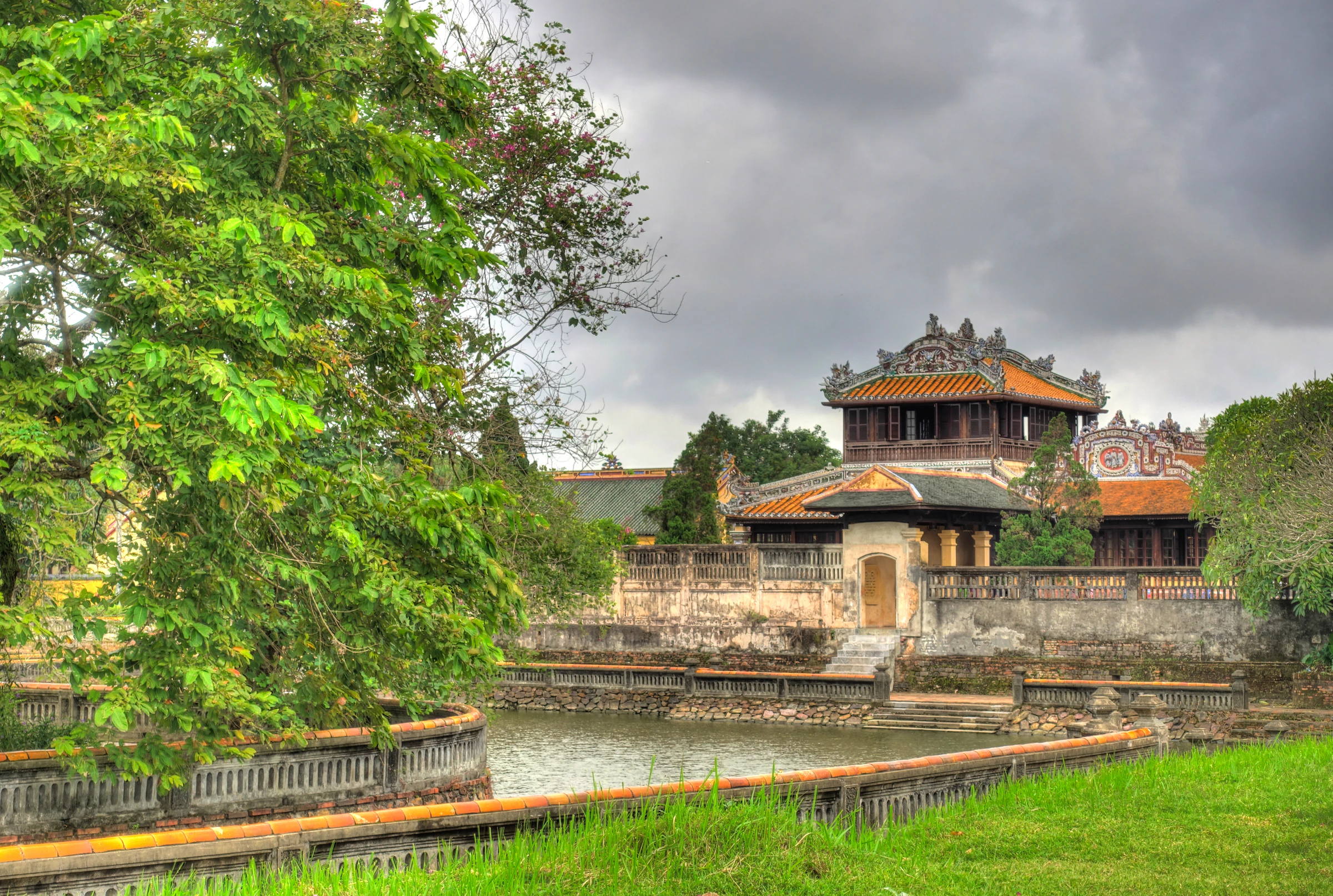
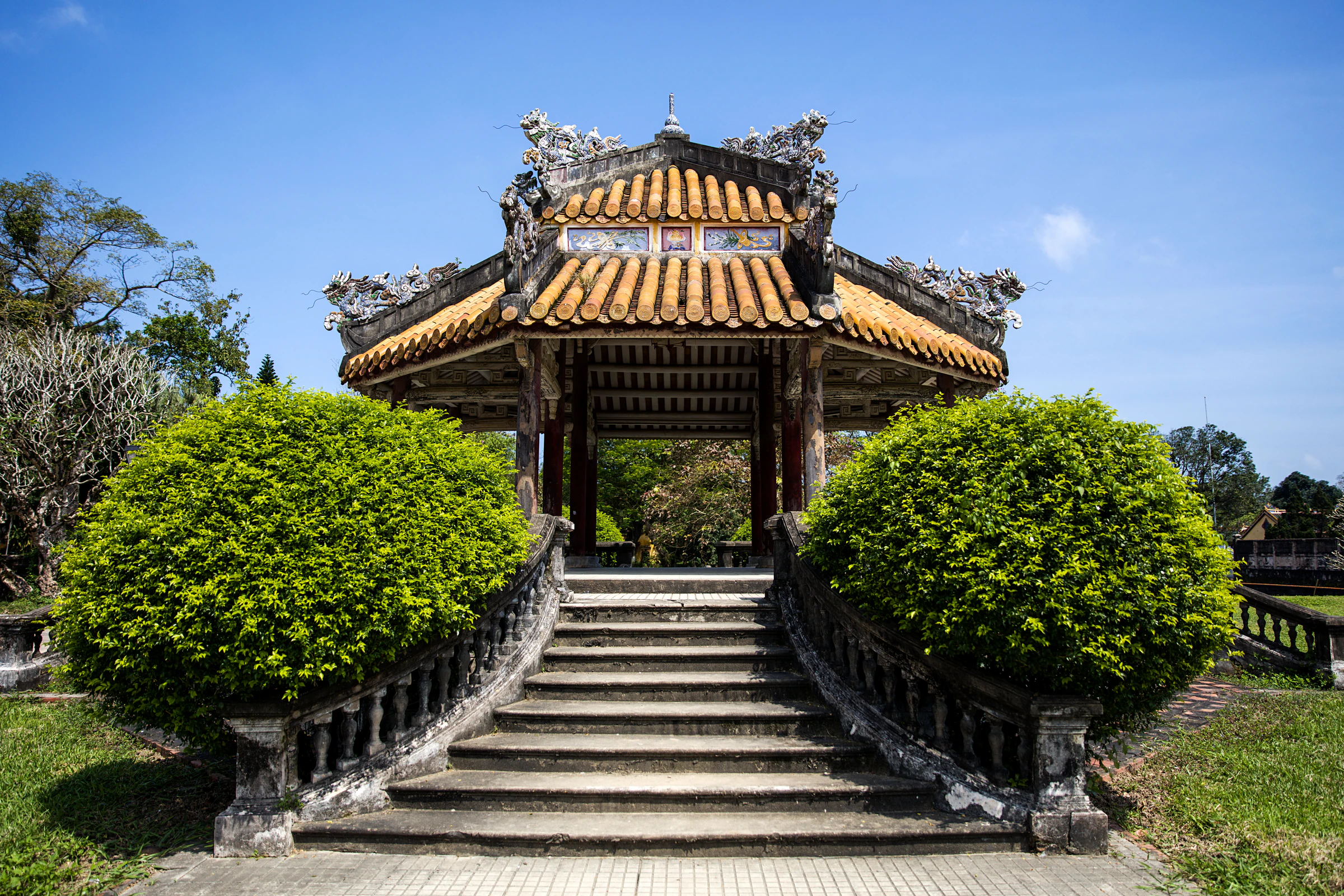
- the Imperial City, the Nguyen dynasty's walled citadel on the Perfume River (entry is 200,000 dong for foreign adults)
- Evening
- a walk or boat trip along the Perfume River at sunset
Eat bun bo Hue, the spicier, lemongrass-beef noodle soup that carries the city's name
Local tip a combined ticket covering the Imperial City and three royal tombs (Minh Mang, Tu Duc, Khai Dinh) costs about 530,000 dong, is valid for two days and works out cheaper than paying site by site; the citadel opens at about 6.30am in summer and 7am in winter, and closes at 5.30pm or 5pm
Tombs and pagodas
Hue
- Morning
- Thien Mu Pagoda, on a bend of the Perfume River
- Afternoon
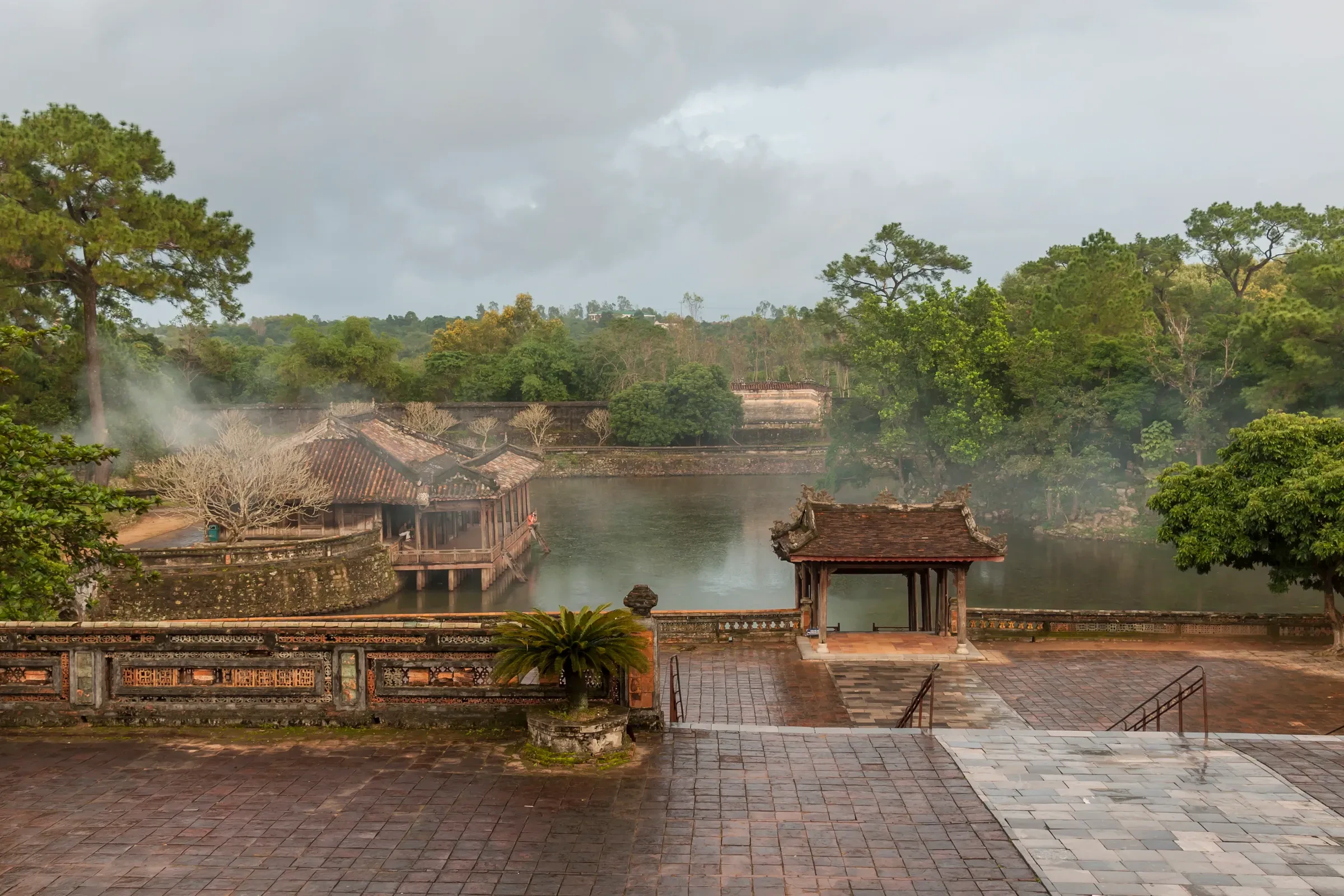
- one or two of the royal tombs; Tu Duc and Khai Dinh pair well for a single afternoon
- Evening
- com hen, Hue's cheap baby-clam rice dish, at a local spot rather than a tourist restaurant
Eat banh khoai, Hue's crispy pancake, a smaller cousin of the south's banh xeo
Local tip a bicycle or a hired driver covers the tombs more comfortably than walking; they're spread out along the riverbank
Over the Hai Van Pass
Hoi An
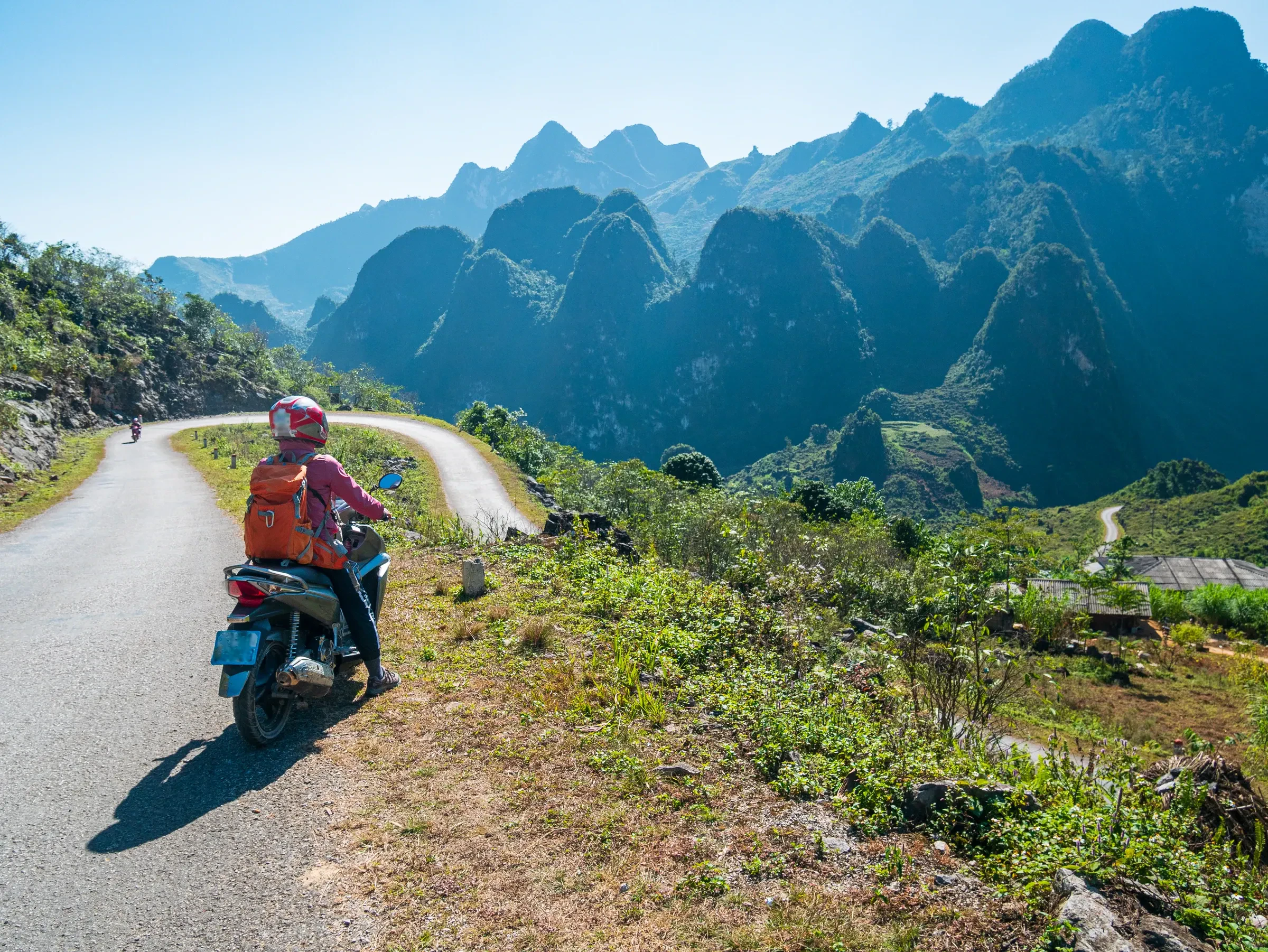
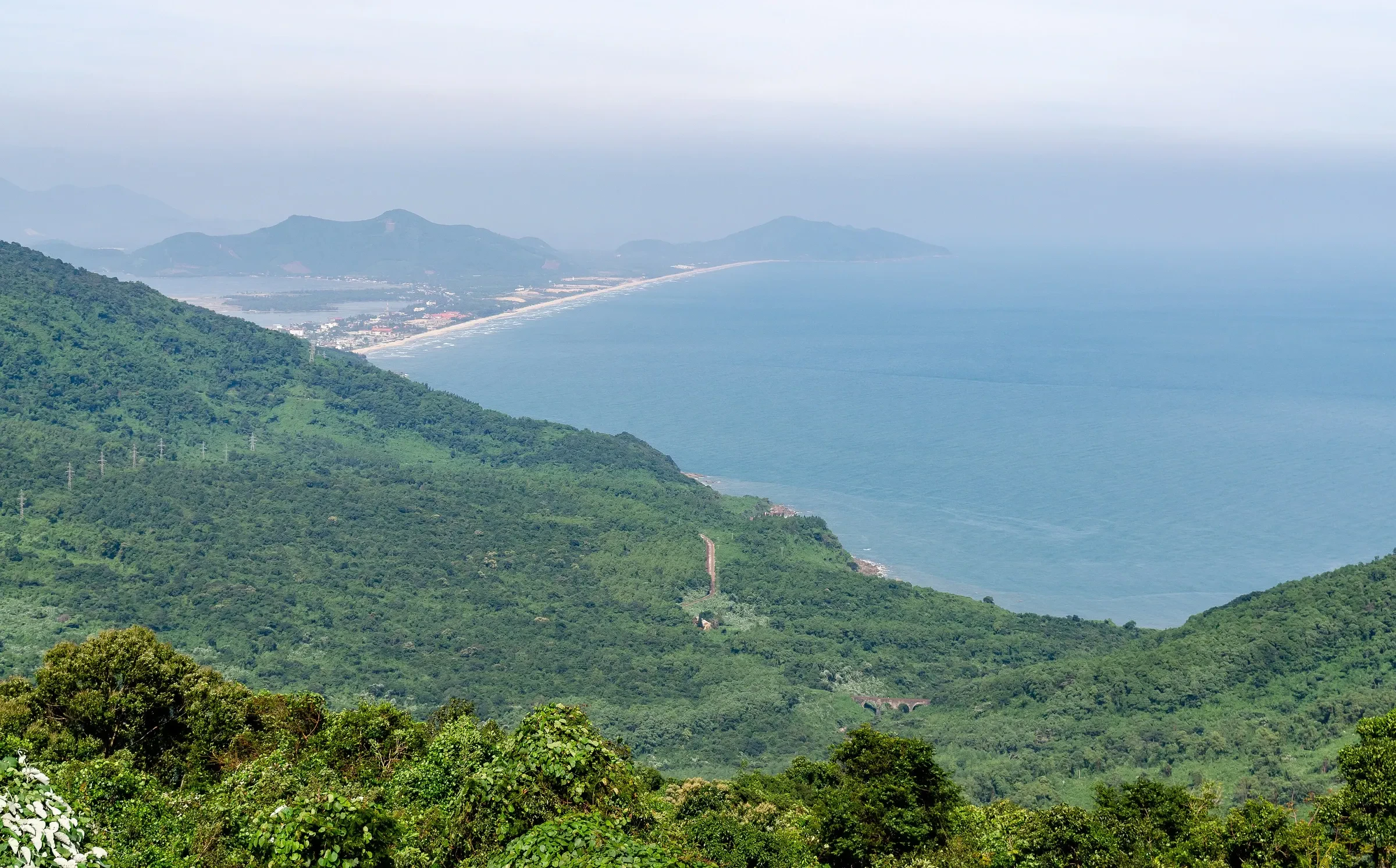
Getting there the Hai Van Pass road, about 21km, climbing to roughly 500m, by hired motorbike, easy rider or car (about 2.5 to 3 h to Da Nang, plus a road transfer on to Hoi An, since Hoi An has no train station or airport of its own); the Hue to Da Nang train covers the same stretch in about 2.5 to 4 h, a different but equally scenic option
- Morning
- leave Hue early to make the most of the pass before any afternoon cloud rolls in
- Afternoon
- the pass itself, coastline and Lang Co lagoon below on one side, jungle on the other; arrive Hoi An by late afternoon
- Evening
- a first walk through the lantern-lit Old Town
Eat cao lau, Hoi An's signature noodle dish, and a banh mi from one of the town's well-known stalls
Local tip only ride the pass yourself if you hold a motorbike licence from home plus a 1968-convention International Driving Permit; without both your travel insurance may not pay out, so most people ride pillion with an easy rider
The Old Town and the beach
Hoi An
- Morning
- the Old Town's ticketed sites (Japanese Covered Bridge, assembly halls) and a first tailor fitting if you're ordering clothes; turnaround for two fittings is usually 24 to 48 h
- Afternoon
- An Bang beach, or a bike ride out through the rice paddies to Tra Que herb village
- Evening
- a lantern boat on the Thu Bon River, best if your dates land on the monthly full-moon night
Eat mi quang, turmeric noodles strongly associated with this area, and banh xeo
Local tip our Hoi An lantern festival guide has the exact monthly dates if you want to plan around one
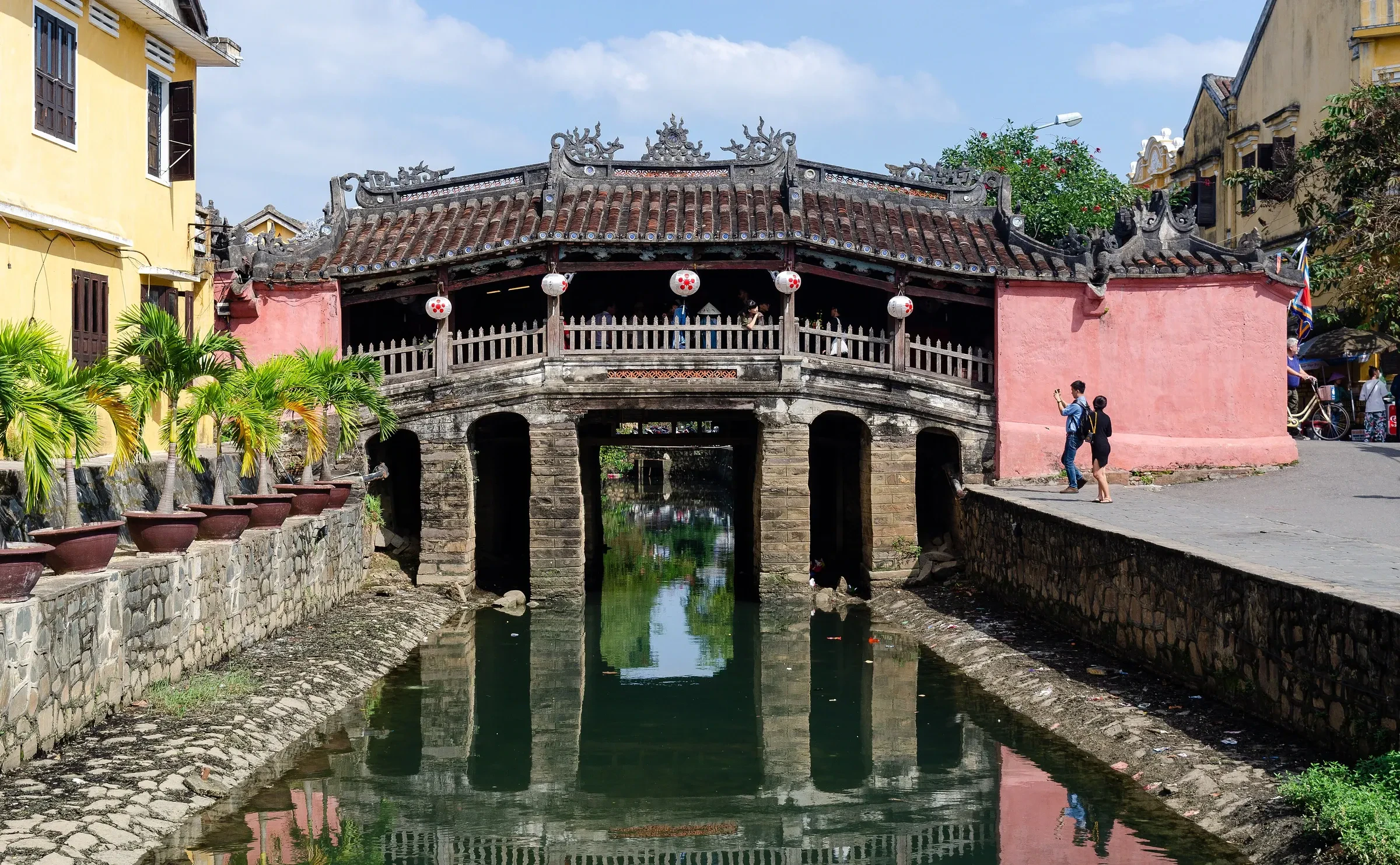
Last stop and onward travel
Da Nang
Getting there road from Hoi An to Da Nang, about 40 to 50 min
- Morning
- a second tailor fitting if applicable, or a cooking class built around cao lau or bun bo Hue
- Afternoon
- Da Nang as a half-day stop: the Marble Mountains' cave temples, or My Khe beach
- Evening
- depart from Da Nang's airport, which has domestic connections to Hanoi and Ho Chi Minh City, or continue south by road or rail
Eat one last bowl of mi quang or cao lau before you go
Local tip build in slack on this day if your onward flight is in the evening; Marble Mountains and My Khe are both close to the airport
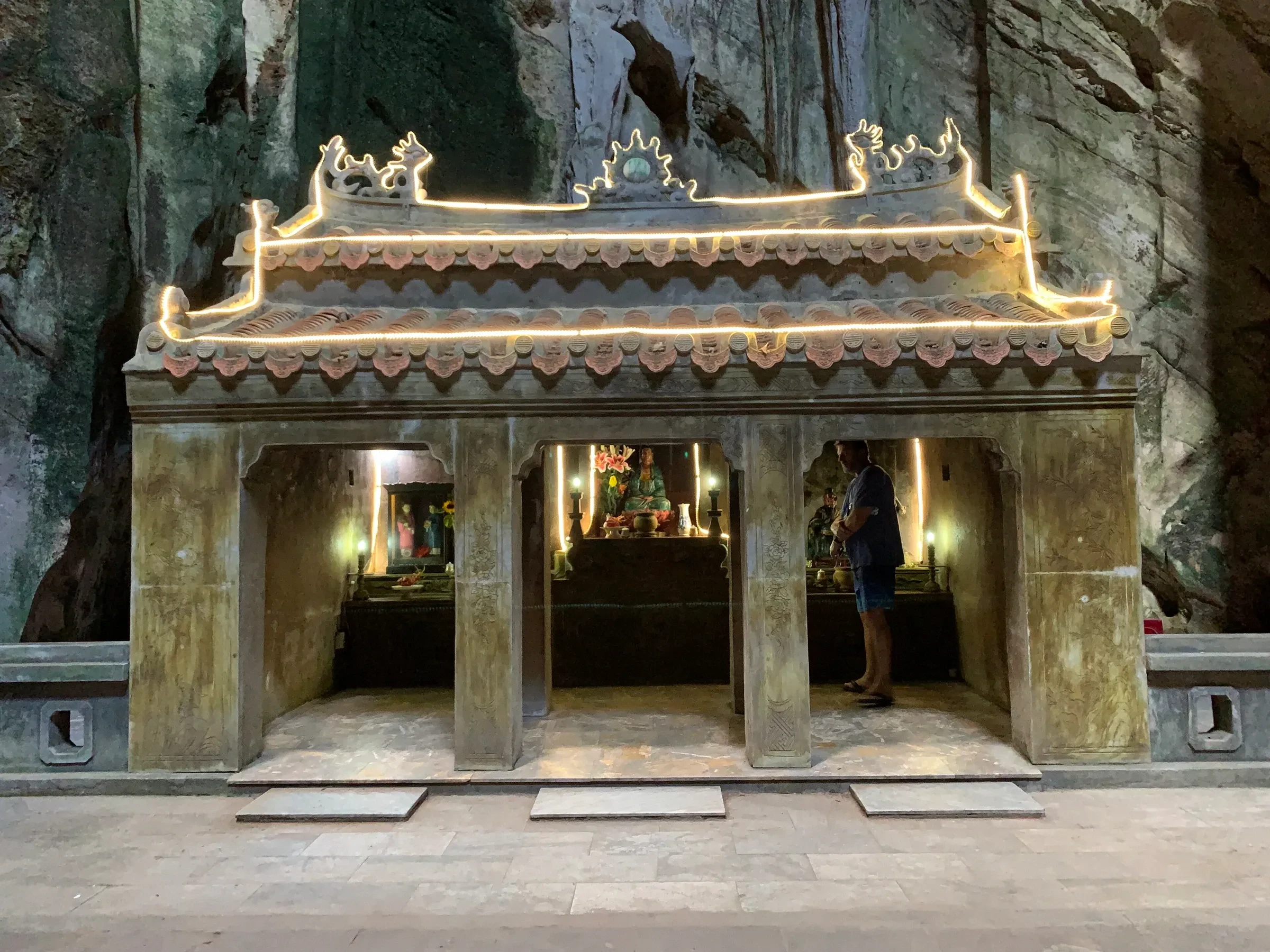
The 10 days version
10 days gives the same route more room to breathe, with a real expedition or a slower Hoi An built in rather than squeezed.
| Day | Where | What | Eat |
|---|---|---|---|
| 1 to 4 | Phong Nha | Arrival, Phong Nha Cave, Paradise Cave and Dark Cave, plus a Hang En or Son Doong expedition if booked (adds 2 to 6 days to the 1-week plan) | Lon mit, chao canh |
| 5 to 6 | Hue | Imperial City, tombs, Thien Mu Pagoda, with a day trip to Bach Ma National Park for cooler hill air if you want a break from the heat | Bun bo Hue, banh khoai, com hen |
| 7 | Hoi An | Arrive over the Hai Van Pass | Cao lau |
| 8 to 9 | Hoi An | Old Town, tailoring with time for a proper two-fitting order, An Bang beach, a cooking class | Mi quang, banh xeo |
| 10 | Da Nang | Marble Mountains or My Khe beach, then depart | Cao lau or bun bo Hue |
What changes: the extra days go almost entirely into Phong Nha, for a multi-day cave expedition, and into Hoi An, for unrushed tailoring and one more beach or cooking day, plus an optional Bach Ma detour from Hue. The core sequence and the towns themselves stay the same.
What it costs
| Item | Typical cost per day |
|---|---|
| Guesthouse or hostel dorm | US$8 to US$20 |
| Food (3 meals, local spots) | US$8 to US$15 |
| Show caves, tickets and local transport | US$10 to US$20 |
| Hai Van Pass crossing (shared easy rider or motorbike hire) | US$15 to US$25 |
| Daily total | US$35 to US$60 |
These figures are our own estimates, not quoted prices. Two things sit outside this daily budget: a Hang En trek (about US$358 per person) or a Son Doong expedition (around US$3,000 per person, both through Oxalis, the licensed operator), and a tailored jacket or dress in Hoi An, which varies widely by fabric and shop.
Getting there, away and around
Fly into Dong Hoi for Phong Nha, or take the overnight sleeper train from Hanoi (about 9 to 10 h) if you're coming from the north. Road transport, a private van, a shared minibus or a hired motorbike with a driver, covers Phong Nha to Hue and Hue to Hoi An. The Hue to Da Nang train is a scenic alternative for that one leg, though it doesn't reach Hoi An itself; Hoi An has no station or airport, so a short road transfer from Da Nang covers the last stretch either way. Da Nang's airport is the usual way out, with daily domestic flights to Hanoi and Ho Chi Minh City.
Best time and the flood season
February to May is the most reliable window: dry, before the summer heat peaks, and clear of flood risk. June to August is hot (mid-30s°C and up) but generally dry, workable if you pace the midday hours. September sits in between, with rising rain risk but lower typhoon-landfall risk than the months either side.
October and November are the firmest avoid on this route. The central coast's rainy season runs roughly September to December and peaks in October and November, which is also typhoon season. All four stops are on or near the coast, so none is out of reach of a storm. Hoi An's Old Town floods in this window most years. In late October 2025, Hue recorded 1,085 mm of rain in 24 hours, the highest ever recorded in Vietnam according to the national weather service, the Perfume River rose to 4.62 m, and Hoi An's old town was flooded too (Al Jazeera, 28 and 29 October 2025). If this window is your only option, build in slack days and expect some show caves or sites to close.
What to eat on this route
Each stop has its own dish: Quang Binh's lon mit and chao canh in Phong Nha, Hue's bun bo Hue, banh khoai and com hen, and Hoi An's cao lau, banh xeo and Hoi An-style banh mi, with mi quang turning up right across the central stretch. Our Vietnamese food guide covers all of these and more, region by region.
Keep planning
See the full Vietnam itinerary guide for how this fits with the north and south, or go deeper on Phong Nha and Hoi An on their own. This route pairs with the Vietnam best time guide for the wider seasonal picture, and with backpacking Vietnam if you're stitching it into a longer trip.