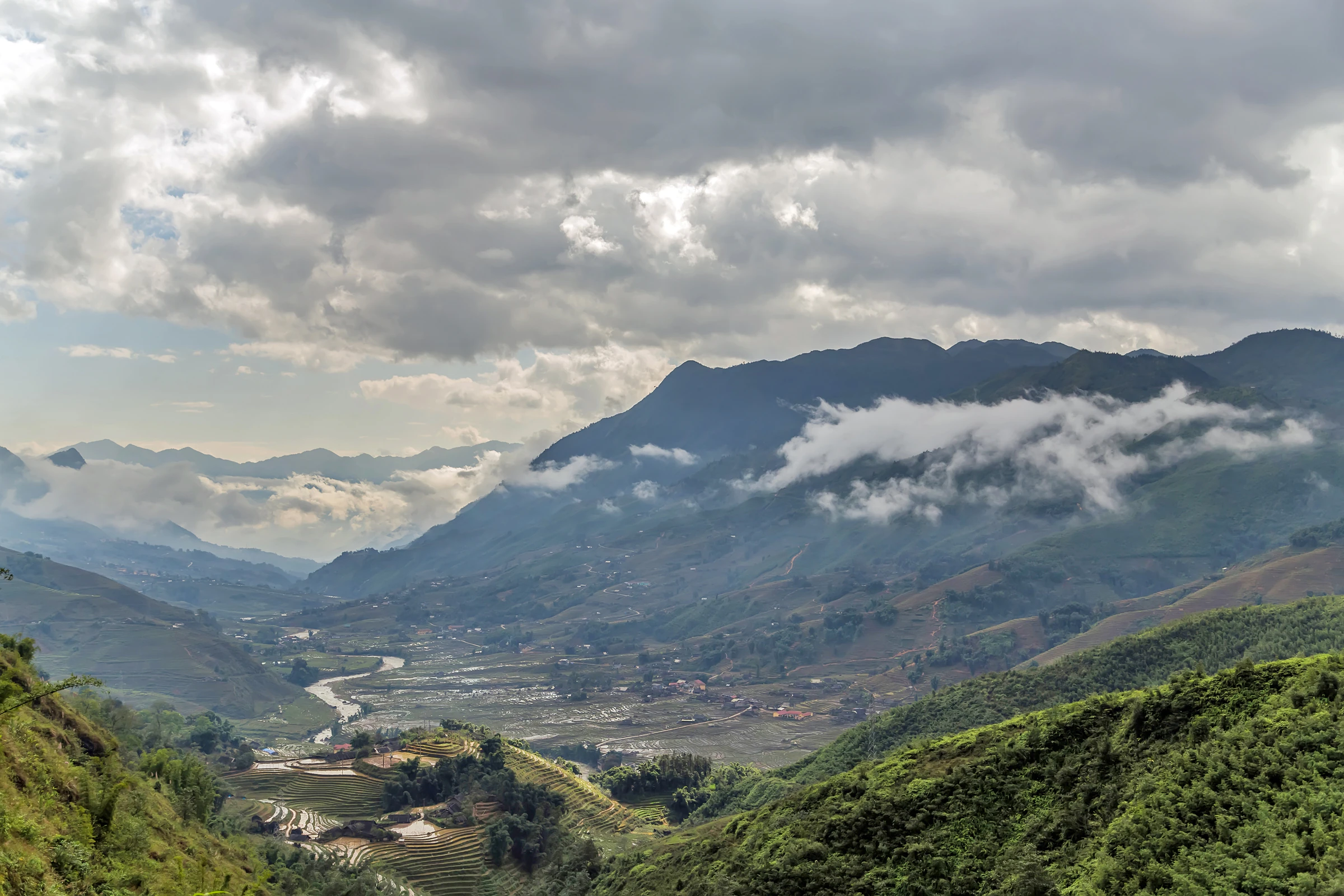
Vietnam is about 1,650 km from north to south, and its three regions have different weather at the same time. Hanoi can be cool and grey while Saigon is hot and dry. Hoi An can be flooded while the north is clear and sunny. There's no single perfect month for the whole country, but there are months when all of it is good, and months when one region is best left out.
This guide gives the big picture first, then goes month by month. For routes, costs and the rest of the planning, see our Vietnam travel guide.

Vietnam's weather at a glance
- The north (Hanoi, Ha Long and Lan Ha bays, Ninh Binh, Sapa, Ha Giang) has four seasons. Winter, from December to February, is cool and often grey. Summer, from May to August, is hot, humid and wet.
- The centre (Hue, Hoi An, Da Nang, Phong Nha) is dry and sunny from February to August. Its rain comes late, from September to December, with floods most likely in October and November.
- The south (Ho Chi Minh City, the Mekong Delta, Phu Quoc) is hot all year, with a dry season from December to April and a rainy season from May to November. The rain usually comes as short, heavy afternoon storms.
Typhoon season runs roughly from June to November. Storms tend to reach the north first, from about July to September, then the centre from September to November. Forecasters expected fewer storms than average in 2026, but one storm can still close the bays and flood roads for days.
| Month | Hanoi (high / low, rain) | Da Nang and Hoi An | Ho Chi Minh City | Verdict for a full trip |
|---|---|---|---|---|
| January | 20 / 14°C, dry | 25 / 19°C, some rain | 32 / 23°C, dry | Good, but the north is cool and grey |
| February | 22 / 16°C, dry | 26 / 20°C, dry | 33 / 23°C, dry | Good. Plan around Tet |
| March | 26 / 21°C, dry | 28 / 22°C, dry | 34 / 25°C, dry | Best |
| April | 29 / 22°C, showers | 31 / 24°C, dry | 35 / 26°C, dry | Best |
| May | 33 / 25°C, wetter | 33 / 25°C, mostly dry | 35 / 26°C, rains start | Very good, getting hot |
| June | 35 / 27°C, wet | 35 / 26°C, mostly dry | 34 / 26°C, wet | Good, hot. Small typhoon risk in the bays |
| July | 34 / 27°C, wet | 34 / 26°C, mostly dry | 33 / 25°C, wet | Fair. Typhoon risk in the north |
| August | 33 / 26°C, wet | 34 / 26°C, rain rising | 33 / 25°C, wet | Fair. Typhoon risk in the north |
| September | 32 / 25°C, wet | 32 / 25°C, heavy rain | 33 / 25°C, wet | Poor for the centre. Good for the mountains late in the month |
| October | 30 / 23°C, drying | 30 / 24°C, wettest | 32 / 25°C, wet | Poor for the centre. Great for the north |
| November | 27 / 20°C, dry | 27 / 22°C, very wet | 32 / 25°C, drying | Poor for the centre. Great for the north |
| December | 21 / 14°C, dry | 25 / 20°C, wet | 32 / 24°C, dry | Good north and south. The centre is still wet early in the month |
Temperatures are long-term monthly averages. Individual years vary, and heavy rain in the centre can arrive earlier or last longer.
Best time for each region
Hanoi, Ninh Binh and the north
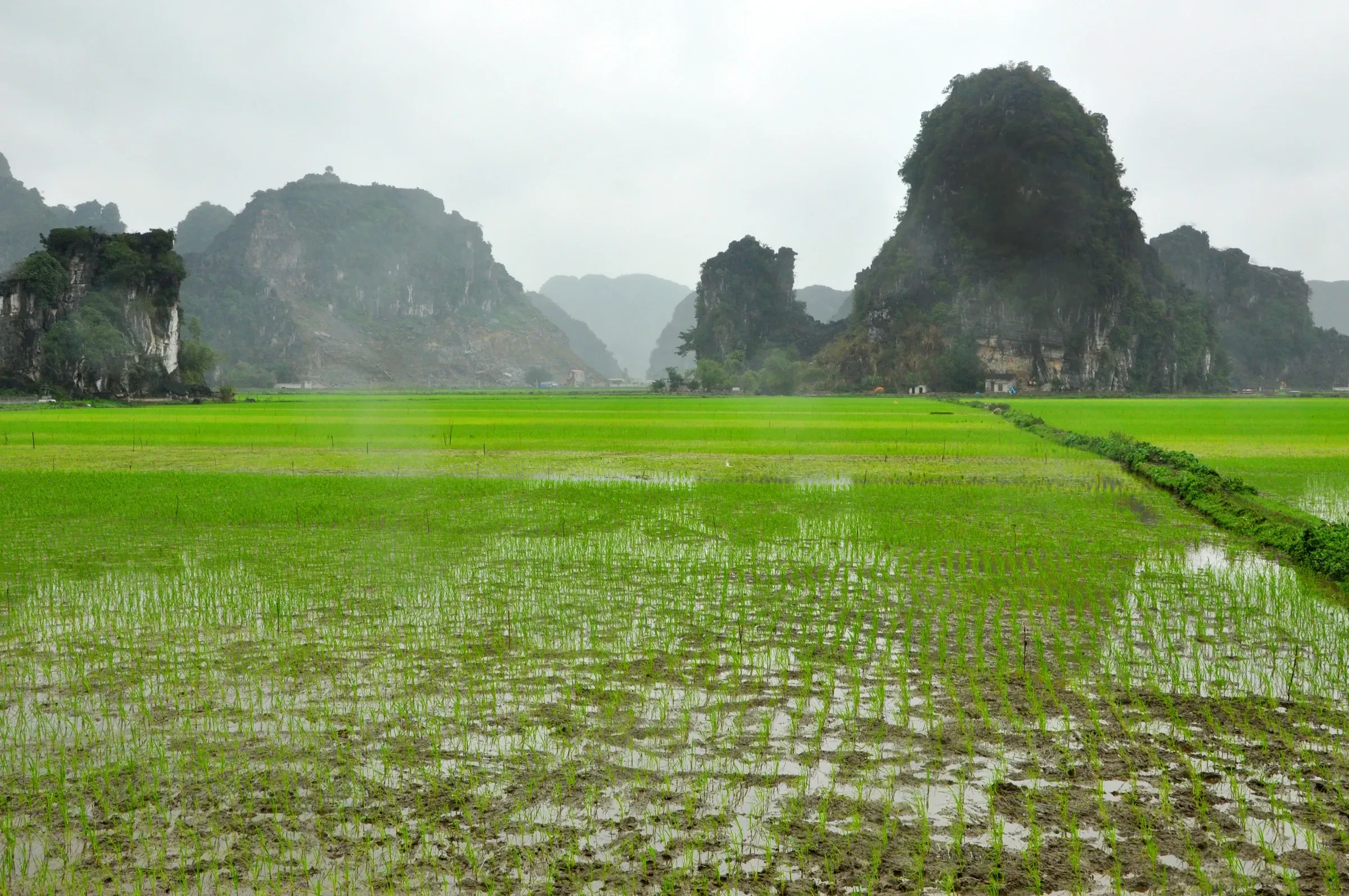
October to April is the most comfortable time in Hanoi. October and November are clear and mild, and probably the best months of all. December to February is cool, with averages of about 14 to 22°C and colder nights, and the sky is often grey with drizzle. Bring a jacket. From May to August it's about 33 to 35°C and humid, with heavy downpours. Ninh Binh follows the same pattern. The rice fields around Tam Coc are green in March and April, and golden in late May to early June and again in September.
Ha Long Bay and Lan Ha Bay
The bays are best from March to May and from September to November. Typhoons can arrive from about June to October, peaking from July to September, and when a storm is forecast the authorities keep every boat in port, sometimes for a few days. From January to March the bays can be misty, which is atmospheric but hides the views. If you book an overnight boat in summer, keep a spare day in Hanoi.
Sapa and Ha Giang
The mountains are best from late September to November, when the skies are clear and the rice terraces are golden around the September and October harvest, and from March to May. December and January are cold, with nights close to freezing in some years. July and August are the wettest months, and heavy rain can cause landslides on mountain roads. The Sapa guide and the Ha Giang Loop guide have the details.
Hue, Hoi An, Da Nang and Phong Nha
The centre is at its best from February to May, when it's sunny and not yet too hot. June to August is hot, often over 34°C, but mostly dry and fine for the beach. From September to December the rain arrives, and it can be extreme. Flooding in the central provinces ran in two waves from 16 October to early December 2025. On 26 to 27 October the Bach Ma weather station in the hills near Hue recorded 1,739.6 mm of rain in 24 hours, a national record, and Hoi An's old town flooded. The caves at Phong Nha close for days at a time when the rivers flood, mostly from mid-September to November. Avoid a centre-heavy trip in October and November.

Da Nang
Da Nang, the biggest city on the central coast, follows the same pattern as the rest of the centre: dry and sunny from about February to August, and at its best from February to May, before the real heat sets in. From September to December it turns wet, in the same window when the centre's typhoon risk is highest. Because Da Nang is a city rather than a low-lying old town, its beachfront and airport tend to keep running through an ordinary storm that would flood Hoi An's Ancient Town streets, but a direct typhoon landfall, which central Vietnam sees most often from September to November, still grounds flights and closes the beaches for a few days. The Da Nang International Fireworks Festival runs in the dry season, usually around June to July.
Nha Trang
Nha Trang has one of the shortest rainy seasons in Vietnam, roughly September to December, peaking in October and November. In mid to late November 2025, Typhoon Koto brought floods to parts of the city and landslides to the passes around Da Lat. From January to August it's mostly sunny and good for the beach.
Ho Chi Minh City and the Mekong Delta
The south is best from December to April, when it's dry. March and April are the hottest months, at about 34 to 35°C. From May to November there's rain most afternoons, usually heavy and short, and it rarely stops you doing much. The Mekong Delta is lush and green in the rainy season, and the rivers run high.

Phu Quoc
Phu Quoc is best from November to April, when it's dry and sunny. From May to October it's much wetter, and some boat trips and resorts scale back.
Vietnam month by month
Vietnam in January
January is dry in the north and south, but Hanoi is cool (about 14 to 20°C) and often grey, and Sapa is cold. The centre is drying out, with some rain still around Hue. The south is at its best: dry, sunny and not yet at its hottest. It's a good month for Saigon, the Mekong and Phu Quoc.
Vietnam in February
February is a good month across most of the country, with the north warming up, the centre dry and the south sunny. Tet, the Lunar New Year, falls on Saturday 6 February 2027. The length of the official break hasn't been decided: the options are 4 to 10 February or 5 to 14 February. The Ministry of Home Affairs sent the government its recommendation for the shorter one on 11 September. Trains, buses and flights sell out in the fortnight before Tet, and many small shops and restaurants close for several days afterwards. The week after Tet is a great time to travel. Our Tet guide explains what to expect.
Vietnam in March
March is one of the best months for a full trip. The north is mild, the bays are calmer, the centre is sunny and not too hot, and the south is dry. Mist can still hang over Ha Long Bay early in the month.
Vietnam in April
April is another of the best months: warm in the north, sunny in the centre and dry but hot in the south. Hung Kings' Day is on 16 April 2027, and Reunification Day and Labour Day are on 30 April and 1 May. Vietnamese families travel over these holidays, so book transport and beach rooms ahead.
Vietnam in May
May is hot and getting wetter in the north and the south, but still good in the centre, which is at its best for beaches. It's a good month for Hoi An and Da Nang. Expect afternoon storms in Hanoi and Saigon.
Vietnam in June
June is hot everywhere, about 35°C in Hanoi and the centre, with rain in the north and the south. The central coast is dry and sunny, so it's a good month for beaches around Hoi An, Da Nang and Nha Trang. Typhoons are possible in the Gulf of Tonkin from June, though they're more common later in summer.
Vietnam in July
July is the heart of the rainy season in the north and the south, and the start of the main typhoon risk for Ha Long and Lan Ha bays. In July 2026, for example, a storm made landfall in Quang Ninh province on the 4th. The centre is still mostly dry and very hot. It's a good month to focus on Hoi An, Da Nang and Nha Trang.
Vietnam in August
August is similar to July: wet in the north and the south, hot and mostly dry in the centre, with a real chance of a storm disrupting bay cruises. In the mountains around Sapa, the rice terraces are at their greenest and start turning gold late in the month.
Vietnam in September
September is a changeover month. The north gets drier and cooler as the month goes on, and it's the start of the best season for Sapa and Ha Giang, when the terraces are golden. The centre starts its rainy season, and Hue and Hoi An can get very heavy rain. At the end of September 2025, Typhoon Bualoi flooded parts of Hanoi and set off landslides in the northern mountains, including around Sapa. National Day on 2 September is a big public holiday, and the Mid-Autumn Festival follows. In 2027 it falls on 15 September.
Vietnam in October
October is one of the best months for the north: clear, mild and dry, with golden terraces in the mountains. It's also the wettest month in the centre, when floods are most likely in Hue and Hoi An and water caves at Phong Nha close. If you're travelling now, focus on the north, or the north and the south, and treat the centre as optional.
Vietnam in November
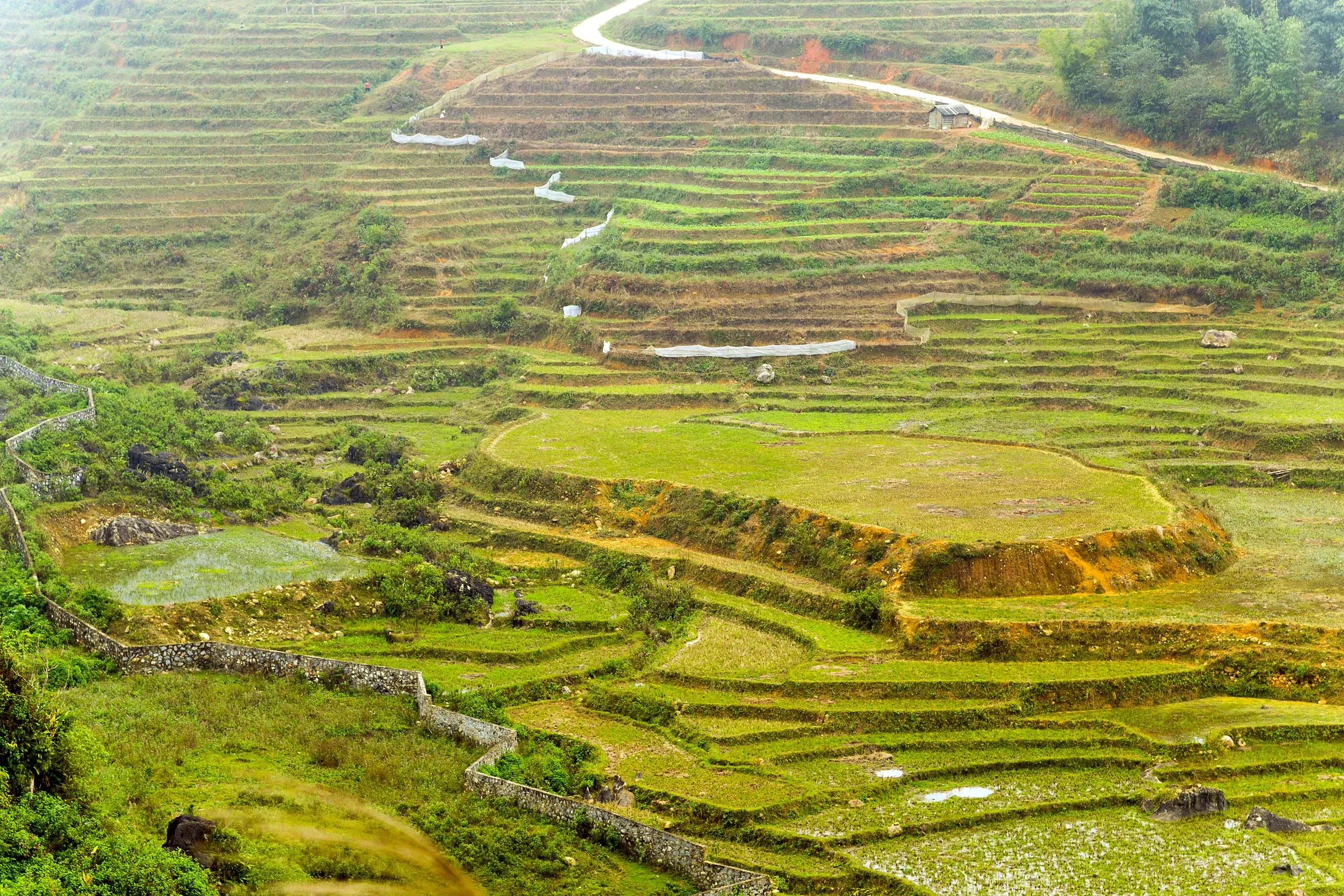
November is still excellent in the north and the mountains, and the south is drying out. The centre is often still very wet. In 2025, floods and landslides hit central Vietnam from mid-October into early December, and the flooding moved south to Nha Trang and the Da Lat highlands in mid to late November. Nha Trang is also in its wettest months. It's also buckwheat flower season on the Ha Giang Loop.
Vietnam in December
December is cool in Hanoi (about 14 to 21°C) and cold in the mountains, so pack layers. The south is dry and sunny, and it's the start of the best season for Phu Quoc. The centre starts to dry out as the month goes on, but early December can still be wet. Around Christmas and New Year, beach resorts in the south get busy.
Festivals and holidays
| When | Event | Good to know |
|---|---|---|
| Sat 6 February 2027 | Tet (Lunar New Year) | The biggest holiday of the year. Transport is full and many places close for several days. The week after is quieter. See the Tet guide |
| Every lunar month | Hoi An lantern night | On the 14th day of each lunar month, Hoi An's old town turns off its electric lights and runs on lanterns. See the Hoi An lantern festival guide for every date |
| Fri 16 April 2027 | Hung Kings' Day | Public holiday, with a long weekend |
| 30 April and 1 May | Reunification Day and Labour Day | Public holidays. Busy beaches and full trains |
| About June to July | Da Nang International Fireworks Festival | The 2027 dates haven't been announced |
| 2 September | National Day | Public holiday. A four-day break (2 to 5 September) has been proposed for 2027 but not confirmed |
| Wed 15 September 2027 | Mid-Autumn Festival | Lanterns, mooncakes and lion dances, especially lively for children |
When is the cheapest time to visit Vietnam?
A few times of year are clearly more expensive: the weeks before and after Tet, Vietnamese holidays at the end of April and early September, and Christmas and New Year in the beach resorts. The rainy season in each region is usually the cheapest time there, for example the centre in October and November. It's cheap for a reason, though, so check the flood and typhoon warnings before you book.
Best time for...
- A full north-to-south trip: late February to May
- Hanoi and Ninh Binh: October to April
- Ha Long and Lan Ha bays: March to May, and September to November
- Sapa and the Ha Giang Loop: late September to November, and March to May
- Hoi An, Hue and Da Nang: February to May
- Beaches: the centre from May to August, and Phu Quoc from November to April
- Ho Chi Minh City and the Mekong: December to April
Plan your trip around the season
Our Vietnam trips run in the months that suit their routes.
Vietnam North to South covers the whole country in 15 days, from Hanoi and Lan Ha Bay through Phong Nha, Hue and Hoi An to Saigon and the Mekong Delta. It runs from late February to May, when all three regions are good, and never from mid-September to November, when the centre floods.
Vietnam Express covers Hanoi, Ninh Binh, a night on Lan Ha Bay and Hoi An in nine days. It runs mainly from mid-February to early June.
Vietnam Ha Giang Loop Tour is five days in the far north, from Hanoi and back, in the best mountain months: October and November, and March and April.