
Hoi An is small enough to see properly in two or three days, but it fits in more than that size suggests: a ticketed old town, a beach, a tailoring trade, a cluster of temple ruins and a coconut village that's turned into a boat ride of its own.
The best of Hoi An in one list
1. Walk the Old Town on one ticket
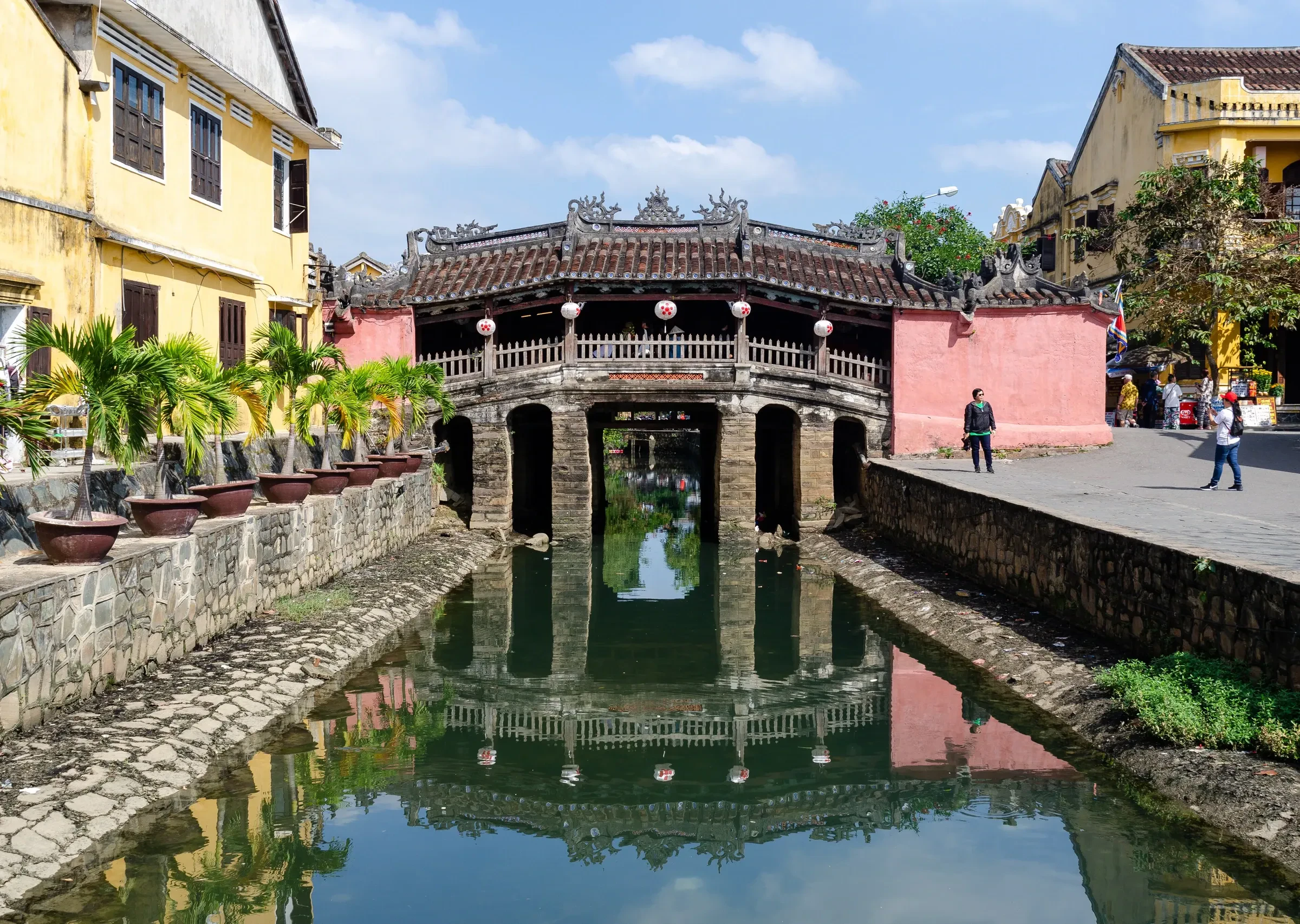
Hoi An's Old Town charges for entry, and it works differently from most places: one strip of five tear-off coupons (120,000 dong, per the heritage office's January 2026 notice; a cheaper 80,000 dong ticket covers three sites) covers entry to five of the town's heritage buildings, including the Japanese Covered Bridge, the town's assembly halls and its old merchant houses. The ticket is only checked at the doors of ticketed sites during the day. Walking the streets, eating and shopping cost nothing, and there's no charge to be out after dark. Buy your strip from a ticket booth at the edge of the Old Town before you go in. Our Hoi An travel guide covers the ticket system in more detail.
Where: the Old Town, on both banks of the Thu Bon River. Cost: 120,000 dong for the strip of five coupons. Time needed: half a day to see the ticketed sites properly, longer if you're also shopping or eating.
2. Watch the lanterns come on over the river
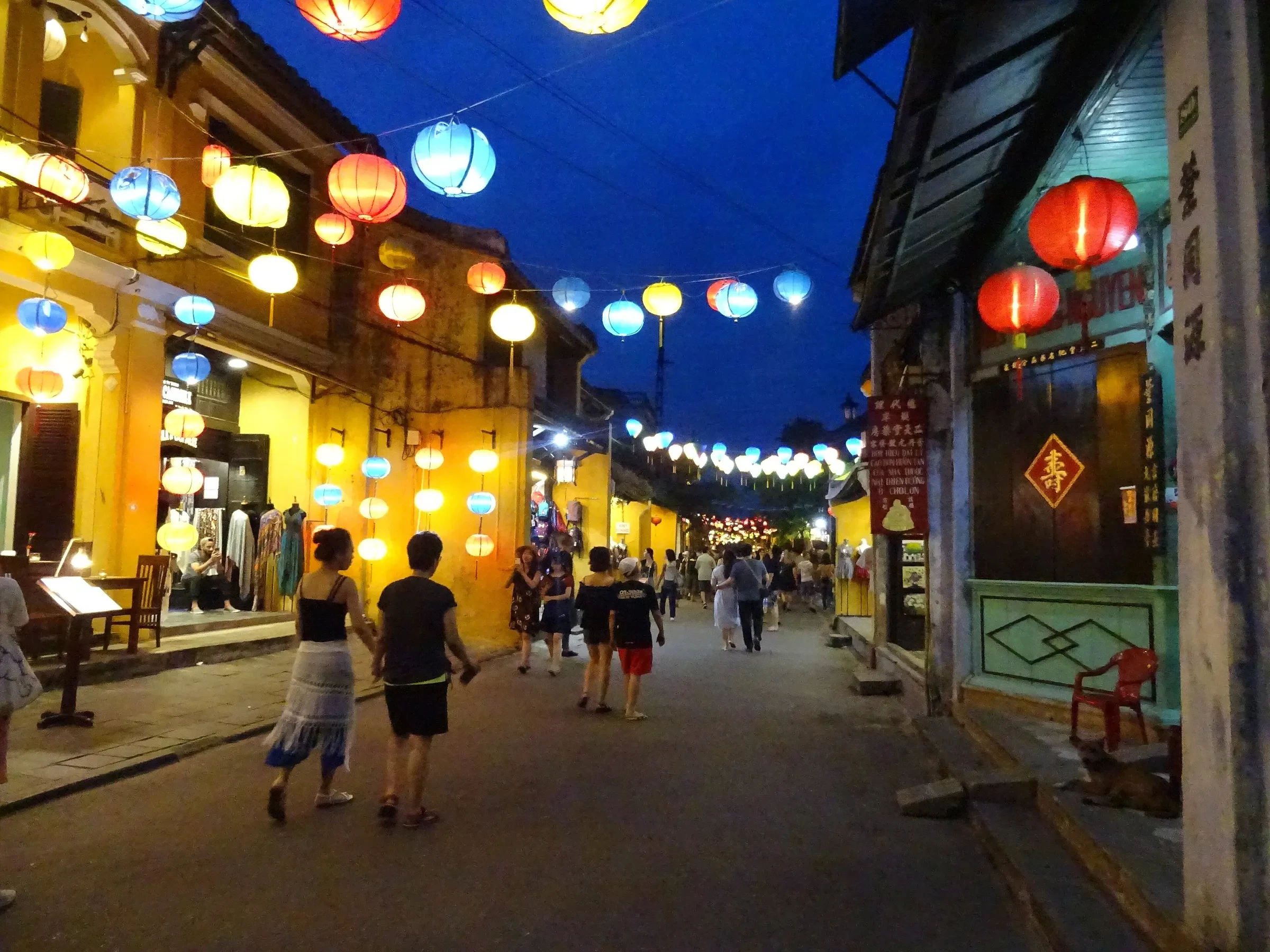
Silk lanterns hang over Hoi An's lanes every night of the year, so any evening walk is worth it. Once a month, on the 14th day of the lunar calendar, the town goes further: the electric street lights switch off from early evening until about 10pm, and small floating candle lanterns drift down the river. Our Hoi An lantern festival guide has every date for the rest of 2026 and 2027.
Where: the riverside streets and the Hoai River, especially around Bach Dang Street. Cost: free to walk; a candle lantern costs roughly 10,000 to 40,000 dong, and a short rowing boat ride roughly 150,000 to 220,000 dong per boat of up to five people (2026 figures from our lantern festival guide). Time needed: an hour or two after dark.
3. Get something made by a tailor
Hoi An has been a tailoring town for visitors for decades, and it's still one of the few places in Vietnam where a made-to-measure jacket or dress is a realistic thing to come home with. Turnaround is usually 24 to 48 hours across two fittings, so the trick is timing: get to a shop and have your first fitting on your first morning in town, not your last afternoon. Ask other travellers at your hostel for a shop that does a proper first fitting rather than rushing you through in one visit; we don't recommend specific shops.
Where: tailor shops throughout the Old Town and the streets just outside it. Cost: varies widely by fabric and garment. Time needed: two short shop visits, spaced 24 to 48 hours apart.

4. Cycle to An Bang beach (and where Cua Dai stands now)
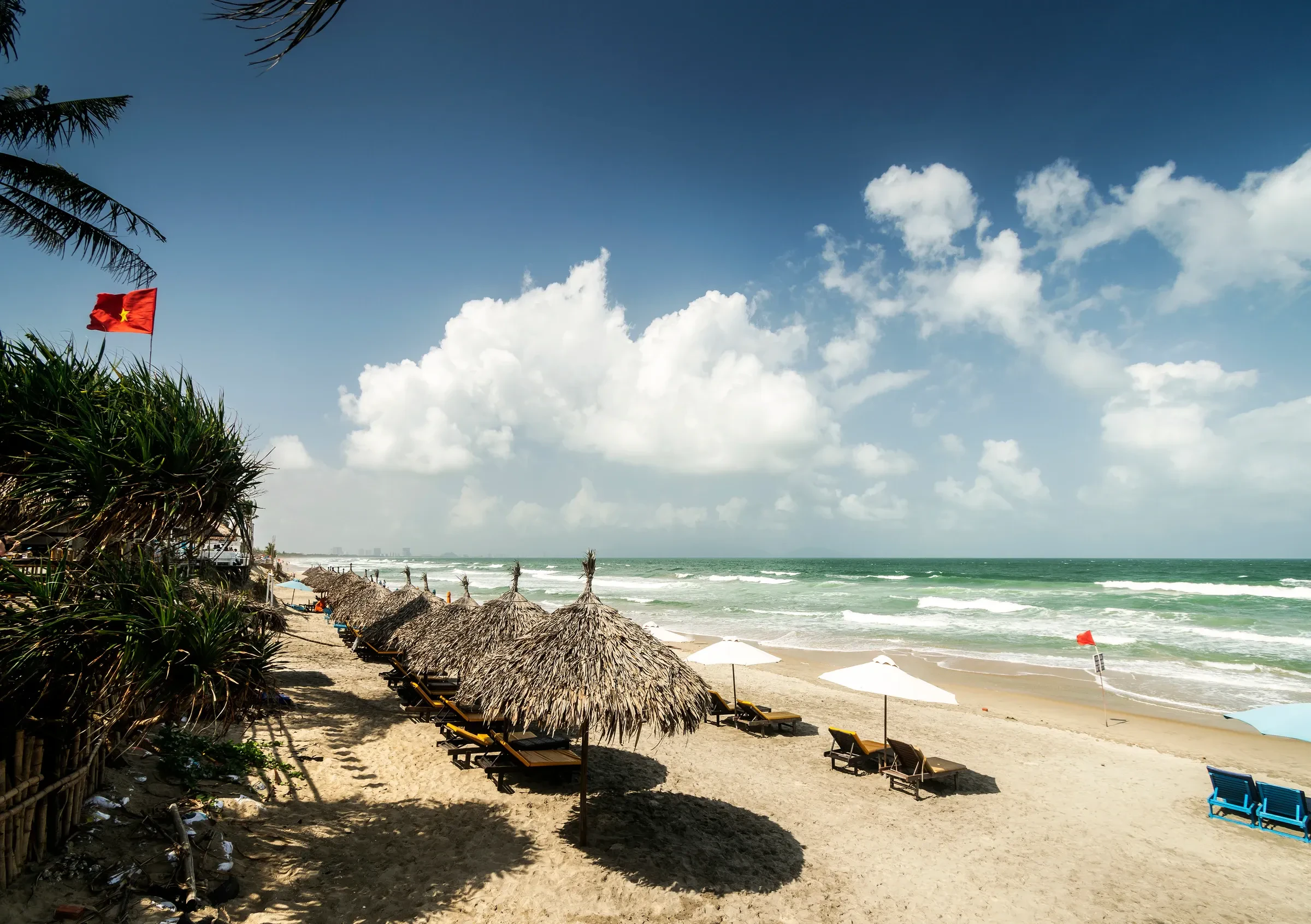
An Bang is Hoi An's easiest beach trip: a flat 4 to 5km cycle through rice fields, about 15 to 20 minutes by bike, with beach cafes for a coffee before you ride back. Cua Dai, the older beach closer to town, lost most of its sand to erosion that set in around 2014, driven by upstream dams and sand mining on the Thu Bon River. Quang Nam province has been rebuilding it with offshore breakwaters and pumped-in sand, but how much beach there is varies by stretch and after storms. An Bang is the safer bet for a swim; treat Cua Dai as a look-and-see unless you've checked recent conditions.
Where: An Bang, about 4 to 5km northeast of the Old Town; Cua Dai, a shorter ride southeast. Cost: free; bike hire in town costs a few tens of thousands of dong a day. Time needed: half a day.
5. Ride out to Tra Que herb village
Tra Que is a working herb and vegetable village a short, flat cycle from town through rice paddies, and it costs nothing to wander the growing beds and watch farmers work the raised plots by hand. Most people combine it with a cooking class (below), since several schools build their morning around a walk through Tra Que's gardens, but you can also just cycle out on your own for an hour.
Where: about 3km north of the Old Town. Cost: free to visit; a guided farming session or class costs extra. Time needed: an hour or two by bike, longer as part of a cooking class.
6. Take a half-day cooking class
Hoi An's cooking classes typically start with a walk or cycle to the local market, move on to Tra Que or the Cam Thanh coconut forest for a garden or boat element, and finish with hands-on cooking of three or four dishes, often including cao lau or banh xeo. Prices start from around US$25 to US$35 per person for a half-day class with market, garden and lunch included. Pick a school that keeps groups small and actually lets you cook, rather than one that mostly demonstrates.
Where: schools based in town, working out to Tra Que or Cam Thanh. Cost: from about US$25 to US$35 per person. Time needed: half a day, usually 4 to 5 hours.
7. Paddle a basket boat in Cam Thanh
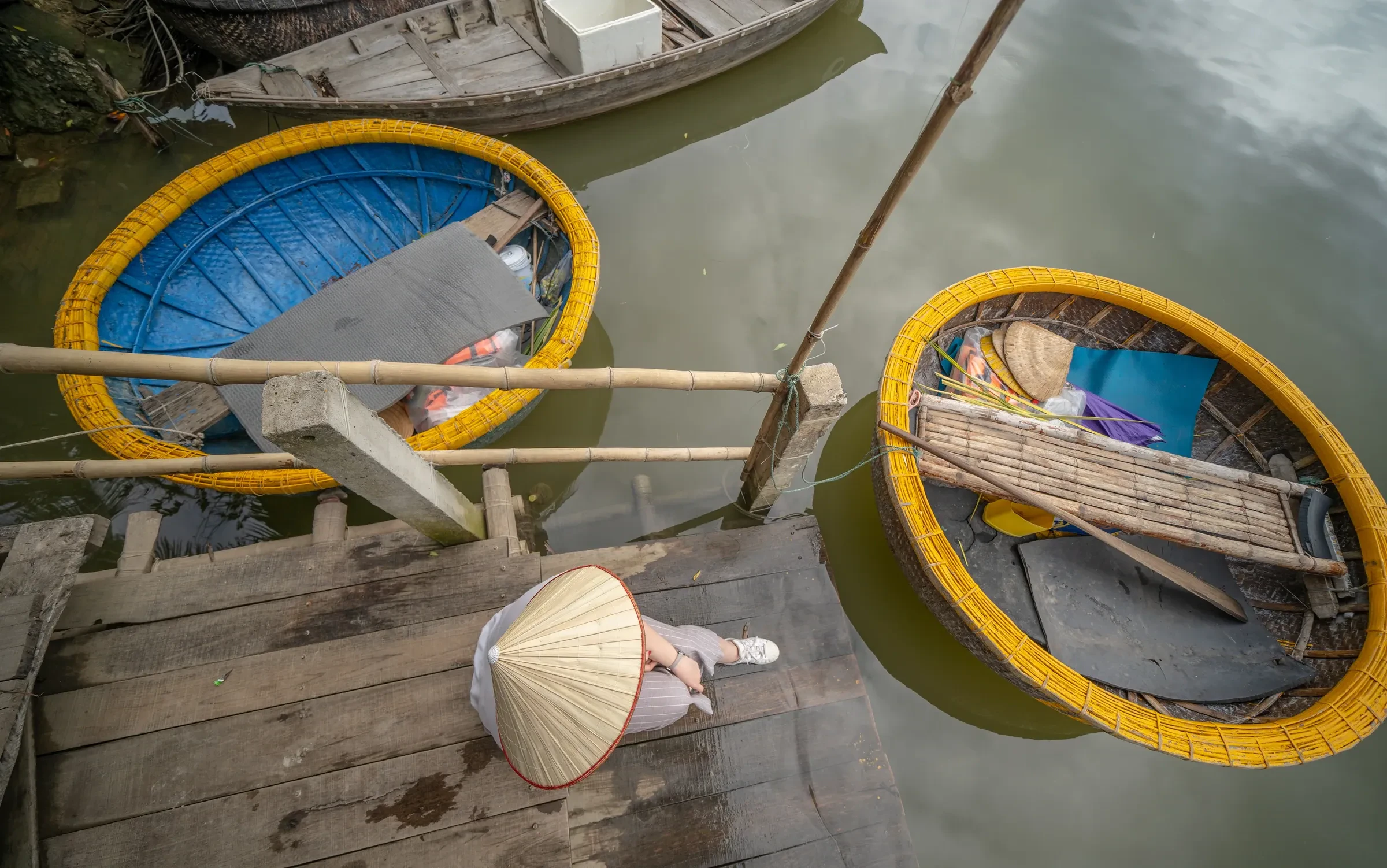
Round basket boats paddle through a nipa-palm coconut forest at Cam Thanh, about 15 minutes' drive from the Old Town. It's a fun half hour on the water, but it's also one of Hoi An's most crowded activities: tour buses arrive in convoys from mid-morning, and the "spinning boat" show and loudspeaker sales pitch that come with some tours can make the busiest stretch of canal feel more like a fairground than a quiet paddle. Go before 9am or later in the afternoon, and pick an operator that runs its own boats and pays the boat families directly rather than one that drops you straight into the busiest section.
Where: Cam Thanh coconut village, about 15 minutes by road or bike from town. Cost: roughly 80,000 to 100,000 dong per person at the boat station in 2026 listings, more through some tour operators. Time needed: 45 minutes to an hour on the water.
8. Visit the My Son ruins
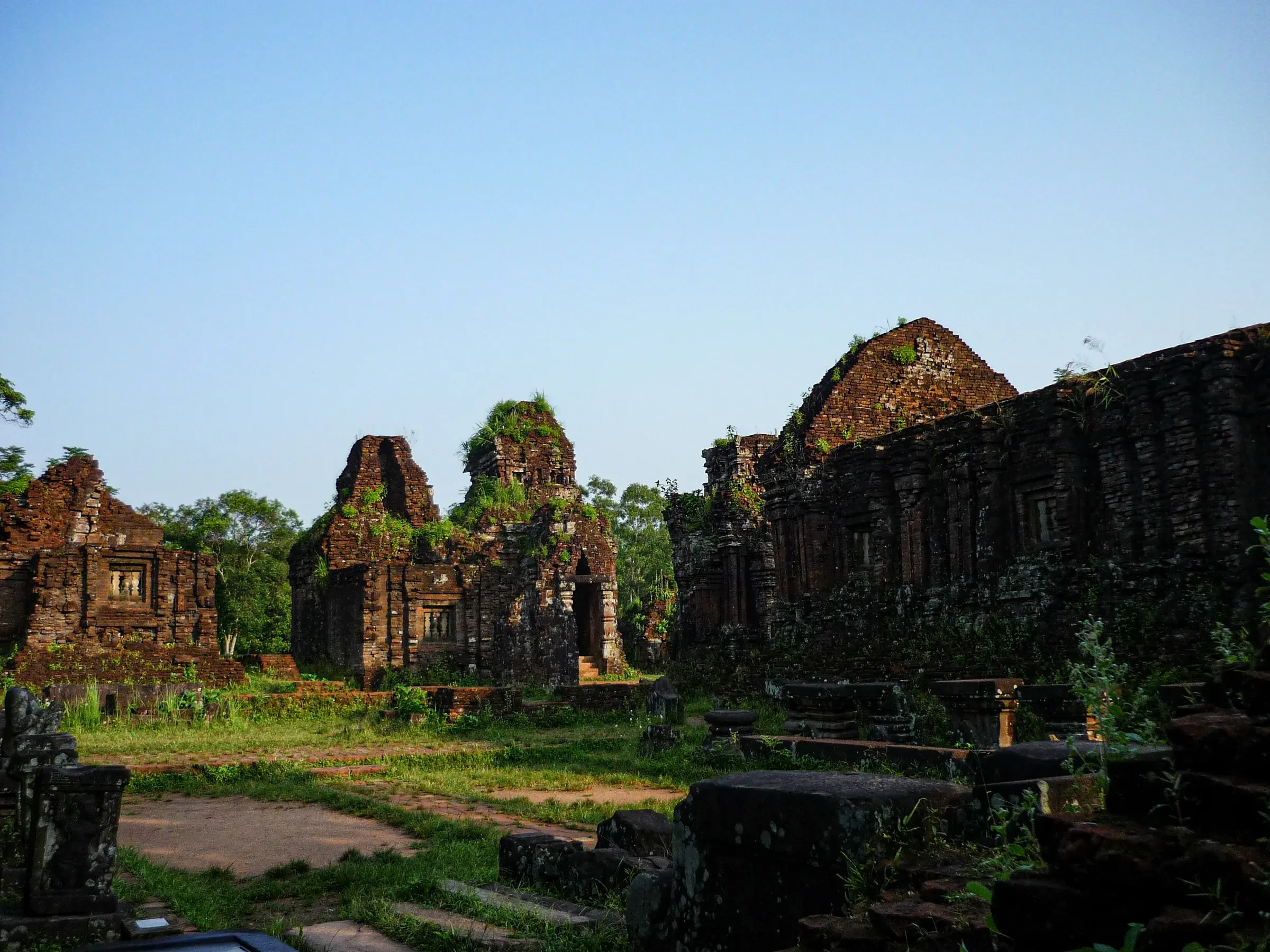
My Son is a cluster of ruined Hindu temples built by the Champa kingdom between roughly the 4th and 13th centuries, about 40km and an hour's drive from Hoi An. Entry costs 150,000 dong for foreign visitors at the latest reports (authorities are reviewing a single price for all visitors, so check before you go) and includes the return electric cart from the car park to the site. Go early, from about 6am to 8.30am, to beat the heat and the tour groups that start arriving by mid-morning.
Where: about 40km southwest of Hoi An. Cost: about 150,000 dong entry. Time needed: half a day, including travel.
9. Day trip to the Marble Mountains
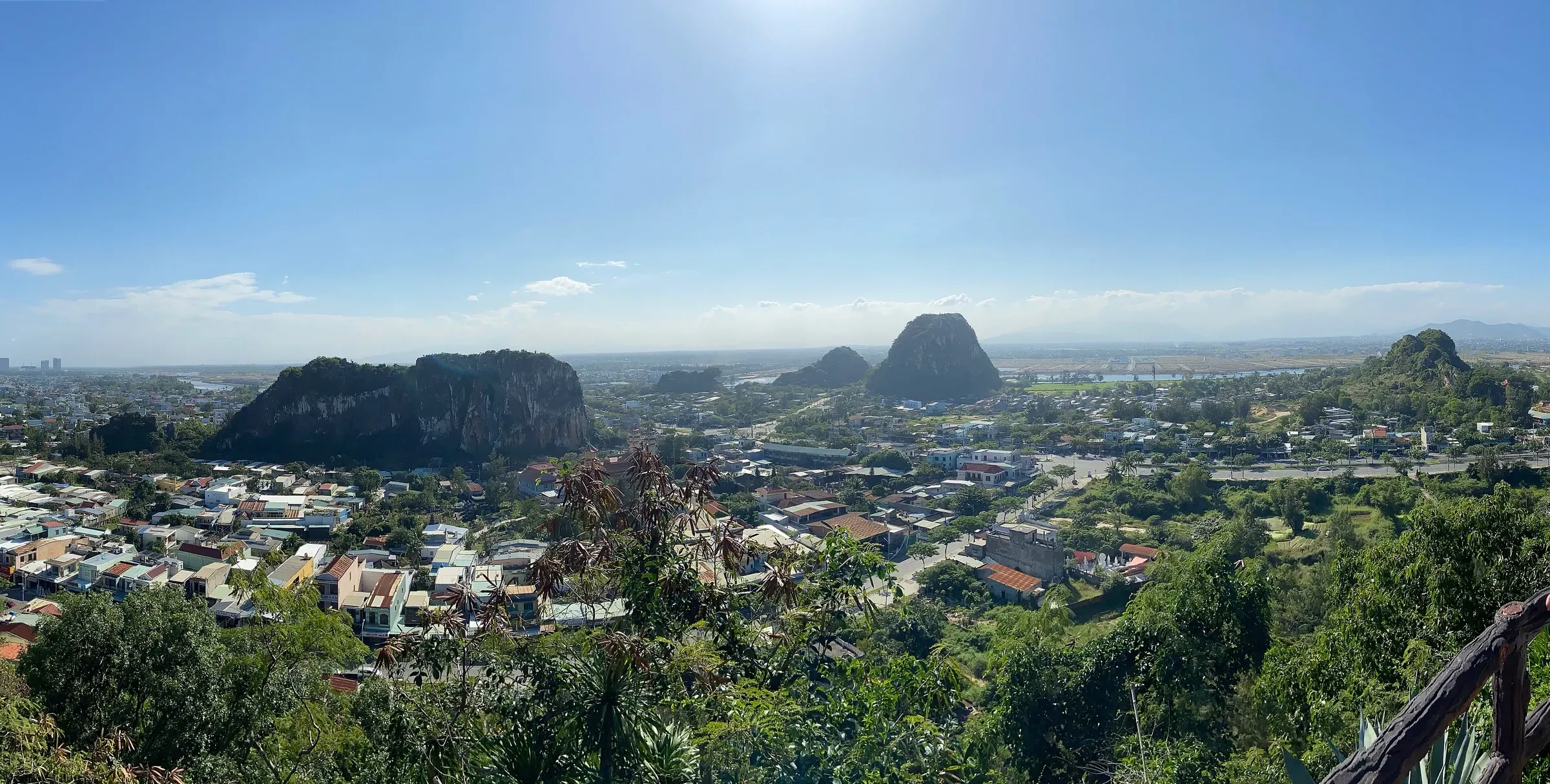
The Marble Mountains are five marble and limestone hills between Hoi An and Da Nang, dotted with cave temples and Buddhist shrines carved into the rock. General entry costs 40,000 dong, with an optional lift up to the main hill (15,000 dong one way, 30,000 dong return) and a separate 20,000 dong ticket for Am Phu Cave. It sits close to Da Nang's airport, so it works well as a stop on the way in or out of the region as well as a half-day trip from Hoi An. Our things to do in Da Nang guide covers it alongside Da Nang's other sights.
Where: between Hoi An and Da Nang, about 30 to 45 minutes by road from either. Cost: 40,000 dong entry, plus optional lift and cave fees. Time needed: half a day.
10. Time it around the monthly lantern festival
If your dates are flexible, building a night in Hoi An around the full-moon lantern festival (see item 2) is worth the small amount of planning it takes. Our lantern festival guide lists every 2026 and 2027 date, and flags which ones fall inside the flood season below.
Where, cost and time needed
| Experience | Where | Cost | Time needed |
|---|---|---|---|
| Old Town sites | The Old Town | 120,000 dong (5 coupons) | Half a day |
| Lanterns and the river at night | Riverside streets | Free to walk | 1 to 2 hours |
| A tailor-made outfit | Old Town tailor shops | Varies by fabric | 2 fittings, 24 to 48 h apart |
| An Bang beach | 4 to 5km northeast of town | Free | Half a day |
| Tra Que herb village | About 3km north of town | Free to visit | 1 to 2 hours |
| Cooking class | Town, Tra Que or Cam Thanh | About US$25 to US$35 | Half a day |
| Basket boat | Cam Thanh, 15 min from town | About 80,000 to 100,000 dong | 45 to 60 minutes |
| My Son ruins | 40km southwest of town | 150,000 dong | Half a day |
| Marble Mountains | Between Hoi An and Da Nang | 40,000 dong | Half a day |
Practical notes
Hoi An's rainy season runs roughly September to December, and flooding is most likely from mid-October to mid-December, when the Thu Bon River can rise into the Old Town's riverside streets. The water can rise within hours of heavy rain and sometimes stays for a day or more. Basket boats and river lantern nights get cancelled or scaled back when the water is high, so if you're travelling in that window, build in flexibility and check conditions close to your dates.
A bicycle is the easiest way to reach An Bang beach and Tra Que; most guesthouses rent them for a few tens of thousands of dong a day. My Son and the Marble Mountains are easiest by a shared or private van or a Grab car, since they're a longer way out. For the wider region and how Hoi An fits into a longer route, see our central Vietnam itinerary, and for what to eat between all of the above, our short Hoi An food guide.
Keep planning
- Hoi An travel guide: the Ancient Town ticket, tailors and how many days to stay
- Hoi An lantern festival guide: every 2026 and 2027 full-moon date
- Hoi An food guide: cao lau, banh mi and the market
- Things to do in Da Nang: the Marble Mountains, My Khe beach and Ba Na Hills
- Central Vietnam itinerary: Phong Nha, Hue, Hoi An and Da Nang in a week or 10 days
- Hoi An vs Da Nang: which one to base yourself in
- Best time to visit Vietnam: the month-by-month picture for the whole country
- Vietnam travel guide: routes, regions and costs for the rest of the country