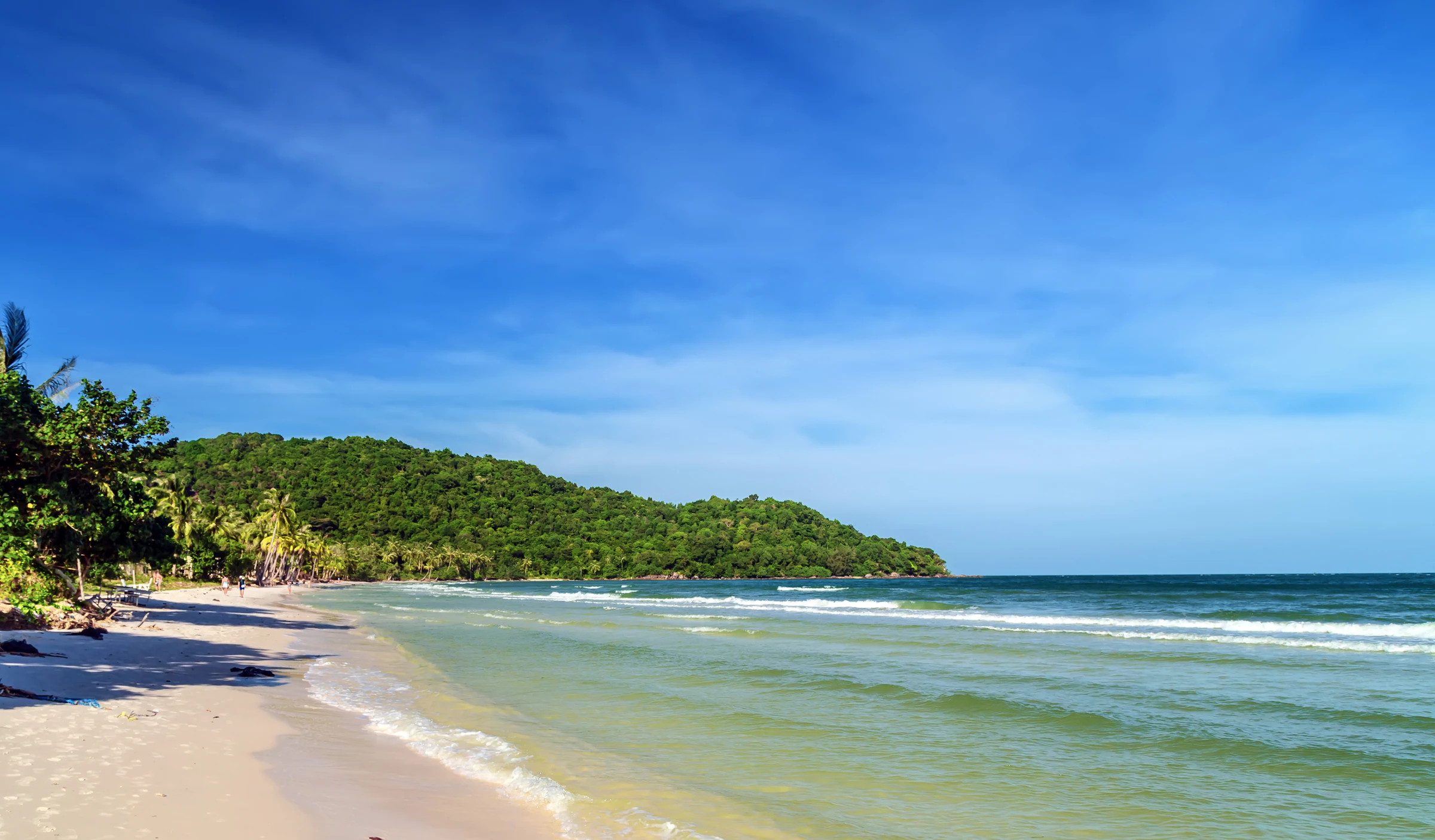
Da Nang sits on Vietnam's central coast, roughly midway between Hanoi and Ho Chi Minh City, with an international airport that makes it the usual way in and out of this part of the country. It's bigger and more modern than Hoi An or Hue, with a long city beach, a set of marble hills on its southern edge and a nature reserve out on a peninsula. Since 1 July 2025, when Vietnam merged several provinces, Quang Nam has been part of Da Nang city, so Hoi An is now administered by Da Nang too, though it still feels like a separate town. This guide covers the sights in and around the city, the case for and against Ba Na Hills, and the day trips that use Da Nang as a base.
1. My Khe beach
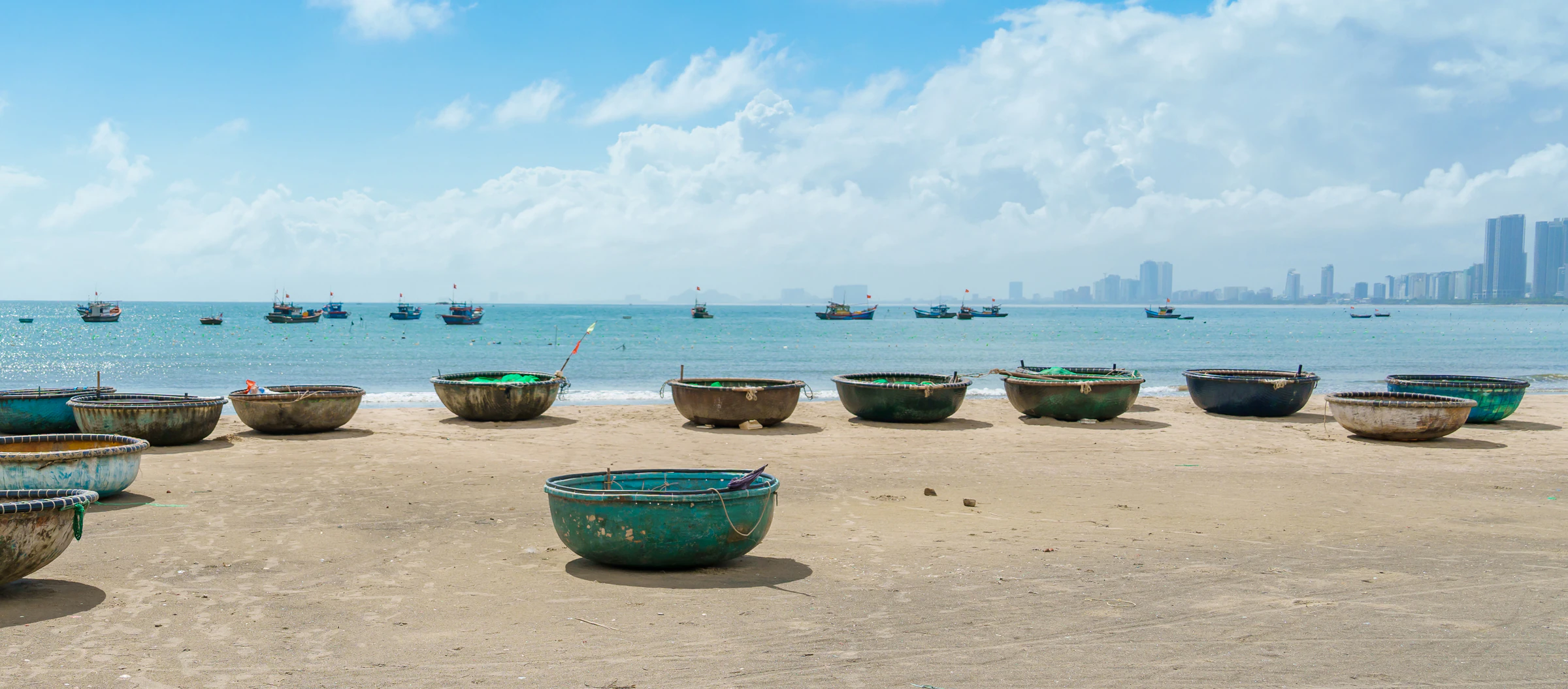
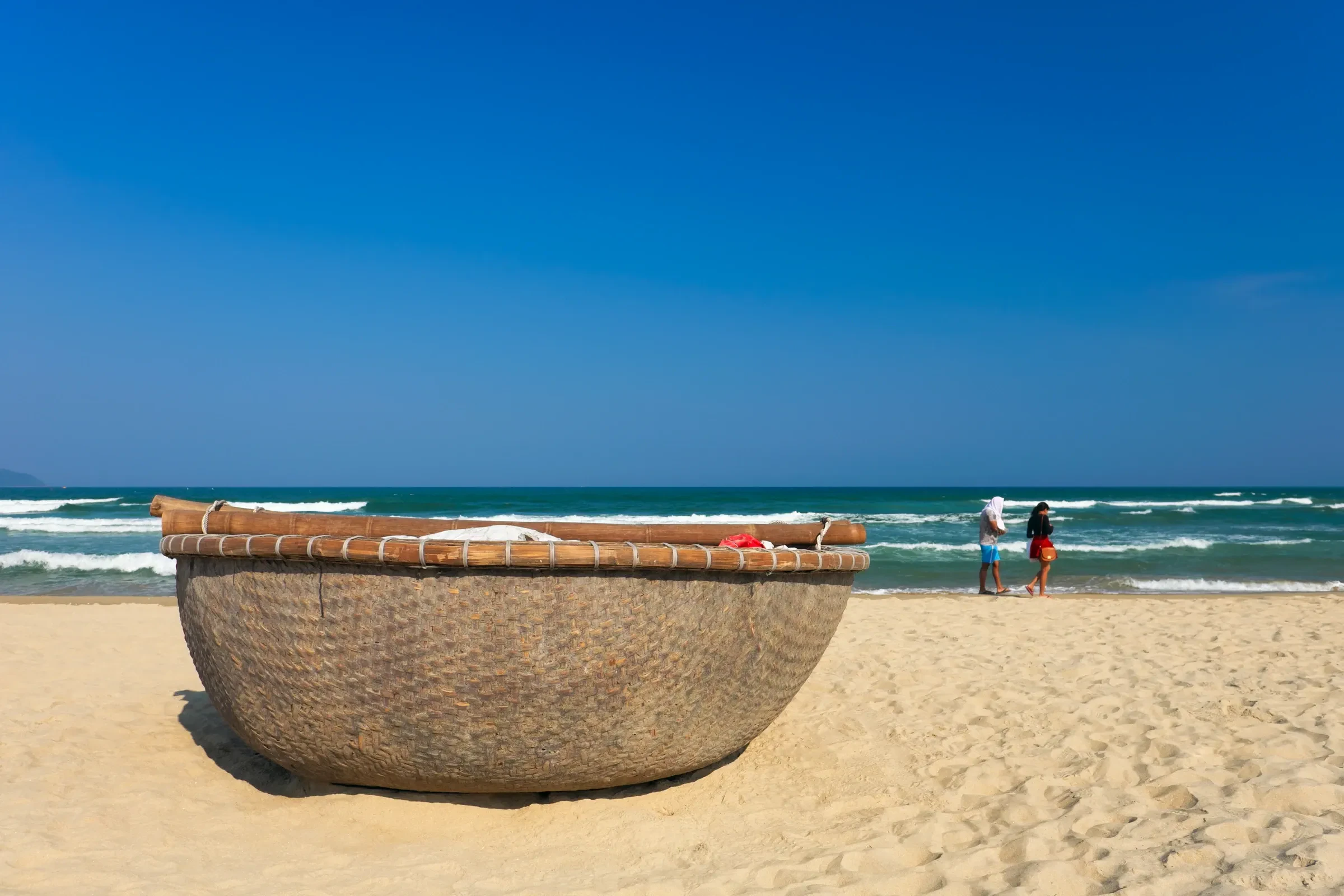
My Khe is Da Nang's main city beach, a long stretch of pale sand running north from the Han River mouth, with the round bamboo basket boats that central Vietnam's fishing villages use pulled up along the shore most mornings. It's free, a short taxi or Grab ride from the centre, and lined with beach bars and seafood shacks rather than resort compounds, so it isn't locked to hotel guests the way some city beaches are.
Where: the city's east-facing coast, a 10 to 15 minute ride from the centre. Cost: free. Time needed: a few hours, or a full afternoon with lunch on the beach.
2. The Marble Mountains
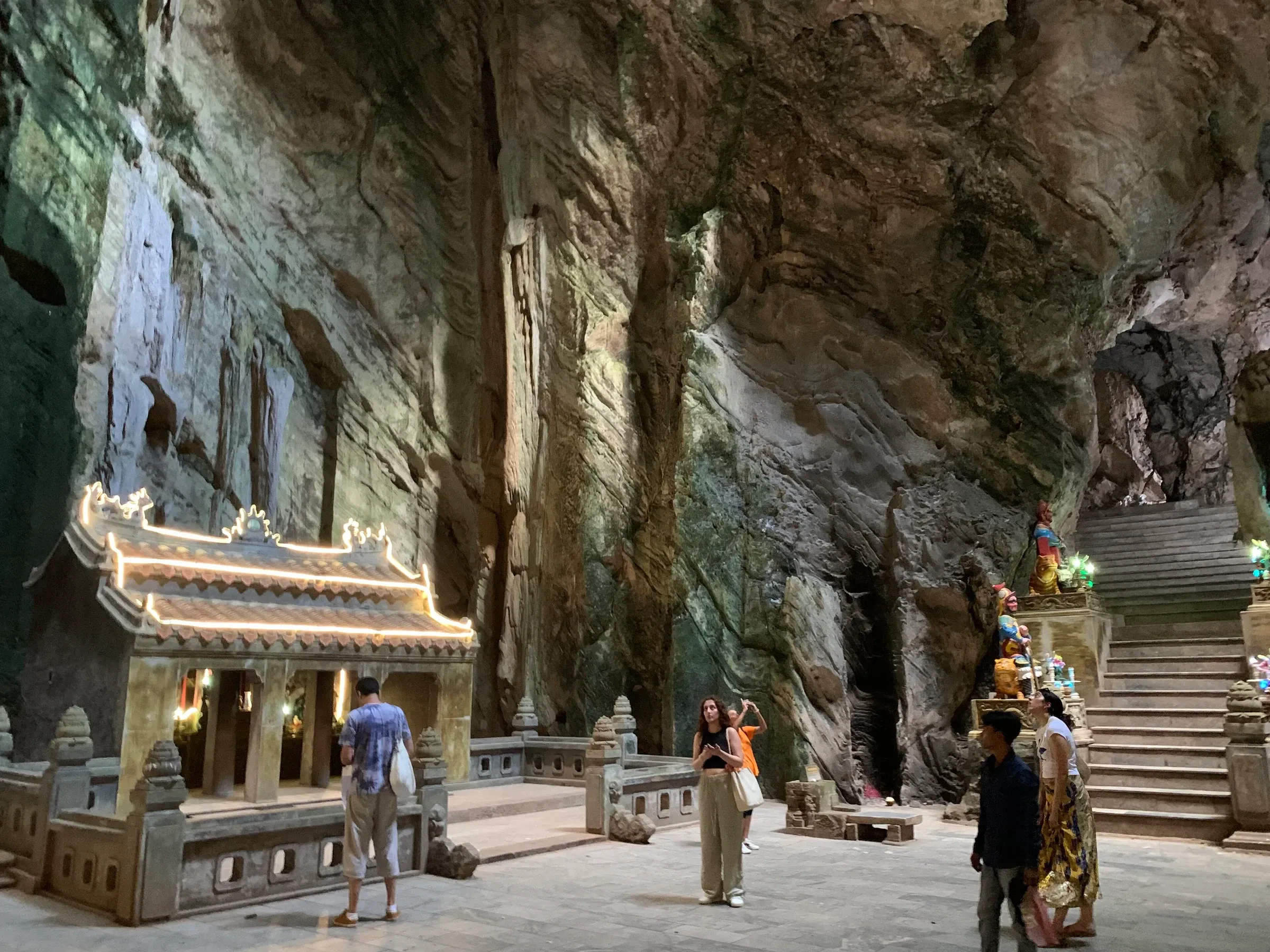
The Marble Mountains (Ngu Hanh Son, "five element mountains") are a cluster of five marble and limestone hills between Da Nang and Hoi An, each named for one of the five elements, riddled with caves that hold small Buddhist shrines and pagodas. Thuy Son, the largest, is the one most people climb: a mix of stone steps and cave passages leads up through Buddha statues carved into the rock to a viewpoint over the coast. It sits close to Da Nang's airport, so it works equally well as a stop on the way in or out as a dedicated half-day trip; our things to do in Hoi An guide covers it from that side too.
Where: between Da Nang and Hoi An, about 30 to 45 minutes by road from either. Cost: 40,000 dong entry; a lift up the main hill costs 15,000 dong one way or 30,000 dong return; the Am Phu ("hell") cave is a separate 20,000 dong. Time needed: 1.5 to 2 hours; open 7am to 5.30pm.
3. Son Tra peninsula and Linh Ung pagoda
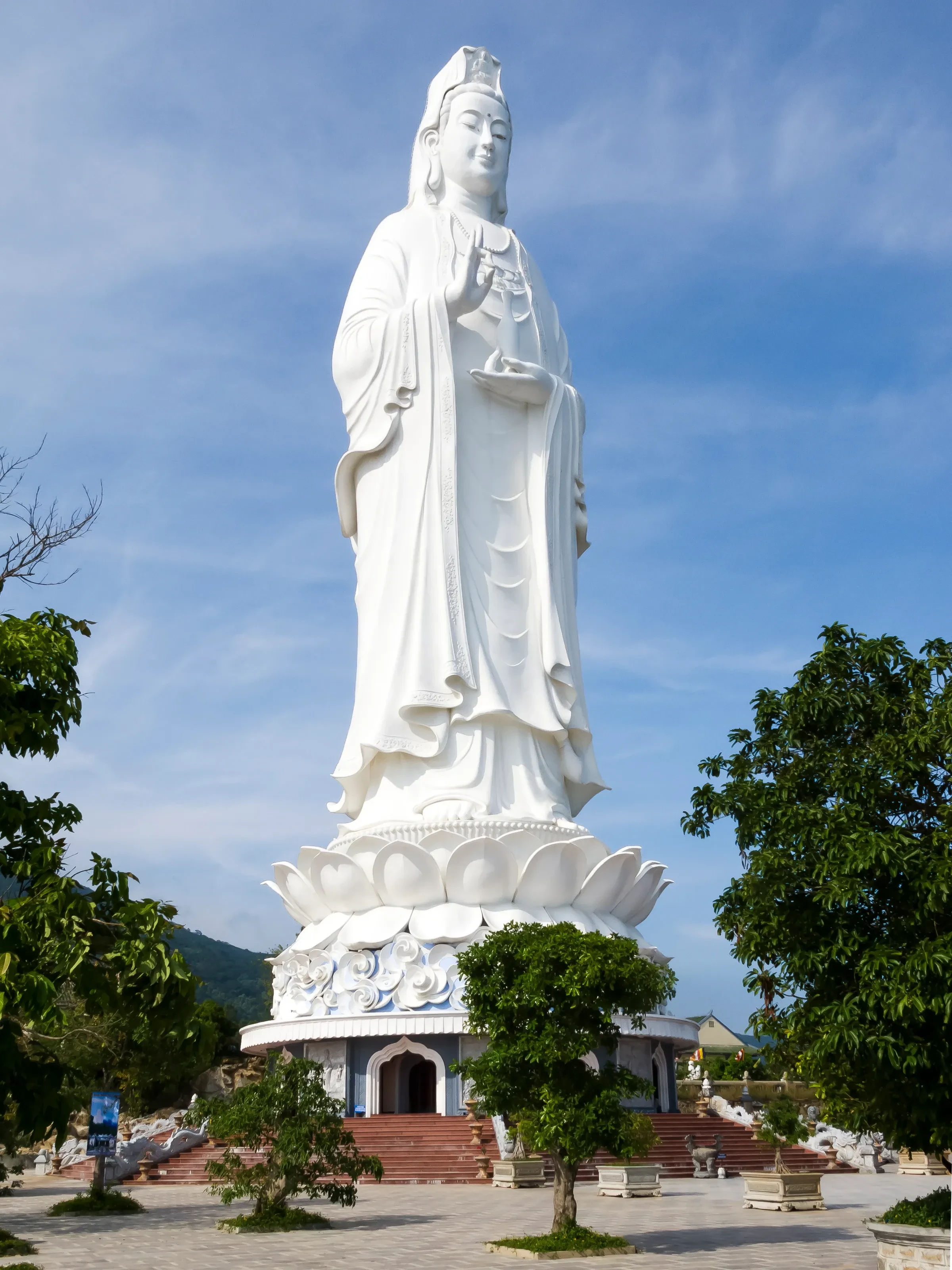
Son Tra is a forested peninsula on Da Nang's northeastern edge, protected as a nature reserve and home to the red-shanked douc, a langur found almost nowhere else. A loop road climbs through the forest to viewpoints over the bay, and Linh Ung pagoda sits partway up, its grounds built around a 67 metre statue of the Lady Buddha that's visible from much of the city below. Both the pagoda and the peninsula's viewpoints are free, but you'll need a rented scooter, a Grab or a half-day tour to cover the loop road, since there's no public transport up.
Where: the peninsula northeast of the city centre, about 10 km from Linh Ung pagoda to the centre. Cost: free. Time needed: 2 to 3 hours for the pagoda and a couple of viewpoints, longer for the full loop road; the pagoda grounds are open 6am to 9pm.
4. The Dragon Bridge fire show
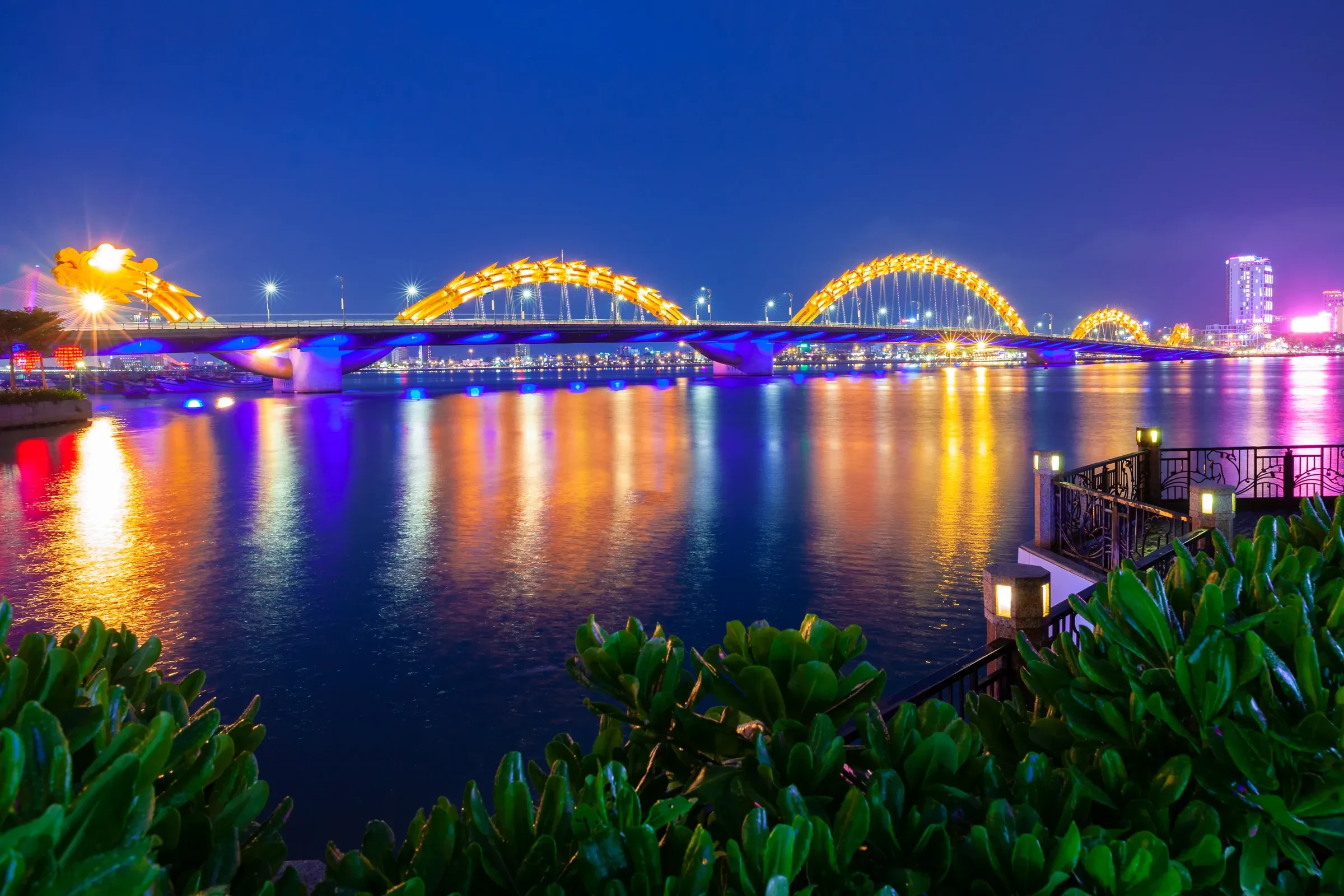
Da Nang's Dragon Bridge crosses the Han River in one long, gold-lit dragon shape, and on weekend nights it puts on a short fire and water show: the dragon's head breathes fire, then sprays jets of water out over the river. It's free, needs no ticket or booking, and the crowd gathers along the riverside promenade on both banks well before it starts.
Where: the Dragon Bridge, central Da Nang, over the Han River. Cost: free. Schedule: Saturday and Sunday nights at 9pm year round, running about 10 to 15 minutes. Da Nang's tourism site also lists Friday, and extra shows are added on some public holidays and festivals, so check before you plan around it. Heavy rain or strong wind can cancel it. Arrive 20 to 30 minutes early for a clear view; the bridge itself and the riverside bars nearby both work as vantage points.
5. Ba Na Hills and the Golden Bridge
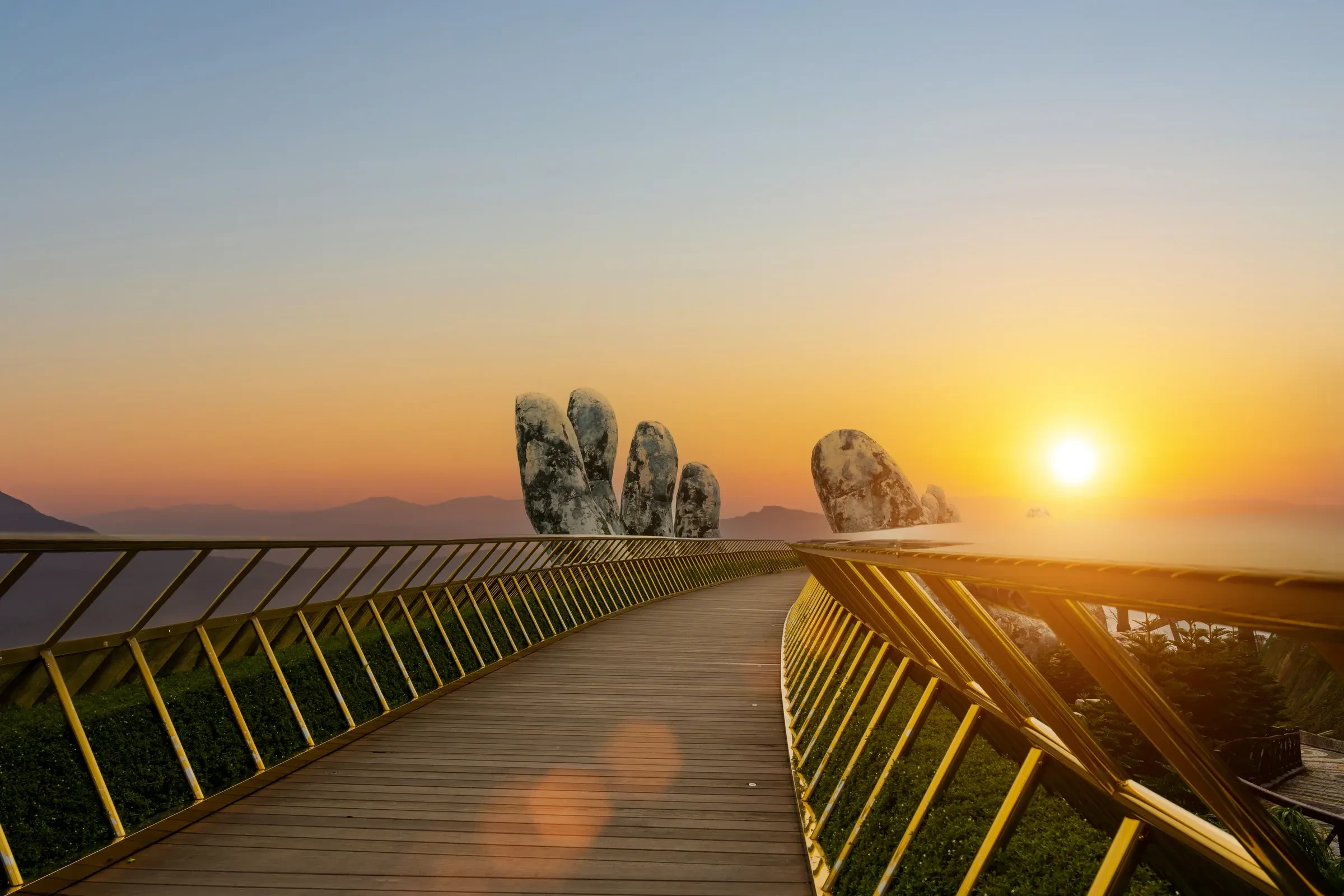
Ba Na Hills is a French-era hill station turned theme park in the mountains west of Da Nang, reached by a long cable car ride, and it's best known for the Golden Bridge, a walkway held up by two giant stone hands. It's worth a fair warning here: the ticket is expensive by local standards, the park is built rather than natural or historic, and on weekends and holidays the Golden Bridge can mean queuing for a photo rather than a quiet look at it. A theme-park day out with one striking photo stop still delivers on that; if you'd rather spend the time and money on the coast or the mountains instead, skipping it costs you nothing else on this list.
Where: Ba Na Hills, about 25 km and 45 minutes to an hour west of central Da Nang. Cost: around 1,000,000 dong for a standard adult ticket, covering the return cable car and entry to the Golden Bridge, French Village and the park's other attractions; from 1 January 2026 the ticket is valid for 3 consecutive days rather than one. Time needed: a full day to see most of the park, or half a day for the bridge and cable car alone. Go on a weekday and arrive at opening for any real chance of a queue-free photo.
6. The Hai Van Pass
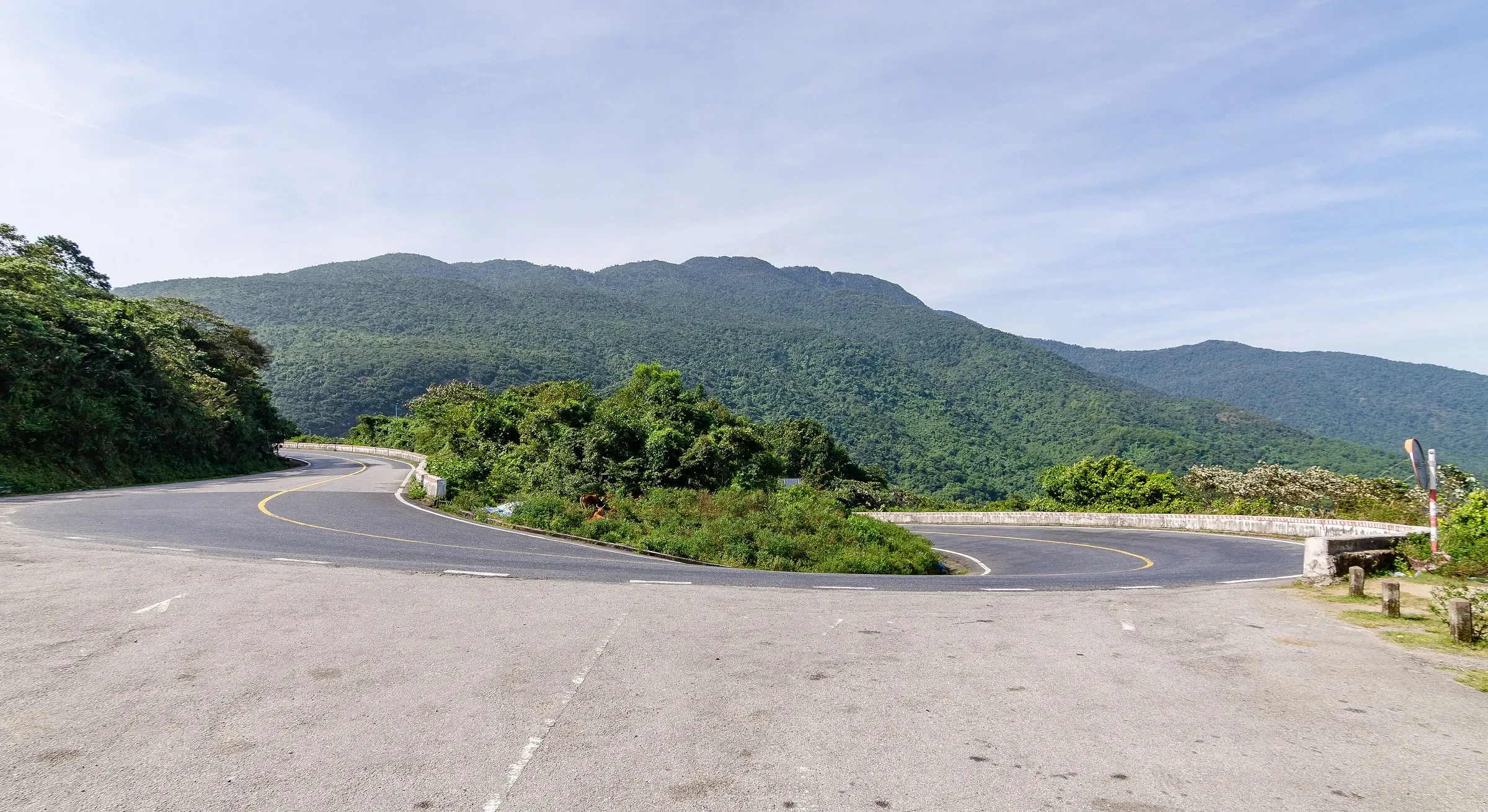
The Hai Van Pass is the mountain road that separates Da Nang from Hue, climbing to around 500 metres with the coastline and Lang Co lagoon on one side and jungle on the other. From the Da Nang side it's usually a half-day out to the summit and back, or one leg of the road route on to Hue. Most travellers ride pillion with a licensed easy rider or take a car, since riding it yourself only makes sense if you hold a motorbike licence from home plus a 1968-convention International Driving Permit; without both, most travel insurance won't pay out if something goes wrong. Our central Vietnam itinerary covers the pass as part of a full Hue-to-Hoi An route.
Where: the coast road between Da Nang and Hue, with Lang Co lagoon on the Hue side of the pass. Cost: free to drive; a hired motorbike, easy rider or car and driver all charge separately. Time needed: a half-day round trip from Da Nang to the summit, or allow 2.5 to 3 hours one way if you're continuing on to Hue.
7. Han market and seafood
Han market is Da Nang's old central market, a covered building near the river with a ground floor of fresh seafood, produce and dry goods and an upper floor of clothes and souvenirs. It's open from 6am to 7pm, but the seafood section is at its best early, from about 6am to 8am, when the day's catch is freshest and the market runs on locals rather than tour groups. Beyond the market, Da Nang's seafood restaurants along the beach and riverside are one of the better reasons to eat here: fresh-caught fish, prawns and crab, usually grilled or steamed and priced by weight.
Where: central Da Nang, near the Han River. Cost: free to browse; seafood is priced by the kilo, so ask before you order. Time needed: 30 to 45 minutes for a look around, longer for a seafood meal nearby.
8. Day trip to Hoi An
Hoi An's lantern-lit old town, tailors and Ancient Town ticket system are covered in full in our Hoi An guide and things to do in Hoi An; from Da Nang it's a straightforward day trip or a base to move on to. A private van or taxi from central Da Nang to Hoi An takes about 40 to 50 minutes for the 30 km, and since there's no train station or airport in Hoi An itself, this road transfer is how almost everyone arrives. If your dates line up with the monthly full moon, see our Hoi An lantern festival guide for when the old town switches off its electric lights for the night. Our Hoi An vs Da Nang comparison sets out which one to base yourself in.
Where: 30 km south of Da Nang. Cost: taxi or van fare each way, plus the Ancient Town ticket if you enter the heritage buildings: 120,000 dong covers five sites and 80,000 dong covers three, valid for up to three days (Hoi An heritage office notice, 29 January 2026). Time needed: a full day, or 2 to 3 days if you stay over.
9. Day trip to My Son
My Son is a cluster of ruined Hindu temples built by the Champa kingdom between roughly the 4th and 13th centuries, set in a jungle valley beyond Hoi An. From Da Nang it's usually combined with Hoi An in one long day, since My Son sits about 40 km and an hour's drive past Hoi An itself. Entry costs 150,000 dong for foreign visitors at the latest reports (authorities are reviewing a single price for all visitors, so check before you go) and includes the return electric cart from the car park to the ruins; go early, from about 6am to 8.30am, to beat both the heat and the tour groups that build up by mid-morning.
Where: about 40 km inland from Hoi An, roughly 1.5 to 2 hours from Da Nang by road. Cost: 150,000 dong entry. Time needed: a half-day, best combined with Hoi An.
Da Nang at a glance
| Sight | Where | Cost | Time needed |
|---|---|---|---|
| My Khe beach | City beachfront | Free | A few hours |
| Marble Mountains | Between Da Nang and Hoi An | 40,000 dong (plus lift and cave fees) | 1.5 to 2 h |
| Son Tra and Linh Ung pagoda | Peninsula, northeast of the city | Free | 2 to 3 h |
| Dragon Bridge fire show | Central Da Nang | Free | 10 to 15 min, weekend nights, 9pm |
| Ba Na Hills and the Golden Bridge | 25 km west of the city | About 1,000,000 dong | Half a day to a full day |
| Hai Van Pass | Between Da Nang and Hue | Free to drive | Half a day round trip |
| Han market | Central Da Nang | Free to browse | 30 to 45 min |
| Hoi An day trip | 30 km south | Transfer fare, plus 120,000 dong (five sites) or 80,000 dong (three) ticket | Full day |
| My Son day trip | 40 km inland from Hoi An | 150,000 dong | Half a day |
Practical notes
Grab covers Da Nang well and is the easiest way to move between the beach, the Marble Mountains and the city centre without haggling over a taxi fare. Son Tra's loop road and the Hai Van Pass both need a scooter, a hired driver or a tour, since neither has public transport. If Da Nang is just one stop on a longer central Vietnam route, our central Vietnam itinerary builds it in as a half-day alongside Hoi An and Hue, and our Vietnam best time to visit guide has Da Nang's own weather pattern if you're timing a trip around the beach or the fireworks. Da Nang also holds an international fireworks festival over the Han River each summer. The 2026 edition ran from 30 May to 11 July, and 2027 dates hadn't been announced when we last checked, so see the festival guide if your dates could line up.
Prefer to travel with a group?
If you'd rather someone else handle the transfers, tickets and local guides, see our Vietnam group trips for small-group routes through central Vietnam and beyond, each with a Trip Host travelling with the group throughout.