What makes the Mekong Delta different
Everywhere else in Vietnam, you move between cities and mountains. Here, the roads run out and the canals take over: rice paddies, coconut groves and stilt houses strung along a maze of brown water, where the Mekong splits into nine branches before it reaches the sea. It's the country's rice bowl, and the pace slows the moment you turn off the highway.
Where to go within the Delta
Can Tho: the region's base
Can Tho is the Delta's largest town and the usual base for a trip here, mostly because it sits closest to Cai Rang. Ninh Kieu wharf, the riverfront promenade, is where boats leave for the market, and it's a pleasant spot for an evening once you're off the water. Plan on at least one night; most people don't need more than two.
Cai Rang floating market: smaller than the photos suggest
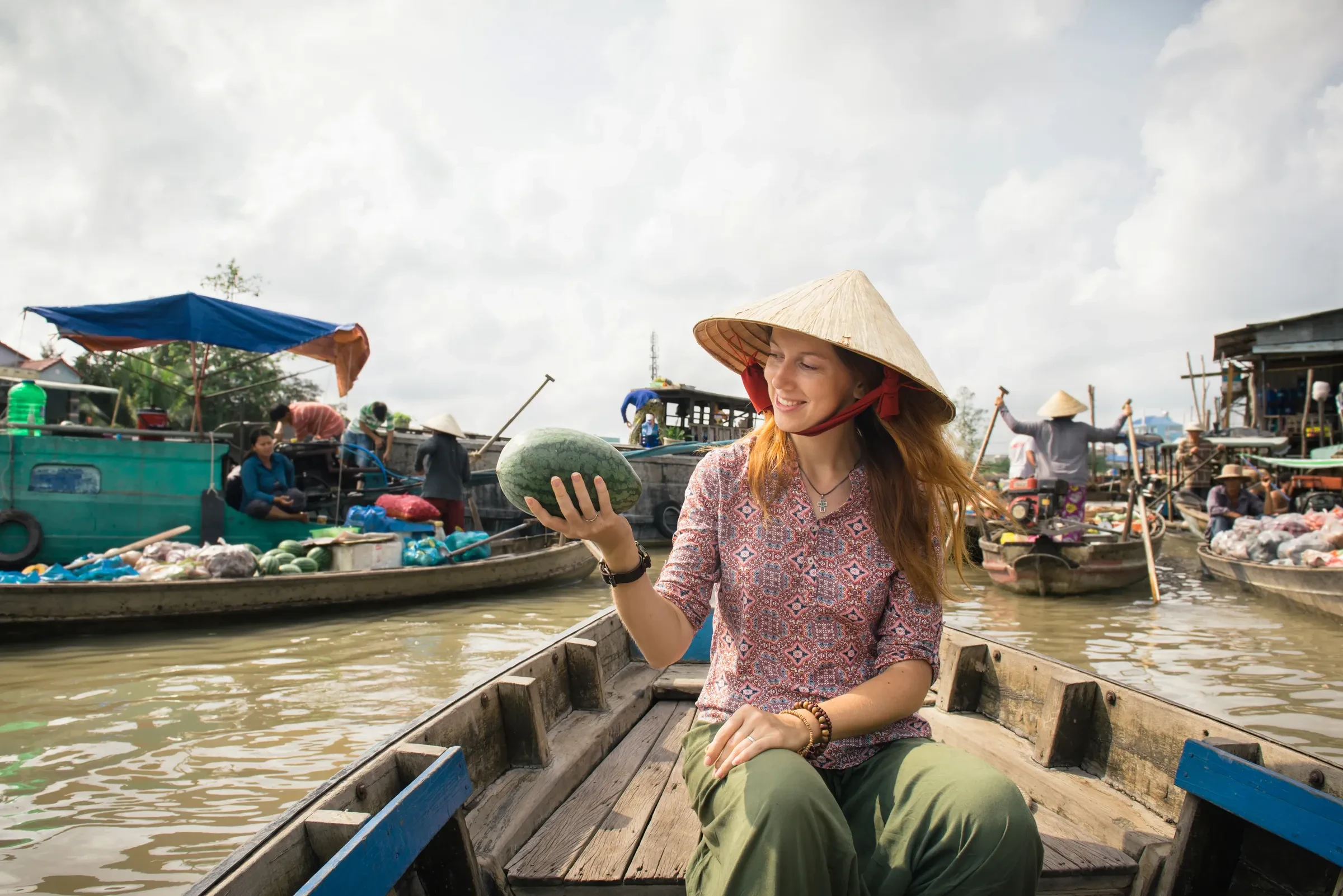
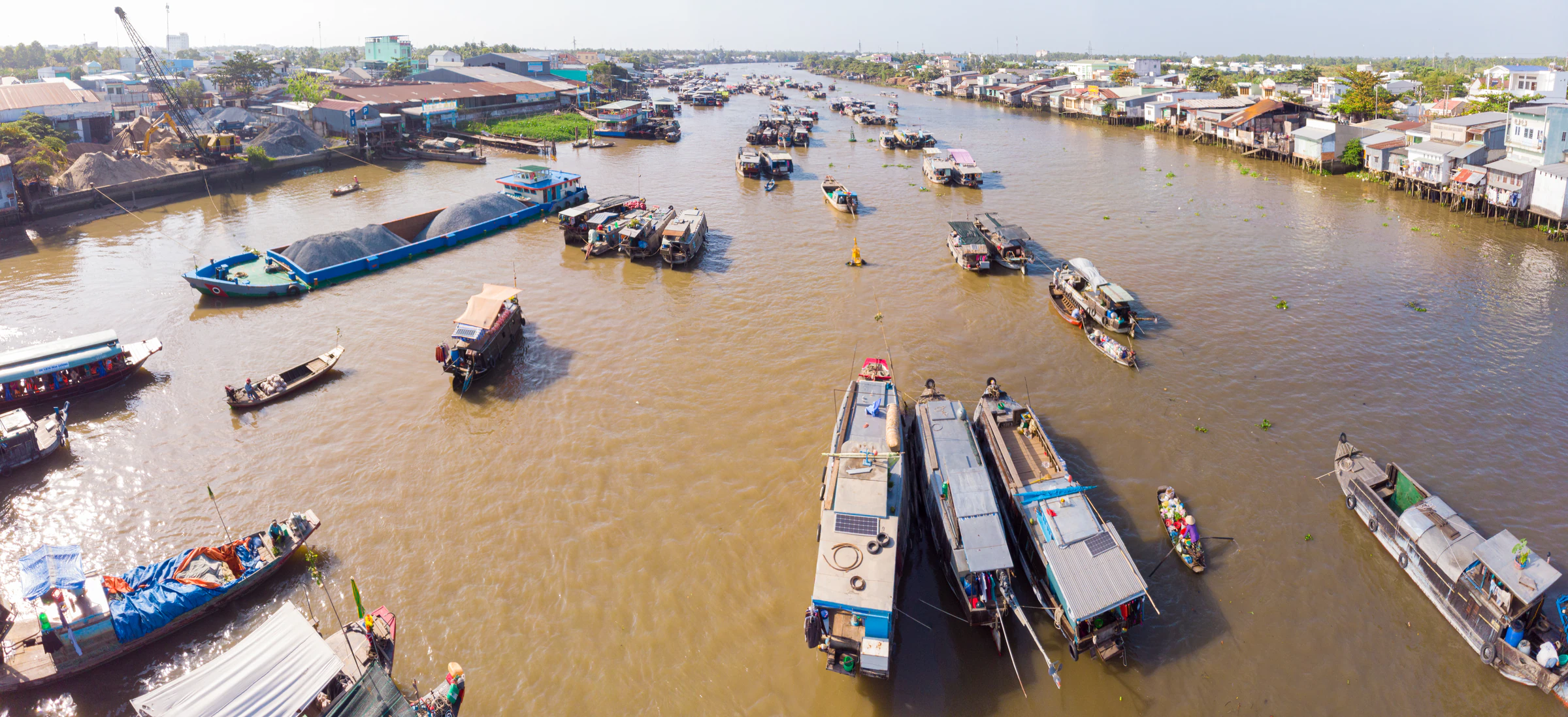
Cai Rang is Vietnam's largest floating market and the region's headline sight, but it isn't what older photos and videos show. Wholesale trade has shifted from boats to roads over the past decade, and there are far fewer boats on the water than there used to be. It's still worth the early start: the market runs roughly 5:30am to 8:30am, busiest in the first couple of hours, with boats hanging samples of their cargo from tall "beo" poles so buyers can spot what's for sale from a distance. Go in expecting a working market rather than a wall-to-wall spectacle and it won't disappoint. Prices vary by boat and by what you add. In August 2026 the Can Tho tourism department told operators to post their prices, and the posted figure for an individual boat tour was 100,000 dong per person. Longer shared trips with breakfast and stops are usually quoted at 200,000 to 400,000. A private boat costs more but lets you set your own pace and add a stop at a noodle workshop or the smaller Phong Dien market further out.
Ben Tre: coconut country
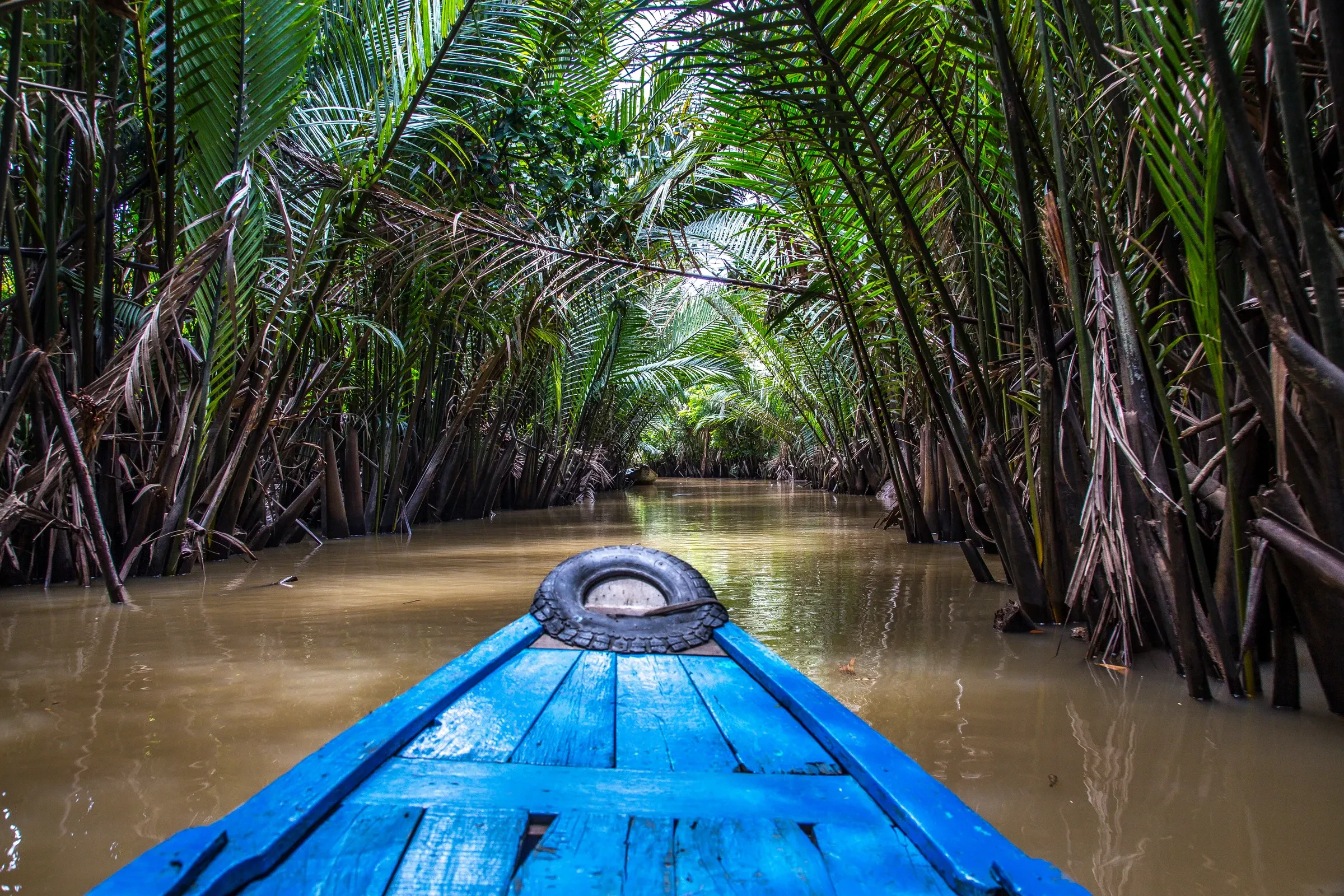
Ben Tre sits about 85km from Ho Chi Minh City, roughly 1.5 to 2.5 hours by road, crossing the Tien River by bridge (a second bridge, Rach Mieu 2, opened in August 2025). It's known for its coconut groves and the small workshops that turn the coconuts into candy, a common stop on the way back from Can Tho or a half-day trip on its own. A boat trip through the narrower canals here, under a cover of coconut palms, is one of the Delta's quieter hours.
Chau Doc: the border town
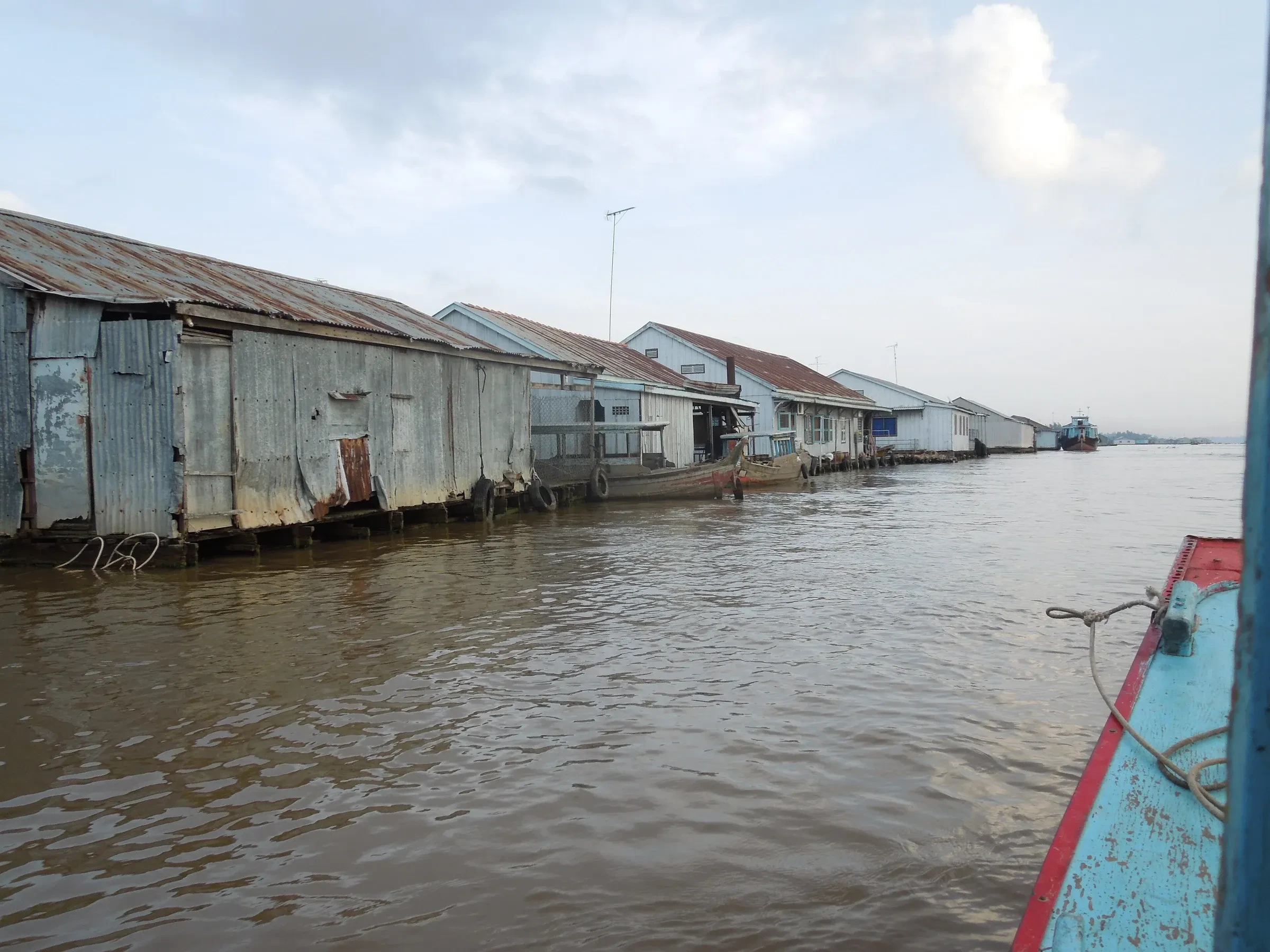
Chau Doc sits near the Cambodian border, a different corner of the Delta with a mix of Vietnamese, Khmer, Chinese and Cham communities. Floating fish farms line the river, houses built over wooden pens where fish are raised, and Sam Mountain just outside town draws pilgrims to its temples and shrines. It's further out than Can Tho or Ben Tre: about 5.5 to 6.5 hours by road from Ho Chi Minh City, or around 3 hours on from Can Tho, so it suits travellers with more time. A boat from Chau Doc up the Mekong to Phnom Penh is a well-worn onward route for those continuing into Cambodia, though Cambodia sits outside the trips we run.
Cai Be: once famous, now quiet
Cai Be, on the Tien River closer to Ho Chi Minh City, used to be one of the Delta's best-known floating markets. The area was Tien Giang province until the 2025 mergers and is now part of Dong Thap. It's much quieter today, with only a handful of boats trading the traditional way most mornings, and many visitors now find more happening on the surrounding canals than at the market itself. It works as a stop on the way to or from Vinh Long rather than a destination worth a special trip.
Things to do
Homestays versus day trips
A day trip from Ho Chi Minh City gets you a boat ride through the canals, a coconut candy or rice paper workshop, and lunch by the river, all in one long day. It's the easiest option if you're short on time, but it moves fast and the stops can feel staged. An overnight homestay in Ben Tre or around Can Tho slows things down: you eat with a family, wake up early enough to catch Cai Rang properly, and get a better sense of how people actually live on the water. If your schedule allows it, the overnight is worth the trade.
Cycling the canals
Ben Tre and the roads around Can Tho and Vinh Long offer some of the flattest, most rewarding cycling in the country: dirt tracks and narrow concrete paths between rice paddies and coconut groves, with a ferry crossing here and there. Rides typically cover 25 to 80km a day, most sitting around 45 to 60km on flat terrain, and can be arranged as a half-day loop out of Ben Tre or strung into a multi-day route through Ben Tre, Tra Vinh and Can Tho for anyone who wants cycling to be the trip rather than an add-on.
What to eat
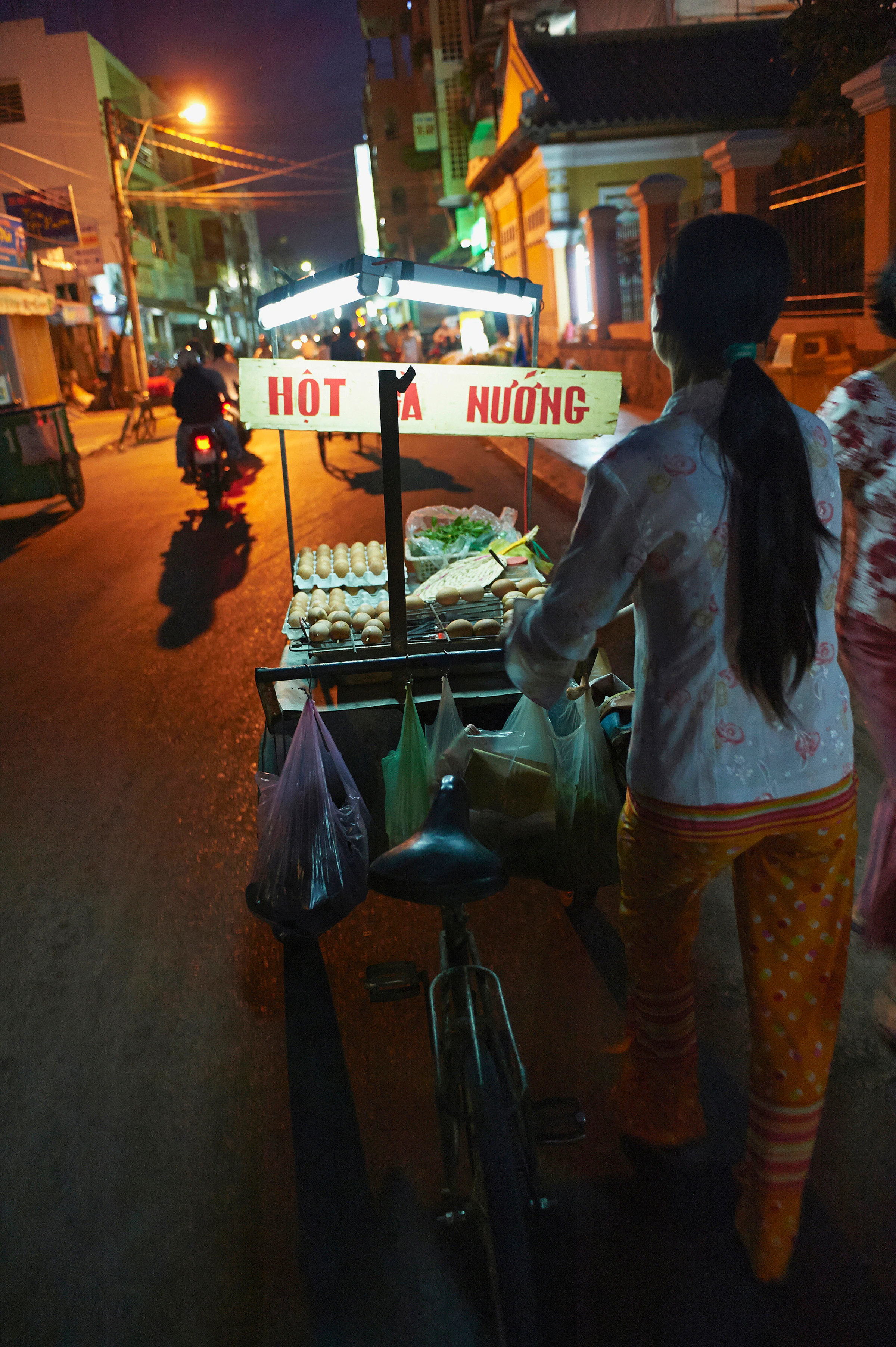
Banh xeo mien tay, the Delta's bigger, crispier take on the sizzling rice pancake, and grilled snakehead fish are the two dishes most associated with this region. Ben Tre's coconut candy, made in small roadside workshops from the same coconuts you'll see stacked in boats and groves, is worth tasting fresh rather than settling for the packaged version sold elsewhere in the country. For the wider picture of Vietnamese food, see the Vietnamese food guide.
Best time and the flood season
December to April is the dry season across the south, including the Delta, and the easiest window for boat trips and cycling. May brings the start of the wet season, with short, heavy afternoon downpours rather than an all-day washout, so travel here rarely stops for rain. Locals call September to November "mua nuoc noi", the flood season: water flowing down from the upper Mekong rises over the fields and brings silt that feeds the next rice crop. It isn't dangerous the way a typhoon is, but paths can flood, boat routes shift and some homestays adjust their plans around the water level, so build in flexibility if you're travelling then.
Getting there and around
Ho Chi Minh City is the usual starting point. Can Tho is about 170km southwest, roughly 3 to 3.5 hours by shared van or bus; a private car covers the same road a little faster. Ben Tre is closer, about 85km and 1.5 to 2.5 hours. Chau Doc is the furthest of the four, about 5.5 to 6.5 hours from Ho Chi Minh City or around 3 hours on from Can Tho, and Cai Be sits roughly 2 to 2.5 hours out towards Vinh Long. Once you're in the Delta itself, boats and bicycles cover the short distances between canals, villages and markets better than any road does.
How long to spend, and which route to use
One night in Can Tho is the minimum that makes Cai Rang possible at all. Two to three nights lets you add Ben Tre's canals and coconut groves at an unhurried pace, and four or more opens up Chau Doc or a Cai Be and Vinh Long stop as well. If you're combining the Delta with the rest of southern Vietnam, the southern Vietnam itinerary builds this same Can Tho overnight into a 1-week or 10-day route with Ho Chi Minh City, Cu Chi and an island finish. For a longer trip that ends here instead of pushing on to an island, see the Vietnam itineraries hub for the 1-month route that closes in the Mekong Delta.