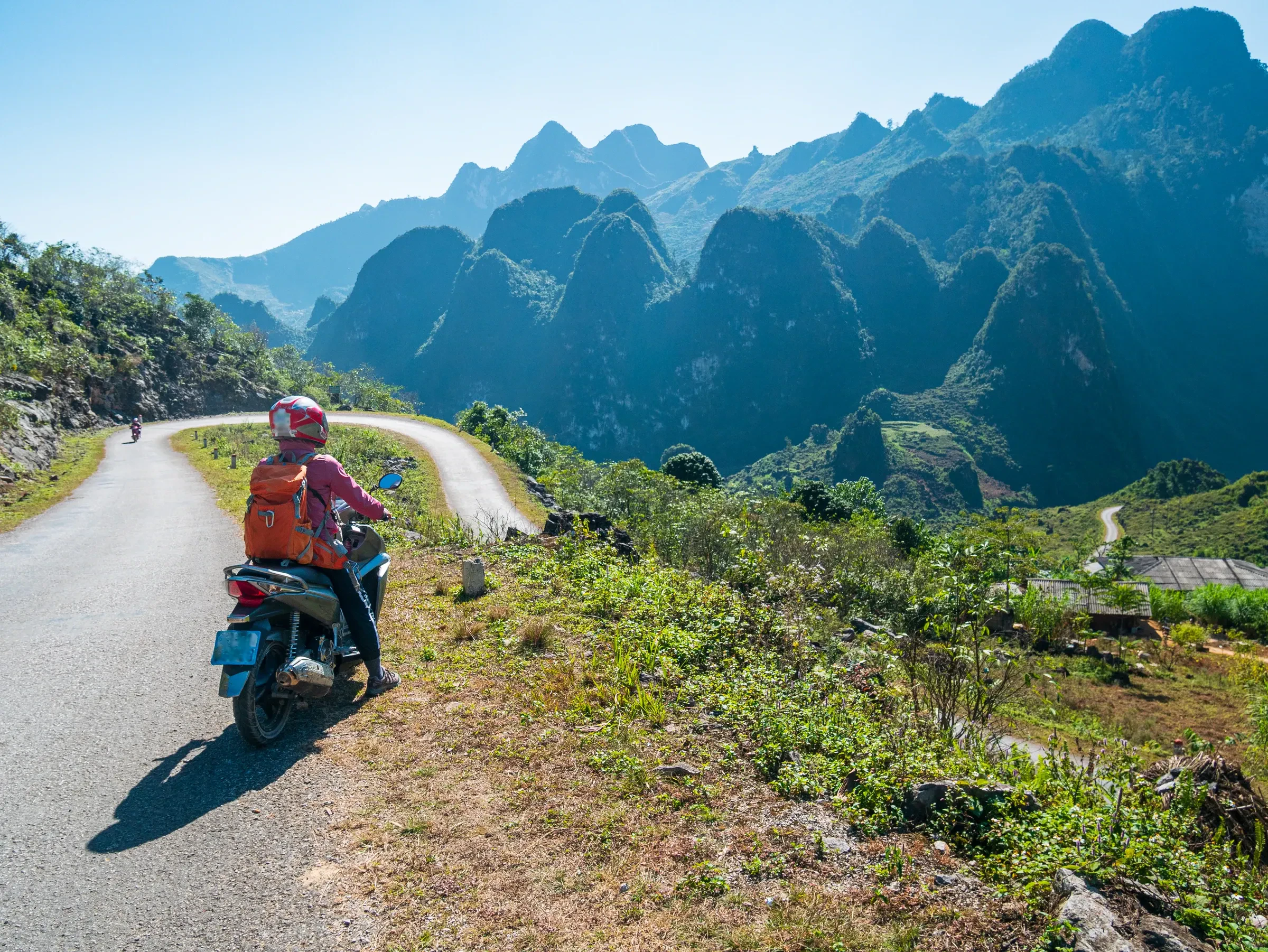
Two weeks covers Vietnam north to south. Three weeks lets you add the mountains along the Chinese border first, plus room to slow down elsewhere. Below is the recommended route, a compact day-by-day table, and two alternatives for readers who'd rather trek than ride, or combine the trip with a second country. For the full range of lengths, see the Vietnam itinerary guide.
The recommended route: the Ha Giang Loop to the Mekong Delta
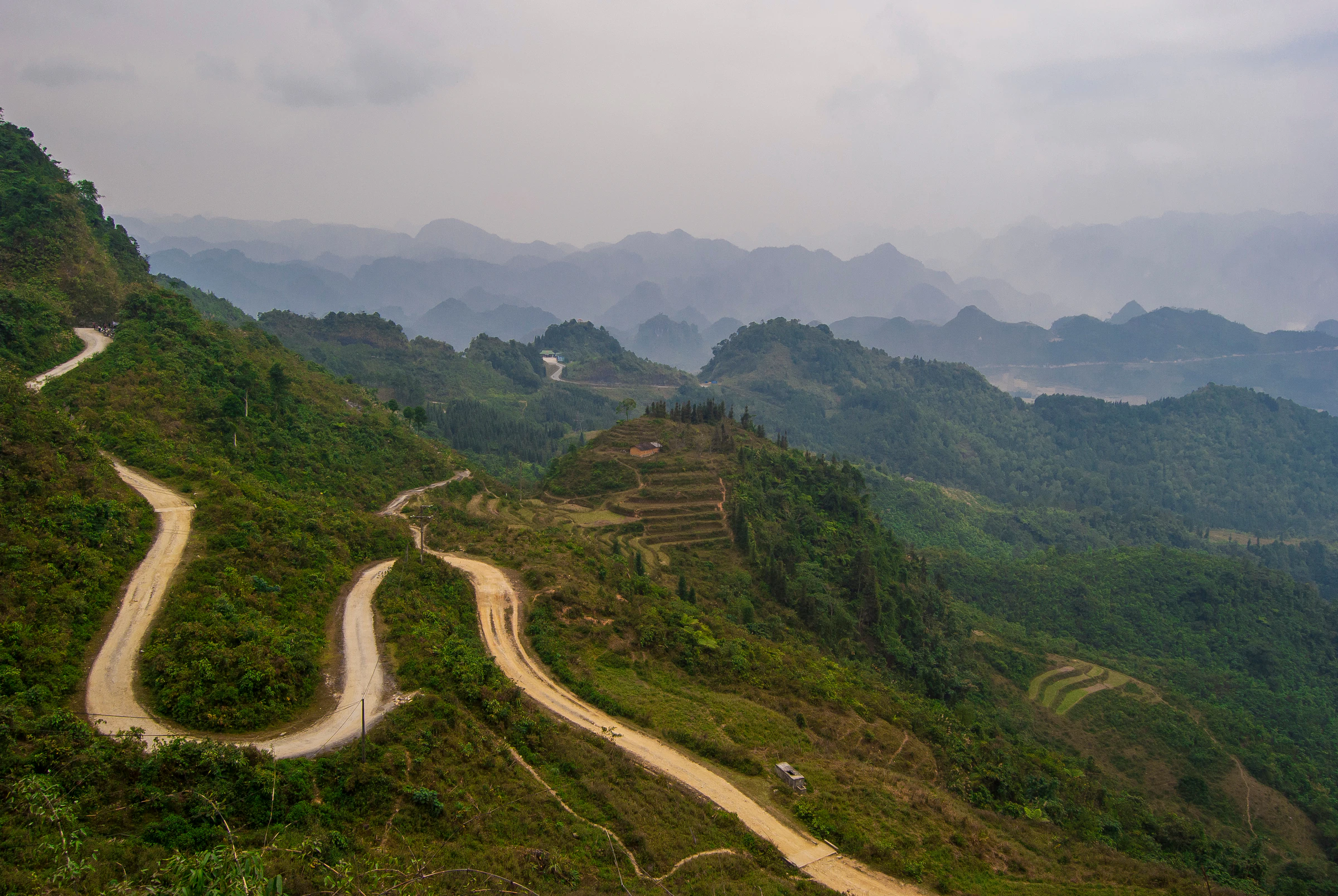
This takes the 2-week north-to-south route and puts four riding days on the Ha Giang Loop at the front of it, right after your first two nights in Hanoi, then continues exactly as before: a night on Lan Ha Bay, Ninh Binh, the caves at Phong Nha, Hue, Hoi An, Ho Chi Minh City and the Mekong Delta.
| Day | Where | What | Eat |
|---|---|---|---|
| 1 to 2 | Hanoi | Old Quarter street food, Hoan Kiem Lake, the Temple of Literature | Bun cha, pho, egg coffee |
| 3 | Ha Giang | Day van, about 5.5 to 6.5 h; meet your easy rider, get fitted for a helmet and gear | Thang co |
| 4 | Yen Minh | Riding day 1, about 3 h: Bac Sum Pass, Heaven's Gate | Corn wine and a market noodle soup |
| 5 | Dong Van | Riding day 2: Lung Cam village, the H'mong King Palace, the Lung Cu flag tower | Grilled skewers in the old quarter |
| 6 | Du Gia | Riding day 3: Ma Pi Leng Pass, a boat on the Nho Que River, a waterfall village | Grilled river fish |
| 7 | Hanoi | Riding day 4 back to Ha Giang, then a day van back to Hanoi, about 5.5 to 6.5 h | A last lunch with the riders |
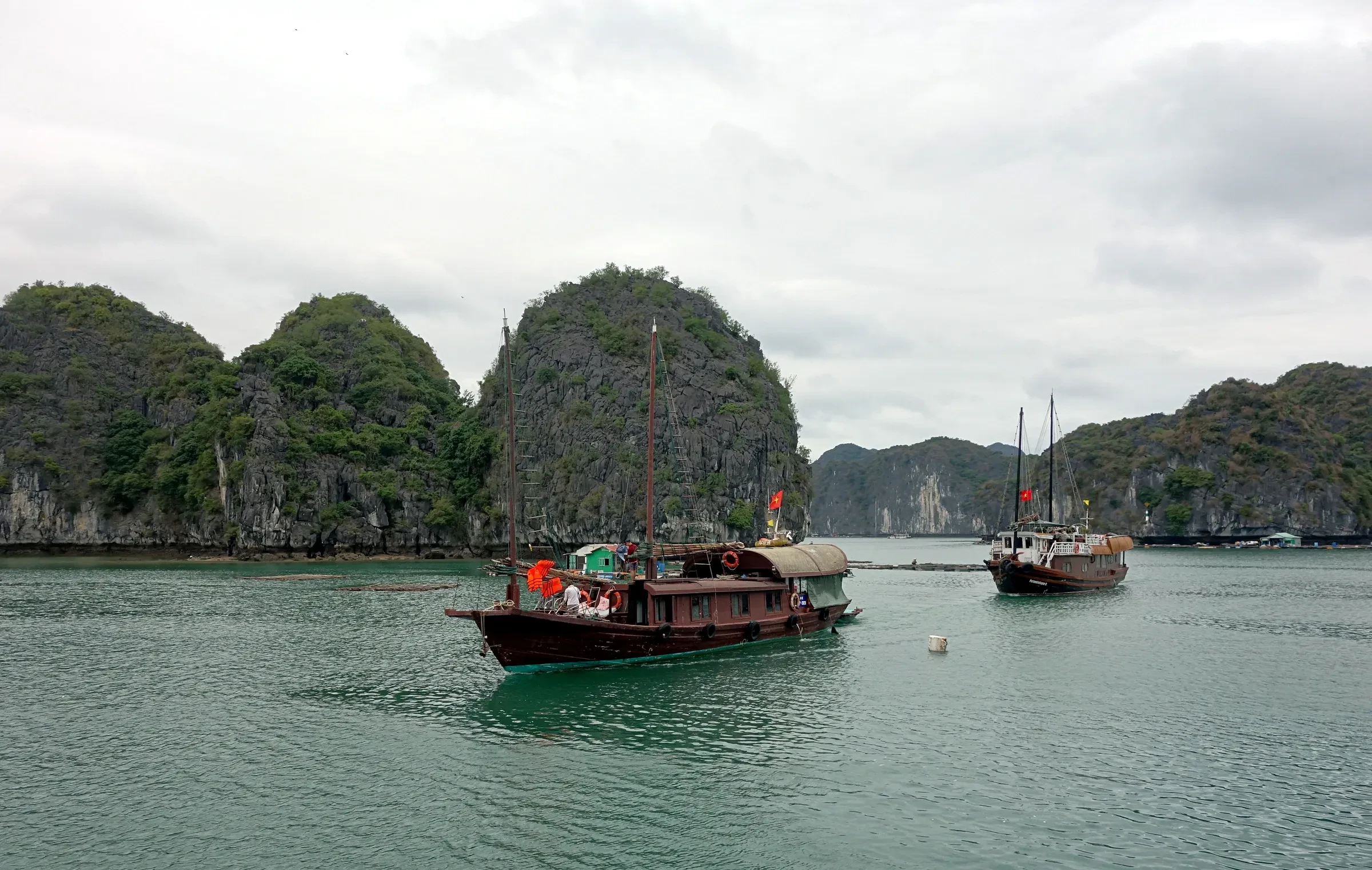
| 8 | Lan Ha Bay | Van and boat, about 3 h; an overnight cruise with kayaking | Dinner on board |
| 9 to 10 | Ninh Binh | Tam Coc, Hang Mua and Trang An by boat, then the overnight Reunification Express to Dong Hoi, about 7.5 h | Com chay |
| 11 to 12 | Phong Nha | Paradise Cave's boardwalk, Dark Cave's zipline and mud bath | Lon mit |
| 13 | Hue | Van, about 4 h; the Imperial City, the tomb of Khai Dinh | Bun bo Hue |
| 14 to 16 | Hoi An | Over the Hai Van Pass, about 2.5 h; a cooking class, basket boats, a free day | Cao lau |
| 17 to 18 | Ho Chi Minh City | Flight from Da Nang, about 1 h 20 min; Independence Palace, the War Remnants Museum | Com tam |
| 19 to 20 | Mekong Delta (Can Tho) | Van via Ben Tre, about 3 h; an overnight homestay, dawn boat to the Cai Rang floating market | Grilled snakehead fish |
| 21 | Departure | Fly out from Ho Chi Minh City |
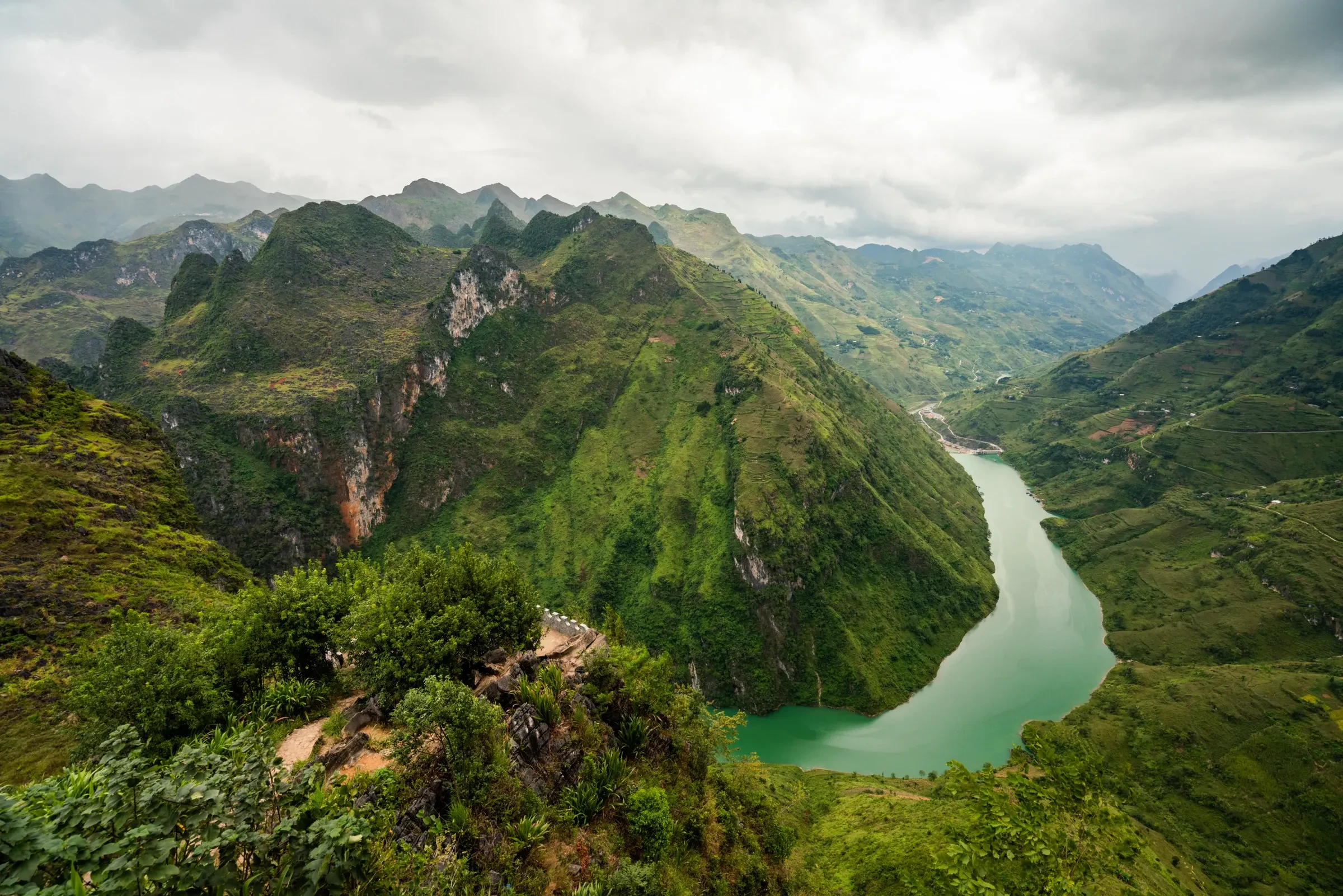
This is the same route as our 21-day Vietnam Complete trip, if you'd rather have the easy rider, the sleeper train and every local guide already booked. A 4-day easy-rider tour for the loop itself costs about US$190 to $240 per person at budget operators (some quote US$280 or more), plus a border-area permit of roughly 210,000 to 300,000 dong for the communes near the Chinese border. Our Ha Giang Loop guide has the full route, the licence rules and the 2026 safety changes, and our northern, central and southern Vietnam route guides cover the rest of the journey in full day-by-day detail.
Other ways to spend 3 weeks
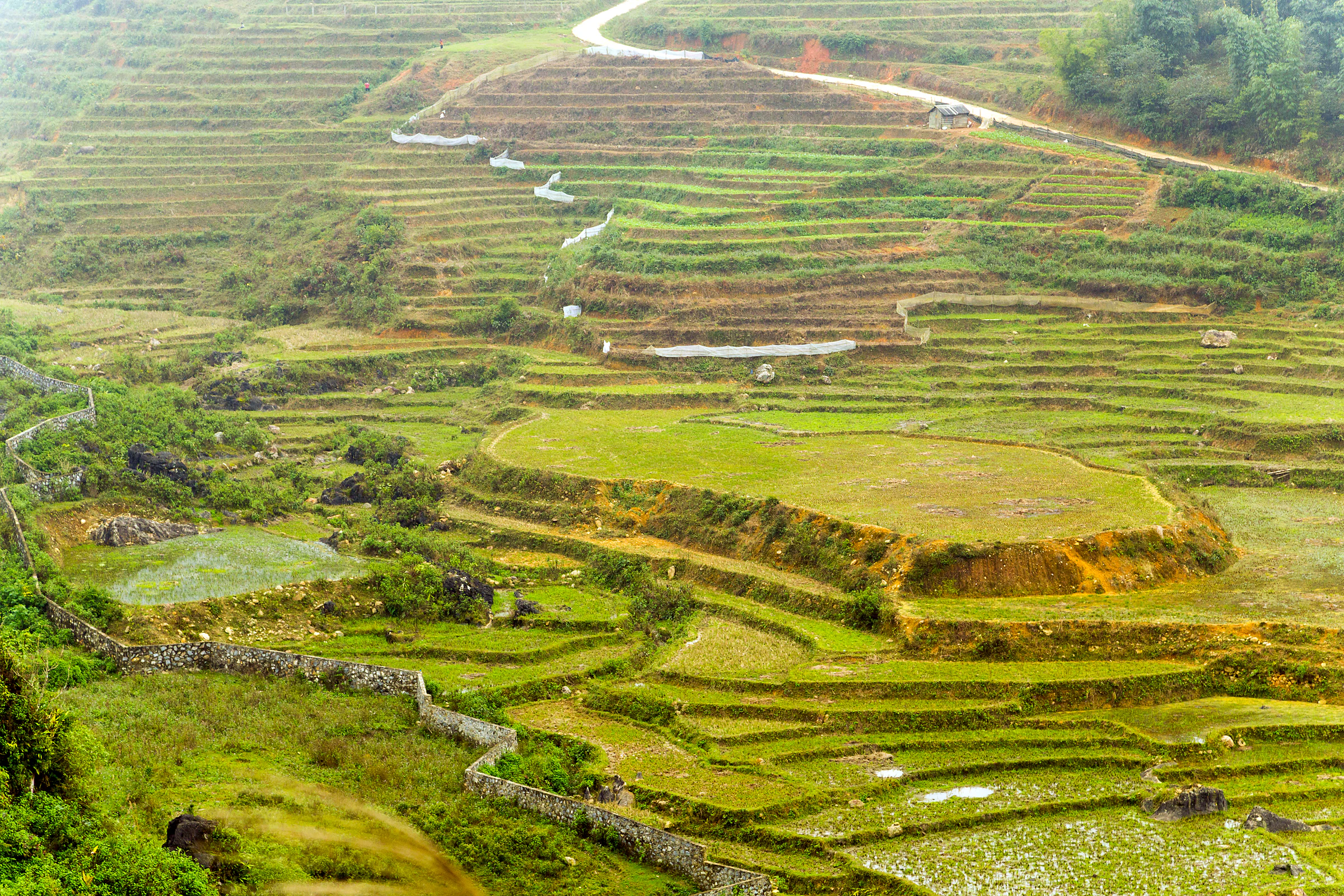
The same route, with Sapa instead of the loop
Swap the four riding days for a shorter trek around Sapa's rice terraces, freeing up extra days for Hoi An or the Mekong Delta.
Best for Trekking and village homestays rather than a motorbike
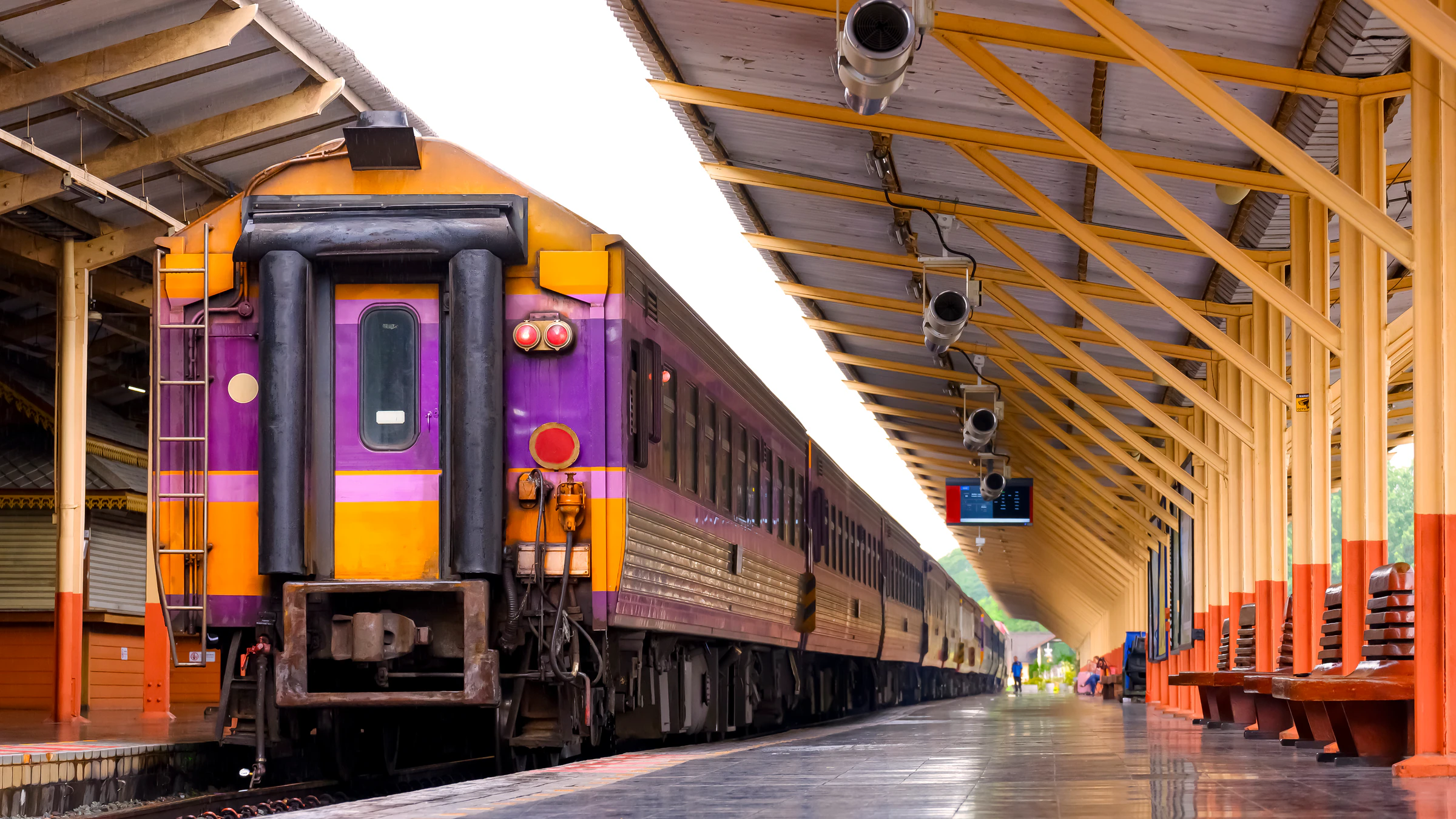
Thailand and Vietnam together
Start in Bangkok and Chiang Mai, then fly to Hanoi and follow the same Ha Long Bay to Ho Chi Minh City route, without the far north.
Best for Two countries, one long trip
The Sapa swap suits anyone who'd rather trek than ride pillion for four days. Sapa's Muong Hoa valley trek and homestay night take about 3 days including the bus from Hanoi, against the Ha Giang Loop's 5 days including transfers, so the days saved can go into Hoi An or Phu Quoc instead.
| Day | Where | What | Eat |
|---|---|---|---|
| 1 to 2 | Hanoi | Old Quarter, Hoan Kiem Lake | Bun cha |
| 3 | Sapa | Bus, about 5.5 to 7 h; an easy walk to Cat Cat village | Sapa hot pot |
| 4 to 5 | Ta Van | A trek through the Muong Hoa valley to a homestay, then back to Hanoi | A home-cooked dinner |
| 6 | Lan Ha Bay | Van and boat, about 3 h; an overnight cruise | Fresh seafood off the boat |
| 7 to 8 | Ninh Binh | Tam Coc, Hang Mua, Trang An, the overnight train to Dong Hoi | Com chay |
| 9 to 10 | Phong Nha | Paradise Cave, Dark Cave | Lon mit |
| 11 | Hue | The Imperial City | Bun bo Hue |
| 12 to 16 | Hoi An | The Hai Van Pass, a cooking class, extra free days for a tailor or the beach | Cao lau |
| 17 to 18 | Ho Chi Minh City | Independence Palace, the War Remnants Museum | Com tam |
| 19 to 21 | Mekong Delta and Phu Quoc, or an extra Ho Chi Minh City day | Cai Rang floating market, then a short flight to Phu Quoc if you'd rather end on a beach | Fresh island seafood |
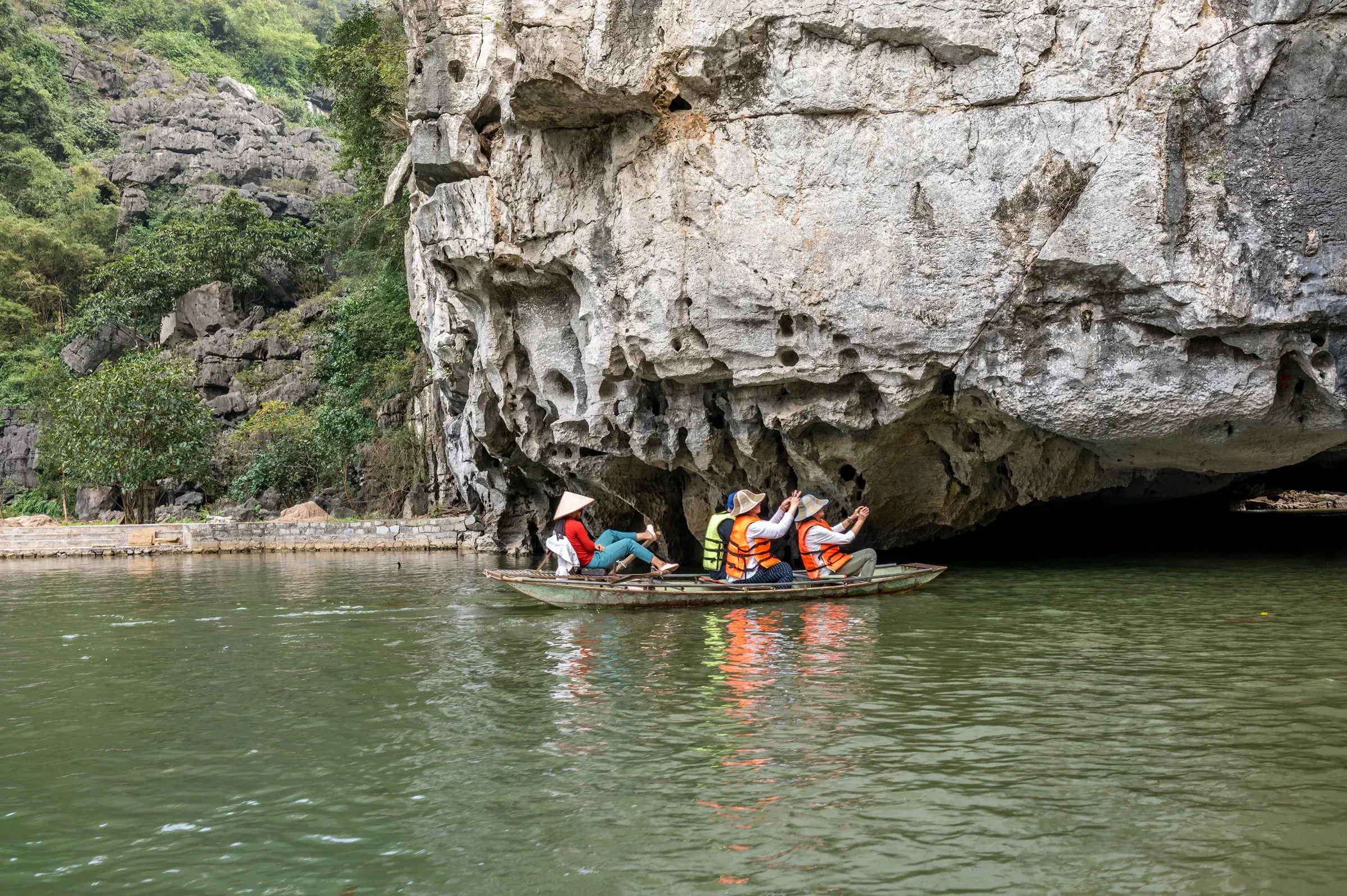
Thailand and Vietnam together matches our own Thailand & Vietnam trip.
| Day | Where | What | Eat |
|---|---|---|---|
| 1 to 4 | Bangkok and Chiang Mai | Temples, markets, a cooking class | Pad thai, khao soi |
| 5 | Fly to Hanoi | About 2.5 h direct | Bun cha |
| 6 to 7 | Ninh Binh and Lan Ha Bay | Trang An by boat, a night on the bay | Com chay |
| 8 to 9 | Phong Nha | Paradise Cave, Dark Cave | Lon mit |
| 10 | Hue | The Imperial City | Bun bo Hue |
| 11 to 13 | Hoi An | The Hai Van Pass, a cooking class | Cao lau |
| 14 to 15 | Ho Chi Minh City | Independence Palace, the War Remnants Museum | Com tam |
| 16 to 17 | Mekong Delta | Cai Rang floating market | Grilled snakehead fish |
| 18 to 21 | Depart, or extend to Phu Quoc | A short flight from Ho Chi Minh City | Fresh island seafood |
See our Thailand itinerary guide for the Bangkok and Chiang Mai leg in full.
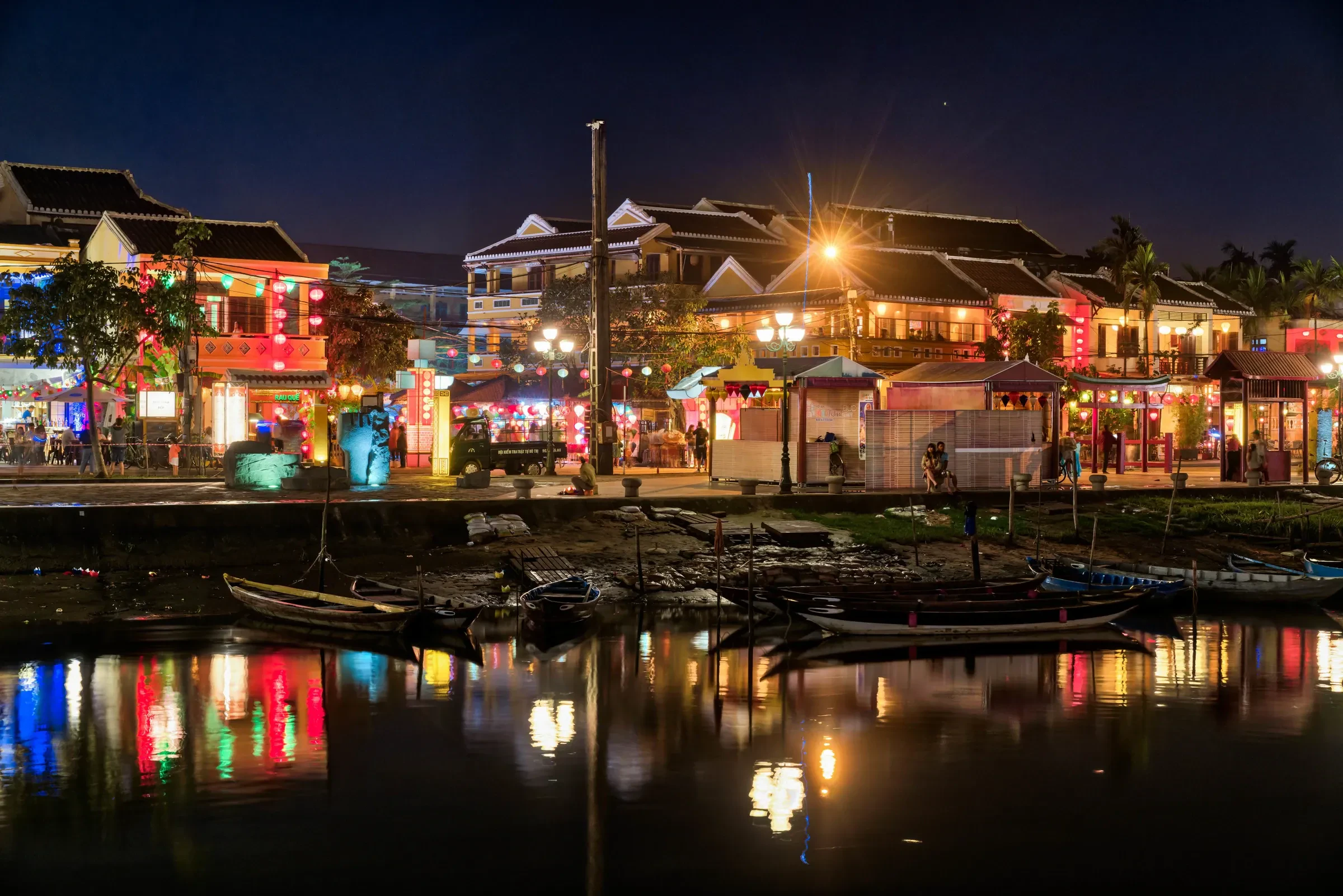
Prefer a beach at the end instead of more mountains? On any of the three routes above, swap the last Mekong Delta night for 2 or 3 nights on Phu Quoc, reached by a short flight from Ho Chi Minh City. Phu Quoc also has its own 30-day visa waiver, but it only applies to travellers who fly there directly from abroad, so it won't cover a domestic flight from Ho Chi Minh City. Travellers who'd rather trade the motorbike for a cool-climate stop can also look at Da Lat, reached from the south of this route rather than the north; see our Da Lat guide for the canyoning and coffee-farm detail.
Choosing between them
| Choose | If |
|---|---|
| The Ha Giang Loop (recommended) | You want the far north's most dramatic scenery and don't mind riding pillion for four days |
| Sapa instead of the loop | You'd rather trek than ride, or you want extra days for Hoi An, Phu Quoc or the Mekong Delta |
| Thailand and Vietnam together | You're building a longer Southeast Asia trip and want two countries in three weeks |
What this costs
Outside the transport legs and activities named above, budget about 400,000 to 600,000 dong a day (roughly US$15 to $23) for food and drinks, a bit more in Hoi An. The Ha Giang Loop's own 4-day easy-rider tour costs about US$190 to $240 per person at budget operators, plus the border-area permit, roughly 210,000 to 300,000 dong; Sapa's shorter trek and homestay cost less but still add to the daily budget. See how much does Vietnam cost for the fuller picture, and hostels in Vietnam for where to sleep at each stop.
Best time for 3 weeks
No single month suits every region on a trip this long, so plan around the trade-offs rather than a single ideal month. The far north (Ha Giang, Sapa) is coldest and foggiest from December to February and is wet, with landslide risk on the mountain roads, from May to September. It's best from September to November (October and November for the Ha Giang Loop) and in March and April. The central coast (Hue, Hoi An, Phong Nha) gets heavy rain from about mid-September to December, with floods most likely in October and November, and is driest from February to May. The south runs its own wet season from about May to November, usually short afternoon storms rather than an all-day washout. March and April is the best overall compromise: the loop is in its shoulder season, the centre is dry, and the south is still in its dry season. If your three weeks land near Tet, the Lunar New Year (6 February 2027), book every train and flight well ahead, since both sell out in the fortnight before and many small restaurants close for several days. See best time to visit Vietnam and our Tet guide for the detail.
Getting around
The Reunification Express covers the Ninh Binh to Dong Hoi leg overnight, and the Da Nang to Ho Chi Minh City flight saves a day on the same line further south. Neither Ha Giang nor Sapa has a railway or a fast road, so day vans cover those legs; a cheaper overnight sleeper bus is worth asking about on longer stretches such as Hue to Ho Chi Minh City if you have more time than money. Riding the Ha Giang Loop pillion behind a licensed easy rider is the better choice over self-driving for most solo travellers, since a self-drive licence needs a 1968-convention International Driving Permit that rules out standard permits from the US, Canada, Australia, New Zealand, India and Ireland. See our Ha Giang Loop guide for the full rules.