Ten days is more room than a week, but Vietnam is long enough that the shape you pick still matters. Below is a recommended route that makes good use of every day, plus two alternatives and a table to help you choose between them. For the wider picture on what fits at other lengths, see the Vietnam itinerary guide.
The recommended route: the Ha Giang Loop and Sapa
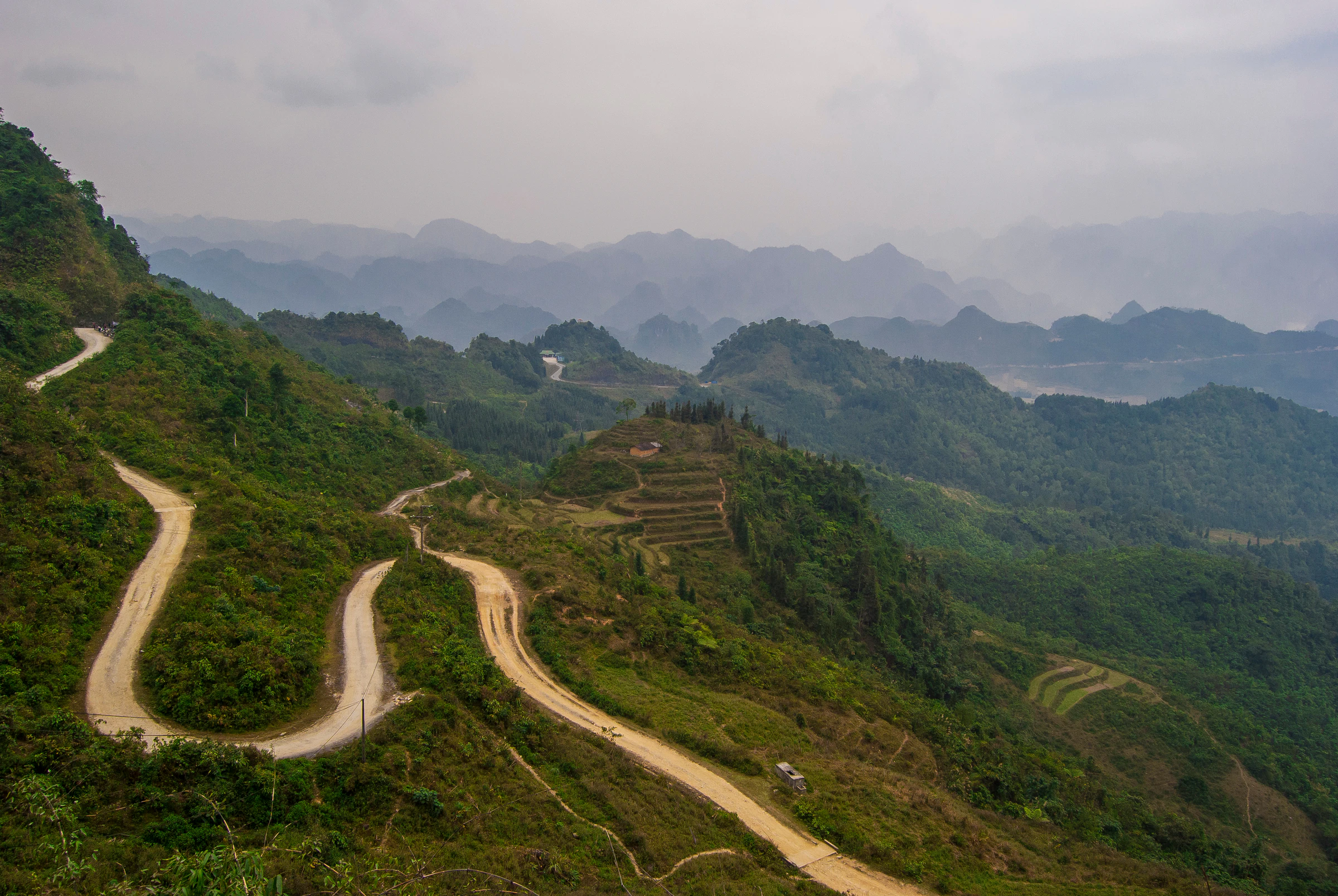
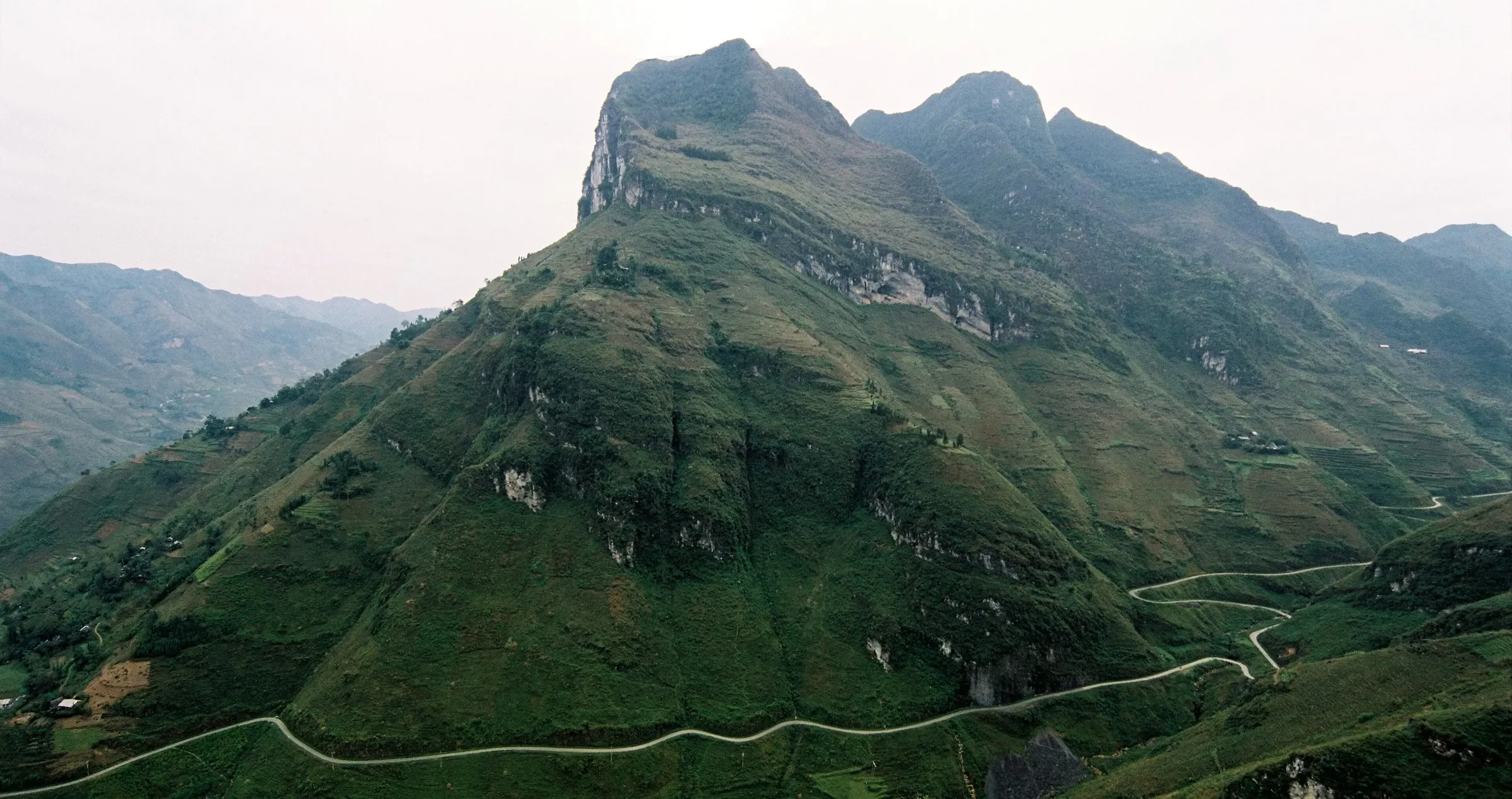
This route is mountains from start to finish: four riding days on the Ha Giang Loop, then a trek around Sapa, both run from a Hanoi base. It suits travellers who want the far north and nothing else, rather than splitting the time with a city or a beach. The far north is cold and foggy from December to February and prone to landslides from June to August, so aim for October and November (when the buckwheat flowers bloom around Dong Van) or March to April instead.
| Day | Where | What | Eat |
|---|---|---|---|
| 1 | Hanoi | Arrive, settle into the Old Quarter, an evening street food walk | Bun cha and a cold beer on a plastic stool |
| 2 | Ha Giang | Day van from Hanoi, about 6 h; meet your licensed local "easy rider" and get fitted for a helmet and protective gear | Thang co or a grilled skewer from the night market |
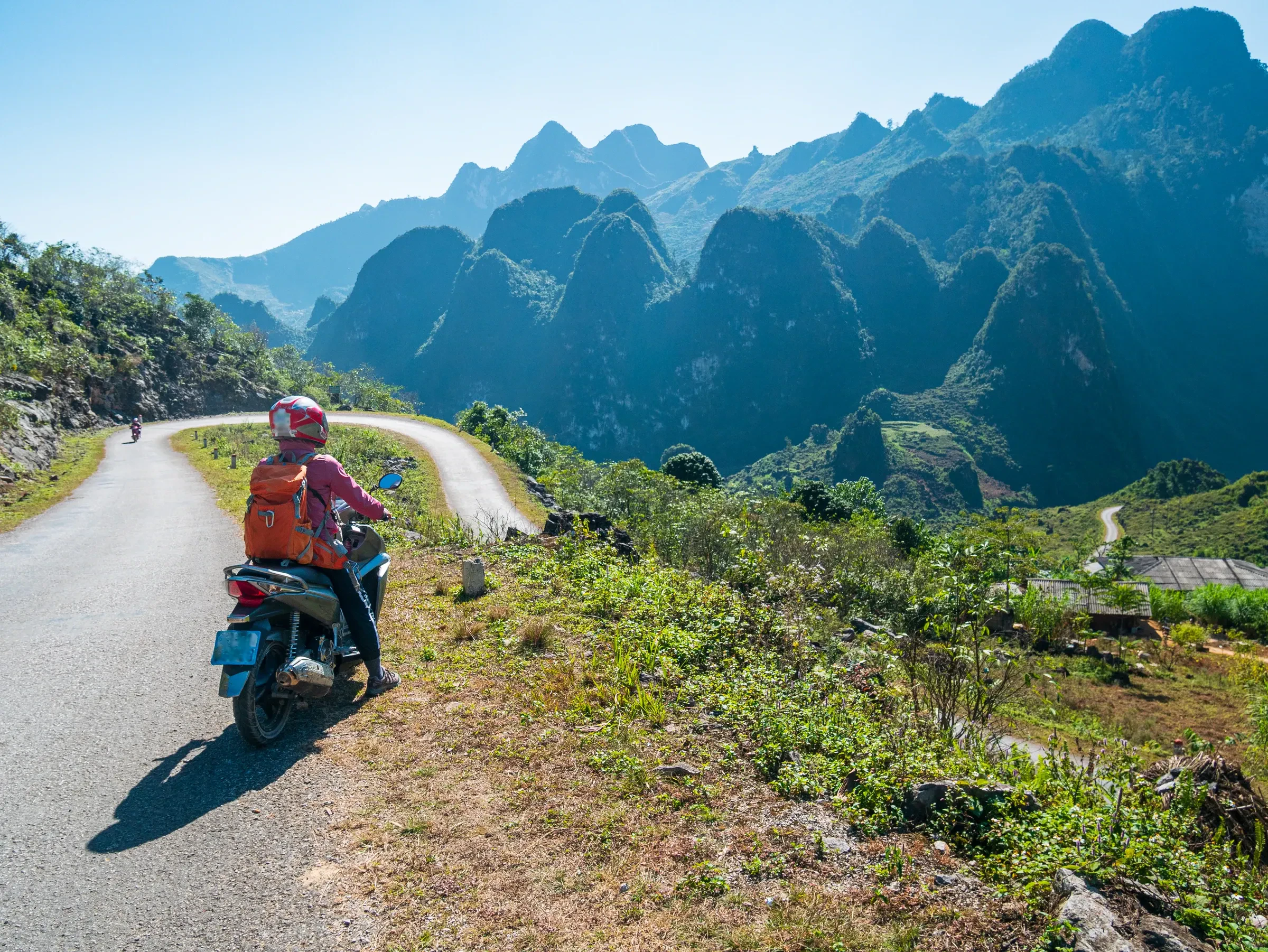
| 3 | Yen Minh | Riding day 1, about 80 to 90 km: Bac Sum Pass, Heaven's Gate over the Quan Ba valley, pine forest | Corn wine and a market noodle soup |
| 4 | Dong Van | Riding day 2, about 100 to 110 km: Lung Cam village, the century-old H'mong King Palace, the flag tower at Lung Cu | Grilled skewers in Dong Van's old stone quarter |
| 5 | Du Gia | Riding day 3: Ma Pi Leng Pass at first light, a boat into Tu San canyon on the Nho Que River, on to a quiet valley village | Grilled river fish and a homestay meal |
| 6 | Hanoi | Riding day 4 back to Ha Giang (about 80 to 100 km) with a waterfall swim at Du Gia, then a day van back to Hanoi (about 6 to 6.5 h) | A last lunch with the riders in Ha Giang |
| 7 | Sapa | Van west on the Noi Bai to Lao Cai expressway, about 5.5 to 7 h; an easy walk out to Cat Cat village | Grilled Sapa trout or thang co |
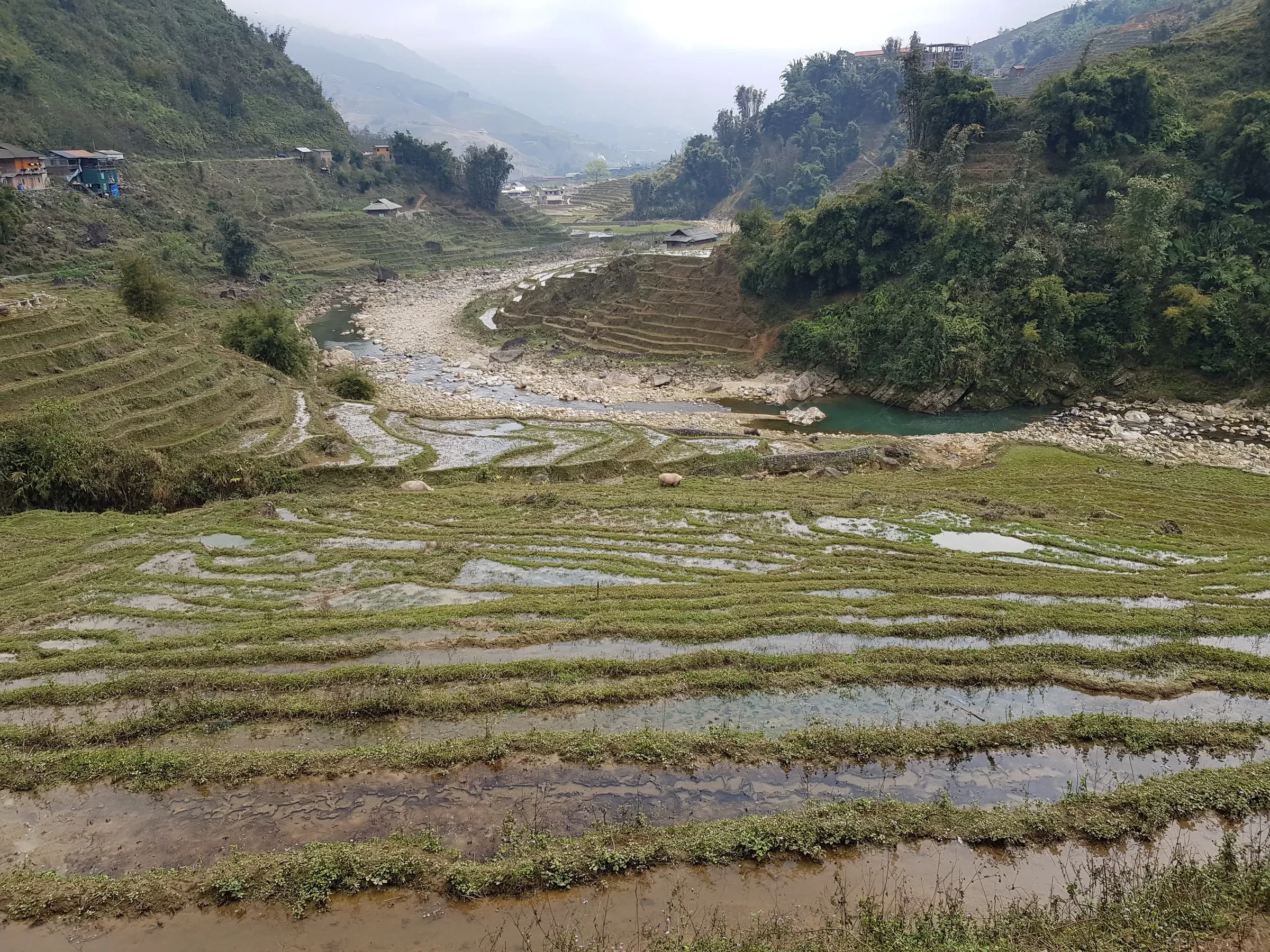
| 8 | Ta Van | A full day's trek through the Muong Hoa valley's rice terraces to a family homestay | A home-cooked dinner and rice wine |
| 9 | Hanoi | Van back to Hanoi, about 5 to 6 h; a free afternoon to shower, repack and see anything missed | Bun cha near the Old Quarter |
| 10 | Depart | Fly home from Noi Bai airport, about 40 to 60 minutes from the Old Quarter |
Riding pillion behind a licensed easy rider, rather than self-driving, is the better choice for most solo travellers here: it removes the licence and International Driving Permit question entirely, and it's what every SoloNomads traveller does. Our Ha Giang Loop guide has the full route, the 2026 safety rules and the border-area permit, and our Sapa guide covers the trekking routes and homestay villages in more depth.
The Hanoi to Ha Giang ride may get shorter soon. The last stretch of expressway between Tuyen Quang and Ha Giang is due to open on 30 October 2026, though that date could slip, and until then expect roadworks on the final section.
Other ways to spend 10 days

Hoi An, Saigon and the Mekong Delta
No mountains, no north: fly straight into the centre for lantern-lit Hoi An, then south to Saigon and a homestay night by the Mekong.
Best for Old towns, a big city, the Mekong Delta

The bays and Sapa, without the motorbike
The same far-north mountains and water, minus the four riding days, with Ninh Binh and a night on Lan Ha Bay instead.
Best for Karst bays, rice terraces and trekking, no riding
Hoi An, Saigon and the Mekong Delta stays in the centre and south the whole way, starting with a flight into Da Nang rather than Hanoi. Hoi An sits on the flood-prone central coast, where the rain runs from about September to December and floods are most likely in October and November. Saigon and the Mekong are driest from about November to April, so February to April suits this version best.

| Day | Where | What | Eat |
|---|---|---|---|
| 1 | Hoi An | Fly into Da Nang, transfer about 40 to 50 min, settle into the old town | A lantern-lit dinner |
| 2 | Hoi An | Market shopping and a cooking class; round basket boats through the palms at Cam Thanh | Three or four dishes you cooked yourself |
| 3 | Hoi An | Cycle to An Bang beach; a silk lantern workshop | A last old-town street food crawl |
| 4 | Ho Chi Minh City | Fly from Da Nang, about 1 h 20 min; settle into District 1 | Com tam or a bowl of hu tieu |
| 5 | Ho Chi Minh City | Independence Palace, the War Remnants Museum | A street food walk through the back streets |
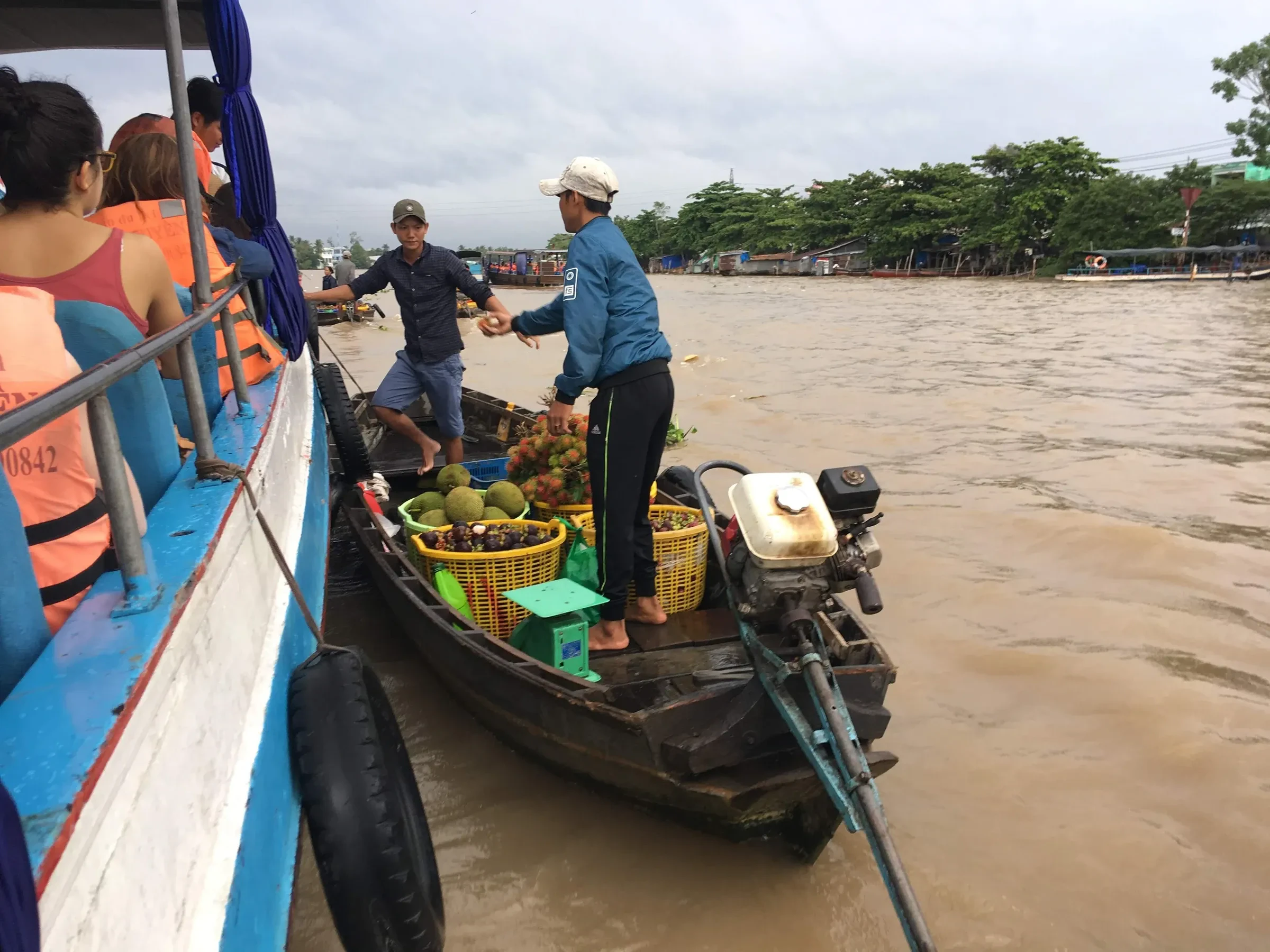
| 6 | Can Tho | Van to Ben Tre's canals, on to an overnight riverside homestay | Grilled snakehead fish, a Mekong Delta speciality |
| 7 | Ho Chi Minh City | Boat to the Cai Rang floating market at dawn, about 5:30am; back to the city by mid-afternoon | Fruit bought straight off a trader's boat |
| 8 | Ho Chi Minh City | The Cu Chi tunnels, the quieter Ben Duoc site over the busier Ben Dinh | Ben Thanh Market snacks |
| 9 | Ho Chi Minh City | A free day: a rooftop bar, a motorbike food tour, or whatever you haven't tried yet | Whatever's left on the list |
| 10 | Depart | Check which airport: the new Long Thanh airport, about 40 km east, opens on 1 December 2026, and most long-haul flights are due to move there from late March 2027 |
The bays and Sapa, without the motorbike swaps four days on a Ha Giang easy rider for the limestone country around Hanoi instead, using the same Sapa trek as the recommended route.
| Day | Where | What | Eat |
|---|---|---|---|
| 1 to 2 | Hanoi | Old Quarter, Hoan Kiem Lake, the Temple of Literature | Bun cha and egg coffee |
| 3 | Ninh Binh | Van, about 2 to 2.5 h; Tam Coc by rowing boat, sunset from Hang Mua's steps | Com chay, Ninh Binh's crispy fried rice |
| 4 | Ninh Binh | Trang An's caves by boat before the tour buses arrive | Ninh Binh-style goat |
| 5 to 6 | Lan Ha Bay | Van and boat transfer, about 3 h; an overnight cruise with kayaking and a floating village | Fresh seafood off the boat |
| 7 | Sapa | Van on the Noi Bai to Lao Cai expressway, about 5.5 to 7 h; an easy walk to Cat Cat village | Sapa hot pot |
| 8 | Ta Van | A trek through the Muong Hoa valley to a family homestay | A home-cooked dinner |
| 9 | Hanoi | Van back to Hanoi, about 5 to 6 h; a free afternoon | Bun cha |
| 10 | Depart | Fly home from Noi Bai |
Choosing between them
| Choose | If |
|---|---|
| The Ha Giang Loop and Sapa (recommended) | You want mountains, motorbikes and trekking, and ten days is all you have |
| Hoi An, Saigon and the Mekong Delta | You want old towns, a big city and the Delta, without travelling to and from the north |
| The bays and Sapa, without the motorbike | You want the far north's scenery but would rather not ride pillion for four days |
What this costs
Outside international flights, budget about US$30 to US$40 a day for a dorm bed or homestay and food, a little more on the mountain route for the easy rider and trekking guide. A 4-day easy-rider tour for the Ha Giang Loop itself runs about US$190 to US$240 per person at budget operators (some quote US$280 or more), plus a border-area permit of roughly 210,000 to 300,000 dong. Street food costs about 30,000 to 80,000 dong a dish and a local beer about 20,000 to 40,000 dong. See how much does Vietnam cost for the fuller picture.
Best time for 10 days
The two routes have different calendars. The far north (Ha Giang and Sapa) is best from September to November (October and November for the Ha Giang Loop), when the skies clear and the rice terraces turn gold around the September and October harvest, and again from March to April; December to February is cold enough for frost at altitude, and June to August brings landslide risk on the loop's mountain roads. The centre and south (Hoi An, Saigon, the Mekong) is best from February to April, when the centre is dry and sunny and the south is in its dry season, which runs from about November to April. The central coast gets its rain from September to December, with floods most likely in October and November, and the south's own rainy season runs roughly May to October as short, heavy afternoon storms rather than an all-day washout. See best time to visit Vietnam for the month-by-month detail.
Getting around
The mountain route runs on day vans rather than sleeper buses or trains, since neither Ha Giang nor Sapa has a railway station; a day van by daylight (about 5.5 to 6.5 h to Ha Giang) is safer and more comfortable than the overnight sleeper buses some backpackers use to save a night's accommodation. The centre-and-south route uses one short domestic flight, Da Nang to Ho Chi Minh City, to save what would otherwise be a full day or more on the Reunification Express. See getting around Vietnam for fares and booking.