Search for "safest countries for solo female travellers" and you'll find dozens of lists, most of them citing the same two or three indexes without explaining what those indexes measure. That matters, because a country can score well on peacefulness and still have a real drink-spiking problem in its nightlife districts, or score poorly on a national index while its main tourist trail is genuinely easy to travel alone. This guide sets out what the two most cited indexes actually say about the six countries we run trips in, and where they fall short as a guide to your own trip.
What these indexes actually measure
The Global Peace Index (GPI), published each year by the Institute for Economics and Peace (the 2026 edition came out in June 2026), ranks 163 countries on overall peacefulness: crime rates, political stability, militarisation and conflict. It says nothing specific about women, and nothing specific about tourists. A country can rank well because it has low homicide and no ongoing conflict, while still having safety issues that show up in a woman's actual experience of travelling there.
The Women, Peace and Security (WPS) Index, published by Georgetown University's Institute for Women, Peace and Security, ranks 181 countries on conditions for women who live there (the 2025/26 edition, published in October 2025, is the latest we found): inclusion, justice and security, including one indicator worth calling out directly, the share of women who say they feel safe walking alone at night where they live (from Gallup World Poll data). That's closer to a safety-perception measure, but it's still about residents, not visitors, and a country's resident population can have a very different experience from a tourist on a well-worn backpacker route.
Neither index is designed to answer "is this safe for me to travel here alone as a woman", which is a narrower and more practical question. We've used them below because they're the two most commonly cited, but we've paired every ranking with the honest gap between what it measures and what it can't tell you.
How our six countries compare
| Country | GPI 2026 rank (of 163) | WPS Index 2025/26 rank (of 181) | Women who feel safe walking alone at night |
|---|---|---|---|
| Vietnam | 41 | 73 | 86% |
| Sri Lanka | 67 | 77 | 57% |
| Laos | 58 | 83 | 56% |
| Indonesia | 69 | 96 | 74% |
| Thailand | 101 | 57 | 59% |
| India | 127 | 131 | 68% |
Sources: Institute for Economics and Peace, Global Peace Index 2026 (published June 2026); Georgetown Institute for Women, Peace and Security, WPS Index 2025/26 (published October 2025). The "feel safe walking alone at night" figures are Gallup World Poll data (2022 to 2024) as reported in the WPS Index.
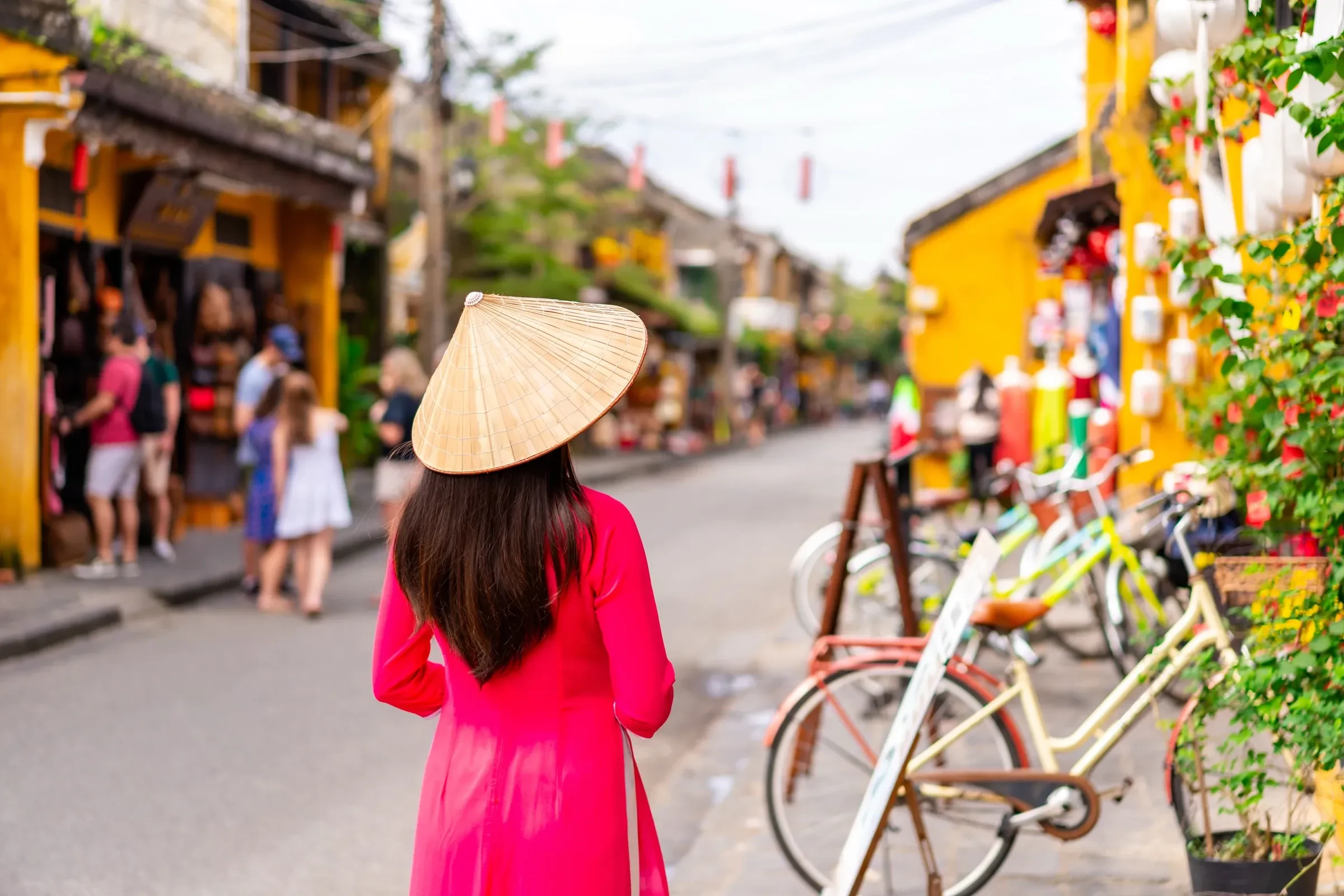
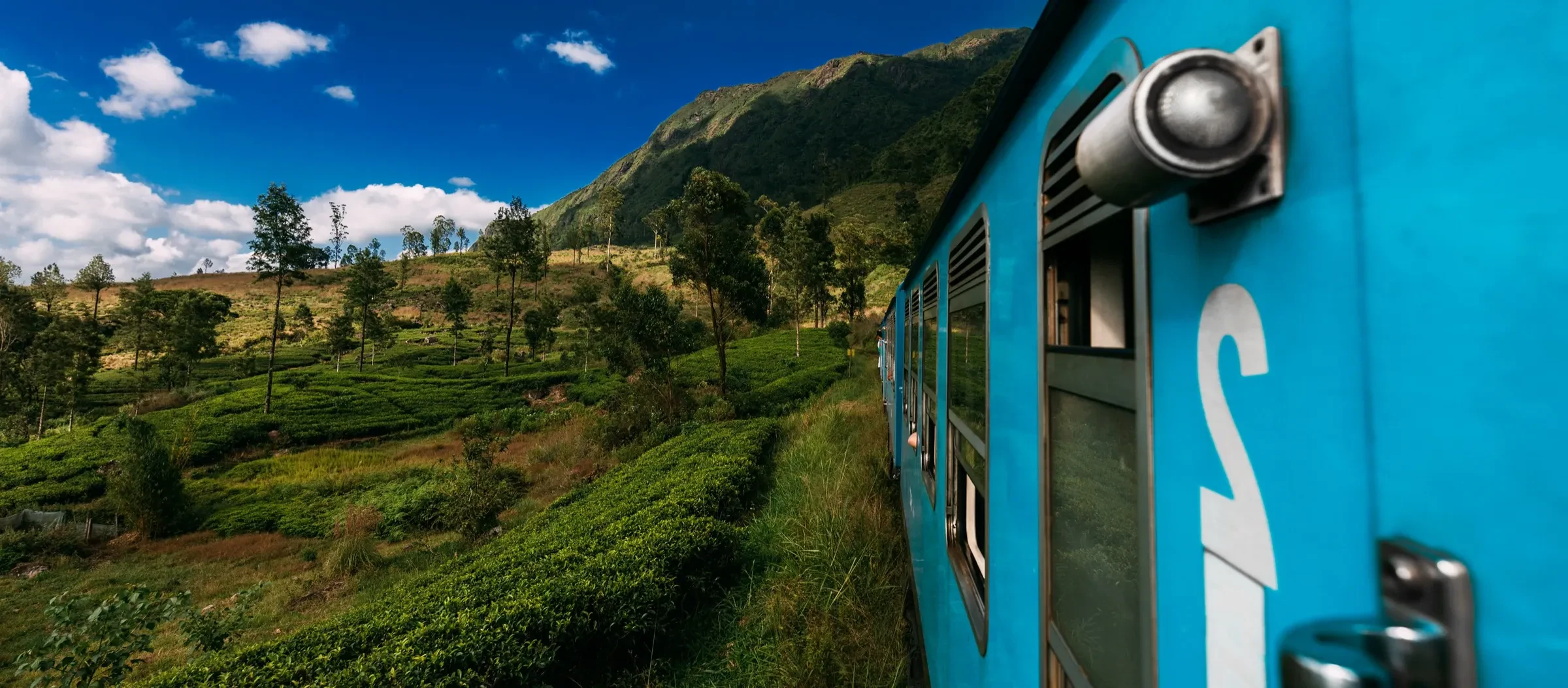
A few things stand out. Vietnam does best on the GPI, and by a wide margin it has the highest share of women who say they feel safe walking alone at night. Thailand does best on the WPS Index, which makes it a good example of the two indexes pulling in different directions. It sits 101st on the GPI, which also counts conflict, militarisation and political stability, so a low rank there says little about day-to-day safety for women (see our Thailand safety guide). Sri Lanka rose from 97th to 67th between the 2025 and 2026 editions, helped by better scores on militarisation and political instability, not by anything you'd notice on the street. India ranks lowest of the six on both indexes, which lines up with the caution in official government travel advice covered in our solo trips for women guide.
What governments say in October 2026
Indexes describe a country. Government advisories describe the risk to visitors right now. These are the levels shown on Canada's site in early October 2026; for Australia, check Smartraveller's current advice.
| Country | Smartraveller (Australia) | Government of Canada |
|---|---|---|
| Vietnam | Check the current advice | Exercise a high degree of caution (petty crime) |
| Thailand | Check the current advice | Exercise a high degree of caution |
| Indonesia (including Bali) | Check the current advice | Exercise a high degree of caution |
| Laos | Check the current advice | Exercise a high degree of caution |
| Sri Lanka | Check the current advice | Exercise a high degree of caution |
| India | Check the current advice | Exercise a high degree of caution |
Some regions carry stricter advice than the national level. The FCDO, for example, advises against all but essential travel to Thailand's far south, and Canada names the Arugam Bay area in Sri Lanka. Advice changes, so read the latest version for your own government before you book. Our solo trips for women guide goes through what each government says about women travelling alone.
What the rankings don't tell you
A few gaps are worth knowing about before you plan a trip around any list like this one:
- They're national averages. A country's ranking blends its calmest regions with its most troubled ones, and some regions carry stricter government advice than the country as a whole.
- They don't track tourist-specific crime. Drink spiking, unlicensed taxis and motorbike bag-snatching, the risks that come up again and again in official travel advice for our destinations, don't move a country's GPI or WPS ranking much either way.
- The WPS Index measures residents, not visitors. A country where local women report low community safety can still be a well-travelled, low-incident route for tourists, and vice versa.
- Rankings shift year to year for reasons that have nothing to do with your trip. Sri Lanka rose 30 places between the 2025 and 2026 GPI editions because a few indicators improved, not because anything changed on the street.
For the practical version of this, country by country, with what official government advice actually says, see our solo trips for women guide. It covers Thailand, Vietnam, Bali and Indonesia, Laos and India in detail, including official advisory levels, the specific risks named by each government, and what a small group trip changes.
Where this leaves you
If you want a single steer: Vietnam is the easiest country on this list for a first solo trip. It leads on the GPI and on women's night-time safety, and Canada's concern is mainly petty crime. Sri Lanka's ranking has improved sharply, though Canada still asks for a high degree of caution, so read the detail for the places you plan to visit.
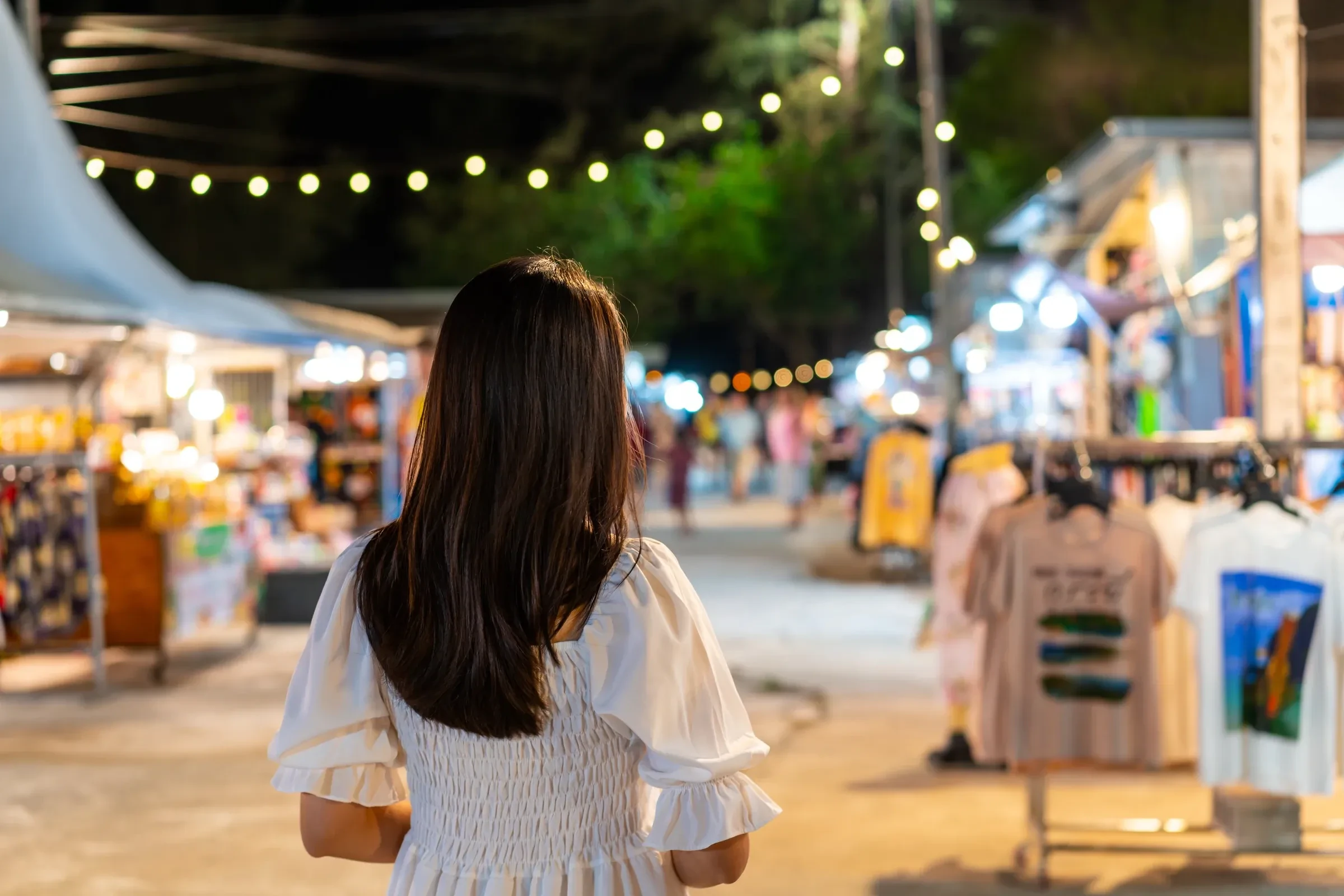
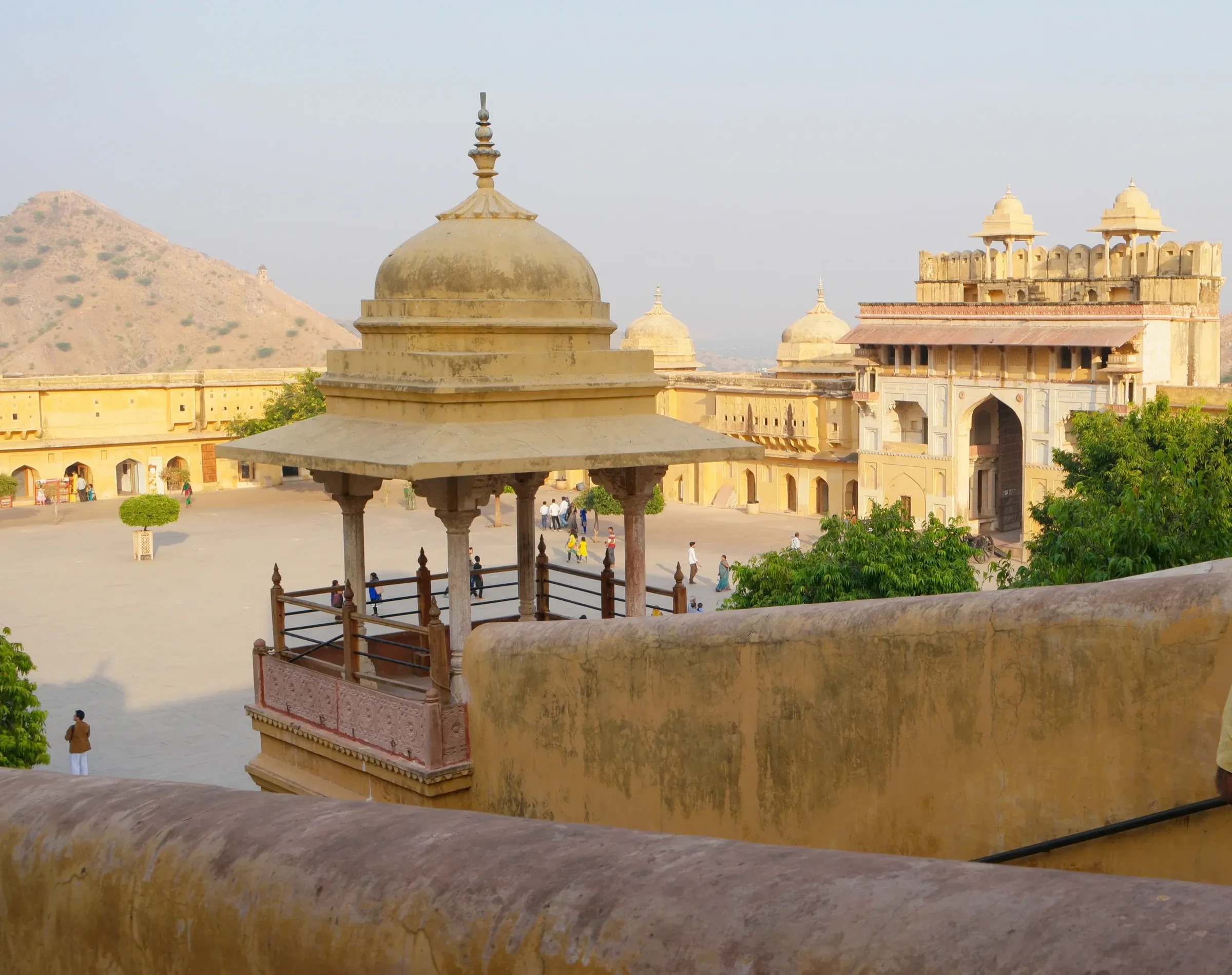
Thailand's well-trodden backpacker trail makes it easy despite its lower peace ranking. India is the most rewarding and the most demanding of the six, and often works best with a group for a first visit.
None of the six countries is at a "do not travel" level on the Canadian scale, though parts of some carry stricter advice. Where you go, and the ordinary precautions you take once there, matter more than a country's position on any index.