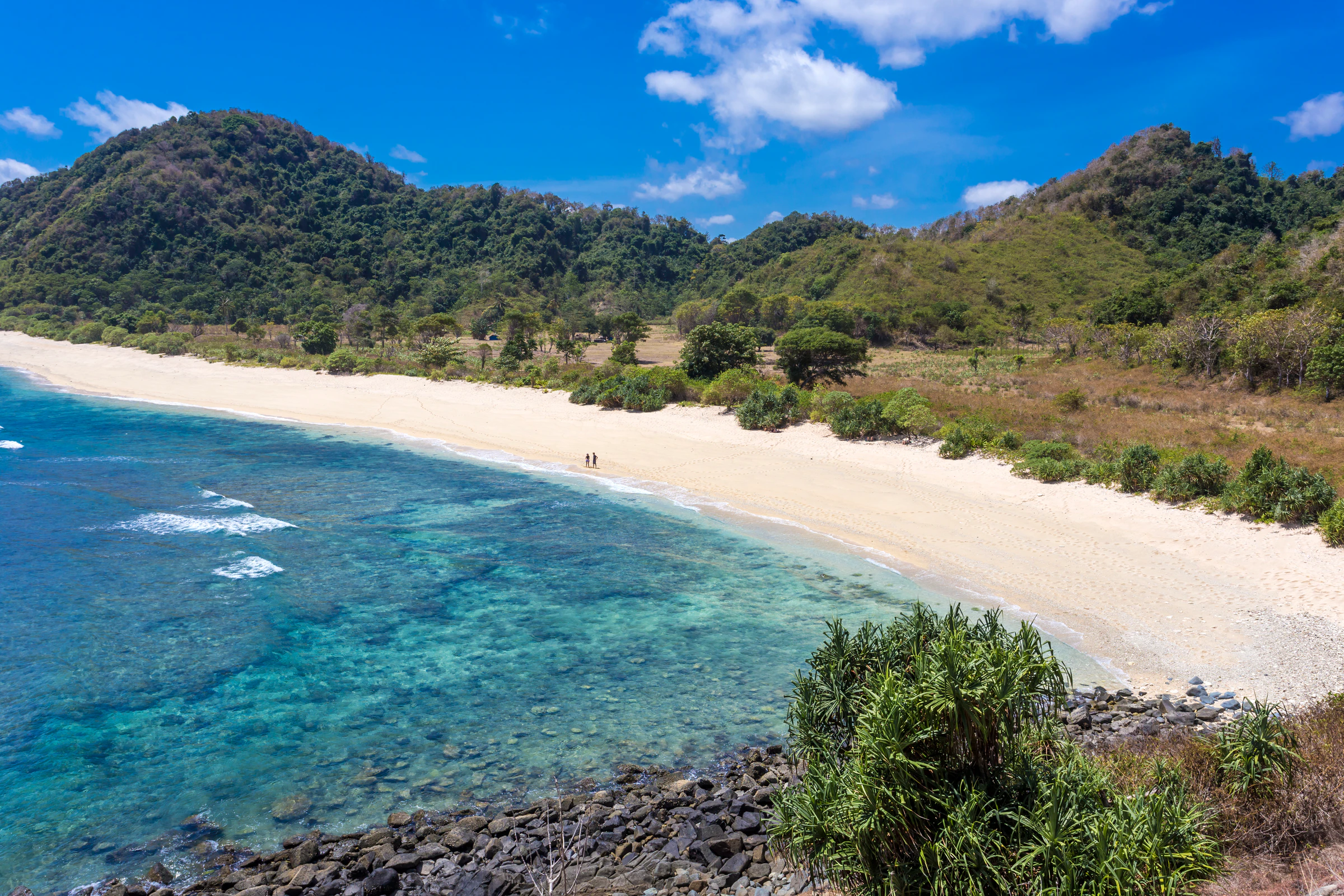
One thing worth clearing up before the table below: the Gili Islands, Trawangan, Air and Meno, sit administratively inside Lombok's North Lombok regency, so a lot of "Lombok" searches are really about the Gilis. This page compares Bali against Lombok's mainland (Kuta Lombok, Senggigi, Rinjani, the Sasak villages). If you're deciding between the Gili Islands themselves, our Gili Trawangan vs Gili Air comparison and the Gili Islands guide cover that separately.
Bali vs Lombok at a glance
| Bali | Lombok | |
|---|---|---|
| Cost per day | About IDR 280,000 to 450,000 (roughly £12 to £19) for food, drinks and local transport, not counting your bed | Around 15 to 25% cheaper than Bali on the same basis |
| Best months | April to October (dry season); May to September for the Bukit's reef breaks | April to October (dry season); May to September for Desert Point and Gerupuk; Rinjani is closed 1 January to 31 March and its access is limited by fire risk this season |
| Flights from the UK | No nonstop; at least one stop to Denpasar (DPS) | No nonstop; via Denpasar, then a 40 to 50 minute domestic flight to Lombok (LOP) |
| Flights from the US | No nonstop; one stop via Asia or the Gulf | Same route as Bali, plus the Bali to Lombok leg |
| Flights from Australia | Nonstop from several cities (see our Bali from Australia guide) | Mostly via Denpasar, then the domestic hop |
| Visa | e-VOA, IDR 500,000 for now (a rise is announced, no start date), 30 days, extendable once; plus the IDR 150,000 Bali tourist levy | Same e-VOA, same price and rules; no Bali levy on Lombok, but the Gili Islands charge their own IDR 20,000 |
| Beaches | Uluwatu's cliffs and reef breaks, Canggu's beach breaks, Nusa Penida's turquoise coves | Kuta Lombok, Selong Belanak, Mawi and Tanjung Aan; quieter, less developed |
| Food | Nasi campur, babi guling, sate lilit, sambal matah | Ayam taliwang, plecing kangkung, sate rembiga, nasi campur made spicier |
| Culture | Balinese Hindu temples, daily offerings, the Kecak dance, Nyepi | Sasak Muslim villages such as Sade, the Bau Nyale festival |
| Dress and alcohol | Hindu majority; beer sold at warungs and bars | Predominantly Muslim; cover knees and shoulders away from the beach; alcohol mainly in hotels, licensed restaurants and bars |
| Nightlife | Canggu's cafes and beach clubs, Seminyak, Kuta Bali's party strip | Quiet outside Kuta Lombok's surf-hostel scene; the Gilis (technically Lombok) are livelier |
| Adventure | Mount Batur's half-day sunrise trek, diving at Tulamben and Amed | Mount Rinjani, a serious 2 to 3 day volcano trek; Desert Point and Gerupuk for stronger surfers |
| Ease for first-timers | Well-trodden, English widely spoken, Grab and Gojek everywhere | Less developed; scooters or a driver matter more once you're off the main strips |
| Getting around | Grab, Gojek and drivers, even in smaller towns | Grab and Gojek cover Kuta Lombok and Senggigi only; drivers for anything further; the airport is about 20 to 30 minutes from Kuta Lombok and 1 to 1.5 hours from Senggigi |
| Solo-friendliness | A huge, well-established backpacker circuit | Friendly and safe, but a smaller built-in social scene outside the surf towns |
Cost
Bali runs about IDR 280,000 to 450,000 a day (roughly £12 to £19) for a typical mix of warungs, cafes and local transport, not counting your bed. Lombok is about 15 to 25% cheaper for similar food and accommodation, and that figure also leaves out your bed. Compare the beds separately: a dorm costs about IDR 150,000 to 250,000 on Bali and IDR 80,000 to 150,000 on Lombok, but Lombok's dorms are mostly in Kuta Lombok and Senggigi, so most budget travellers there book a guesthouse room instead, at about US$8 to 15 a night. Scooter hire is close to even: about IDR 60,000 to 110,000 a day on Bali and IDR 60,000 to 100,000 on Lombok.
The fees you pay on top differ by island. Bali charges a one-off IDR 150,000 tourist levy. Nusa Penida adds an IDR 25,000 arrival fee, plus IDR 25,000 at each of six main sights since 1 September 2026. The Gili Islands charge an IDR 20,000 levy (a rise to IDR 50,000 has been discussed but not agreed). Rinjani's park fee is IDR 250,000 a day for foreigners on the main routes, which operators usually include in the trek price. Our Bali trip cost guide breaks the numbers down further, including the visa and levy fees.
Winner: Lombok, on price alone.
Best time to visit
Both islands share the same dry season, about April to October, and the same wet months, roughly November to March, with the heaviest rain from December to February on Bali. Surf peaks from May to September on both: Bali's south coast at Uluwatu and the rest of the Bukit Peninsula, and Lombok's Desert Point and Gerupuk. The seas between them are roughest from December to March, with extra swell in July and August, so leave a spare day either side of a boat crossing.
Rinjani needs its own check. The park is closed to trekkers every year from 1 January to 31 March, and the dry months carry fire risk too. This year the park reopened on a limited basis on 1 September, a wildfire closed the Senaru and Torean routes from 22 September, and Senaru reopened on 3 October. See the status box in our Lombok and Gili Islands itinerary for the latest, and check before booking a trek, not just the general season.
Two dated events are worth knowing. Nyepi, Bali's Day of Silence, shuts the whole island down for 24 hours each spring, including the airport; see our Nyepi guide for the date. On Lombok, the Mandalika circuit next to Kuta Lombok hosts the Indonesian MotoGP: the 2026 race is on Sunday 11 October, with the weekend running 9 to 11 October, and guesthouse prices around Kuta rise that week.
Winner: tie, with Lombok needing an extra status check for Rinjani.
Flight time and visa
Neither island has nonstop flights from the UK or US. From the UK and the US, expect at least one stop, often in Asia or the Gulf. Australia is the exception: several Australian cities fly nonstop to Bali, and our Bali from Australia guide lists the airlines. Lombok's airport (LOP) has only a few international routes: Scoot raised its Singapore flights from four to ten a week in June 2026. Nothing links it nonstop to the UK or US, so most travellers go via Bali, then take either a 40 to 50 minute domestic flight or a fast boat. Boats take about 1.5 to 5 hours depending on the route: roughly 1.5 to 2.5 hours from Padang Bai or Serangan to the Gilis, 2 to 3 hours from Padang Bai to Lombok's mainland, and up to 5 hours on the longest runs to Bangsal. Add that leg onto whichever Bali flight time applies to you.
The visa itself is identical either way: the e-VOA covers all of Indonesia, costs IDR 500,000, and gives 30 days, extendable once for another 30. Immigration has announced a higher fee but no start date, so check the official portal before you pay. Before you land you also complete the free All Indonesia arrival declaration, within 72 hours of arrival. The one difference is Bali's IDR 150,000 tourist levy, which doesn't apply if you skip Bali entirely and fly straight through to Lombok, though almost nobody does that in practice. The Gili Islands charge their own IDR 20,000 levy at the harbour. Our Bali visa guide has the full rules by nationality.
Winner: Bali, for the shorter and simpler journey.
Beaches and surf
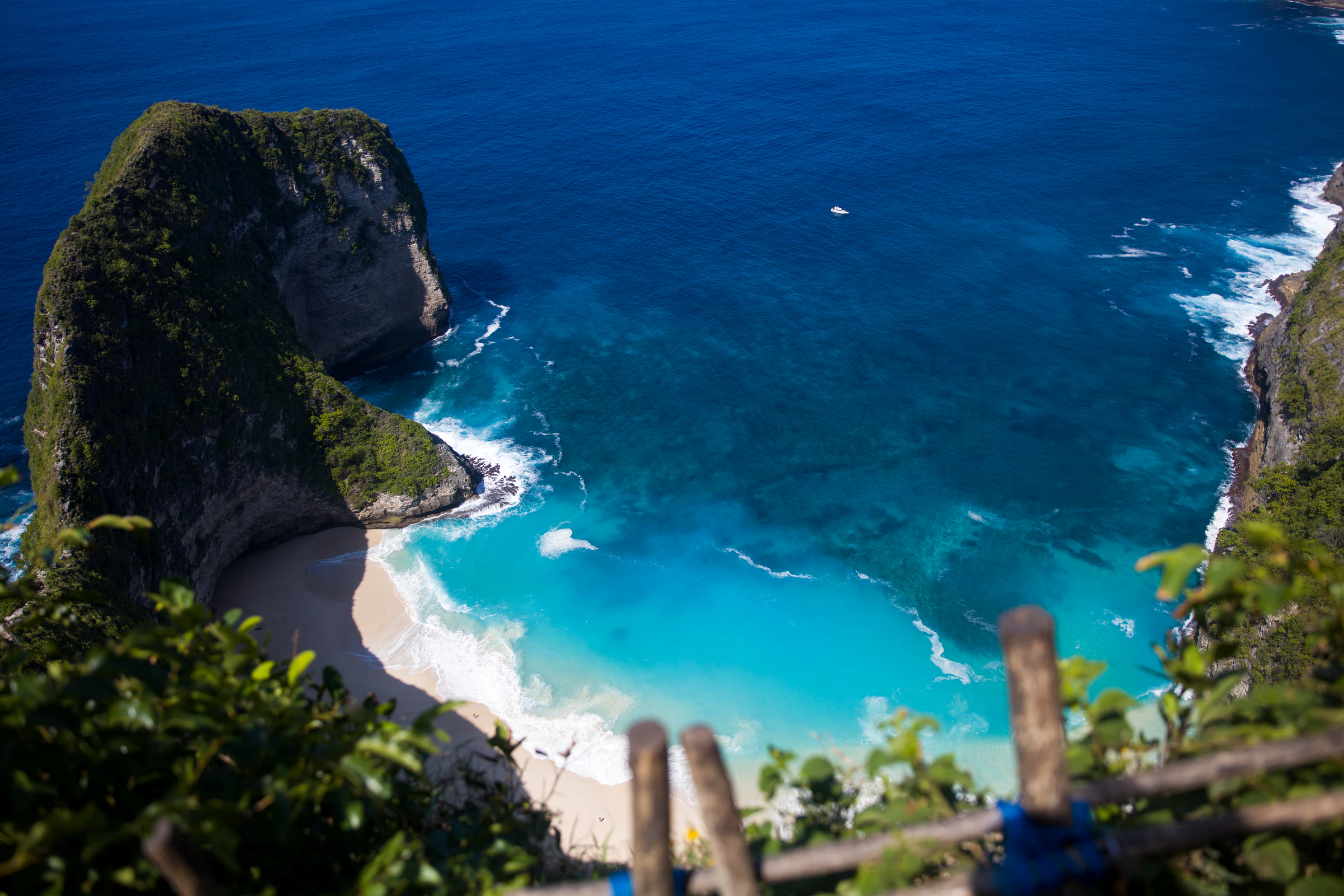
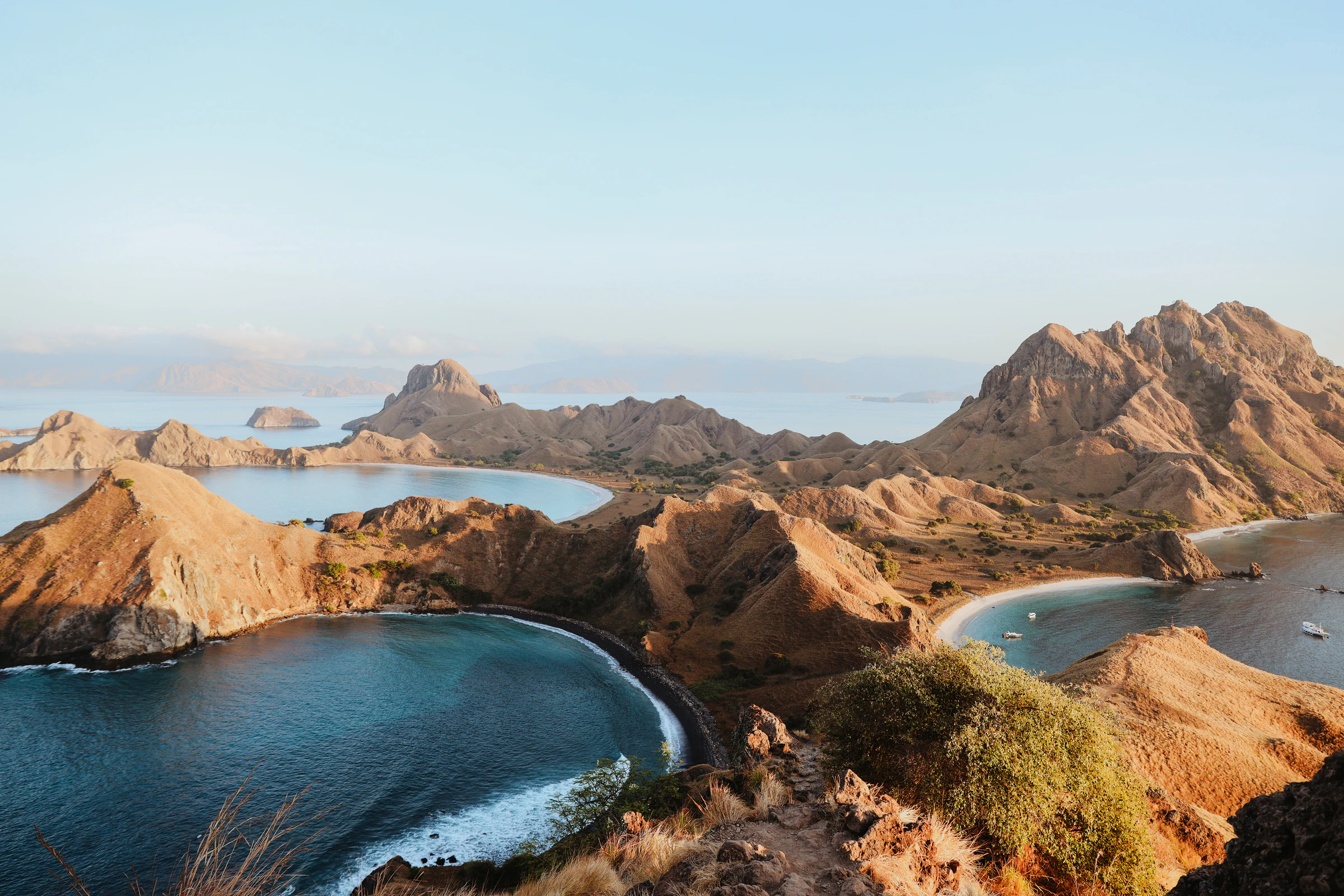
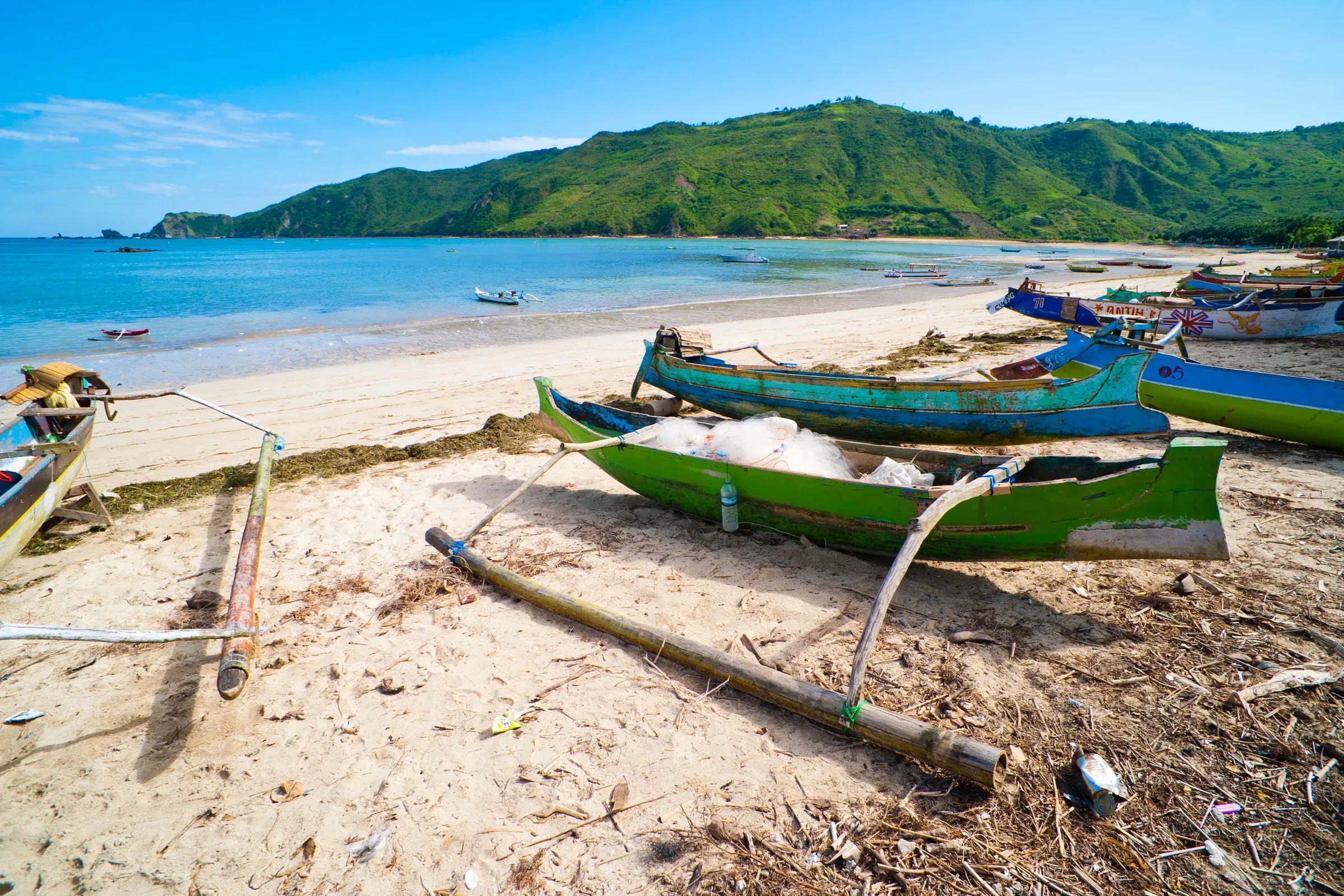
Bali's south coast is the bigger draw for most first-timers: Canggu's sandy beach breaks for learning, Uluwatu and the rest of the Bukit Peninsula's reef breaks for intermediate and advanced surfers, and Nusa Penida's cliffs and turquoise coves a short boat ride away. Lombok's beaches are quieter and less developed across the board. Kuta Lombok's south coast has Selong Belanak, a long, gentle, sand-bottomed bay that's the area's standard beginner spot, plus Mawi and Tanjung Aan for swimming and sunsets. Stronger surfers go further for Gerupuk's reef breaks and Desert Point, one of Indonesia's most famous left-handers, both noticeably less crowded than their Bali equivalents.
Winner: tie, depending on whether you want company or space.
Food
Both islands share a base of Indonesian staples, nasi goreng and mie goreng among them, but each has its own specialities worth trying on purpose. Bali's Balinese dishes include nasi campur (a mixed rice plate), babi guling (spit-roast pork), sate lilit (minced, spiced satay pressed onto lemongrass skewers) and sambal matah, a raw shallot and chilli relish that turns up on almost everything. Lombok's Sasak food runs hotter: ayam taliwang (fiery grilled or fried chicken), plecing kangkung (water spinach in a chilli and shrimp-paste dressing) and sate rembiga, Lombok's own spiced beef satay. Nasi campur exists on both islands, but Lombok's version is generally spicier.
Winner: tie, and worth trying both versions if your trip covers them.
Culture
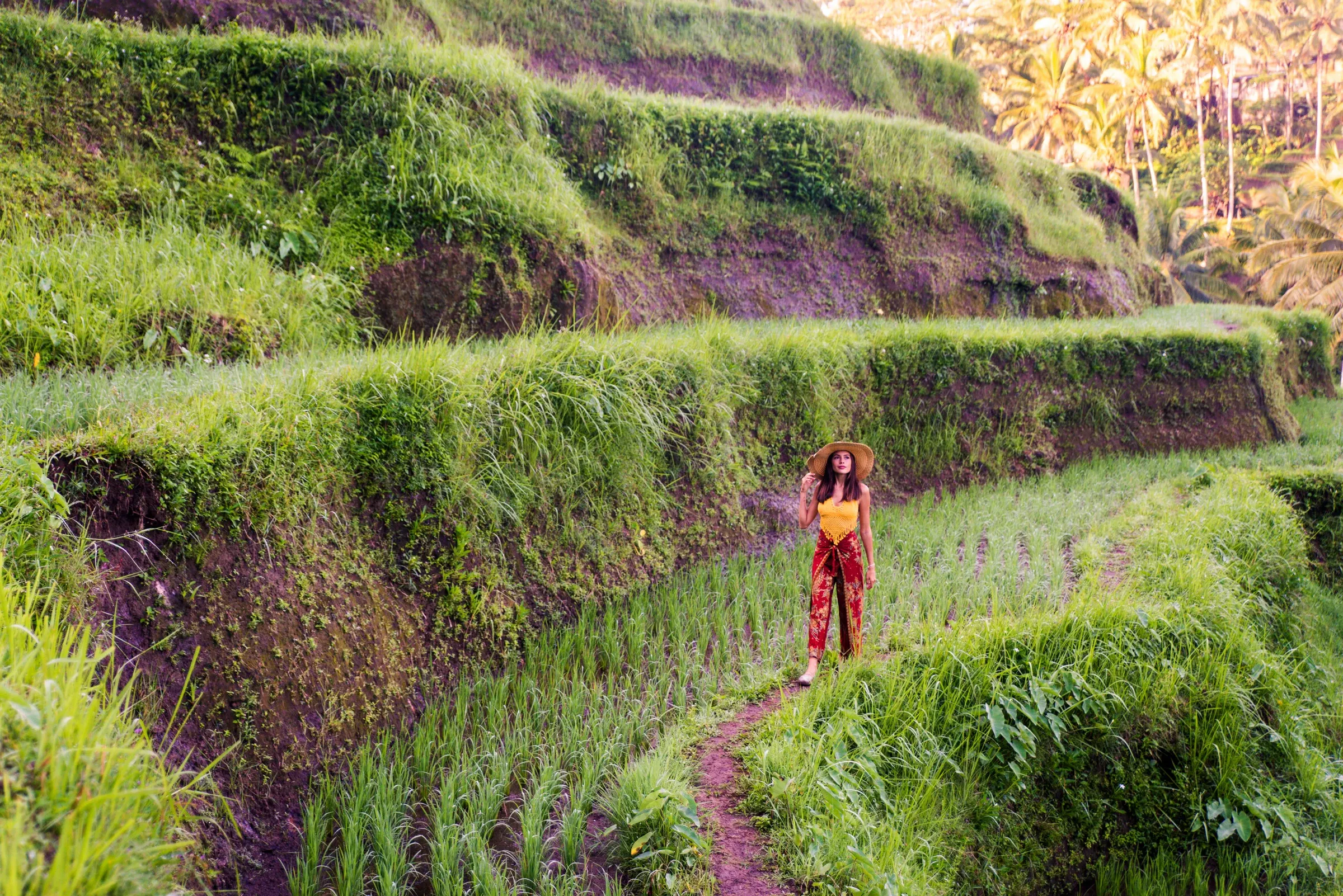
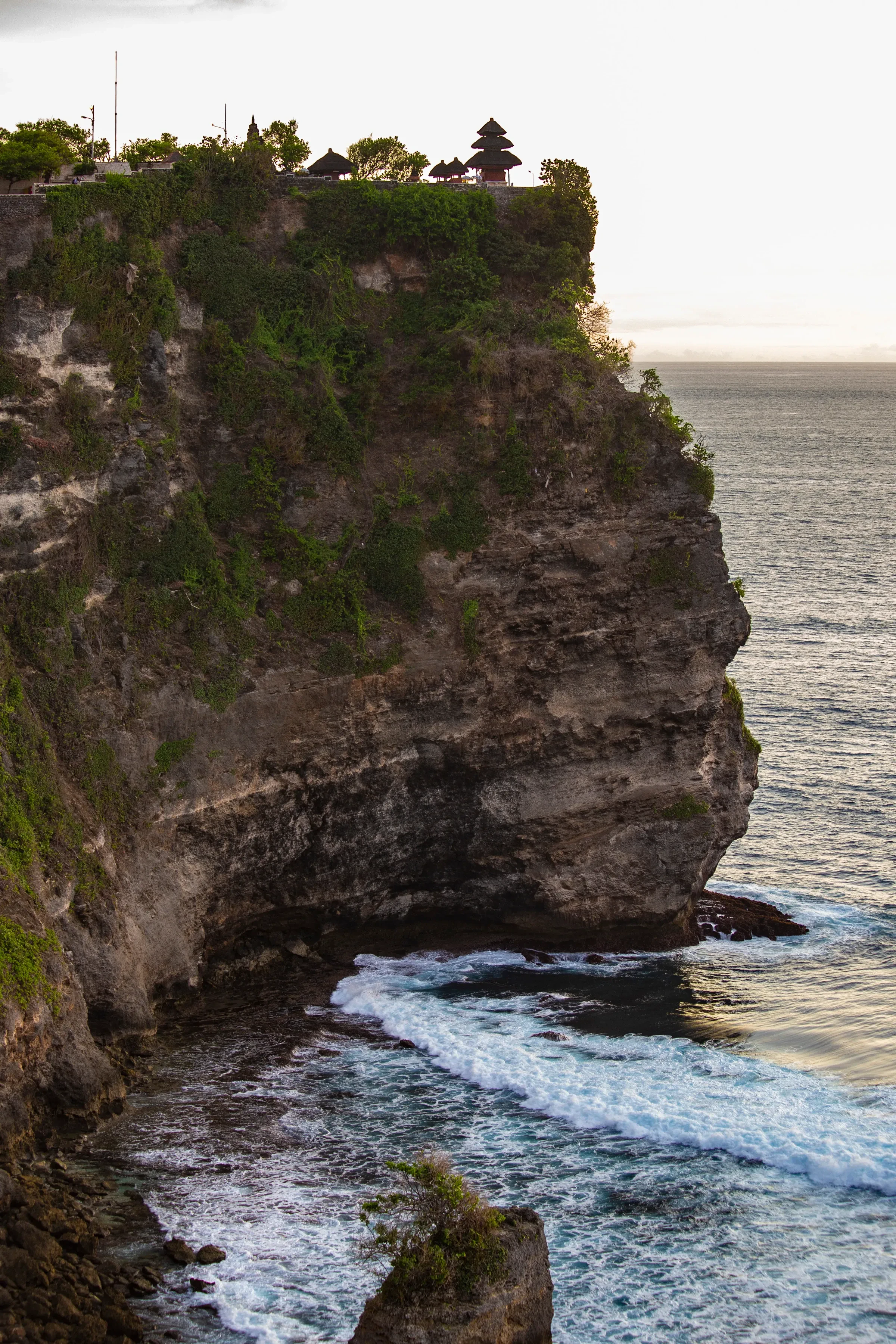
Bali is Hindu in a majority-Muslim country, and that shows in daily life: canang sari offerings on doorsteps and pavements, temple ceremonies, the Kecak fire dance at Uluwatu, and Nyepi's island-wide shutdown each spring. Lombok's Sasak population is predominantly Muslim, with a different rhythm and its own traditions, including villages such as Sade that still live in traditional Bale Tani houses, and the Bau Nyale festival, tied to the local legend of Princess Mandalika. The two islands are only a short crossing apart but feel culturally distinct.
The religion changes a few practical things. The Sasak make up about 85% of Lombok's residents and are almost all Muslim, according to World Nomads' local guide, which advises covering your knees and shoulders in traditional rural areas and not wearing a bikini in the street. In Kuta Lombok, Senggigi and the Gilis, people are more used to visitors. Alcohol isn't banned, but you'll mostly find it in hotels, licensed restaurants and bars, and Bali's cheap warung beer is easier to come by. Stick to those licensed places: the FCDO warns that even small amounts of methanol in counterfeit drinks can kill. During Ramadan, which is expected to run from about 8 February to 8 March 2027 depending on the moon sighting, the FCDO advises not eating, drinking or smoking in public in the daytime and following local dress codes.
Winner: tie, since the two cultures are simply different, not better or worse.
Nightlife
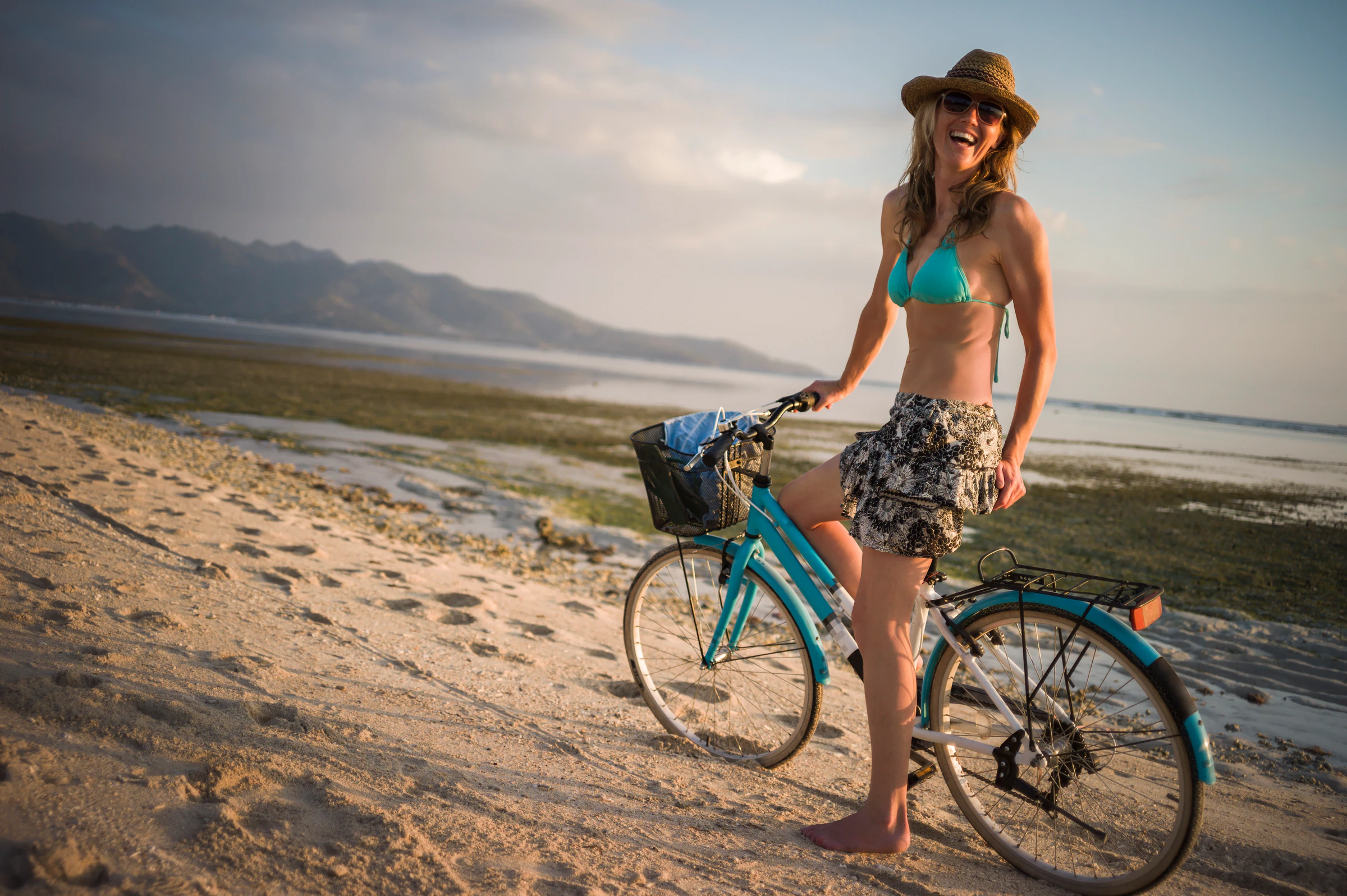
Bali wins this one comfortably outside the Gilis. Canggu's cafe and beach-club scene, Seminyak's sunset bars and Kuta Bali's older party strip give solo travellers plenty to choose from most nights of the week. Lombok's mainland is quiet by comparison: Kuta Lombok has a laid-back surf-hostel scene, but Senggigi and the rest of the coast wind down early. The exception is the Gili Islands, administratively part of Lombok, where Gili Trawangan in particular has real nightlife of its own; see our Gili Trawangan vs Gili Air comparison for how the three islands differ.
Winner: Bali, if you're counting the mainland only.
Adventure and activities
Bali's headline trek, Mount Batur, is a half-day sunrise walk that most reasonably fit travellers can manage with no real preparation, usually with a guide from one of the village trekking associations, alongside diving at Tulamben and Amed. Lombok's Mount Rinjani is a different scale of undertaking: a licensed trek of 2 or 3 days up one of Indonesia's highest volcanoes (3,726 metres), most often 2 days and 1 night to a crater rim campsite above Segara Anak lake, or the longer route to the summit itself. It's a tough few days, needs a licensed guide and runs on a seasonal permit system. As of 6 October 2026 access is limited by fire risk and sources differ on whether new online bookings are open, so check current status rather than assuming it's open. Our Mount Rinjani guide covers the trek in full.
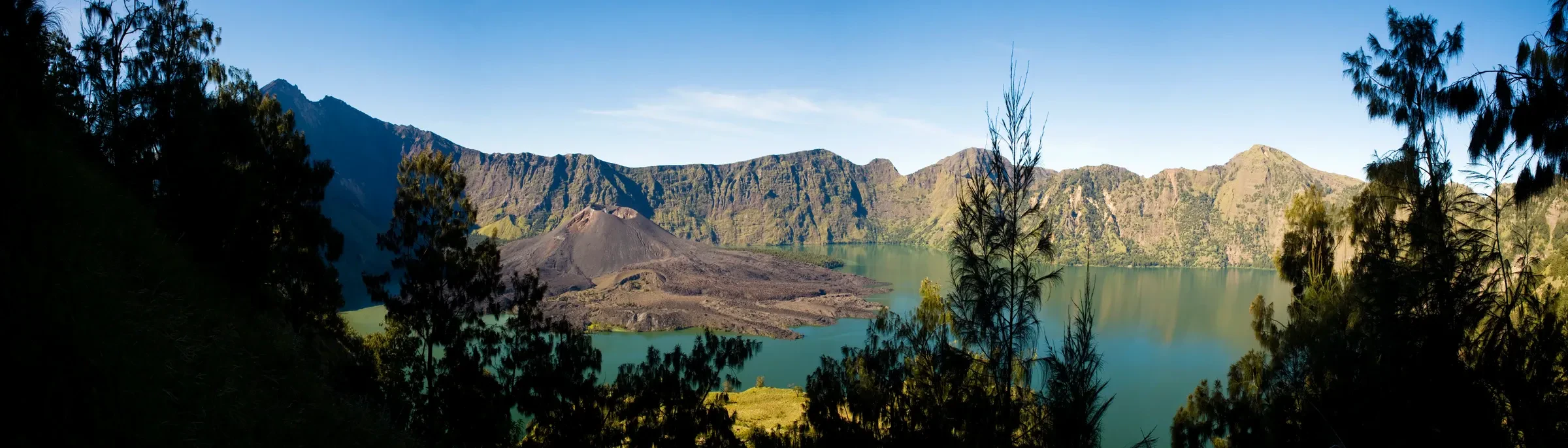
The FCDO's Indonesia advice, updated on 18 September 2026, no longer advises against all travel to volcanoes in Indonesia. It still says volcanoes can erupt without warning and points readers to MAGMA Indonesia and the national disaster agency for exclusion zones.
Winner: Lombok, for anyone who wants a serious trek rather than a half-day one.
Ease for first-timers and getting around
Bali is the easier island to land in cold: English is widely spoken in the main tourist areas, Grab and Gojek cover almost everywhere, and the backpacker infrastructure, from hostels to tour desks, is well established. Lombok asks a bit more of you. Grab and Gojek work in Kuta Lombok and Senggigi but thin out fast elsewhere, so a scooter (with the right licence) or a private driver matters more once you're off the main strips, and fewer people speak English outside the tourist towns. Lombok's airport is about 20 to 30 minutes' drive from Kuta Lombok and 1 to 1.5 hours from Senggigi, so arrange the transfer before you land.
Winner: Bali, for a first trip to Indonesia.
Solo-friendliness
Bali has one of the biggest backpacker scenes in Southeast Asia, and it shows: hostels built around communal spaces, group day trips, and a steady stream of other solo travellers to meet at any hostel bar. On Lombok the built-in social scene is smaller and more concentrated, mainly around Kuta Lombok's surf-hostel culture, so you'll likely meet fewer other solo travellers day to day outside that pocket. The same precautions apply on both islands: the FCDO's Indonesia advice says reported cases of rape and sexual assault are high in Bali and Lombok, and mentions drink spiking in Bali, Lombok and the Gili Islands.
Winner: Bali, for how easy it is to meet people without trying.
Which should you choose?
| If you're... | Choose |
|---|---|
| Visiting Indonesia for the first time | Bali |
| Travelling on a tighter daily budget | Lombok |
| Chasing a serious multi-day trek | Lombok, for Mount Rinjani |
| A beginner surfer | Bali, for Canggu's forgiving beach breaks |
| An intermediate or advanced surfer wanting fewer crowds | Lombok, for Gerupuk and Desert Point |
| Prioritising nightlife and a big solo-traveller scene | Bali |
| Wanting temples, offerings and Balinese ceremony | Bali |
| Curious about Sasak culture and traditional villages | Lombok |
| Wanting a quieter, more traditional coast with fewer bars | Lombok |
| Short on time, with only a week or so | Bali, since it packs in more without a long crossing |
Why not both?
You don't have to pick one. A fast boat or short flight covers the gap, and a lot of our own itineraries do exactly this. A realistic two-week version: 3 days in Canggu, 3 in Ubud, 2 on Nusa Penida, 2 to 3 across Gili Air and Gili Trawangan, then a fast boat or domestic flight to Kuta Lombok for a final 3 to 4 days on Lombok's south coast, with the Rinjani trek added on top for anyone with an extra 3 to 4 days to spare. Our 2-week Bali itinerary sets out the Canggu-to-Gili route in full, and the Lombok and Gili Islands itinerary covers the island-hop and the Rinjani trek day by day.