Yogyakarta (most people just say "Jogja") is the one Javanese city that shows up on almost every Bali-bound traveller's route, and it earns the detour on its own terms. It's still a working royal city, with a sultan who reigns as the province's governor, and it sits within day-trip range of Borobudur, the world's largest Buddhist temple, and Prambanan, Indonesia's largest Hindu temple complex. Add a proper street-food scene and a laid-back backpacker circuit around Malioboro, and it's an easy place to like rather than just tick off.
What makes Yogyakarta special
Yogyakarta is Java's cultural capital in a way no other city on this route is. The Kraton is a living palace, not a museum piece. The batik and silverwork workshops around it are still working trades. The food, gudeg simmered for hours, satay on bicycle spokes, street carts that only open after dark, is distinctly Yogyakarta rather than generic Indonesian. Then there's the archaeology: Borobudur and Prambanan sit on opposite sides of the city: the world's largest Buddhist temple, built between 780 and 840, and Indonesia's largest Hindu temple complex, built in the mid-9th century (both dates from the operator, InJourney Destination Management).
Where to go within Yogyakarta
The Kraton and the old town
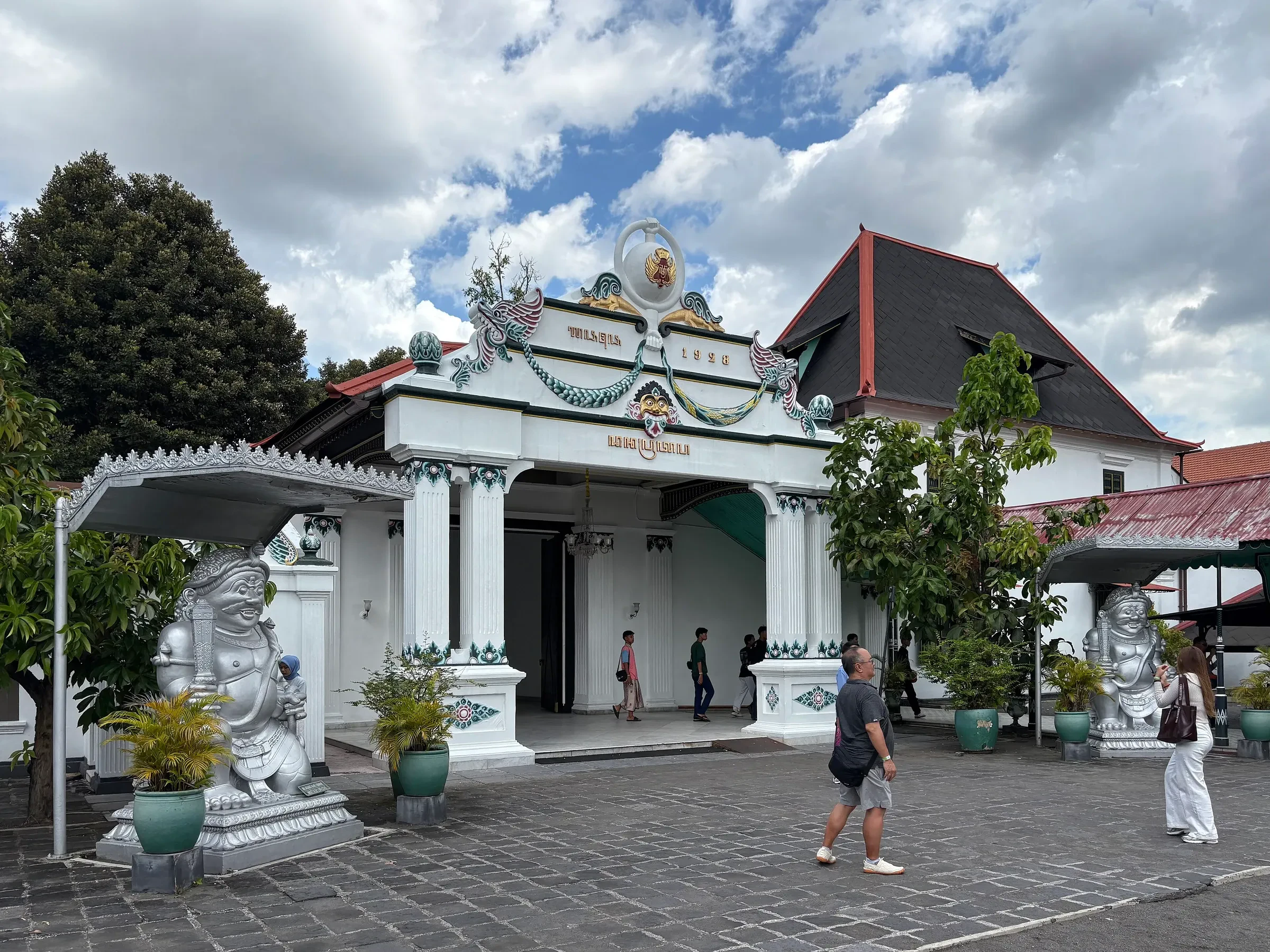
The Sultan's Palace complex and the batik-lined streets around it are the natural start to a visit. The official Kraton tourism site (tourism.kratonjogja.id) lists the Kedhaton, the palace's inner core and the sultan's family home, as open 08:30 to 14:30 and closed on Mondays. It also lists Pentas Srimanganti performances by local arts groups from Tuesday to Sunday, 09:00 to 11:00. Allow half a day. Foreign-visitor fees in our sources range from IDR 15,000 to 70,000 and none is dated 2026, so confirm the price at the ticket window. Dress modestly: the site asks for clothing with sleeves.
Malioboro Street
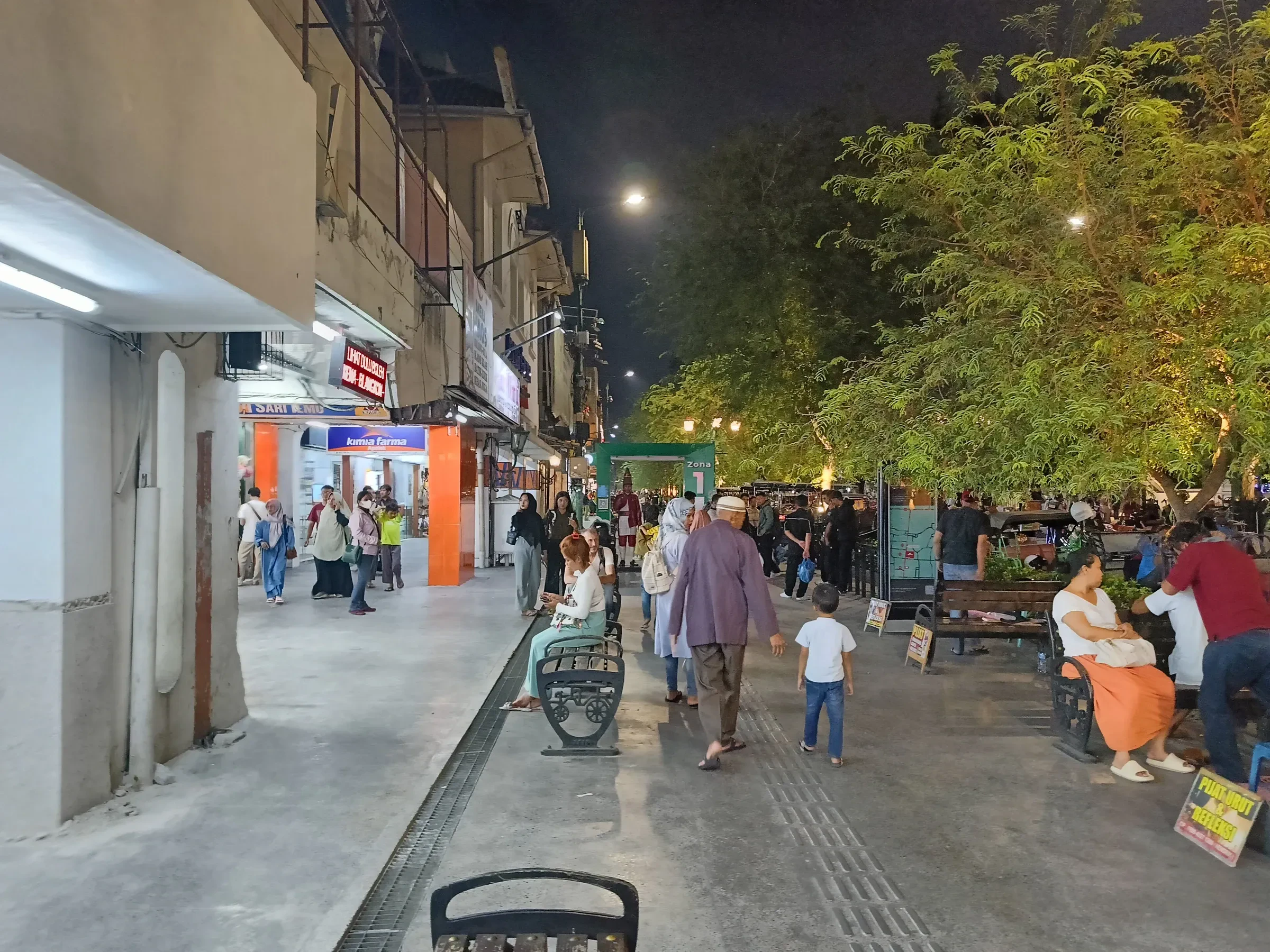
Yogyakarta's main tourist strip by day and its best street-food crawl by night. Malioboro is where most budget guesthouses cluster, and where the angkringan carts set up after dark. It's touristy in the way any city's main strip is, but it's still the easiest place to get a feel for the city on your first evening.
Taman Sari Water Castle
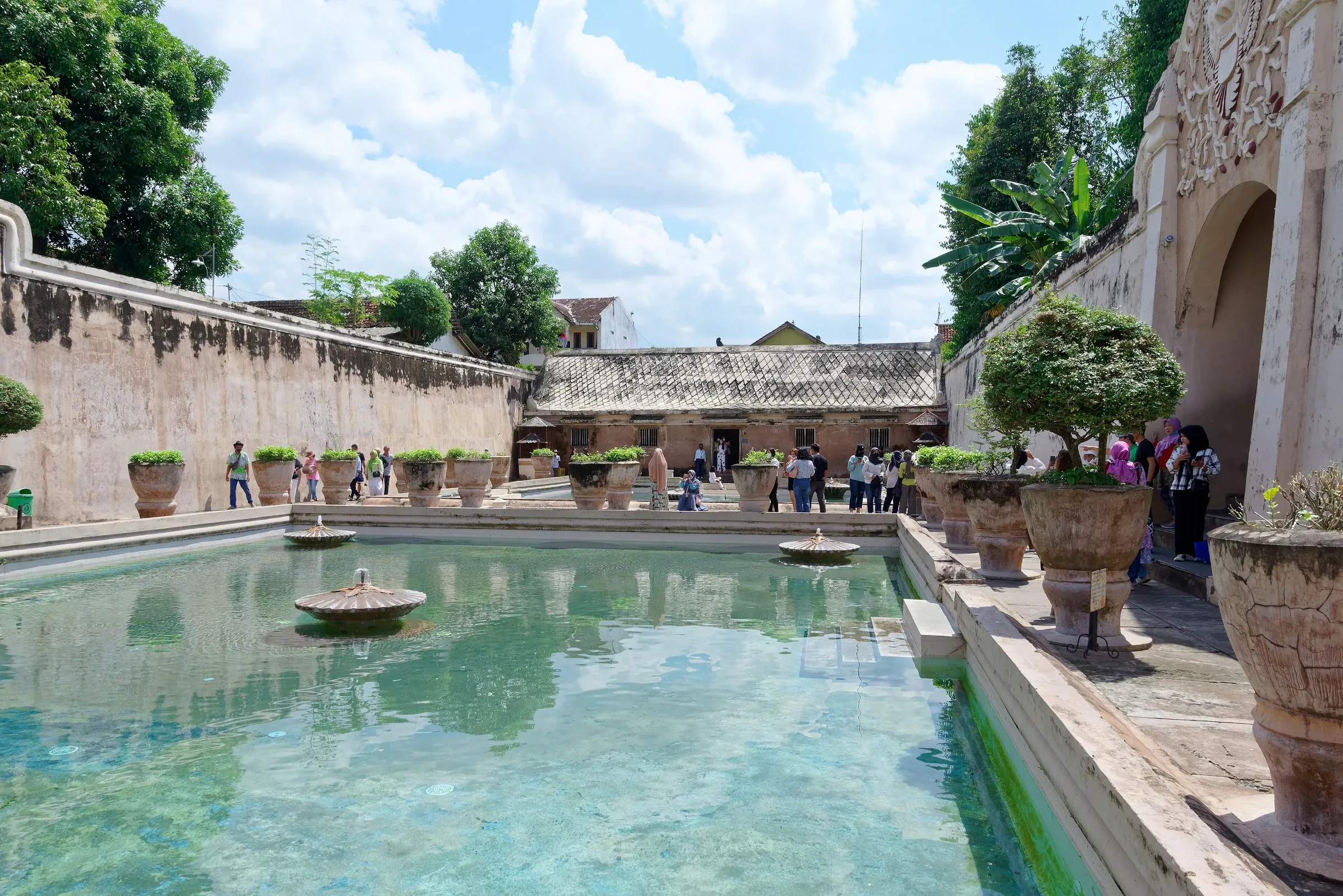
A royal bathing and retreat complex, built between 1758 and 1765 by Sultan Hamengku Buwono I, a short walk or becak ride from the Kraton. It has bathing pools, garden courtyards and gateways. The official site lists it as open 09:00 to 15:00 daily. Foreign visitors pay a small fee, but sources disagree on the amount.
Borobudur
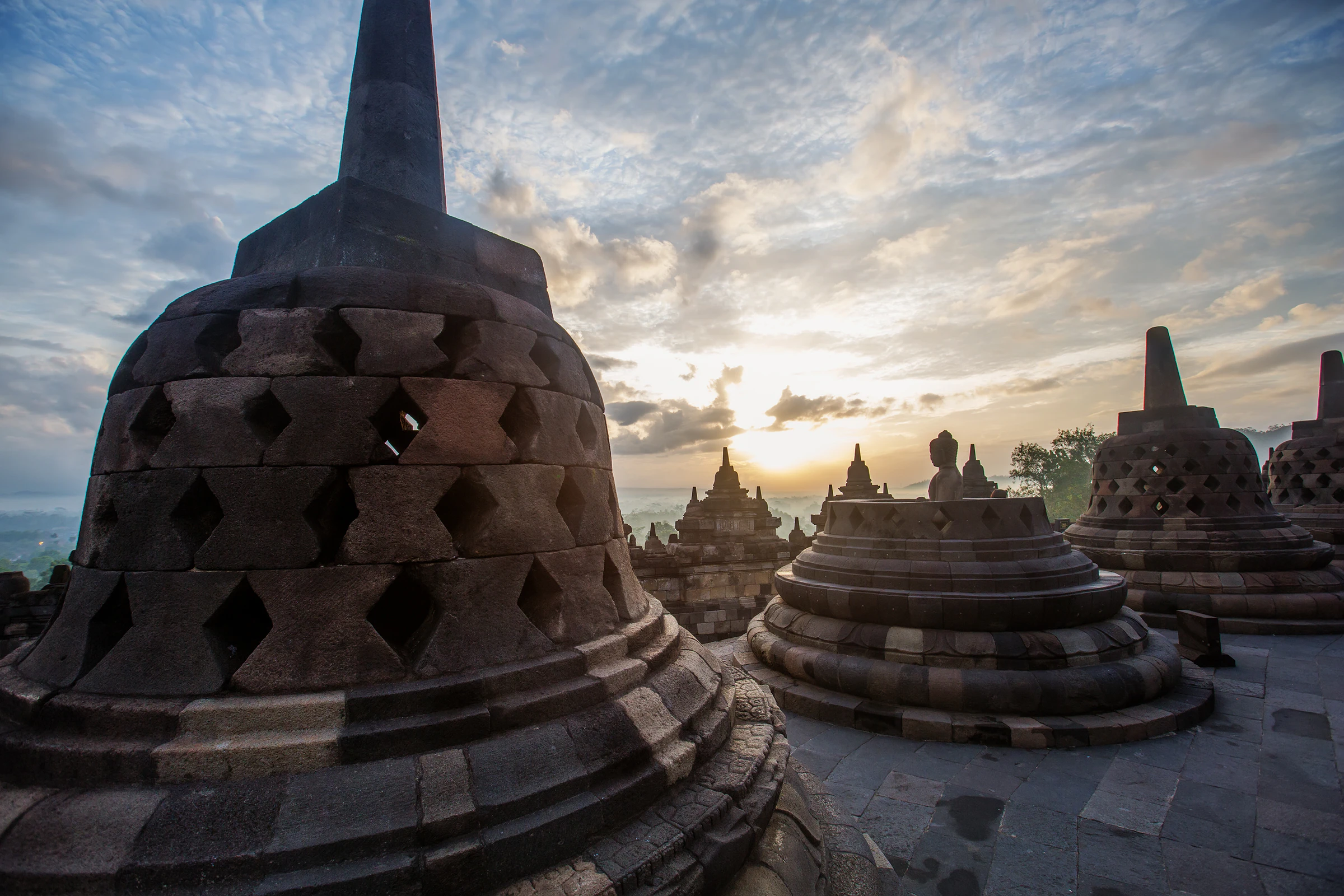
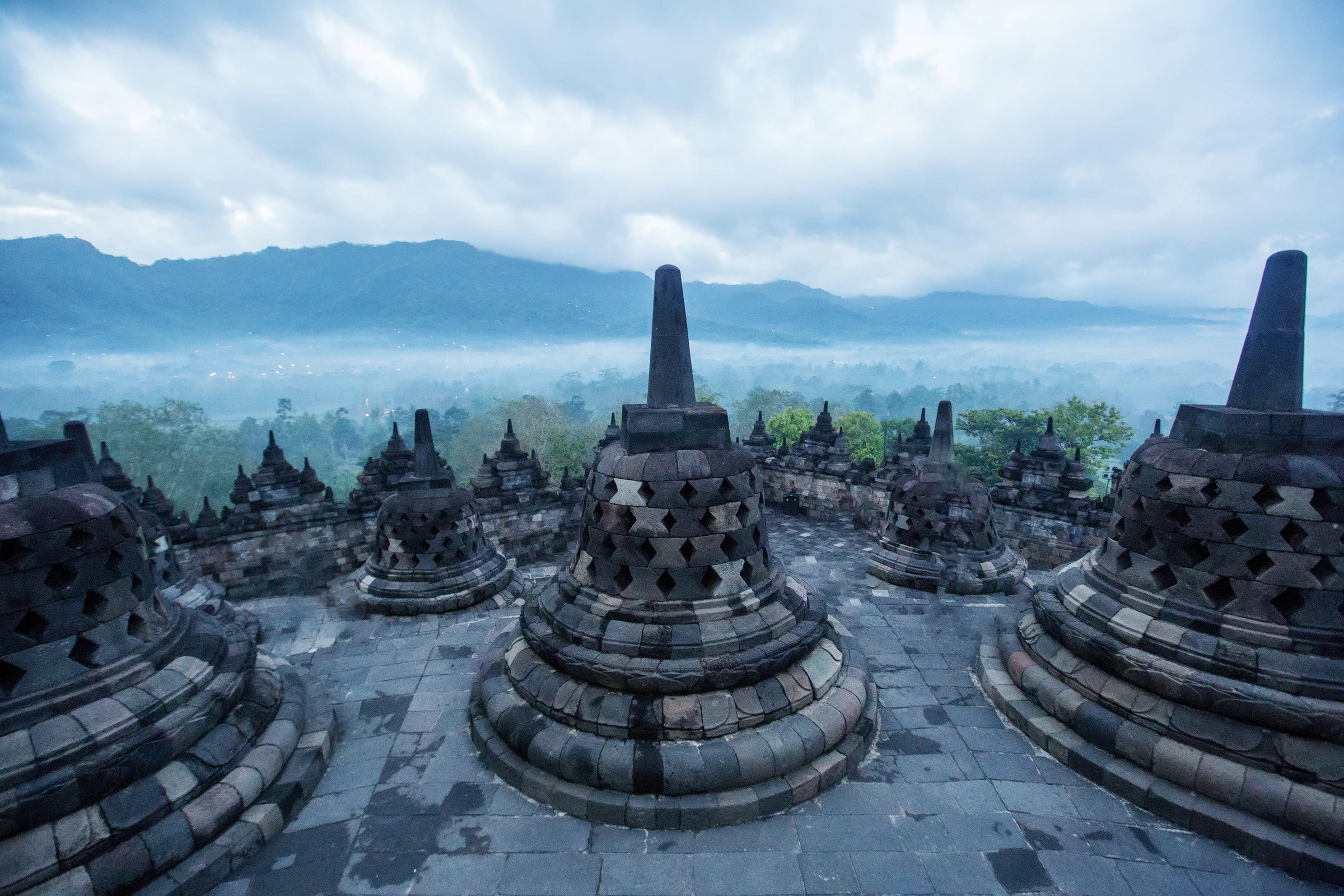
About an hour outside the city, the world's largest Buddhist temple: a stepped, pyramid-shaped stupa built from volcanic stone, ringed with Buddha statues and relief carvings. The operator's official ticket site lists two ways in. The upper-levels ticket lets you climb the temple and includes a guide, a wristband and special sandals (upanat) that protect the stone, with a listed start time of 08:30. The sunrise ticket starts at 04:00, costs IDR 1,000,000 for international visitors and is limited to 100 people a day. It includes a guide, a flashlight, the sandals and breakfast. The site lists the courtyard-only ticket's hours as for domestic tourists, so foreign visitors should plan on a climb or sunrise ticket. The cap and prices can change, so check the official site before you go.
Prambanan
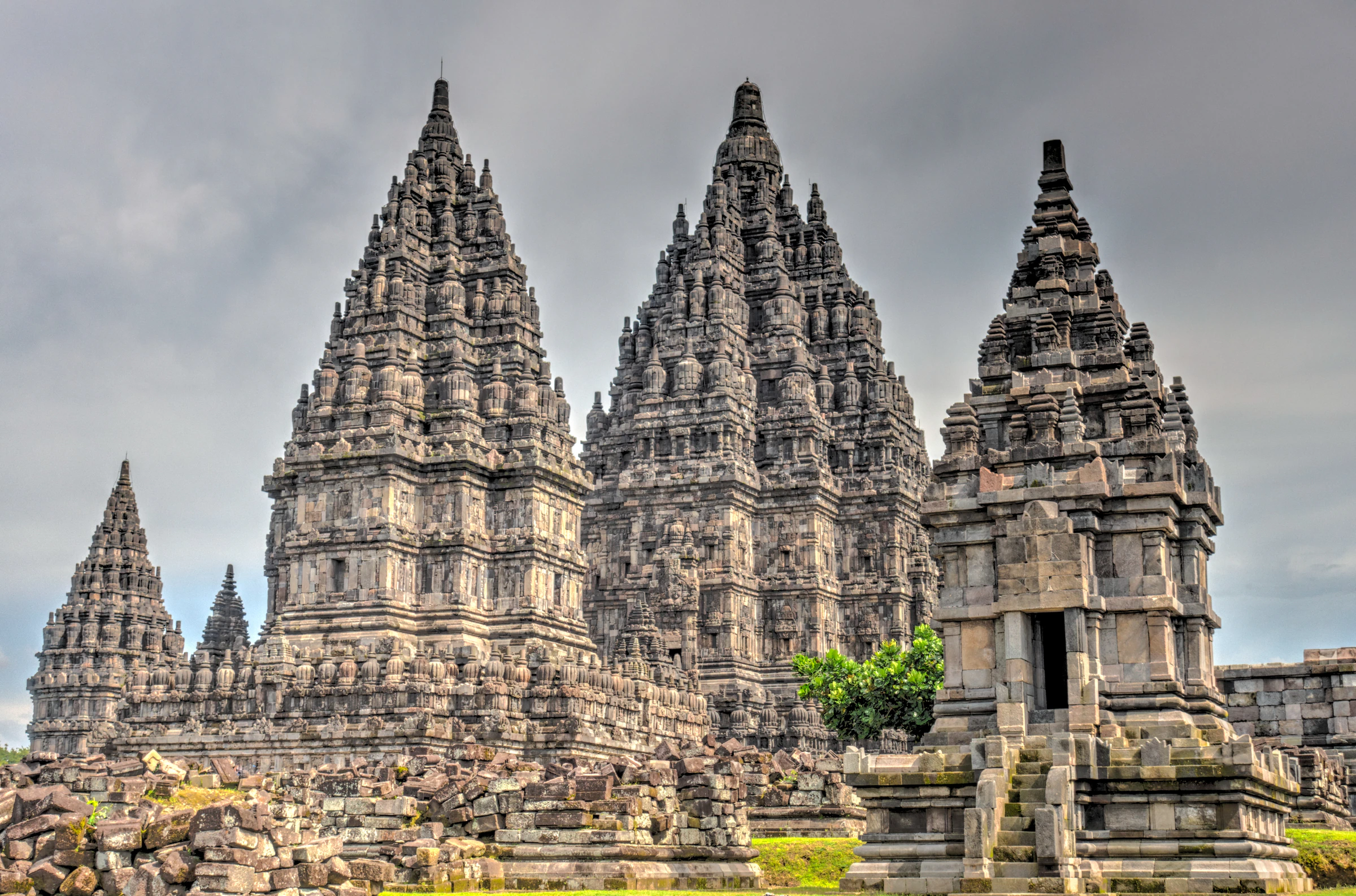
On the opposite, eastern side of the city, about 17km and 30 to 45 minutes by Grab or private car, longer on the Trans Jogja bus. Prambanan's tall, sharply carved Hindu towers are a striking contrast to Borobudur's flat, stepped mass, and it's easy to combine both temples in one long day if you start early. The official ticket page lists a 06:30 start, and the ticket also covers the Lumbung, Bubrah and Sewu temples and the museum. The Ramayana ballet follows a published schedule. For May to October 2026 the operator lists open-air shows on Tuesday, Thursday and Saturday evenings, and in other months the shows move indoors. The schedule can change without notice, so check it before you plan an evening around it.
Gunung Kidul's caves and south coast
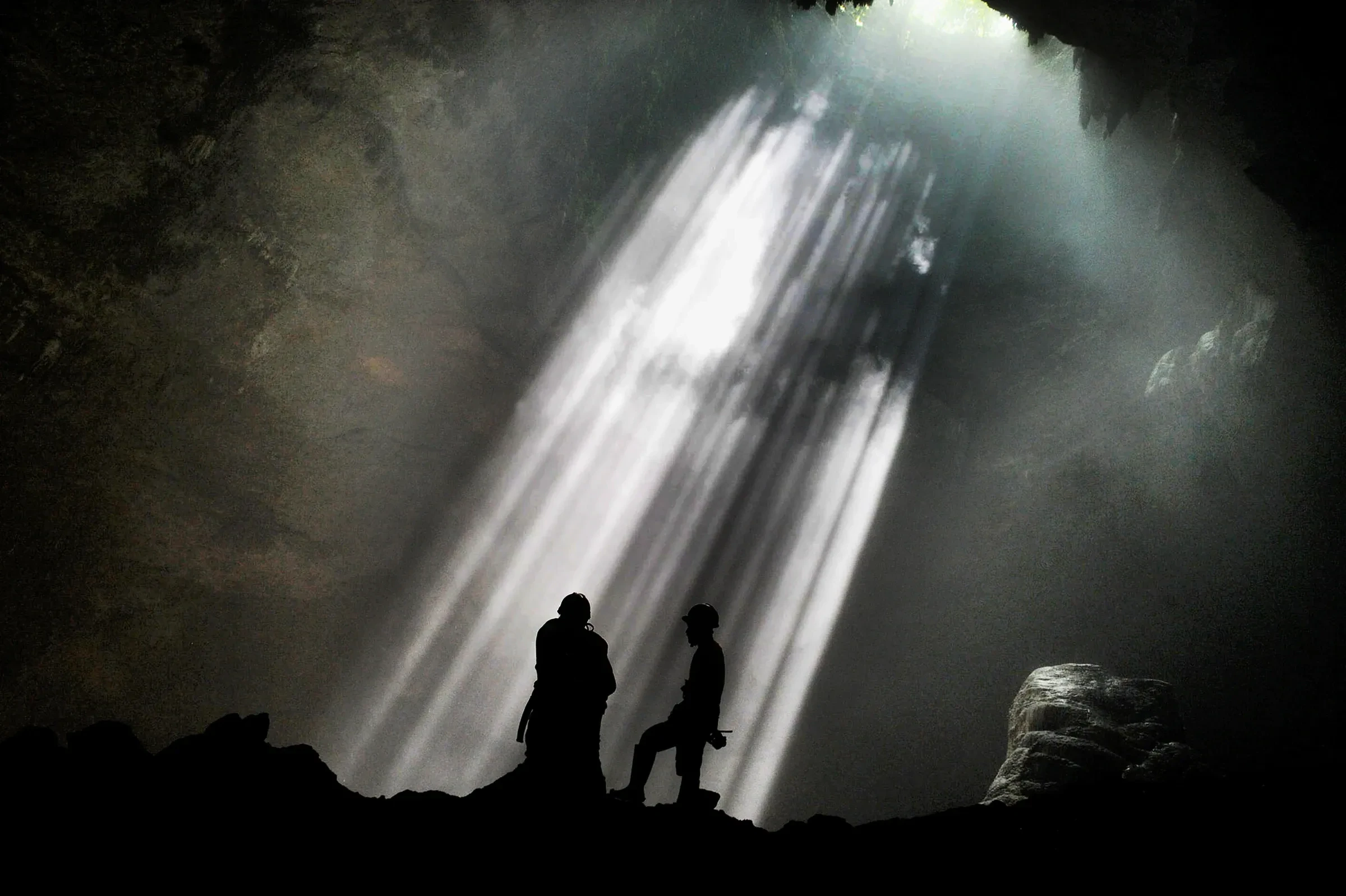
An hour or two south of the city, Gunung Kidul regency has a run of limestone caves and quiet beaches that most Bali-bound travellers skip entirely. Jomblang Cave's guided abseil-and-walk tour, timed around midday to catch a shaft of sunlight through the cave roof, is the best known; it's a half-day trip with its own entrance and guide fees on top of transport, and worth booking through a registered local operator rather than turning up on spec. It's an easy add if you have a spare day; skip it if you're tight on time, since neither Borobudur nor Prambanan should be rushed to make room for it.
Merapi jeep tours
North of the city, 4WD jeep tours run through old lava flows on the slopes of Mount Merapi from the Kaliurang area. They were operating in 2026 coverage, but Merapi is on alert level III (Siaga) and hiking to the summit is officially prohibited, with a warning against activity within 3 km of the summit (backindo.com, July 2026). Tours are priced per jeep, which carries up to four adults, and two 2026 price lists disagree, so agree the route and price before you go. Check the volcano's status close to your dates, because access can change at short notice.
Dieng Plateau (for a longer stay)
A further volcanic highland area about 3 hours from the city, better suited to travellers with 4 or more days in Yogyakarta than a quick 2-day visit. It's a different landscape again, sulphur vents and colour-changing crater lakes, but it adds a full extra day round trip.
Things to do
- Climb Borobudur's terraces with an upper-levels ticket, or book the limited sunrise ticket well ahead
- Watch the Ramayana ballet at Prambanan; check the operator's schedule first
- Eat your way down Malioboro's angkringan carts after dark
- Take a becak or andong (horse cart) ride through the old town; agree the fare before you get in
- Spend a morning at Taman Sari, then wander the batik workshops (kampung batik) nearby
- Join a Merapi jeep tour, or day-trip to Jomblang Cave or the Gunung Kidul beaches if you have a spare day
What to eat in Yogyakarta
- Gudeg, the city's signature dish: young jackfruit stewed for hours in coconut milk and palm sugar until dark and sweet, served with rice, chicken and a boiled egg
- Sate klathak, Yogyakarta's own goat satay, skewered on bicycle spokes rather than bamboo and simply seasoned with salt
- Angkringan-style nasi kucing ("cat rice"), small portions of rice with a simple topping, sold from cart-based street stalls designed for grazing several at once
- Bakpia, a sweet mung-bean-paste pastry and Yogyakarta's classic take-home souvenir food
Best time to visit Yogyakarta
April to October is the dry season and the easiest time to visit: clearer days for both temples, and the Ramayana ballet runs open-air on its published May to October schedule. November to March brings afternoon rain most days, which rarely cancels city plans outright but can turn a Borobudur or Prambanan visit damp. If Yogyakarta is the start of a longer overland trip to Bromo and Ijen, the dry season matters more: both volcano sites are harder and less reliable to see in the wet months, so it's worth timing the whole trip, not just the city days, around it. See our best time to visit Bali and Indonesia guide for how Java's seasons line up with the islands.
Getting there and around
Fly into Yogyakarta International Airport (YIA), well connected to Jakarta, Bali and other Indonesian hubs. YIA took over the city's scheduled commercial flights in March 2020, so check which airport your ticket says if it isn't YIA. The airport train runs to Tugu station: Metro TV (2 June 2026) lists a regular service, about 44 minutes with a stop at Wates, at IDR 20,000, and a non-stop Xpress, about 35 minutes, at IDR 40,000 to 50,000, with tickets sold through the KAI Access and KA Bandara apps and station machines. By train from Jakarta, several services run from Gambir and Pasar Senen to Tugu station, and Jawa Pos (8 July 2026) says several complete the trip in about six hours.
Around the city, a becak (cycle rickshaw) or andong (horse cart) suits the old town at a slow pace; agree the fare first. On welfare, a 2019 survey by Gadjah Mada University's Faculty of Animal Science found nearly all the horses it checked in good body condition, but about 37% had worm infections, and the researchers asked for better feed and health management. If a horse looks thin or lame, pick another ride. For everything else, Grab and Gojek ride-hailing apps cover the city cheaply, and a rented scooter is the easiest way to reach Prambanan, Taman Sari or further-flung stops like Gunung Kidul under your own steam. The Trans Jogja public bus network also reaches Prambanan, though it's slower than a Grab.
How long to spend, and what to do next
Two to three days covers Yogyakarta comfortably: a day to settle in around the Kraton and Malioboro, a full day for Borobudur and Prambanan together, and a spare half day for Taman Sari or a Gunung Kidul side trip. Most travellers then continue overland: our Java overland itinerary picks up from here and covers the onward route to Bromo, Ijen and a ferry crossing into Bali over a full week, while our dedicated Mount Bromo and Ijen guide covers those two volcano legs in depth if you're planning that stretch separately. If you're skipping Java's volcanoes entirely, direct flights from YIA to Bali take about 1 hour 20 minutes.
Keep planning
Continue the overland route with our Java itinerary and Bromo and Ijen guide, or read up on where Yogyakarta fits into the wider Bali and Indonesia guide. Heading further afield afterwards, see our guides to the Gili Islands and Komodo.