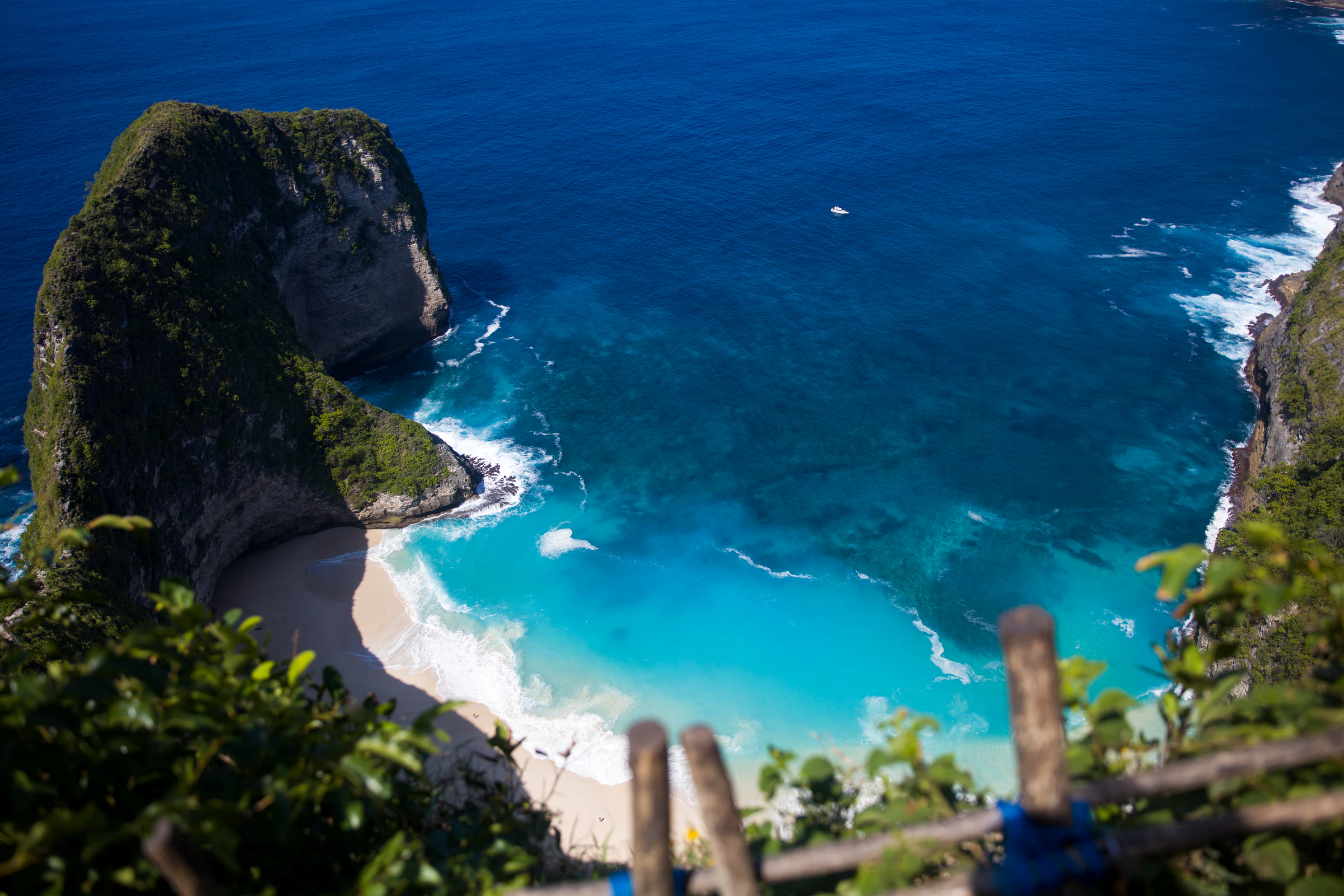
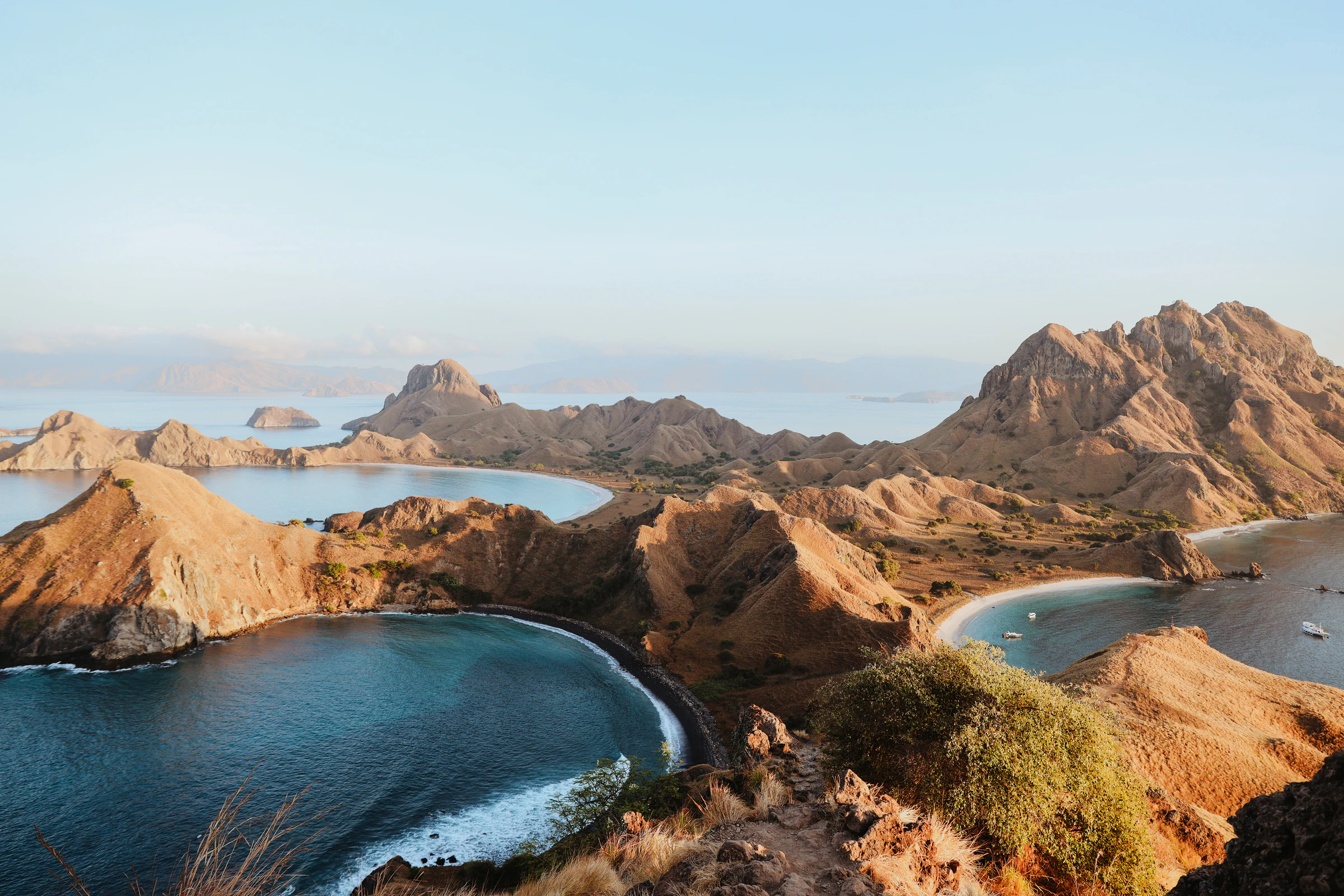
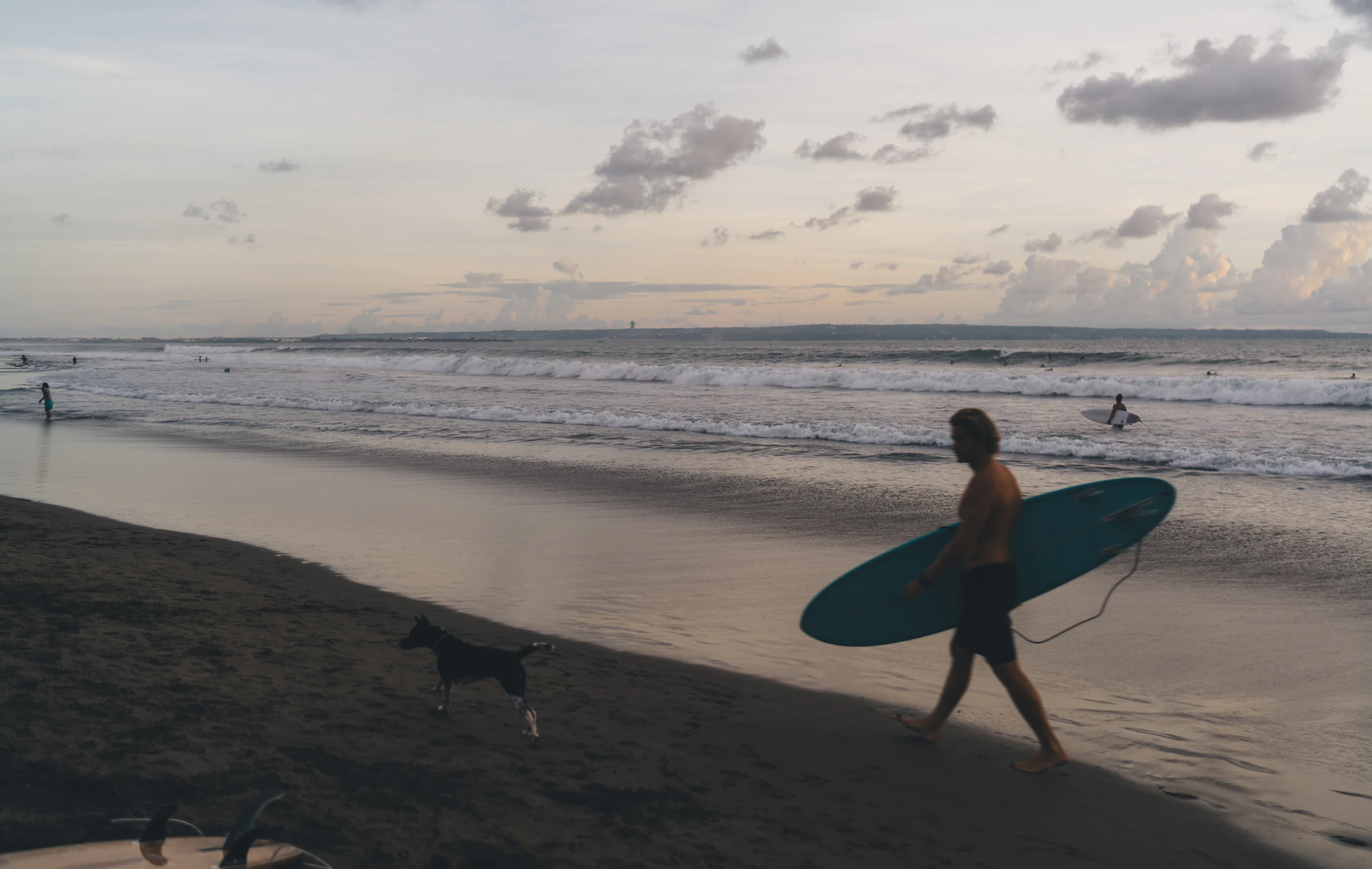
The Gili Islands sit in the sea between Bali and Lombok, close enough to visit on a fast boat but far enough that no motor vehicles have ever made it across. That single fact shapes everything about being here: you walk, cycle or take a horse cart, the nights are quieter than Bali's, and the water around every one of the three islands is close enough to snorkel from the beach.
The three islands aren't interchangeable. Trawangan has the nightlife, the dive shops and the crowds. Air is a step down in energy with a similar range of things to do. Meno is small, sparsely built and about as quiet as the Gilis get. This guide covers all three: which one to pick, how to get there and between them, diving and snorkelling, costs, safety and how long to stay. For the rest of Bali and Lombok, start with our Bali and Indonesia travel guide.
Gili Islands at a glance
- Where: off the northwest coast of Lombok, reached from Bali (Padang Bai or Serangan) or from Bangsal on Lombok
- Getting there: fast boat from Bali, roughly 1.5 to 2.5 hours depending on the route and operator
- Getting around the islands: on foot, by bicycle, or by horse cart (cidomo). No cars, scooters or motorbikes anywhere in the Gilis
- Known for: snorkelling and diving, turtles, car-free island life, sunset bars on Trawangan
- Best months: April to October, for calmer seas and less chance of a cancelled crossing
- How long: two or three nights on one island, or four to six if you want to island-hop
Which Gili island should you pick?
| Island | What it's like | Best for |
|---|---|---|
| Gili Trawangan (Gili T) | The biggest and busiest, with the most dive shops, bars, restaurants and hostels. Nightlife runs late on the east side | Meeting people, diving courses, a livelier stay |
| Gili Air | Closest to Lombok, with a similar mix of things to do as Trawangan but at a slower pace and fewer crowds | A middle ground: still social, less full-on |
| Gili Meno | The smallest and least built-up, with long stretches of quiet beach | Travellers who want the car-free island feel without the party scene |
Many people base themselves on one island and take the inter-island boat over to the others for a day. Our own group trip stays on Gili Trawangan, since it's the easiest island for a group to meet people and book activities from.
Snorkelling and diving in the Gili Islands
The reefs start close to shore on all three islands, which is a big part of the appeal.
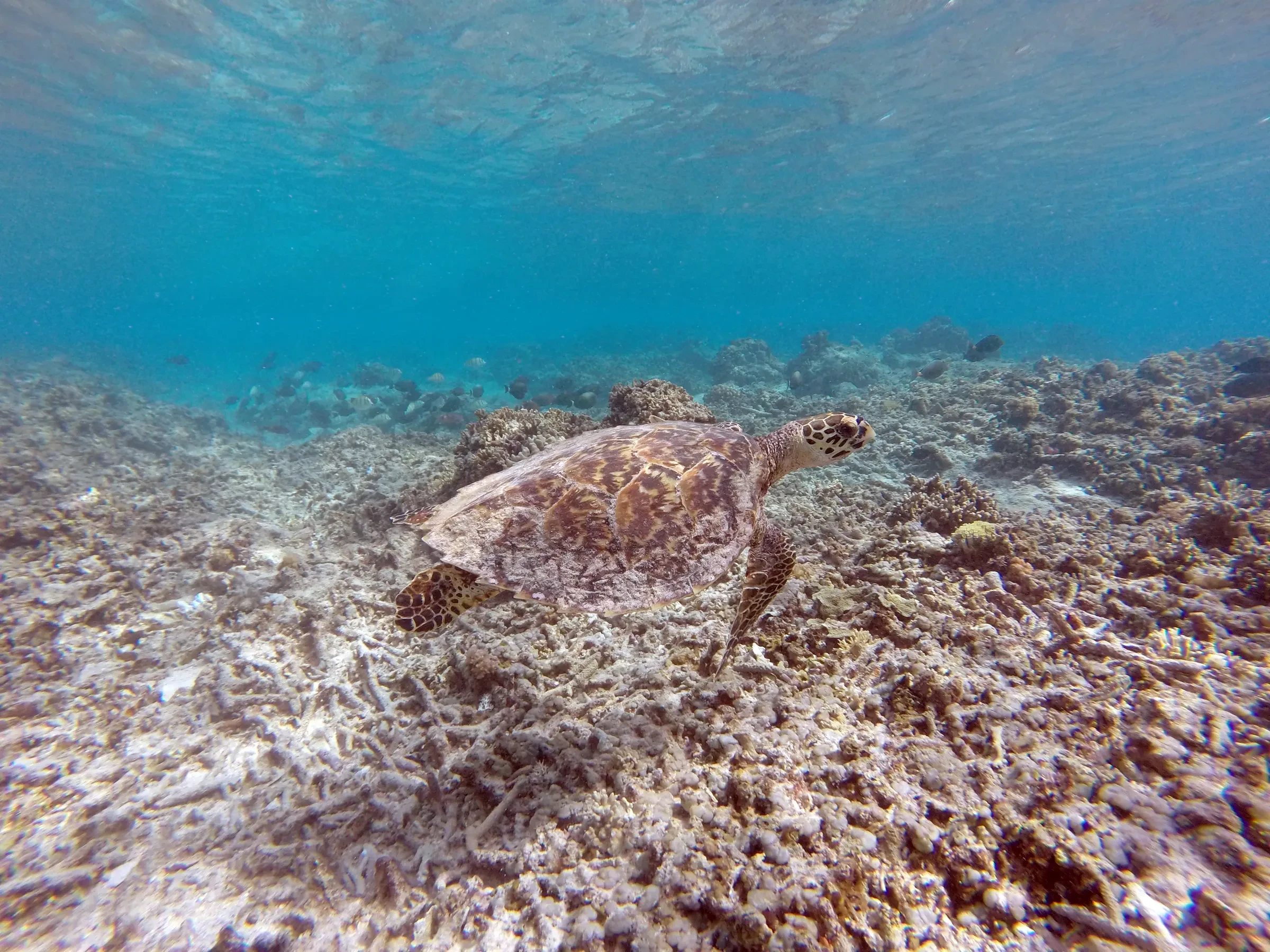
Snorkelling. You can snorkel straight off the beach on Gili Trawangan, and green and hawksbill turtles turn up close to shore often enough that you don't need a boat to find them. Turtle Point, off Gili Trawangan, is the name most dive shops and maps use for its reliable turtle spot. Gili Meno has its own Turtle Point on the east coast and a Coral Garden along the west side, and between the two sits the Nest, a ring of 48 life-size underwater statues sunk to grow coral, in only 3 to 6 metres of water, shallow enough to snorkel over as well as dive. Gear rents for a couple of dollars a day on any of the three islands. A shared glass-bottom boat around all three islands, usually stopping at the Nest and a turtle spot, costs about IDR 100,000 to 150,000 per person with gear included; a longer guided snorkel tour with more stops runs from about US$20 to 40. Turtles are protected in Indonesia, so keep a few metres away, never touch or chase one, and stay on the surface rather than diving down on it. Stand on sand rather than coral, and use reef-safe sunscreen. Currents run stronger around exposed dive sites such as Shark Point off Trawangan's north side, and between the islands generally, so if you're snorkelling without a guide, stick to sheltered spots close to shore.
Diving. Gili Trawangan has the largest concentration of dive centres in the Gilis, several of them PADI 5-star operations, and Gili Air has dive shops too. Courses run from an introductory dive up to a full PADI Open Water certification over a few days, and the Gilis are one of the cheaper places in Indonesia to learn. A separate marine park fee applies per dive. Our diving in Bali guide compares the Gilis with Bali's dive sites, and our PADI Open Water guide covers how the course itself works, wherever you learn it.
Getting to the Gili Islands
There's no land bridge or car ferry that skips Bali or Lombok, so you're arriving by boat either way.
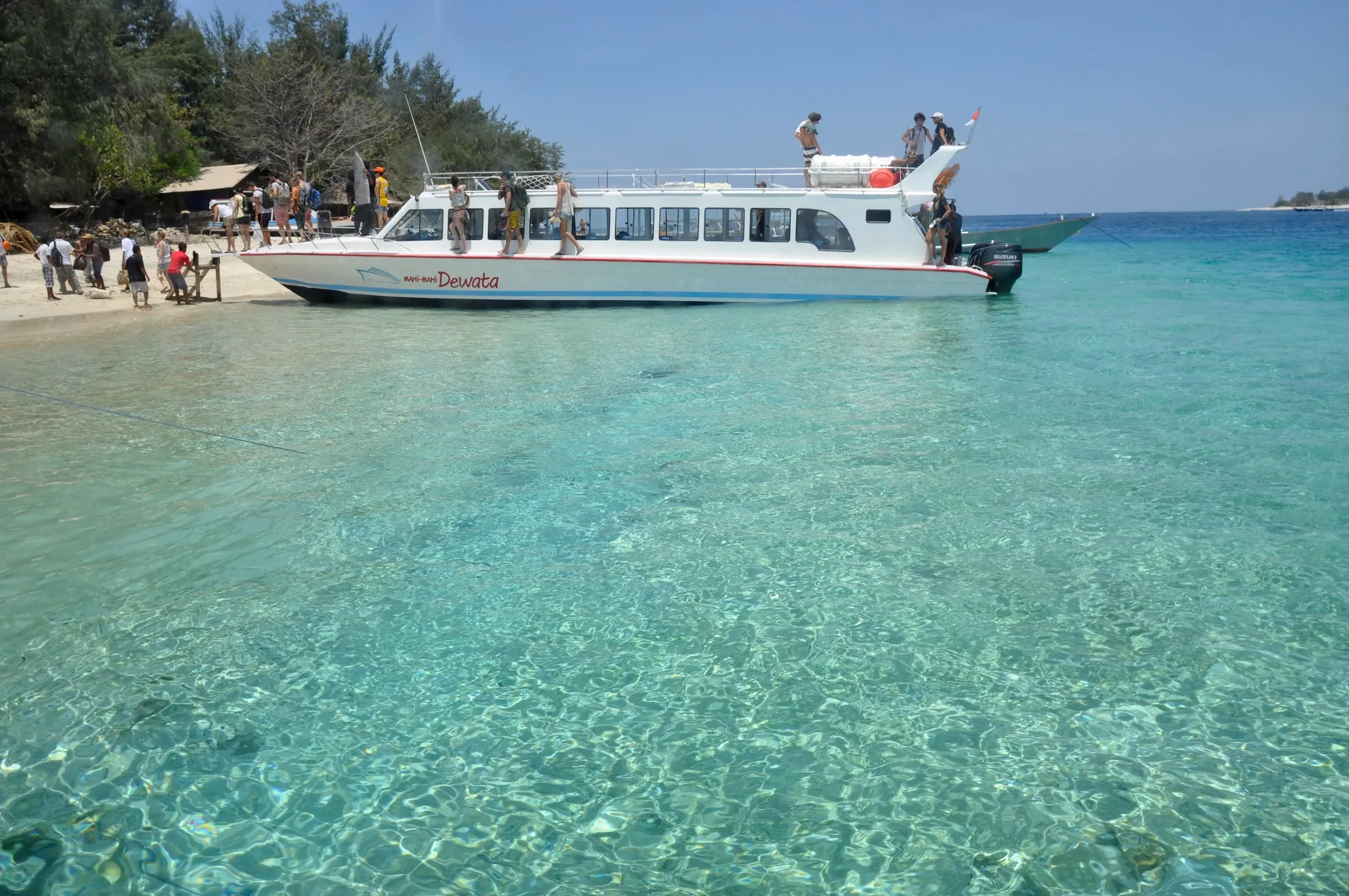
- From Bali: fast boats run from Padang Bai and Serangan (we found no direct Sanur listing), taking roughly 1.5 to 2.5 hours depending on the operator and route, or direct from Nusa Penida.
- From Lombok: a public boat from Bangsal harbour is the cheapest way over, though it takes longer and runs to a rougher schedule than the Bali fast boats.
- Crossings can be cancelled in poor weather, particularly from December to March, plus July and August when swell picks up. All crossings from Bali were suspended on 21 January 2026 because of waves of 2.5 to 4 metres. Daylight sailings only, and check your operator has life jackets before you book.
- Fast-boat safety is uneven. In August 2025 the Dolphin II capsized in waves on the Nusa Penida to Sanur run, killing three people, and in March 2026 a Gili Trawangan to Padang Bai boat cracked its bow in heavy seas off Amed (all 117 on board were moved to another boat, with no casualties). Choose an established operator, wear the life jacket, skip the last sailing of the day and leave a spare day before any flight home.
Getting between the Gili Islands
A public "island hopper" boat connects all three Gilis, run on a shared schedule with departures roughly hourly through the day, for about IDR 25,000 to 40,000 per person depending on the route. It's the easiest way to visit a second island for the day without repacking your bags.
Getting around each island
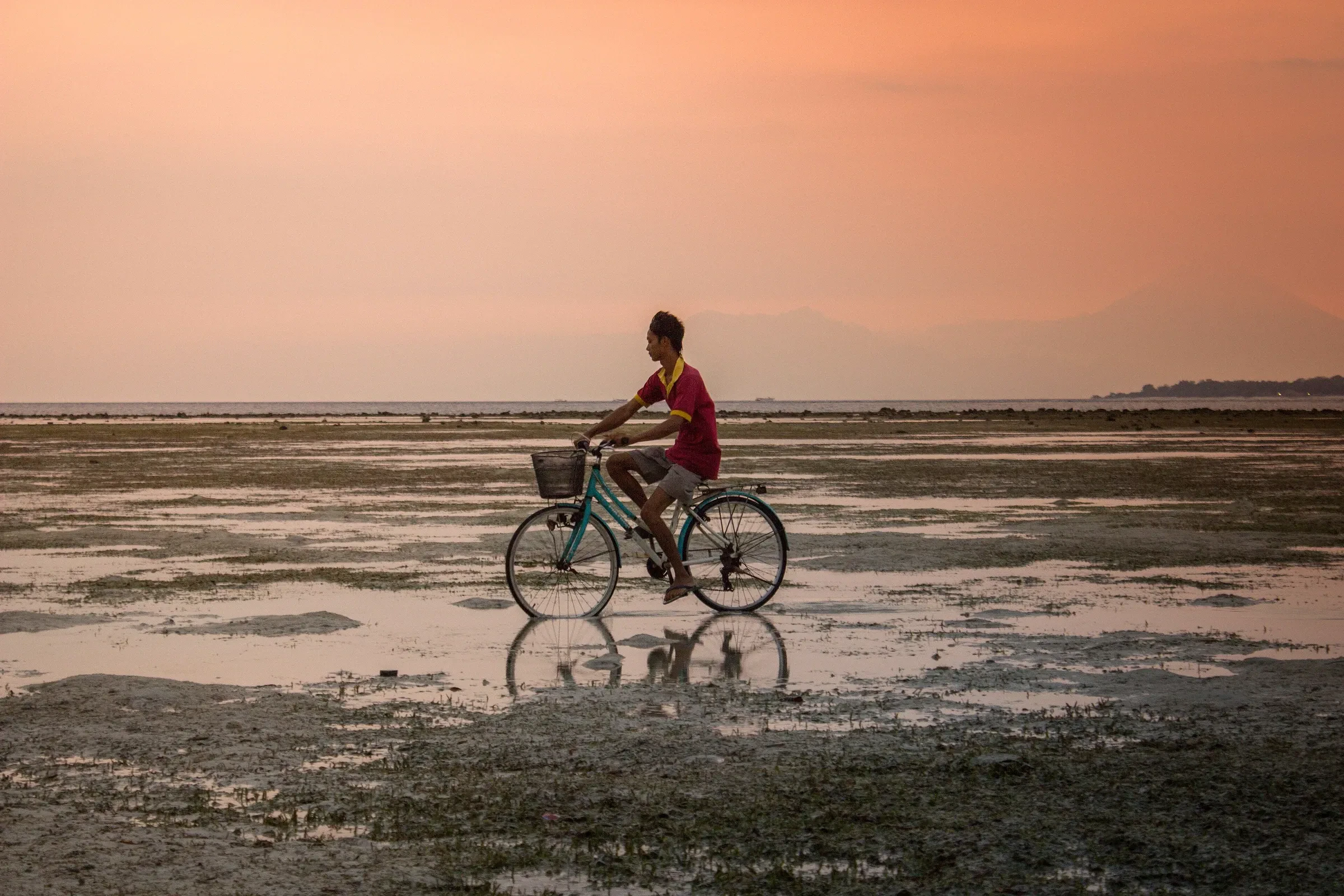
None of the Gilis allow cars, scooters or motorbikes. E-bikes are officially banned too, apart from a few utility uses. In May 2026 a North Lombok councillor said almost every resident now owns one and asked for the rules to be rewritten. You will see them around even though the ban stands, but don't count on renting one.
- On foot. Gili Meno and Gili Air are small enough to walk most of the way around in an hour or two.
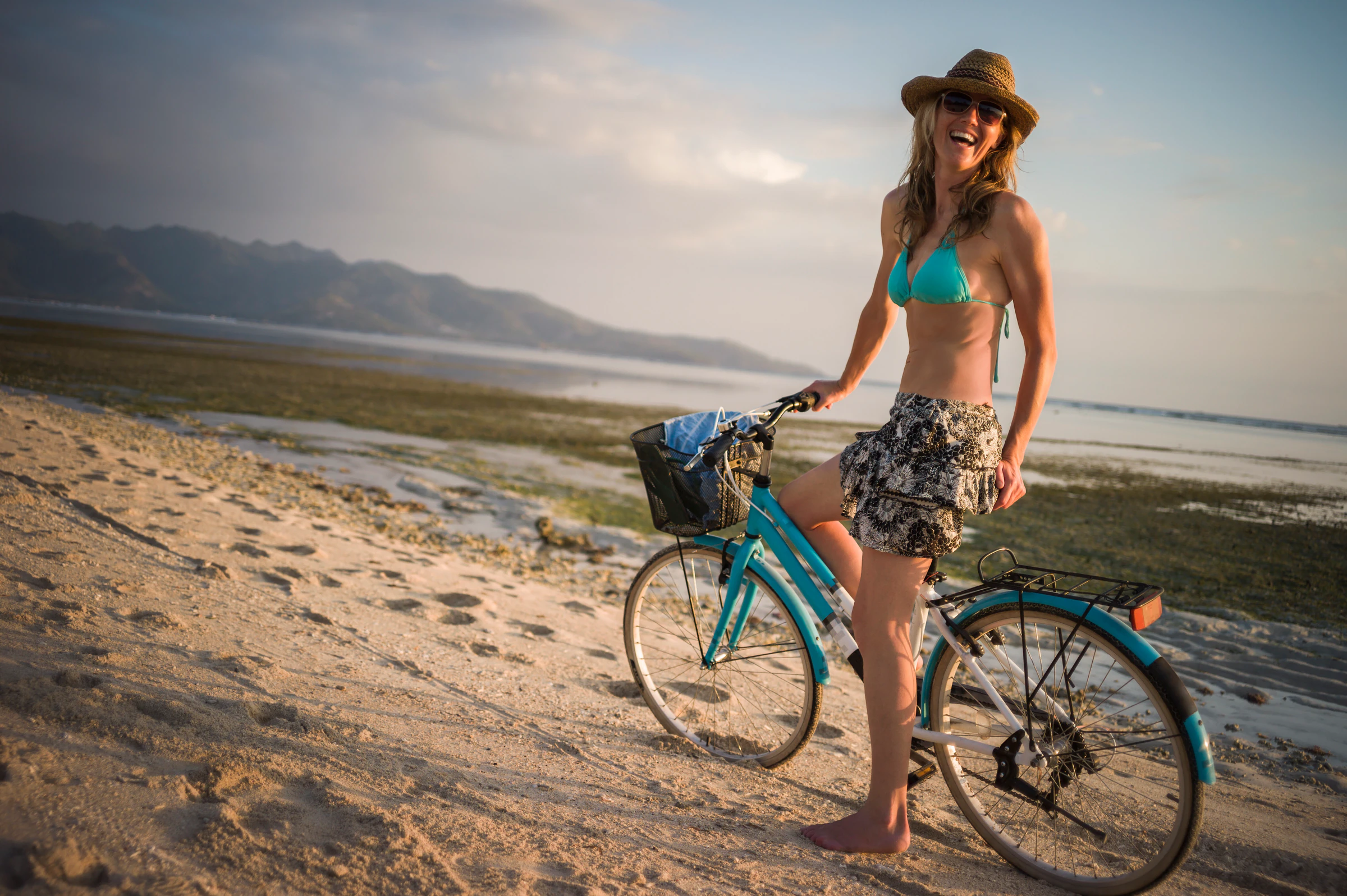
- Bicycles. The easiest way to get around Gili Trawangan and Gili Air, for about IDR 50,000 to 75,000 a day.
- Cidomo (horse carts). Still used for luggage and longer trips, especially on Trawangan. Animal welfare on the islands has improved over the past decade, with shorter working days and a weekly rest day introduced, but welfare groups such as the Gili Eco Trust still campaign on it. Walk or cycle where you can, and if you do take a cidomo, look at the horse first and skip it if it looks thin, sore or overloaded.
Where to stay in the Gili Islands
Accommodation ranges from simple hostel dorms to beachfront villas, and prices vary a lot by season and how close you are to the water.
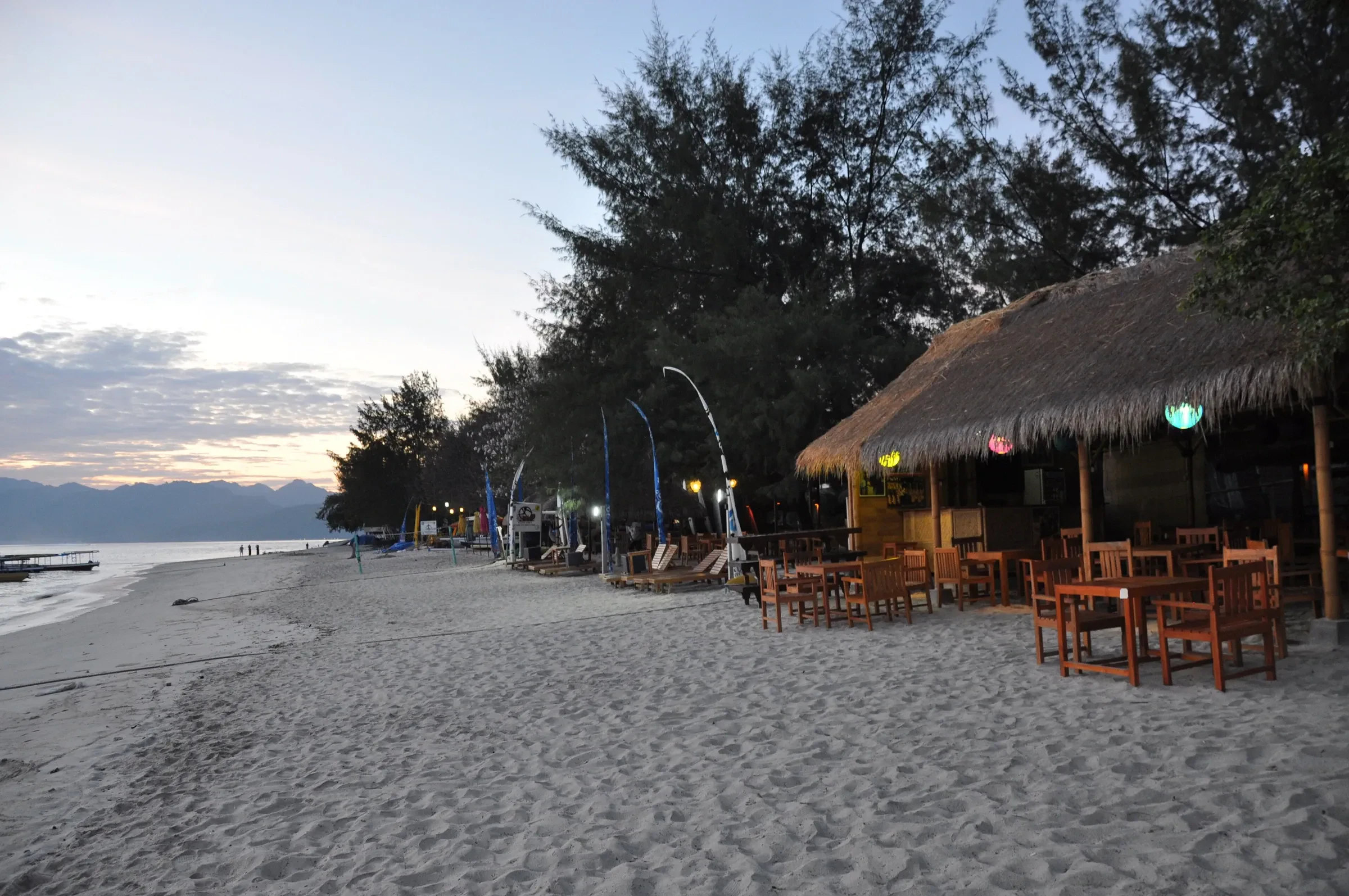
- Gili Trawangan: the widest range, from hostel dorms to beach clubs, mostly clustered on the east side near the harbour and the bars.
- Gili Air: a similar spread of guesthouses and small hotels, generally quieter after dark than Trawangan.
- Gili Meno: fewer places to stay overall, mostly small guesthouses and a handful of resorts, in keeping with how little of the island is built up.
Dorm beds start from well under US$10 a night in the cheapest hostels, rising quickly for anything with air conditioning, a pool or a sea view.
Best time to visit the Gili Islands
| Months | Weather | Good for |
|---|---|---|
| April to October (dry season) | Drier, calmer seas | The best months overall: reliable boat crossings, good diving visibility |
| July and August | Dry but can bring stronger swell | Watch for boat delays or cancellations on rougher days |
| November to March (wet season) | Rain, rougher seas, more cancelled crossings | Fewer crowds, but boats are less reliable |
Our Bali and Indonesia travel guide has the season picture for the wider region.
How much do the Gili Islands cost?
| Item | Price |
|---|---|
| Fast boat from Bali | about IDR 550,000 to 700,000 one way on the main operators' published fares; agents sometimes sell cheaper seats |
| Public inter-island boat | about IDR 25,000 to 40,000 per person |
| Snorkelling boat trip | about US$20 to 40 per person |
| Bicycle hire | about IDR 50,000 to 75,000 a day |
| Gili entry levy | IDR 20,000 per person at the port (North Lombok's council has discussed raising it to IDR 50,000, not yet agreed in May 2026) |
| Dorm bed | about IDR 150,000 to 300,000 |
Staying safe in the Gili Islands
- No cars means fewer road accidents, but cidomo horse carts and bicycles still share the paths, so keep an eye out, especially at night.
- Fake or counterfeit spirits. Methanol poisoning from counterfeit alcohol has been reported in Bali and the Gilis. Methanol can't be tasted or smelled, so stick to beer or sealed, branded spirits and skip cheap cocktails.
- Boats. Fast-boat accidents have happened on the Bali routes in recent years. The getting-there section above has the details.
- Swim and snorkel with care. Currents can be stronger between the islands than close to shore, and boat traffic passes through the same waters. Stay within marked or well-used snorkelling areas if you're not with a guide.
- Sun and heat. There's little shade on the smaller islands, so carry water and reef-safe sunscreen, particularly if you're cycling.
How many days do you need in the Gili Islands?
Two or three nights on one island covers snorkelling, a dive or two if you want them, and enough time to settle into the slower pace. If you want to see more than one island's character, add a day or two to island-hop on the public boat, since a day trip alone doesn't give you much beyond a quick beach stop.
The Gili Islands with a small group
Our Bali & Gili Islands trip spends three nights on Gili Trawangan after crossing directly from Nusa Penida by fast boat, so there's no backtracking through Bali. The group walks from the harbour to the guesthouse, since there are no cars or horse carts for people on this trip, and a snorkelling boat trip around all three islands is included, with turtles regularly seen on the reefs. Your Trip Host is with the group the whole way, and a licensed local agency handles the ground arrangements in Indonesia.