What makes Bromo and Ijen special
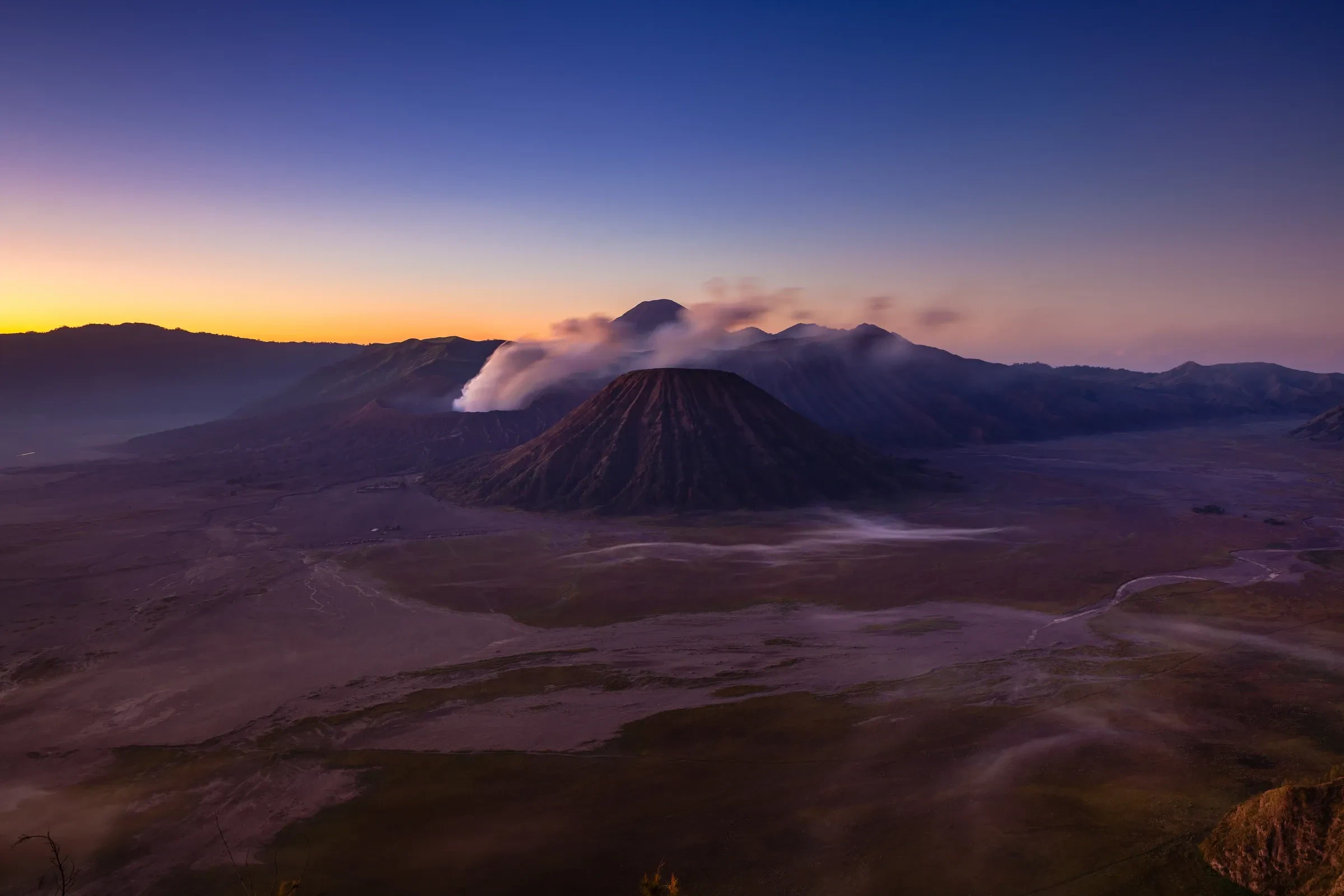
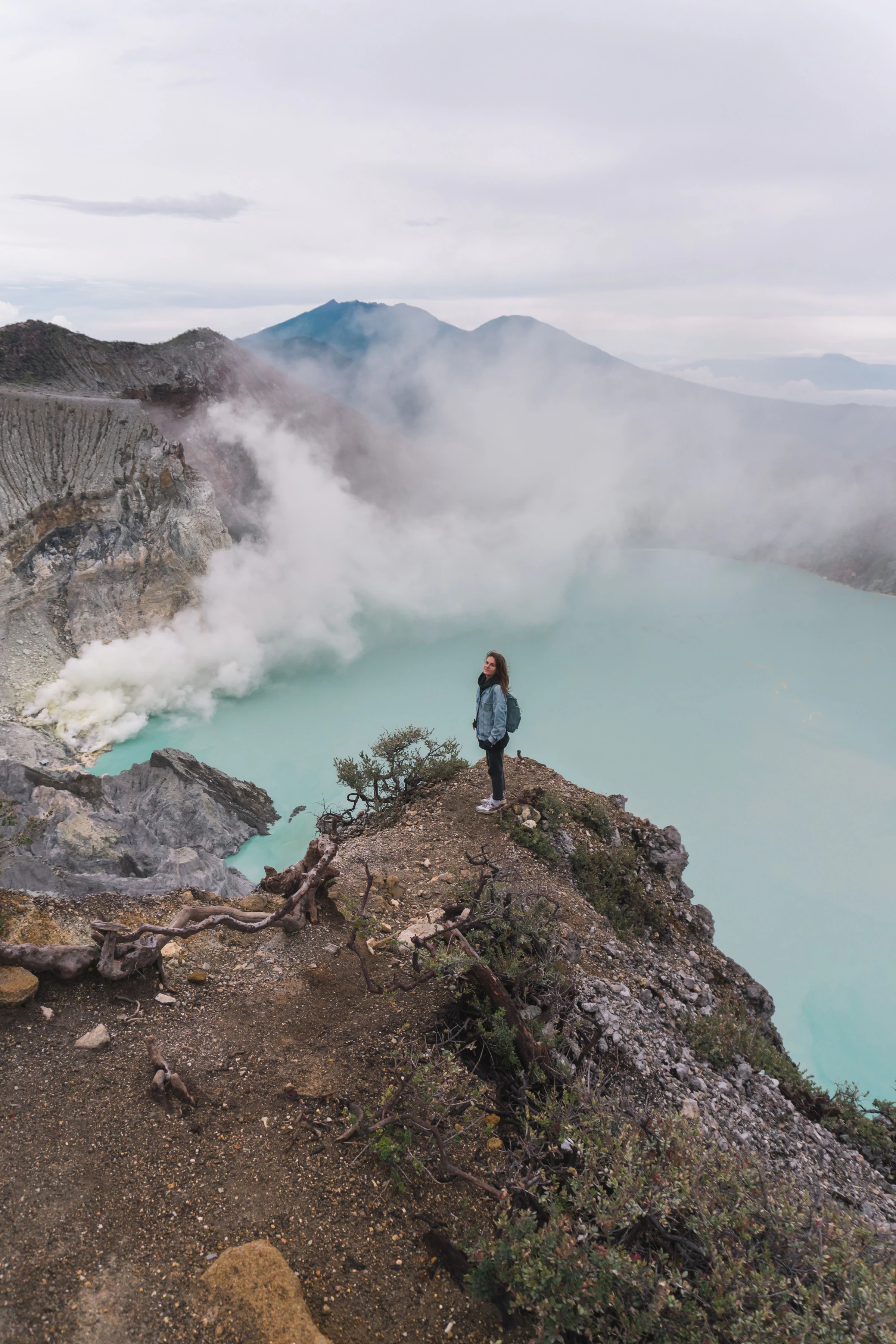
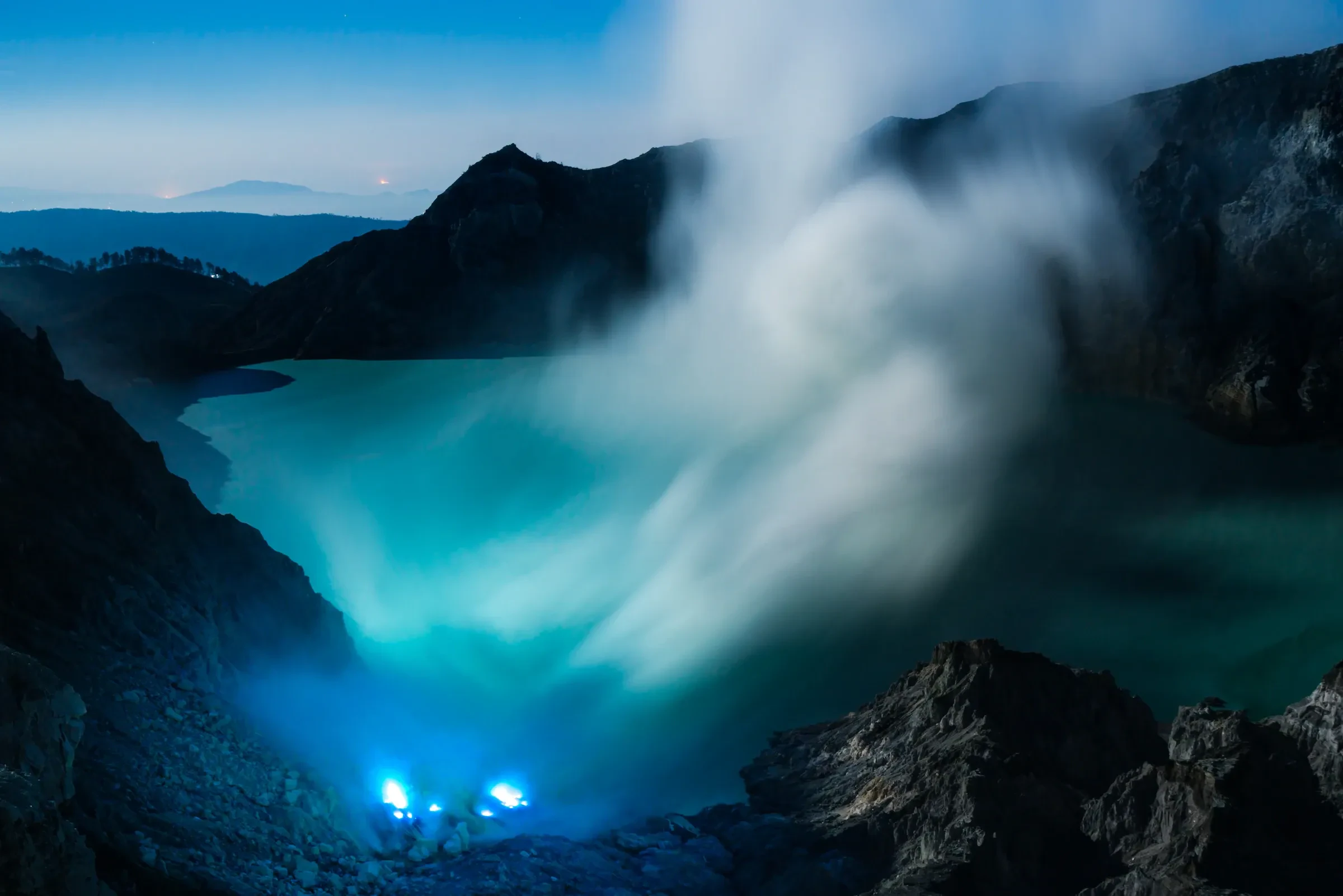
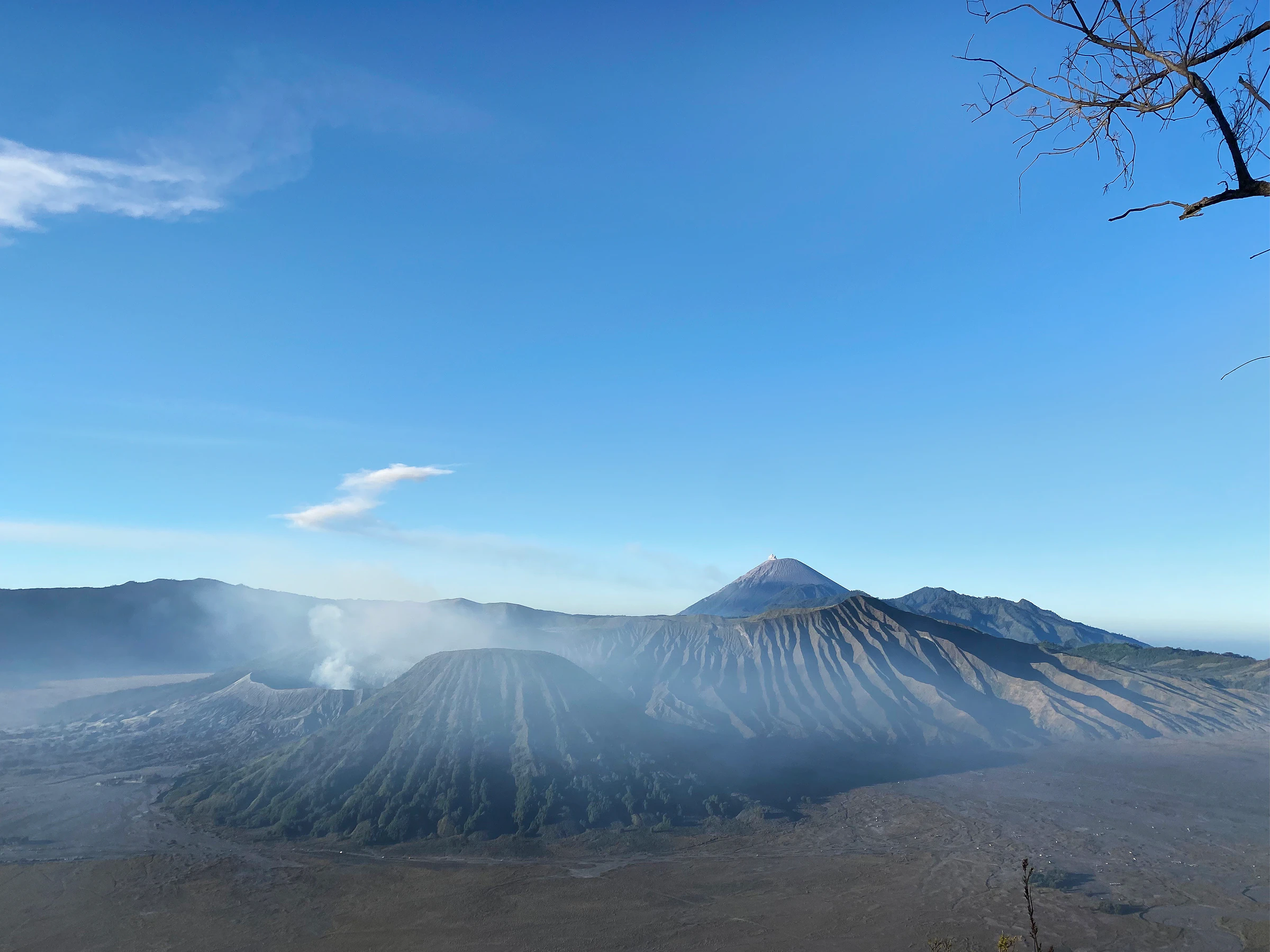
Bromo and Ijen are two of Indonesia's most photographed volcanoes, and a genuine reason to route a solo trip through East Java rather than treat it as a footnote on a Bali holiday. Bromo's draw is the view: an active, smoking crater sitting inside a much larger, ash-grey caldera that locals call the sea of sand, best seen from the Penanjakan viewpoint as the sun comes up over the rim. Ijen's draw is stranger and harder won: a hike that starts at midnight, a crater lake that's one of the largest highly acidic lakes in the world, and, when conditions allow, the electric-blue flames of burning sulphuric gas, visible only in darkness.
The two get lumped together in itineraries because they sit roughly on the way to each other on the classic Yogyakarta-to-Bali overland route, not because they're similar experiences. Bromo is a sunrise and a walk. Ijen is a proper pre-dawn hike with a real safety briefing. Treat them as two separate, demanding early mornings rather than one long day out. Ijen suits fit, healthy walkers only; it is not an easy outing for everyone (see the health rules below).
Mount Bromo: the sunrise and the sea of sand
Base yourself in Cemoro Lawang, the small village on the caldera rim itself, so the jeep pickup doesn't add extra driving to an already short night. Jeeps leave around 3am for the Mount Penanjakan viewpoint, where the crowd gathers in the cold and dark for sunrise over Bromo's crater and the wider caldera floor. Afterwards, the jeep drops you onto the sea of sand, where you can walk or hire a horse partway up Bromo's own cone for a closer look at the smoking crater rim, conditions allowing.
Book the shared jeep tour through your guesthouse the day before rather than trying to arrange one on the spot; solo travellers are almost always grouped into a shared jeep rather than paying for a private one. Bring a warm layer. Cemoro Lawang and the viewpoint are properly cold before dawn, despite Java's tropical latitude.
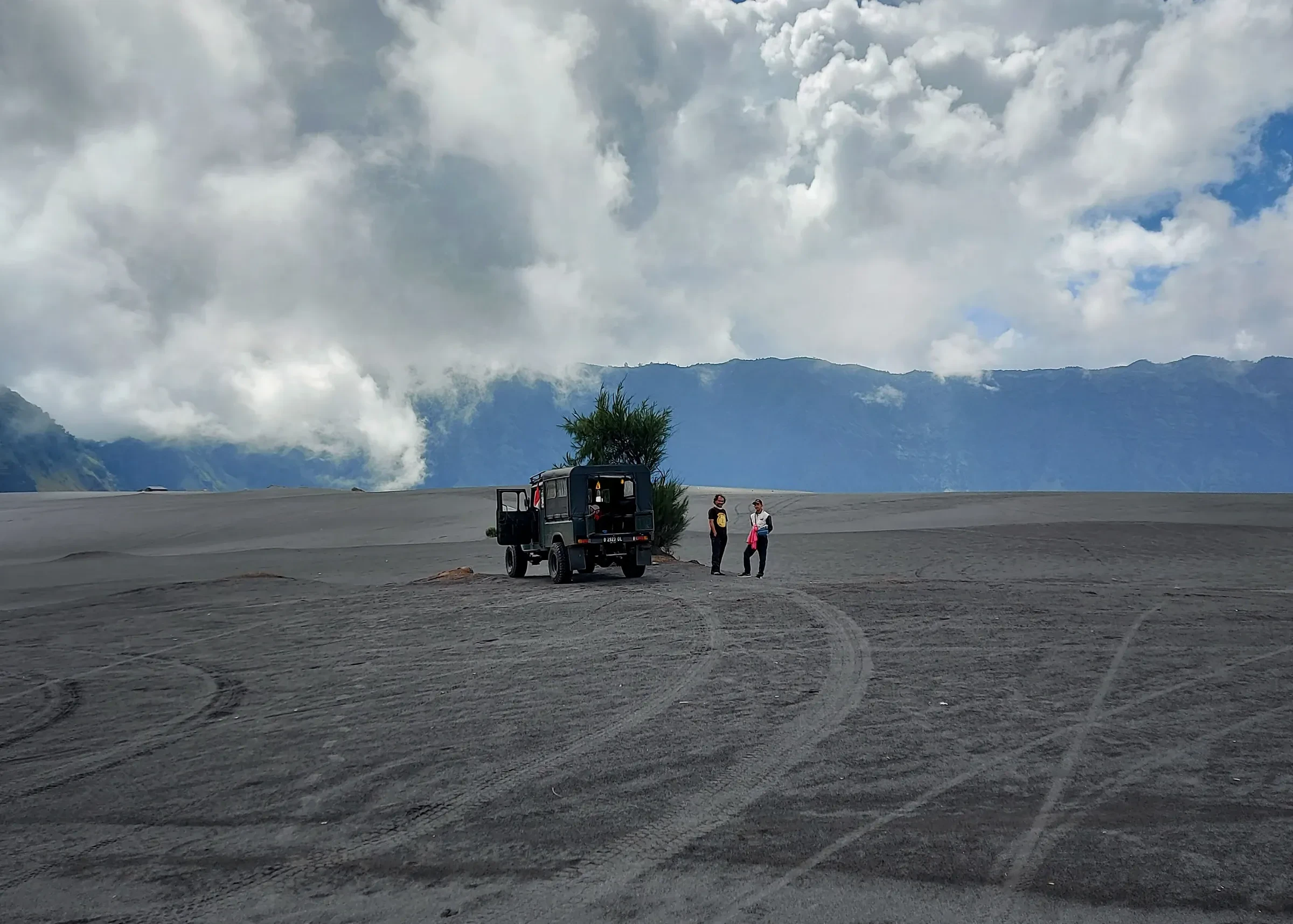
Park entry for foreign visitors is IDR 255,000 a person (the tariff the park has charged since 30 October 2024), and the park's officials say tickets must be bought online through the national park's official booking site rather than at the gate. The jeep tour is priced separately by the operator, and a jeep entering the park also pays a small vehicle fee set by the park. The park reported a daily visitor quota of 2,752 people in August 2026, so book ahead.
The park closes for three different reasons, so check the official booking site before you commit.
- Ceremonies: the Tengger people's Yadnya Kasada ritual closed the whole area to tourists from 30 May to 2 June 2026, and the Wulan Kapitu observance closed the caldera on evenings in December 2025 and January 2026. The dates move each year.
- Fires: forest fires closed the park from 8 to 20 August 2026 and again from 10 to 19 September 2026. Tickets already bought for 19 to 30 September stayed valid.
- Volcanic activity: Bromo was at alert level II (Waspada) in August 2026, and the geological agency asked people to stay out of the crater area within 1 km of the active crater. Whether you can climb to the crater rim depends on what the park allows that day.
One night in Cemoro Lawang is usually enough for the sunrise tour if the weather cooperates. Build in a spare morning if you can, since bad weather or a park closure can mean trying again the next day.
Ijen: the blue fire, the crater lake and the sulphur miners
Ijen's basecamp villages sit near Sempol and Banyuwangi, about 5 to 6 hours by road from Cemoro Lawang. The hike itself starts in the early hours from the Paltuding trailhead: about 2 hours up a steady, sometimes steep and loose gravel path, done almost entirely in the dark by headtorch. The park's booking page lists the hiking gate as open from 2am to noon, so confirm your slot and your operator's start time.
The blue flames are sulphuric gas burning on contact with air, and they're only visible in the dark, which is why the hike starts so early. Don't count on seeing them. Tour-operator sites reported through 2026 that the blue fire was not visible and that the crater-floor path was restricted, and we found no official statement on either. The same sites say the descent can be closed on any day when gas levels rise.
The whole park can close too. East Java's conservation agency (BBKSDA) shut it on 4 September 2026 because of wildfires and reopened it on 28 September, with online ticket booking restarting on 25 September. The park also closes for a monthly conservation day on the first Friday of the month, and its booking page lists 6 November and 4 December 2026. Check the current status before you travel. If the crater floor is closed, the rim walk and the sunrise view of the lake can still be worth doing, but treat the flames as a bonus.
Ijen is not safe for everyone. The park requires a doctor's health certificate issued no more than 3 days before your visit, and it advises against the hike for anyone with heart disease, asthma, a respiratory infection or a breathing disorder. The crater air carries toxic gas, and parts of the climb are steep and loose. Tickets cannot be cancelled, refunded or rescheduled, and the name on your booking has to match your ID.
The park's rules list a mask among the personal safety gear every visitor must bring. For the crater itself, use a proper respirator with a gas filter, not a cloth mask or bandana, and ask your guesthouse or tour operator to confirm one is included before you commit to a departure. Masks are usually available to rent near Paltuding.
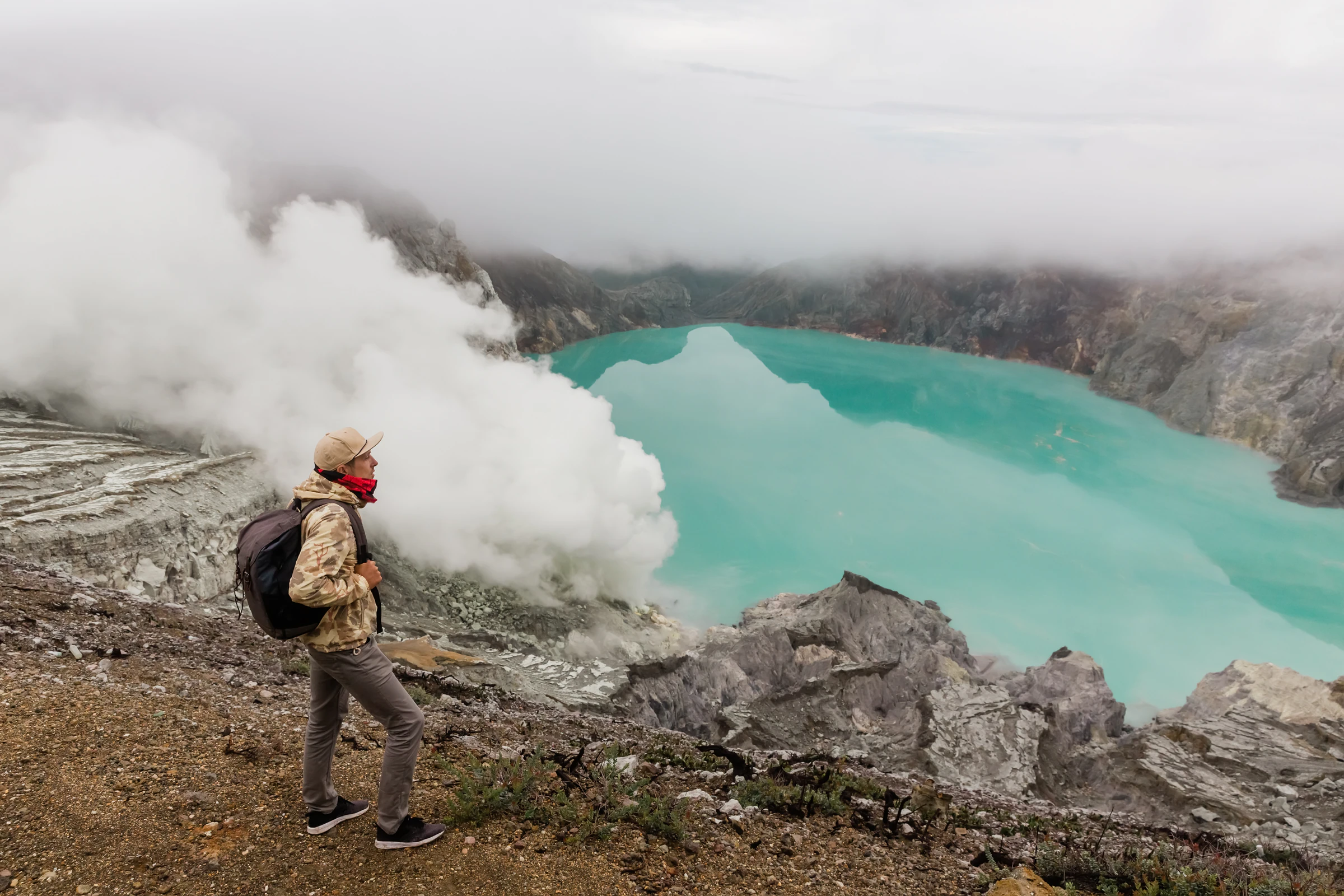
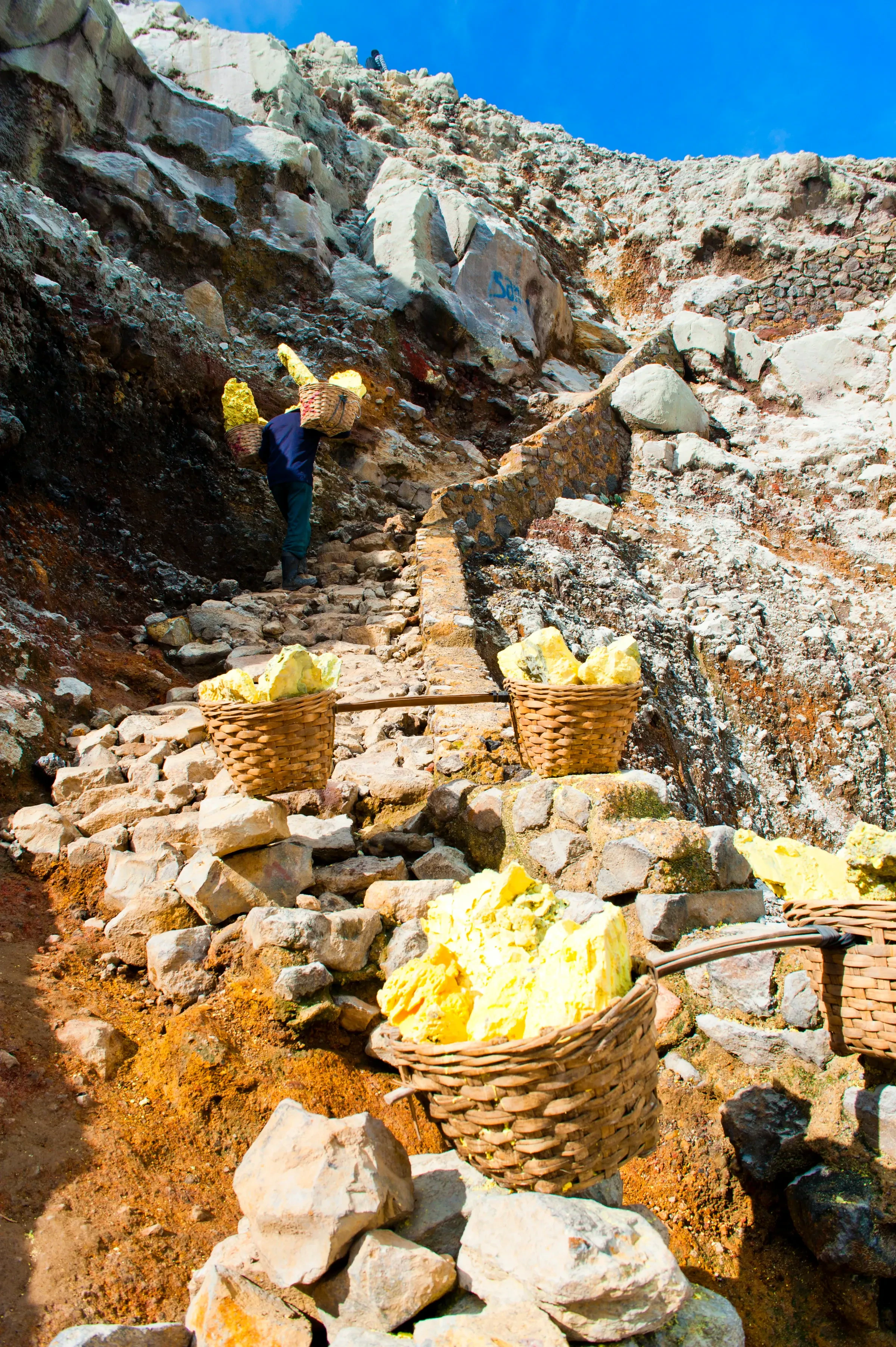
Ijen's sulphur miners work the crater floor by hand, carrying loaded baskets of raw sulphur up the same steep trail you're hiking down, with far less protection than tourists have. It's one of the more sobering things you'll see on this route. Step aside on the narrow trail, watch quietly, and ask before you point a camera at anyone. Don't treat the miners as a photo stop, and don't try to carry a basket.
After sunrise, the turquoise, strongly acidic crater lake is visible by daylight from the rim, which is the payoff even when the blue fire itself isn't visible.
One night at the Ijen basecamp covers the hike, but build in a second if you can, because the crater floor or the whole site can close on short notice.
Things to do
- The Bromo sunrise jeep tour, from Cemoro Lawang to the Penanjakan viewpoint and down onto the sea of sand
- A walk or horse ride partway up Bromo's own crater from the caldera floor
- The Ijen pre-dawn hike to the crater rim, with the blue fire visible only when conditions and access allow
- The Ijen crater lake by daylight, once the sun is up and the flames have faded
- Watching the sulphur miners at work, respectfully and from a distance
What to eat
Food around both basecamps is simple East Javanese mountain fare: plain rice, fried tempeh and a light vegetable soup at the guesthouses in Cemoro Lawang and near Ijen, a step down from the richer palace-city cooking in Yogyakarta covered in our Yogyakarta guide. Eat lightly before both pre-dawn starts; a heavy meal before a pre-dawn hike or a 3am jeep ride isn't worth it. For the fuller picture of Javanese and Indonesian dishes worth seeking out on this route, see our Indonesian food guide.
Best time to visit
April to October, the dry season, gives the clearest sunrise views at Bromo and safer footing on Ijen's steep, loose crater-rim path. Avoid January and February, the wettest months, when Bromo's caldera floor can flood or become impassable and Ijen's trail turns more hazardous underfoot. Both are actively monitored volcanoes, and the fire closures of August and September 2026 came in the dry season, so check current conditions close to your trip rather than relying on the season alone.
Getting there and around
Most travellers arrive from Yogyakarta: a train to Probolinggo (around 8 hours 30 minutes on the economy-class service), then a taxi or minibus on to Cemoro Lawang (about 1 hour 30 minutes to 2 hours). From Cemoro Lawang, it's roughly 5 to 6 hours by road to the Ijen basecamp near Sempol or Banyuwangi. From Ijen, it's about 1.5 hours to Ketapang port, then a short ferry crossing (about 45 minutes) to Gilimanuk on Bali's western tip, followed by a 2 to 3 hour road transfer on to Ubud or the south coast.
Doing this without a driver is possible, but it adds real logistics on top of two already early mornings, which is why most solo travellers book a single overland operator or a small-group tour that handles the van, the Bromo jeep, the Ijen guide and mask, and the ferry crossing as one package.
How long to spend and which route guide to use
Two to three days covers Bromo and Ijen on their own, back to back. Most travellers fold them into a longer route rather than visiting in isolation: our Java overland guide lays out the full week from Yogyakarta through Bromo and Ijen to Bali day by day, and the 3-week and 1-month Bali itineraries both open with this same Java leg before continuing on to Bali, Nusa Penida, the Gilis and beyond.